
 USD
USD GBP
GBP
 EUR
EUR
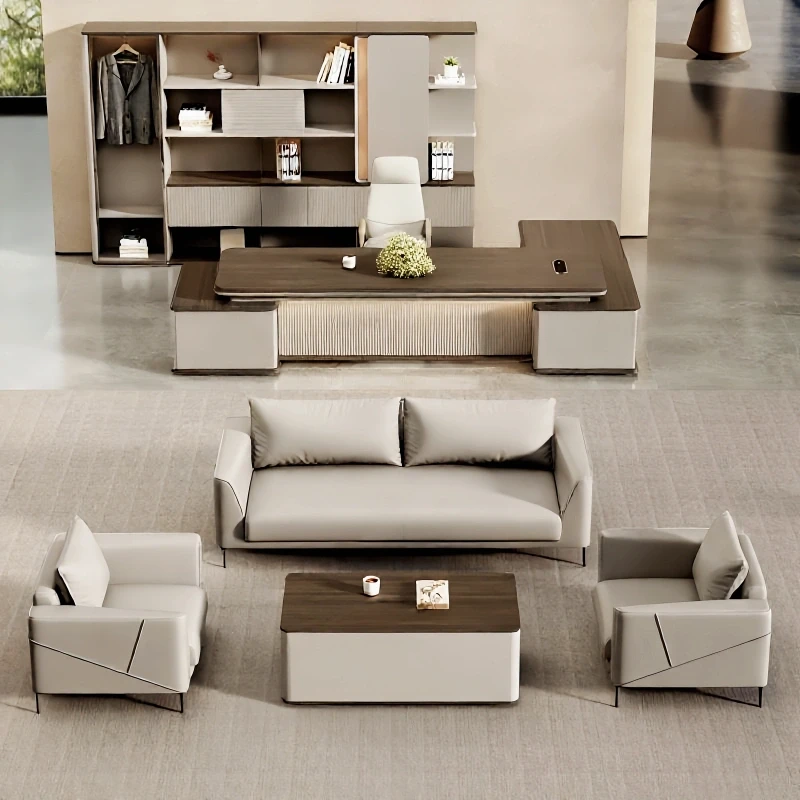
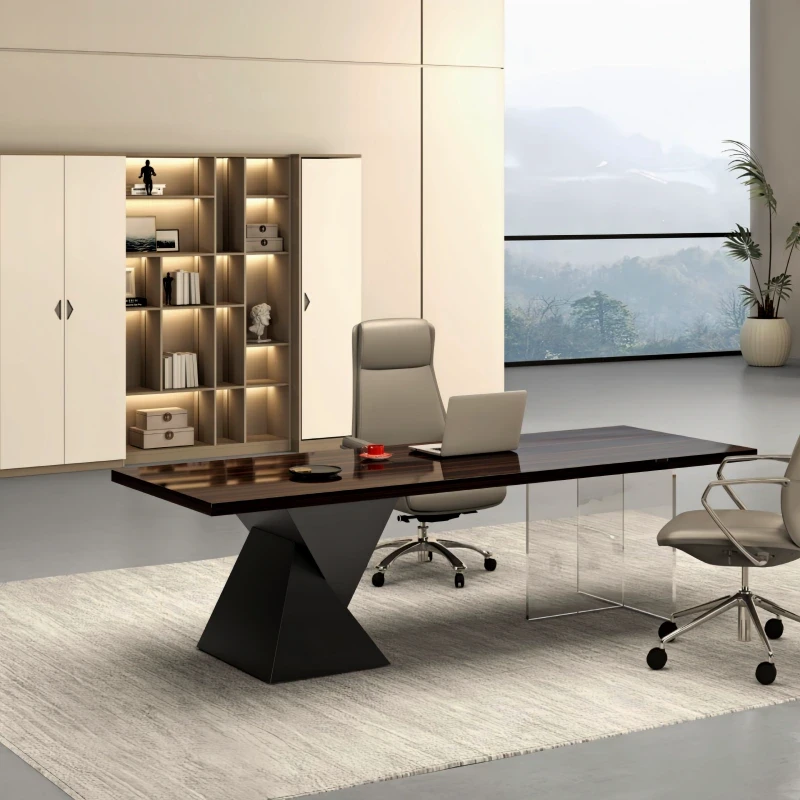


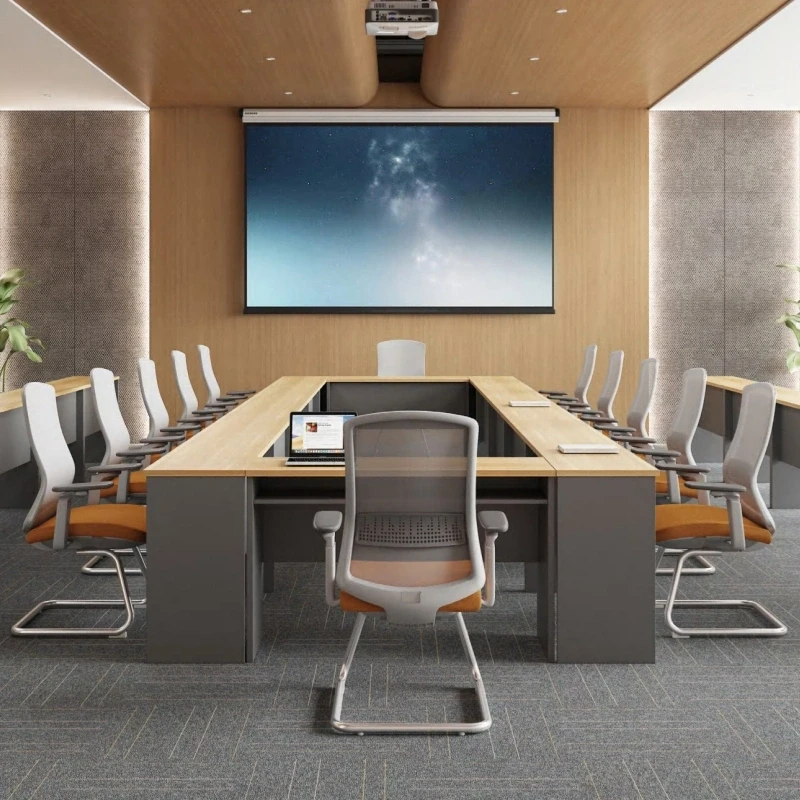
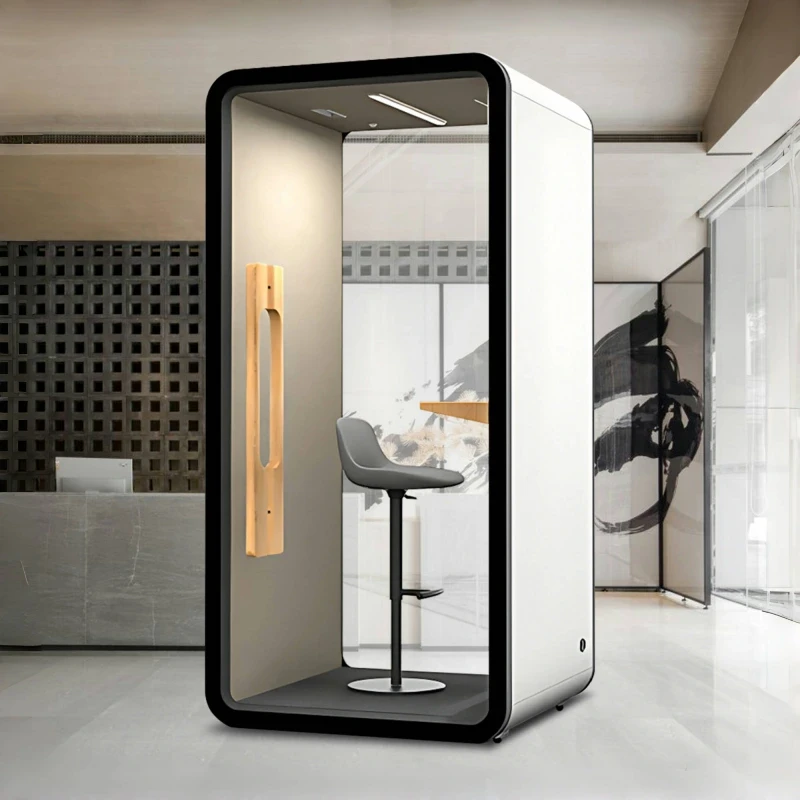
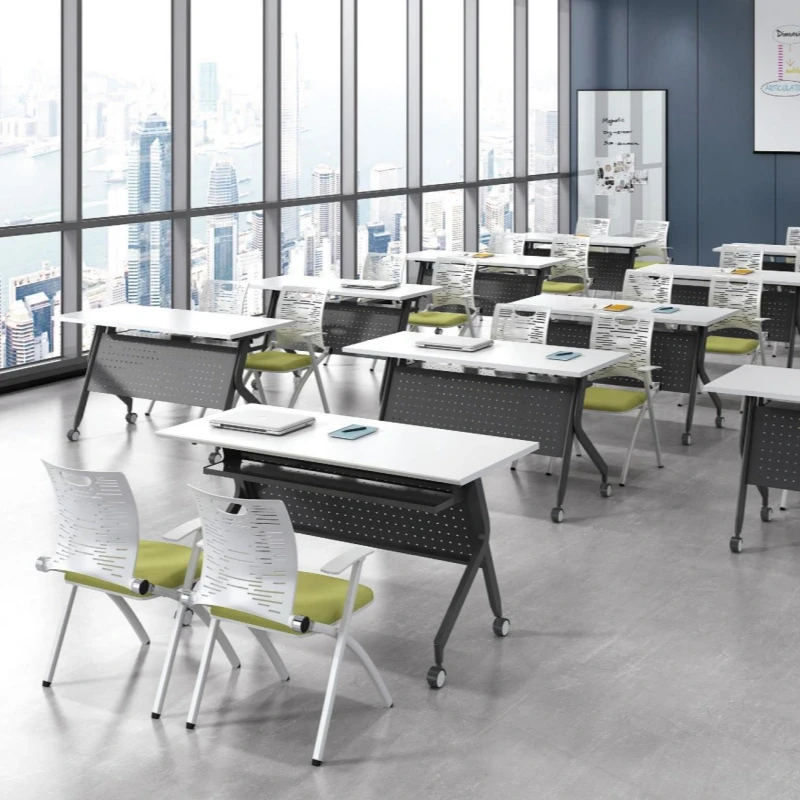
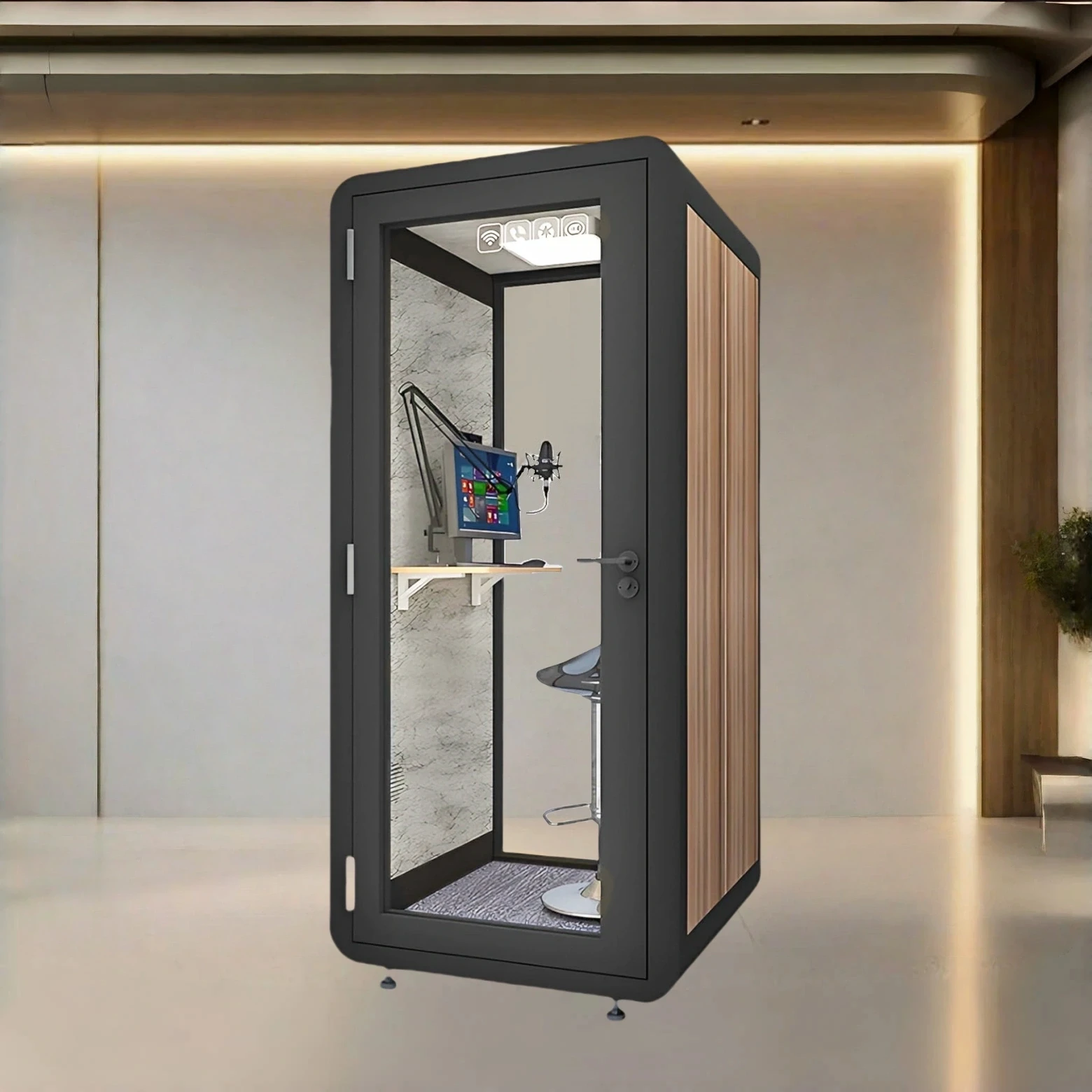
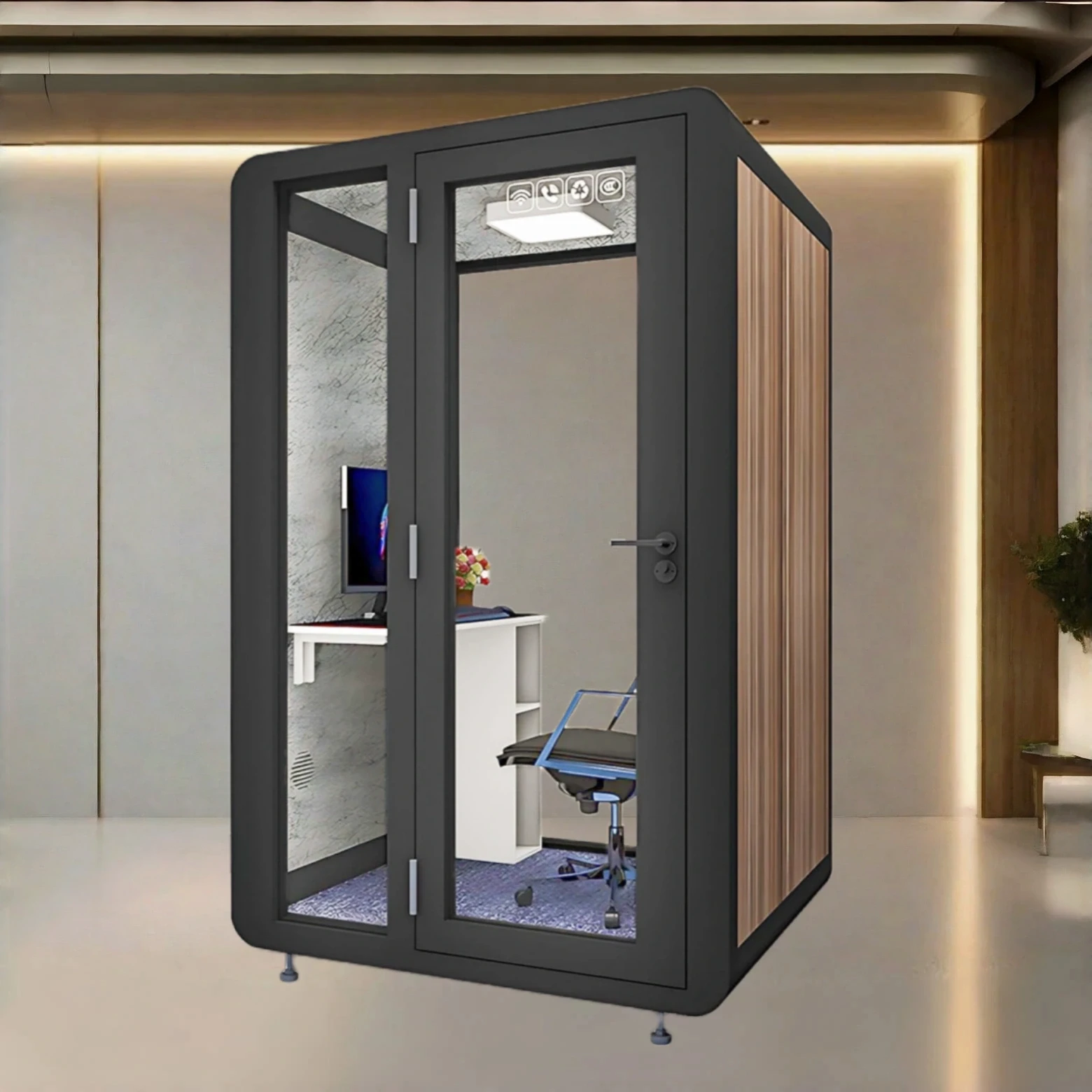
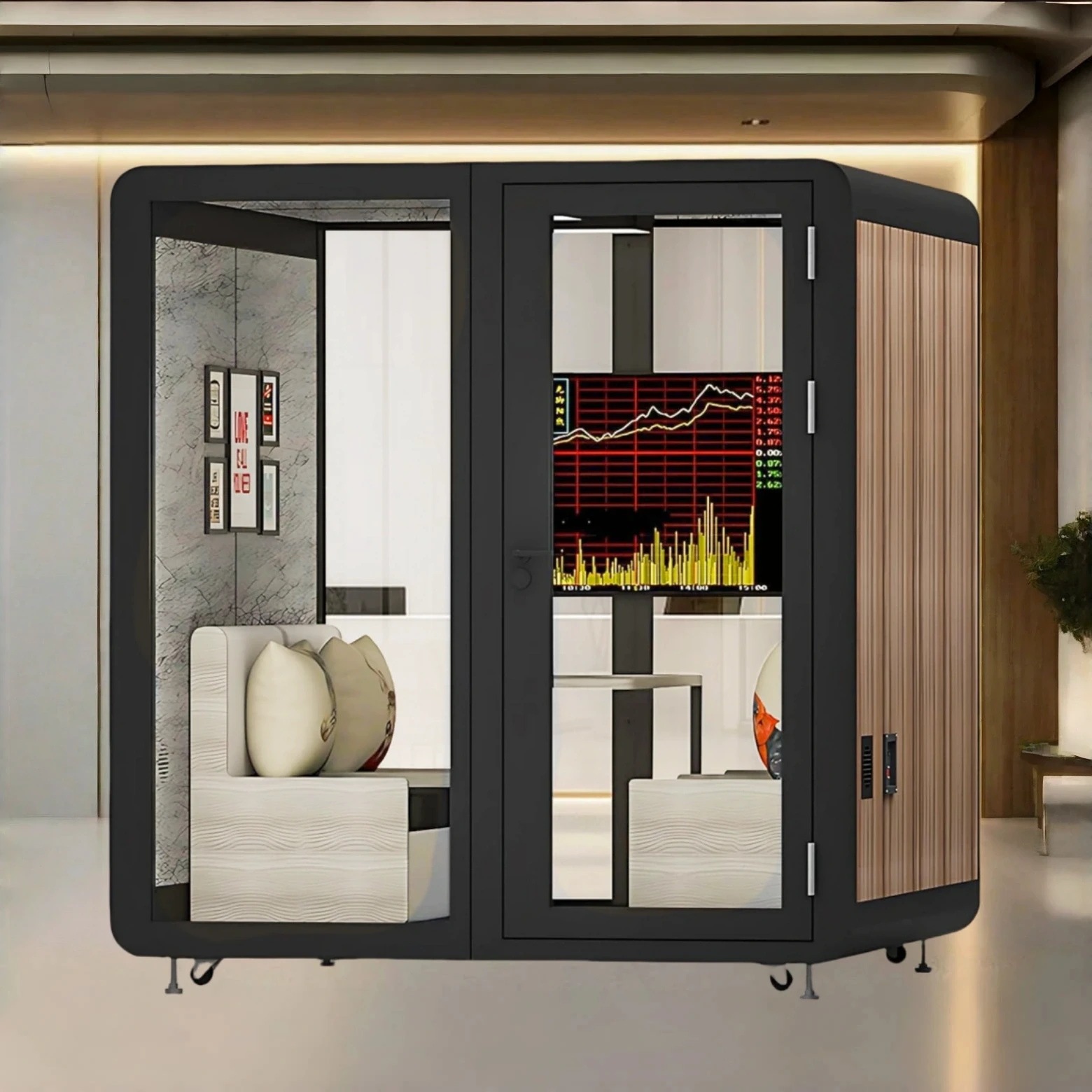
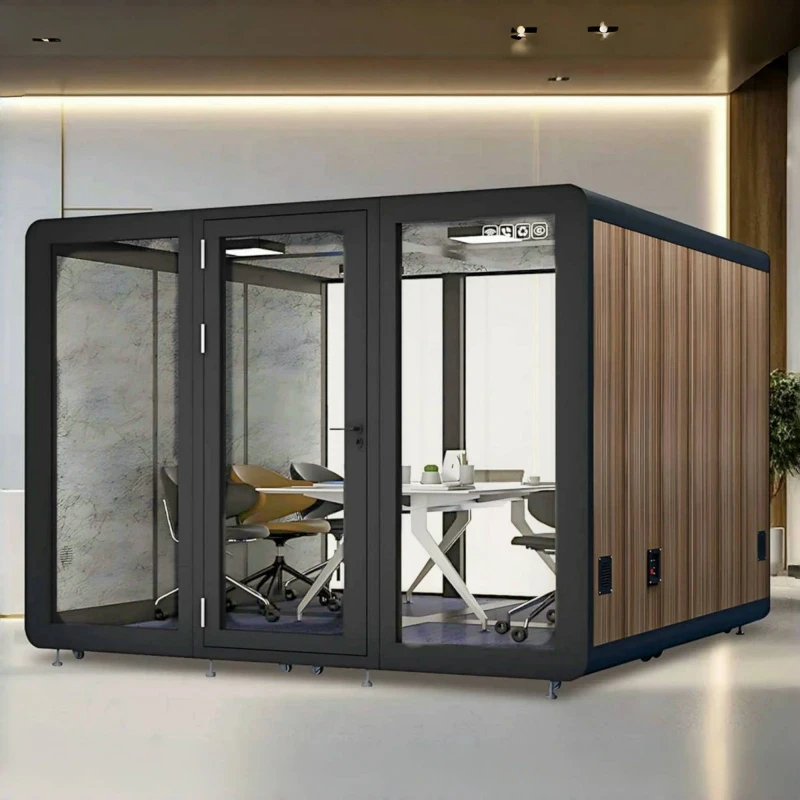
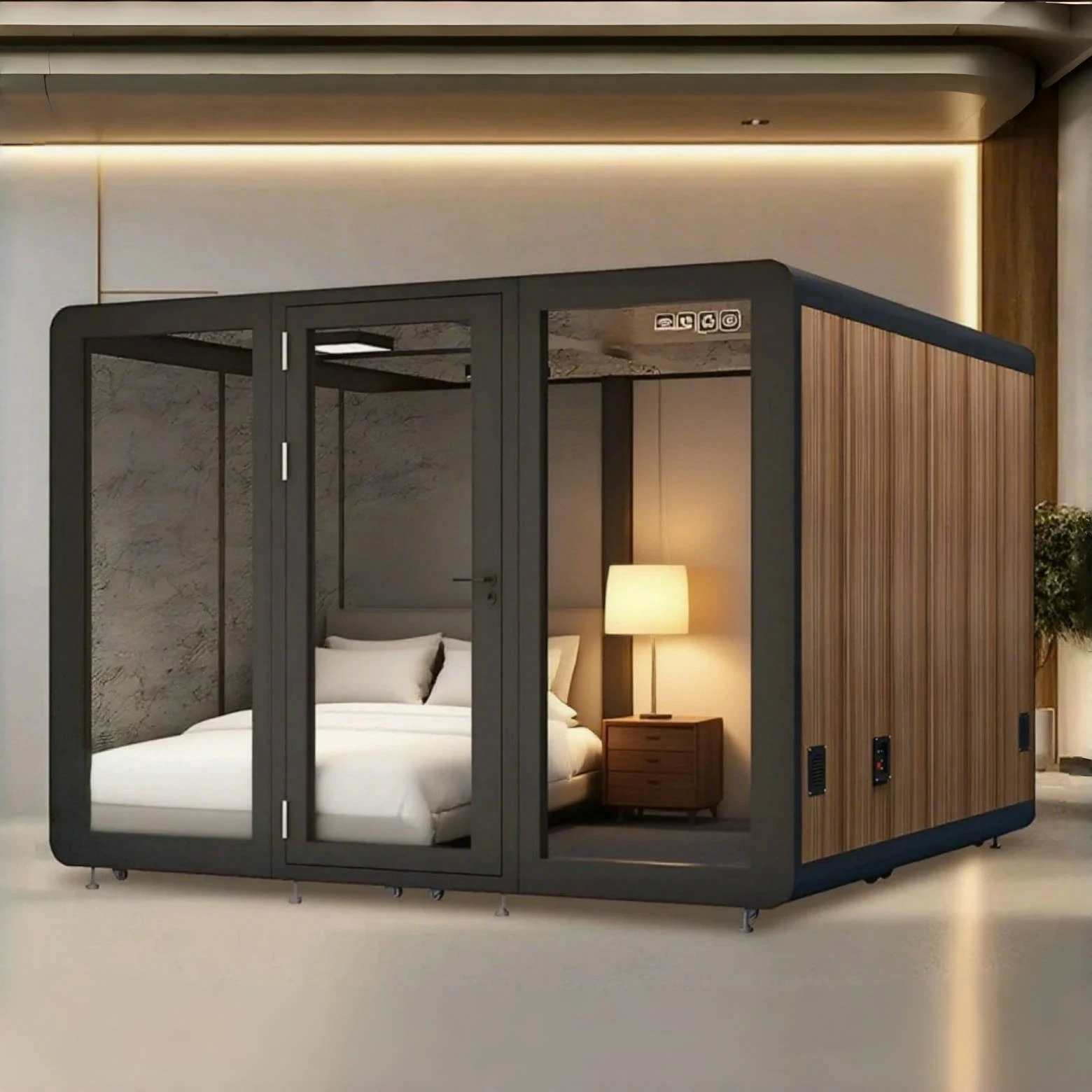





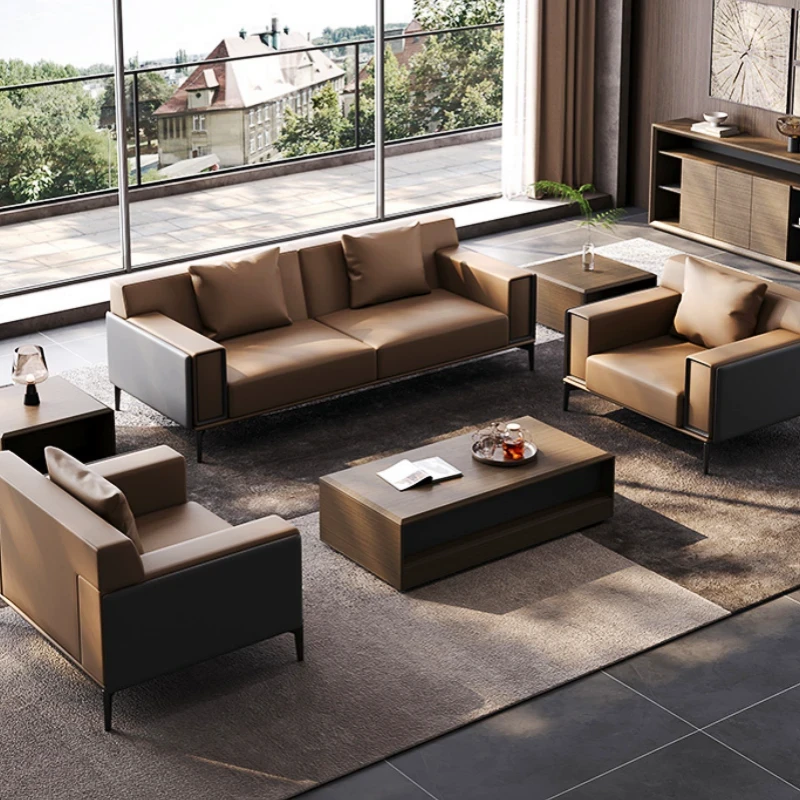
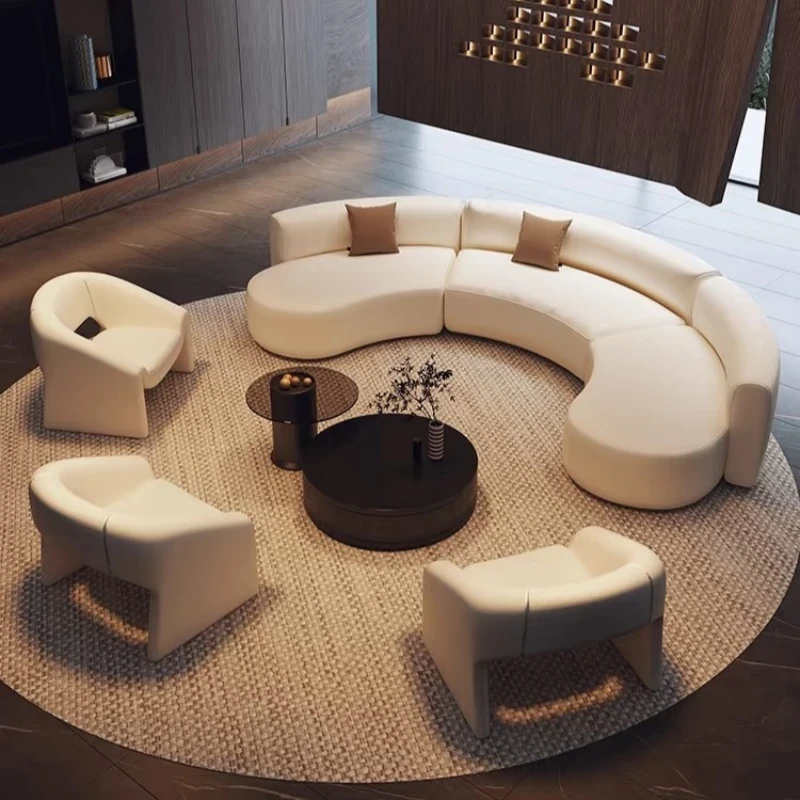
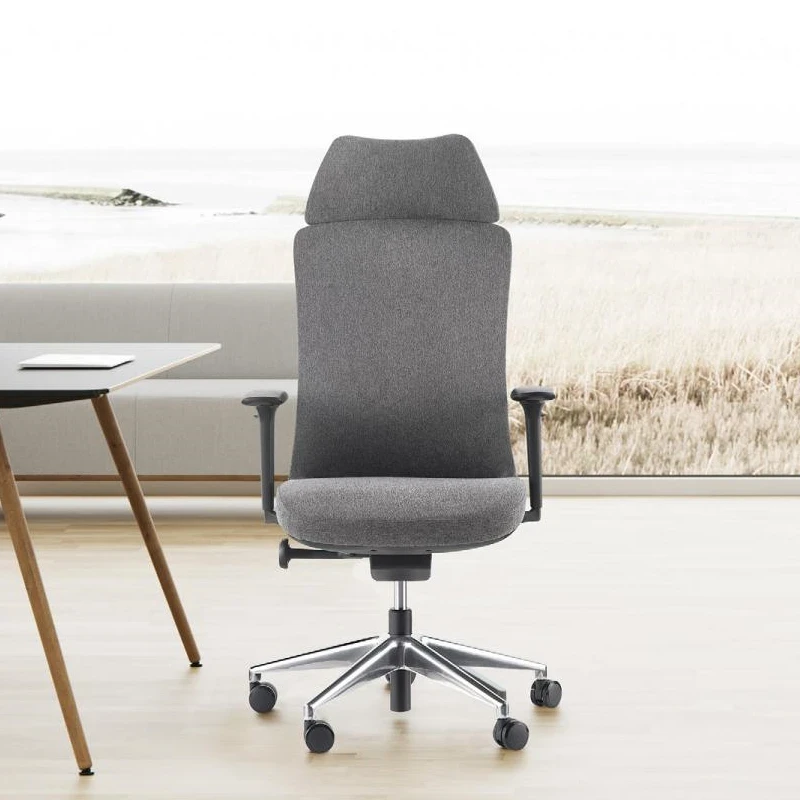


To achieve a balance between aesthetic design and functional practicality in office furniture, a deep understanding of the company's culture and specific needs is essential. The company's brand image, industry characteristics, and employees' daily workflows all influence furniture design. Through detailed communication with management and employees, furniture manufacturers can clarify which design elements are necessary and which functional characteristics cannot be compromised.
2. Prioritizing Functional Design:
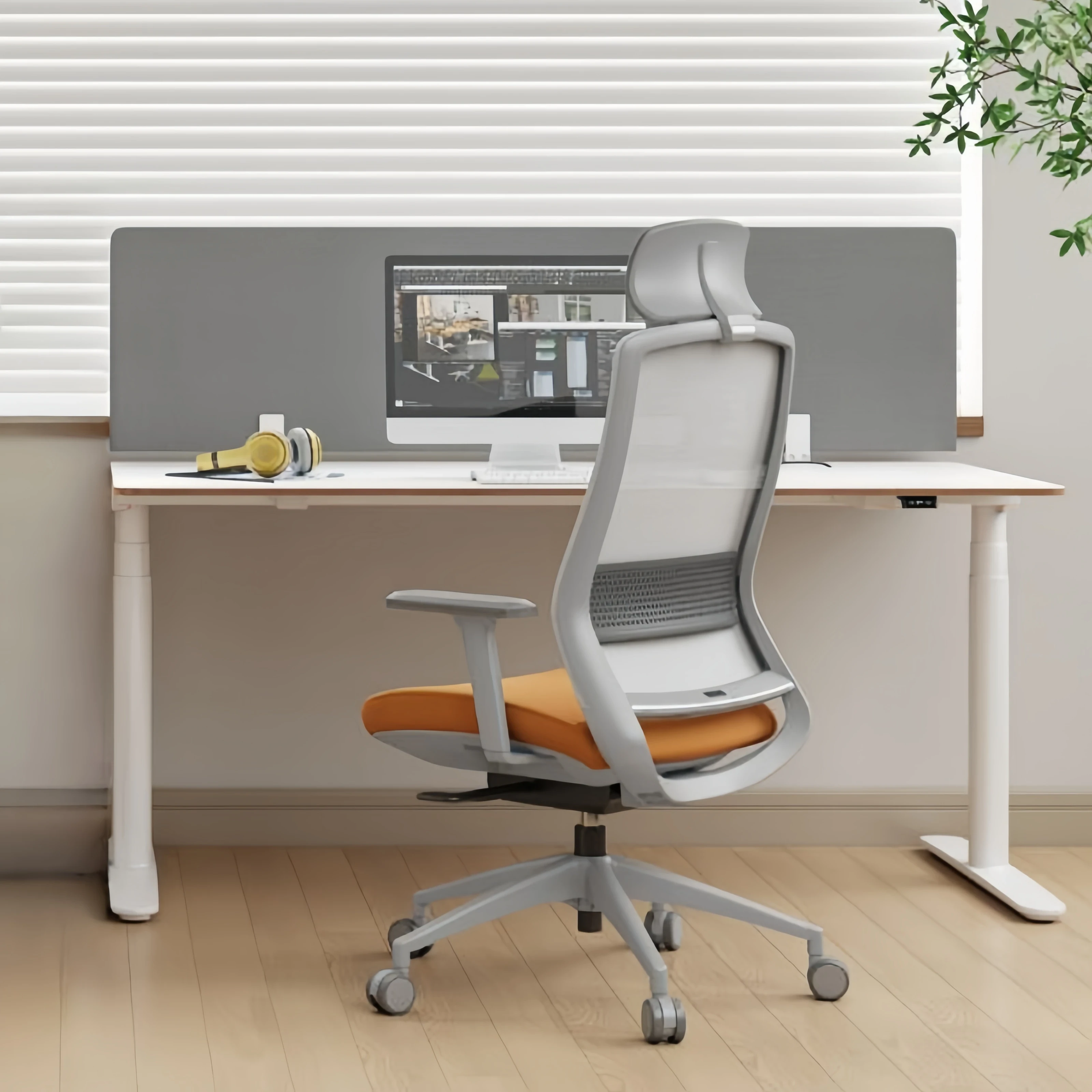
Functionality is an indispensable core element in any office furniture design. Furniture should support employee productivity and health. For example, ergonomic chairs can reduce fatigue during long hours of work, while height-adjustable desks can accommodate different employee work habits. Functional requirements should be systematically analyzed during the design process to ensure that every piece of furniture supports the company's daily operations.
3. Incorporating Modern Design Aesthetics:
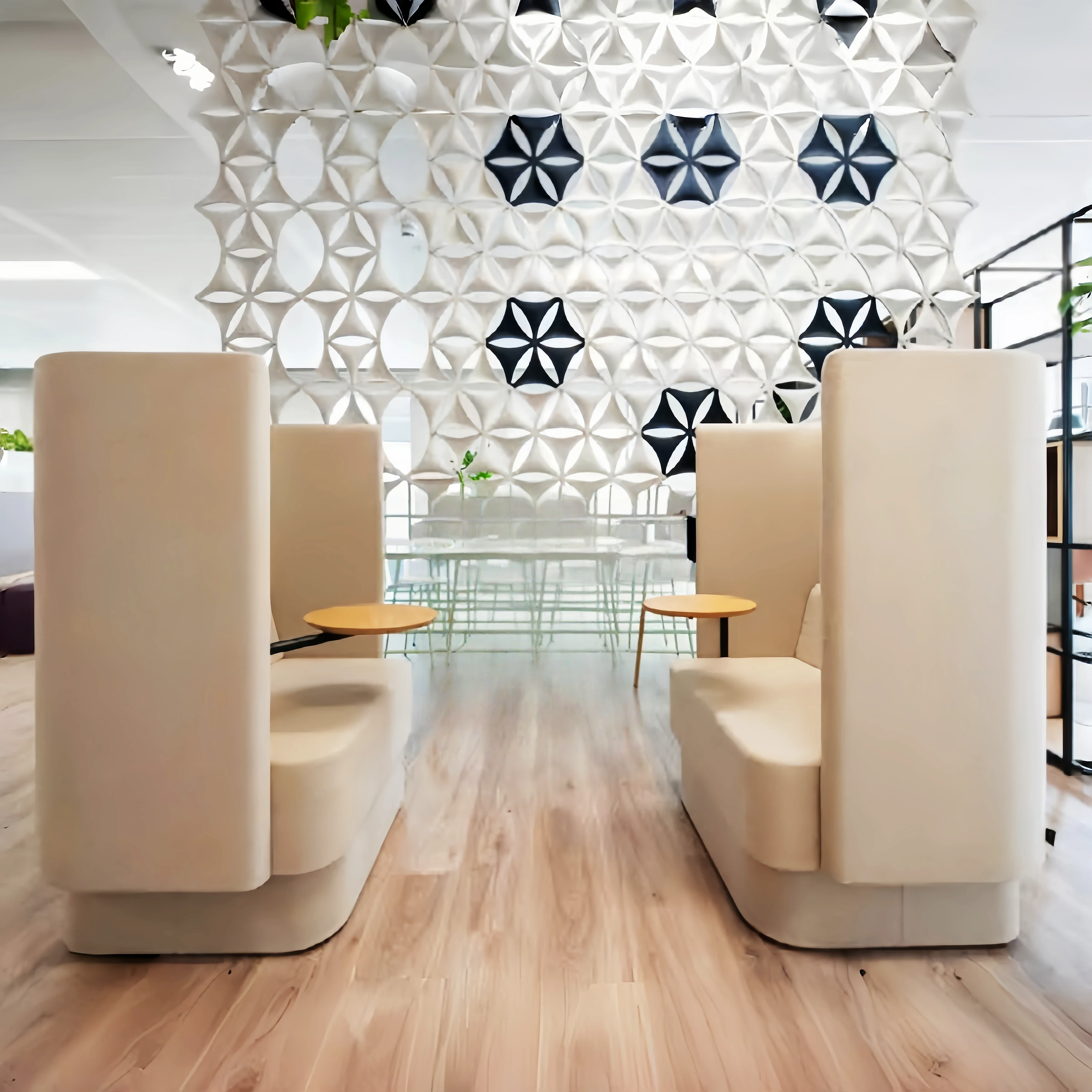
Integrating aesthetic design into office furniture can enhance the overall atmosphere of the office environment. Modern furniture design often emphasizes simple lines, natural materials, and stylish color schemes. Through carefully selected design elements, furniture not only becomes a practical item but also promotes employee creativity and satisfaction. At the same time, diverse designs can reflect the company's innovative spirit and brand value.
4. Material Selection and Craftsmanship:
The choice of materials and craftsmanship directly affects the aesthetics and durability of furniture. Using environmentally friendly and high-quality materials, such as natural wood, metal, or high-performance plastics, during the customization process ensures the furniture's beauty and longevity. Advanced manufacturing processes, such as precision cutting and seamless splicing, not only improve the furniture's texture but also enhance its structural stability.
5. Modularization and Flexibility
: Modular design is an effective way to achieve a balance between aesthetics and functionality. Movable and assembleable furniture designs meet the flexible needs of modern office environments, allowing office spaces to be quickly adjusted according to team size and project type. This flexibility makes office spaces more dynamic and, at the same time, gives furniture design more aesthetic expression.
6. User Feedback and Continuous Improvement
: Collecting user feedback during furniture design and use provides a basis for continuous improvement. By collecting and analyzing employee and user experiences, customization manufacturers and companies can continuously optimize design schemes, making furniture more in line with actual needs and improving user satisfaction.
Conclusion:
Achieving a balance between aesthetic design and functional practicality in office furniture customization is a comprehensive challenge that requires attention to multiple aspects, including corporate culture, personnel needs, design trends, material selection, and spatial flexibility. By collaborating with professional custom manufacturers and adhering to a user-centric design philosophy, businesses can create office environments that are both aesthetically pleasing and functional. This balanced design approach not only helps improve work efficiency but also cultivates a distinctive corporate image, enabling businesses to stand out in a competitive market.