
 USD
USD GBP
GBP
 EUR
EUR
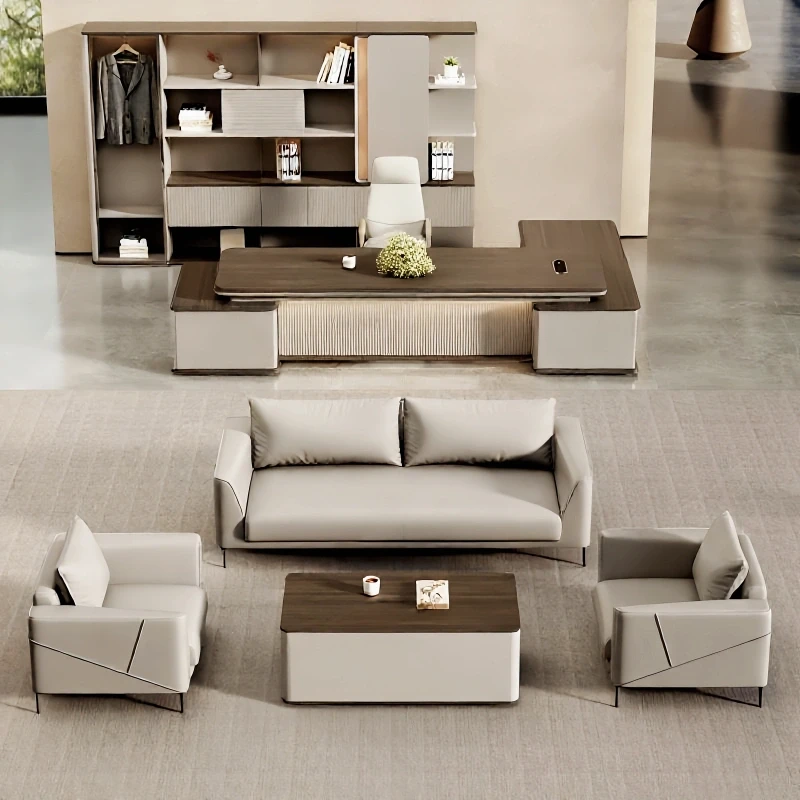
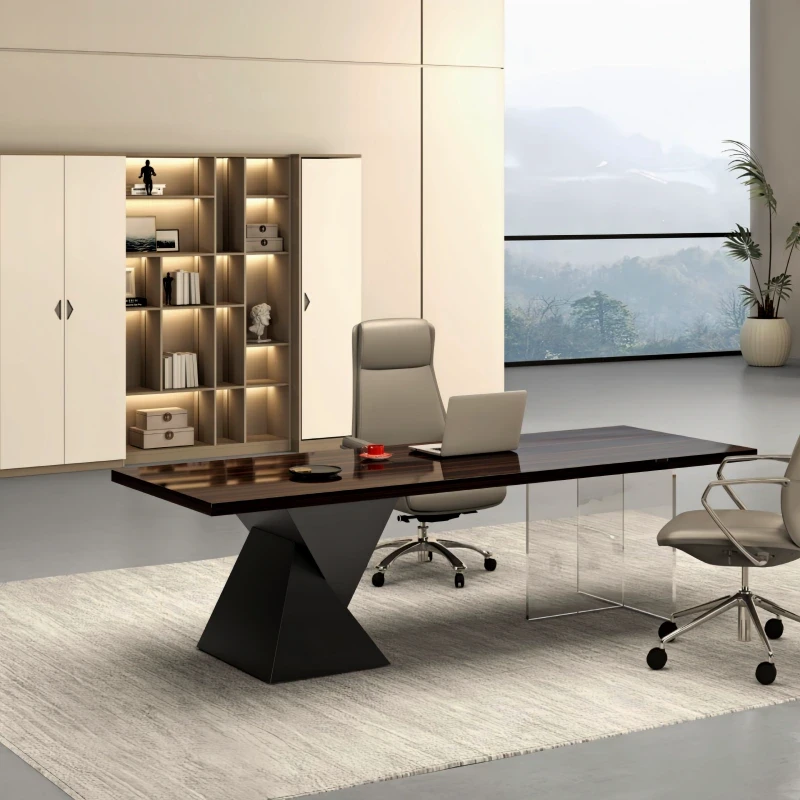


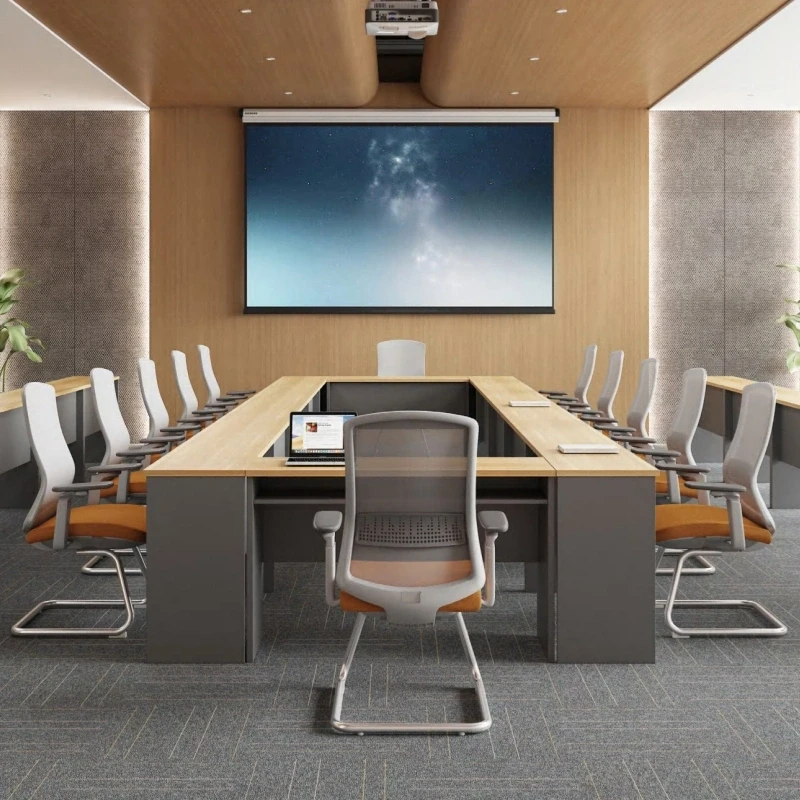
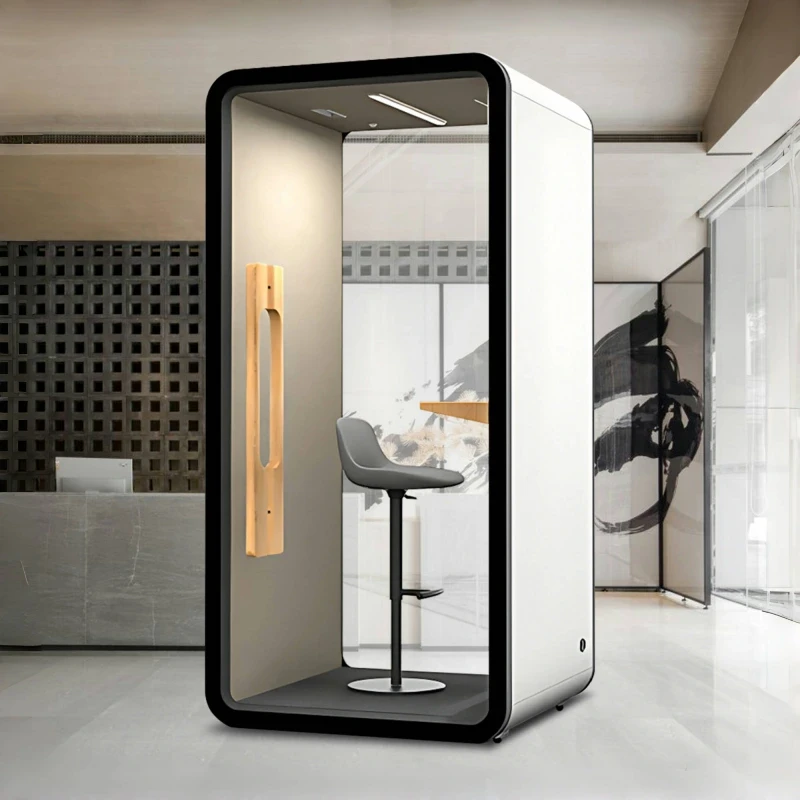
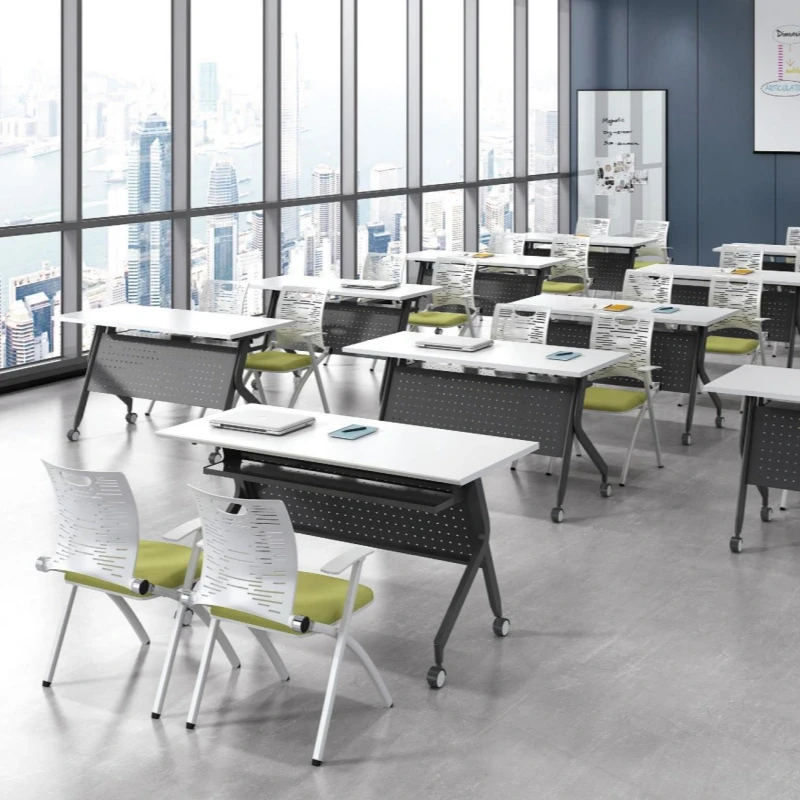
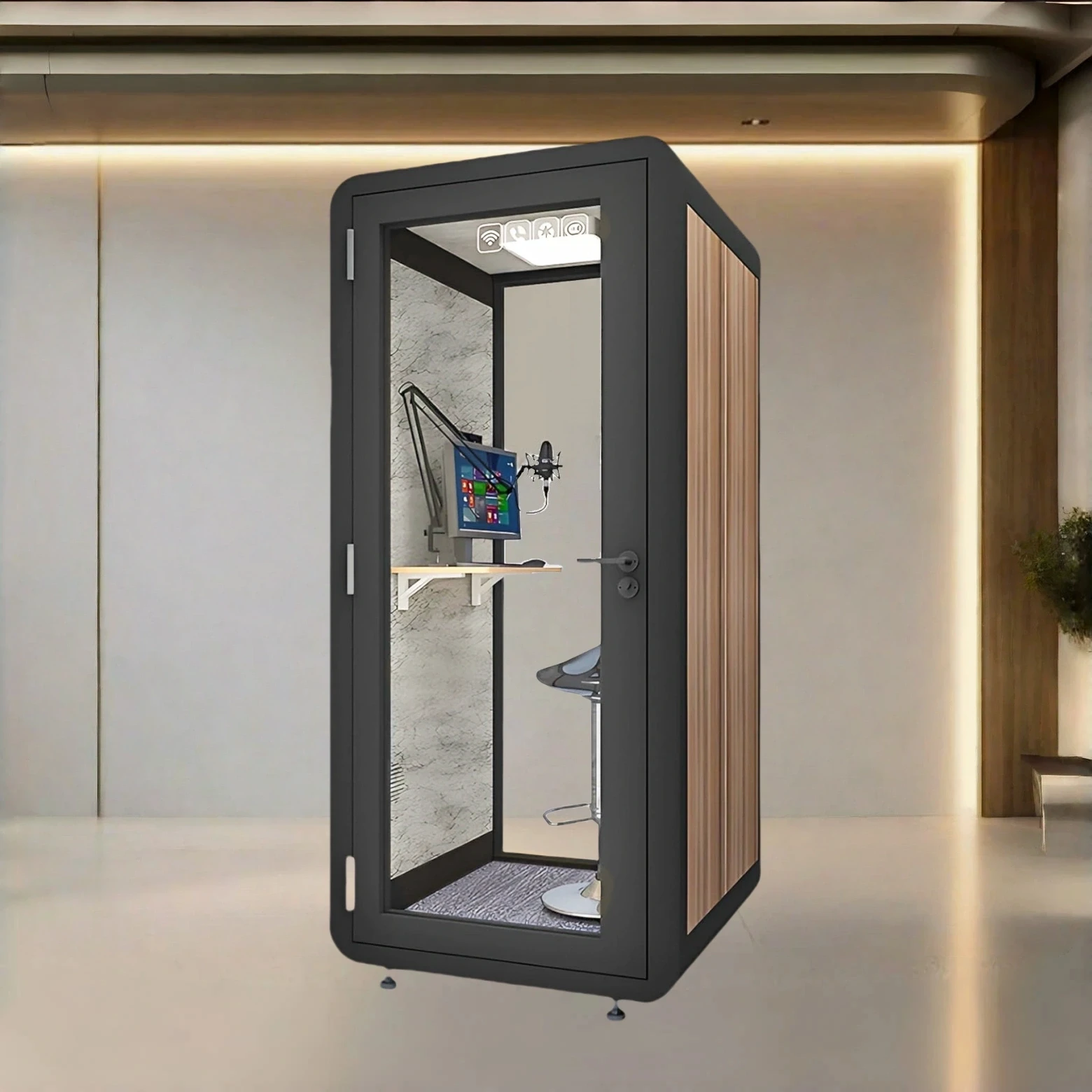
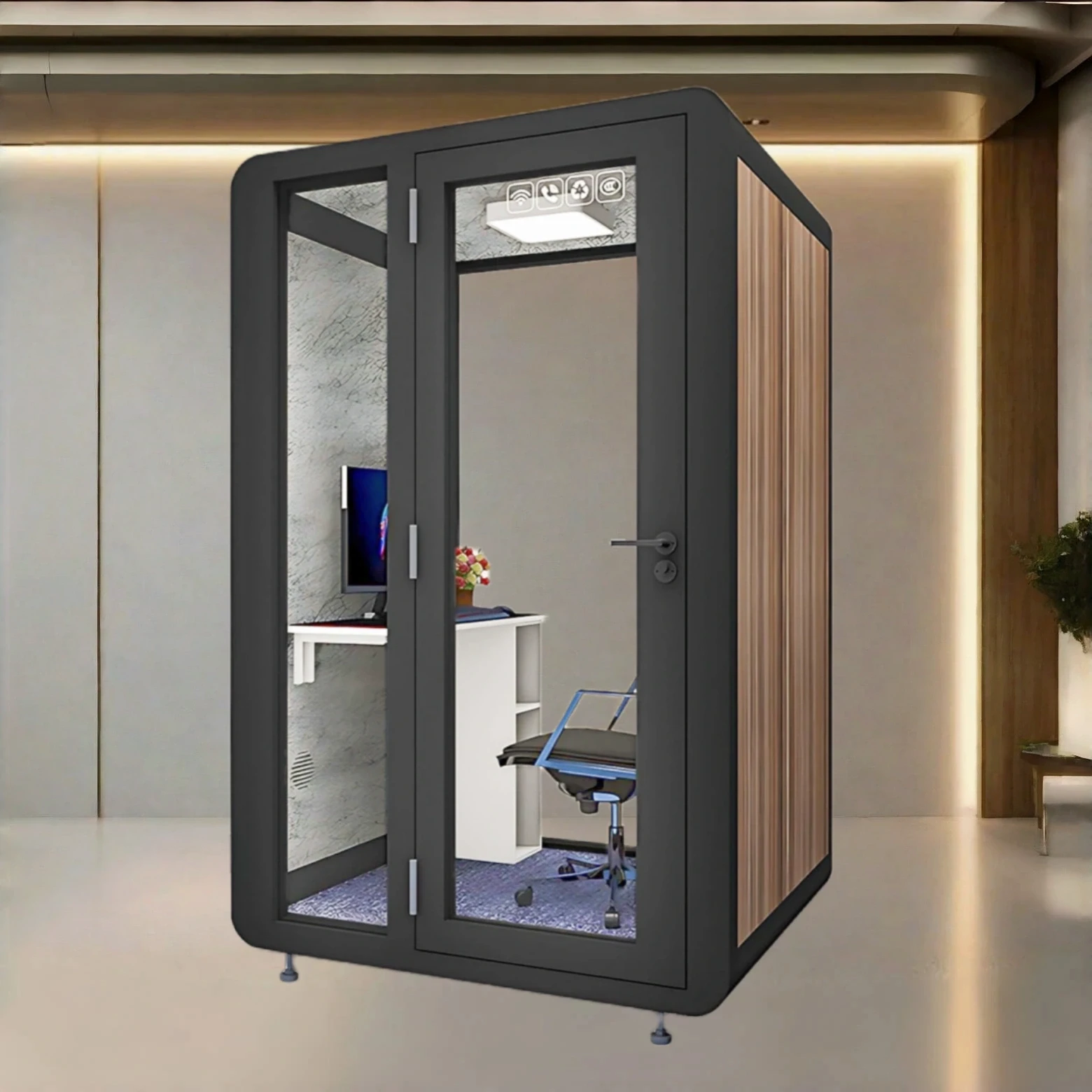
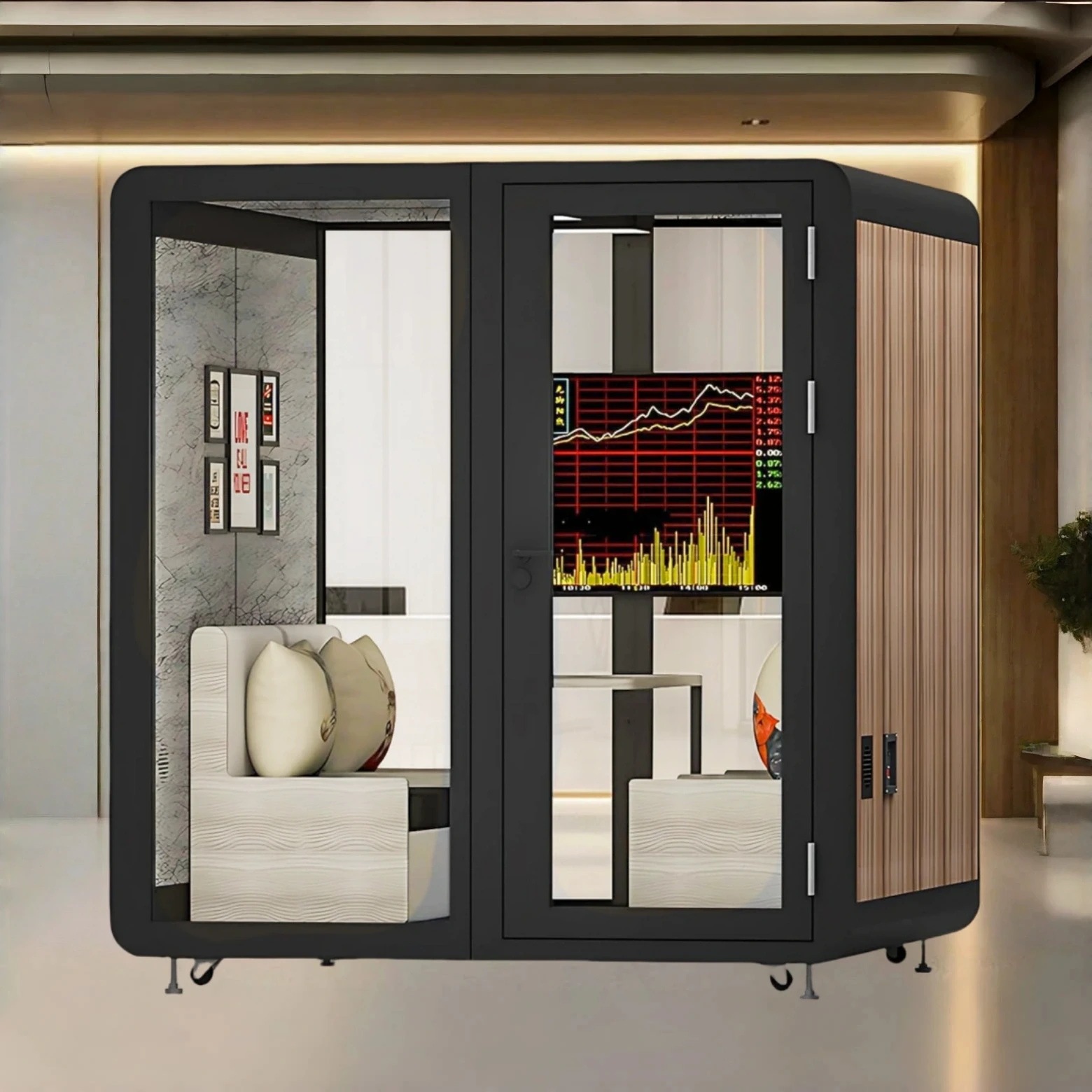
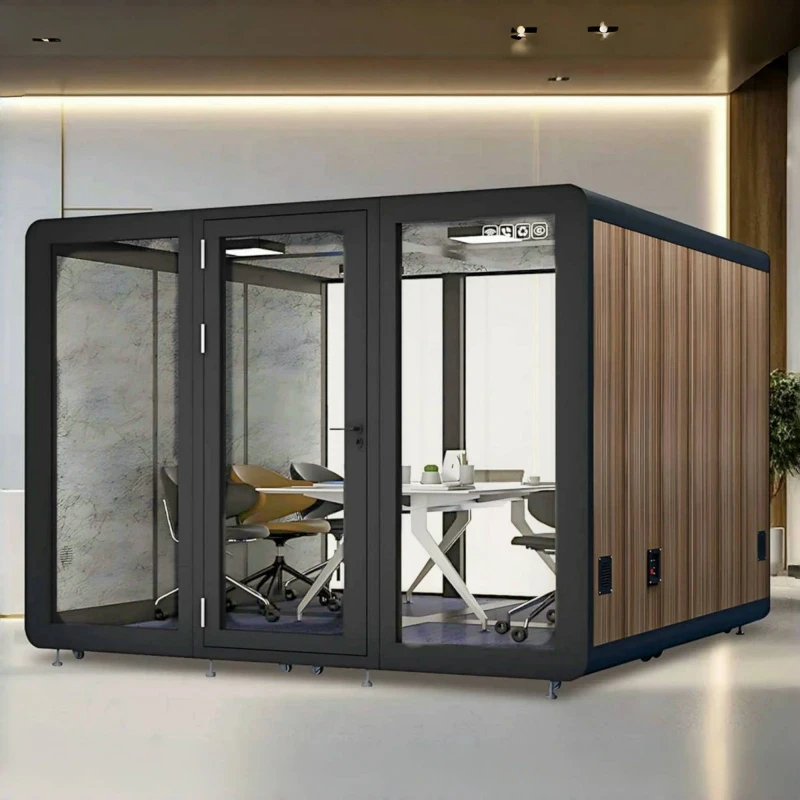
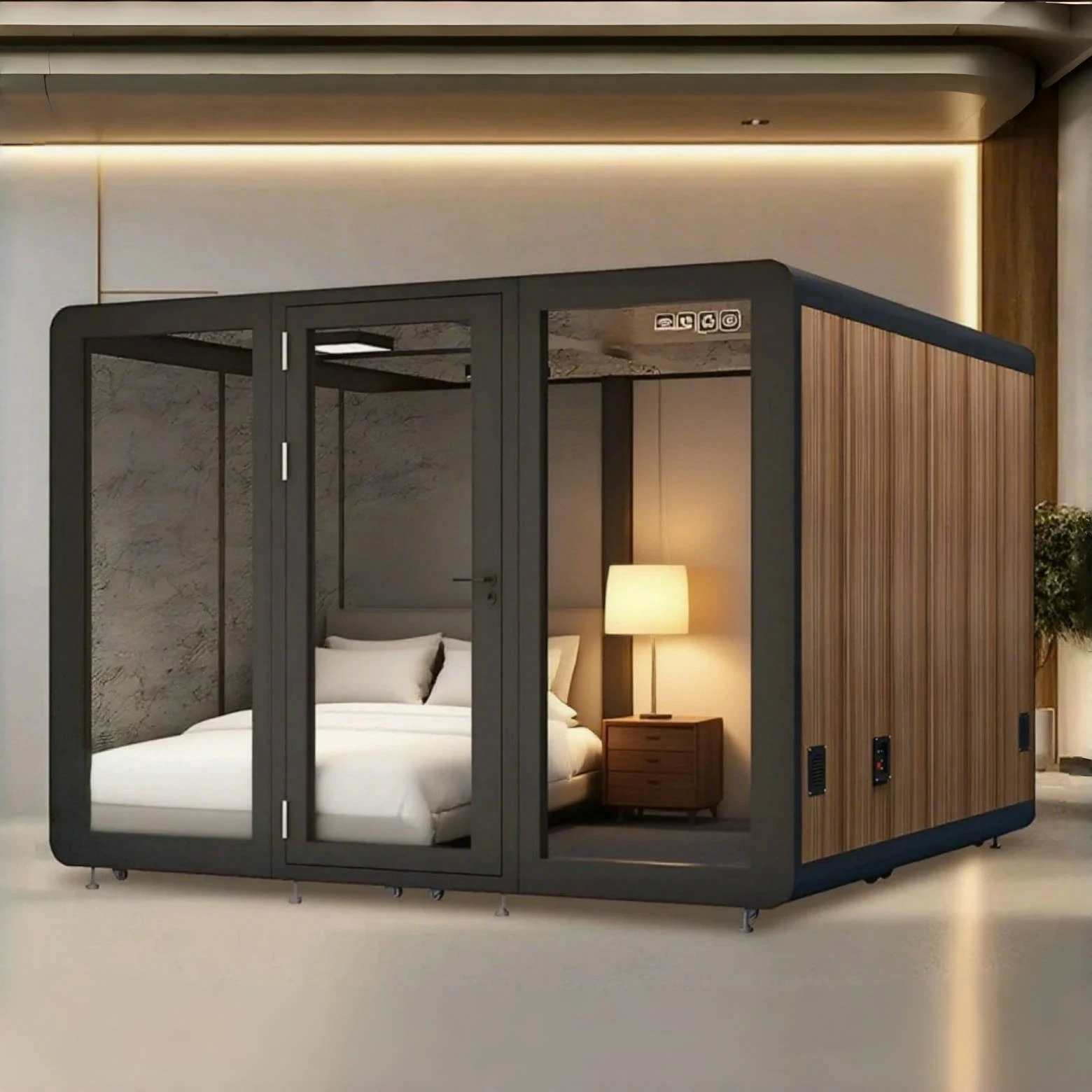


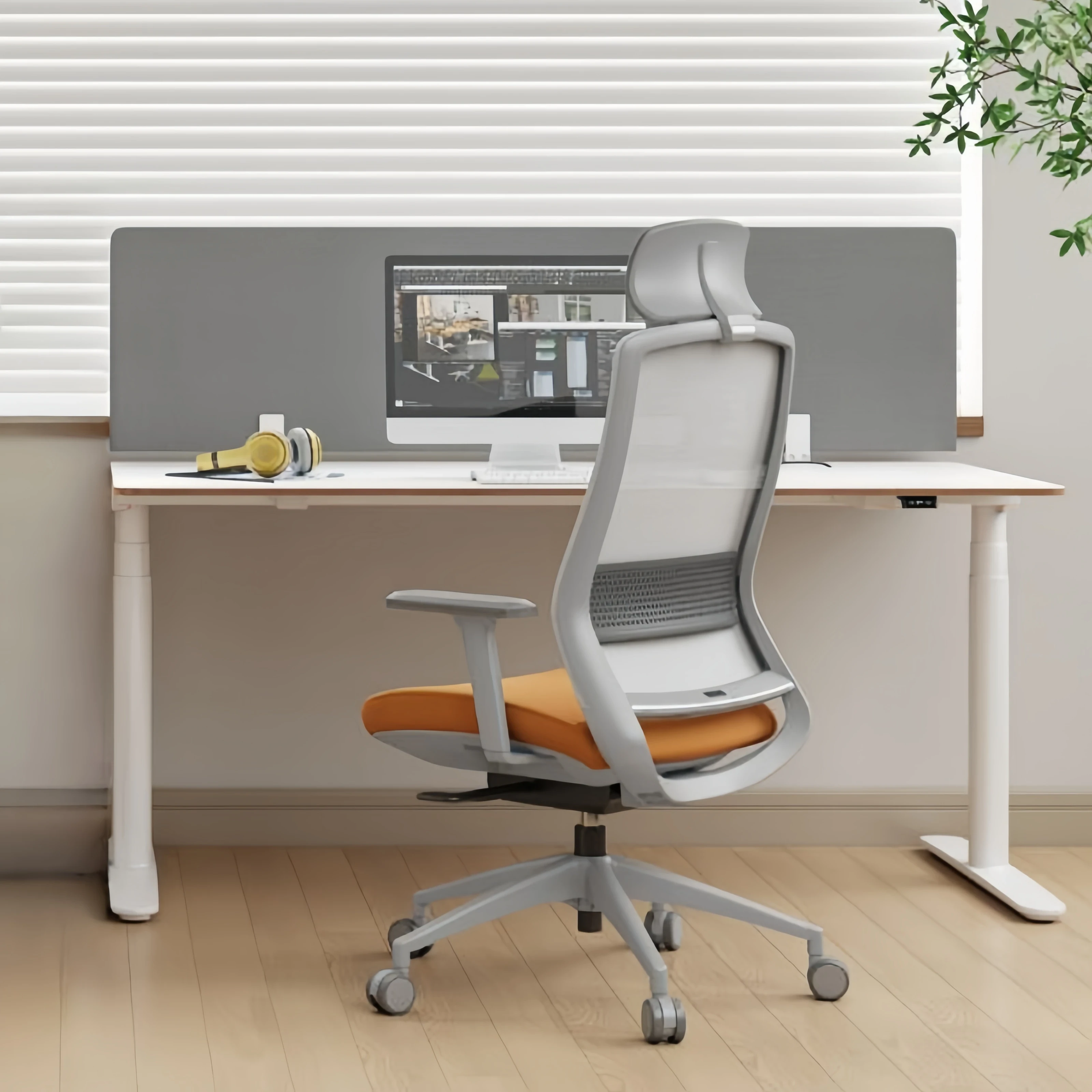


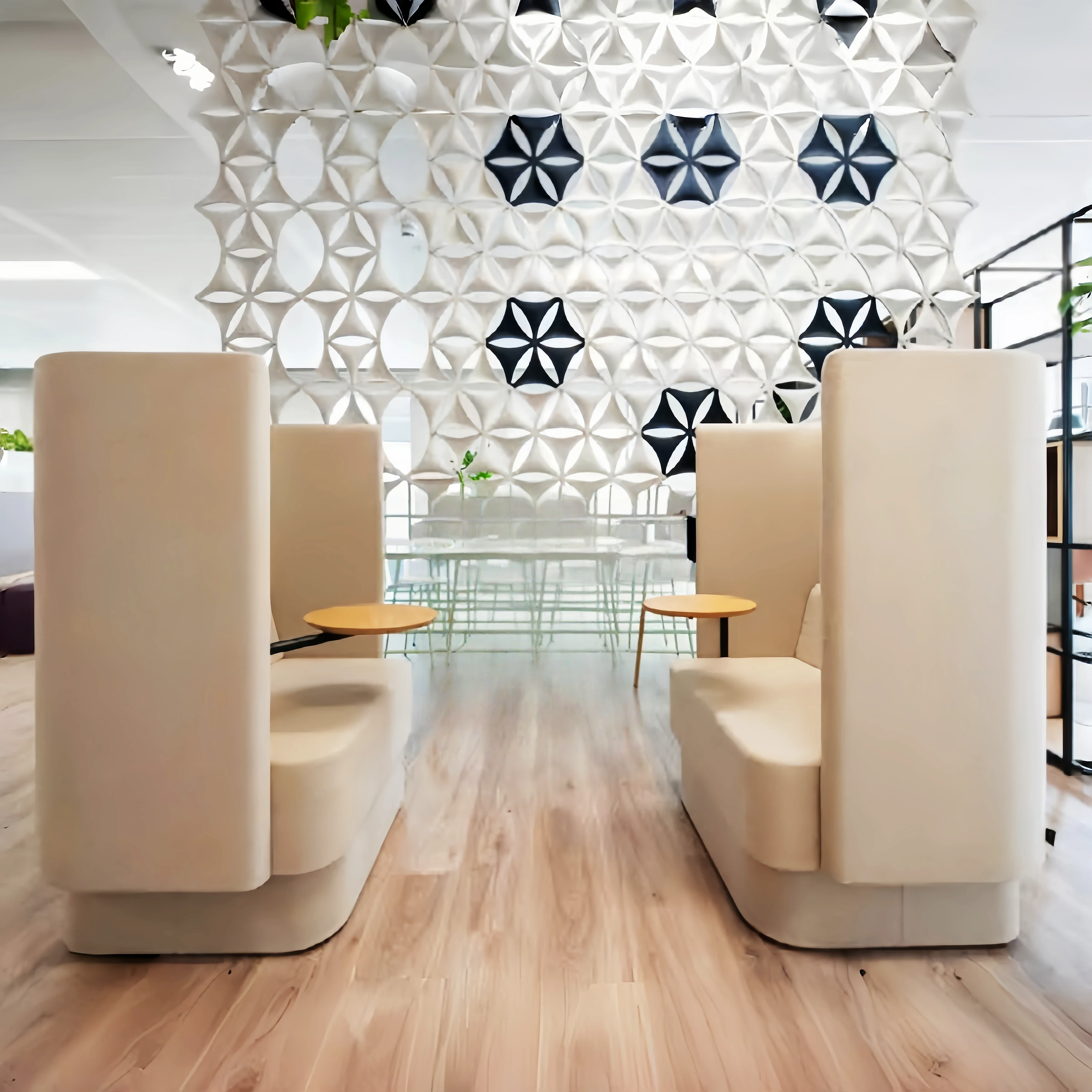

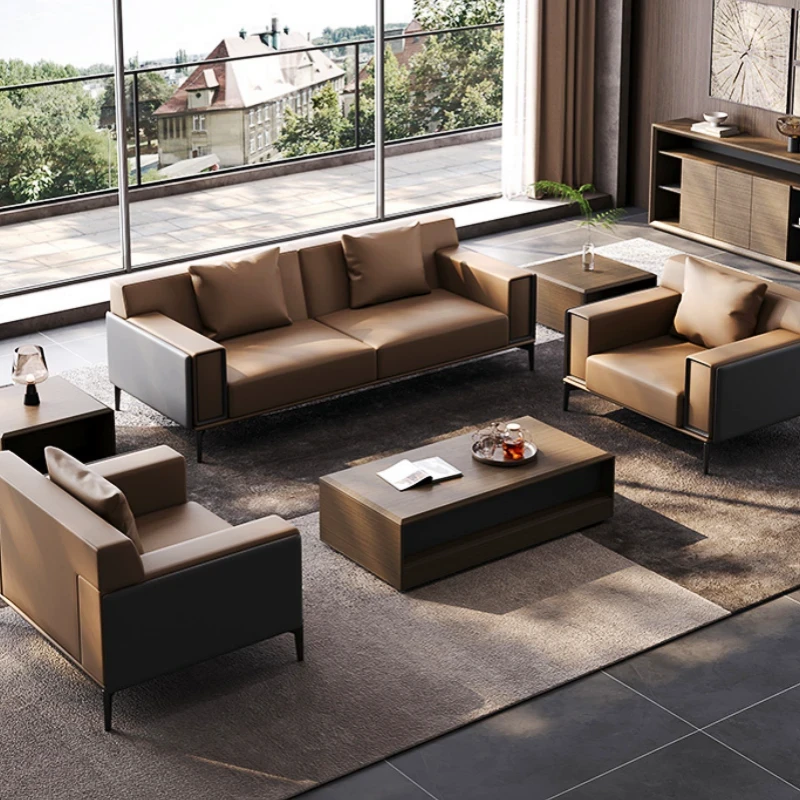
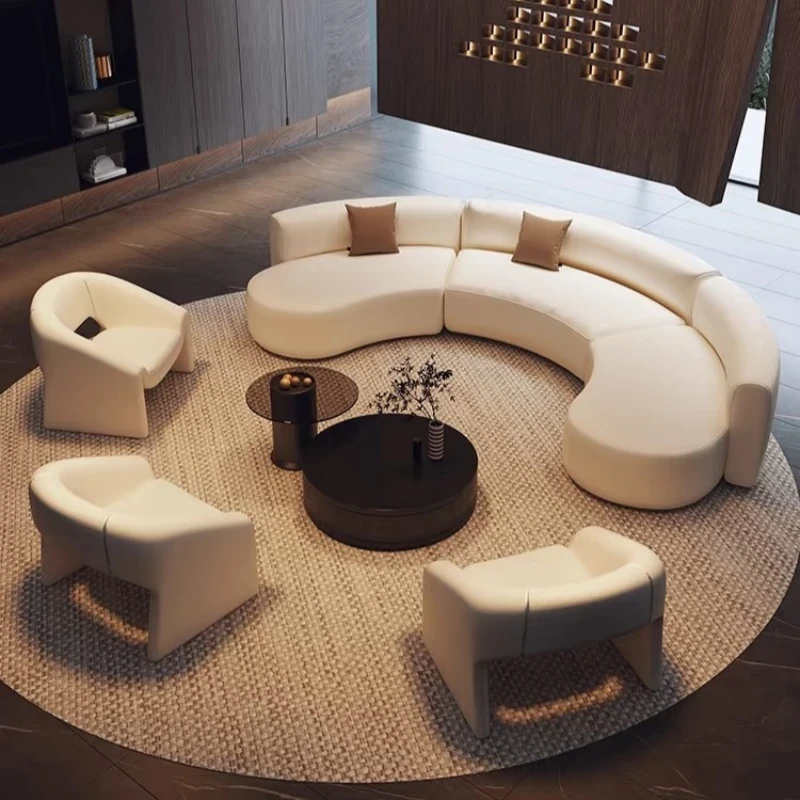
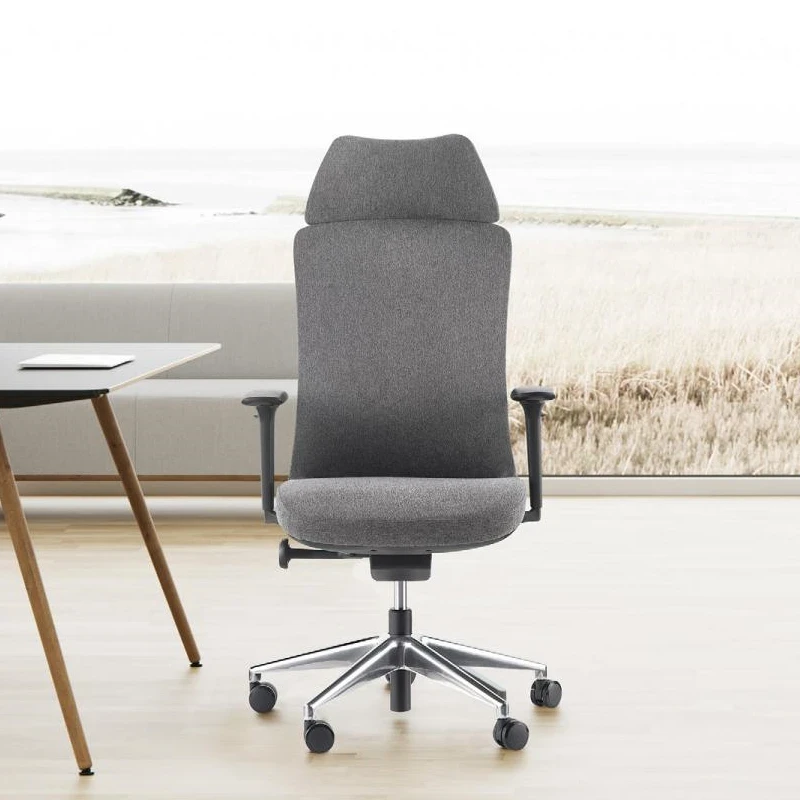


The style of office furniture directly reflects a company's brand image and cultural atmosphere. Different styles suit different types of companies.
Modern Minimalist Style: Suitable for technology companies, creative companies, and other businesses that pursue innovation and efficiency. A minimalist design style creates a clean and tidy office environment, stimulating employee creativity.
Traditional Classic Style: Suitable for traditional industries such as finance and law. A classic design style conveys a stable and professional image, enhancing customer trust.
Industrial Style: Suitable for creative industries such as design firms and advertising agencies. An industrial style design creates a free and open atmosphere, stimulating employee inspiration.
Layout Design: Enhancing Team Collaboration
The layout design of office furniture not only affects employee work efficiency but also relates to team collaboration and communication.
Open-Plan Office Area: Open-plan office areas promote communication and collaboration among employees, suitable for teams that require frequent communication. By rationally arranging desks, conference tables, and other furniture, an efficient collaborative space can be created.
Private Offices: Private offices are suitable for employees who need to focus on their work, such as management and R&D personnel. By choosing office furniture with good sound insulation, a quiet working environment can be provided for employees.
Leisure Area Design: The leisure area is a place for employees to relax and socialize. Choosing comfortable sofas, coffee tables, and other furniture can create a relaxed and pleasant atmosphere, enhancing team cohesion.
Functional Configuration: Reflecting Management Philosophy.
The functional configuration of office furniture not only affects employee work experience but also reflects the company's management philosophy.
Flexible and Versatile Desks: Height-adjustable desks and movable desks can meet different employee work needs, demonstrating the company's emphasis on employee health and efficiency. Multifunctional
Conference Room Furniture: Conference rooms are important venues for corporate management decision-making. Choosing fully functional conference tables, projection equipment, and other furniture can improve meeting efficiency, reflecting the company's professionalism and efficiency.
Environmentally Friendly Materials: Choosing office furniture made of environmentally friendly materials not only protects employee health but also reflects the company's social responsibility and sustainable development philosophy.
Detailed Design: Enhancing Employee Sense of Belonging .
The detailed design of office furniture can enhance employee sense of belonging and satisfaction.
Personalized Customization: By customizing office furniture, a unique office environment can be designed according to the company's cultural characteristics and employee needs, enhancing employee sense of belonging.
Comfort Design: Comfortable office chairs and ergonomic desks can improve employee work experience, reduce fatigue, and increase employee satisfaction.
Decorative Elements: Adding decorative elements, such as a company culture wall and greenery, can create a warm and vibrant work environment, enhancing employees' sense of belonging.
In conclusion,
office furniture is not only a tool for employees' daily work but also an important carrier of corporate culture. Through careful selection and arrangement of office furniture, companies can convey their values, brand image, and management philosophy. Therefore, when purchasing office furniture, companies should fully consider style, layout, functional configuration, and detailed design to create a comfortable, efficient, and welcoming work environment for employees, thereby shaping a unique corporate culture.