
 USD
USD GBP
GBP
 EUR
EUR
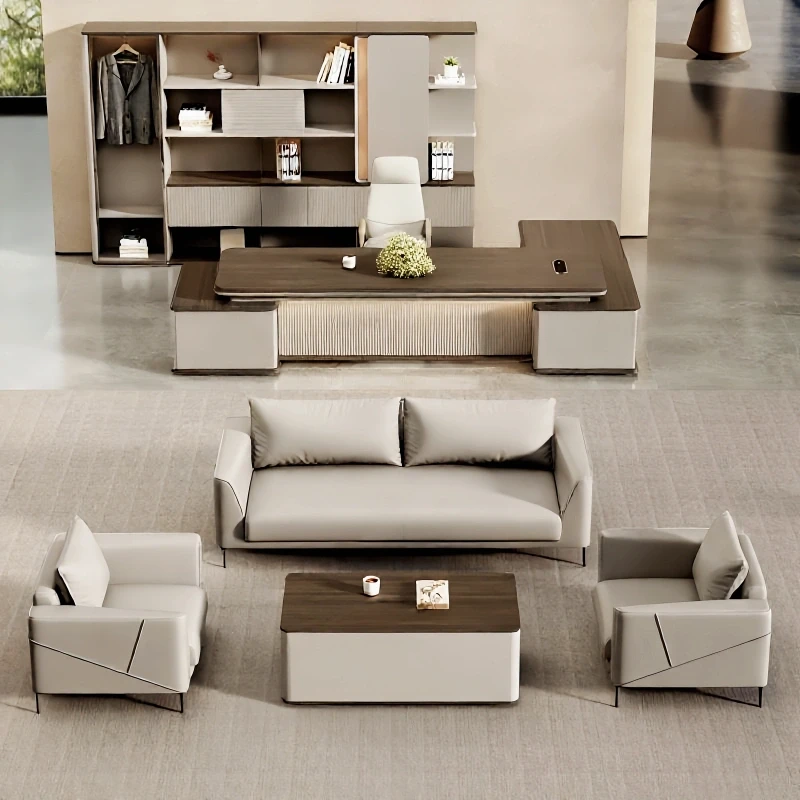
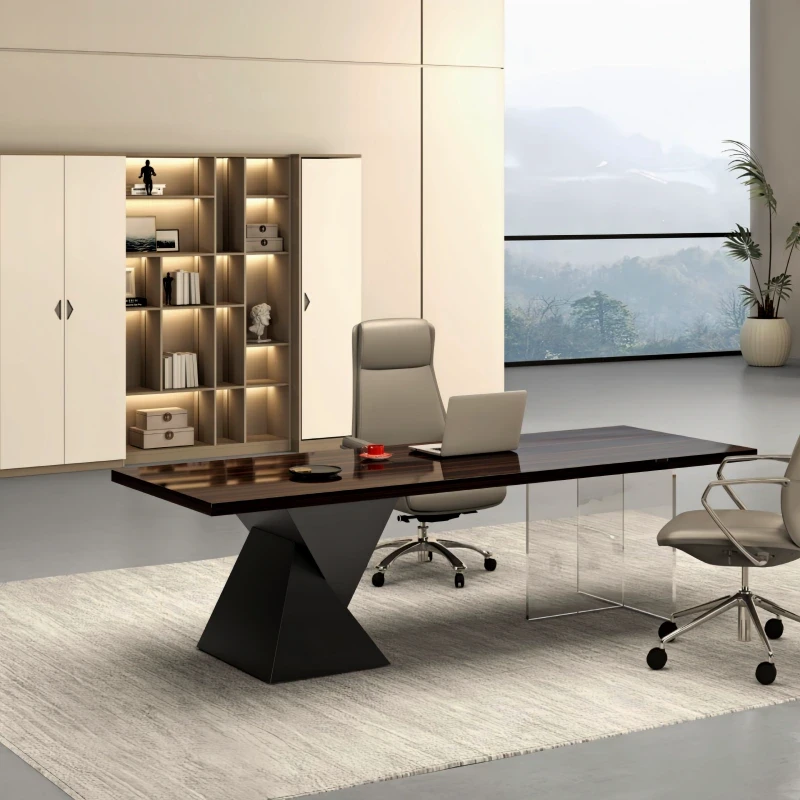


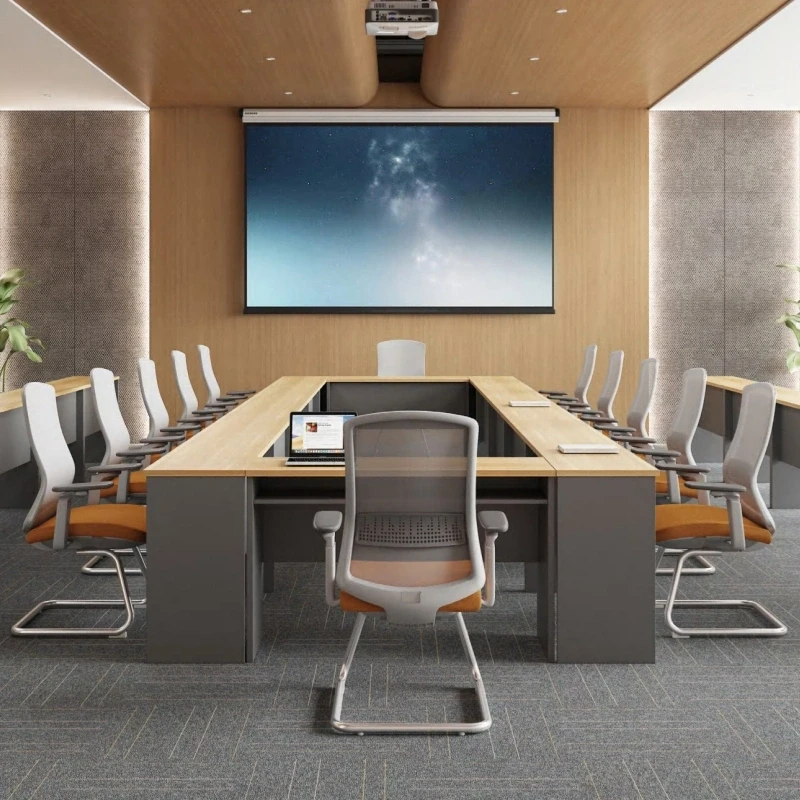
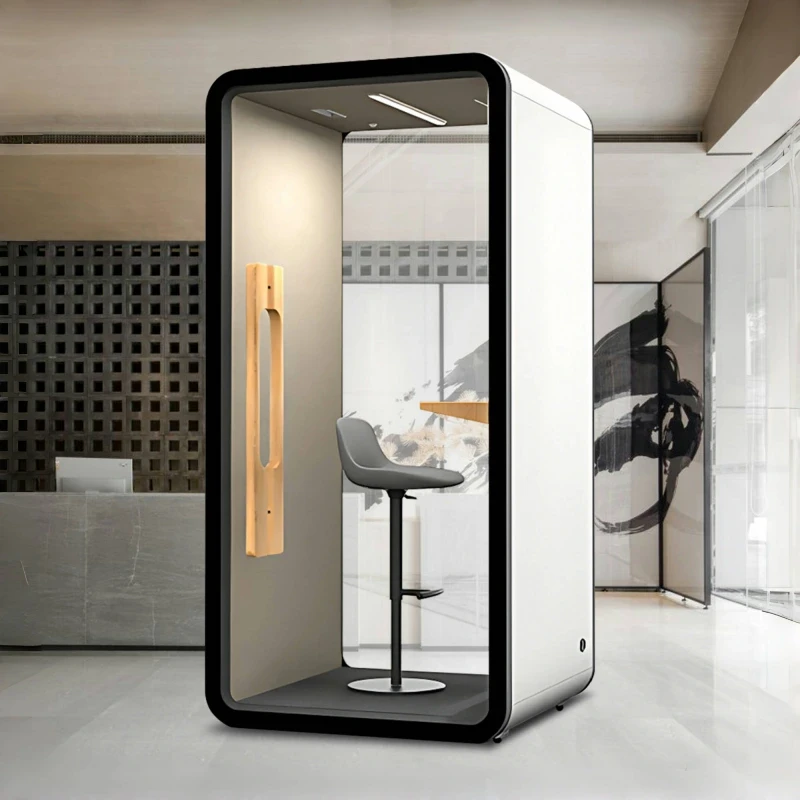
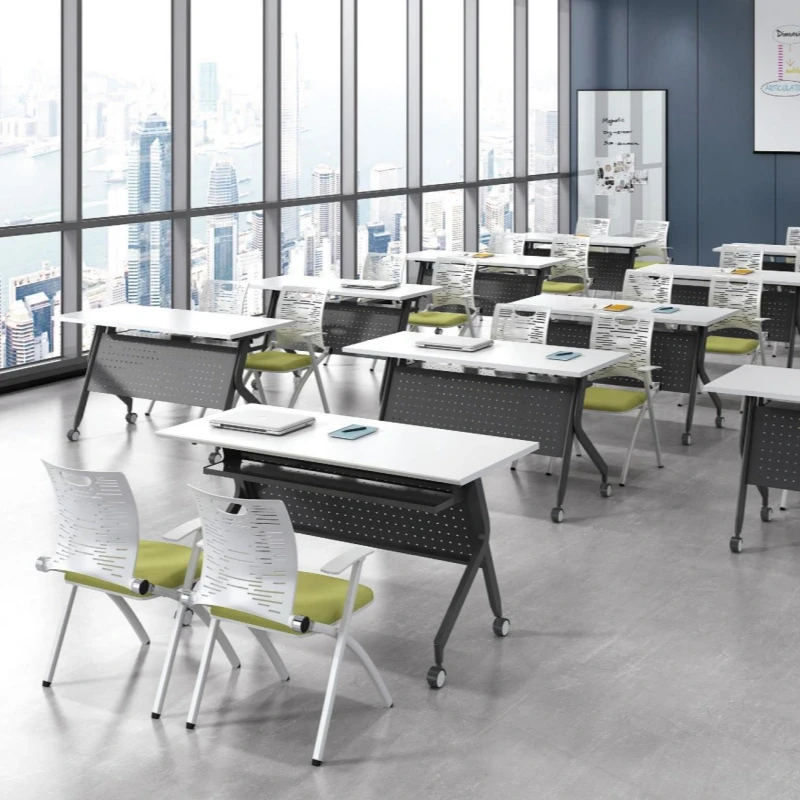
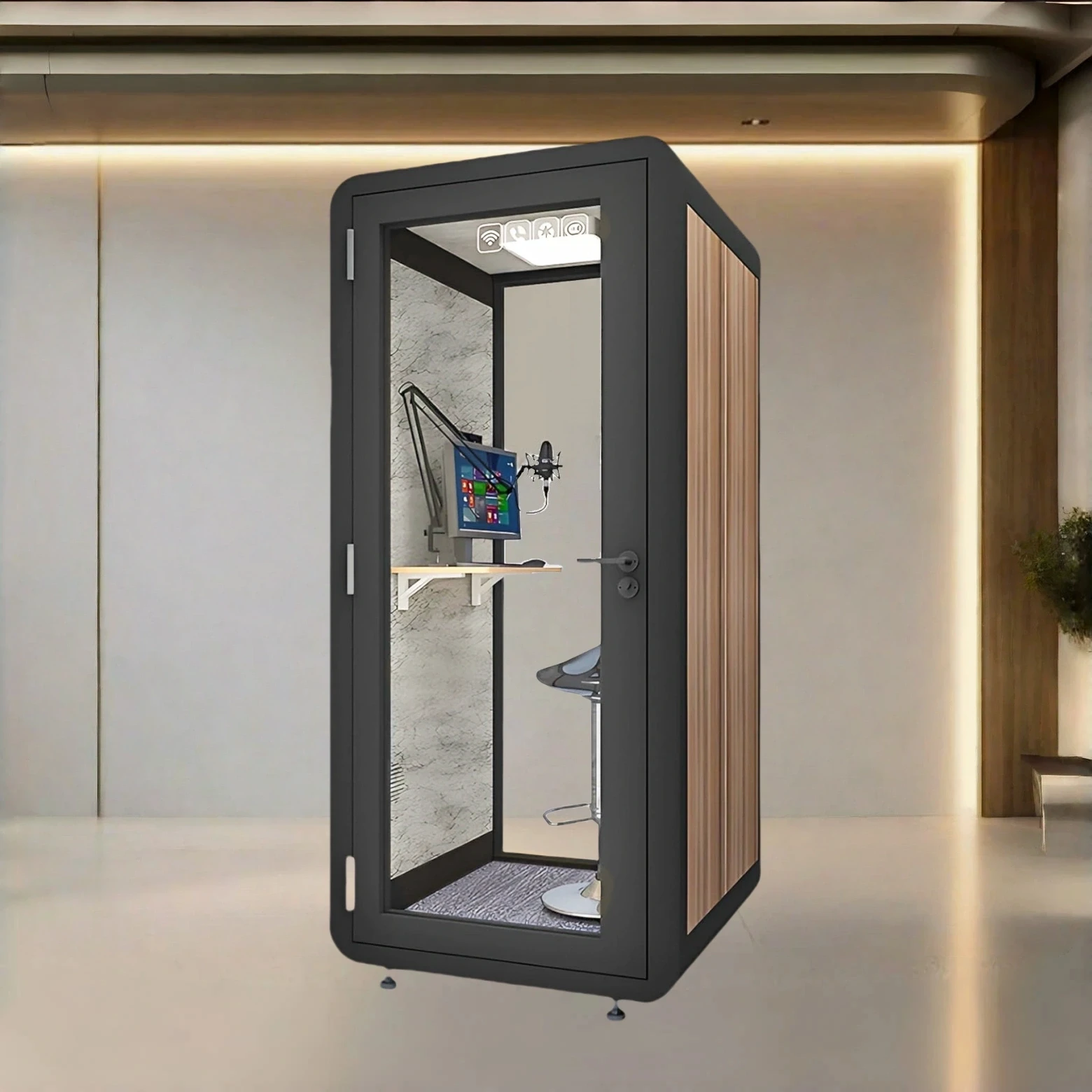
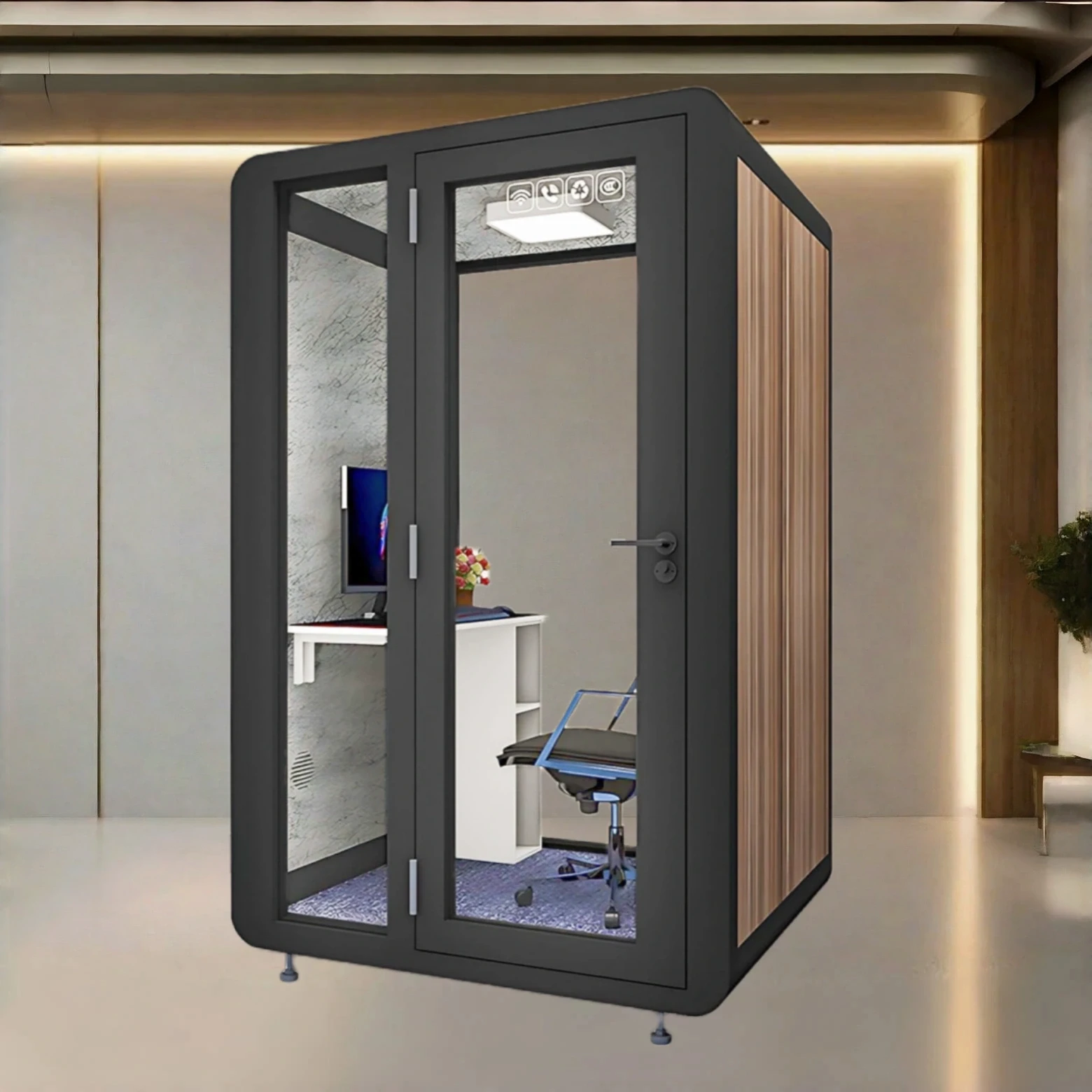
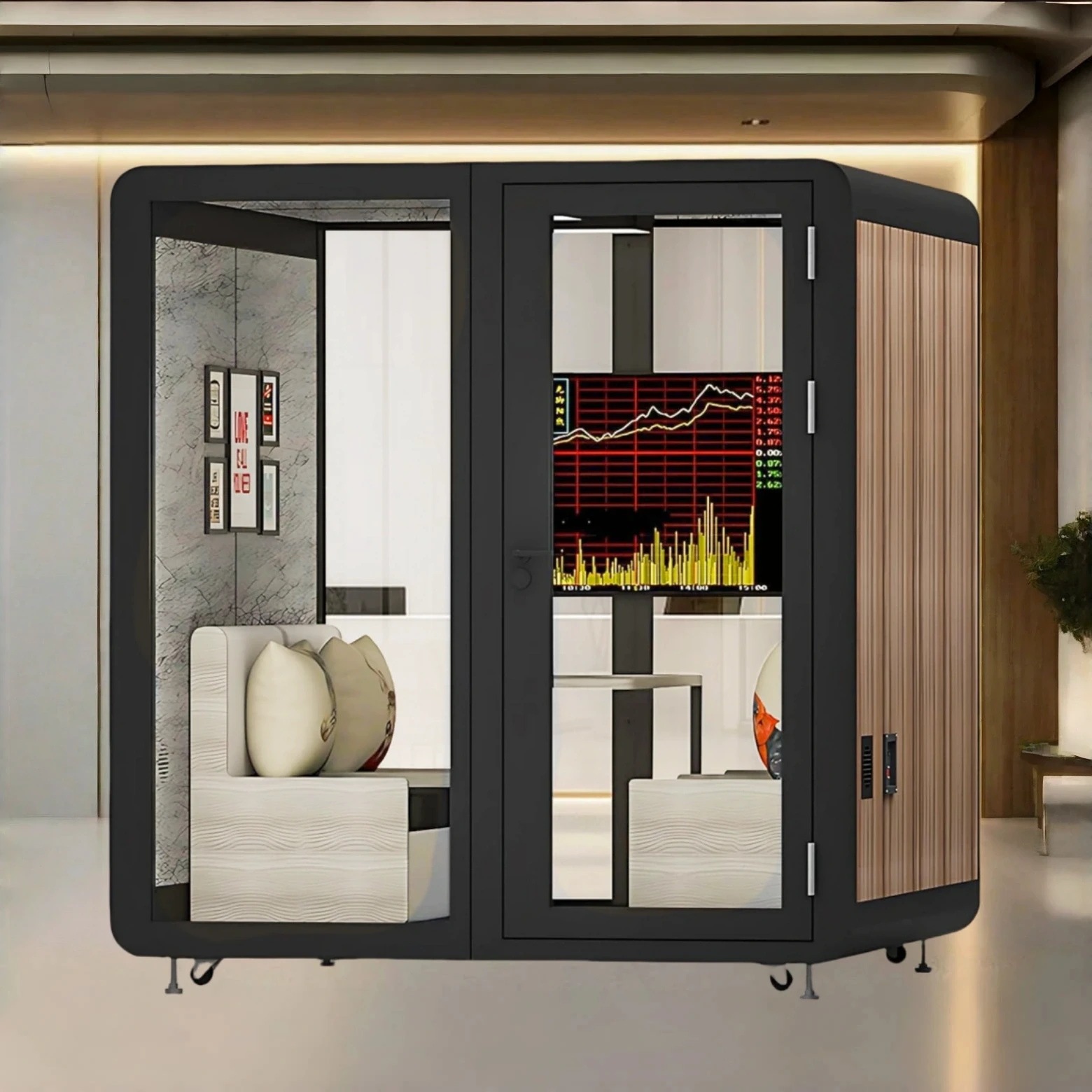
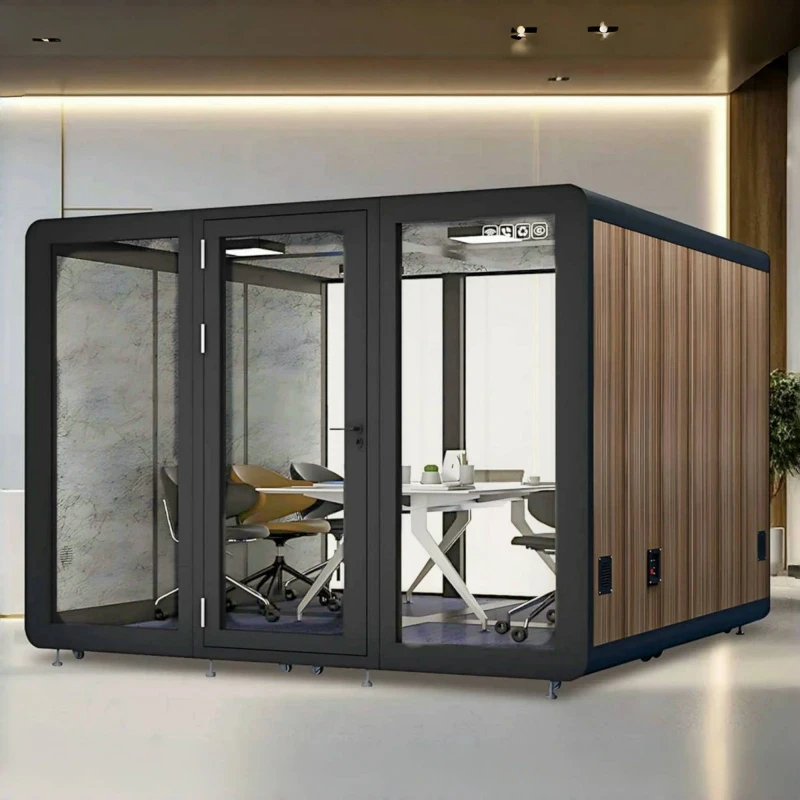
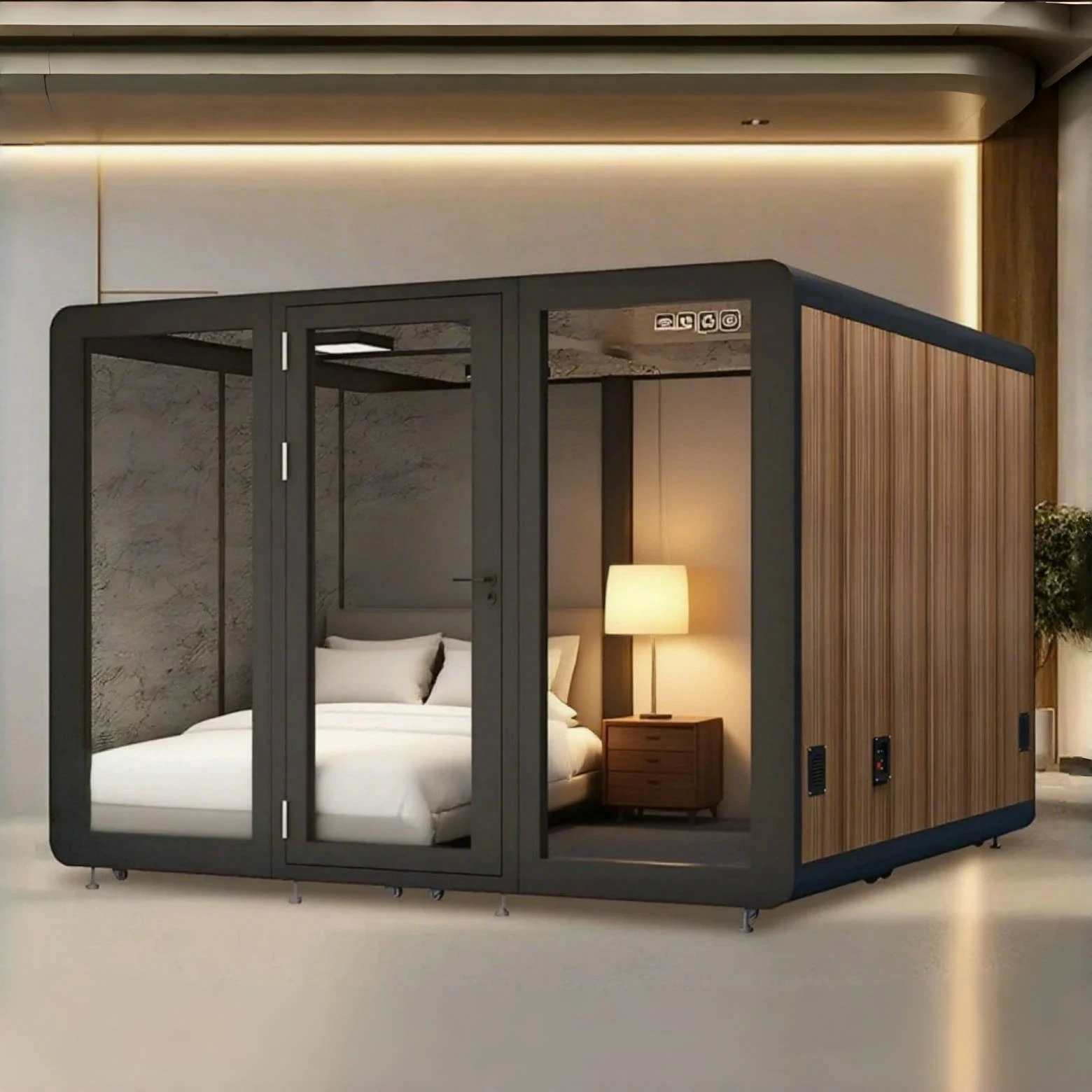


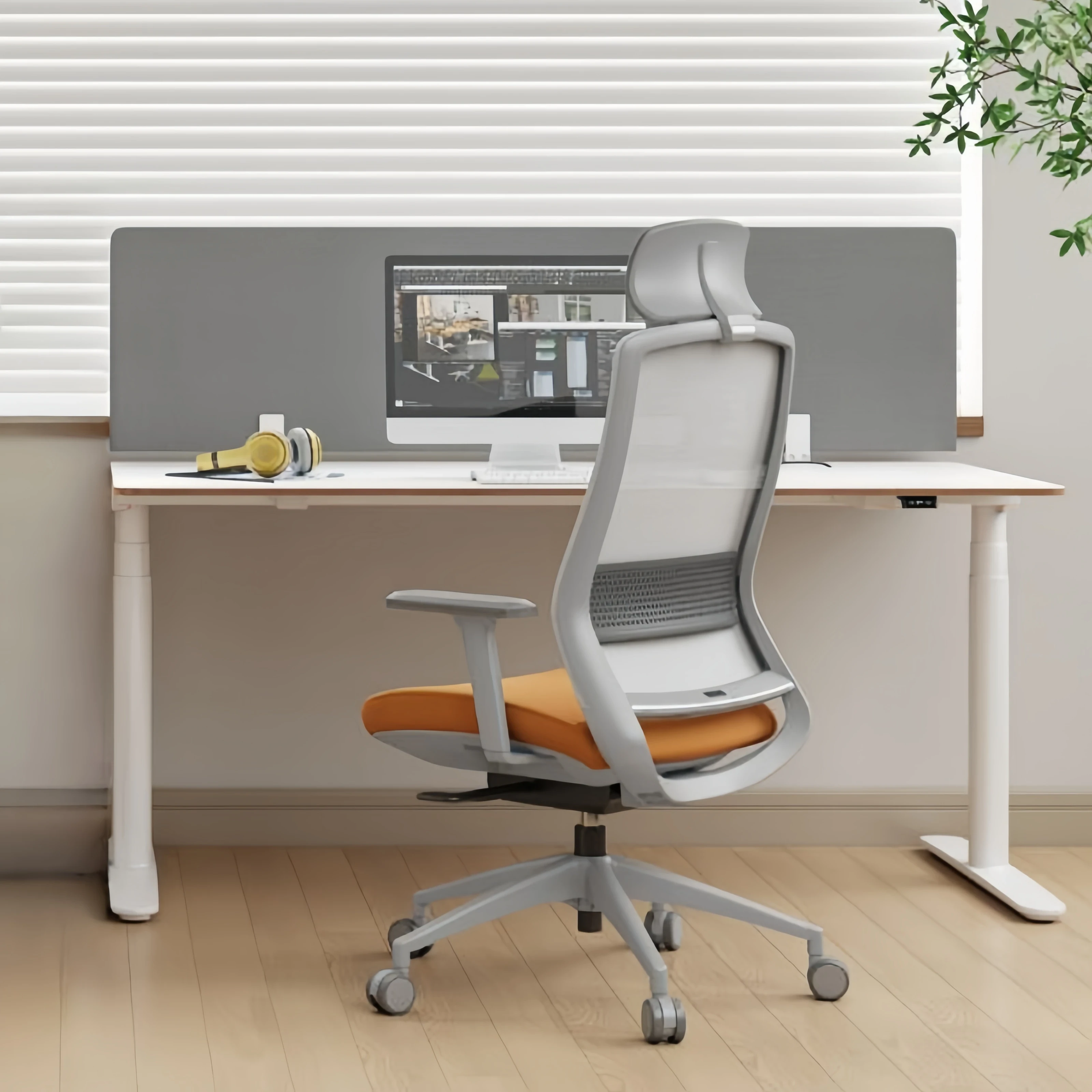


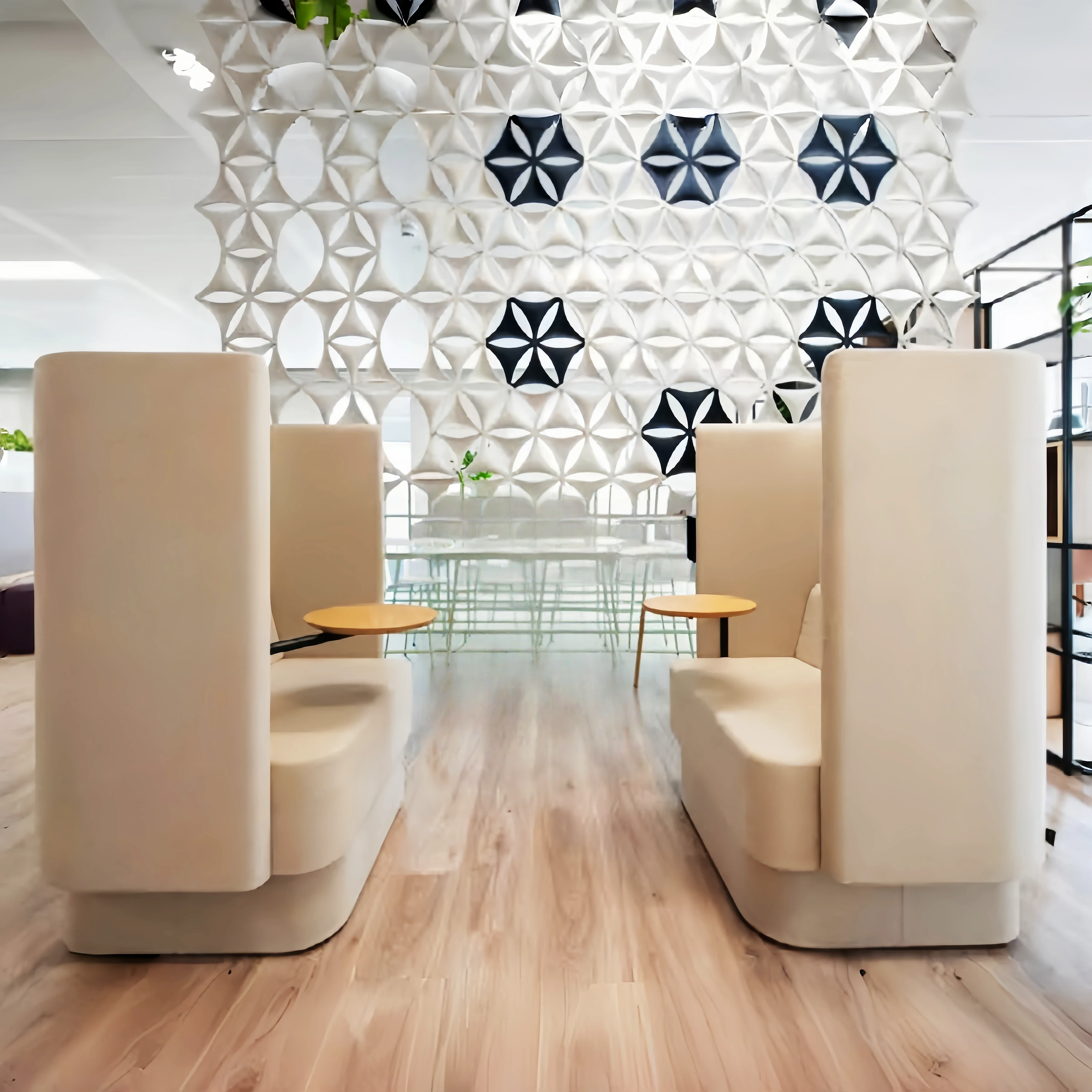

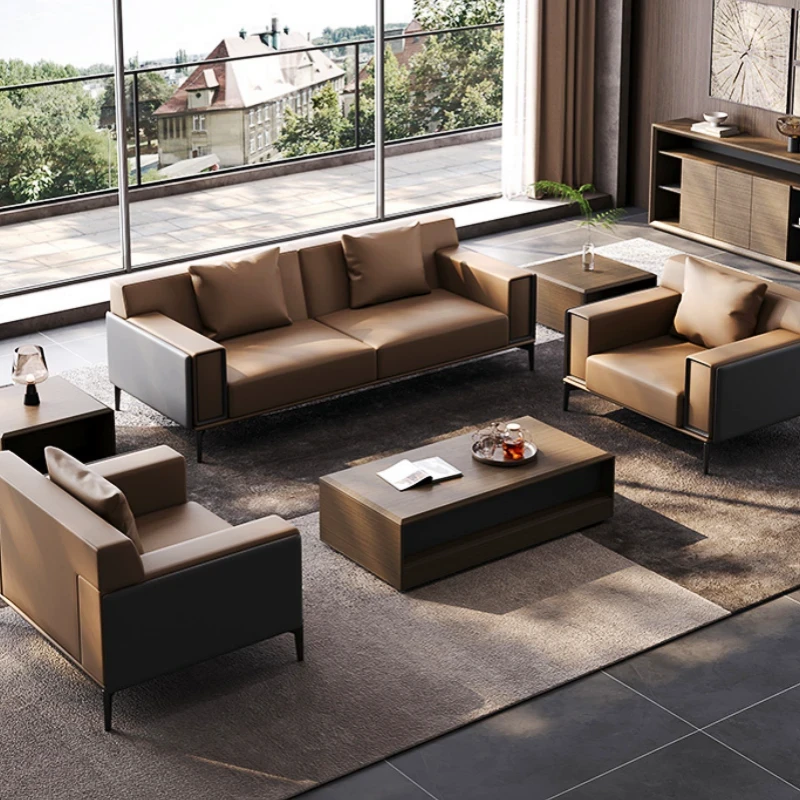
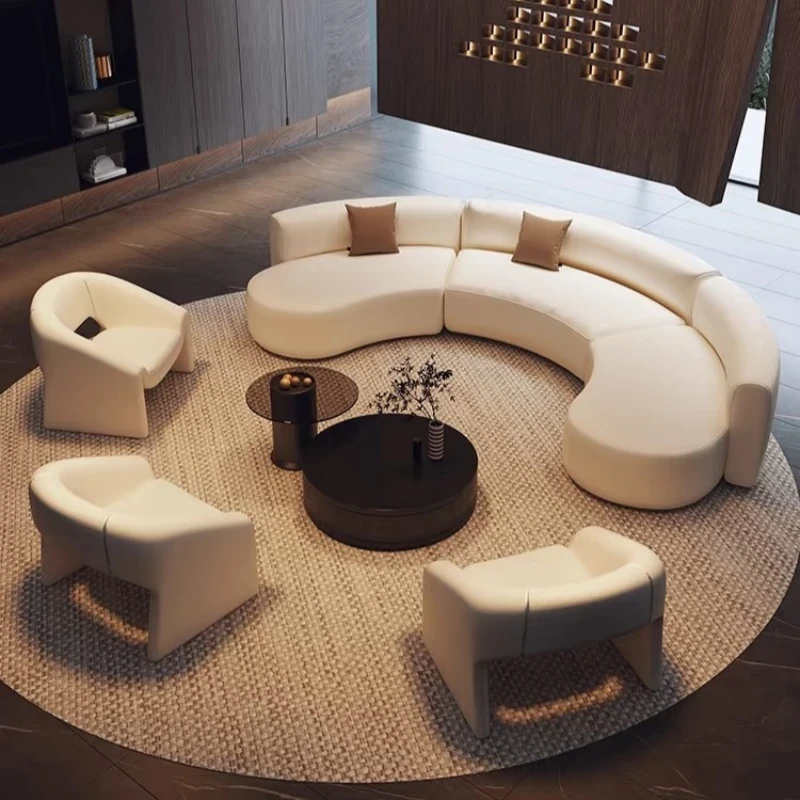
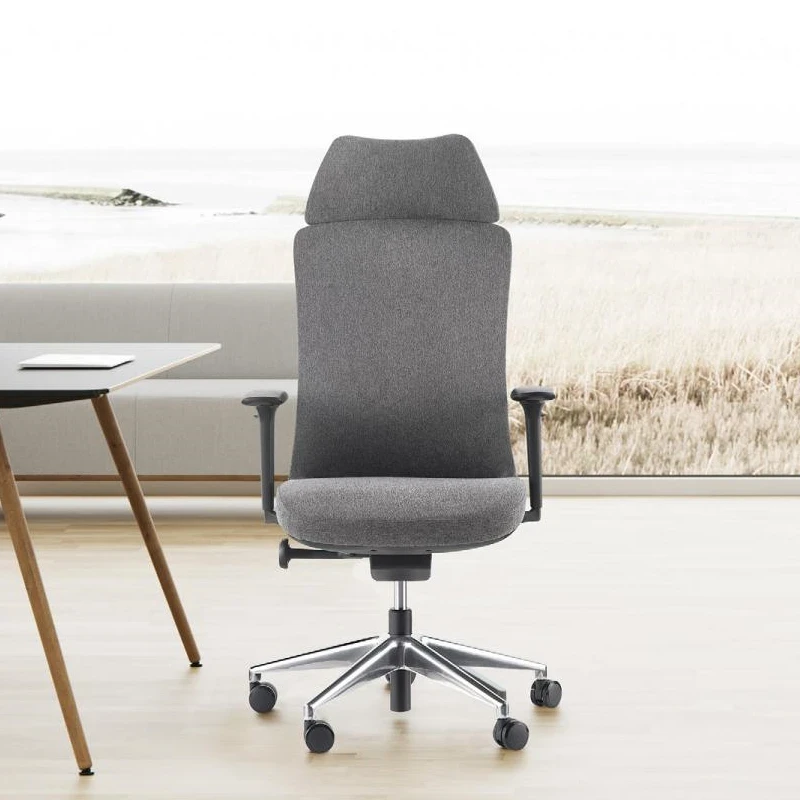


Modern minimalist office furniture emphasizes functionality at its core; it prioritizes scientific design and ease of use; it utilizes more new materials and processes; it primarily uses neutral colors, incorporating geometric elements in an irregular manner. Its characteristics are simplicity, practicality, aesthetics, texture, and sophistication. Many designers have stated that modern minimalism looks simple but is difficult to execute. Compared to other styles, it is the easiest to make look awkward and incongruous. This is because modern minimalism, unlike other styles, does not have such clear and undeniable characteristics. It pursues a tasteful casualness, seemingly effortless, but actually requiring considerable effort.
Creating a modern minimalist style requires more than just office furniture.
A truly high-quality modern minimalist room cannot be created simply by adding a few pieces of office furniture. It's about a sense of modernity in the space itself, combining aesthetics, flexibility, and practicality for a truly effective overall effect. If you've already achieved success and are passionate about modern style, then you must do it right. Don't just place a few simple chairs or tables and think you're living in a modern minimalist room, feeling smug. You still need to consider the overall style and coordination to achieve the best results.
Breakthroughs in materials, colors, and designs for modern office furniture
Office furniture typically uses various types of particleboard, but modern office furniture breaks with this convention, incorporating new materials such as metals, paints, glass, and plastics to express its individuality, coolness, and uniqueness. Although using new materials, modern office furniture never flaunts them; it subtly and powerfully showcases their superior qualities. For example, a metallic CD rack is aesthetically pleasing, space-saving, and practical; a colorful plastic chair appears thin and translucent, yet it boasts excellent load-bearing capacity and is also very comfortable.
Modern office furniture abandons the traditional bright reds and purples, opting instead for neutral tones, with gray, white, and black being its most commonly used colors. It pursues an understated elegance while also symbolizing taste. Furthermore, the color design of modern office furniture is also influenced by some modern painting movements, emphasizing the contrast and harmony between primary colors to pursue a universally meaningful and timeless artistic theme. Therefore, some modern office furniture may exhibit traces of abstract art. For successful individuals in society, neutral, cool tones can promote a sense of peace and allow them to temporarily forget work-related frustrations.
Modern office furniture designs range from simple lines to creative and whimsical styles, but regardless of their variations or simplicity, they all maintain multifaceted functionality. This contrasts sharply with overly complex designs, fully leveraging the advantages of minimalism. This not only makes interior spaces appear more spacious and bright but also saves considerable space. Furthermore, modern office furniture has never compromised on functionality; aesthetics without practicality are never its aim. Even a simple desk can offer multiple ways to use it, providing flexibility and convenience.