
 USD
USD GBP
GBP
 EUR
EUR


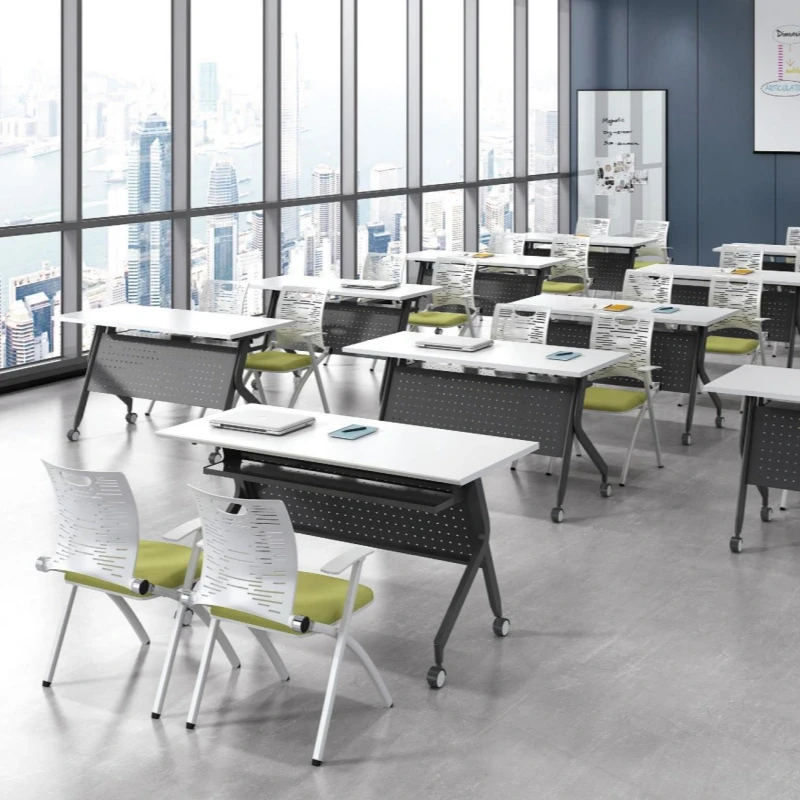
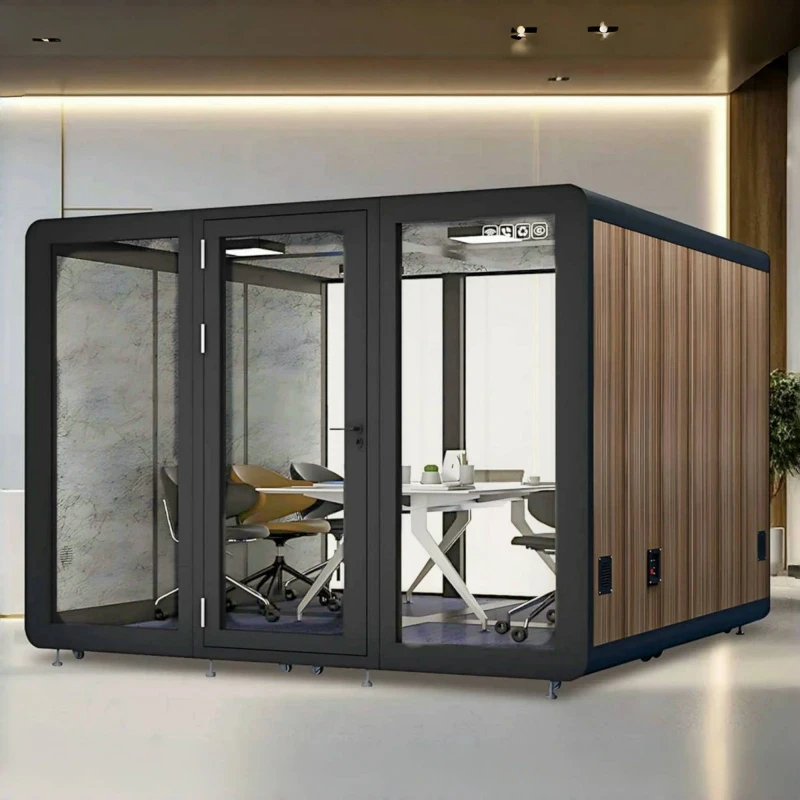
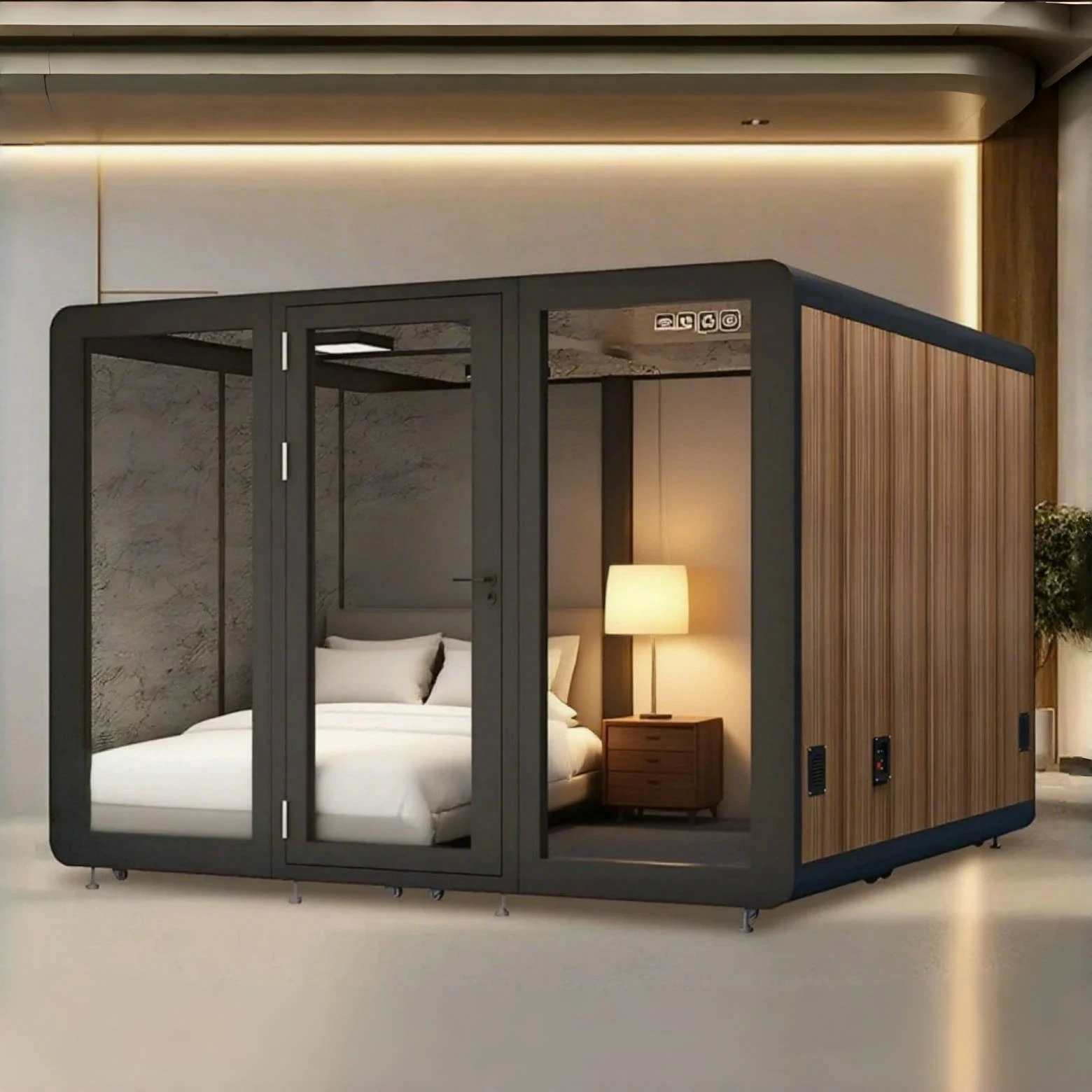


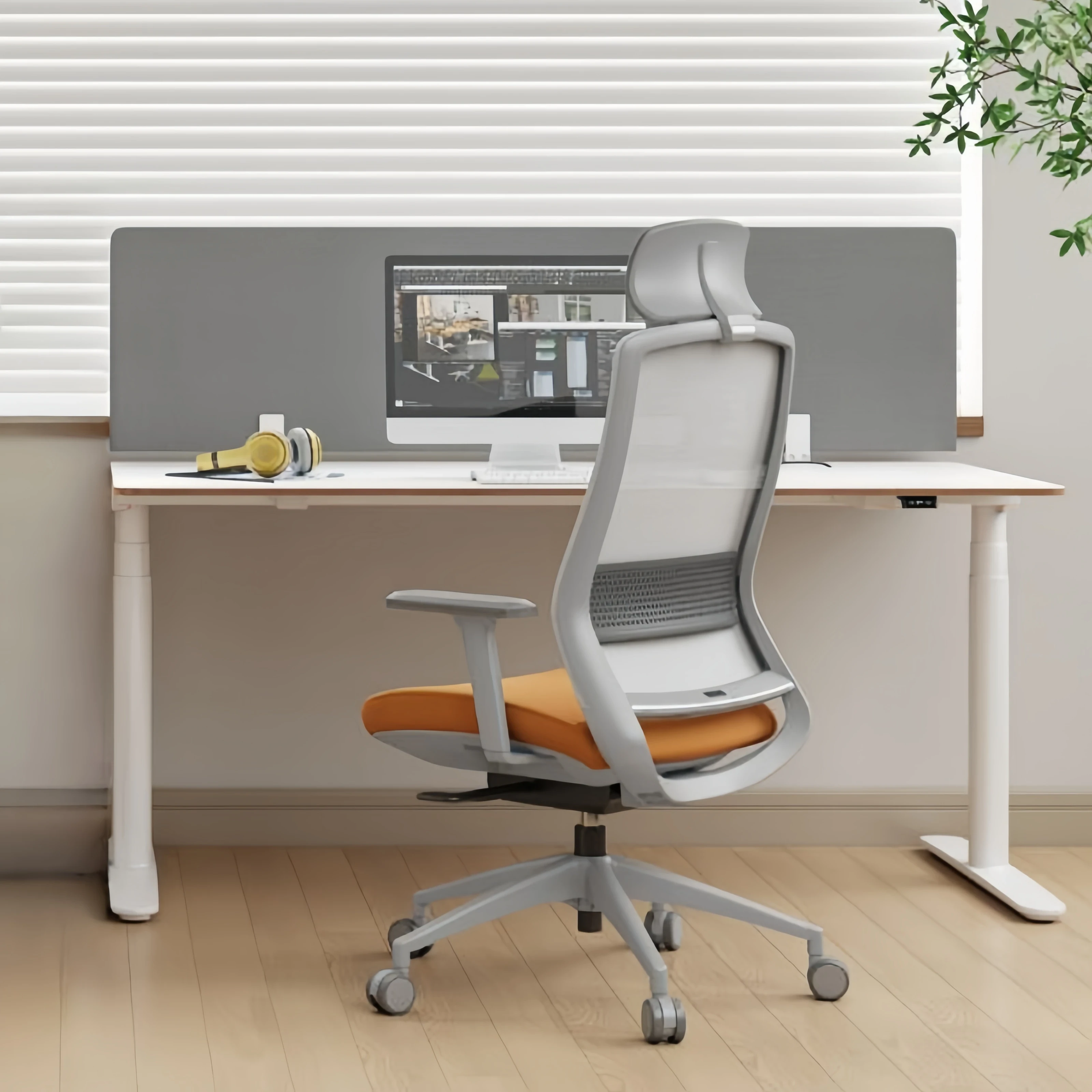


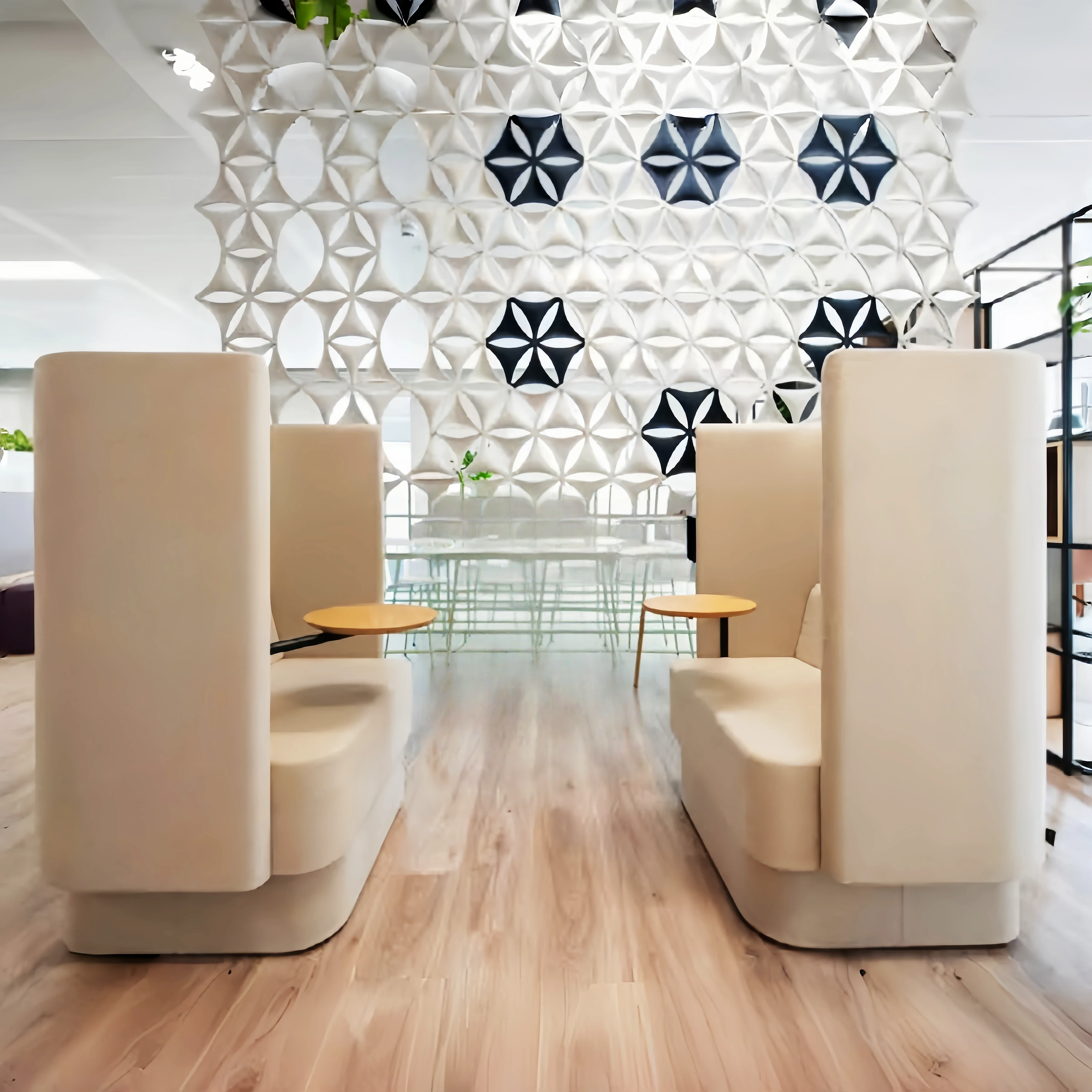

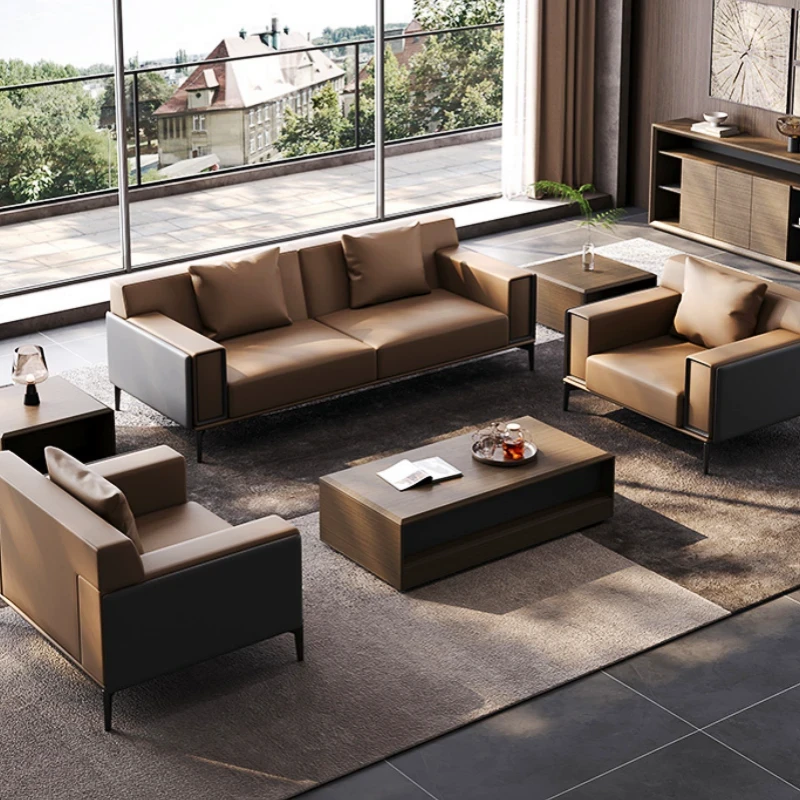
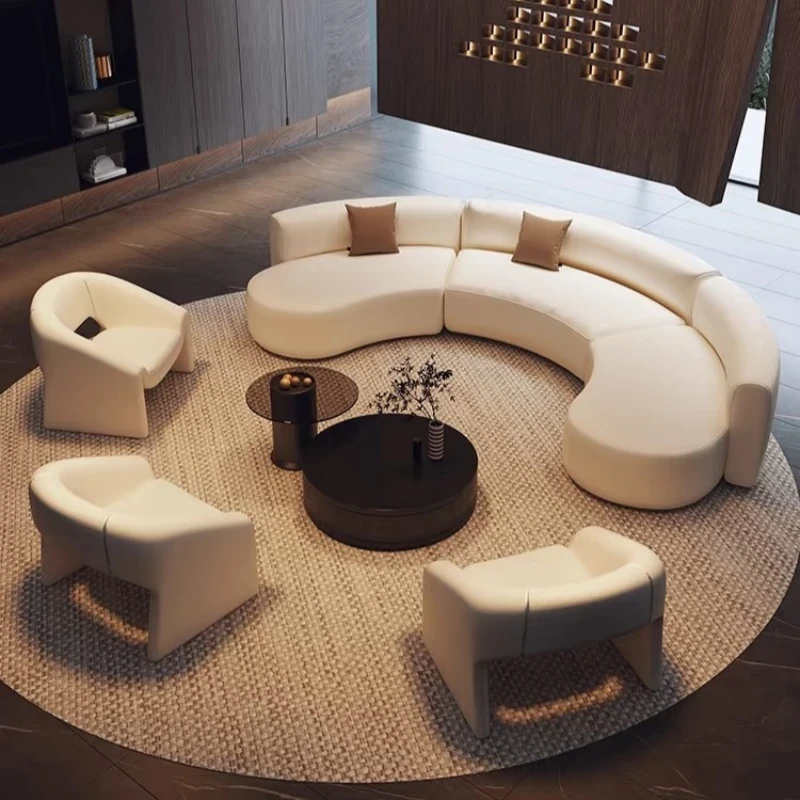
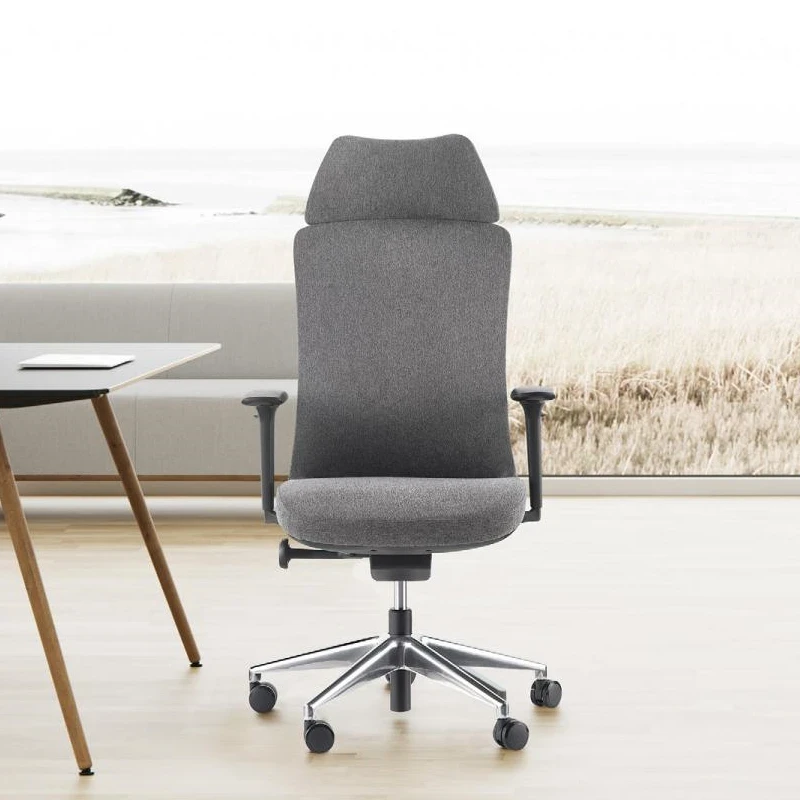


The first step is to conduct a detailed needs assessment. Custom furniture manufacturers typically conduct in-depth interviews with medical experts, caregivers, and elderly users to obtain comprehensive information about the physical and psychological needs of the elderly. This research can reveal common difficulties and needs encountered by the elderly when using furniture, thus providing a scientific basis for product design.
II. Ergonomic Design:
Based on the research data, manufacturers will incorporate ergonomic principles into the design process. Medical and elderly care furniture needs to have good support and comfort to reduce the physical burden on the elderly during prolonged use. The backrest angle, seat height, and armrest design are all carefully calculated to adapt to the natural posture of various parts of the elderly's body.
III. Safety Considerations:
The elderly generally face problems such as difficulty walking and mobility, making furniture safety paramount. Custom furniture manufacturers will try to avoid sharp edges and corners, use non-slip materials, and increase stability through designs such as adjusting the furniture's center of gravity or using anti-tipping devices to prevent accidents.
IV. User-friendly Functional Design:
Many elderly people experience decreased vision and hand dexterity, making user-friendly design crucial. For example, using large, high-contrast buttons and switches allows seniors to operate furniture more intuitively. Furthermore, automatic adjustment functions help seniors easily adjust the furniture's posture, such as electrically adjustable beds and chairs.
Fifth, the use of high-quality materials:
To ensure health and safety, manufacturers should use environmentally friendly, non-toxic, and antibacterial materials to reduce the risk of skin allergies and infections. Breathable fabrics and easy-to-clean materials not only improve comfort but also help maintain the furniture's hygiene.
Sixth, personalized customization
: Manufacturers often offer personalized services, customizing and adjusting products according to the individual senior's health condition and lifestyle. This may include adding specific support functions or assistive devices to better meet their individual needs.
Seventh, long-term testing and tracking:
Before products are released to the market, manufacturers conduct extensive usage tests to ensure the furniture's durability and functional performance in different environments. Simultaneously, a continuous customer feedback mechanism is established to collect user feedback for product improvement and innovation.
In conclusion,
through in-depth needs assessment, ergonomic design, safety considerations, user-friendly functionality, high-quality materials, personalized customization, and long-term testing, medical and elderly care furniture manufacturers can effectively ensure their products meet the specific health needs of the elderly population. This not only satisfies market demand for high-quality medical and elderly care furniture but also makes a positive contribution to improving the quality of life for seniors. In the future, with technological advancements and material innovation, medical and elderly care furniture will continue to be optimized in both function and quality.