
 USD
USD GBP
GBP
 EUR
EUR
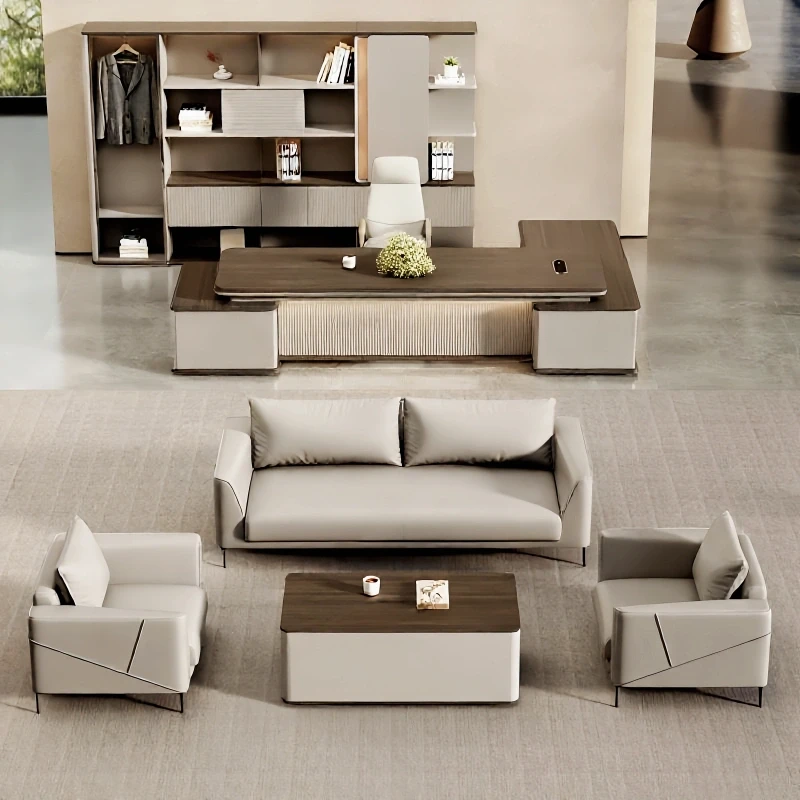
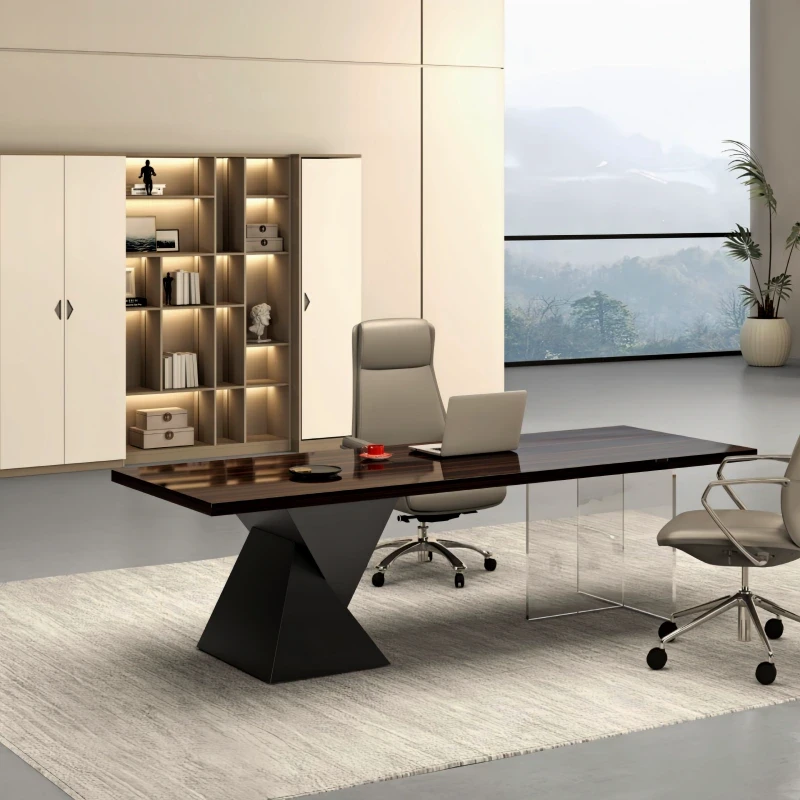


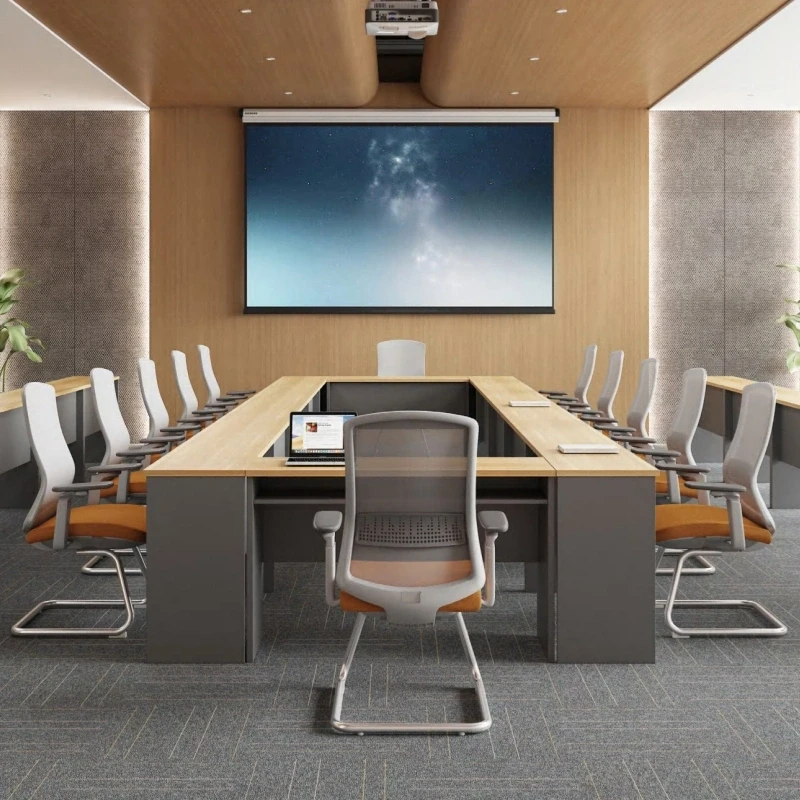
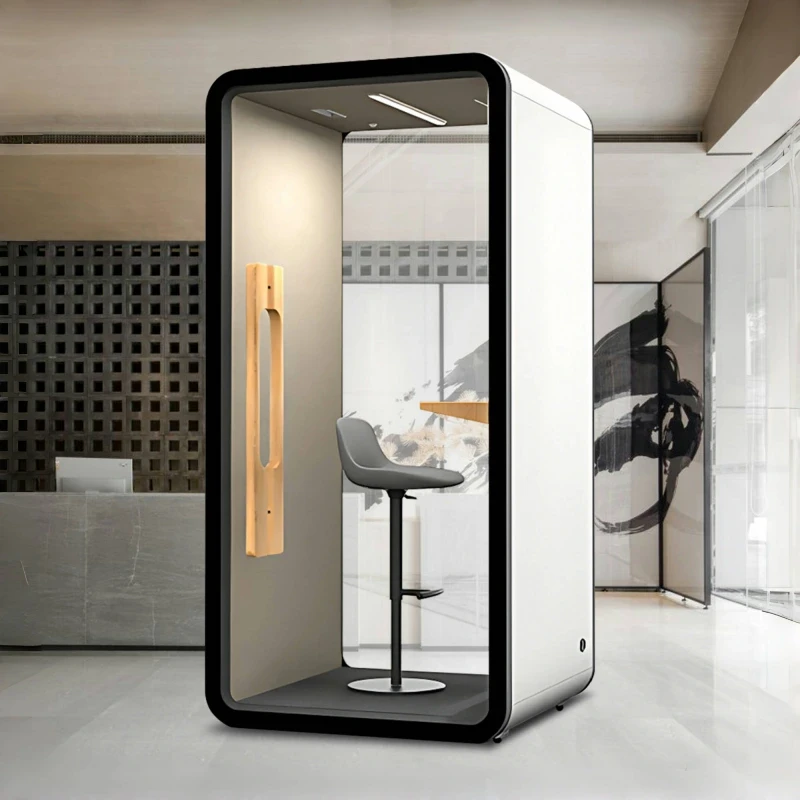
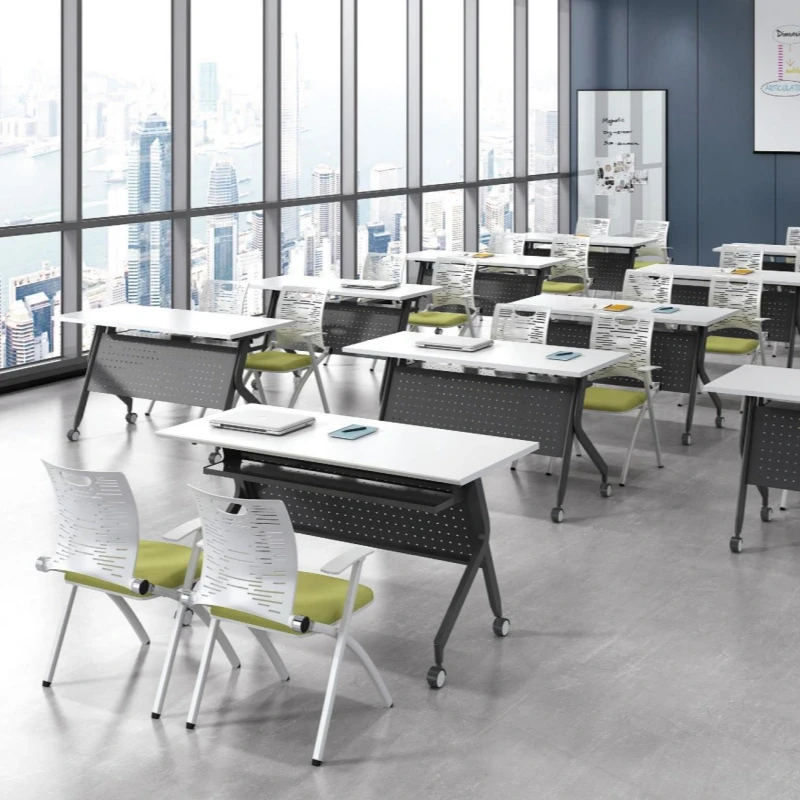
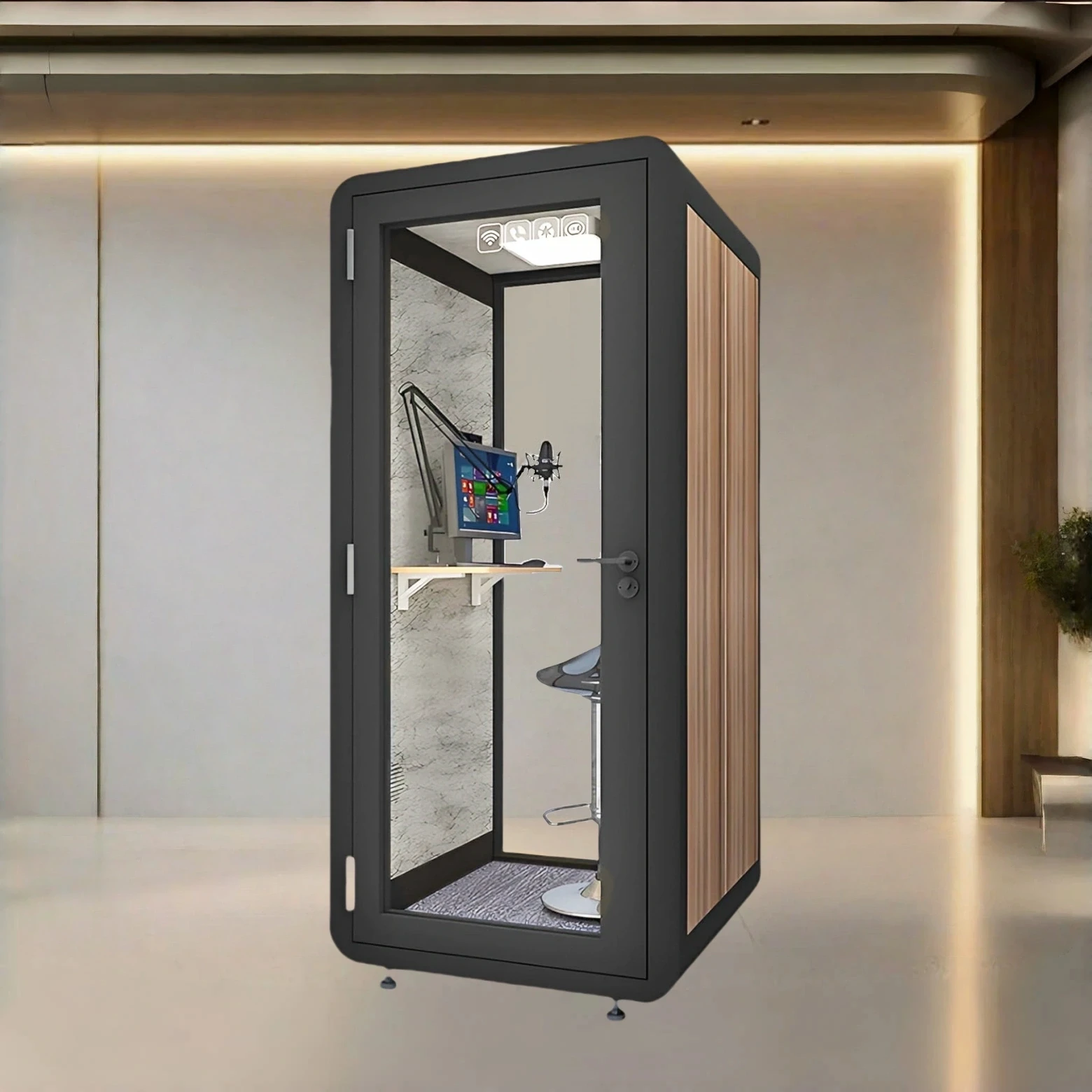
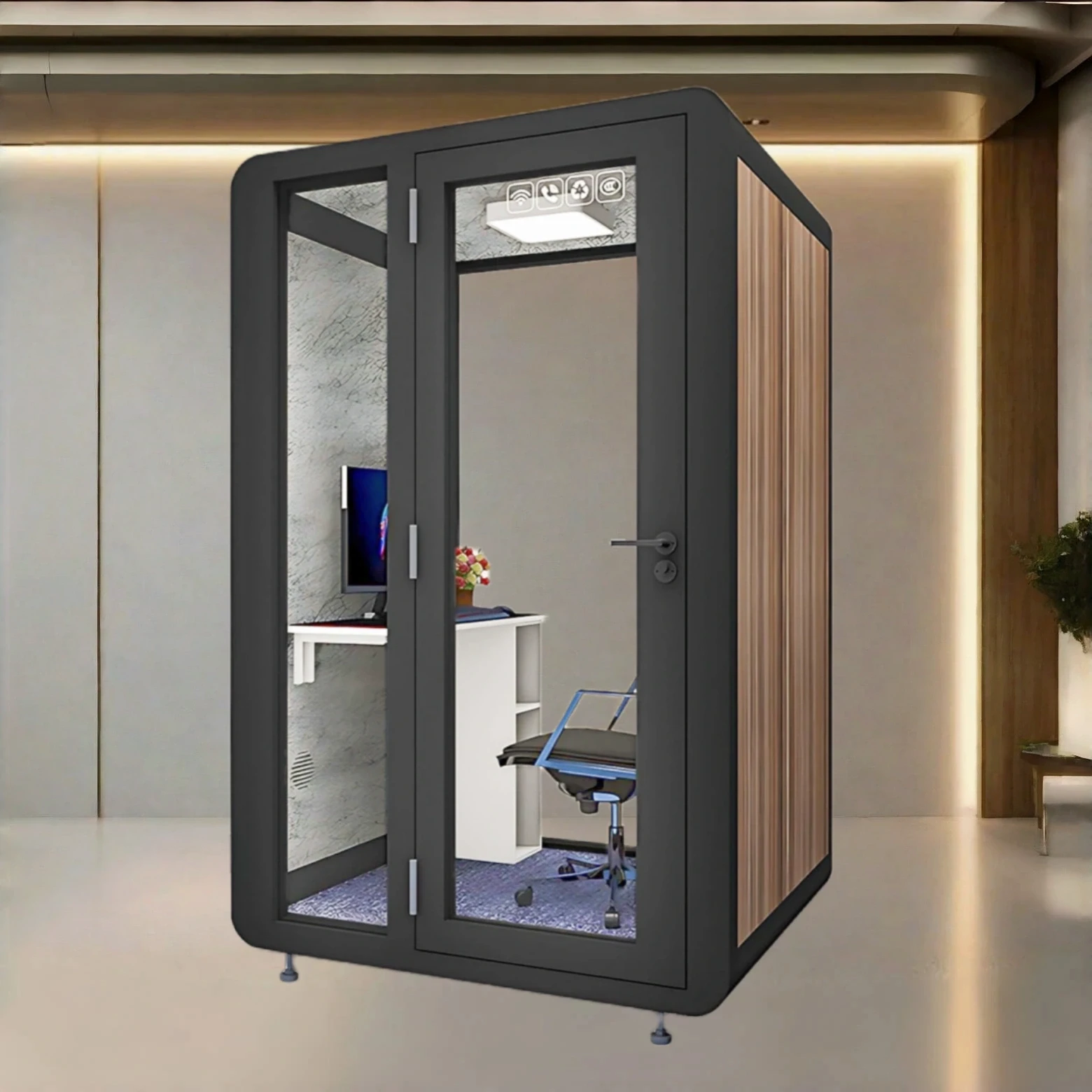
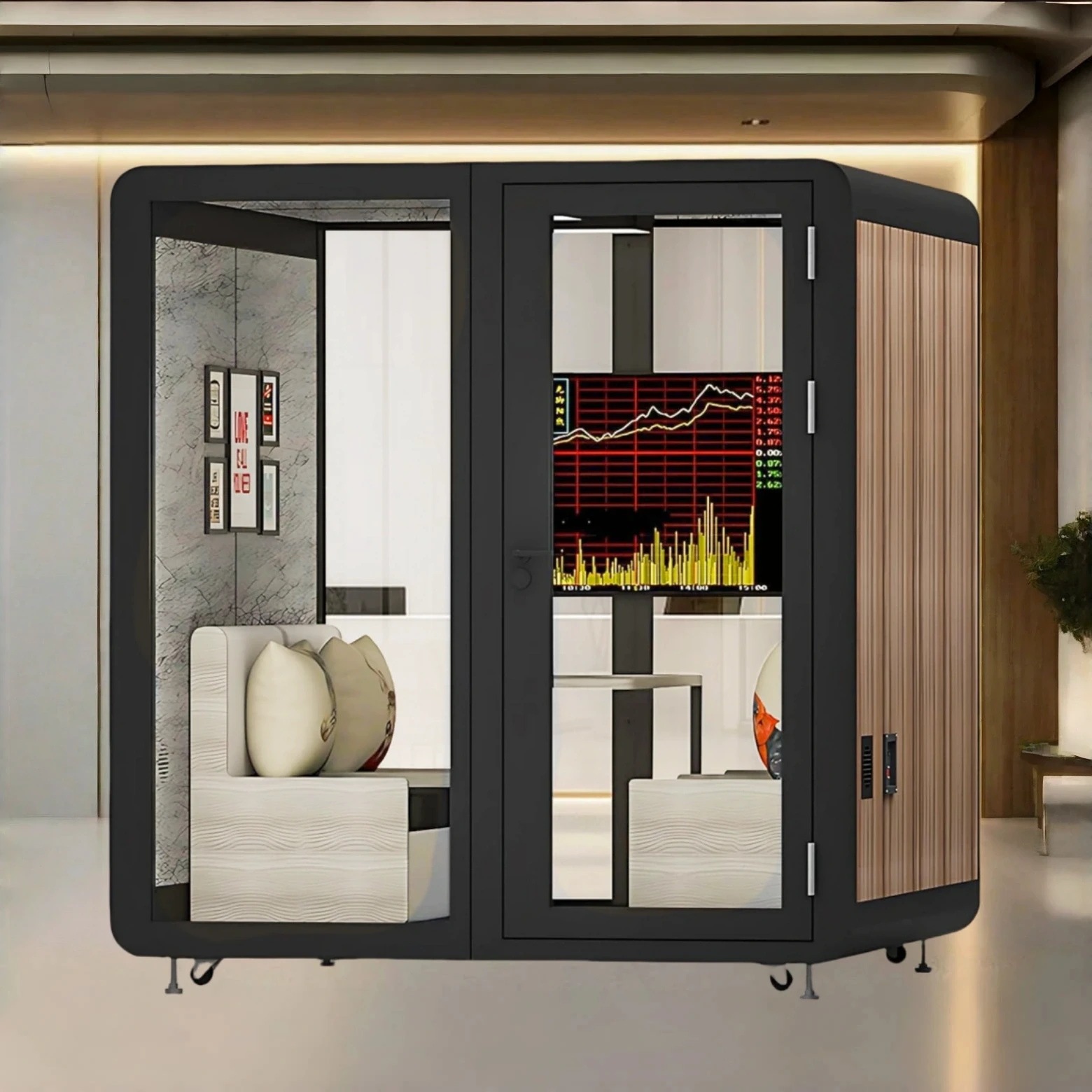
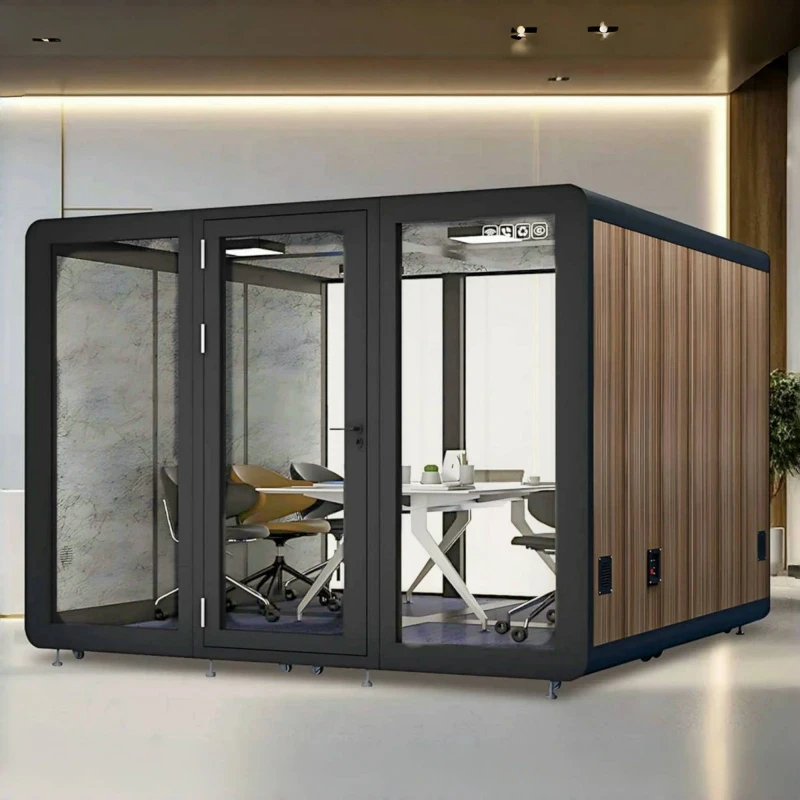
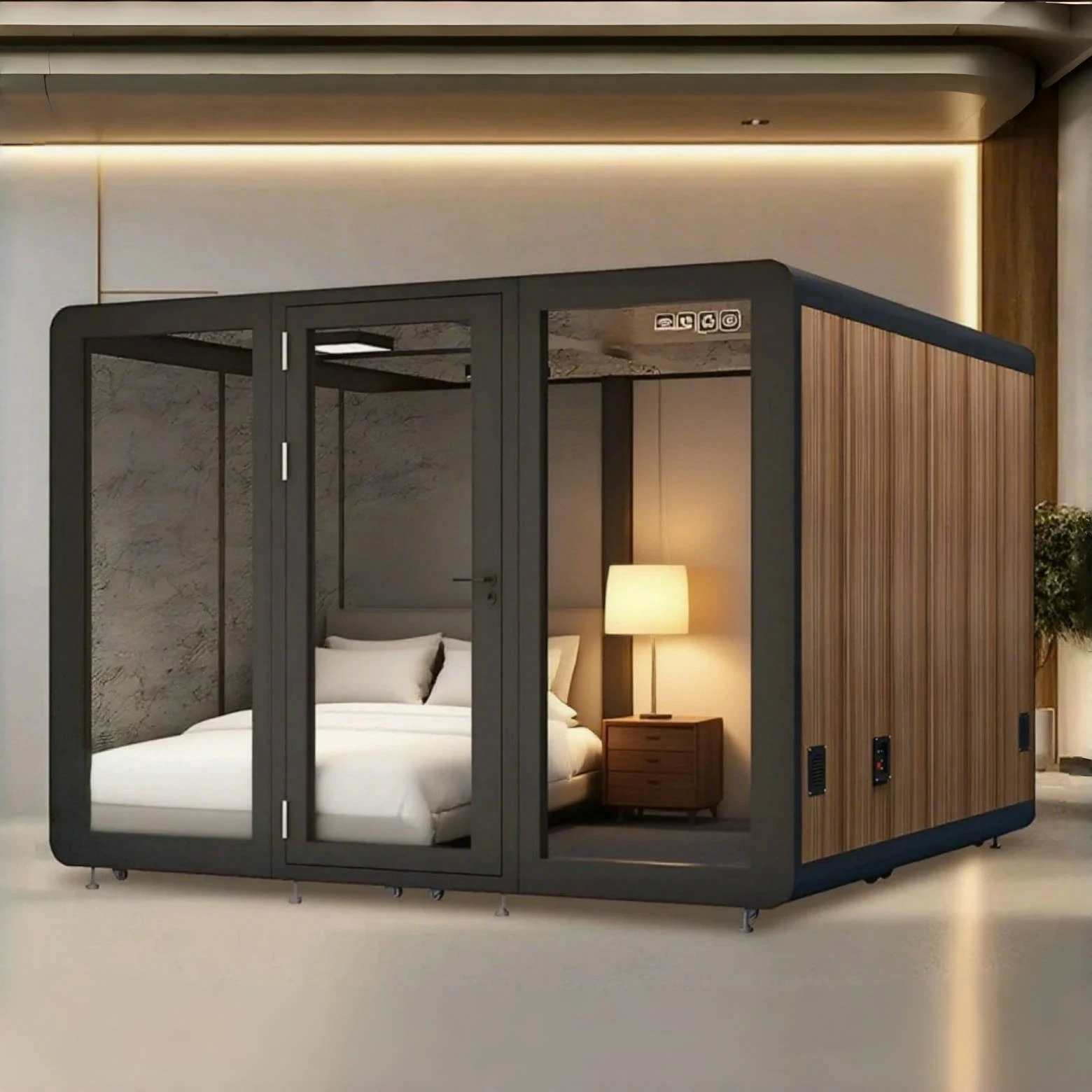


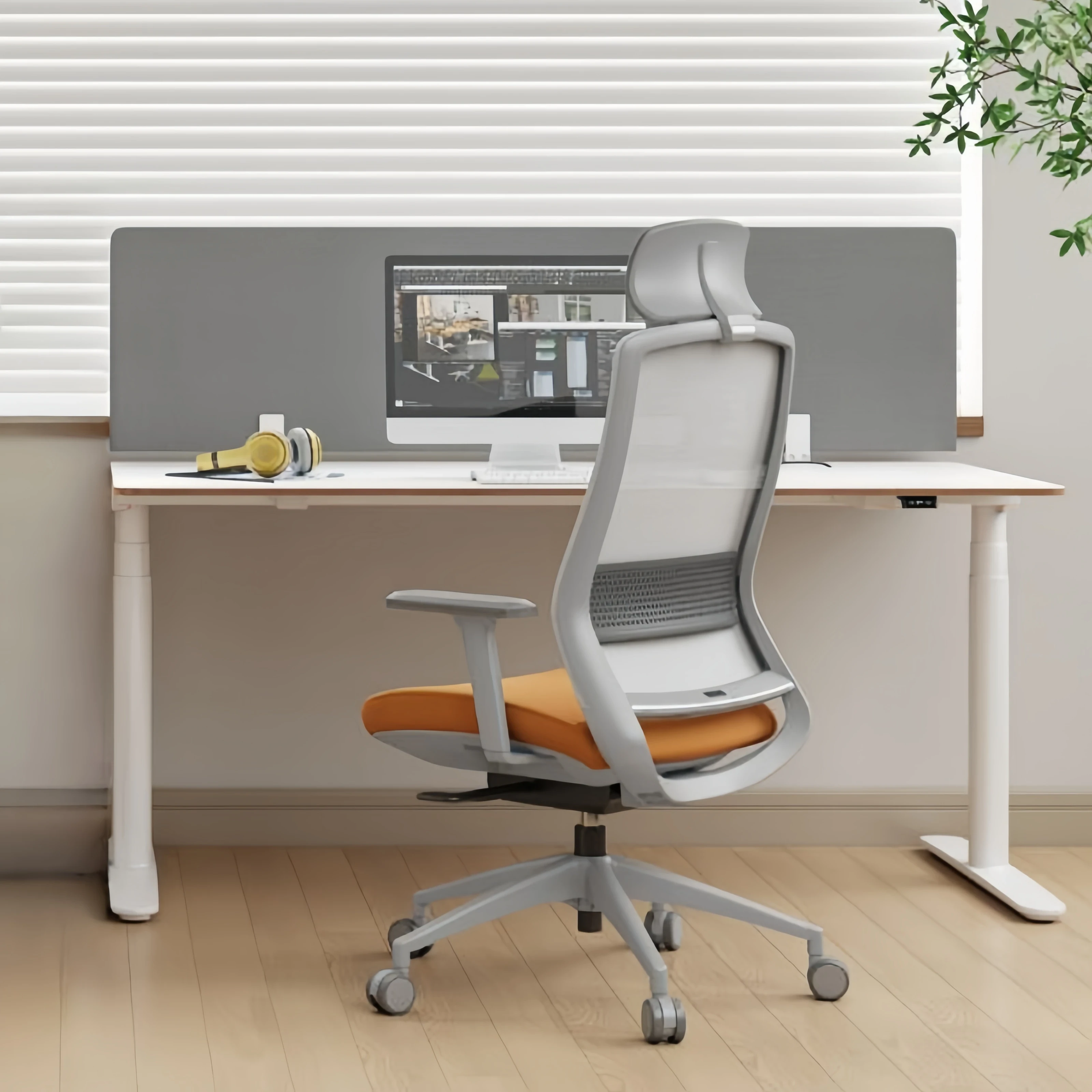


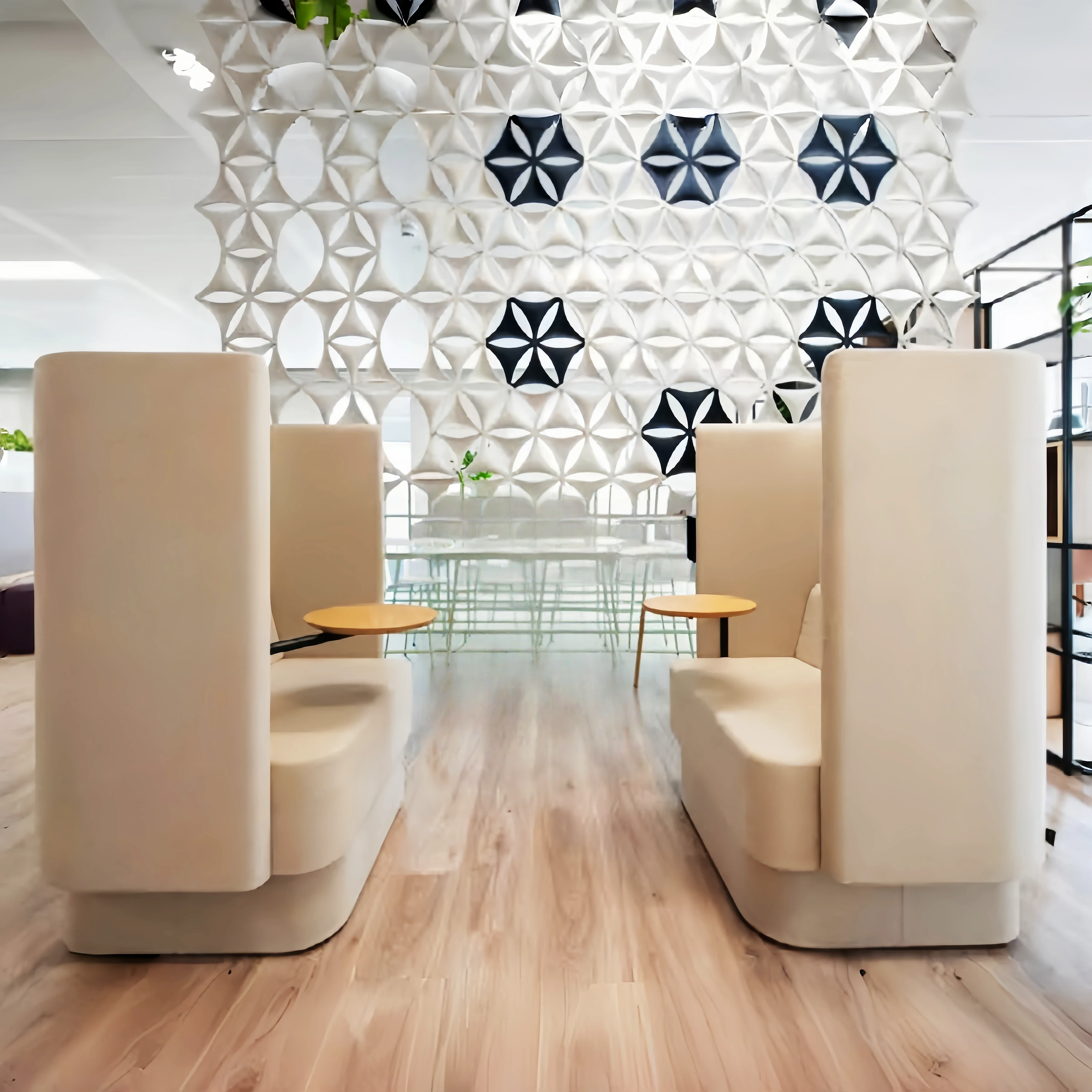

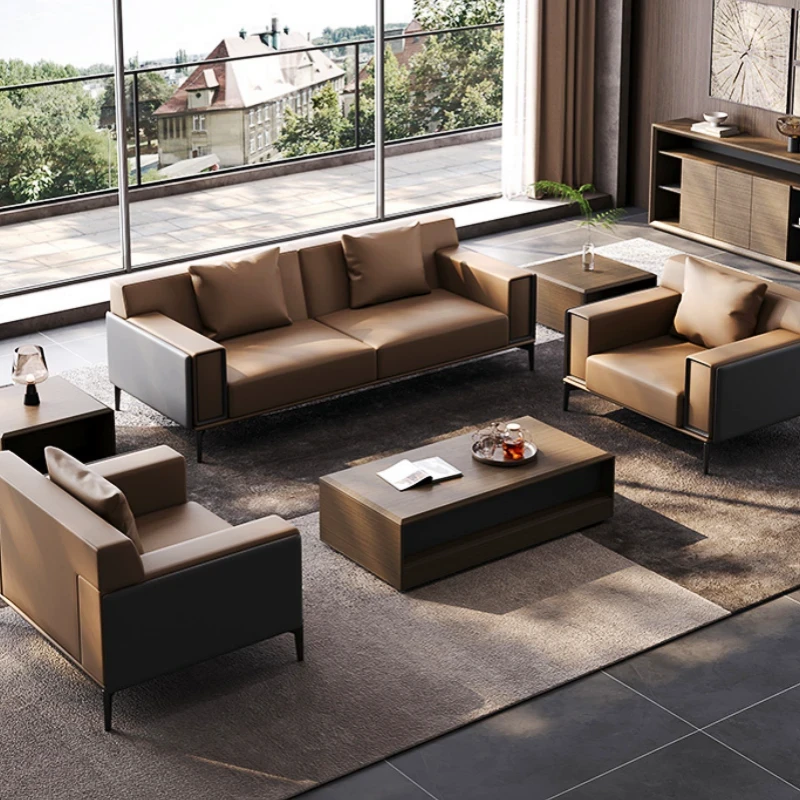
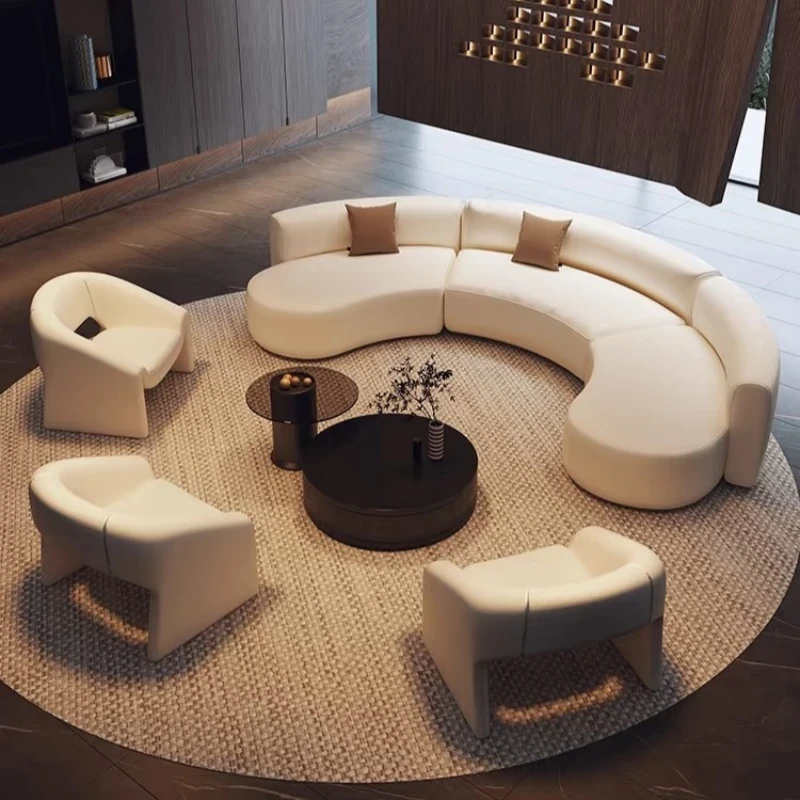
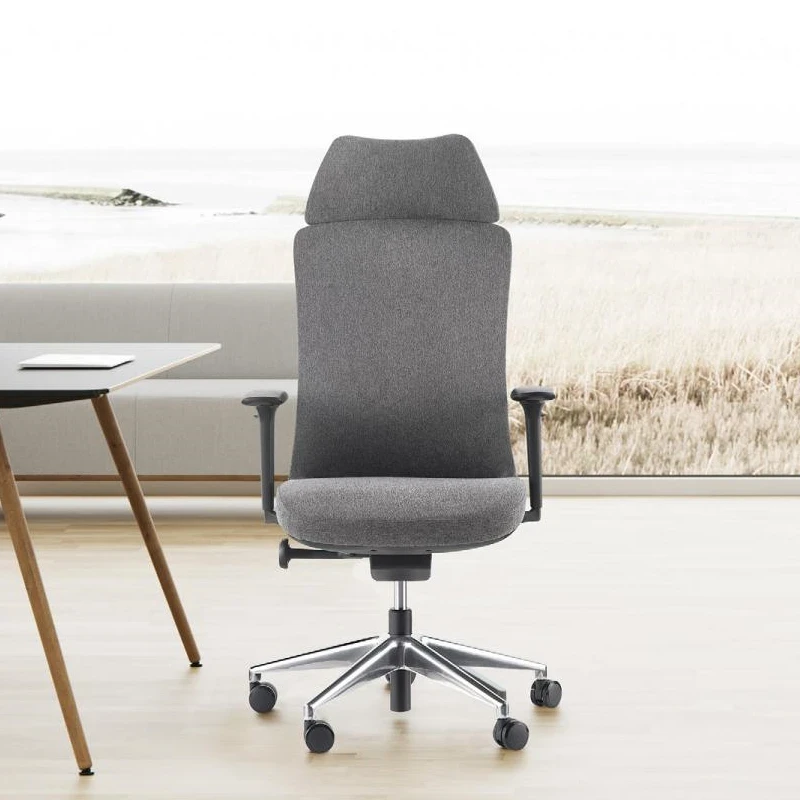


With the rapid development of science and technology, human society has entered the internet information age. The rapid advancement of information technology has profoundly impacted human lifestyles and work methods. Many jobs will be replaced by personal computers, the internet, and smartphones, changing the existing appearance of office spaces and creating new work models and office environments. The importance of information transmission in the office space will become increasingly apparent in the future, and future office furniture will inevitably develop in a direction that enhances interpersonal interaction; that is, future office furniture should be designed around facilitating communication. In addition, future office furniture will also have the following development trends.
1. Mechatronics trend
Future office furniture will break free from current design constraints, incorporating mechatronics to meet the needs of information technology. This type of furniture will integrate telephones, computers, and printers, concealing wiring and enhancing usability. Its form should be sleek and practical. For example, a concept office furniture design titled "Soft Office," exhibited at the Museum of Modern Art in New York in 2001, combined work and rest functions. This bed incorporated numerous electromechanical devices; the backrest could be raised to accommodate comfortable pillows, and the legs could be folded up to embed a computer screen. A person could work wrapped in a blanket, embracing a down pillow concealing a keyboard, mouse, and speakers. The designer explained that the most comfortable posture is one that allows for movement and flexibility, constantly changing positions without a fixed form.
2. Humanization trend
Future office furniture will fully consider ergonomics, featuring height-adjustable desktops, user-friendly borders, and ample legroom. Furniture designed with human factors in mind will make people feel comfortable, thus leading to better work efficiency. For example, chairs can be folded down to become beds; desks can be height-adjusted and tilted, allowing users to freely adjust their angle and posture. Chair backs will be equipped with new coordinating mechanisms that allow for approximately a 45-degree tilt, enabling users to lie down almost completely. When the user leans forward, the head and neck support will adjust accordingly, and wheeled footrests will allow the user to lie completely flat.
3. Trend towards greater flexibility
Office furniture will be very easy to recombine because partners and organizational forms are constantly changing, personnel turnover is frequent, and the separation and merging of spaces is inevitable. Office furniture and accessories must be able to be freely combined.
4. The trend towards simplification
Office furniture that is easy to assemble and disassemble can effectively reduce maintenance and operating costs without requiring much professional assistance.
5. Fashion Trends
Office furniture styles will become increasingly fashionable, and like clothing design, the pace of new product launches will continue to accelerate, with various fashion elements also being reflected in office furniture.
6. The Trend of Intelligentization
The future will be more considerate and intelligent. For example, when maintaining a certain sitting posture for a long time, the chair or sofa will prompt and force the user to change posture to relieve fatigue or correct incorrect working posture. The reason why these office furnitures are intelligent is that, in addition to sensors and control circuits, microcontrollers and built-in electronic computers act as the brain command function of these intelligent furnitures.