
 USD
USD GBP
GBP
 EUR
EUR
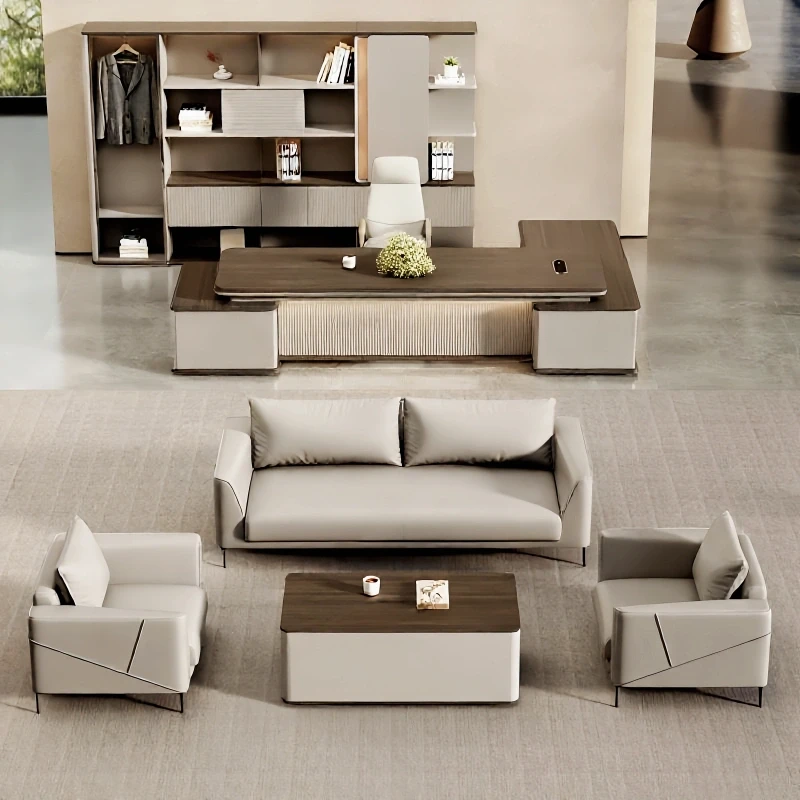
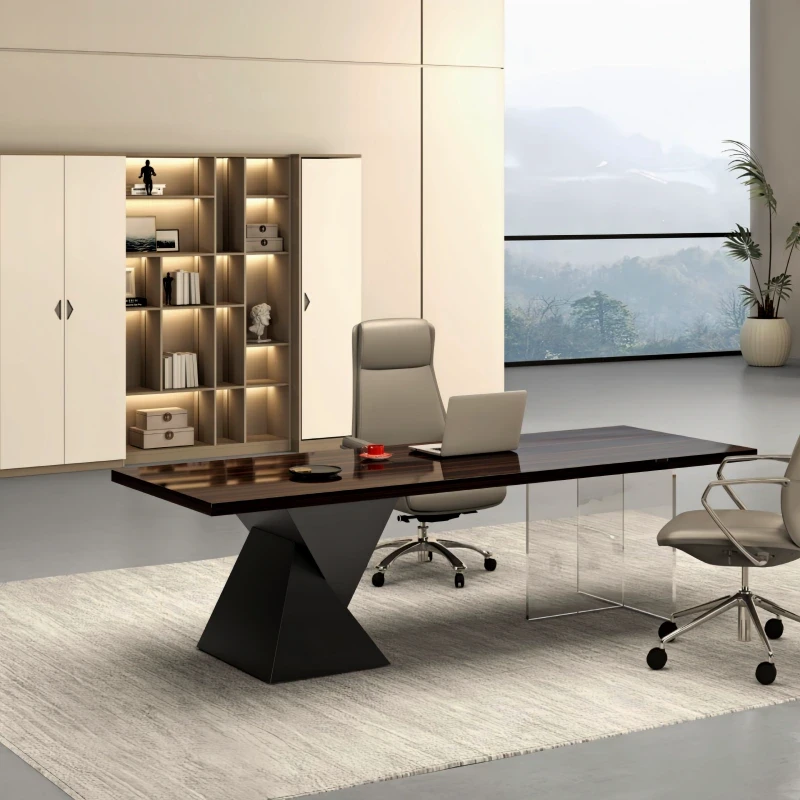


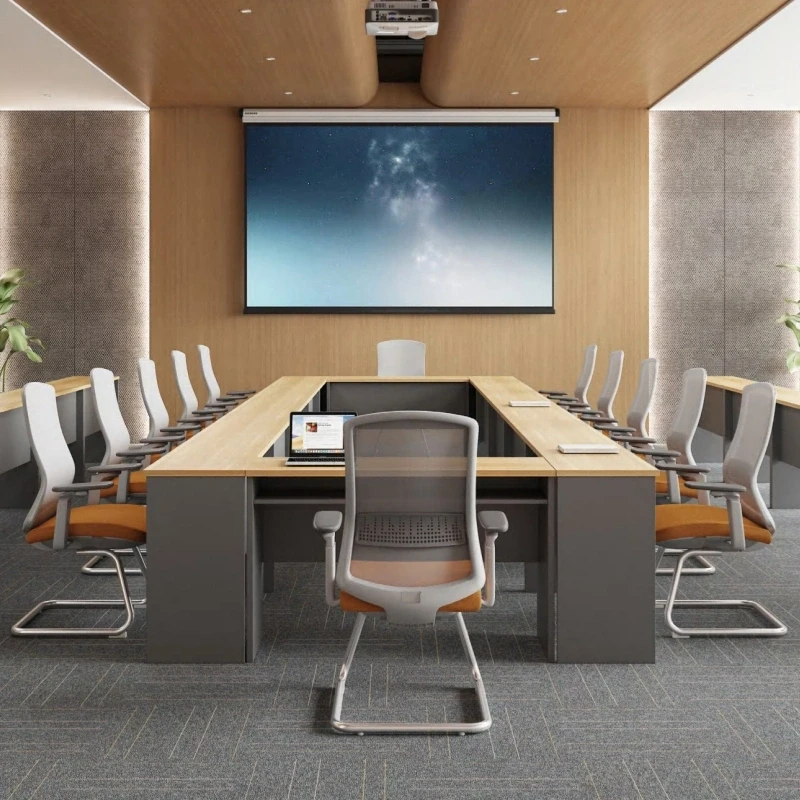
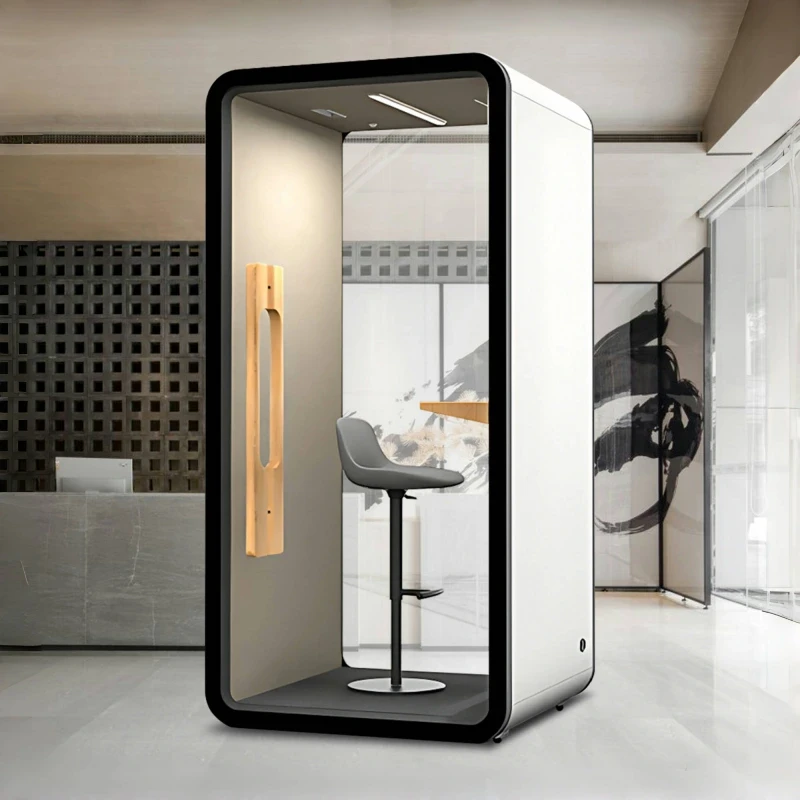
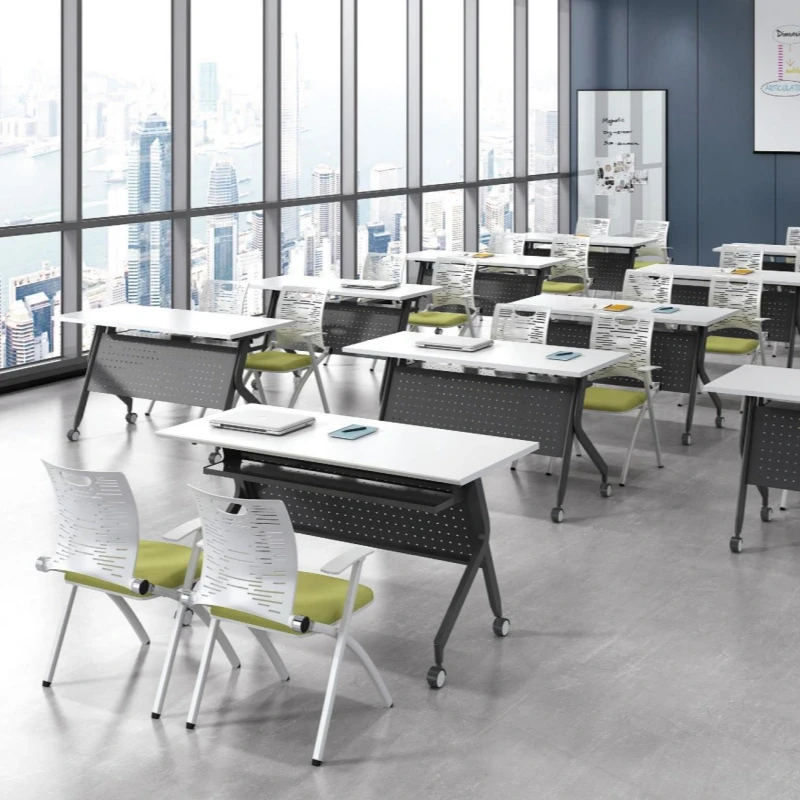
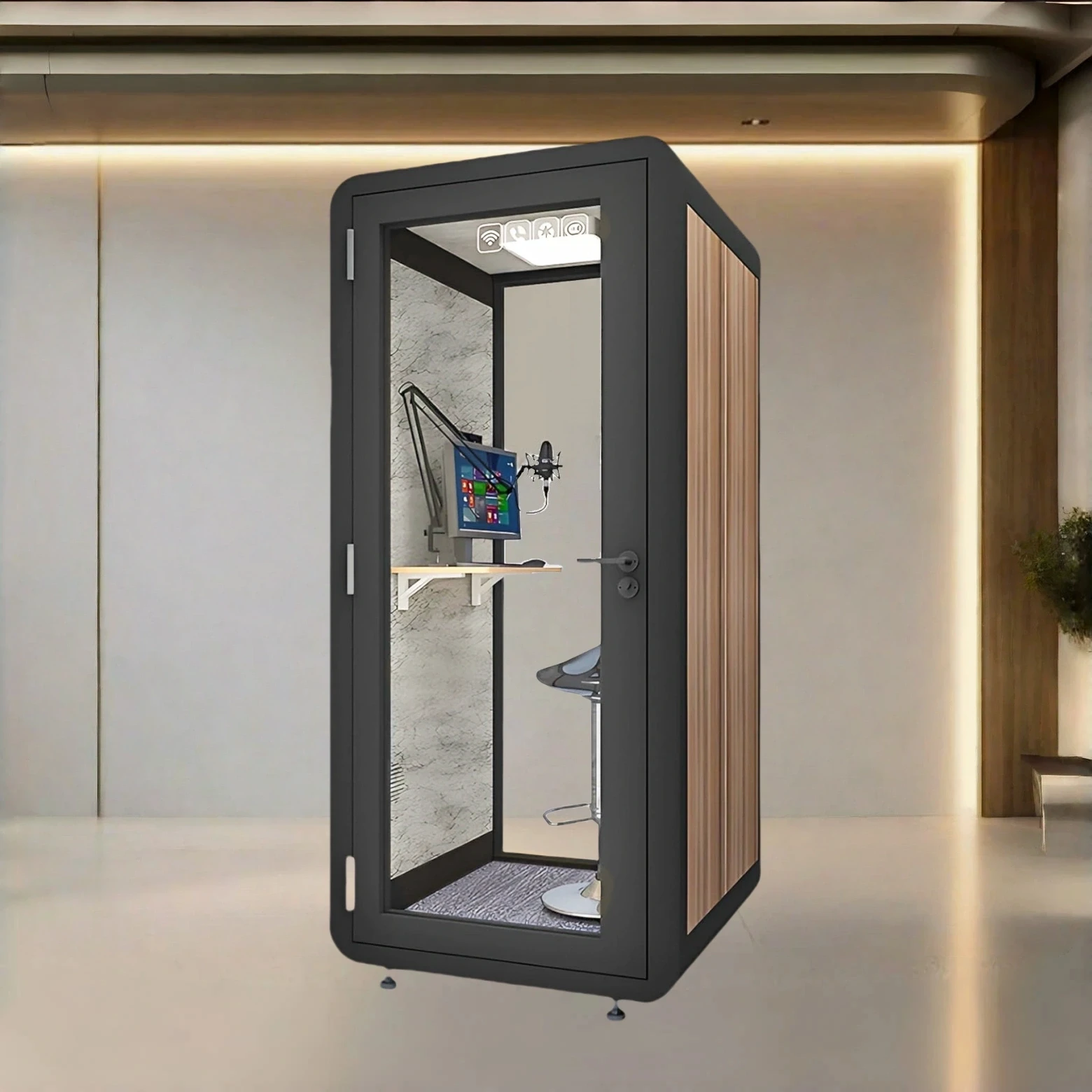
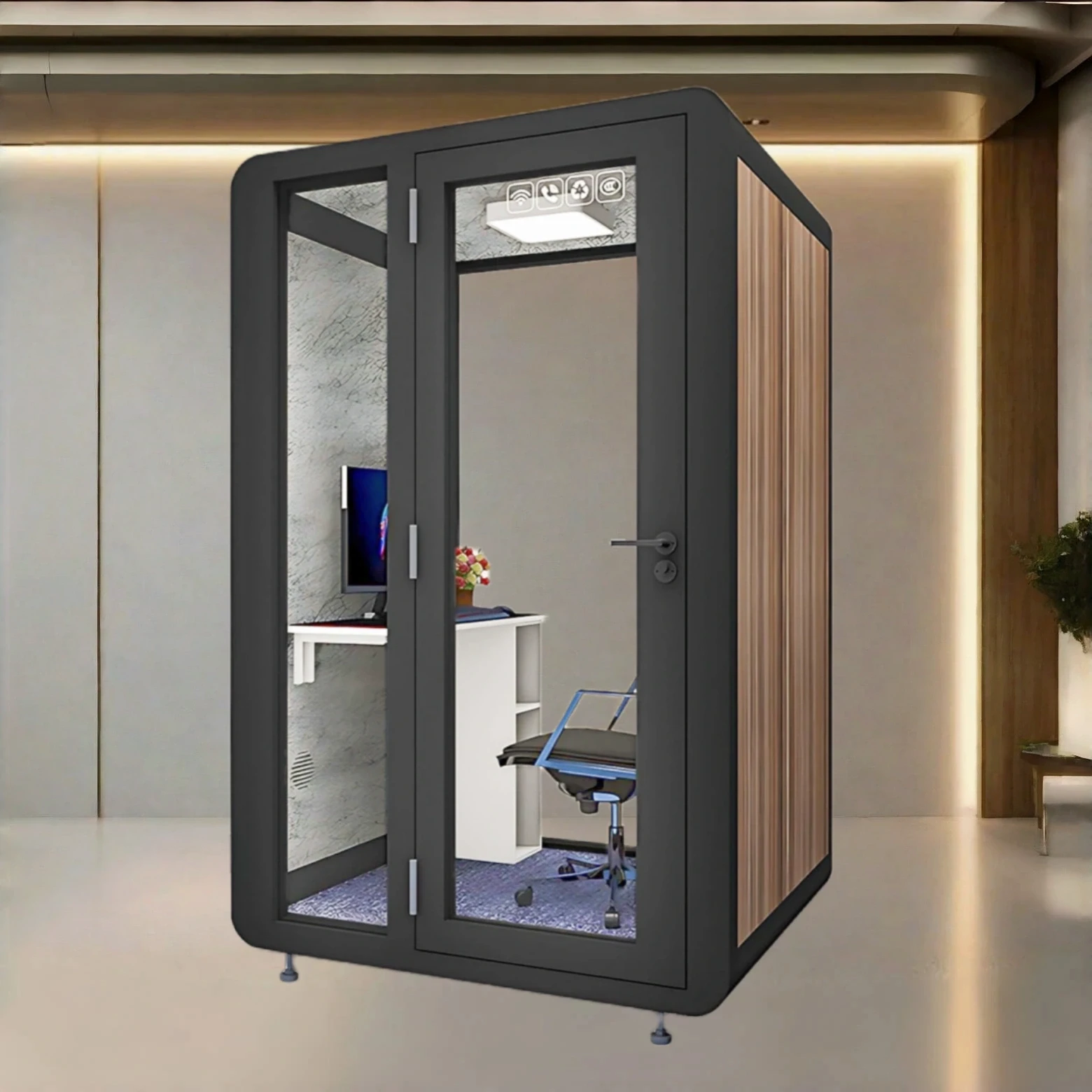
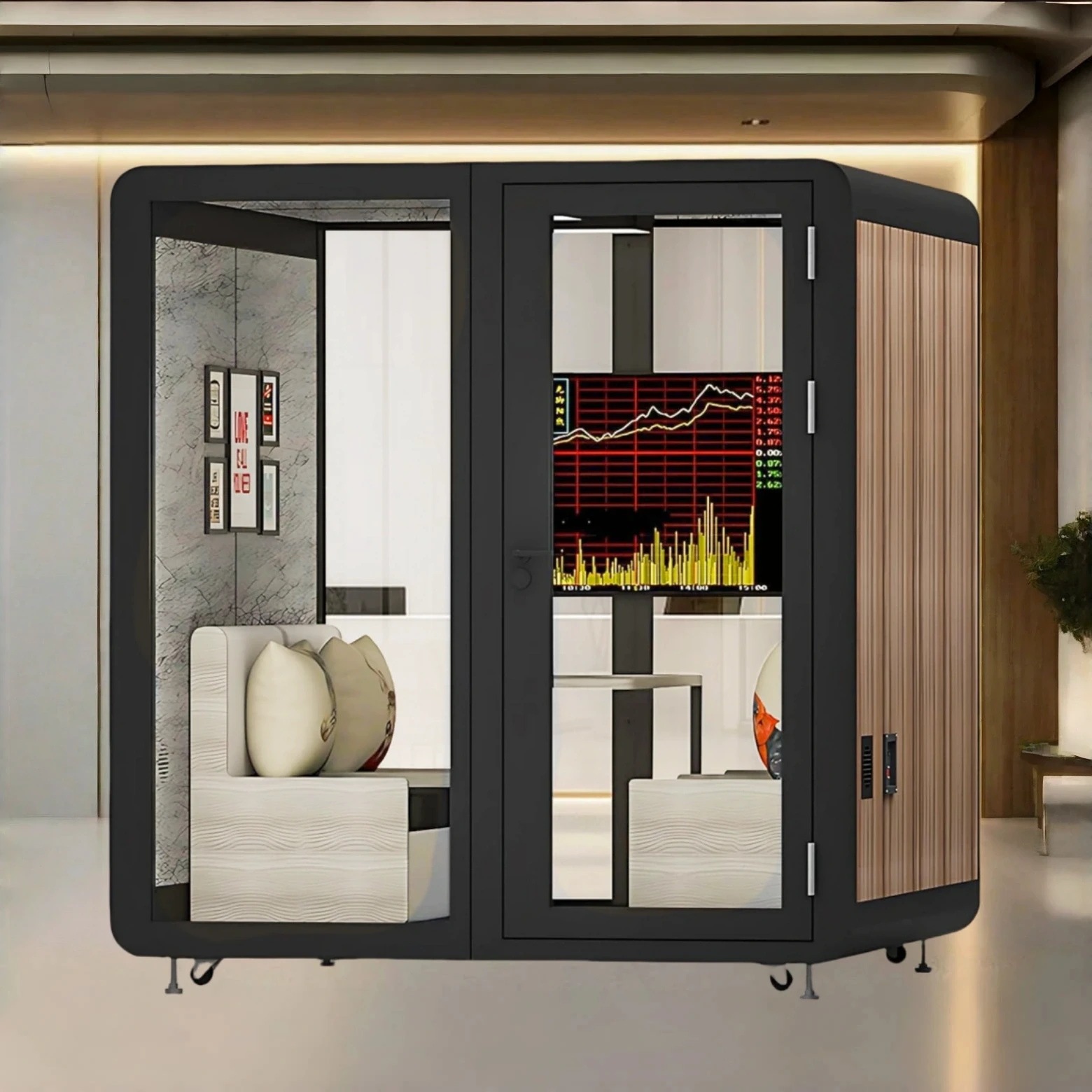
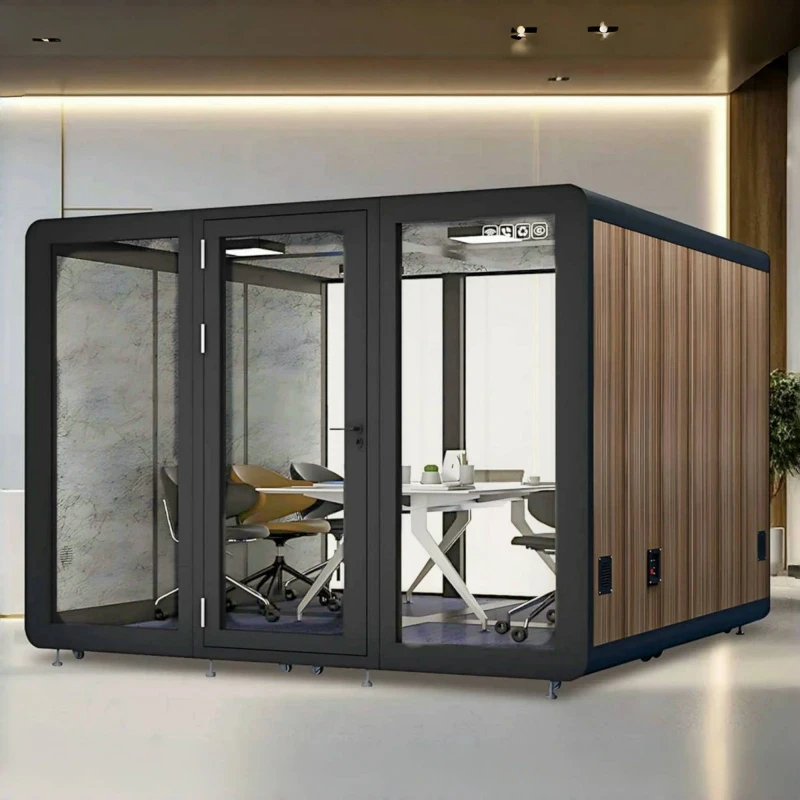



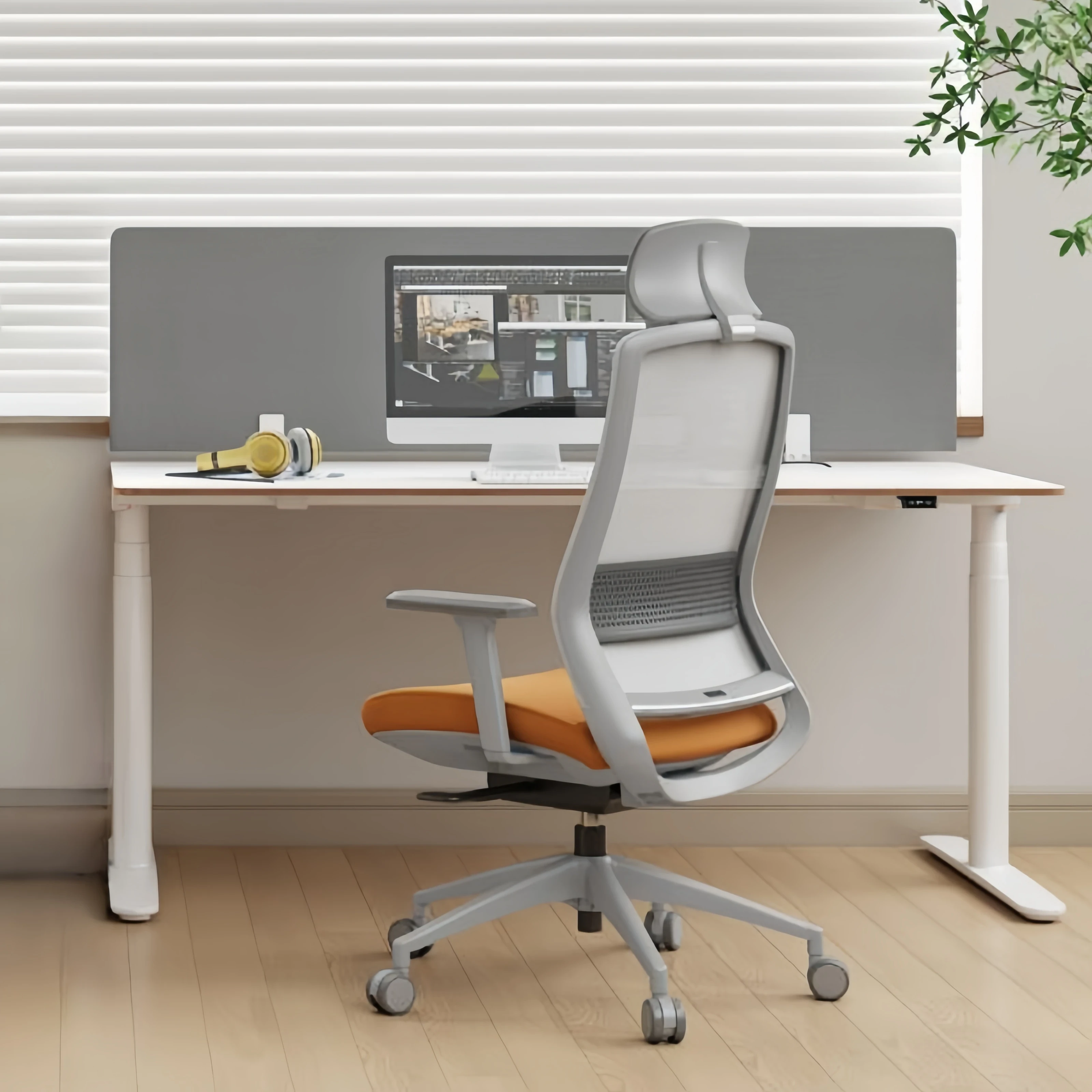


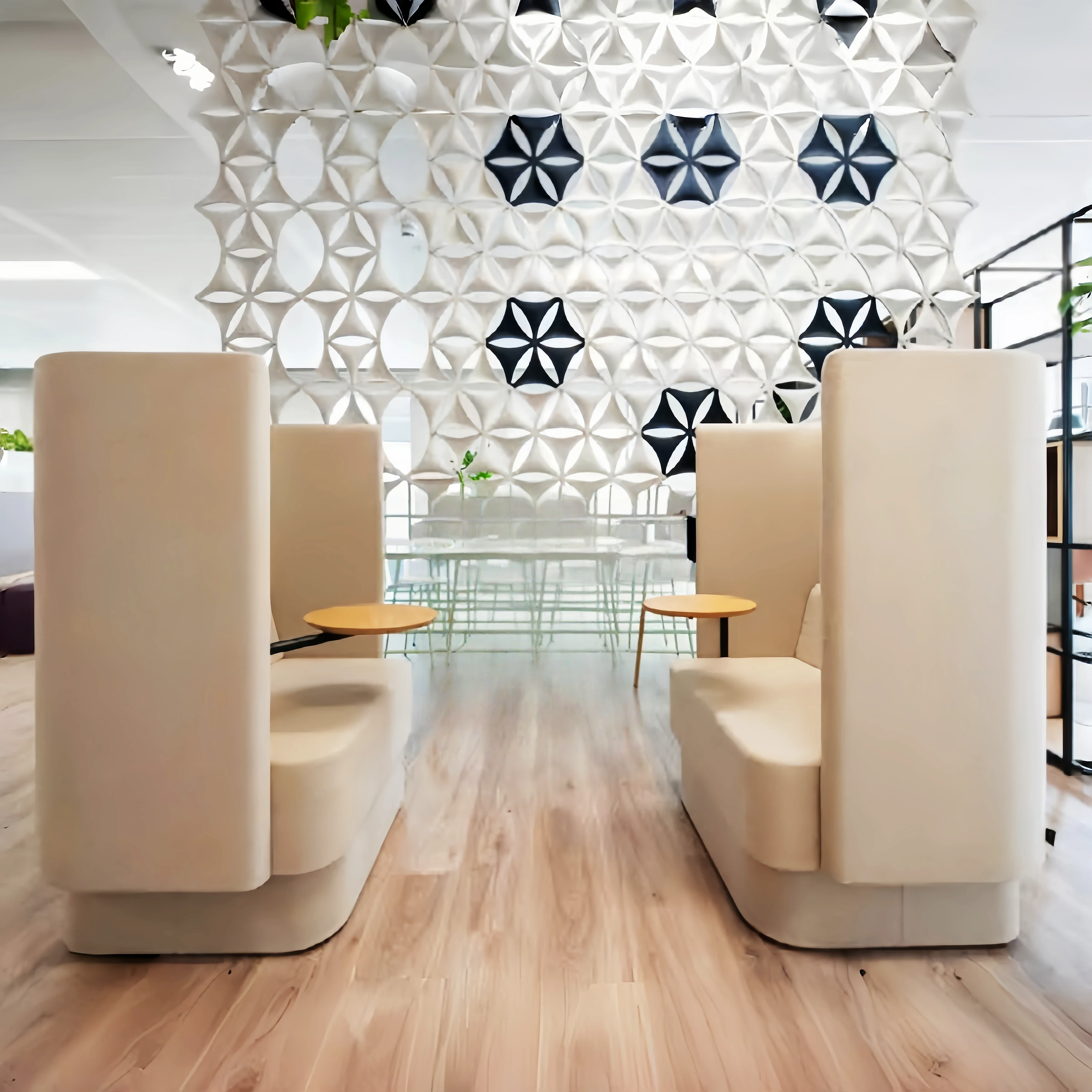

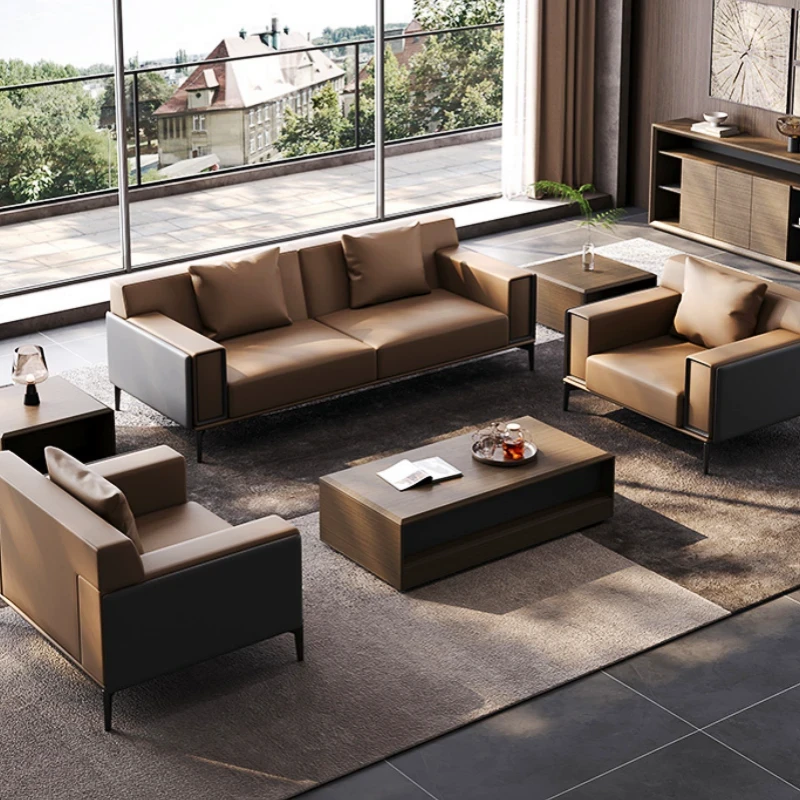
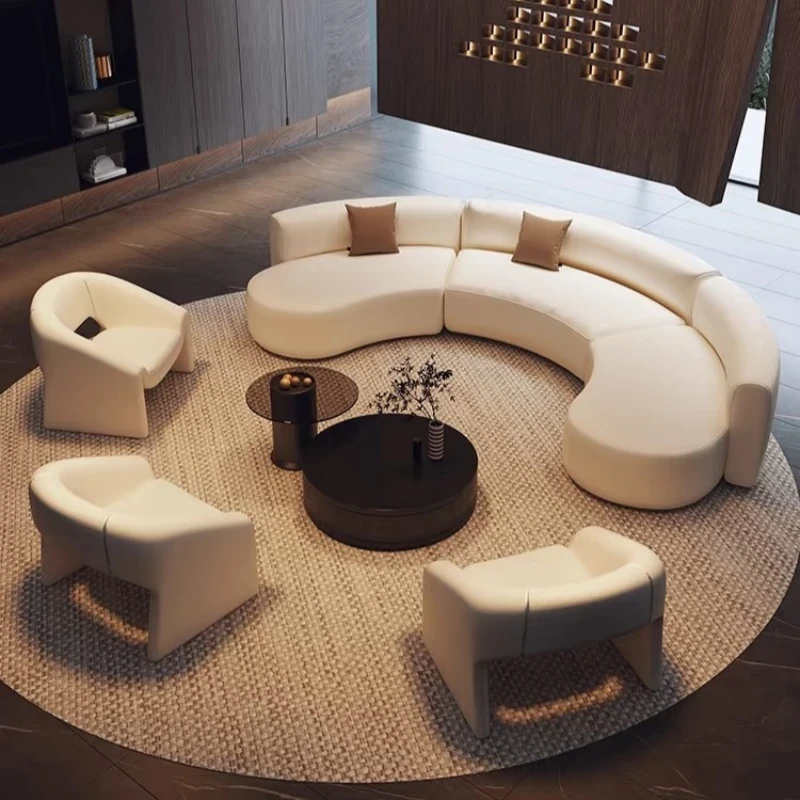
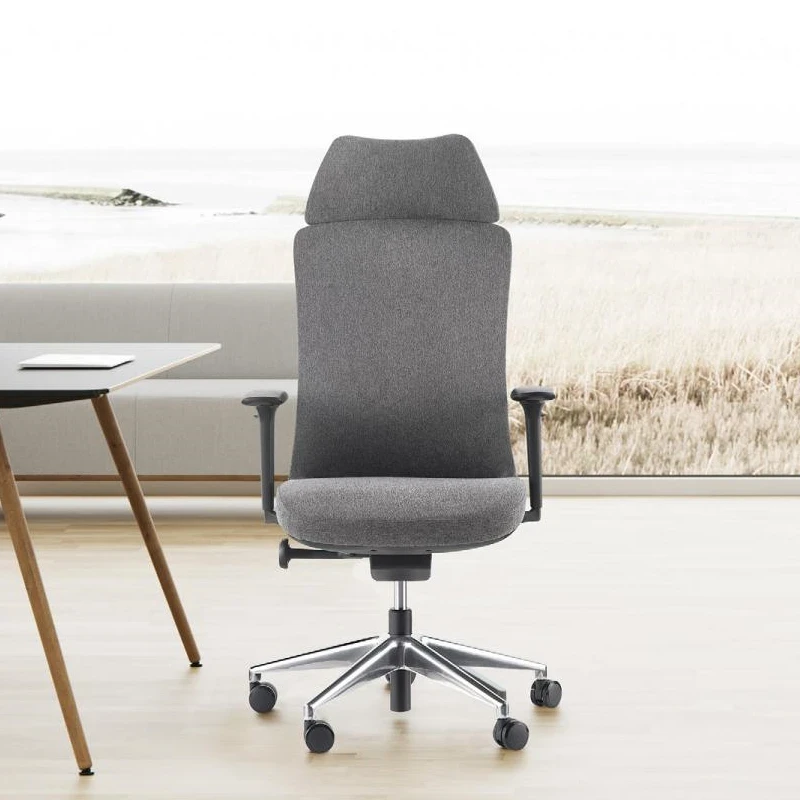


First, office desk and chair manufacturers need a deep understanding of ergonomic principles. This includes researching and understanding the impact of different working postures on the body, and which design elements can help reduce pressure points and improve comfort. Many manufacturers employ professional ergonomic experts to participate in product development, ensuring that each product is scientifically validated and supports natural sitting and working postures.
II. Focus on Product Multifunctionality
To adapt to various work styles and employee needs, manufacturers are committed to designing multifunctional office desks and chairs. These pieces of furniture are not just simple work platforms, but can be adjusted to meet the needs of employees. For example, adjusting the chair height, armrest angle, and backrest tilt can help employees find the most suitable working posture.
III. Use of High-Quality Materials
The comfort of office furniture is closely related to the materials used. High-quality foam padding, breathable fabrics, and sturdy, durable frames are essential elements of a comfortable office chair. When selecting materials, manufacturers typically partner with reputable suppliers to ensure durability and comfort, while also paying attention to the environmental characteristics of the materials to align with the sustainable development goals of modern enterprises.
IV. Conduct User Research and Feedback
Direct user feedback is an important basis for improving product design. Many office furniture manufacturers conduct user surveys to collect real user experiences regarding product comfort and functionality. Furthermore, manufacturers maintain close contact with corporate clients, gathering employee feedback and suggestions on product use to facilitate adjustments and optimizations in subsequent product development.
Fifth, utilizing advanced design and testing technologies:
In the early stages of product design, many manufacturers use computer-aided design (CAD) software for precise structural design and simulation testing. This technology helps designers identify potential design flaws and make corresponding adjustments before actual production. Laboratory testing is also a crucial step in ensuring products meet ergonomic standards; for example, pressure distribution testing determines the comfort of chairs.
Conclusion:
By deeply understanding ergonomic principles, emphasizing multifunctional design, selecting high-quality materials, conducting user surveys, and utilizing advanced design and testing technologies, office furniture manufacturers can effectively ensure the advantages of their products in terms of comfort and ergonomic design. Such office furniture not only improves the employee work experience but also enhances the company's competitiveness in the market. In the future, continuous innovation and improvement of product quality will be key to the sustainable development of the office furniture industry.