
 USD
USD GBP
GBP
 EUR
EUR
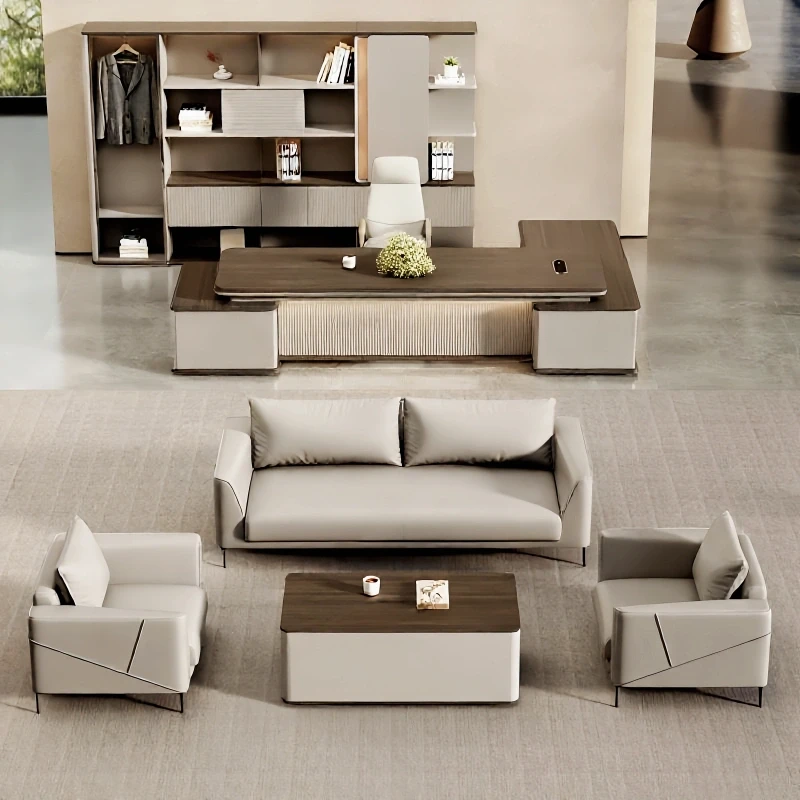
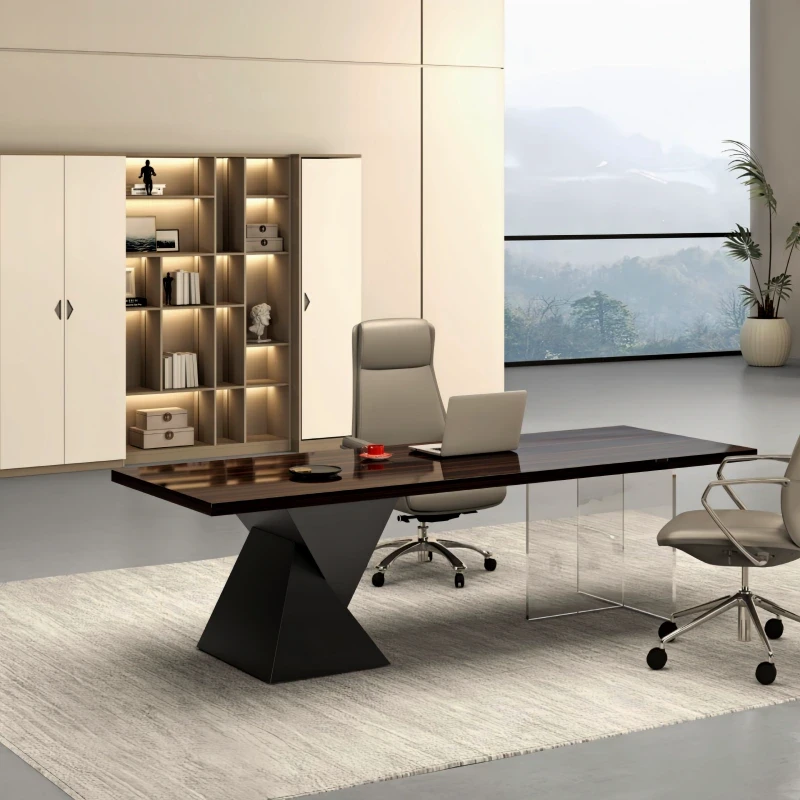


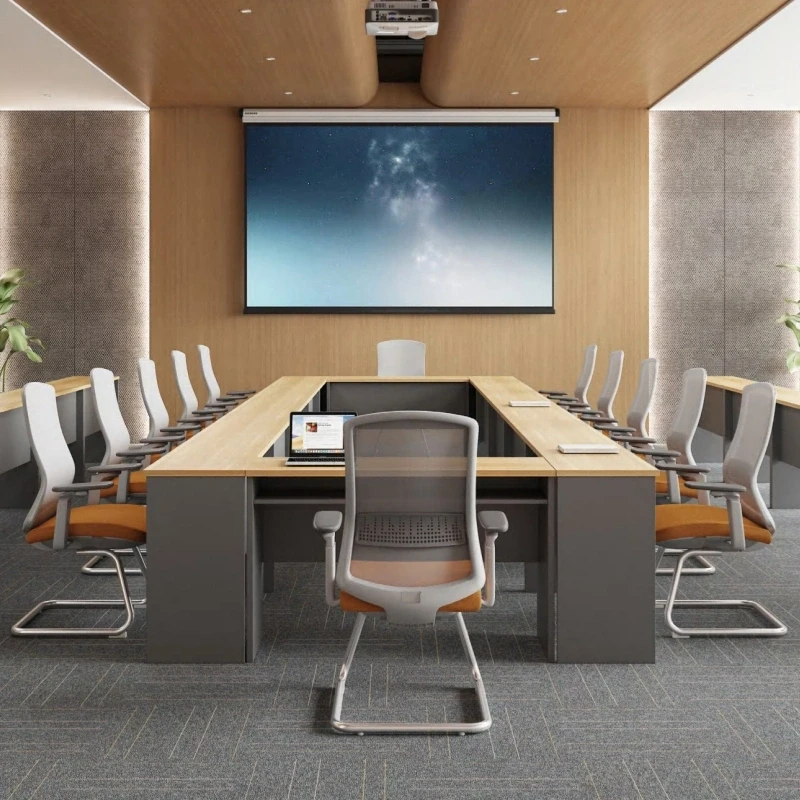
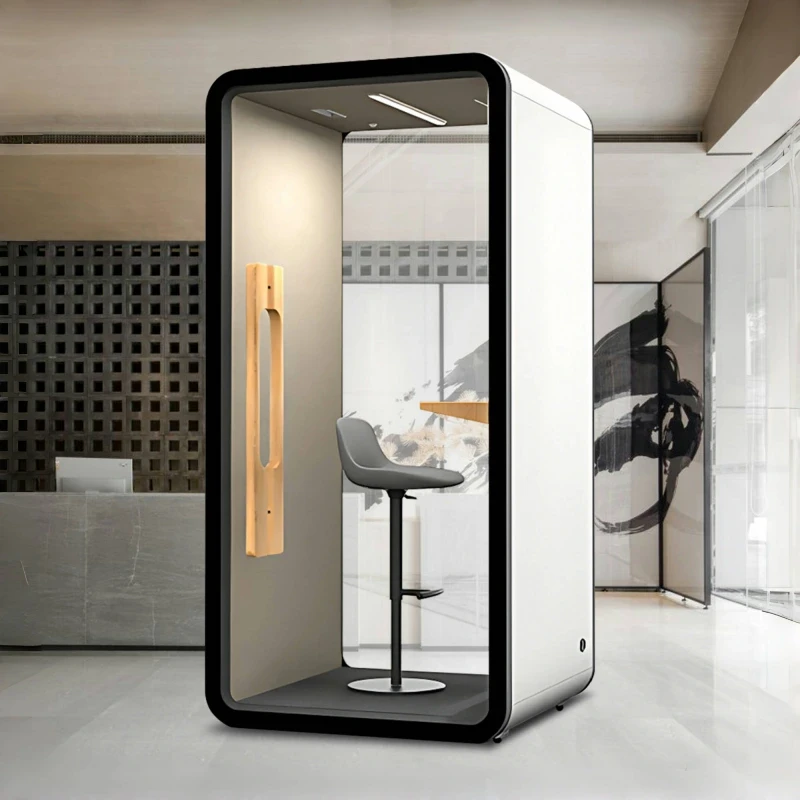
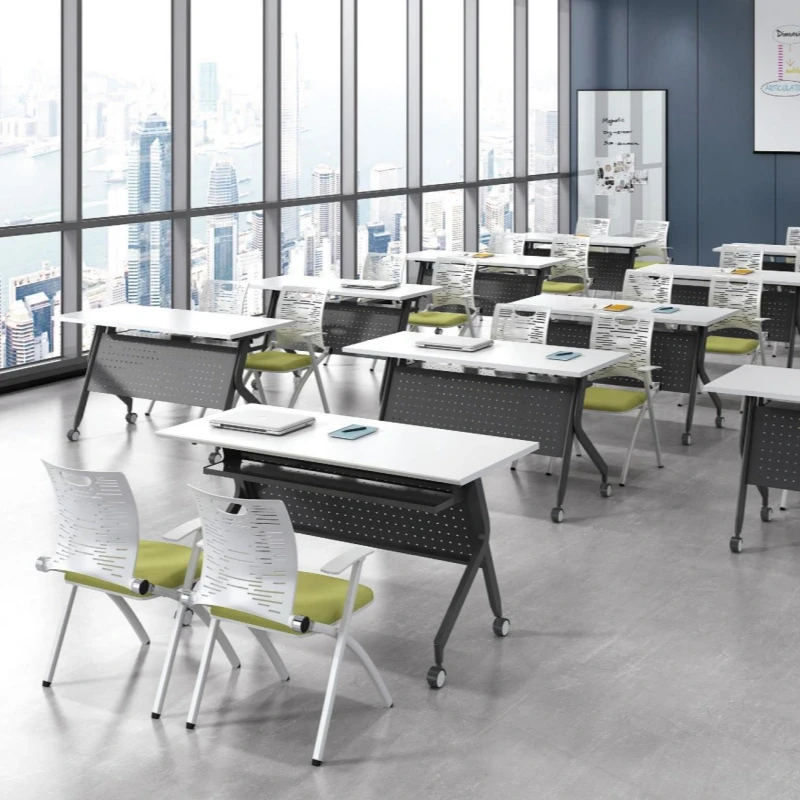
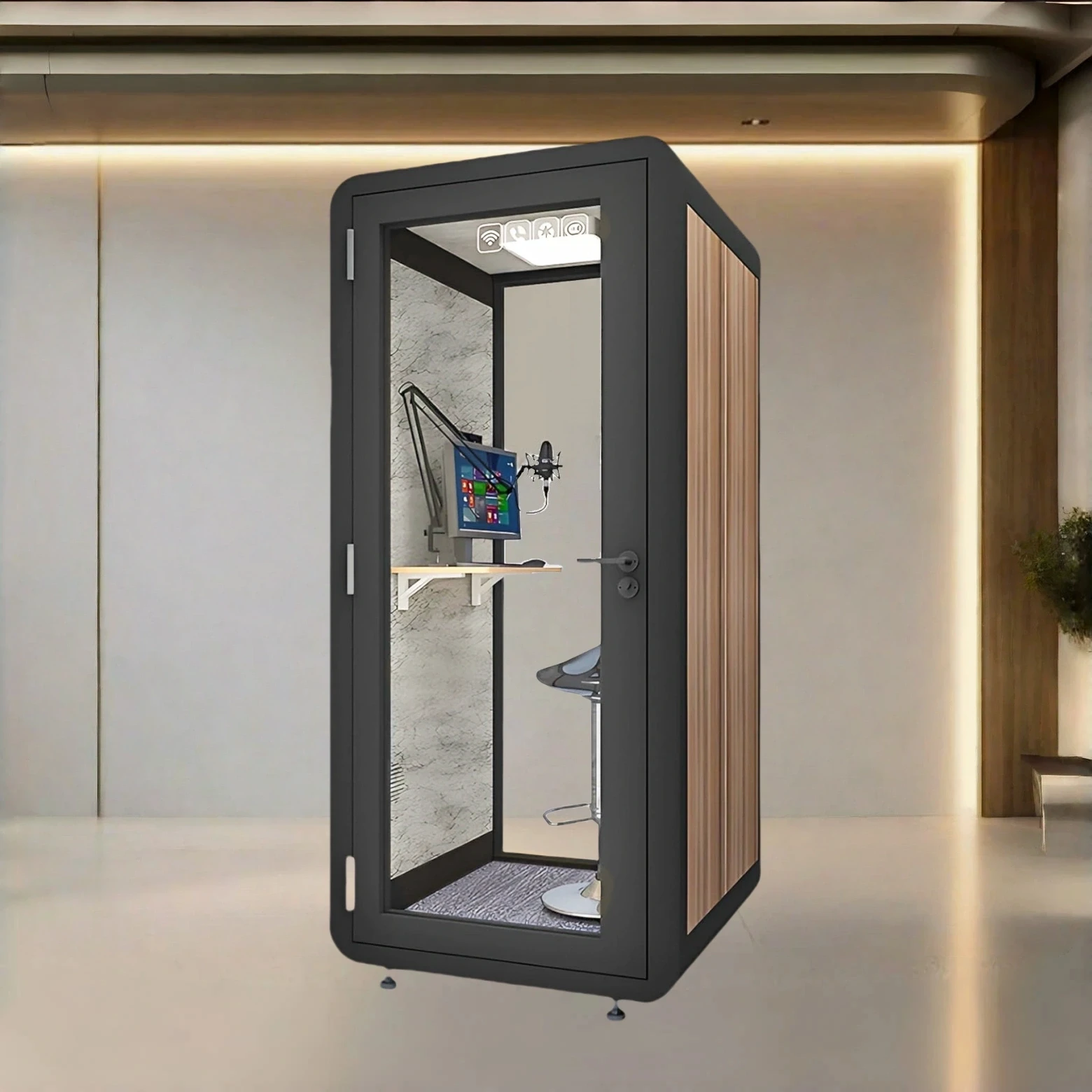
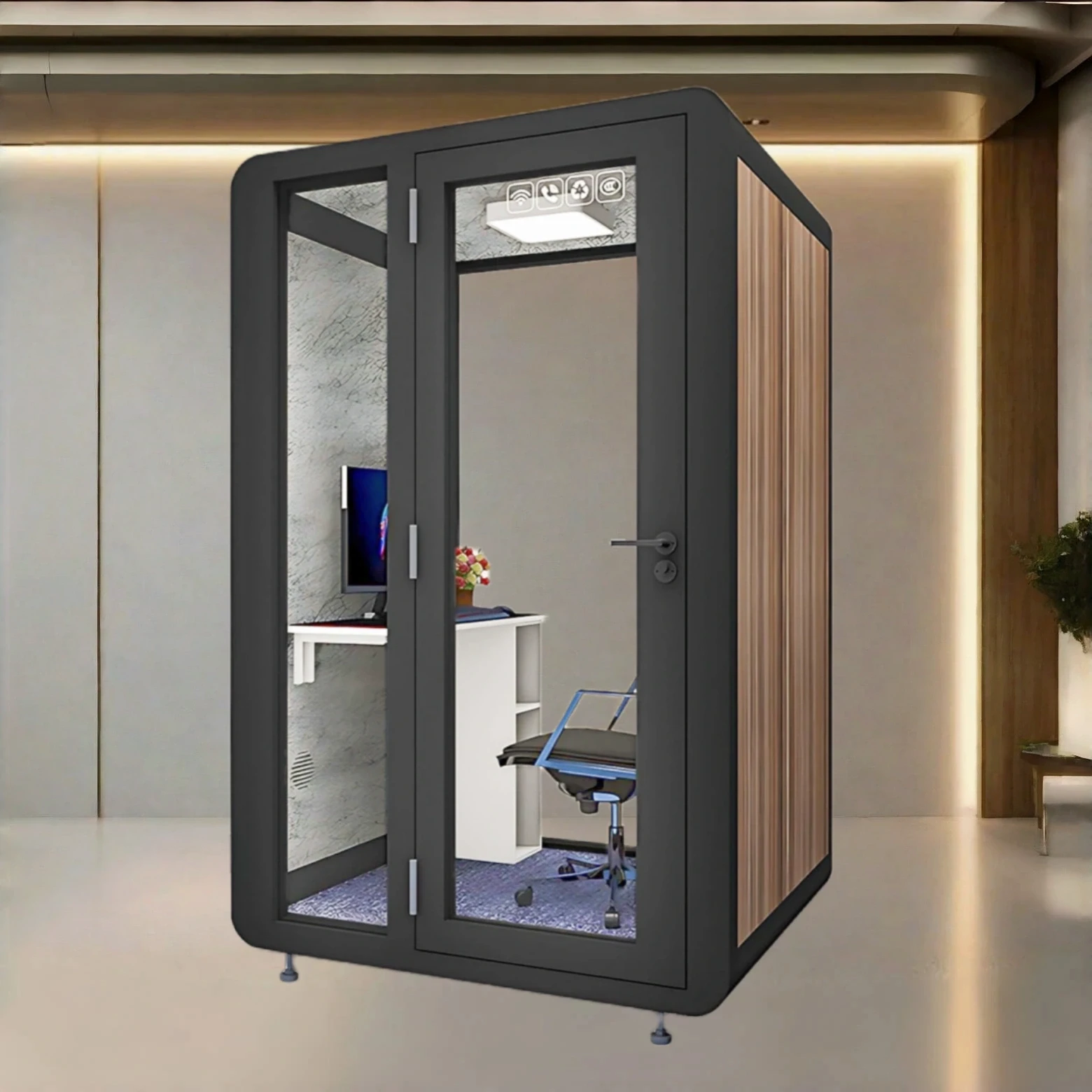
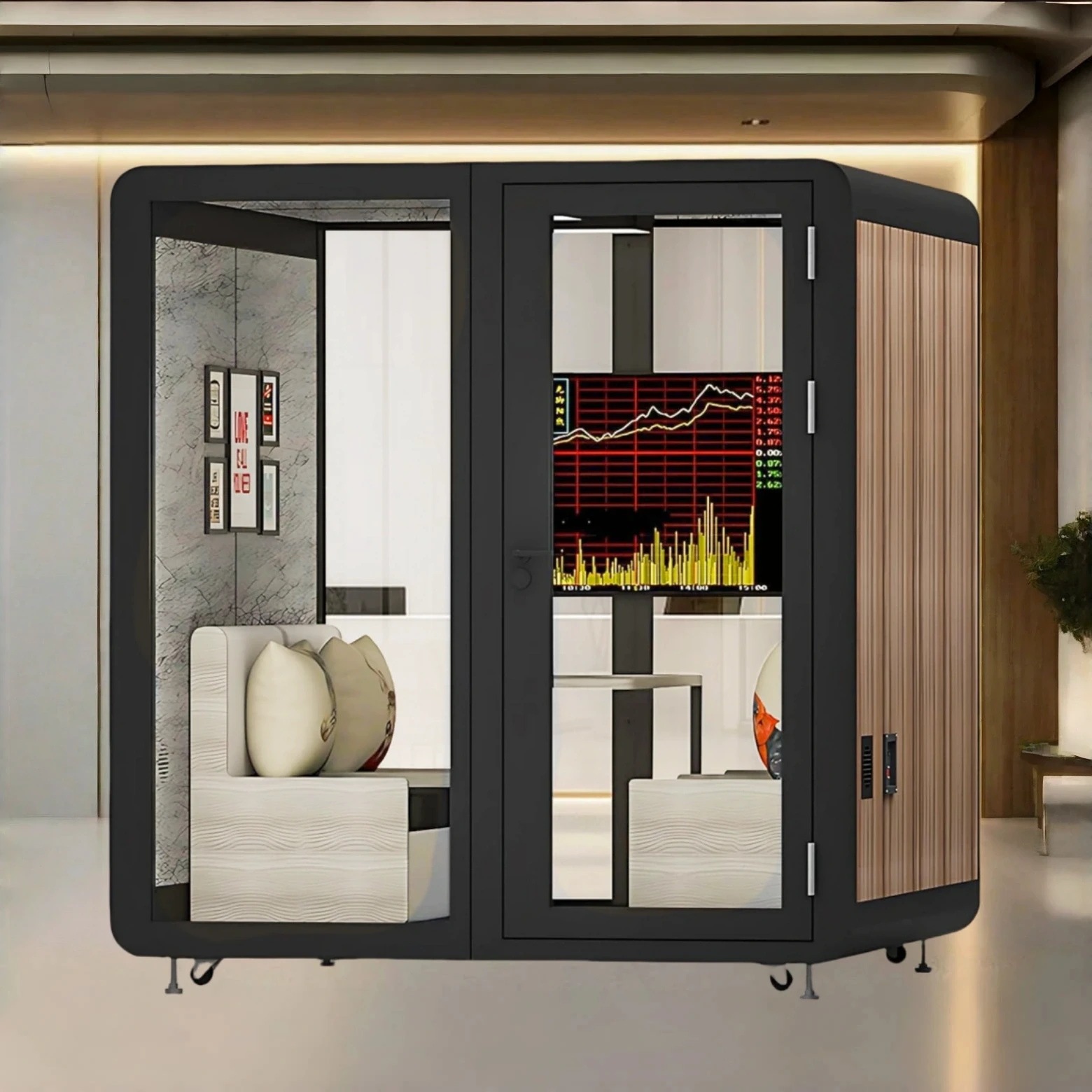
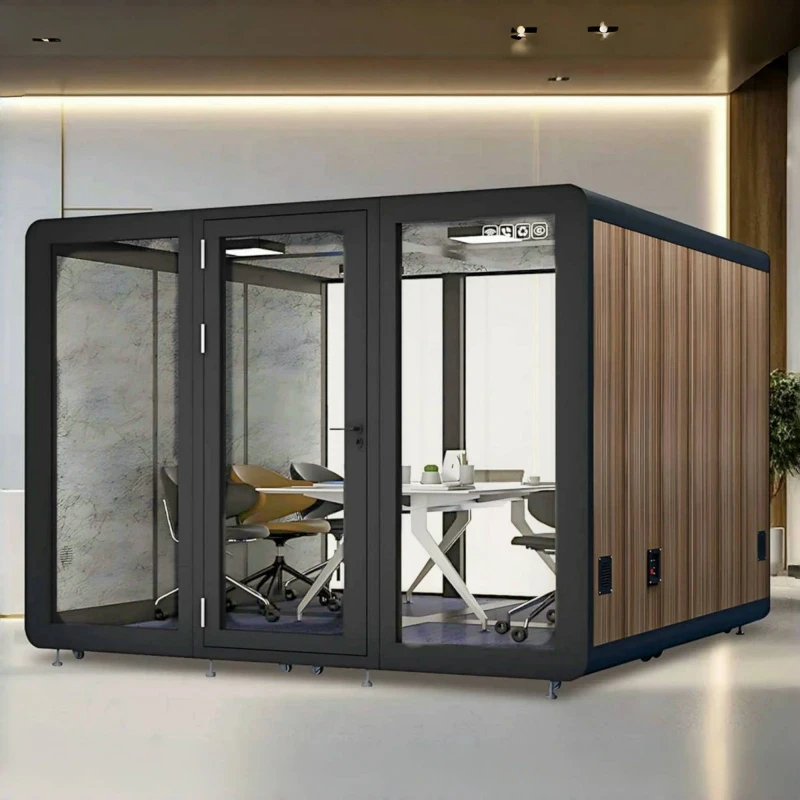
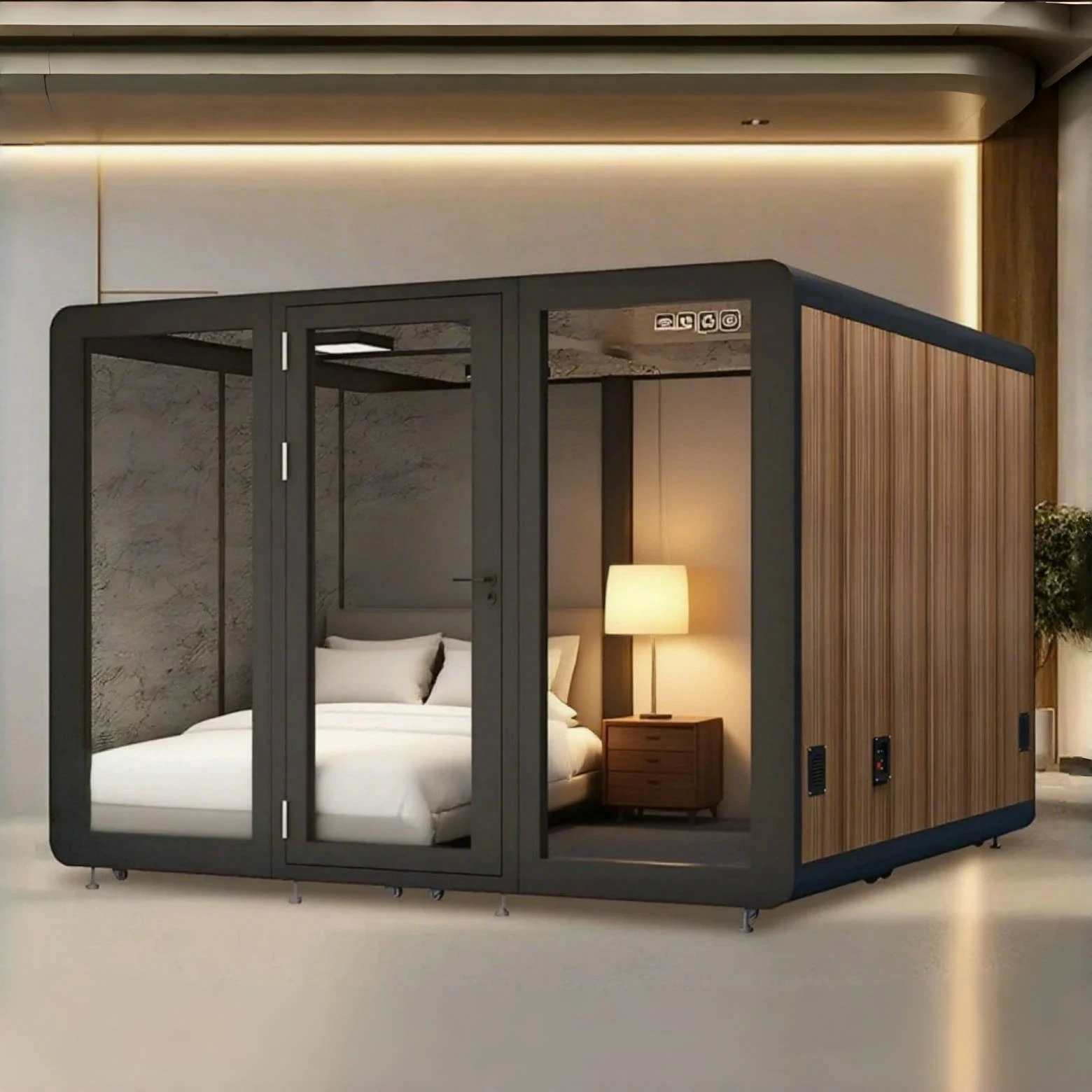


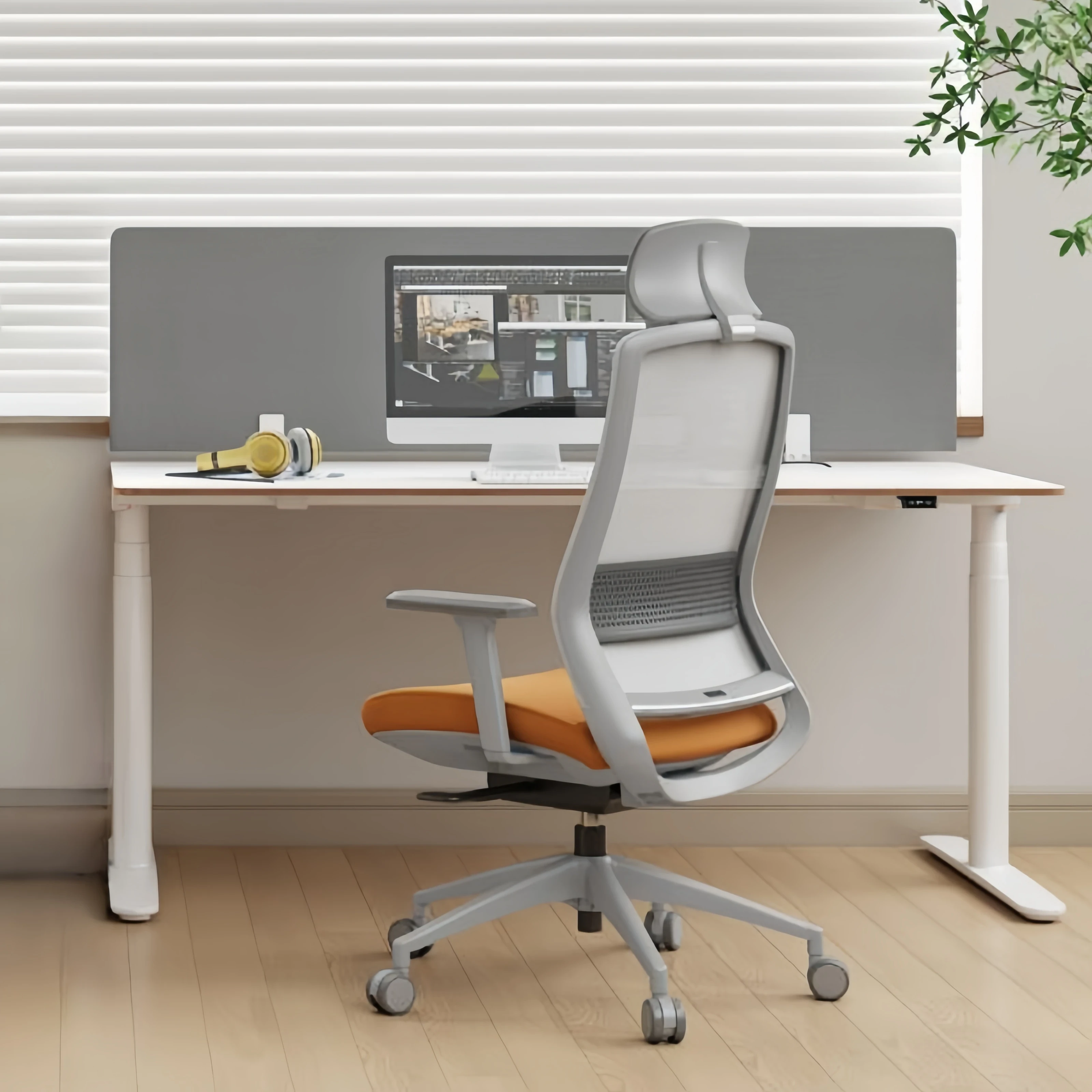


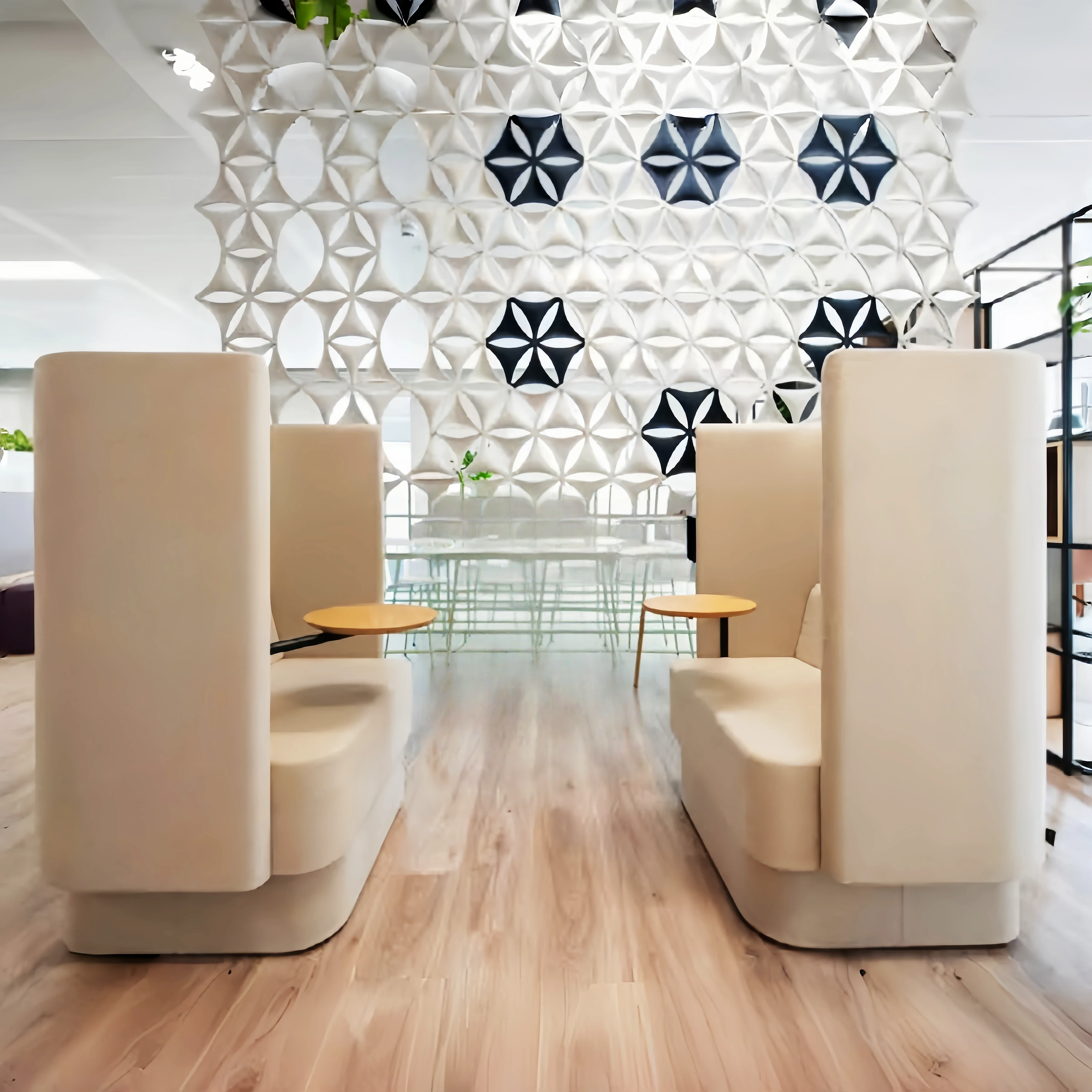



Strict Supplier Selection:** The factory insists on sourcing high-quality wood, metal, and plastic materials from reliable suppliers. These materials not only need to possess high strength and durability but also meet environmental protection and non-toxic requirements to ensure students' health. **
Innovative Materials Use:** With the development of materials science, emerging materials such as environmentally friendly boards and recyclable metal alloys are increasingly being applied to school furniture manufacturing. These materials are not only more durable but also reduce environmental impact.
2. **Advanced Manufacturing Processes
and Precision Machining:** Advanced CNC technology and automated production lines ensure manufacturing precision and consistency. These technologies not only improve production efficiency but also minimize human error, thereby enhancing the overall quality of the products. **
Surface Treatment and Coating Technology:** To enhance the durability of the furniture, the factory uses special coatings on the product surfaces. This treatment not only prevents scratches and corrosion but also enhances the aesthetics of the products through a variety of colors and textures.
3. **Strict Quality Control System and
Multi-Level Quality Inspection:** From raw materials to finished products, every step undergoes rigorous quality inspection. The factory typically has a dedicated quality management team that samples and tests each batch of products to ensure they meet industry standards and customer requirements.
Mechanical Performance Testing: School furniture needs to withstand prolonged and frequent use, therefore, strength and stability tests are essential to verify its performance under load, impact, and long-term use.
4. Ergonomic Design and
Safety Elements: During the design phase, the factory fully considers the rounded edges, sturdiness, and safe connection methods of the furniture to prevent injury to students during use.
Ergonomic Application: Combining the latest research findings in ergonomics, furniture is designed to conform to the physical characteristics and learning activities of students, improving comfort and functionality to support students' healthy growth and efficient learning.
5. Continuous R&D and Innovation Investment and
Participation in Industry Standard Setting: The factory actively participates in the formulation of national and industry standards, understanding and grasping the dynamics of standards while providing data and suggestions for improving standards based on practical production experience.
Product Innovation: Continuous R&D of new products to adapt to the diverse needs of modern education, including modular, multifunctional, and flexible furniture designs to meet the needs of different educational spaces.
Conclusion:
The safety and durability of school furniture directly affect students' learning experience and safety. As a source factory, through the selection of high-quality raw materials, the adoption of advanced manufacturing processes, a strict quality control system, and continuous R&D innovation, we ensure that our products achieve optimal durability and safety. Only in this way can factories truly contribute to the development of education and remain invincible in market competition.