
 USD
USD GBP
GBP
 EUR
EUR


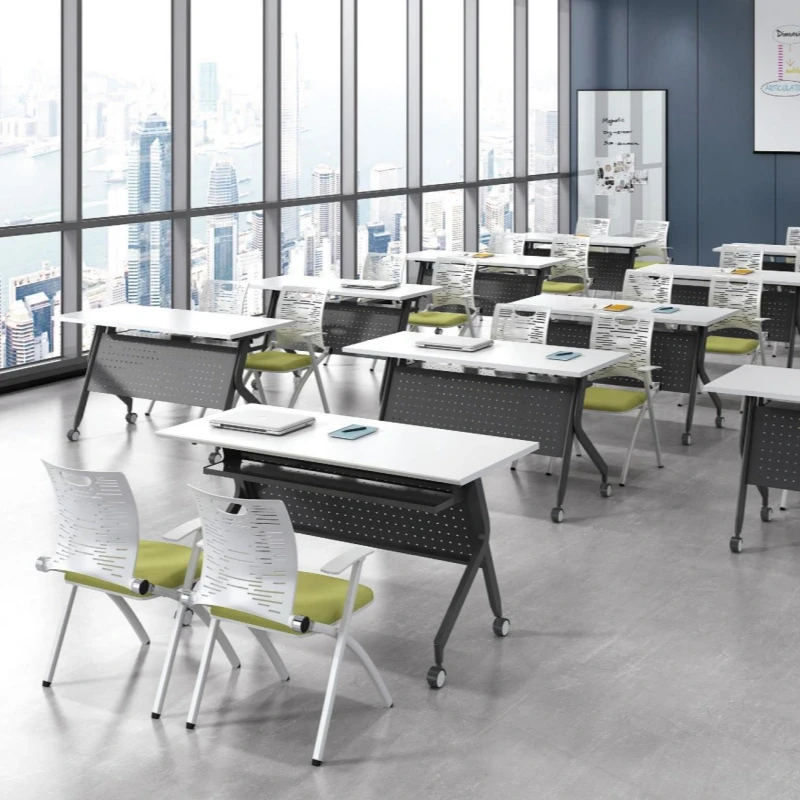
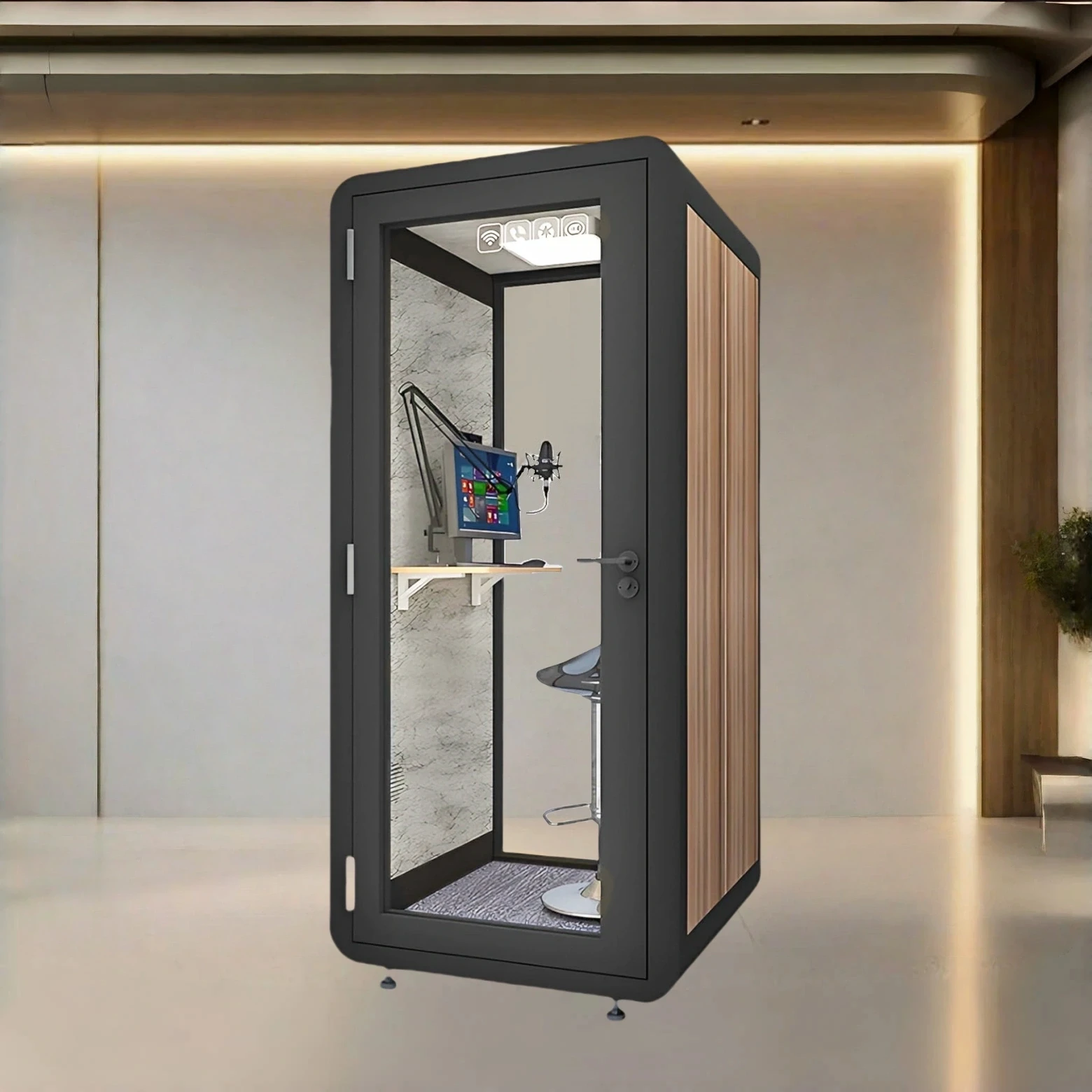
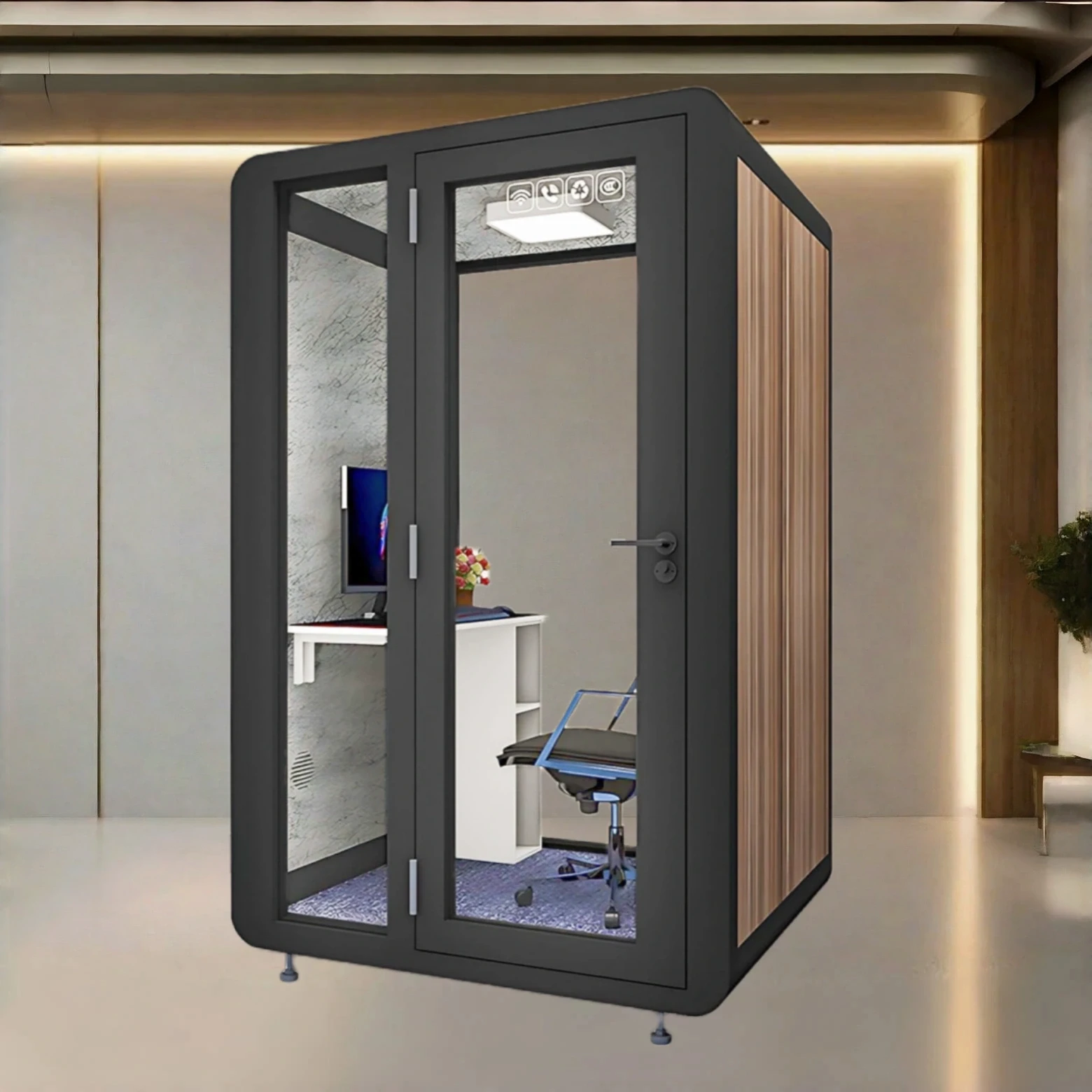
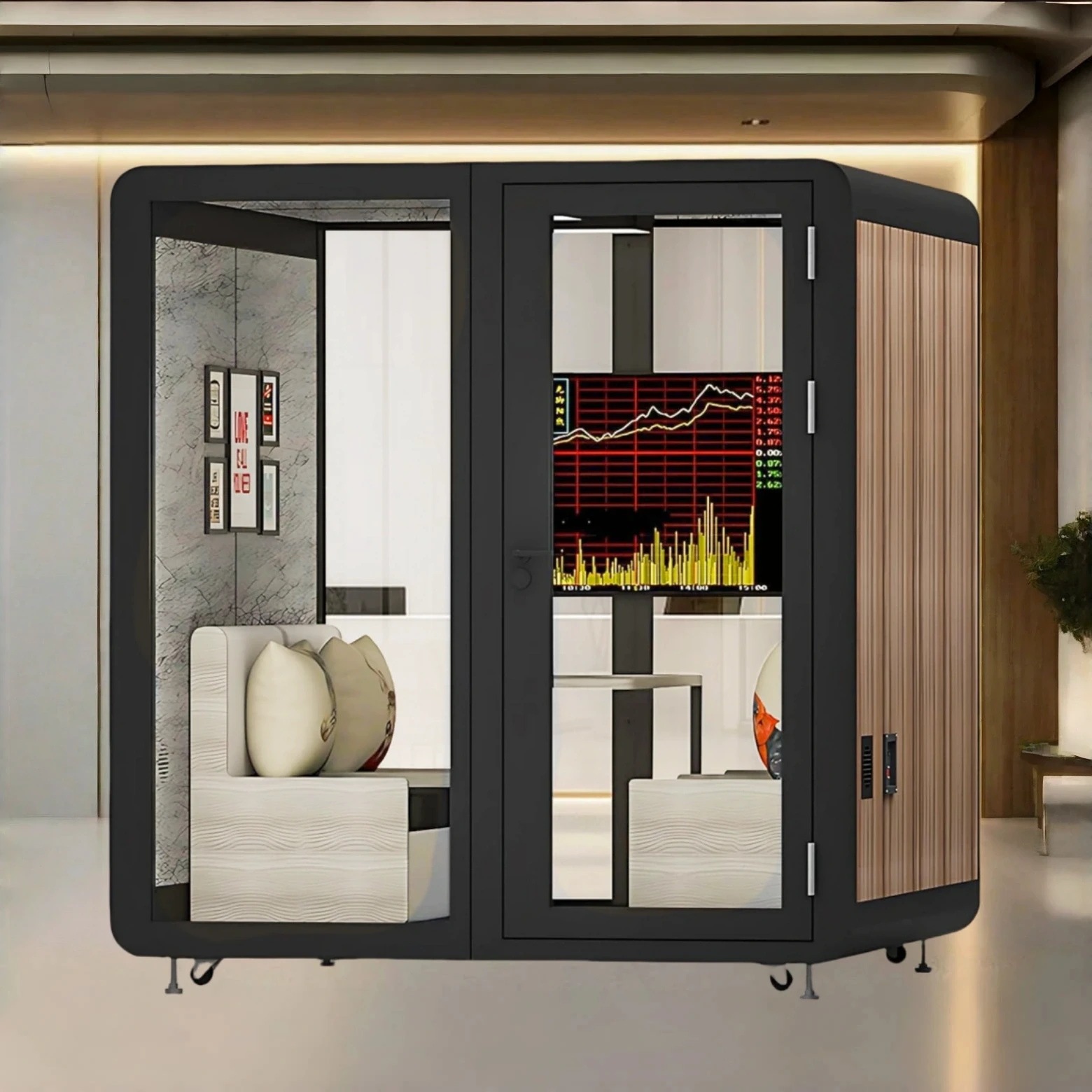









Intelligent file cabinets are innovative storage devices that integrate modern intelligent technologies such as the Internet of Things (IoT), RFID (Radio Frequency Identification), and cloud computing into traditional file cabinets. Their core function is not only to store files, but also to achieve effective management and utilization of files through intelligent means.
II. Specific Ways to Improve Efficiency
1. Efficient File Retrieval
Intelligent file cabinets can quickly identify the location and status of files through RFID technology and digital tag systems. When an employee needs to find a specific file, they only need to enter the relevant information into the system, and the file cabinet will indicate the file's exact location, greatly shortening search time and improving the convenience and accuracy of work.
2. Security Management and Access Control
Intelligent file cabinets can precisely manage the permissions of each employee. Through fingerprint recognition, facial recognition, smart cards, etc., it ensures that only authorized personnel can access specific files. This not only improves file security but also avoids file loss or damage caused by human error.
3. Real-time Monitoring of File Status
By integrating with the enterprise management system, intelligent file cabinets can achieve real-time monitoring and recording of file retrieval. Managers can view detailed records of document borrowing and returning at any time, ensuring transparency and preventing document loss or omission.
4. Space Utilization and Cost Savings:
Smart file cabinets are typically compact and rationally designed, maximizing space utilization and adapting to the needs of different office spaces. Through a reasonable spatial layout, companies can reduce office space waste caused by insufficient document storage, thereby lowering operating costs.
5. Environmental Protection and Sustainable Development
: As companies increasingly emphasize environmental responsibility, the digital management of paper documents through smart file cabinets provides convenient conditions for implementing paperless offices. Reducing the use of paper materials not only helps companies achieve green office practices but also aligns with the direction of sustainable social development.
III. Implementation Recommendations for Customized Smart File Cabinets:
When implementing a customized smart file cabinet solution, companies need to comprehensively consider their actual needs, office environment, and employee usage habits. At the same time, choosing a supplier with rich experience and excellent technical capabilities is crucial to ensure the complete functionality of the customized product and the reliability of after-sales service.
Conclusion:
The emergence of smart file cabinets provides companies with an efficient and intelligent solution for document management. In the information age, customized smart filing cabinets not only optimize document management processes and save time and space costs, but also improve overall operational efficiency and enhance market competitiveness. Choosing smart filing cabinets is an important step for modern enterprises towards intelligent management and a powerful measure to improve their management level.