
 USD
USD GBP
GBP
 EUR
EUR
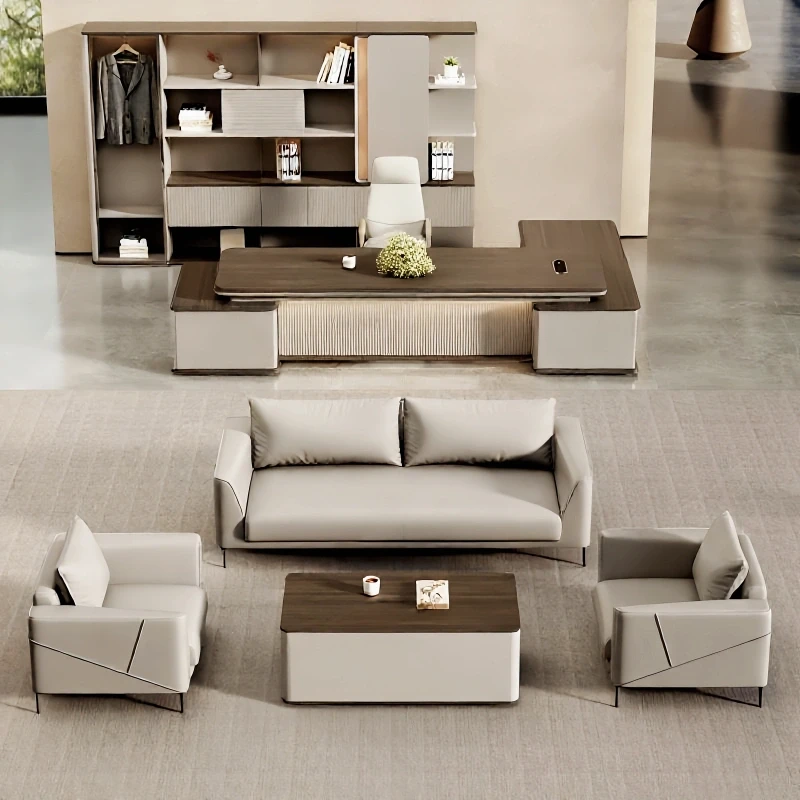
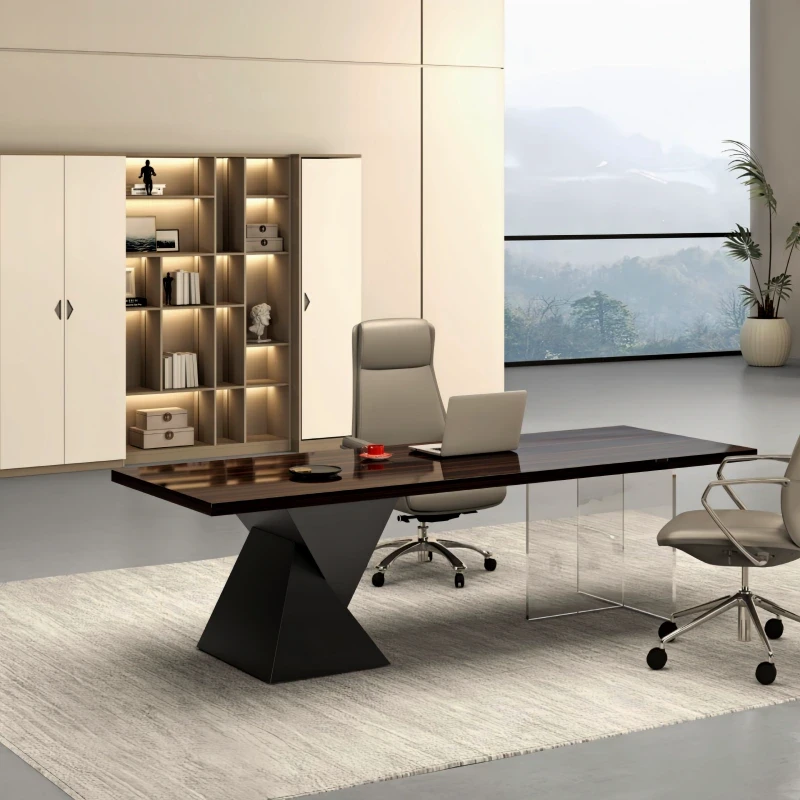


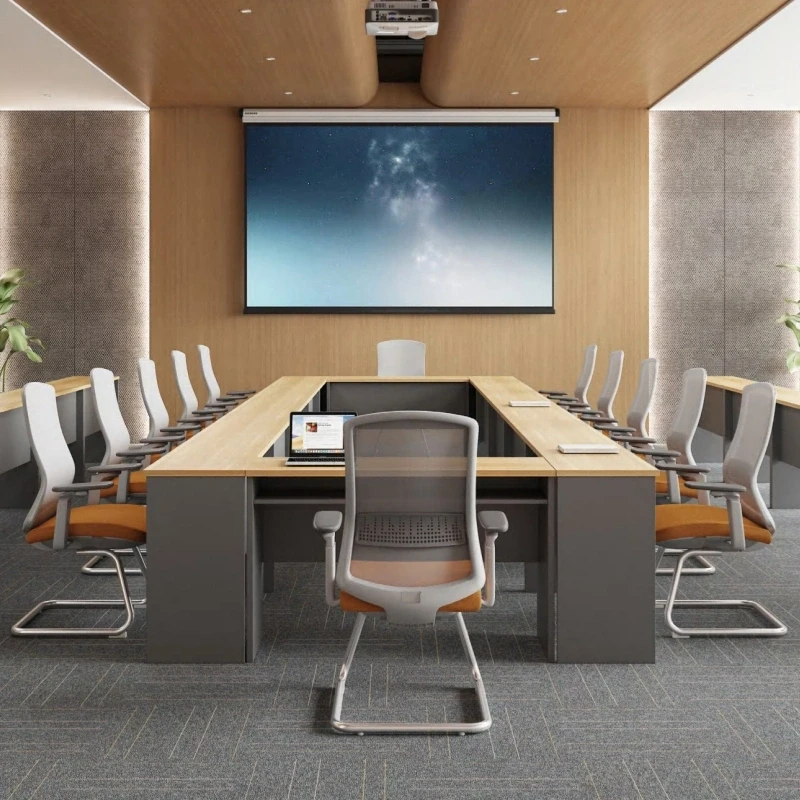
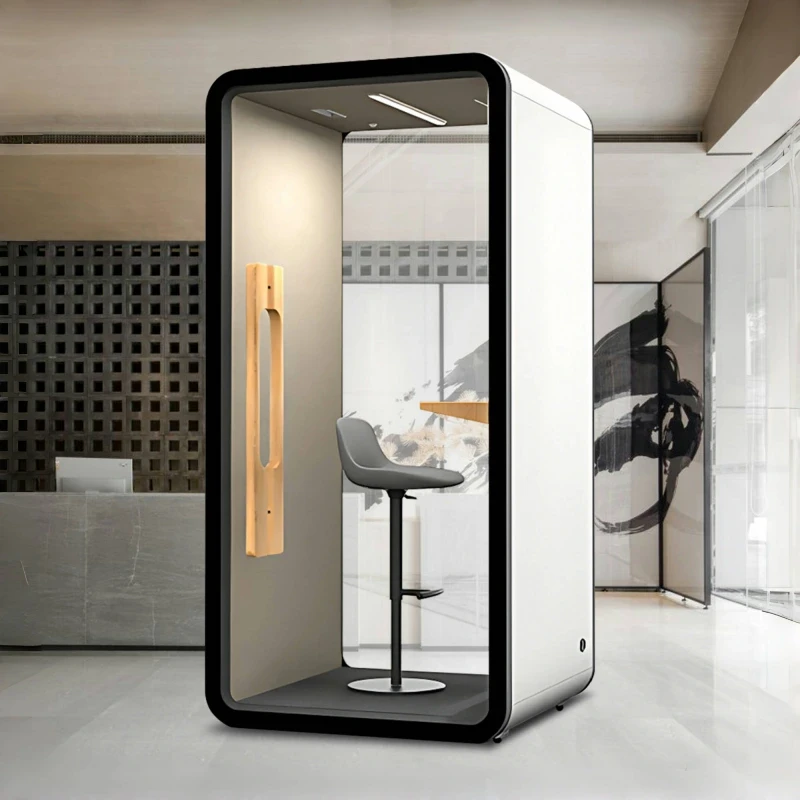
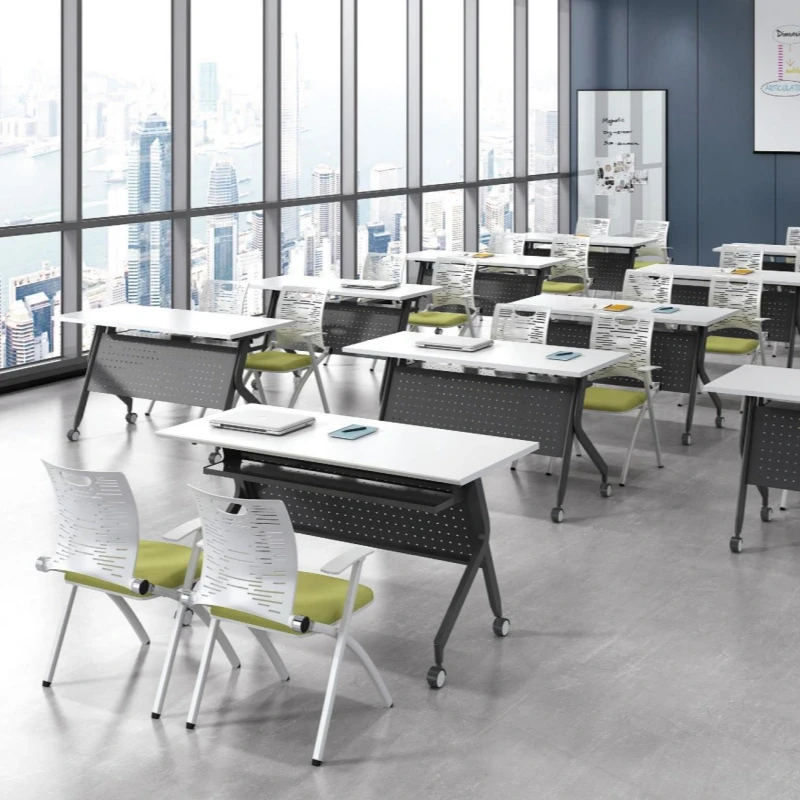
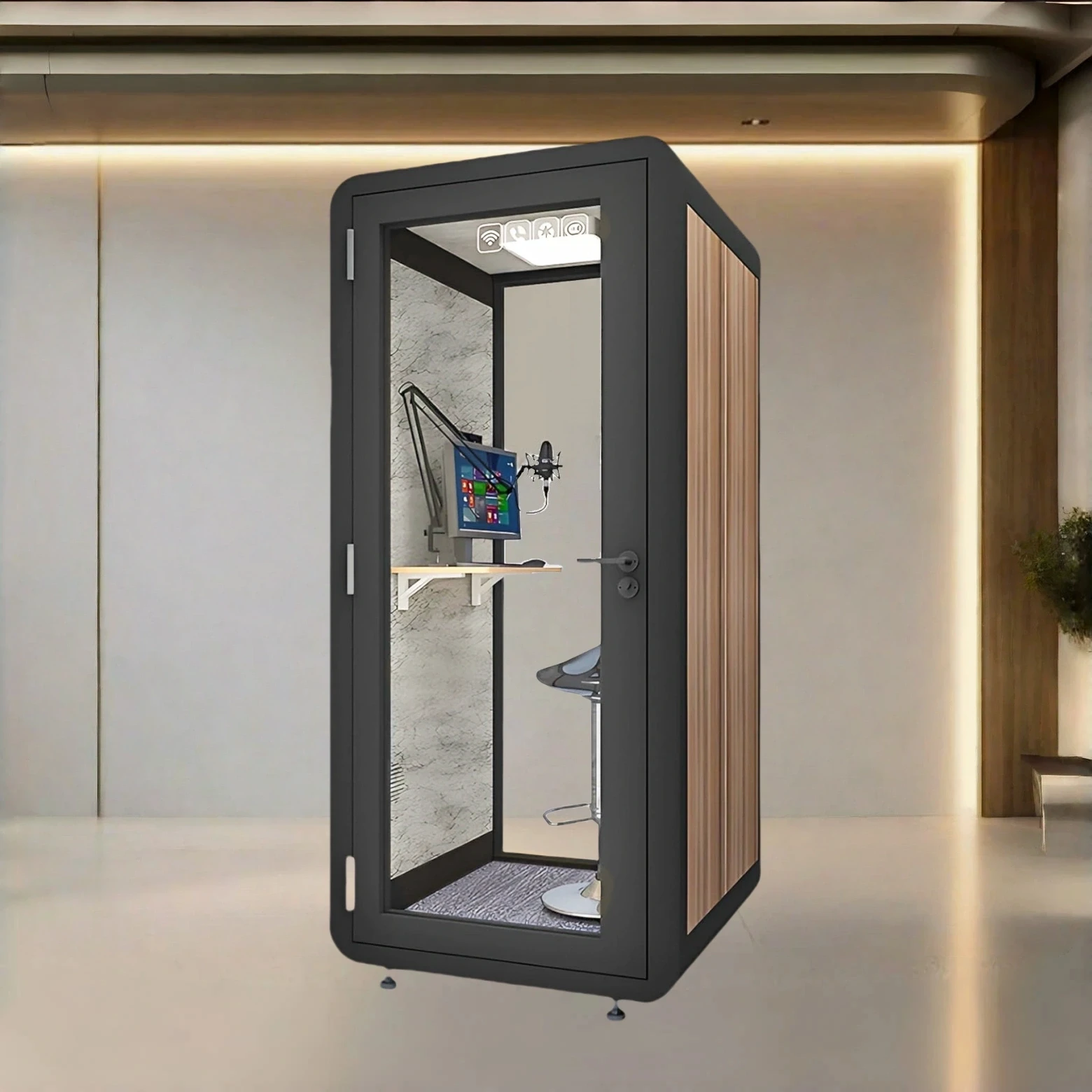
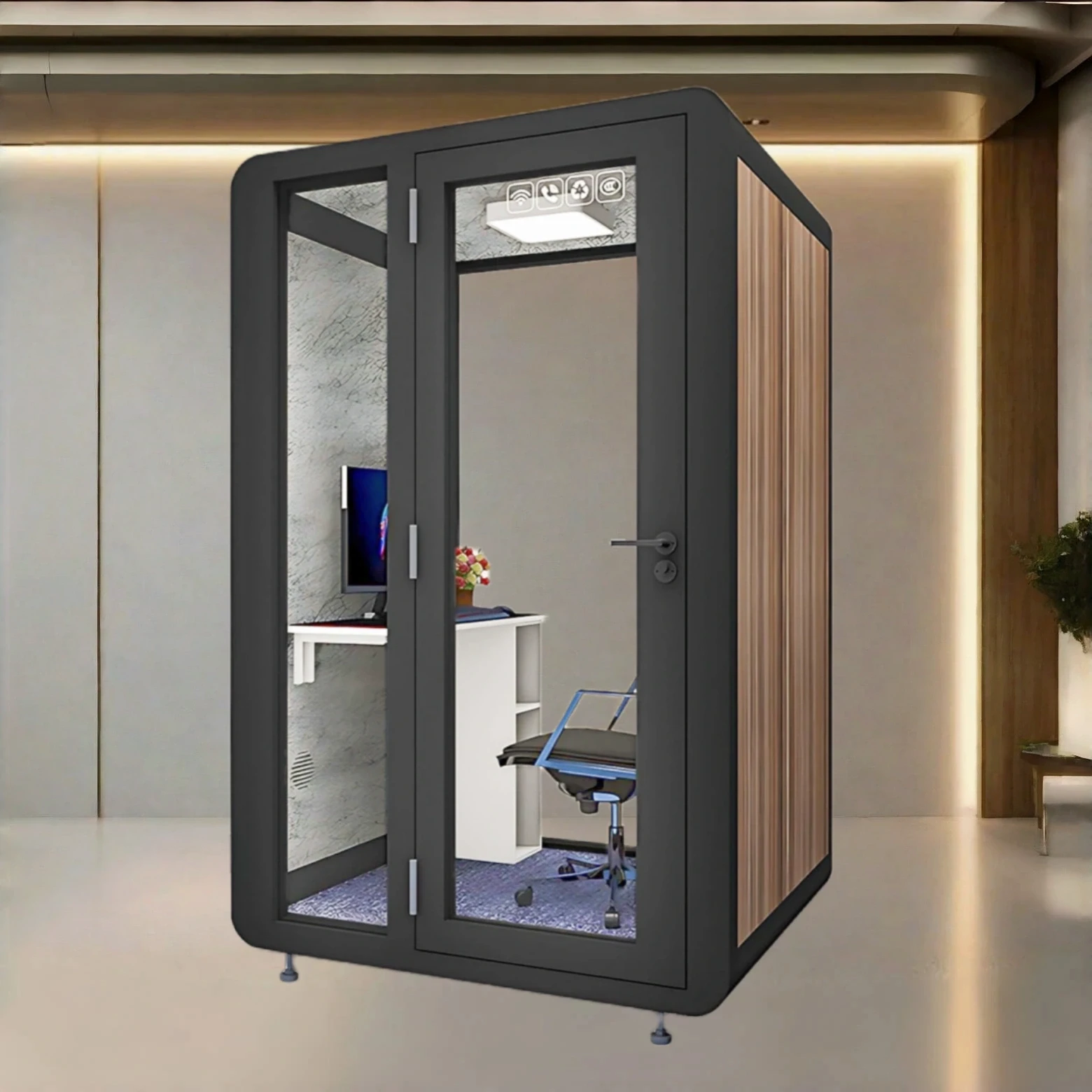
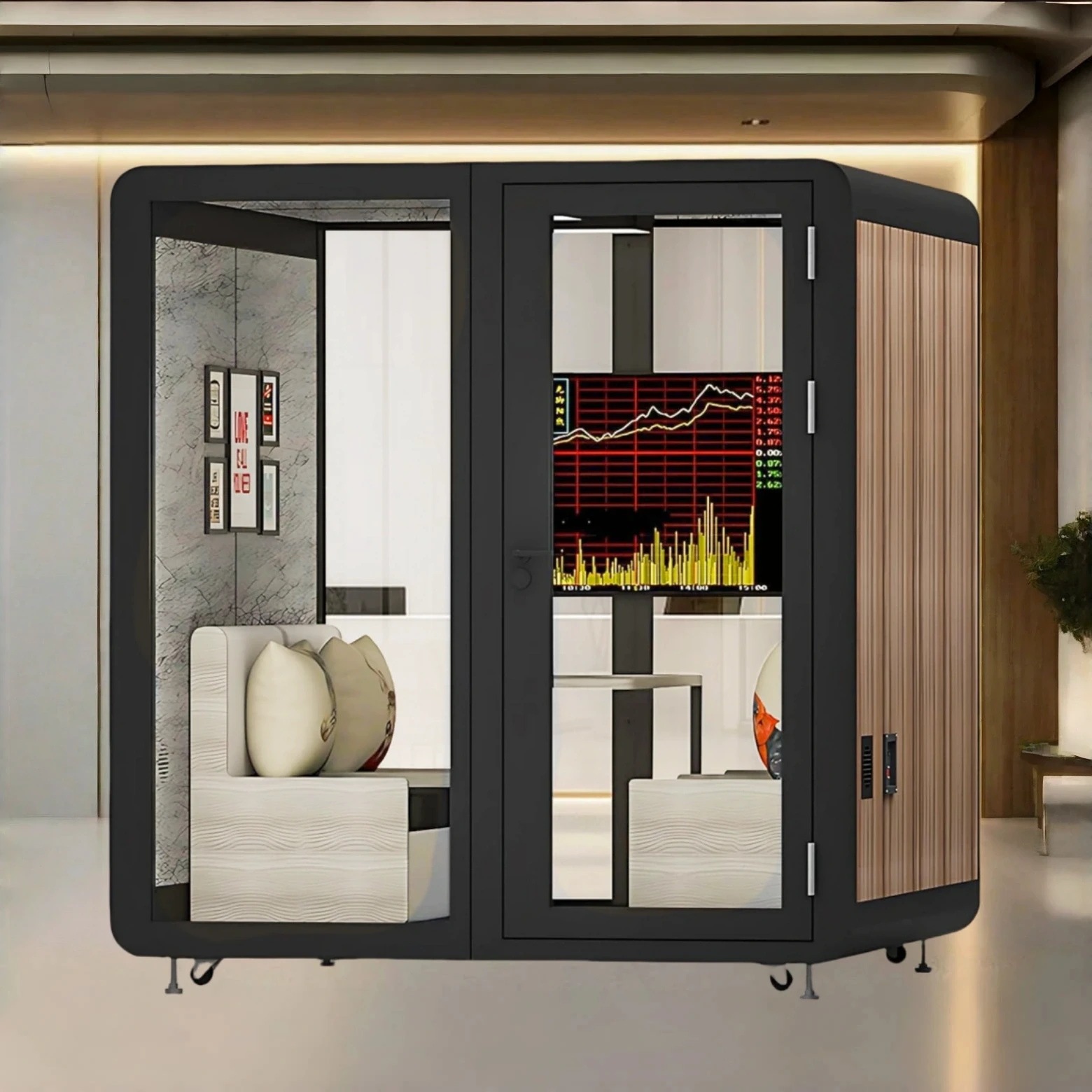
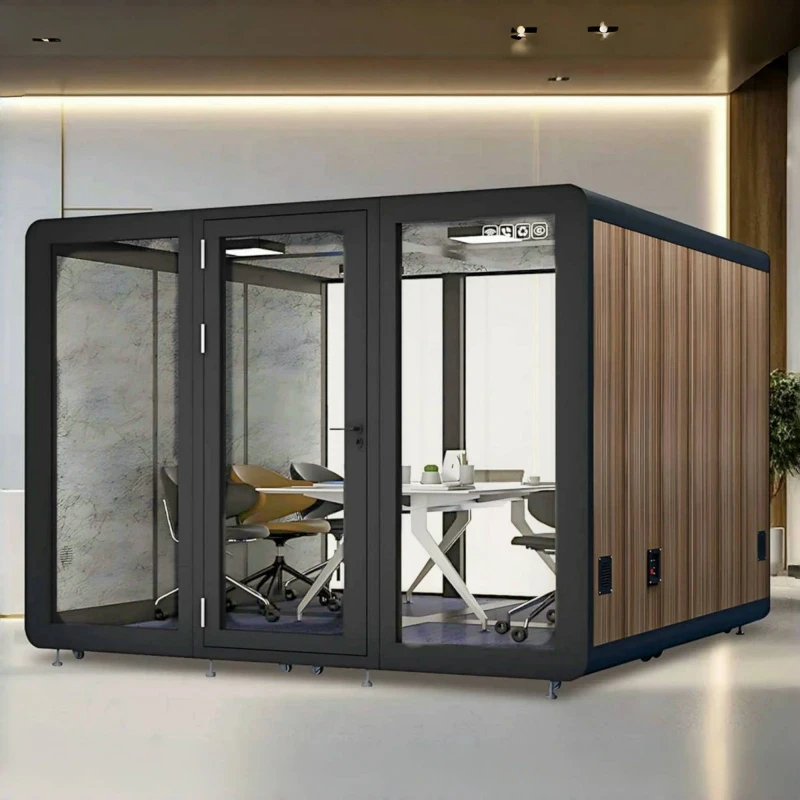
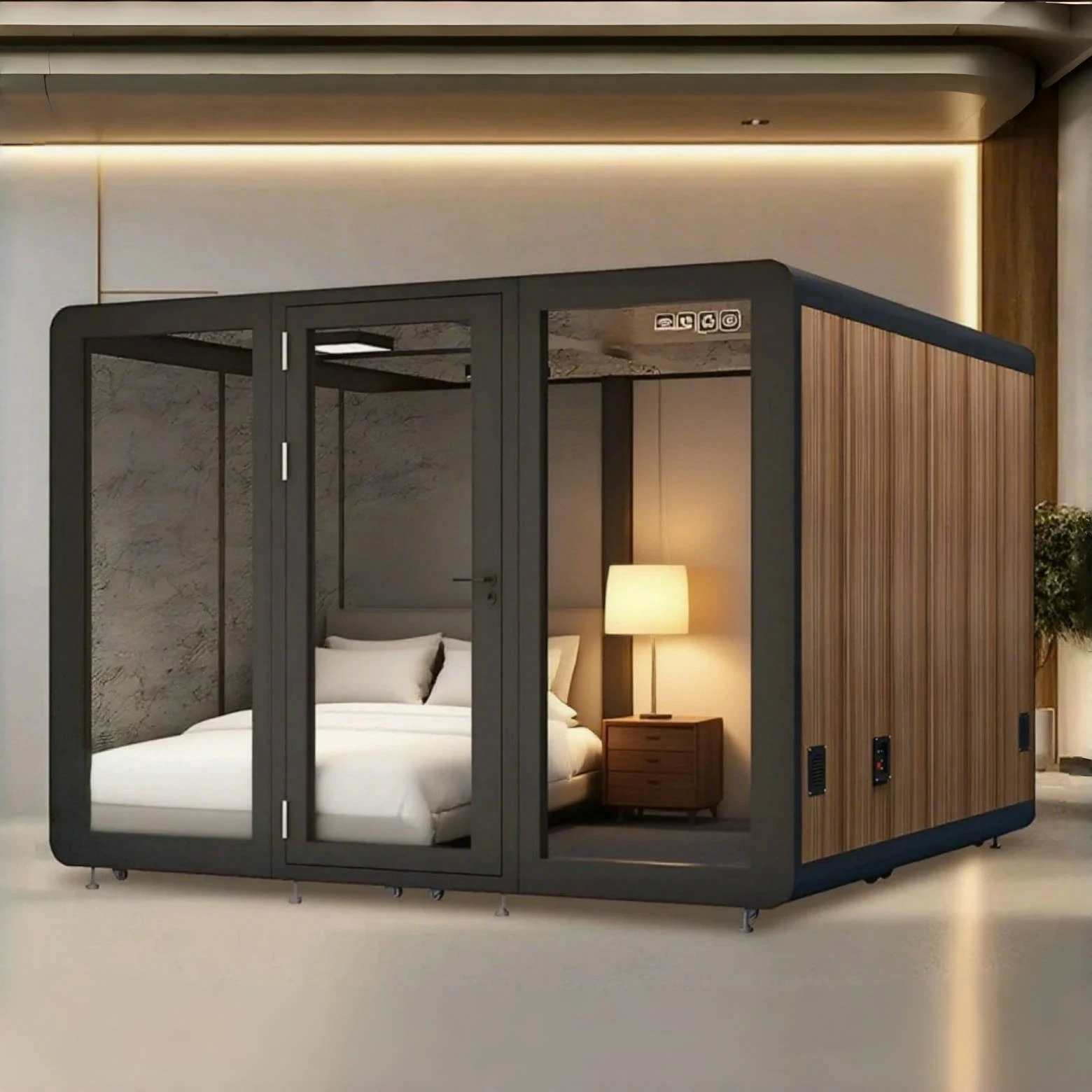


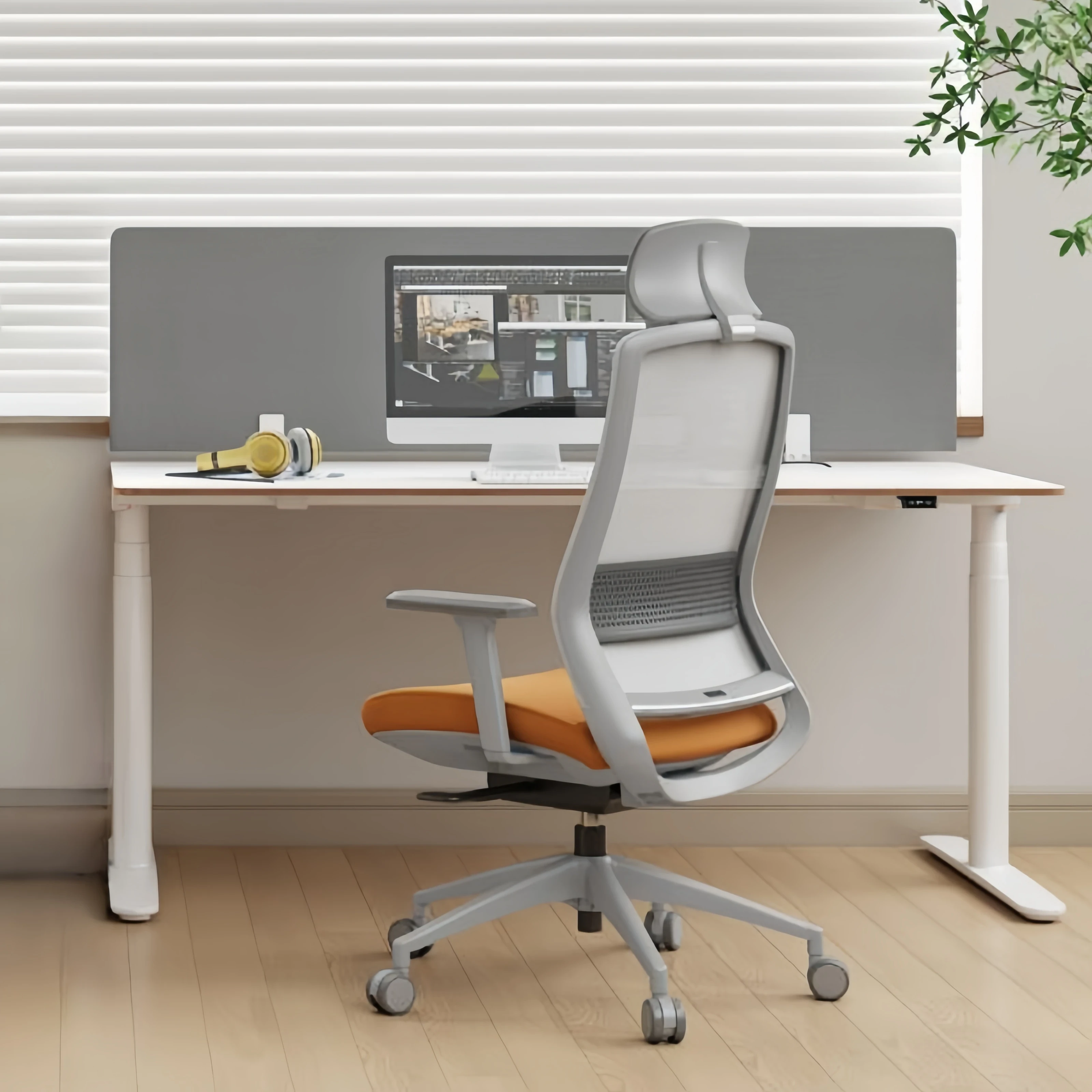


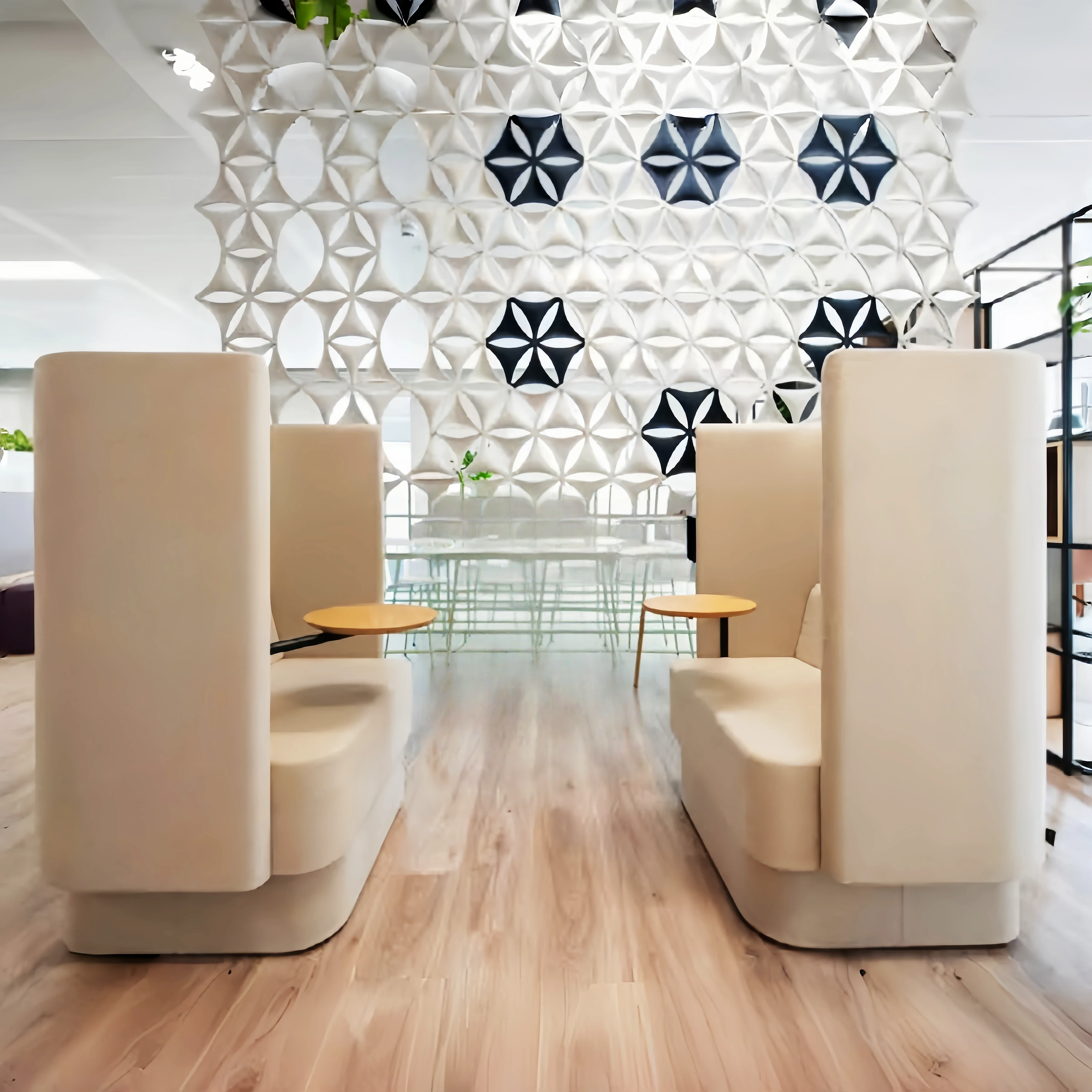

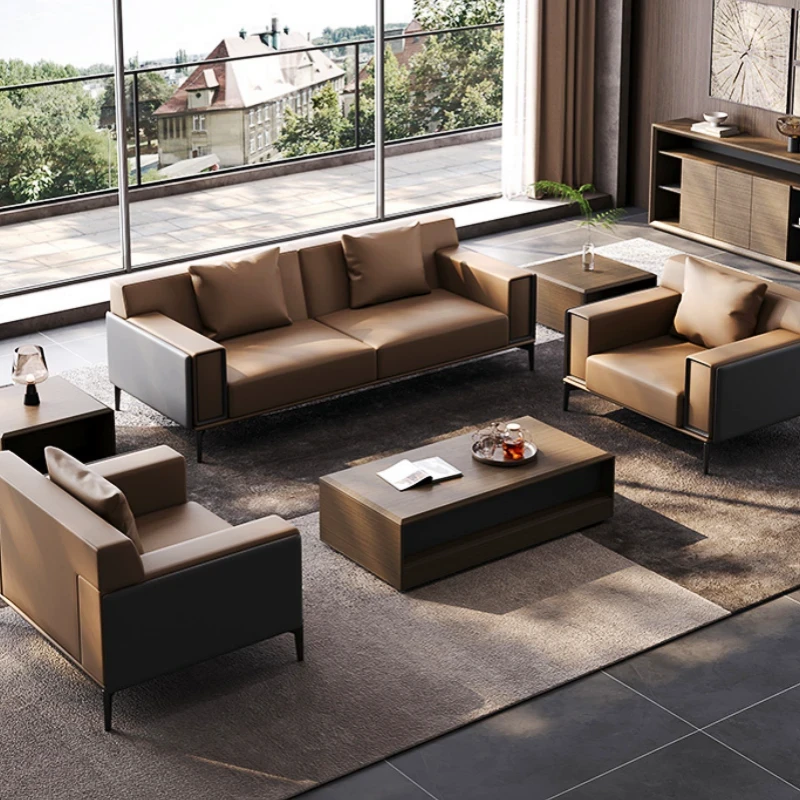
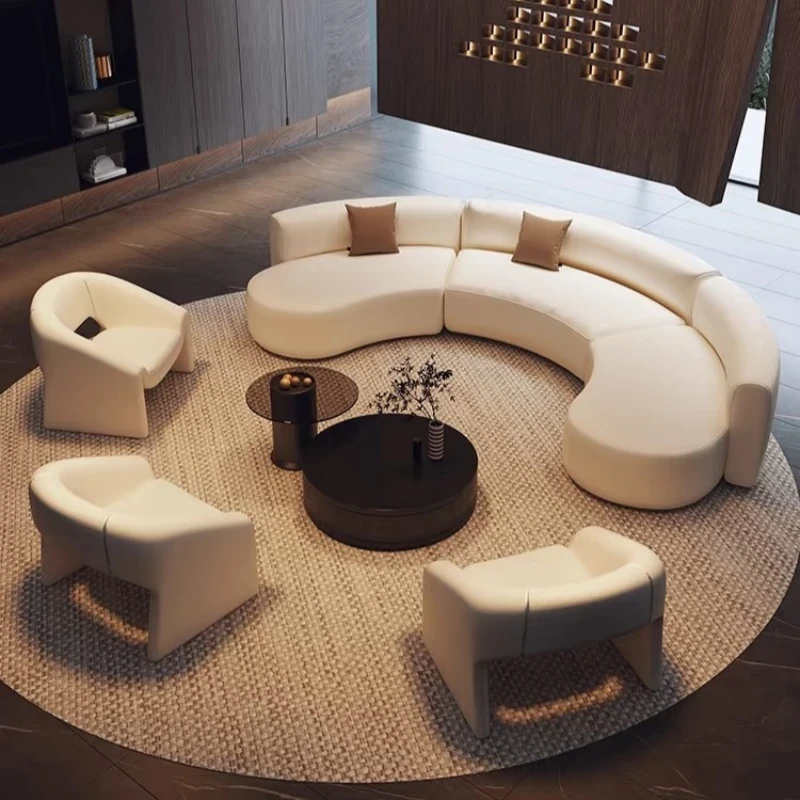
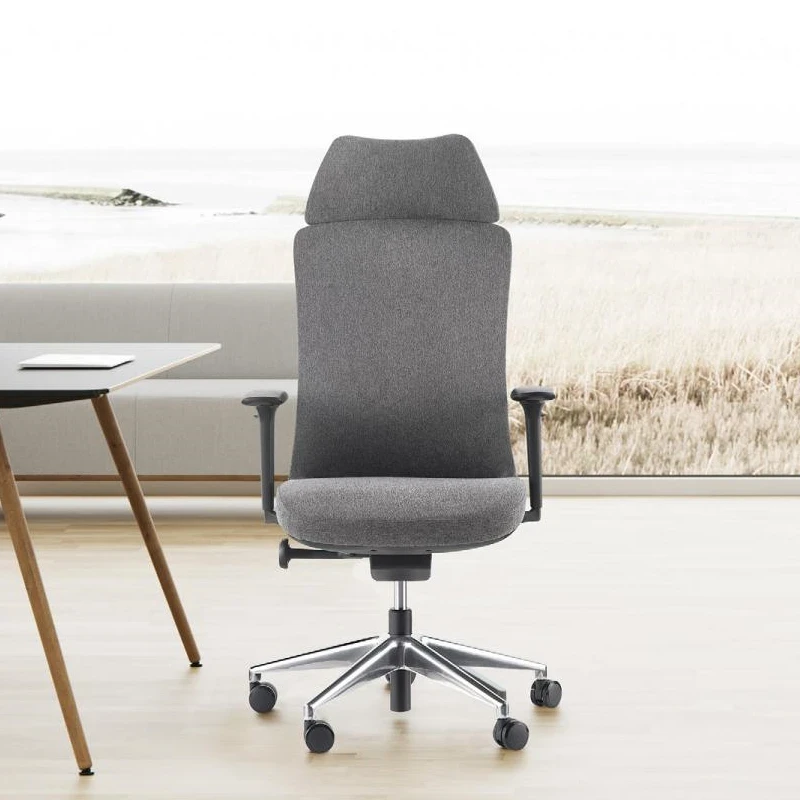


for Reconfigurable Learning Spaces: With the diversification of teaching activities, classrooms no longer serve a single function. To address this, furniture manufacturers have designed a range of modular furniture pieces that can be easily moved and reconfigured to quickly transform classroom layouts and adapt to different teaching modes, such as lectures, group discussions, experiments, and interactive games.
Flexible Workstations: Height-adjustable desks and chairs, and combinable workbenches support students' individual learning postures and needs, allowing furniture to accommodate users of different ages and heights from elementary to high school.
2. Smart Classroom Equipment Incorporating Technological Elements
: Modern students and teachers have an increasing demand for technological support. Furniture manufacturers have incorporated intelligent elements into their designs, such as embedded power interfaces, wireless charging, and multimedia integration devices, ensuring that every piece of furniture supports modern technology-driven teaching.
Interactive and Collaborative Tools: Electronic whiteboards, smart desktops, and interactive displays promote interaction and communication between teachers and students, and among students themselves, making furniture not only physical support but also an integral part of the teaching method.
3. Ergonomics and Comfort:
Prioritizing comfort and health: During long classroom sessions, comfortable furniture design can effectively improve students' attention span and learning efficiency. Manufacturers employ ergonomic design principles to develop desks and chairs that support good posture, reducing physical discomfort from prolonged study.
Mental health considerations: In addition to physical health, mental health is increasingly valued. Bright colors, comfortable materials, and varied furniture designs can create a pleasant learning environment and enhance students' learning experience.
4. Durability and environmental friendliness
: Durable and environmentally friendly materials are selected to cope with wear and tear from daily use by students. Simultaneously, environmentally friendly coatings and adhesives are used to reduce environmental impact.
Sustainable design and production: By optimizing production processes and supply chain management, raw material waste is reduced, resulting in products with long service lives and easy recycling, responding to global demands for sustainable development.
5. Customized and personalized solutions
to meet the needs of different schools: Each school has different educational philosophies and practical needs. School furniture manufacturers provide customized design services, tailoring furniture solutions to meet the specific needs of different schools based on their spatial layout, campus culture, and educational philosophies.
Conclusion:
The multifunctional needs of modern education present new challenges for school furniture manufacturers, while also bringing unprecedented opportunities for innovation. Through modular design, technological integration, improved comfort, the use of environmentally friendly materials, and customized services, school furniture manufacturers in Guangdong are actively responding to these changes. In the future, these innovations will continue to improve the educational environment, providing students with a more effective learning experience.