
 USD
USD GBP
GBP
 EUR
EUR





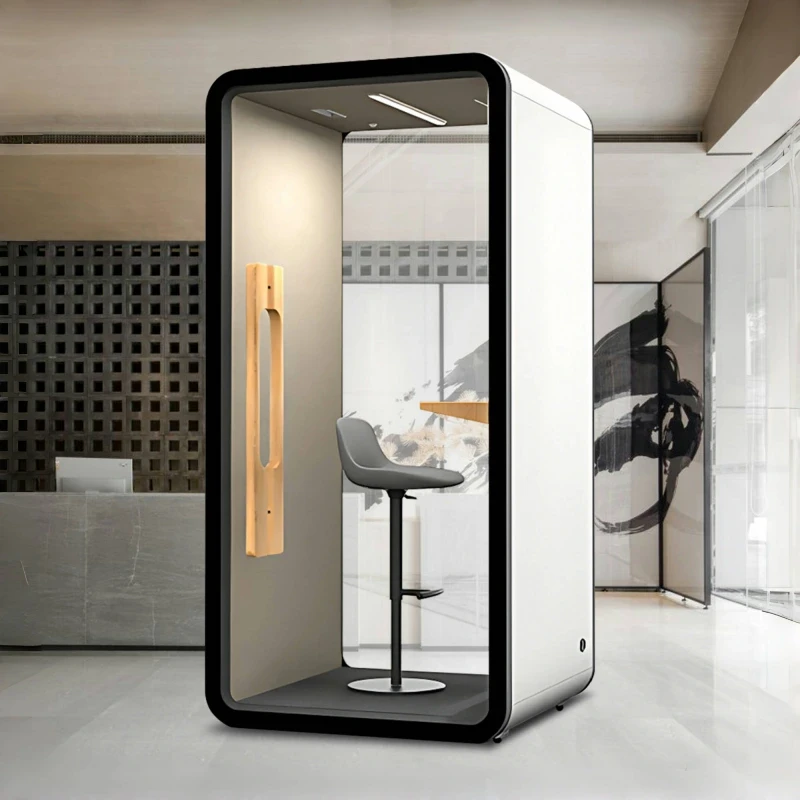

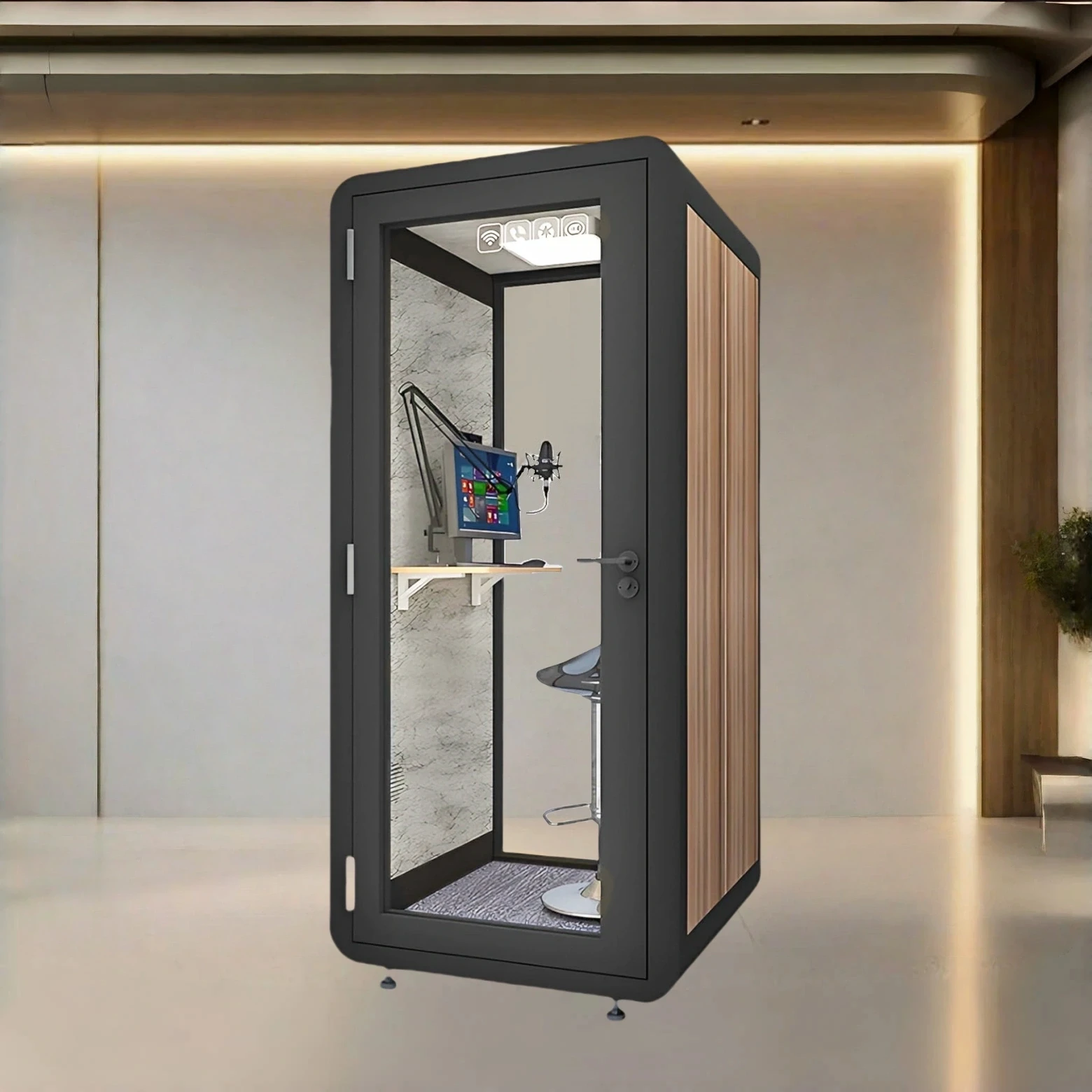
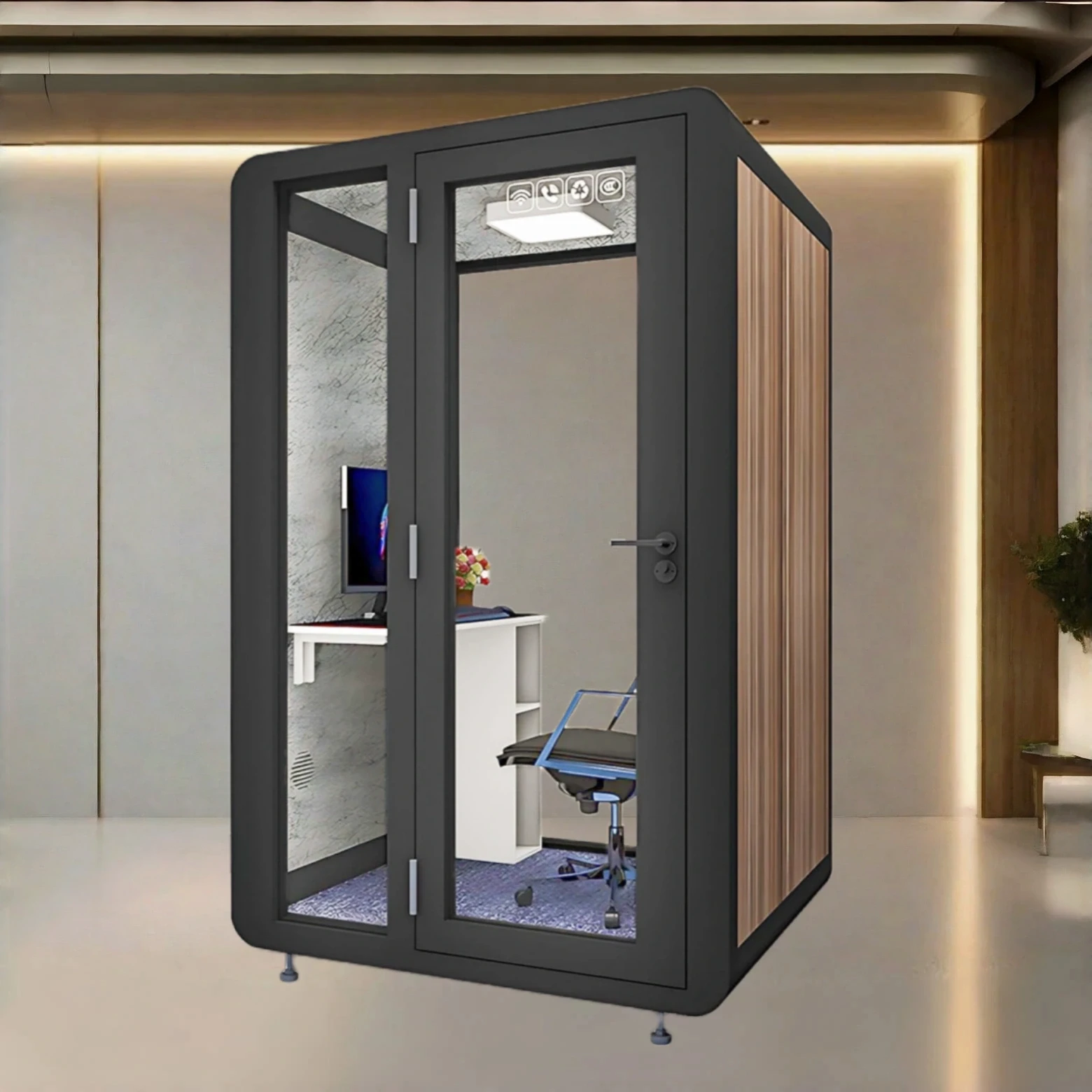
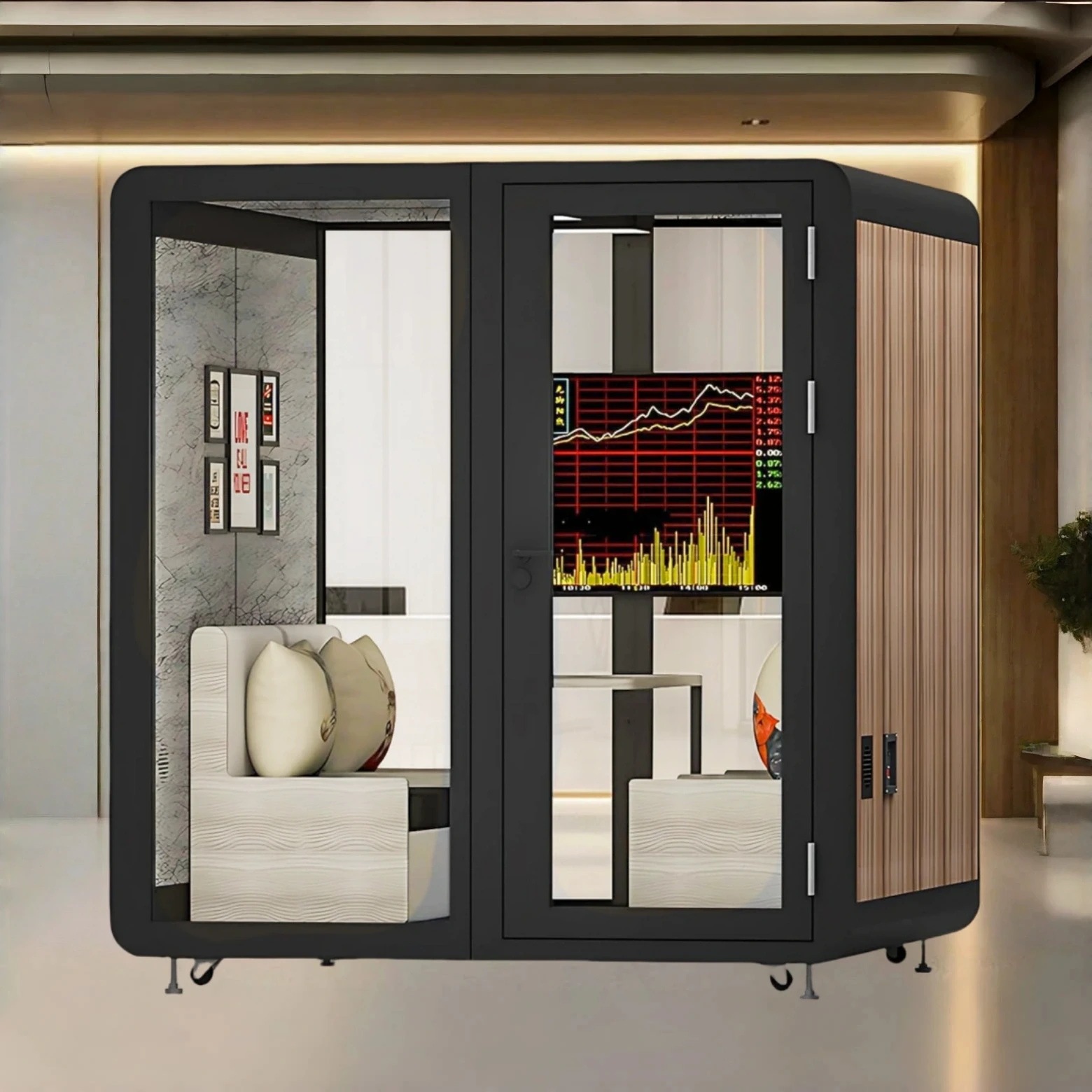














First, assessing a supplier's production equipment and technology level is crucial for understanding their production efficiency. Modernized and automated production equipment typically improves efficiency and reduces errors from manual operation. Therefore, examining whether the factory uses the latest production technologies and equipment, and the frequency of maintenance and upgrades, can predict its capacity and product quality during peak periods.
2. Project Management Capabilities:
A supplier's project management capabilities directly impact production efficiency. During evaluation, focus should be placed on whether they possess a sound project management process and an experienced project team. Suppliers who can effectively schedule production, allocate resources, and manage time are generally better able to guarantee on-time project delivery. Furthermore, understanding their ability to handle urgent orders can provide a basis for decision-making.
3. Transparency and Traceability of Production Processes:
An efficient supplier should have transparent production processes and a traceable record system. Transparency ensures real-time tracking of project progress, helping the hotel understand each stage of production. This means that problems can be quickly identified and resolved, reducing delays and cost increases. Whether the supplier uses an ERP system or other digital management tools is also an important factor in assessing their production efficiency.
4. Cost Structure Analysis:
A thorough understanding of a supplier's cost structure is crucial for assessing their cost control capabilities. This includes various aspects such as material costs, labor costs, and production costs. By analyzing these factors, hotels can identify potential cost-saving opportunities in different areas. Furthermore, understanding a supplier's cost control performance and price fluctuations in past projects can also provide insights into their cost management capabilities.
5. Procurement and Inventory Management:
A supplier's capabilities in raw material procurement and inventory management are also key factors influencing cost control. Suppliers with strong procurement capabilities can typically obtain more cost-effective materials, while effective inventory management can reduce unnecessary inventory buildup and capital tied up. Therefore, evaluating a hotel's partnerships with material suppliers and their inventory management strategies can help determine the supplier's cost advantages.
6. Historical Performance and Customer Feedback:
Understanding a supplier's historical performance and current customer feedback is a powerful tool for assessing their production efficiency and cost control capabilities. Through communication with other customers, hotels can obtain firsthand information about their on-time delivery, cost fluctuations, and service quality. Furthermore, a supplier's successful experience in similar projects can provide the hotel with assurance.
7. Contract Terms and Risk Management
Finally, a thorough review of the contract terms provided by the supplier, especially cost-related sections (such as price adjustments and payment methods), helps ensure rights are protected and risks are controlled. Simultaneously, understanding their risk management measures and strategies ensures the supplier can respond quickly in unforeseen circumstances, thereby reducing negative impacts on costs and production efficiency.
Conclusion
Assessing a supplier's production efficiency and cost control capabilities is a crucial step in the customized furniture procurement for chain hotels. By thoroughly examining a supplier's production equipment, project management capabilities, cost structure, and risk management strategies, chain hotels can select the partner best suited to their needs. This not only helps ensure timely and high-quality furniture delivery but also effectively controls costs, improving the hotel's overall operational and financial performance.