
 USD
USD GBP
GBP
 EUR
EUR
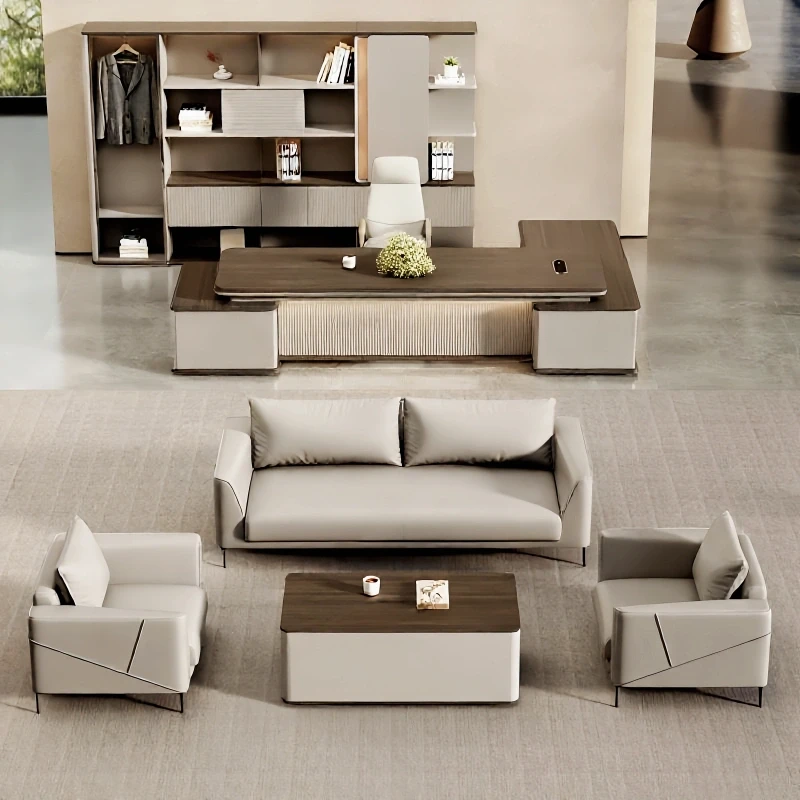
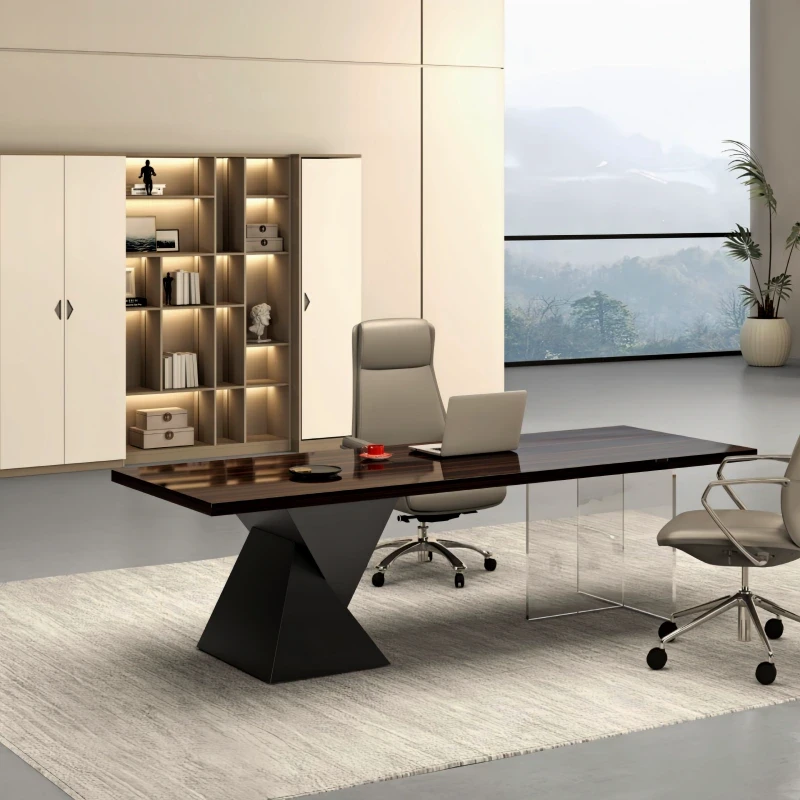


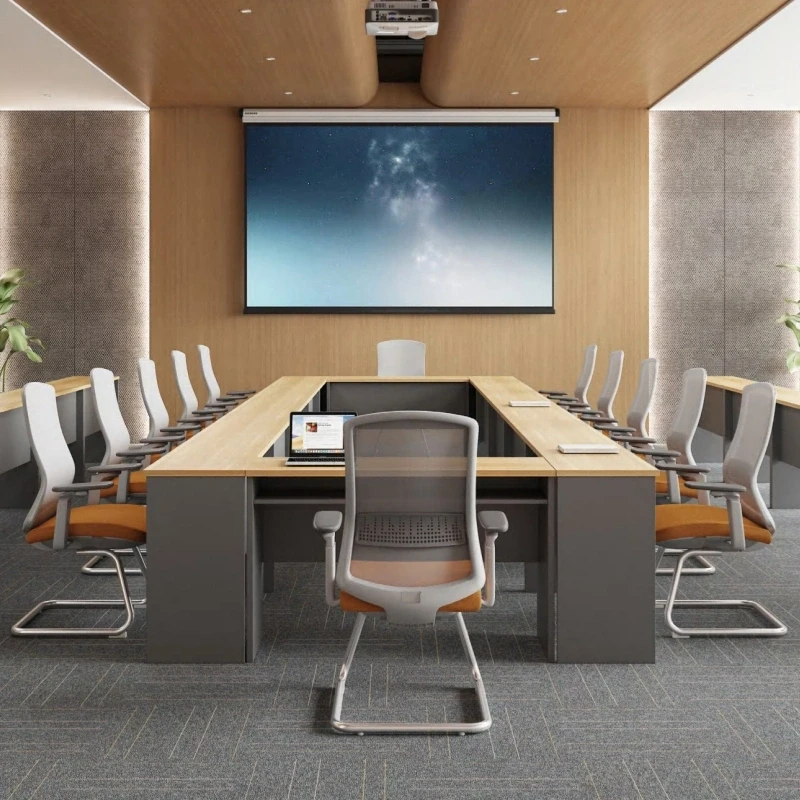
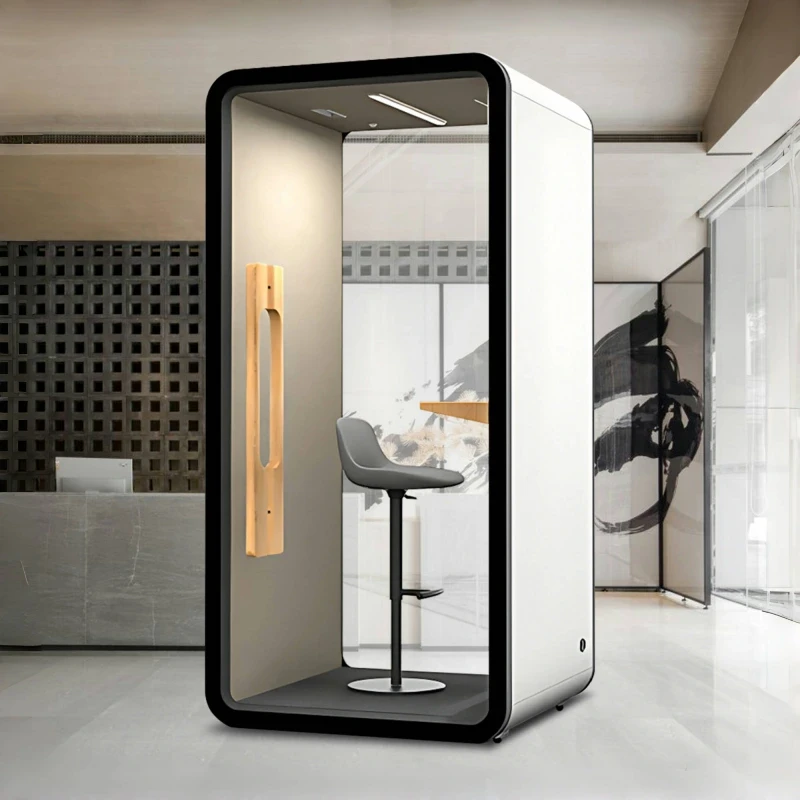
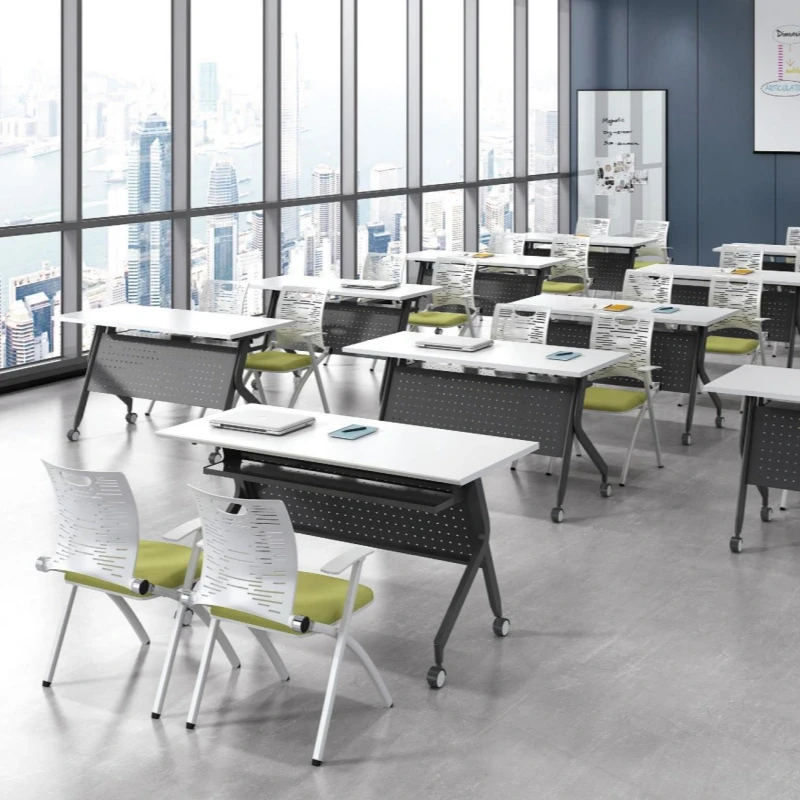
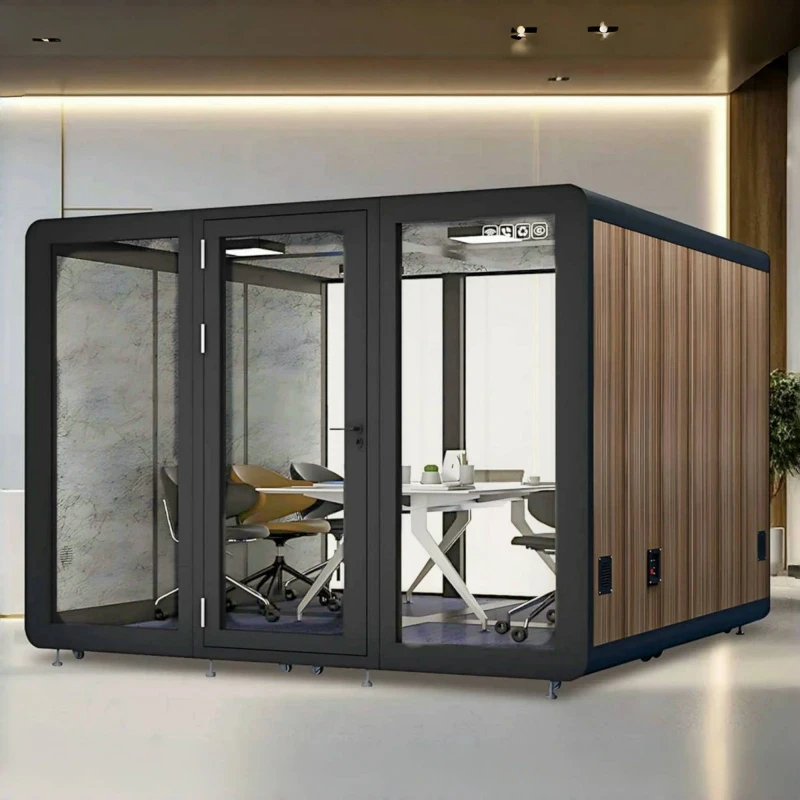
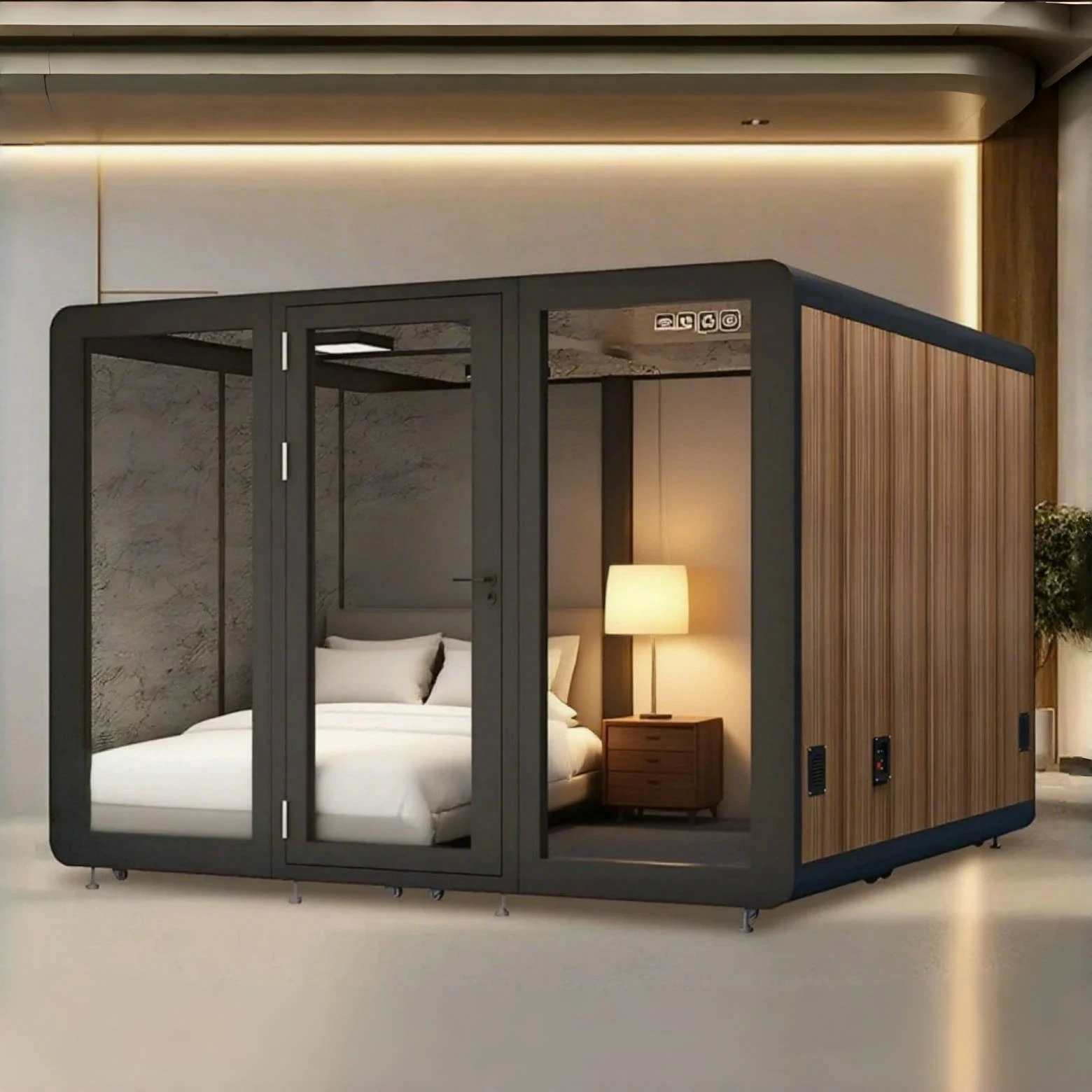


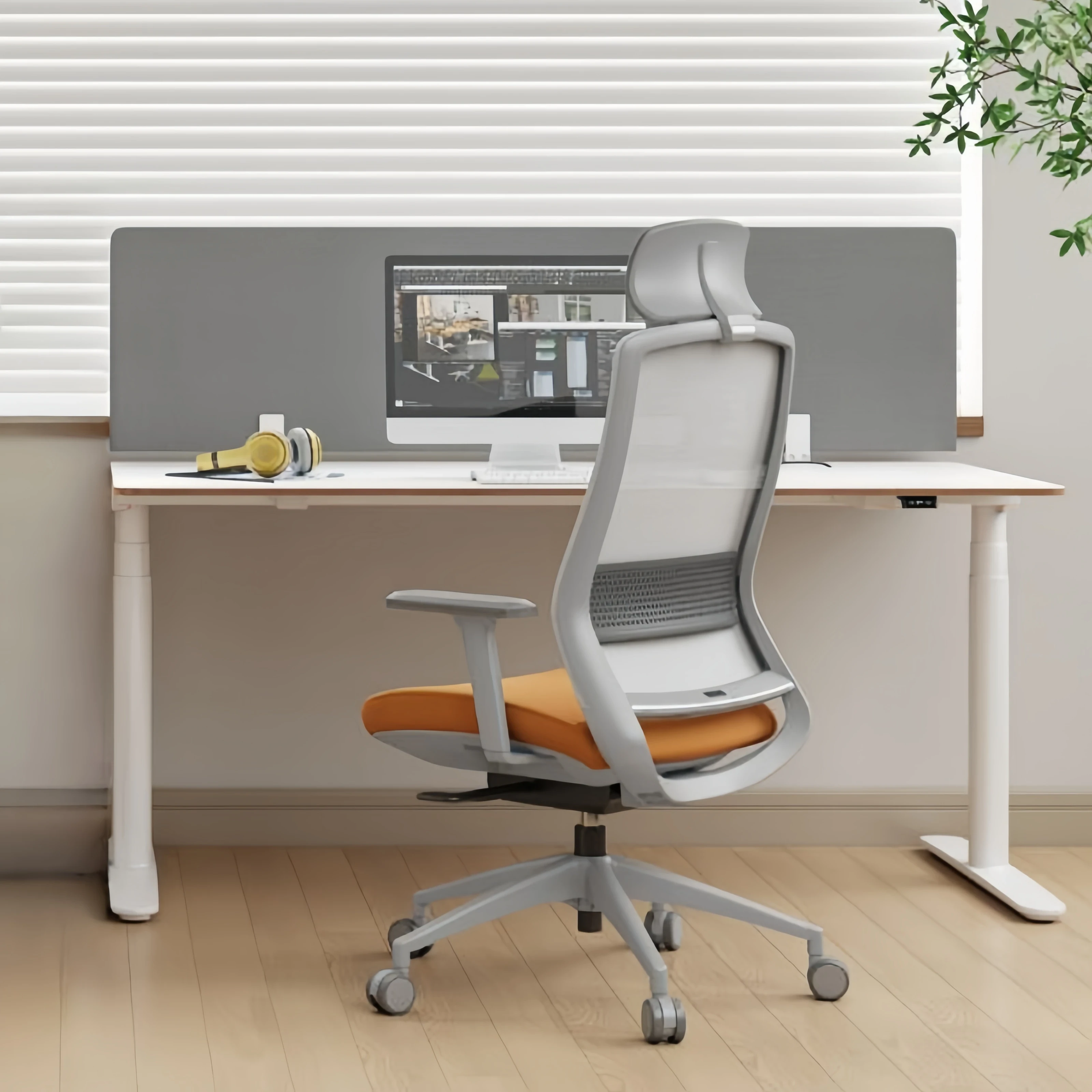


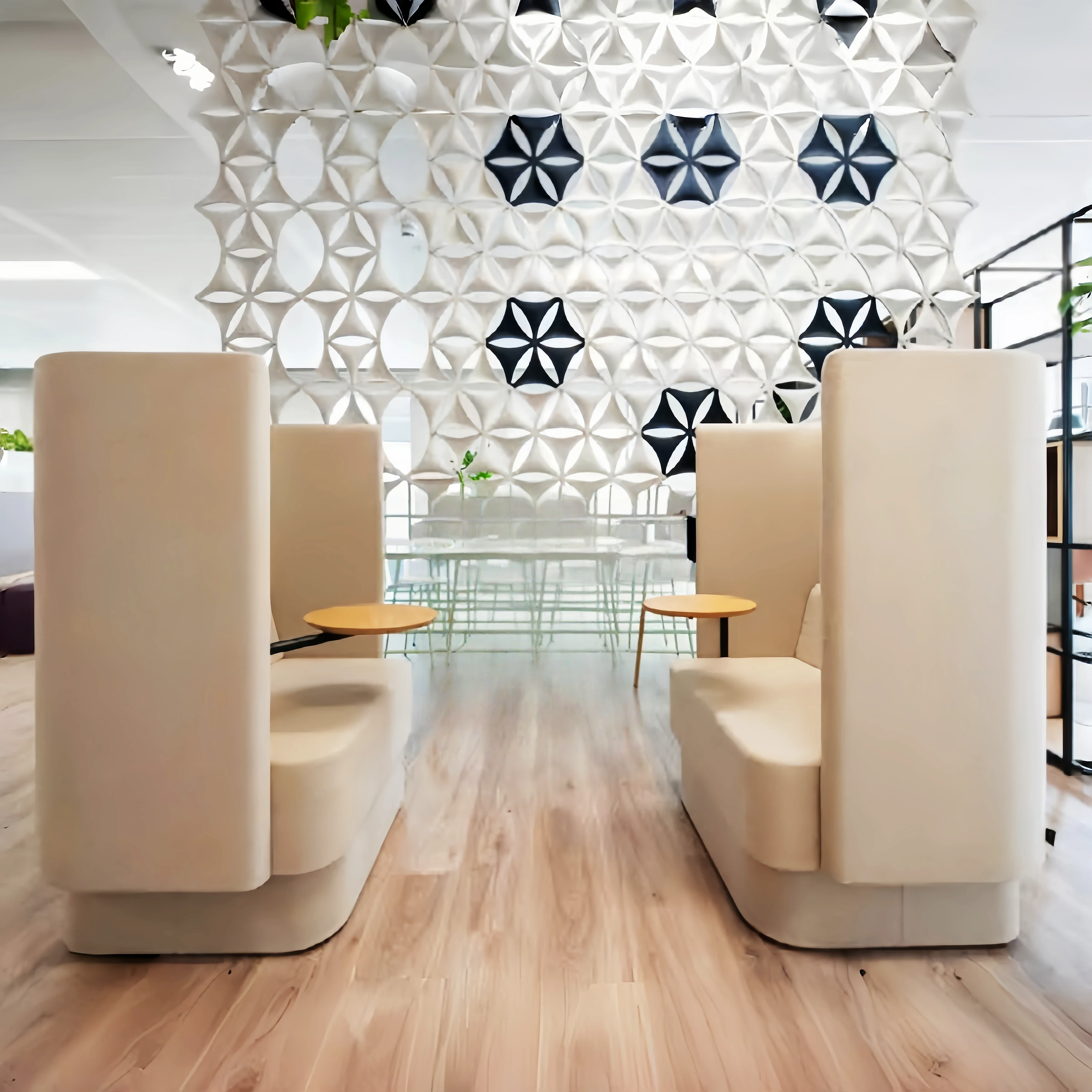

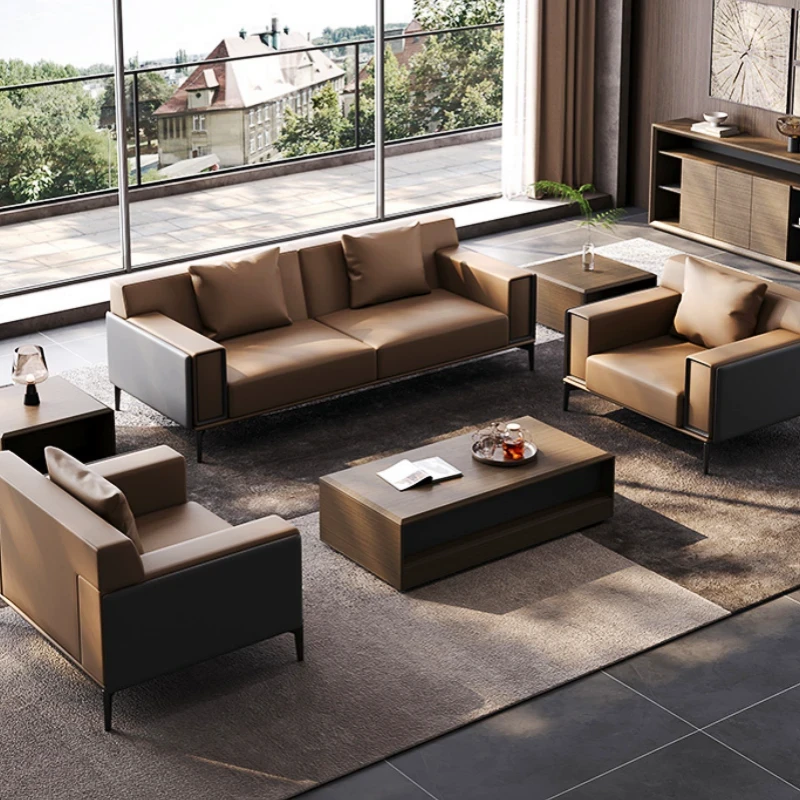
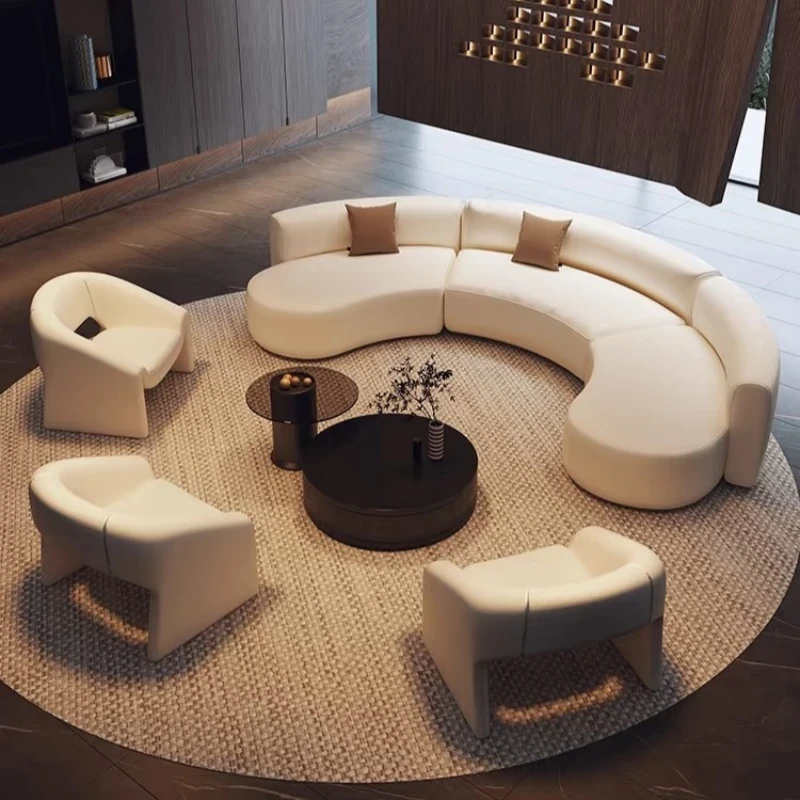
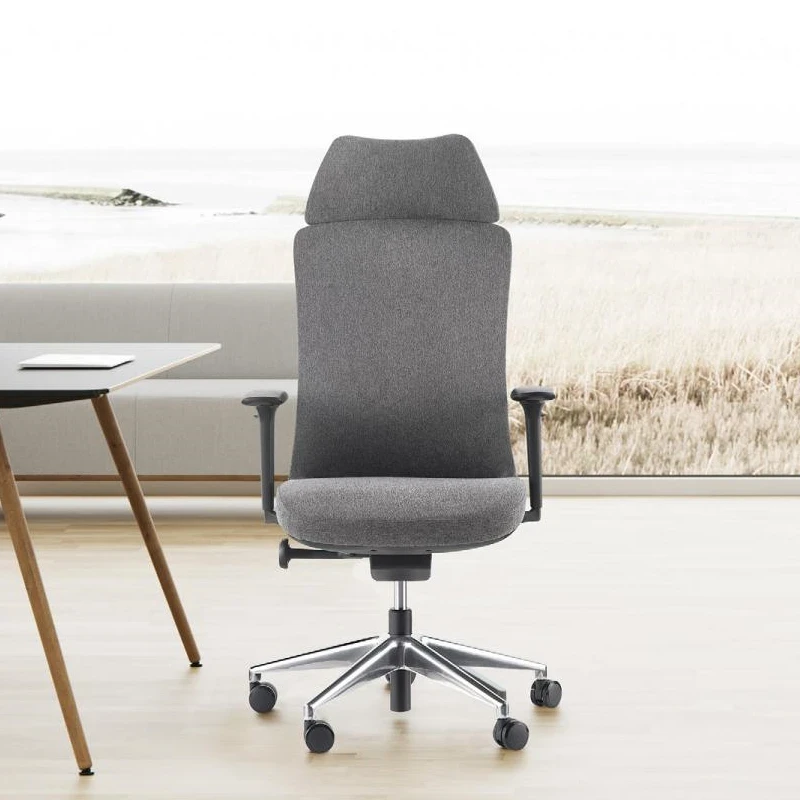


Five-star hotels are renowned for their exceptional service and high-end facilities, and furniture, as an indispensable part of these facilities, must meet high standards of luxury, comfort, and durability. However, high-quality custom furniture often comes with high costs, posing a challenge to the hotel's procurement budget. Therefore, effectively controlling costs without sacrificing quality is crucial for achieving sustainable hotel development when purchasing custom furniture.
II. The Importance of Cost and Quality
1. The Necessity of Cost Control
Hotel furniture procurement involves significant financial investment, especially for five-star hotels, where each piece of furniture is not merely a functional component but also a reflection of the brand image. Therefore, rationally controlling furniture procurement costs can effectively improve the hotel's return on investment and ensure efficient use of funds.
2. The Key to Quality Assurance
High-quality furniture not only enhances guest comfort and satisfaction but also extends its lifespan, reducing the frequency of maintenance and replacement, thereby saving costs in long-term operation. Furthermore, high-quality furniture is an important reflection of the hotel's brand image, enhancing guest trust and loyalty.
III. Developing a Budget Strategy
1. Clarifying Needs and Budget
Before commencing procurement, it is essential to clarify the furniture needs for each area of the hotel, including quantity, specifications, and functions. Simultaneously, based on the overall operating budget, a detailed furniture procurement budget is developed to ensure optimal quality and effect within the budget.
2. Prioritization:
Furniture for different areas and functions is prioritized, with investment given to areas with higher impact, such as the lobby, guest rooms, and restaurants. For frequently used furniture, higher quality and more durable products are selected to reduce later replacement and maintenance costs.
IV. Choosing Appropriate Materials and Craftsmanship
1. Material Selection:
Materials are a key factor determining furniture quality and cost. Five-star hotels typically tend to use high-end materials such as solid wood, leather, and premium fabrics, which not only have excellent texture but also high durability. However, high-end materials are more expensive, so a trade-off needs to be struck when selecting them. For example, high-end materials can be used in guest rooms, while more cost-effective materials can be chosen in public areas to achieve a balance between cost and quality.
2. Craftsmanship Level:
The craftsmanship level of furniture directly affects its appearance and lifespan. Choosing manufacturers with rich experience and high-level craftsmanship ensures that every detail of the furniture meets high standards. While some intricately crafted custom furniture is more expensive, its unique design and high quality can significantly enhance the hotel's overall image, making it a worthwhile investment.
V. Cooperation and Supplier Management
1. Selecting Reliable Suppliers
Partnering with reputable and experienced suppliers is crucial for ensuring furniture quality and controlling costs. By examining supplier qualifications, case studies, and customer reviews, selecting suitable partners ensures professional advice and high-quality products throughout the customization process.
2. Establishing Long-Term Partnerships
Establishing long-term partnerships with suppliers allows for more competitive pricing through bulk purchasing and long-term orders. Furthermore, long-term cooperation helps suppliers better understand the hotel's needs and provide more customized and high-quality services.
VI. Quality Control and Evaluation
1. Strict Quality Inspection
A rigorous quality inspection mechanism is implemented throughout the furniture production process. From material procurement and production processes to finished product inspection, every step is closely monitored to ensure the furniture meets the high standards of a five-star hotel.
2. Regular Evaluation and Feedback
Regular evaluations are conducted during furniture use, collecting feedback from guests and staff to understand the actual usage and any problems encountered. Through continuous improvement and optimization, the furniture is ensured to maintain high quality and optimal condition.
VII. Continuous Improvement and Long-Term Optimization
1. Monitoring Market Dynamics
The furniture market is constantly evolving, and the emergence of new materials and processes provides more possibilities for cost control and quality improvement. Continuously monitoring market dynamics and promptly introducing advanced technologies and concepts helps maintain competitiveness in furniture procurement.
2. Internal training and management
strengthen the professional knowledge and management capabilities of the internal procurement team, enhancing its comprehensive capabilities in cost control and quality management. Through internal training and experience sharing, a highly efficient procurement team is built, providing strong support for hotel furniture customization procurement.
VIII. Case Analysis: Successful Five-Star Hotel Furniture Procurement Practices that Balance Cost and Quality
1. Furniture Customization Strategy of an International Five-Star Hotel
In the process of furniture customization procurement, an international five-star hotel, through cooperation with multiple domestic and international high-end furniture suppliers, carefully selected materials with high-quality standards and adopted a modular design concept to achieve furniture diversification and sustainable use. At the same time, through bulk purchasing and long-term cooperation agreements, procurement costs were effectively reduced, ensuring a dual balance between furniture quality and cost.
2. Cost Control Experience of a Local Five-Star Hotel
In furniture procurement, a local five-star hotel adopted differentiated material and design strategies for different areas. For example, high-end solid wood and leather materials were used in the lobby and high-end guest rooms, while more cost-effective materials were selected in ordinary guest rooms and public rest areas. Through this regional procurement strategy, both the overall high-end image was guaranteed and the overall procurement cost was effectively controlled.
IX. Conclusion
Balancing cost and quality is a complex and crucial task in the procurement of custom furniture for five-star hotels. By developing reasonable budget strategies, selecting appropriate materials and processes, establishing stable supplier partnerships, implementing strict quality control, and continuously monitoring market dynamics and optimizing internal processes, hotel managers can effectively control procurement costs while ensuring high-quality furniture, thereby improving overall operational efficiency and guest satisfaction. Only in this way can they maintain a competitive edge in the fierce market competition and establish an outstanding brand image.