
 USD
USD GBP
GBP
 EUR
EUR
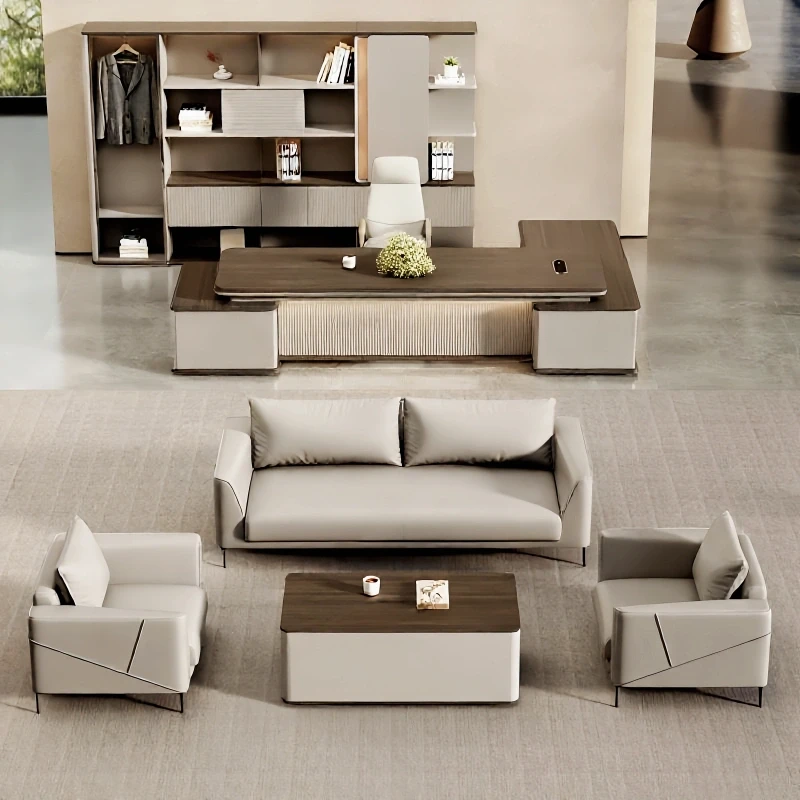
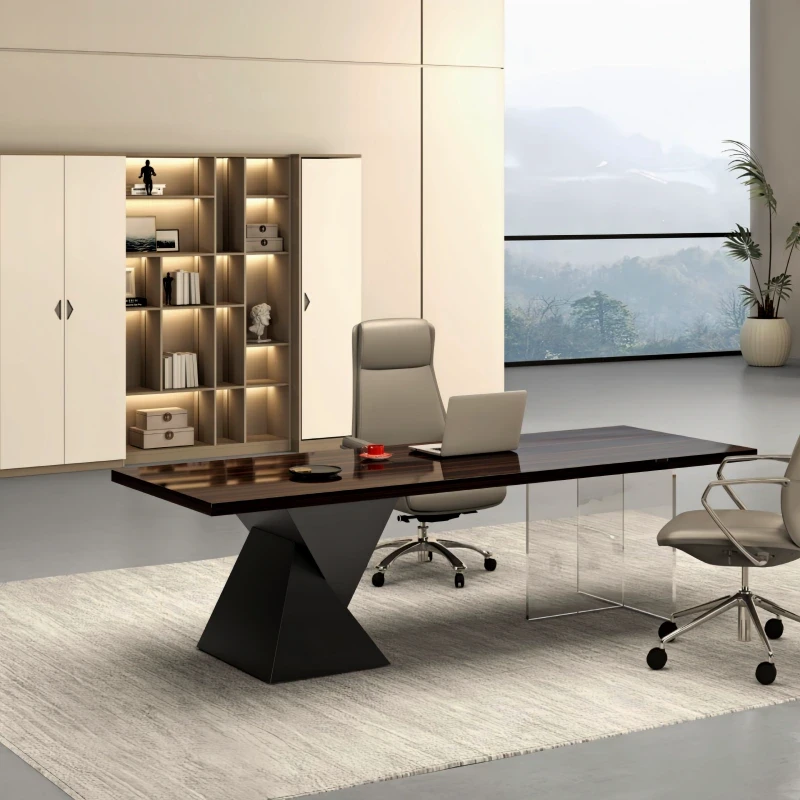


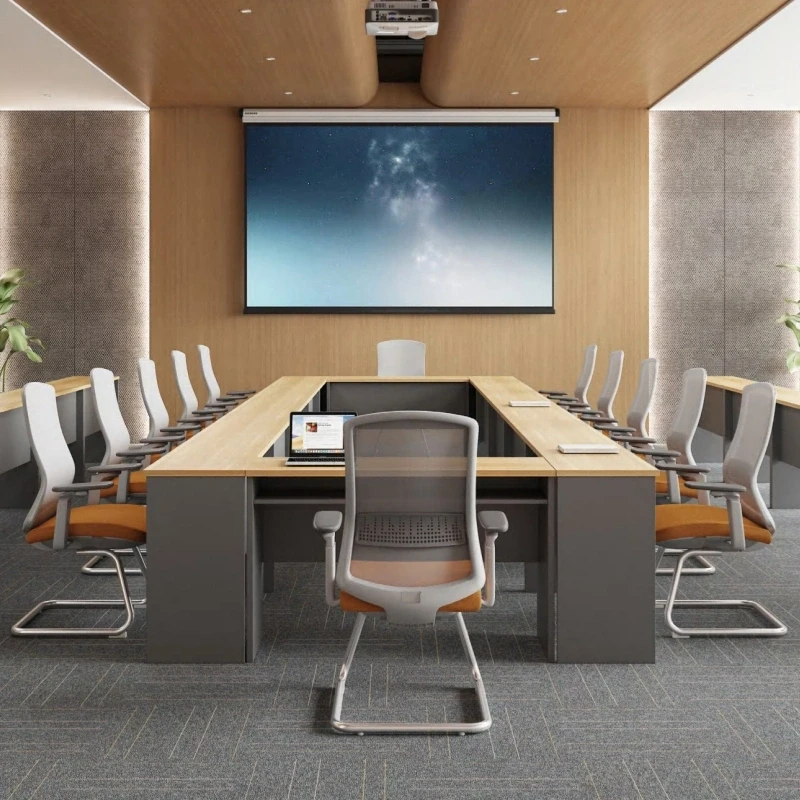
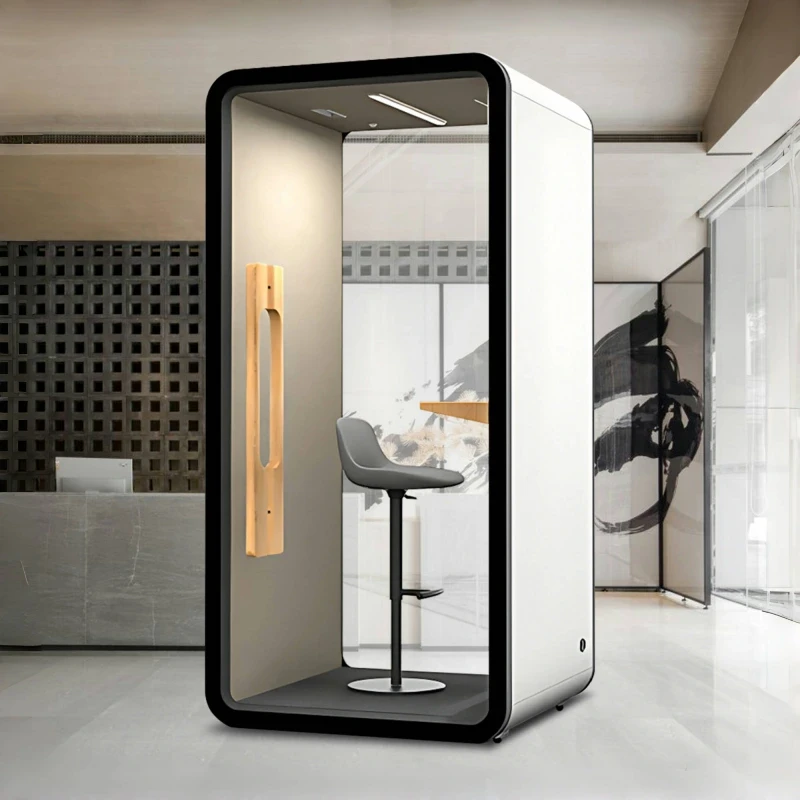
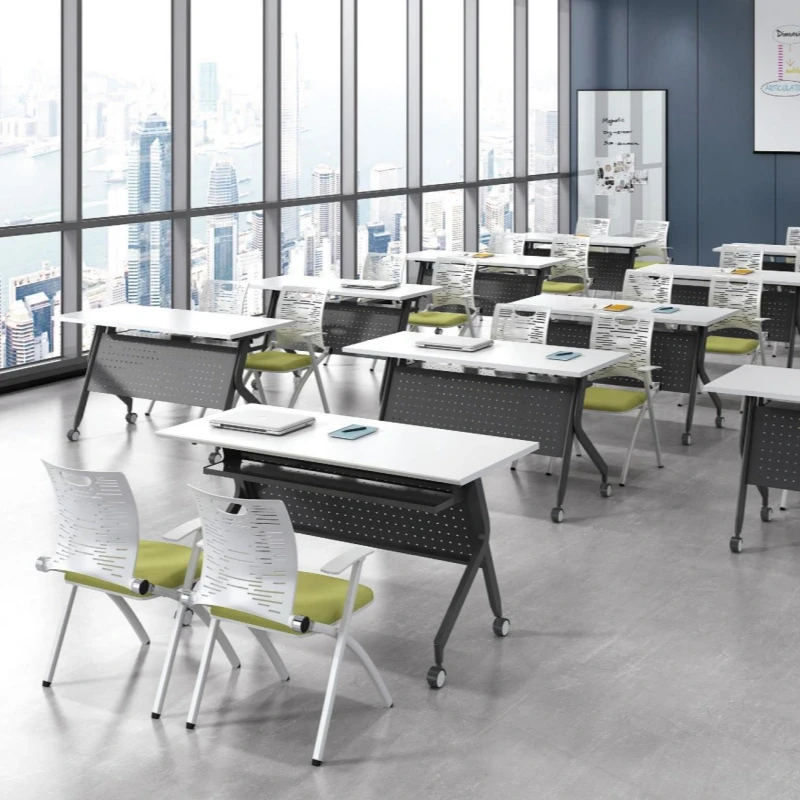







Kindergarten is the first step for children's learning and socialization. Good furniture design can not only enhance their learning interest but also promote their physical and psychological development. Customized furniture design, tailored to the specific needs of young children, must not only meet functional requirements but also consider educational philosophies and the developmental stages of children's psychology. Through scientific and reasonable design, kindergarten furniture can create a positive and healthy learning environment for children.
II. Ergonomic Design
1. Size Suitable for Children's Body Shape
The dimensions of kindergarten furniture should be designed according to children's body proportions. The height, width, and depth of chairs and tables need to be suitable for children's height, ensuring they can maintain correct posture during use and avoiding discomfort or postural problems caused by inappropriate furniture.
2. Comfort and Support
Ergonomic design provides good support and comfort, helping children focus on learning activities for extended periods. For example, the curvature of the chair back should conform to the curve of a child's back, and the tabletop should have an appropriate tilt angle to reduce pressure on the eyes and neck.
III. Safety and Durability
1. No Sharp Corners
Kindergarten furniture should avoid sharp corners to prevent injuries to children while playing or moving furniture. Rounded or beveled corners effectively reduce the risk of bumps and bruises.
2. Environmentally Friendly Materials and Coatings:
Choosing non-toxic and environmentally friendly materials and coatings is crucial for children's health. Furniture materials should meet national safety standards and use environmentally friendly coatings to avoid potential harm to young children from harmful substances.
3. Stability and Durability:
Furniture should possess good stability to prevent safety hazards from tipping over. Simultaneously, materials should be durable, able to withstand frequent use and friction, extending their lifespan and maintaining good working condition.
IV. Flexibility and Multifunctionality
: 1. Modular Design:
Modular furniture design allows for flexible combination and adjustment according to different teaching needs and activities. For example, movable tables and chairs, and combinable storage cabinets, facilitate easy adjustments to the spatial layout to adapt to diverse teaching activities.
2. Multifunctional
Design: Multifunctional furniture can achieve multiple functions within a limited space. For example, foldable tables and chairs can be used for studying, playing, or resting, improving space utilization.
V. Color and Material Selection:
1. Bright and Vibrant Colors
: Color plays an important role in children's psychological development. Choosing bright and vibrant colors such as yellow, blue, and green helps stimulate children's interest and creativity. At the same time, reasonable color combinations can create a pleasant and positive learning environment.
2. Natural Materials and Textures:
Using natural materials such as wood is not only environmentally friendly but also provides children with a warm and comfortable tactile experience. Furniture made from natural materials has a delicate texture, helping children perceive different materials and improving their sensory perception.
VI. Designs that Promote Social Interaction and Cooperation:
1. Group Learning Area
: Designing a dedicated group learning area with tables and chairs suitable for teamwork encourages children to interact and learn collaboratively. By completing tasks together, they cultivate teamwork and social skills.
2. Interactive Walls and Display Areas
: Setting up interactive walls and display areas allows children to showcase their work and achievements, enhancing their confidence and sense of belonging. These areas also serve as spaces for children to communicate and share, promoting communication and understanding.
VII. Creating Spaces to Stimulate Creativity
: 1. Creative Corner and Exploration Area
: Setting up a dedicated creative corner and exploration area within the kindergarten, equipped with abundant creative tools and materials such as drawing boards, puzzles, and building blocks, stimulates children's creativity and hands-on abilities.
2. Inspiring Decorations:
Creating an imaginative learning environment through interesting decorative elements such as wall charts and themed decorations encourages children to explore and innovate.
VIII. Case Studies: Successful Kindergarten Furniture Customization Practices
1. Modular Classroom Design of an International Kindergarten:
This international kindergarten adopted a modular furniture design, allowing for flexible classroom layout combinations based on different teaching activities. Movable tables, chairs, and storage cabinets enable teachers to flexibly adjust the classroom layout to meet various teaching needs, improving teaching effectiveness and space utilization.
2. Environmentally Friendly Furniture Selection of a Local Kindergarten:
This local kindergarten chose furniture made from environmentally friendly wood and non-toxic paints to ensure the health and safety of children. Simultaneously, the furniture design emphasizes ergonomics and multifunctionality, providing a comfortable, safe, and efficient learning environment, which has been consistently praised by parents and teachers.
IX. Conclusion:
Suitable customized furniture design for kindergartens, while meeting functional requirements, should also focus on the physical and mental development needs of children. Through comprehensive design encompassing ergonomics, ensuring safety and durability, achieving furniture flexibility and multifunctionality, rationally selecting colors and materials, promoting social interaction and cooperation, and creating spaces that stimulate creativity, it is possible to effectively promote children's learning and development. When customizing kindergarten furniture, companies and designers should fully understand educational philosophies and children's psychological characteristics, providing scientific and innovative design solutions to create a healthy, happy, and inspiring learning environment for children.