
 USD
USD GBP
GBP
 EUR
EUR
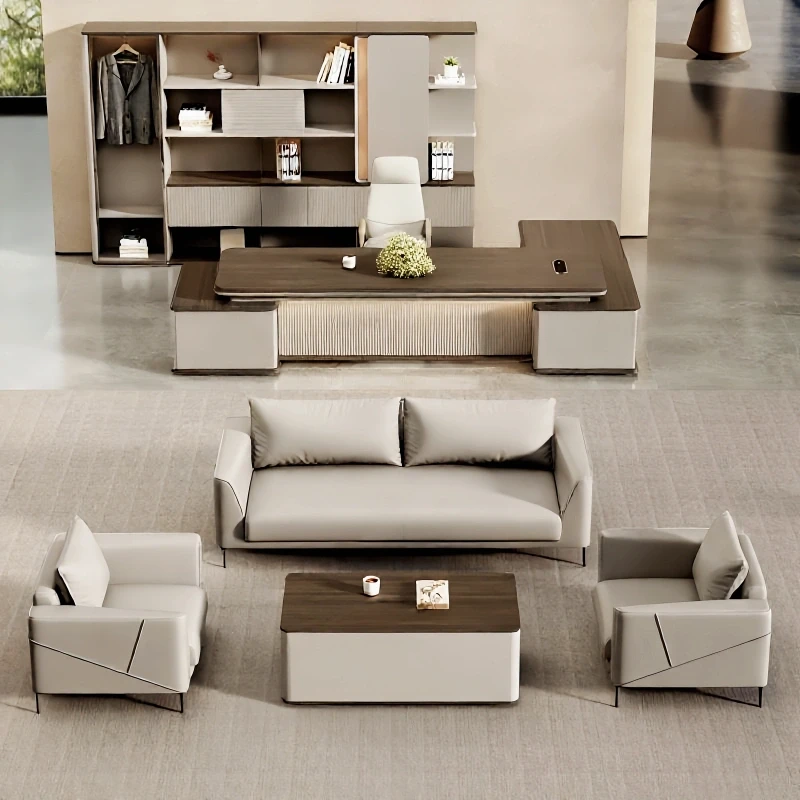
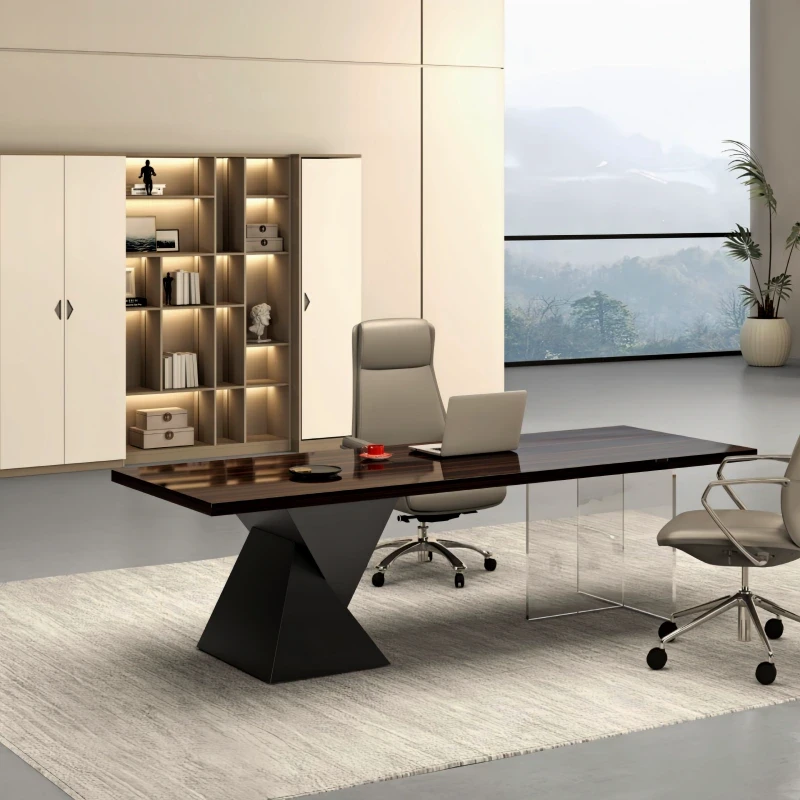


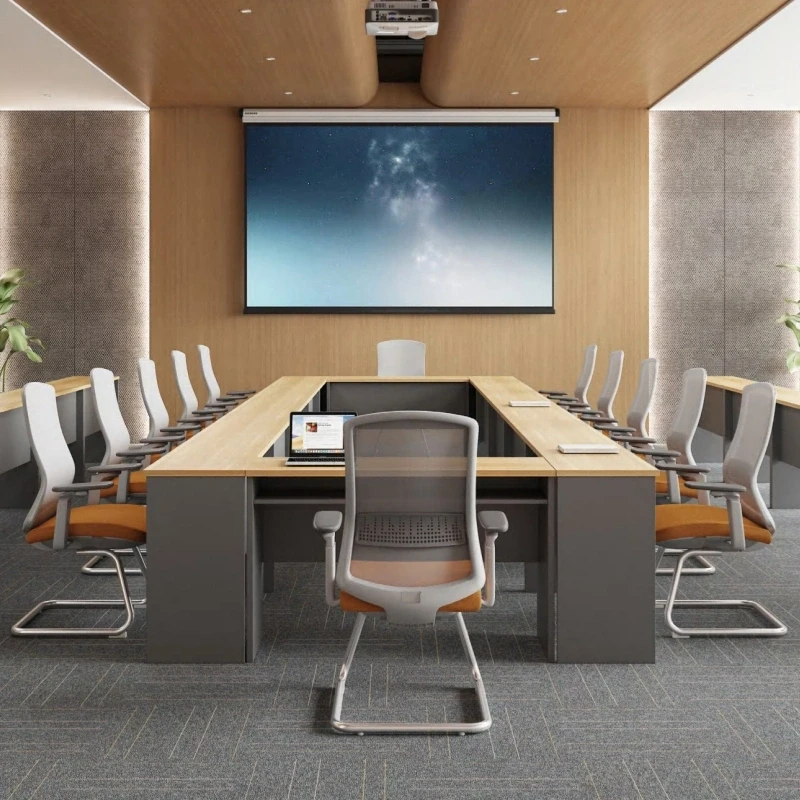
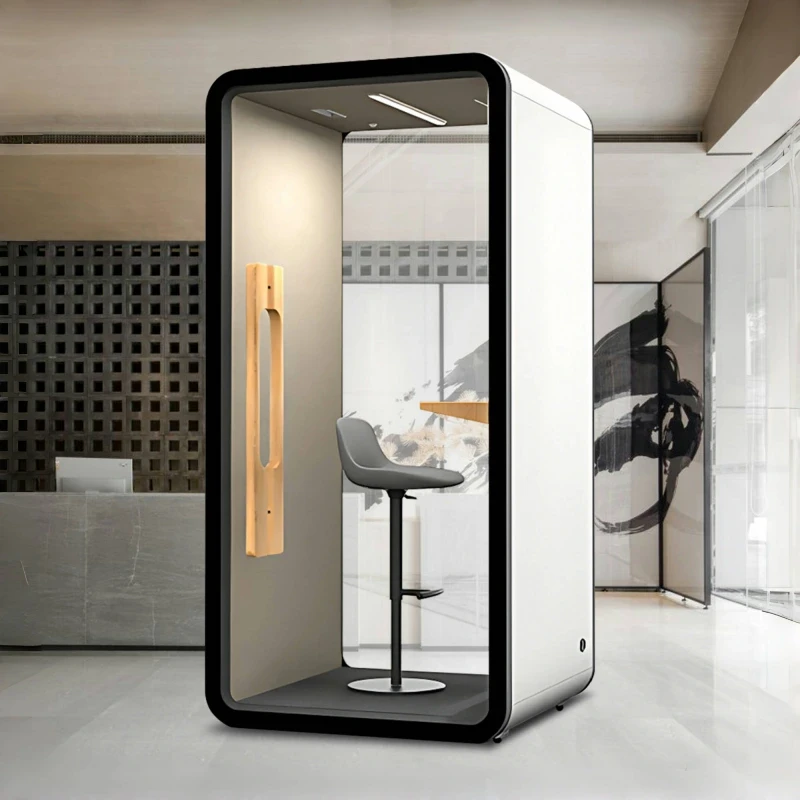
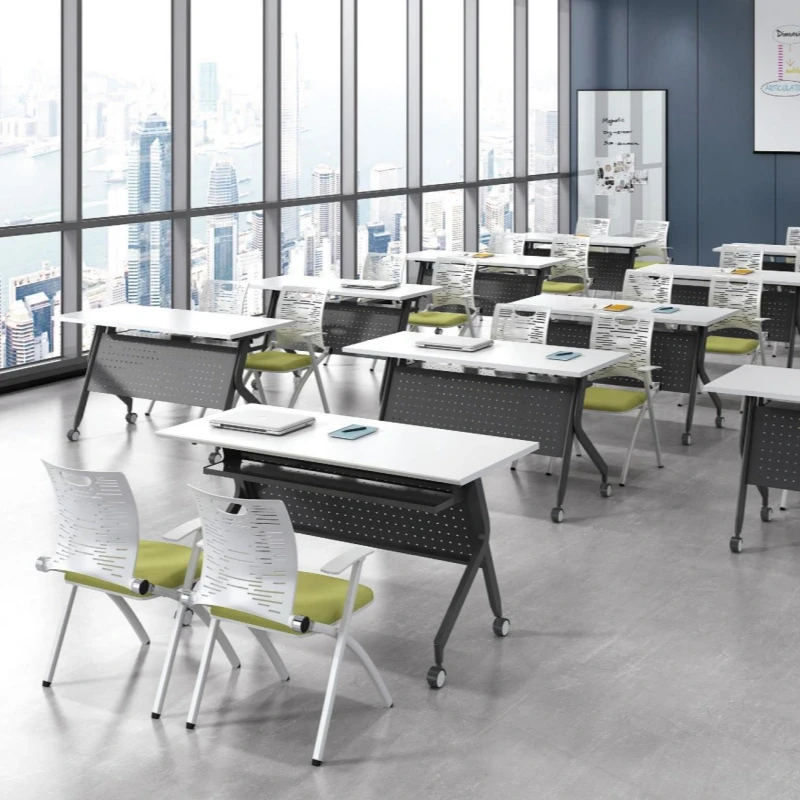
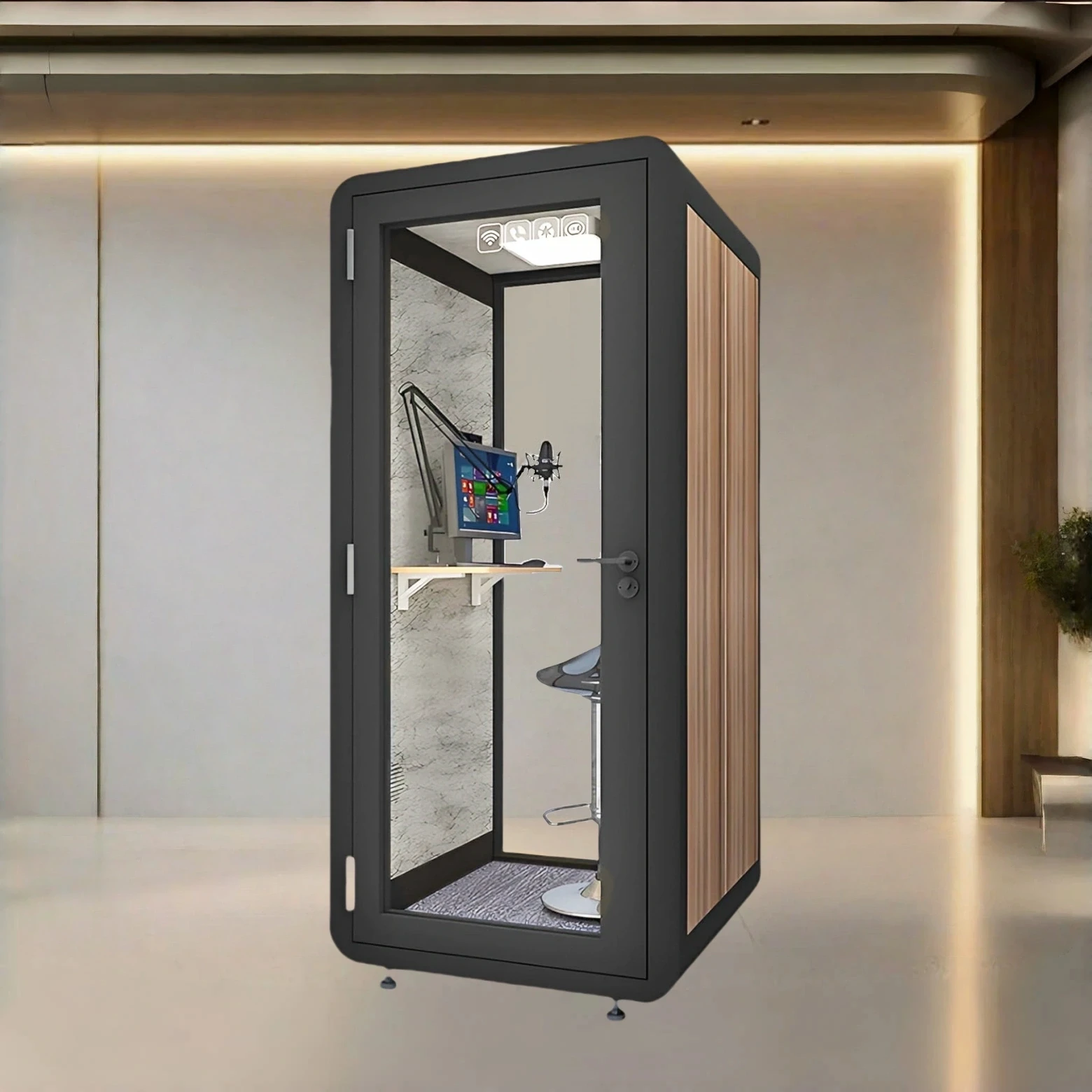
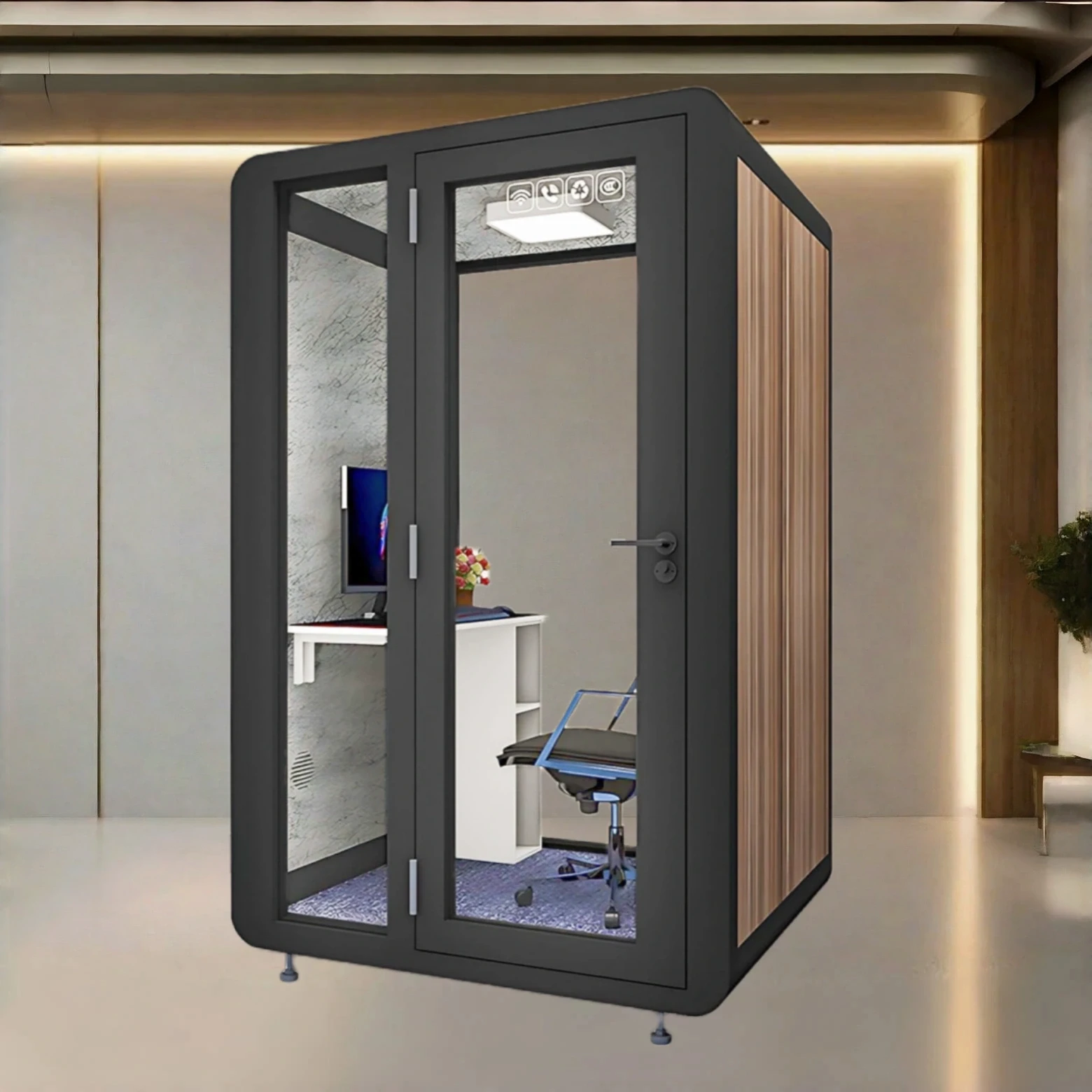
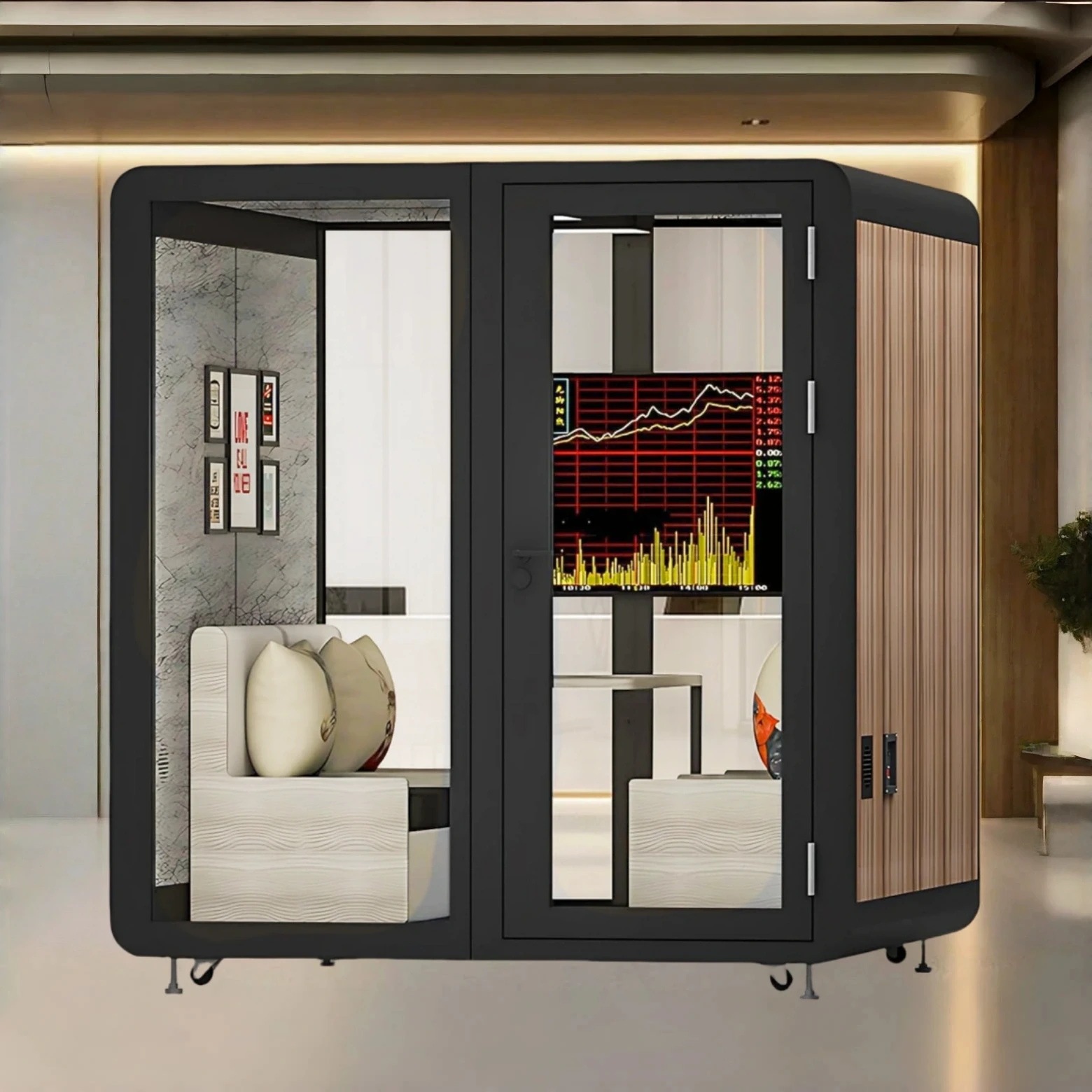
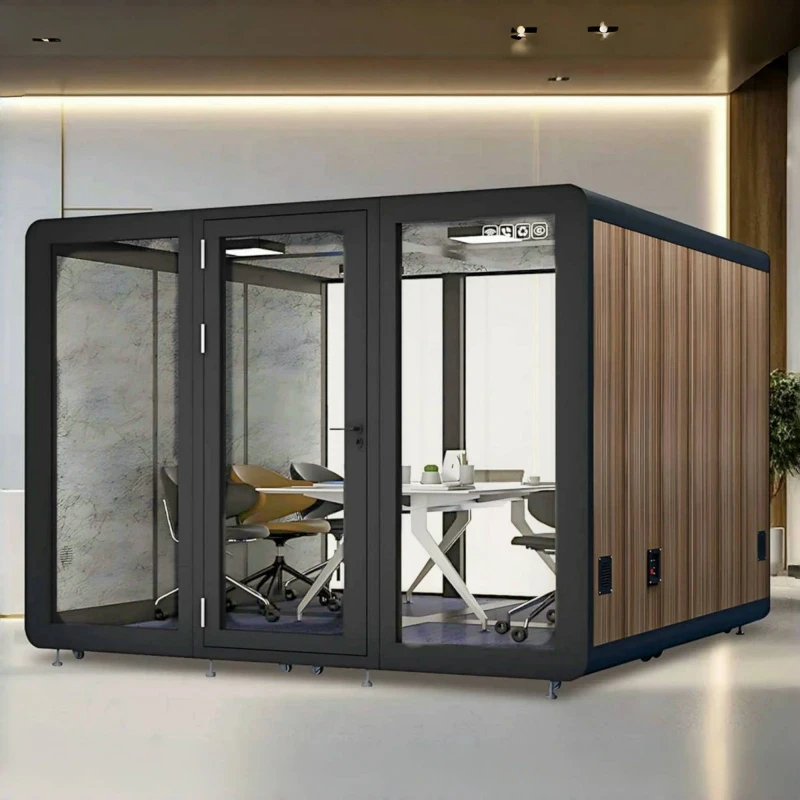
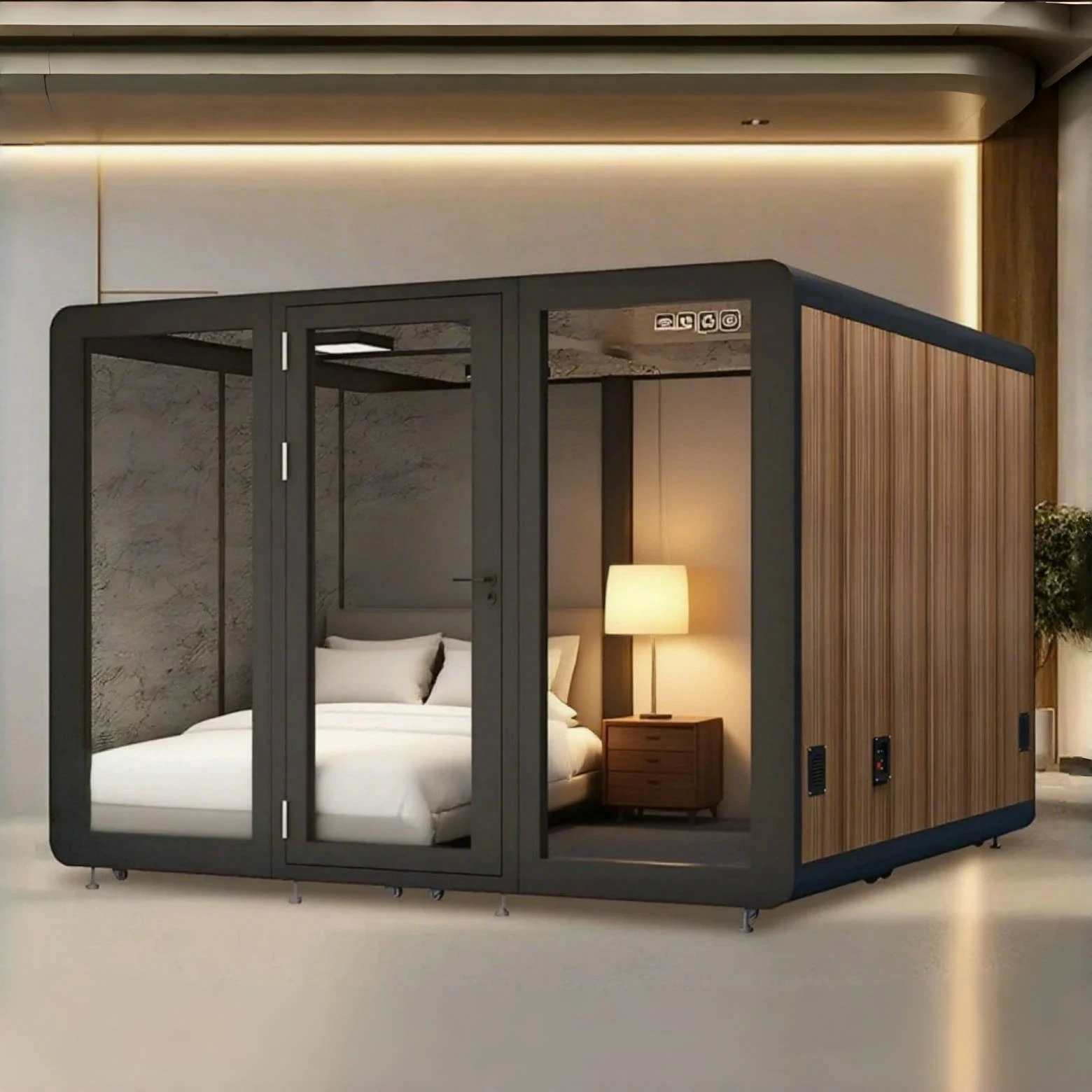


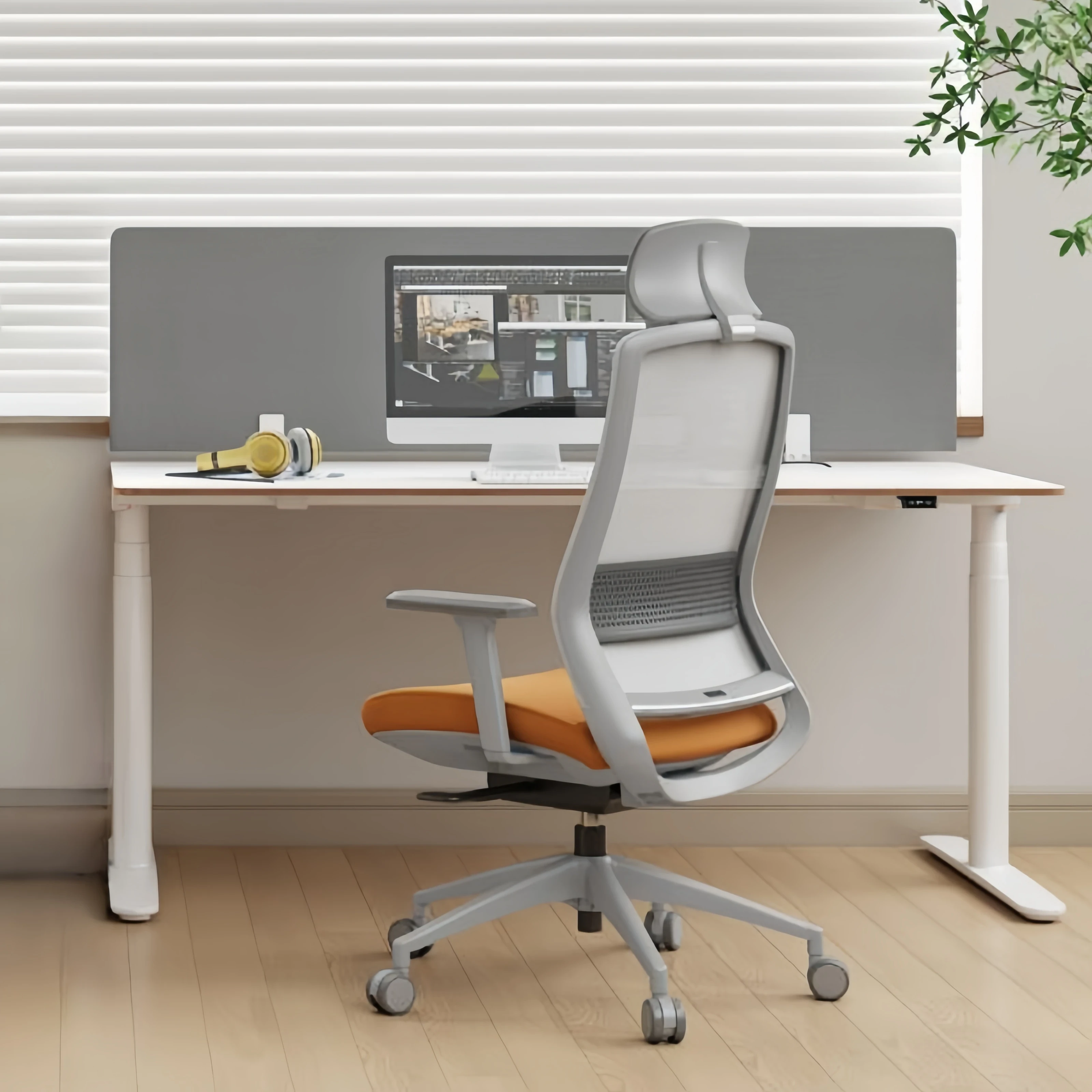


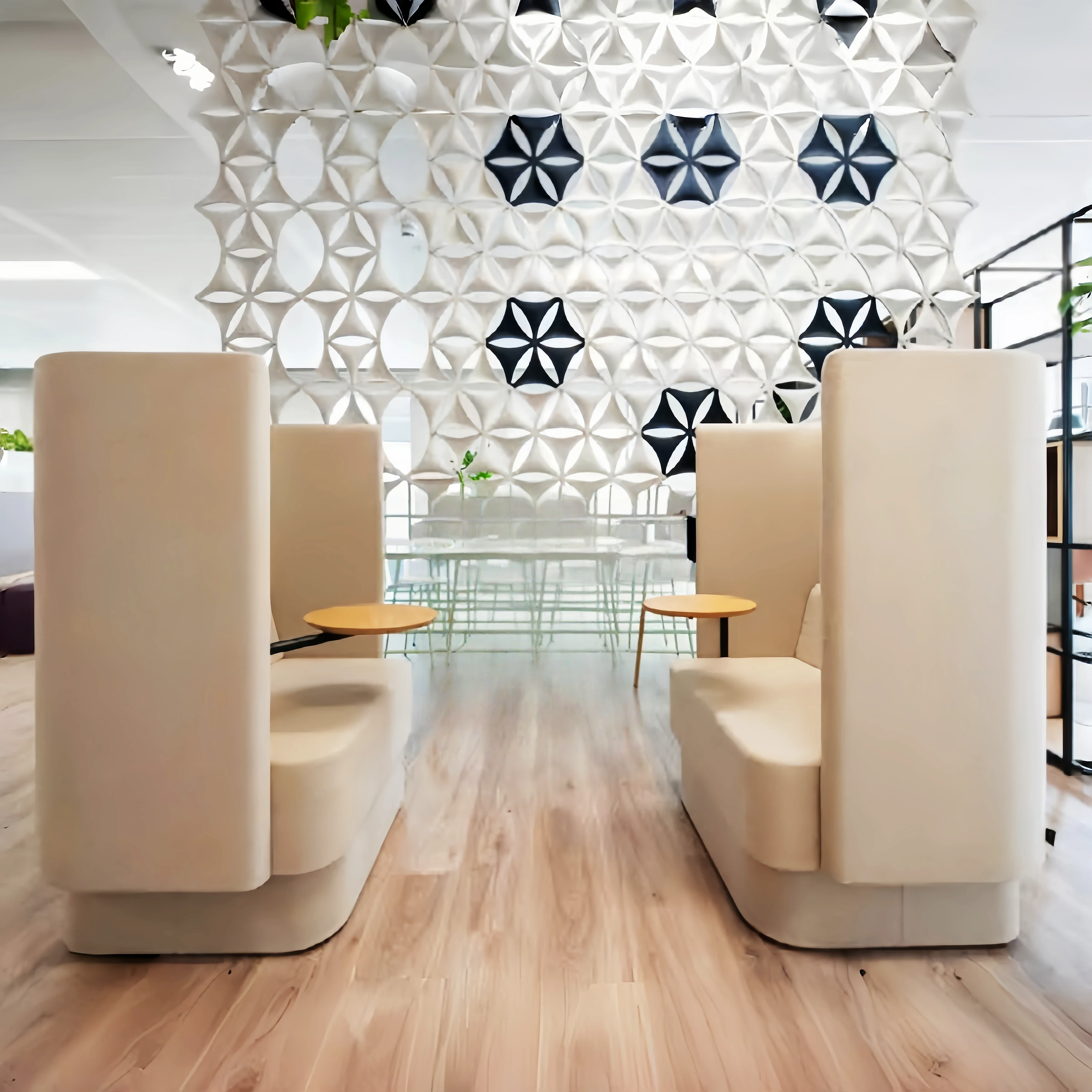



1. Functional Needs
: Space Division: Based on the office layout, determine the main functions of the cubicle seating, such as separating different areas and providing private workspaces.
Storage Needs: Is integrated storage space required, such as filing cabinets or bookshelves?
Modular Design: Is flexible combination necessary to adapt to different office needs and future changes?
2. Design Style and Aesthetics
: Match the office style: Ensure the design style of the cubicle seating is consistent with the overall office decoration style, such as modern minimalist, industrial, or Nordic style.
Brand Image: Choose designs that incorporate corporate brand elements to enhance brand recognition.
II. Supplier Qualifications and Experience
1. Company Qualifications
: Business License and Relevant Certifications: Ensure the manufacturer possesses legal business qualifications and relevant industry certifications, such as ISO quality management system certification.
Industry Experience: Possess rich experience in office furniture production and be familiar with market demands and design trends.
2. Professional Team:
Design and R&D Team: Possess a professional design team capable of providing innovative design solutions based on customer needs.
Technical Support: Possess advanced production technology and equipment to ensure product quality and production efficiency.
III. Product Quality and Material Selection
1. Material Quality
and Durability: Select high-quality, durable materials such as solid wood, metal, and environmentally friendly boards to ensure product lifespan.
Environmental Friendliness: Use environmentally friendly materials, conforming to the green office concept, reducing the release of harmful gases, and protecting employee health.
2. Manufacturing Process and
Fine Processing: Pay attention to product details, such as smooth interfaces and surface finish, to enhance the overall quality.
Stability and Safety: Ensure the product structure is stable, the design is safe, and it meets daily usage needs.
IV. Customization Capability and Flexibility
1. Customization Service and
Personalized Design: Can the manufacturer customize partitions and booths according to the specific needs of the enterprise, meeting different size, color, and functional requirements?
Flexible Adjustment: Can adjustments and optimizations be made based on customer feedback during the design and production process?
2. Modular Design
and Easy Combination: Modular design allows for free combination and expansion according to office layout, adapting to different scales and changing office needs.
Easy Relocation: Modular products are easy to disassemble and relocate, adapting to enterprise development and adjustments to office space.
V. Price and Cost-Effectiveness
1. Transparent Pricing
and Detailed Quotations: Choose manufacturers with clear and transparent quotations to avoid hidden fees and additional costs later.
Cost-effectiveness: While ensuring product quality and design, select products with high cost-effectiveness and reasonably control procurement costs.
2. Payment
Methods: Understand the manufacturer's payment methods, such as installment payments and deposit ratios, to ensure fund security and flexible arrangements.
VI. After-sales Service and Customer Support
1. After-sales Guarantee and
Warranty Service: Understand the manufacturer's warranty policy to ensure timely repair or replacement when product problems occur.
Repair Service: Whether long-term repair services and technical support are provided to ensure continued product use.
2. Customer Support
Response Speed: The manufacturer's response speed and efficiency in resolving after-sales requests.
Professional Advice: Whether professional usage and maintenance advice can be provided to help companies better manage and use products.
VII. Customer Evaluation and Case Reference
1. Customer Evaluation,
Reputation, and Credibility: Understand the manufacturer's reputation and service level by reviewing customer evaluations and market reputation.
Complaints and Handling: Understand how the manufacturer handles customer complaints and problems to assess the reliability of its service.
2. Success Stories
: Review the manufacturer's success stories, especially projects similar to your own industry, to assess its design and production capabilities.
Customer Testimonials: Obtain existing customer experiences and suggestions as an important reference for selection.
VIII. Supplier Production Capacity and Delivery Time
1.
Production Capacity: Assess the manufacturer's production capacity to ensure they can complete large-scale orders on time.
Production Cycle: Understand the production cycle of each stage to ensure the project can proceed as planned.
2. Delivery Time
: On-time delivery: Select manufacturers that can guarantee on-time delivery to avoid delays affecting the setup and use of the office environment.
Logistics Arrangement: Understand the manufacturer's logistics arrangements and transportation methods to ensure the safety and integrity of products during transportation.
IX. Environmental Protection and Sustainability
1. Environmental Certification
: Select manufacturers with environmental certifications, such as FSC certification and environmentally friendly board material certification, to ensure products meet environmental standards.
Environmentally Friendly Production: Understand whether the manufacturer takes environmental protection measures in the production process to reduce pollution and resource waste.
2. Sustainable Development:
Material Sustainability: Select renewable and recyclable materials to reflect the company's social responsibility and environmental protection philosophy.
Long-Term Cooperation: Establish long-term cooperative relationships with manufacturers committed to sustainable development to jointly promote the construction of a green office environment.
X. Smooth Communication and Cooperation
1. Diverse Communication Channels
: Select manufacturers that can communicate efficiently through multiple channels (such as telephone, email, face-to-face meetings, etc.).
Language and Comprehension: Ensure both parties accurately understand needs and feedback during communication to avoid misunderstandings and information loss.
2. Positive Cooperation Attitude
: Select manufacturers with a positive and cooperative attitude to ensure smooth problem-solving throughout the project.
Professional Advice: Assess their ability to provide professional advice and optimization solutions to help the company achieve the best office environment design.
Conclusion
Choosing the right panel office partition cubicle manufacturer is a task that requires comprehensive consideration of many factors. By clarifying needs, evaluating supplier qualifications, focusing on product quality and materials, emphasizing customization capabilities, controlling price and cost-effectiveness, ensuring after-sales service, referring to customer reviews, assessing production capacity, focusing on environmental protection and sustainability, and ensuring smooth communication, businesses can find the partner that best suits their needs. A high-quality panel office partition cubicle manufacturer not only provides high-quality products but also offers strong support for business development in design and service, helping to create an efficient, comfortable, and creative office environment.