
 USD
USD GBP
GBP
 EUR
EUR
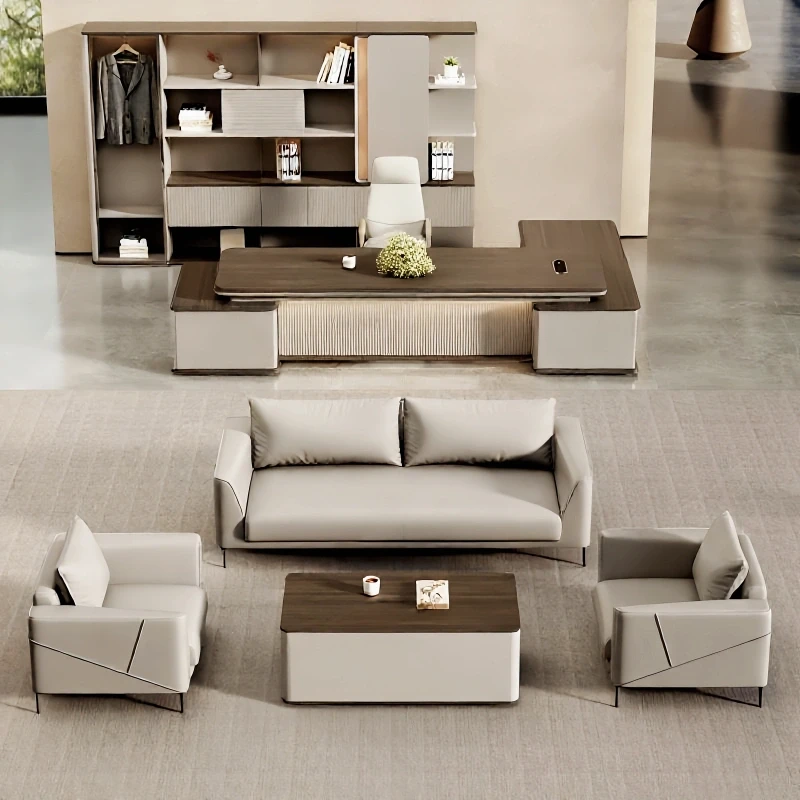
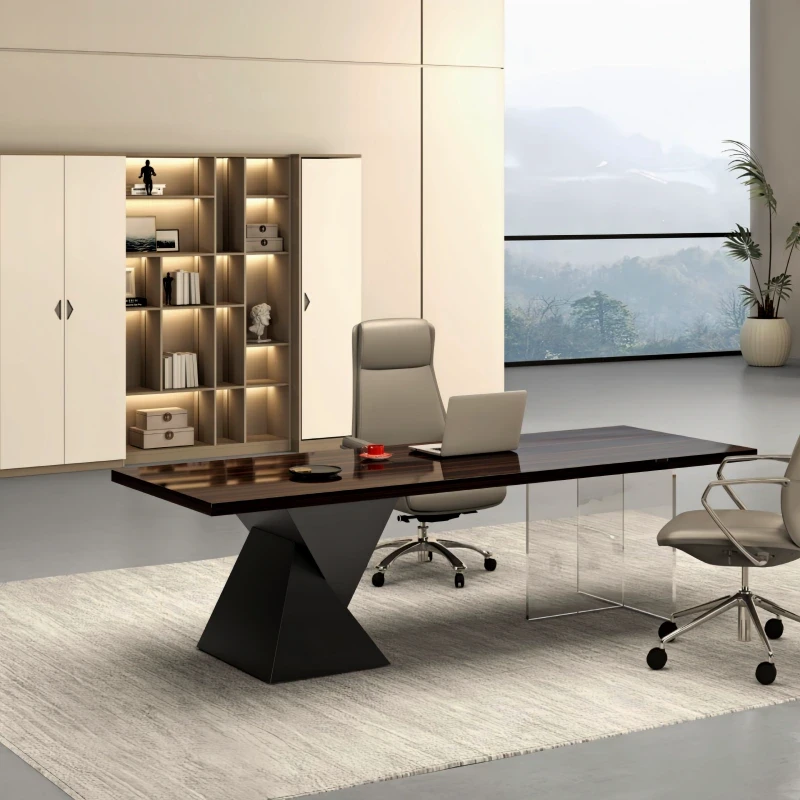


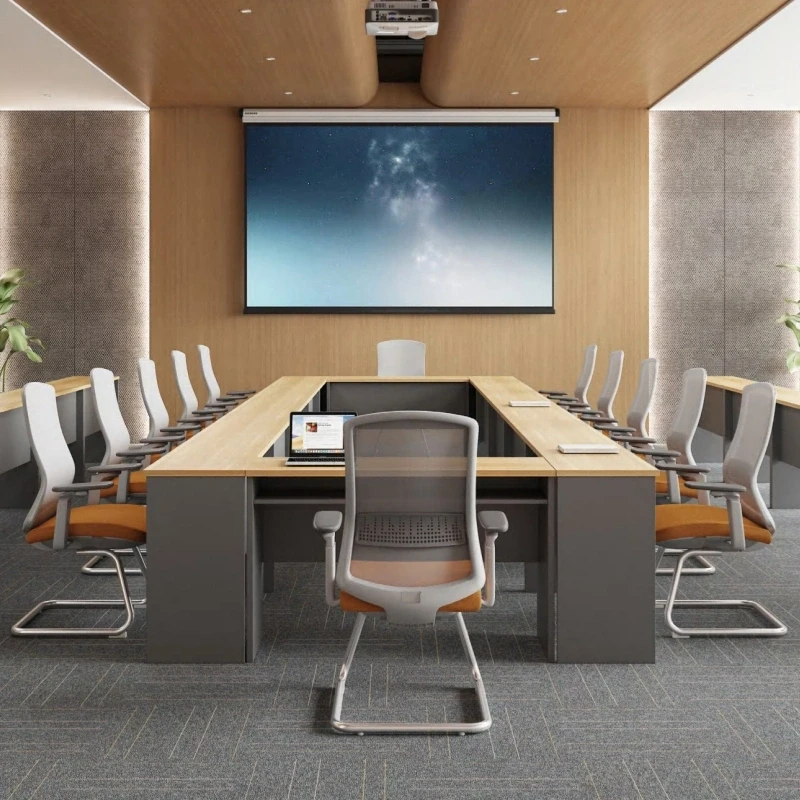
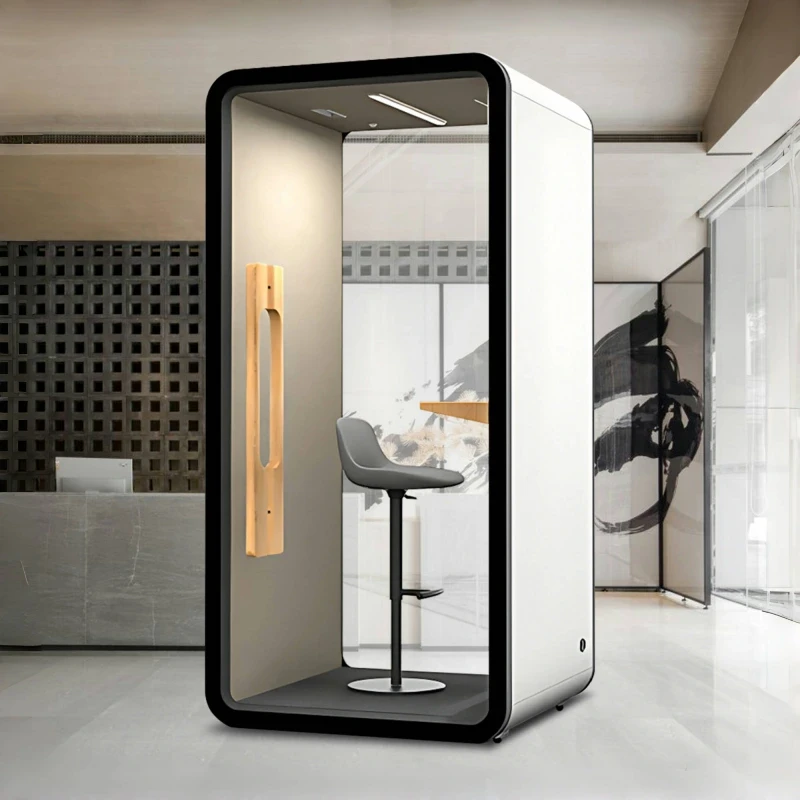
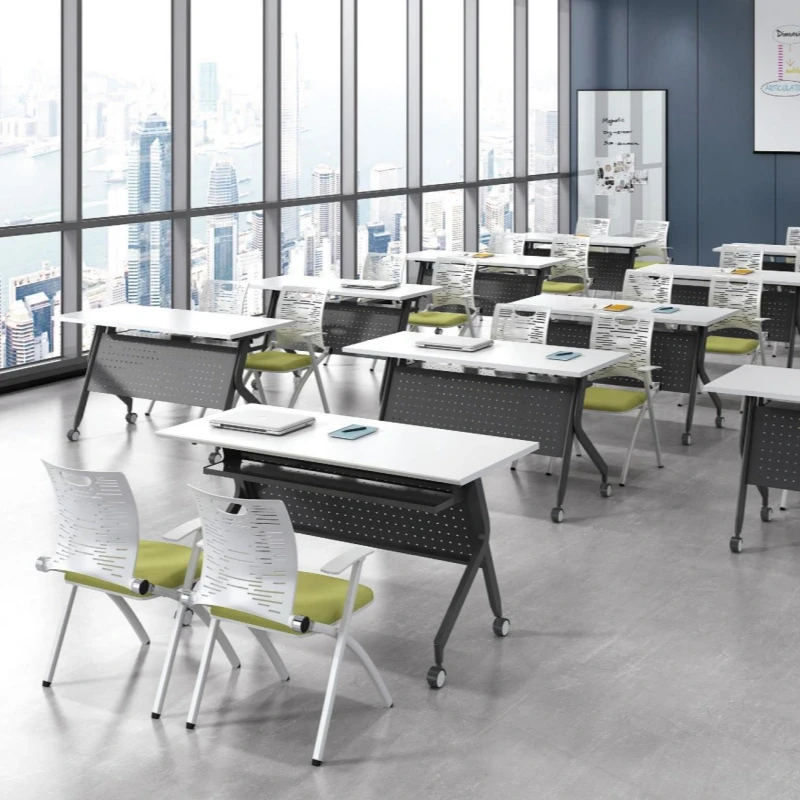
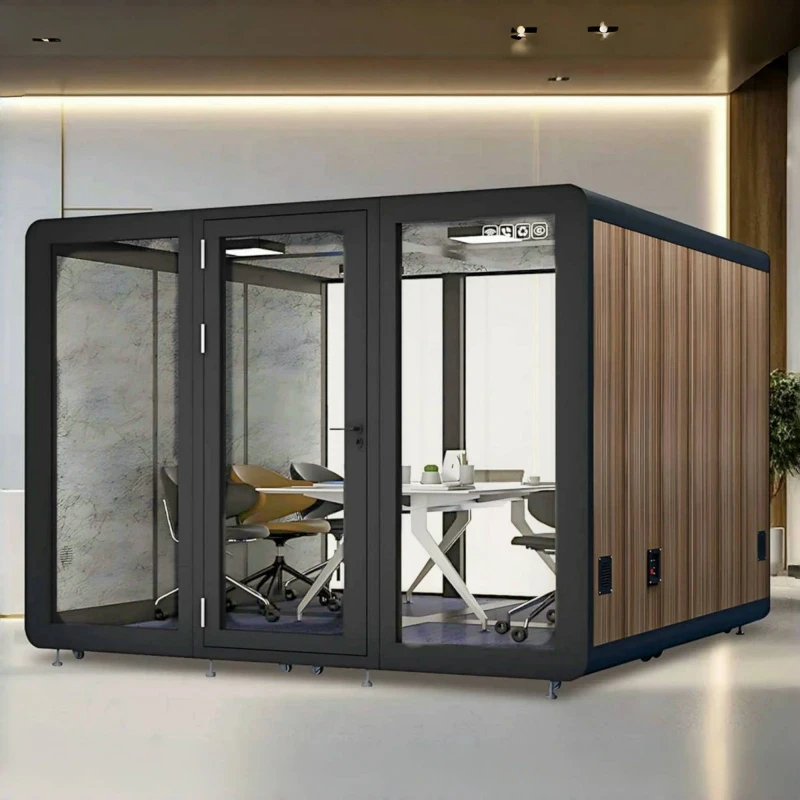
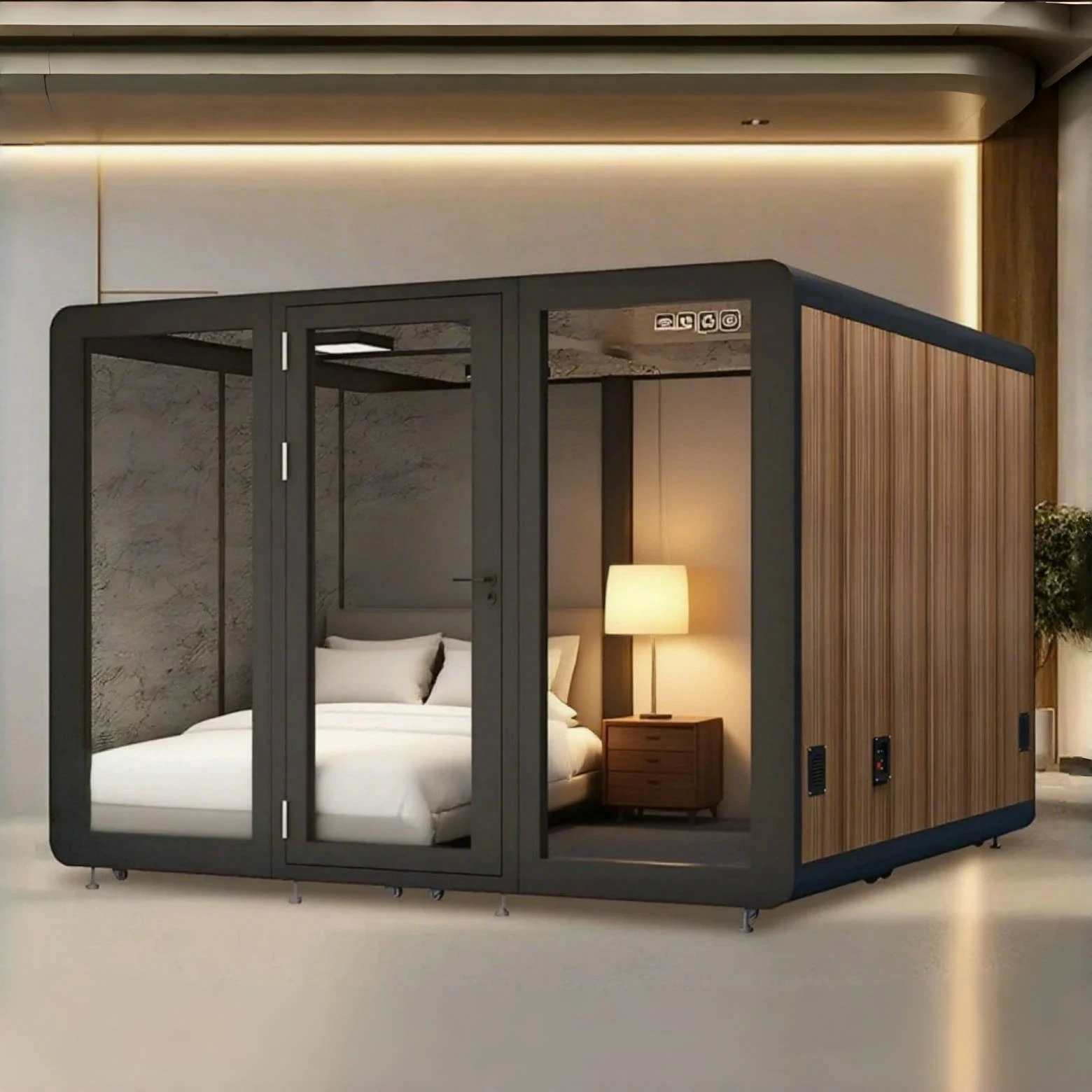


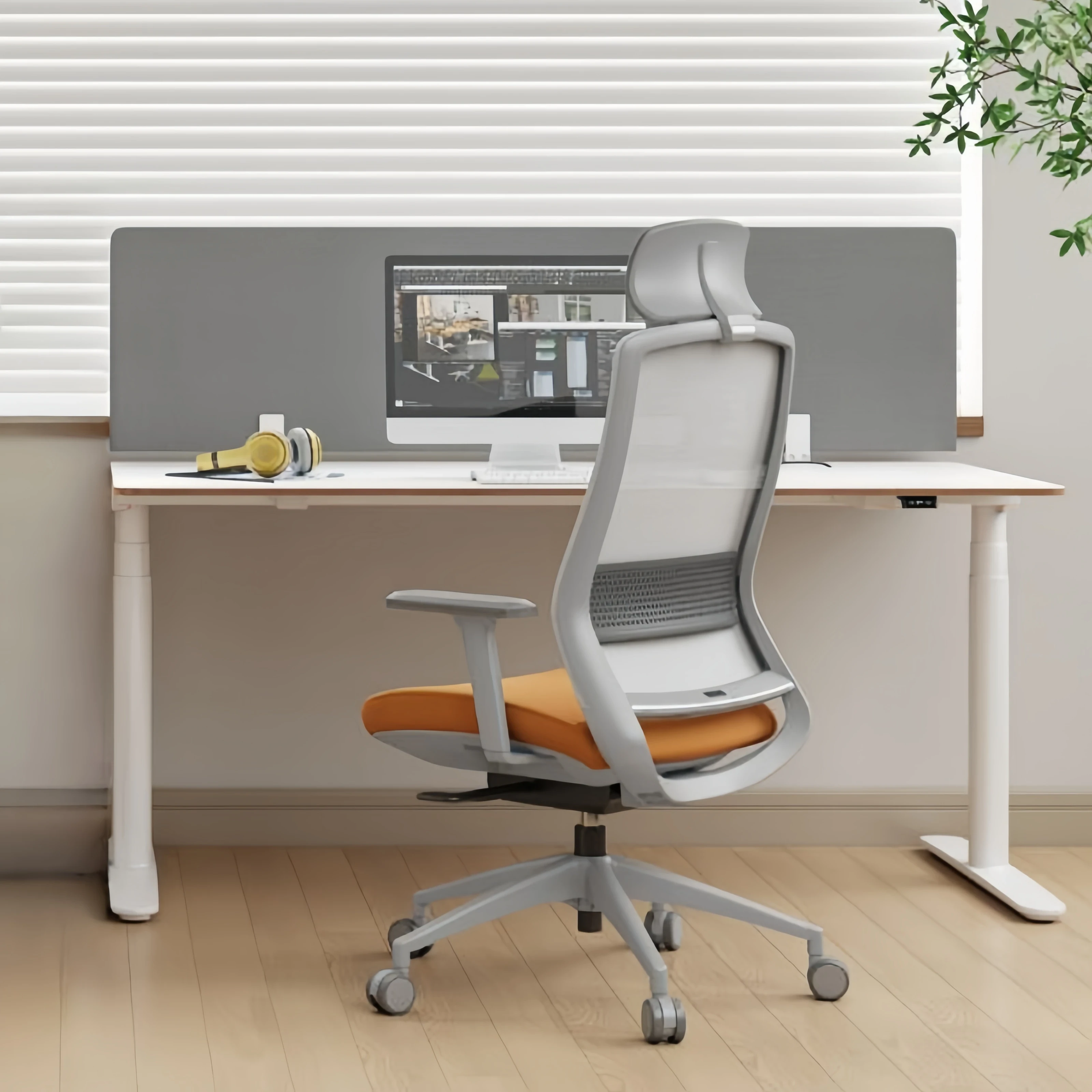


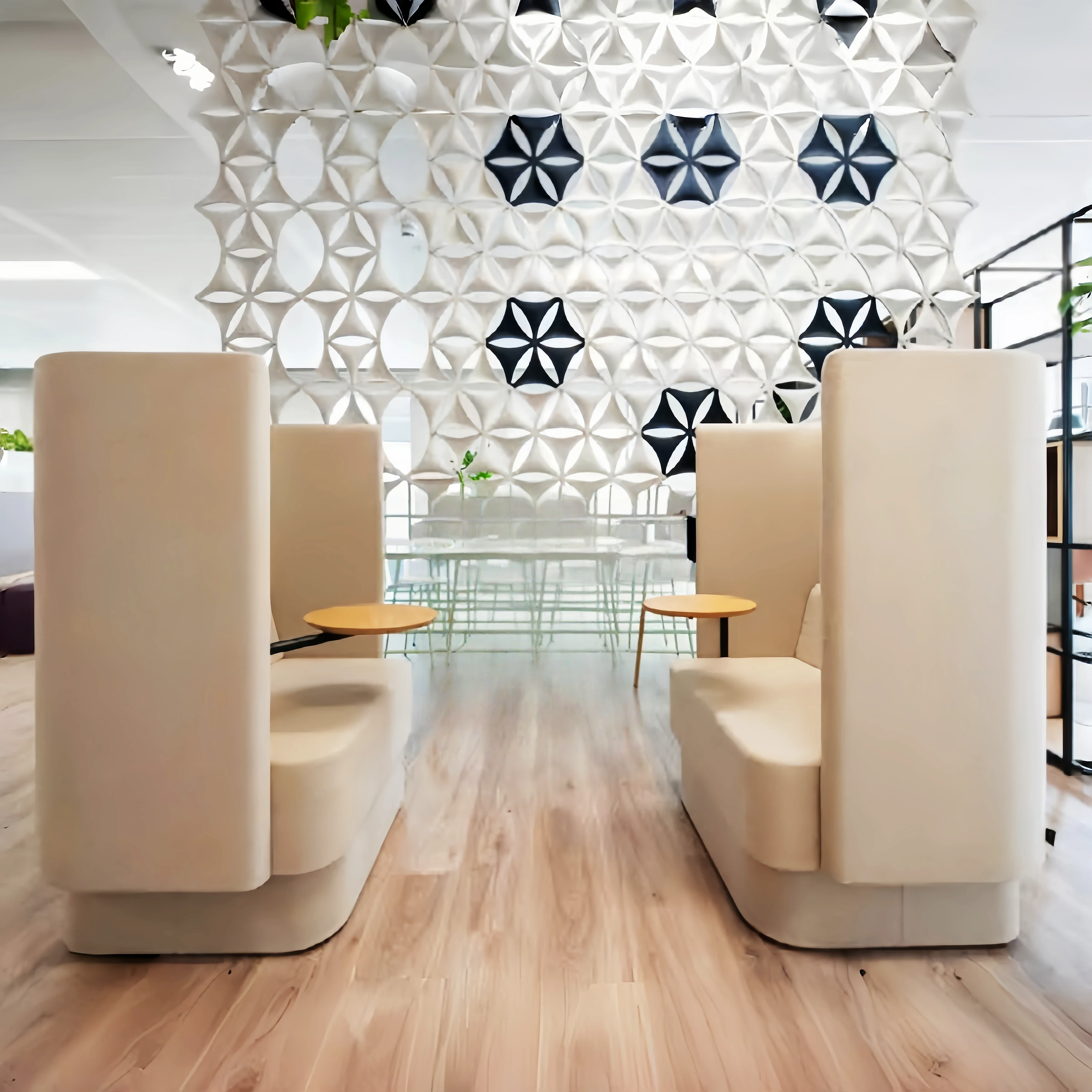

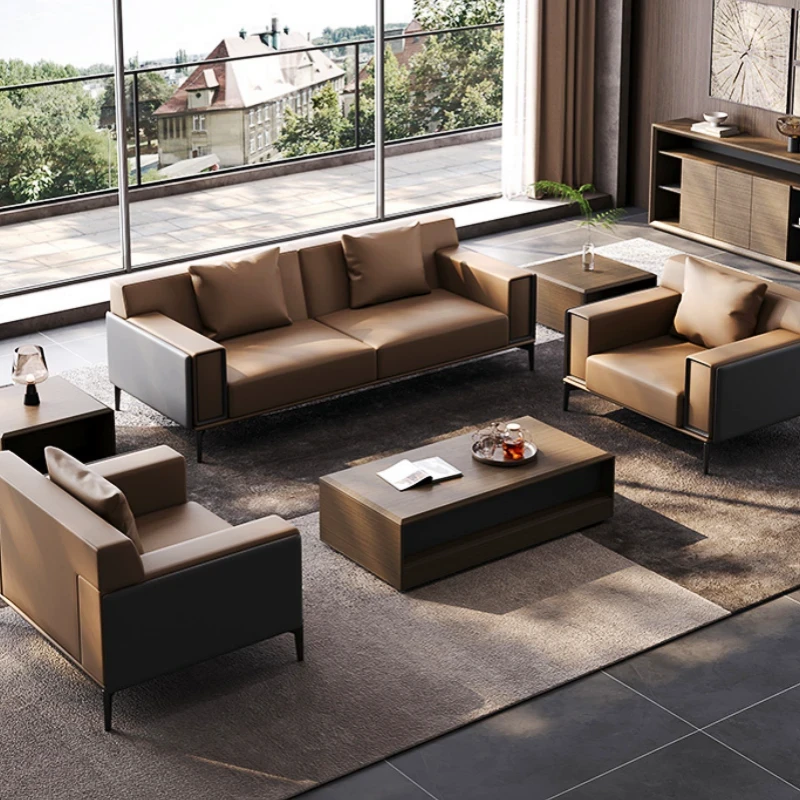
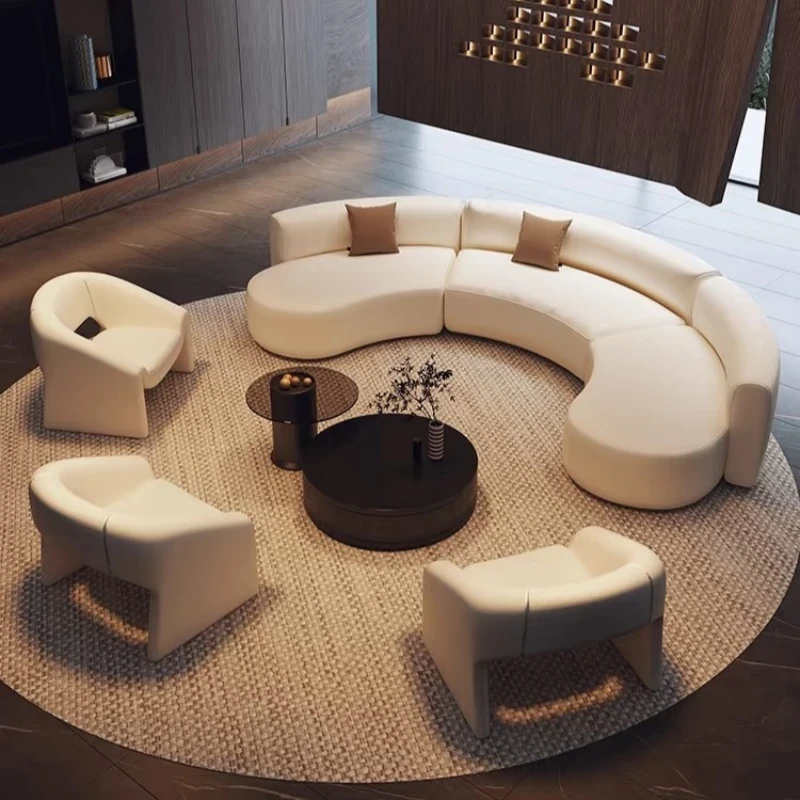
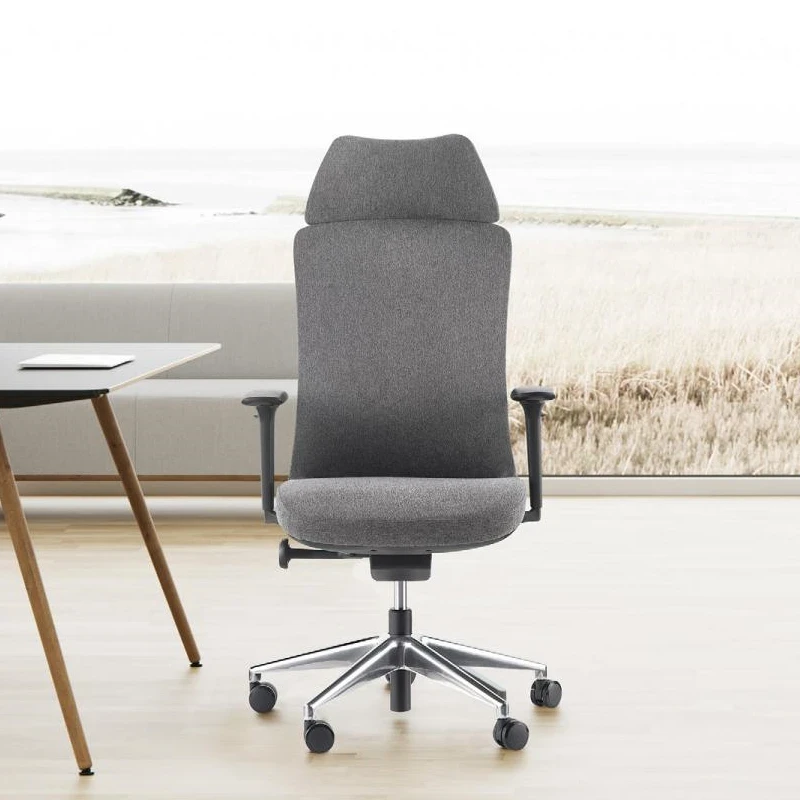


1. Determine the Overall Design Style:
The furniture design of a hotel restaurant should be coordinated with the overall decoration style. Whether it's modern minimalism, classic European style, oriental charm, or industrial style, the color, material, and shape of the furniture must match the overall atmosphere of the restaurant to create a harmonious and unified visual effect.
2. Functionality and Comfort:
Besides aesthetics, the functionality and comfort of furniture are also crucial. Dining chairs should be ergonomically designed to provide a comfortable seating experience; the height and size of the dining table should adapt to the needs of different customer groups, ensuring comfort and convenience during the dining process.
II. Select High-Quality Materials and Craftsmanship
1. Material Selection:
High-quality materials not only determine the aesthetics of the furniture but also its durability and maintenance costs. Commonly used high-end materials include solid wood, metal, glass, high-grade fabrics, and leather. Choosing environmentally friendly, durable, and easy-to-clean materials can extend the lifespan of the furniture and reduce maintenance costs.
2. Exquisite Craftsmanship
: The manufacturing process of furniture directly affects its quality and appearance. Choosing manufacturers with excellent craftsmanship ensures that every piece of furniture meets high standards in detail processing, such as seamless connections, smooth surfaces, and sturdy structures. Furthermore, exquisite craftsmanship also helps to enhance the overall texture and sophistication of the furniture.
III. Customized Design and Personalized Needs
1. Personalized Customization
Different hotel restaurants have different positioning and needs, and customized design can meet these unique requirements. For example, a luxury hotel restaurant may need more luxurious and unique furniture designs to reflect its high-end brand image; while a boutique hotel restaurant may focus more on uniqueness and artistry.
2. Brand Elements Integrating
Brand Elements Incorporating the hotel's brand elements into the furniture design, such as the logo, brand colors, or iconic design elements, can enhance brand recognition and memorability, improving the overall brand image.
IV. Spatial Layout and Furniture Proportion
1. Reasonable Space Planning
Before customizing furniture, the restaurant space should be planned in detail, including area, layout, and traffic flow. Reasonable space planning ensures the rational placement of furniture, avoids crowding or wasted space, and improves the comfort of the dining environment.
2. Coordinated Furniture Proportions
The size and proportion of the furniture must match the size and style of the restaurant space. Overly large furniture will appear cramped and oppressive, while overly small furniture may lack functionality. Ensuring harmonious furniture proportions creates a spacious and comfortable dining environment.
V. Durability and Maintainability
1. Durability Considerations
Hotel restaurant furniture is used frequently, so its durability is particularly important. Choosing high-strength, wear-resistant materials and robust structural designs ensures the furniture can withstand long-term, high-frequency use and maintain good condition.
2. Maintainability Design
Furniture maintenance and cleaning costs are also factors to consider. Choosing easy-to-clean and maintain materials, such as stain-resistant and antibacterial surface treatments, can reduce the difficulty and cost of daily maintenance and improve management efficiency.
VI. Budget Control and Cost-Effectiveness
1. Developing a Reasonable Budget
Before customizing furniture, furniture procurement costs should be allocated reasonably based on the hotel's overall decoration budget. High-end furniture is usually more expensive, but a return on investment should be ensured, bringing more customers and revenue by improving customer experience and restaurant image.
2. Optimizing Cost-Effectiveness
While ensuring quality, choose furniture products with high cost-effectiveness. By optimizing design, selecting appropriate materials, and choosing reliable suppliers, costs can be controlled while ensuring the quality and aesthetics of the furniture.
VII. Choosing Reliable Suppliers and Partners
1. Supplier Qualifications and Reputation
Choose furniture manufacturers or suppliers with rich experience and a good reputation. They typically possess advanced production equipment and professional technical teams, ensuring furniture quality and production schedules.
2. Review Case Studies and Customer Reviews:
By reviewing supplier success stories and customer reviews, you can understand their actual capabilities and service levels in hotel and restaurant furniture customization. This helps determine if they meet your needs and expectations.
3. Comprehensive After-Sales Service:
High-quality suppliers typically provide comprehensive after-sales service, including furniture warranty, repair, and replacement services. This ensures timely technical support and service guarantees after purchase, preventing restaurant operations from being affected by furniture quality issues.
VIII. Environmental Protection and Social Responsibility
1. Environmentally Friendly Materials and Processes:
Modern hotels increasingly value environmental protection. Choosing environmentally friendly materials and green processes not only aligns with the trend of sustainable development but also enhances the hotel's social image. This ensures that furniture production minimizes pollution, uses renewable materials, and meets international environmental standards.
2. Fulfilling Social Responsibility:
Excellent furniture suppliers not only focus on their own development but also actively fulfill their social responsibilities, such as participating in public welfare activities and focusing on employee welfare. Choosing a supplier with a good social responsibility record can enhance the credibility and trust in cooperation.
IX. Project Management and Coordination
1. Develop a Detailed Plan:
During the custom furniture process, develop a detailed project plan, including timelines for design, production, transportation, and installation, to ensure the orderly progress of each stage and avoid delays that could impact the restaurant's opening schedule.
2. Multi-Party Coordination and Communication:
Maintain good communication and coordination with designers, suppliers, and the installation team to ensure that the design方案 is accurately implemented in the actual product. Simultaneously, promptly resolve any problems that arise during the process to ensure the smooth progress of the project.
Conclusion:
Customizing restaurant furniture for hotels is a complex and important task, involving multiple aspects such as design, material selection, supplier selection, and budget control. By clarifying design requirements, selecting high-quality materials, emphasizing customization and personalization, rationally planning space, ensuring durability and ease of maintenance, controlling the budget, selecting reliable suppliers, focusing on environmental protection and social responsibility, and implementing effective project management, a high-quality and distinctive restaurant furniture environment can be created. Such furniture not only enhances the customer's dining experience but also establishes a good brand image for the hotel, ultimately achieving commercial success and sustainable development.