
 USD
USD GBP
GBP
 EUR
EUR
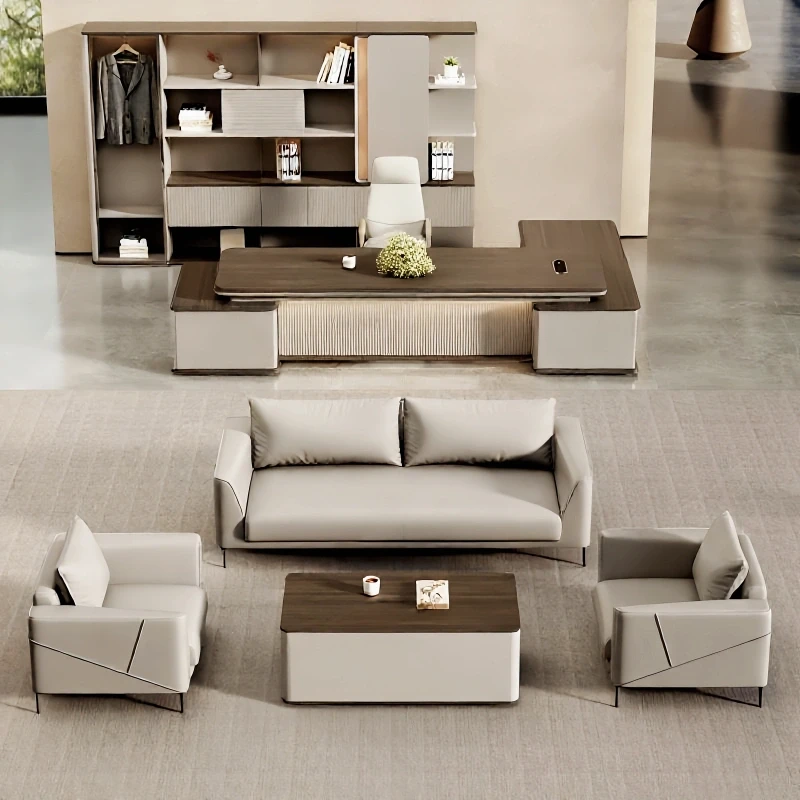
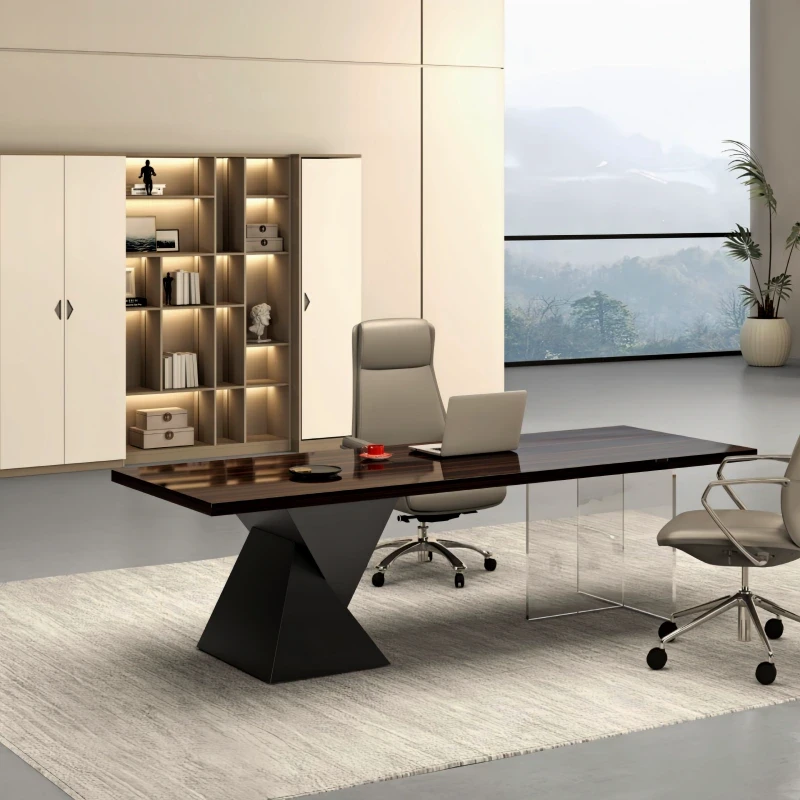


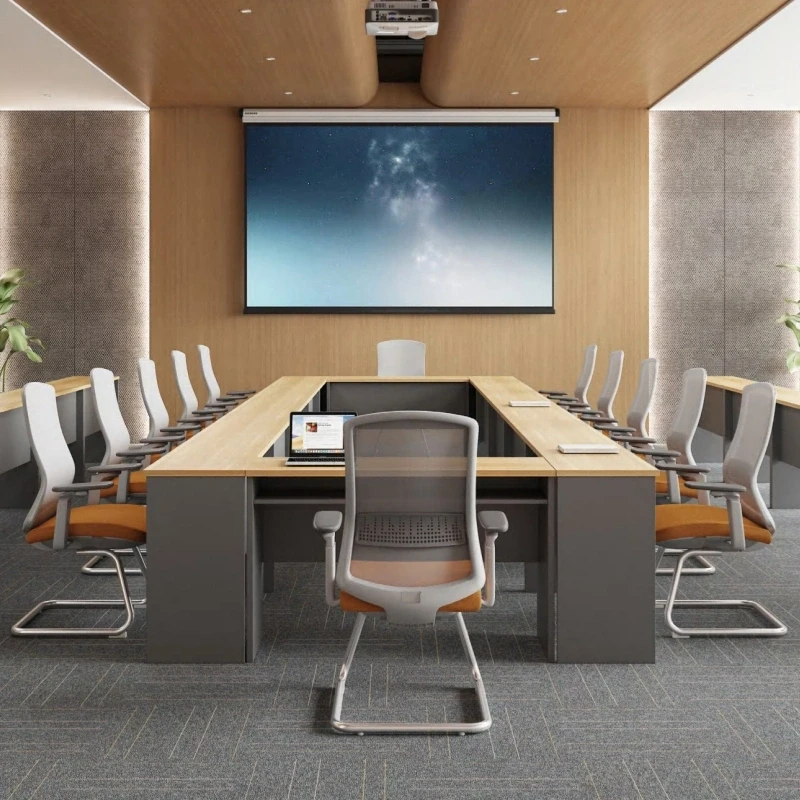
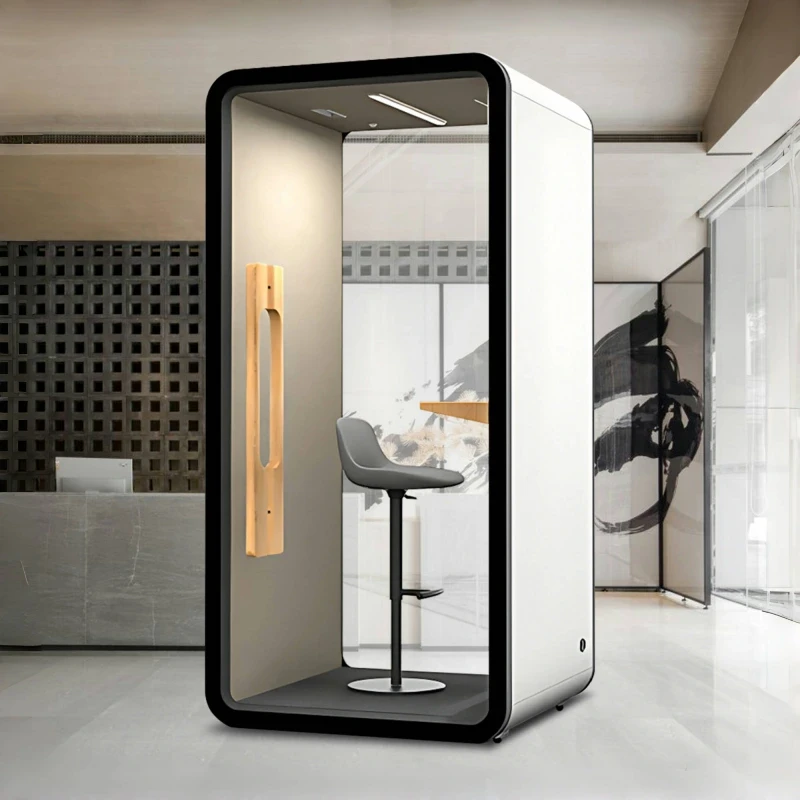
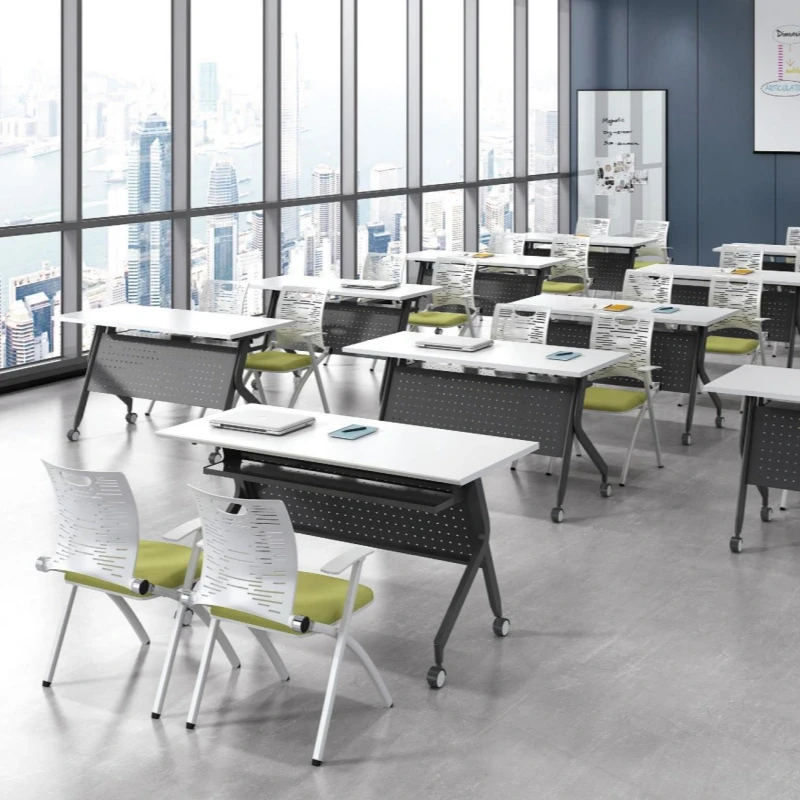
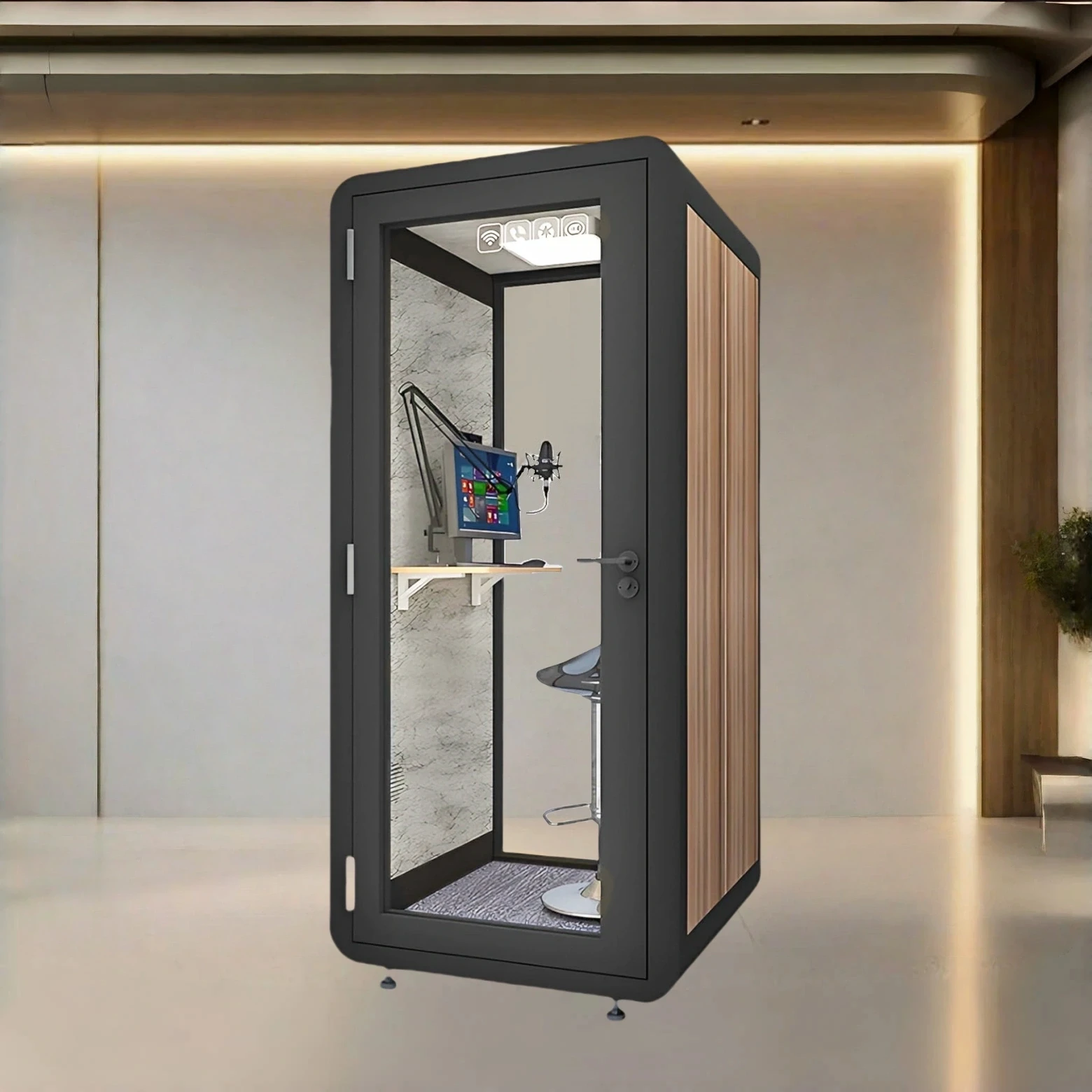
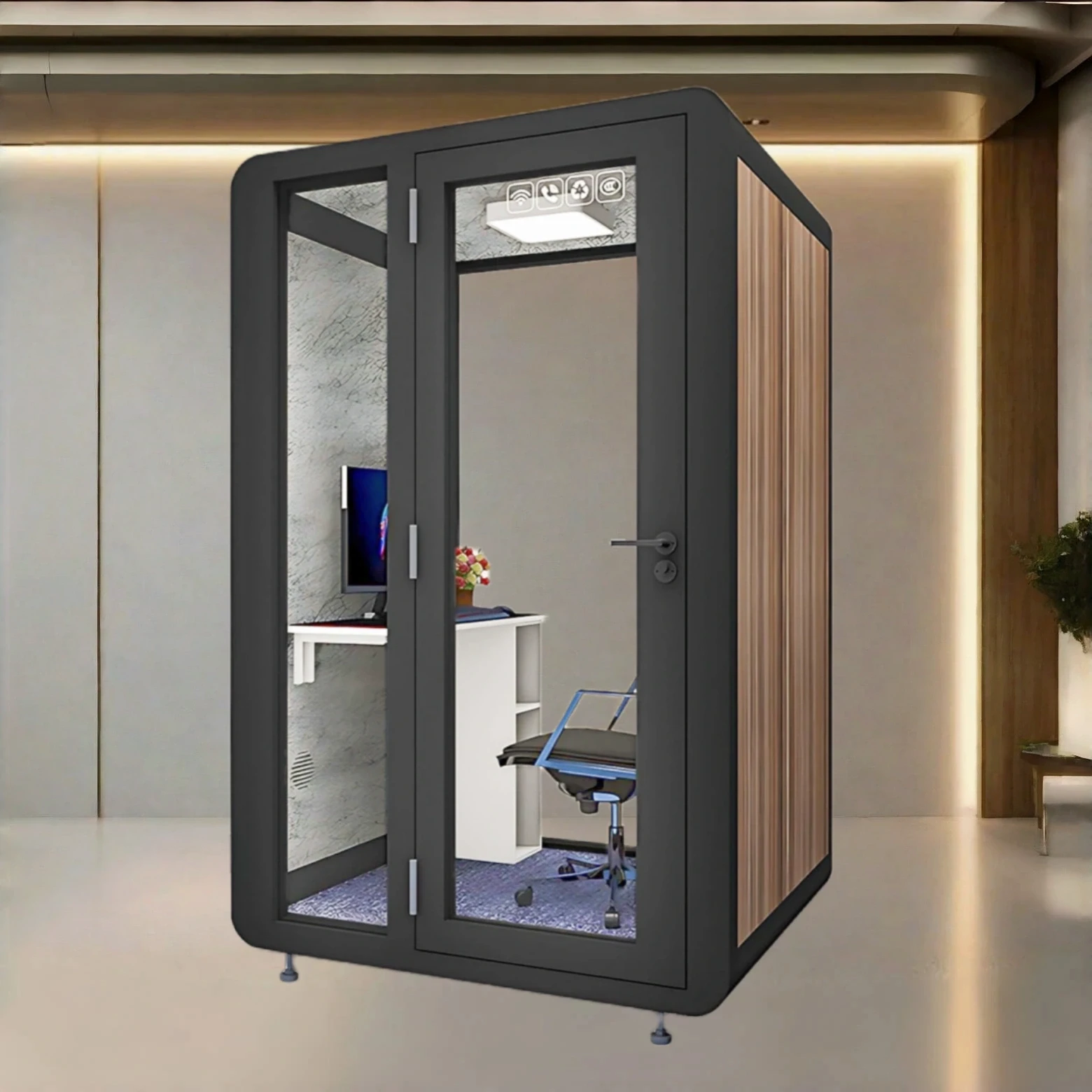
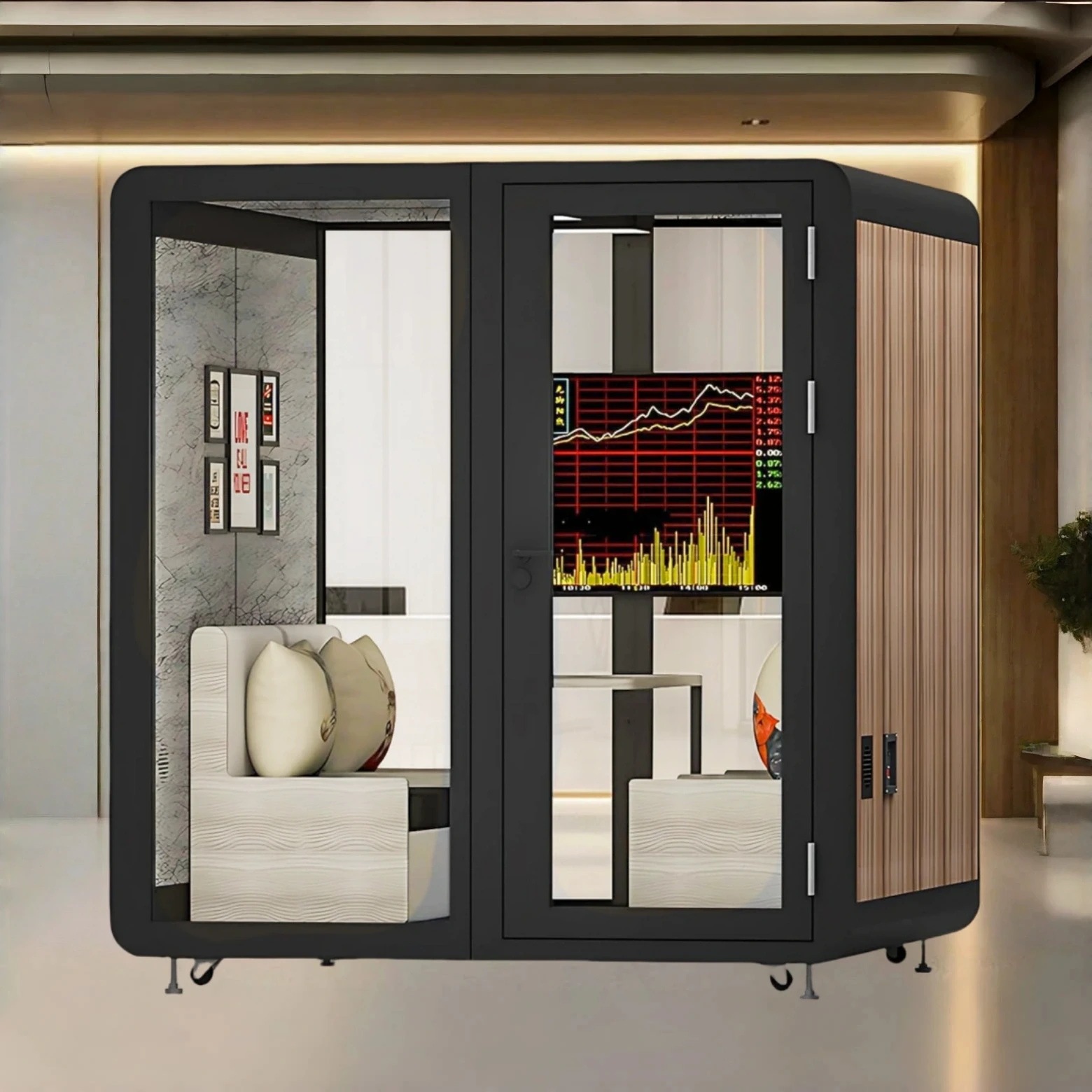
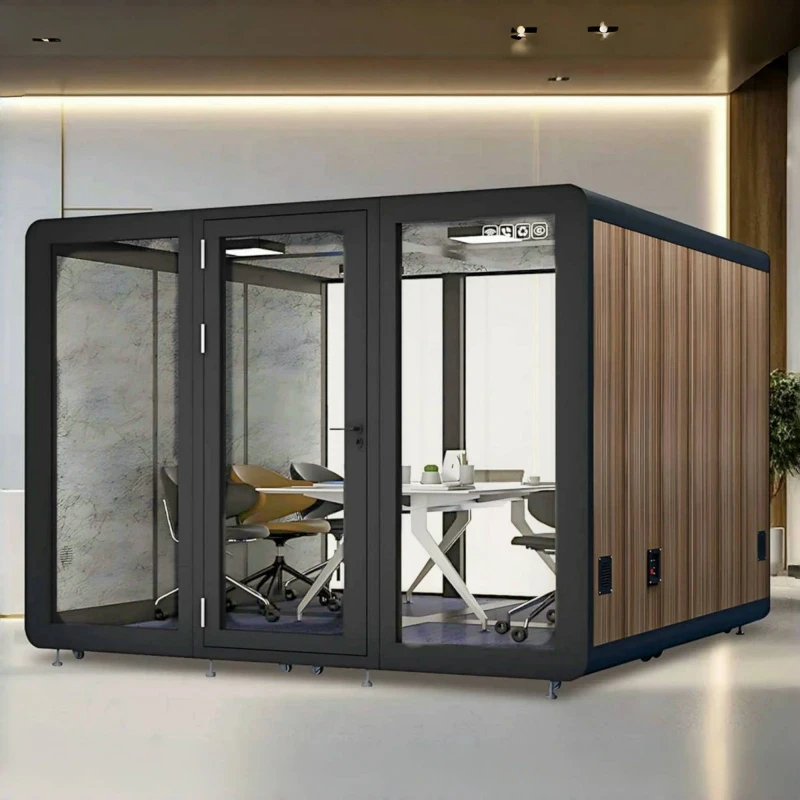
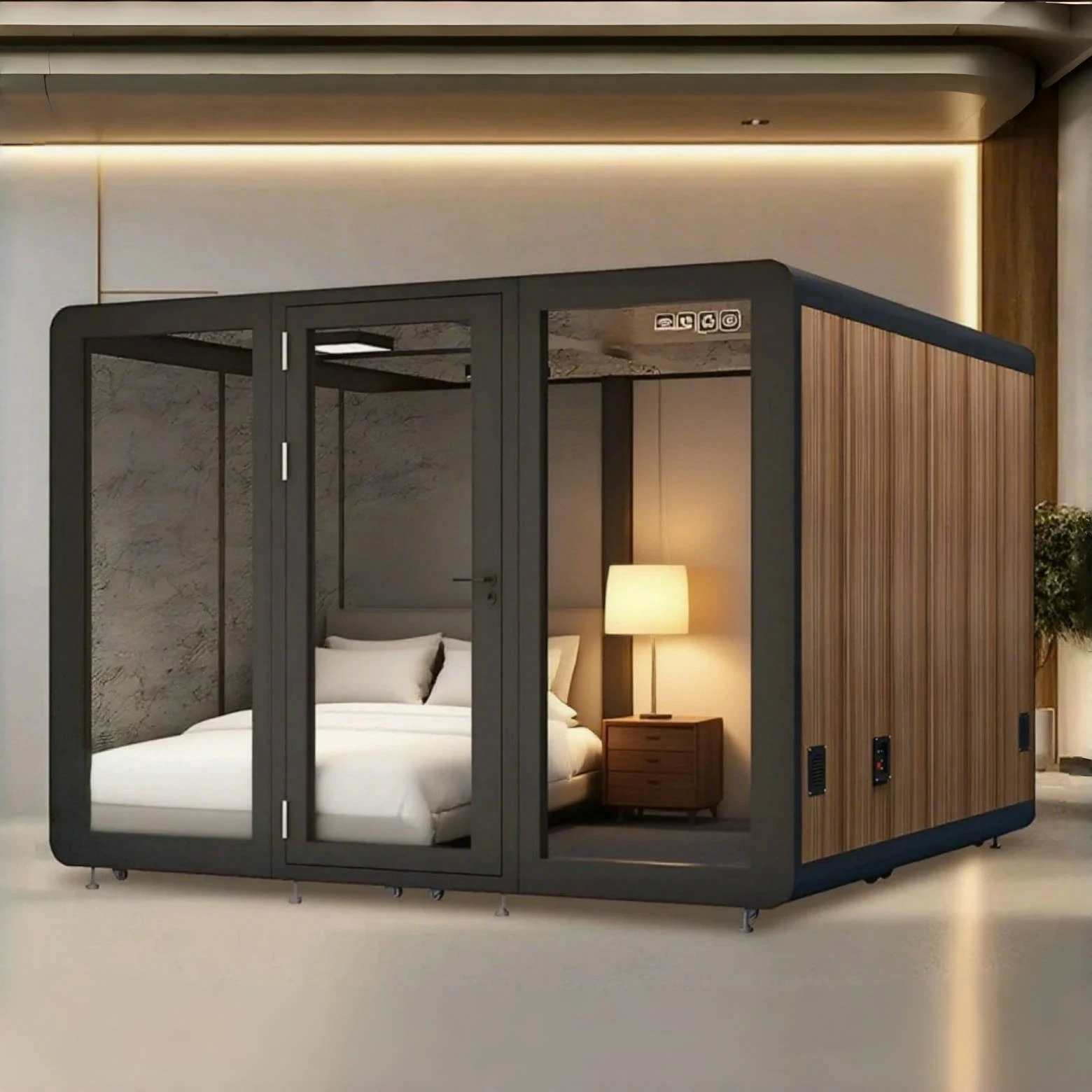


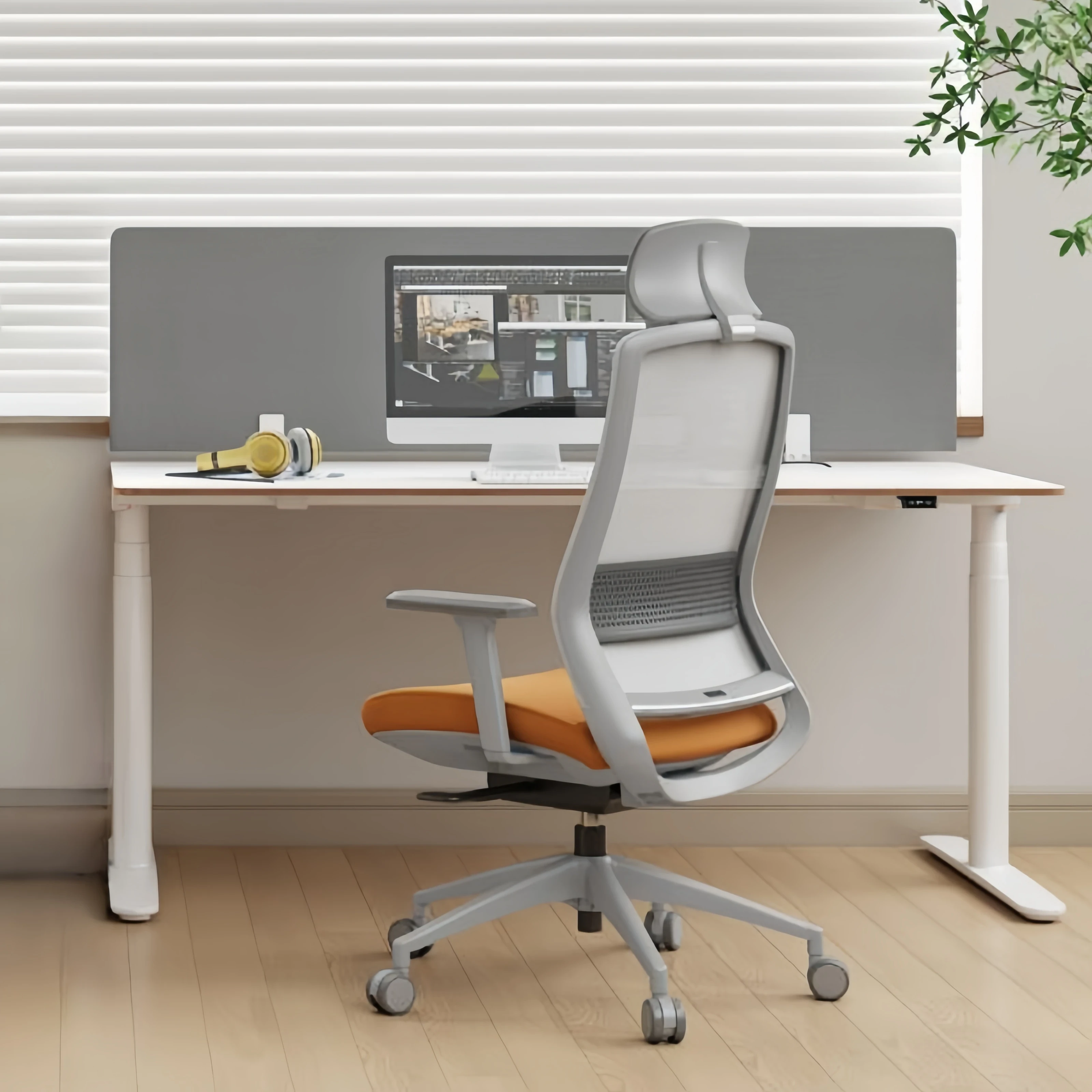


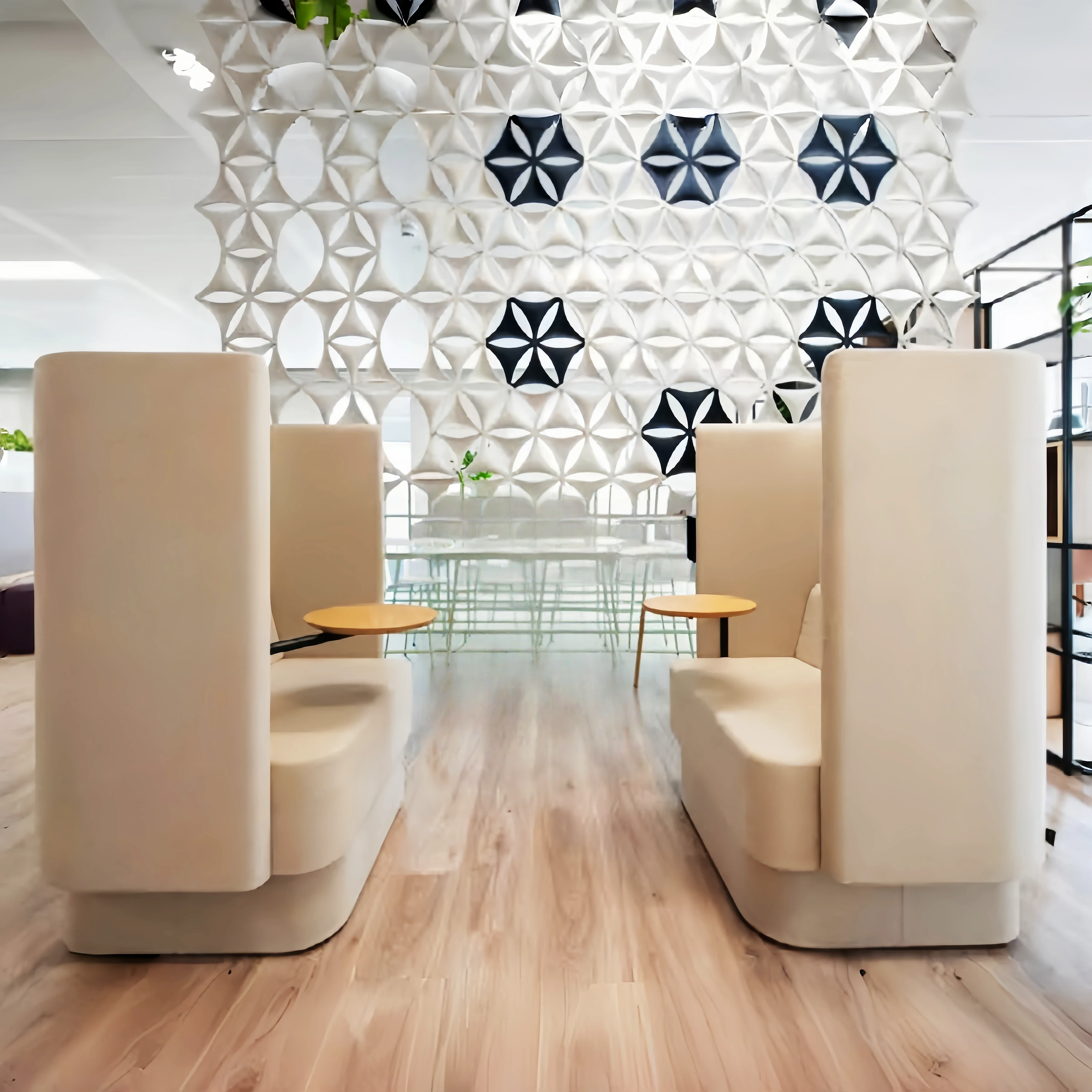

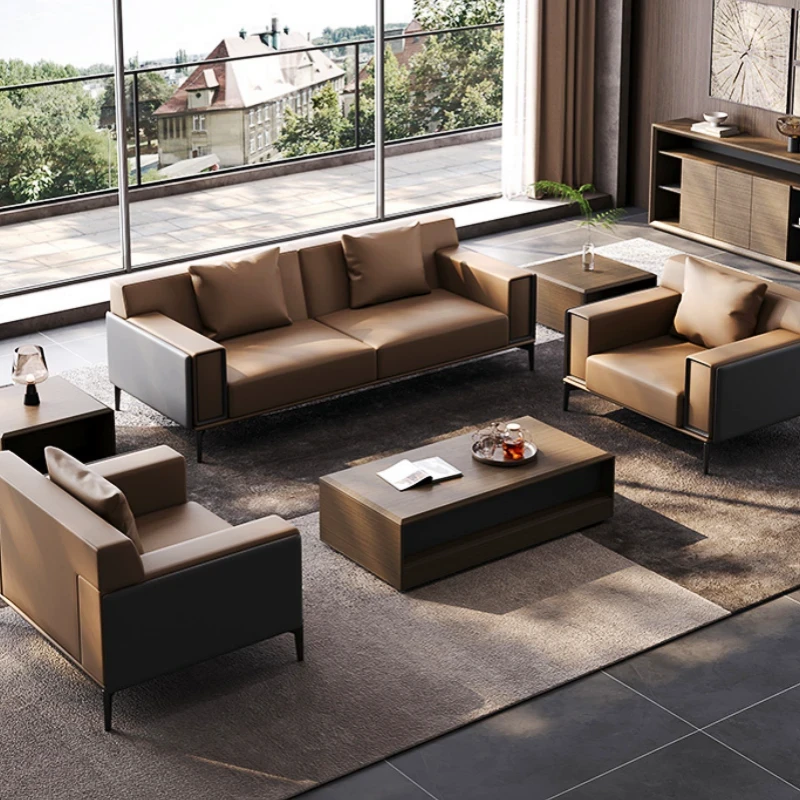
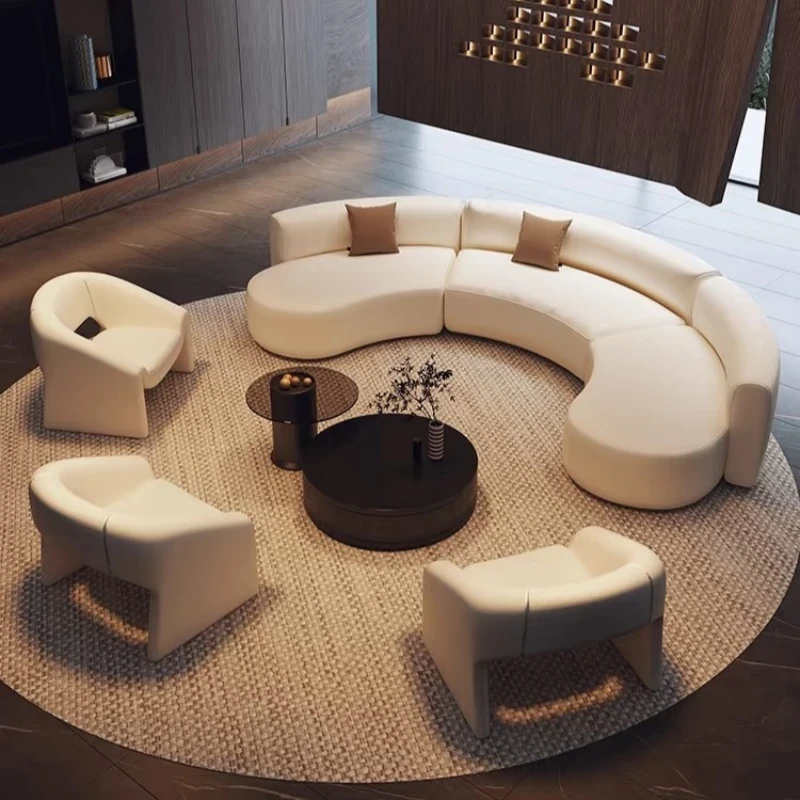
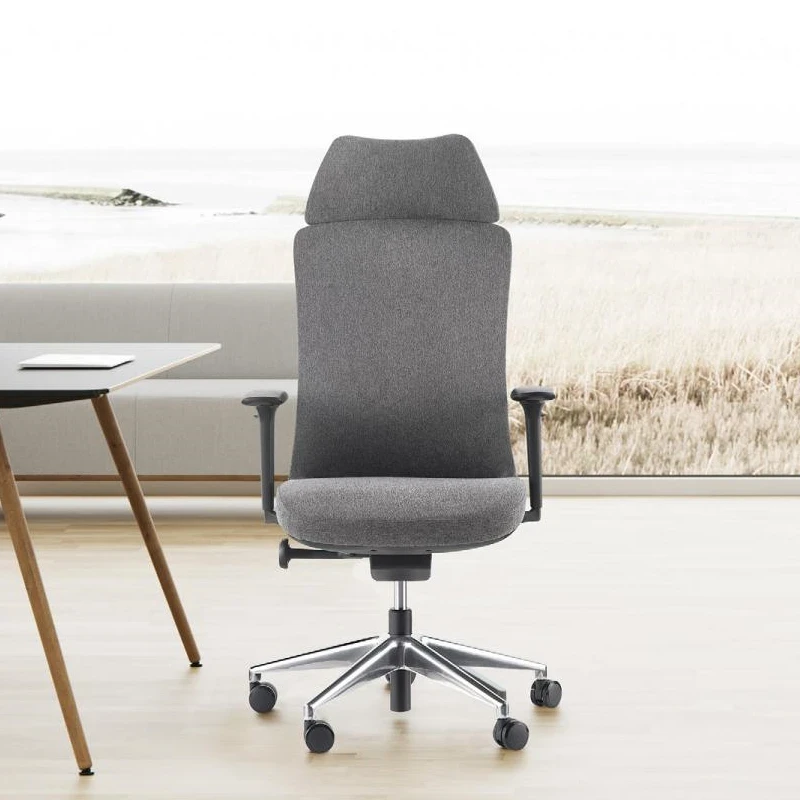


: First and foremost, the learning environment's impact on students cannot be underestimated. Good facilities and comfortable furniture can enhance students' learning motivation. Therefore, the selection of school furniture should focus on creating a positive learning atmosphere, including making full use of natural light and appropriately considering sound insulation and visual aesthetics.
2. Functional Selection:
School furniture is mainly divided into classroom furniture, laboratory furniture, and library furniture. Different spaces require furniture with different functions. For example, classroom desks and chairs need to be designed to suit students' heights, facilitating long periods of sitting and studying. In science laboratories, experimental tables must be corrosion-resistant and wear-resistant to meet the special needs of the experimental environment.
3. Comfort and Ergonomics:
The comfort of school furniture is paramount, especially for students who sit at desks for extended periods. Ergonomics should be considered in the design, selecting height-adjustable desks and chairs to accommodate students of different heights. Simultaneously, the backrest design of the chairs should provide good support to reduce fatigue from prolonged sitting.
4. Safety:
The safety of school furniture is equally important. Furniture should be selected without sharp corners and made of non-toxic materials to prevent accidents during student use. Meanwhile, choose sturdy desks and chairs to ensure they are not easily tipped over and to guarantee student safety during use.
5. Material Selection and Environmental Protection:
Schools are important public spaces, and choosing furniture made of environmentally friendly materials can effectively improve the health of teachers and students. School furniture should be made of certified non-toxic and harmless materials, such as environmentally friendly paints, solid wood, or composite materials. Durability and ease of cleaning should also be considered to ensure the safety and hygiene of the furniture during long-term use.
6. Design Flexibility:
With the continuous updating of educational philosophies, flexible furniture is gradually gaining attention in schools. Movable or foldable desks and chairs can be freely arranged according to teaching needs, improving teaching flexibility and thus enhancing student participation and learning interest.
7. Budget Control:
Budget is also an important consideration when schools purchase furniture. While ensuring safety and quality, reasonably priced, cost-effective furniture should be chosen. Furthermore, in the long run, durable furniture reduces the frequency of replacement, saving budget invisibly.
Conclusion:
The selection of school furniture is not only to meet basic functional needs but is also closely related to improving learning quality and ensuring student safety. By comprehensively considering factors such as learning environment, functionality, comfort, safety, material selection, design flexibility, and budget control, schools can create a better learning space for students, supporting their growth and learning.