
 USD
USD GBP
GBP
 EUR
EUR
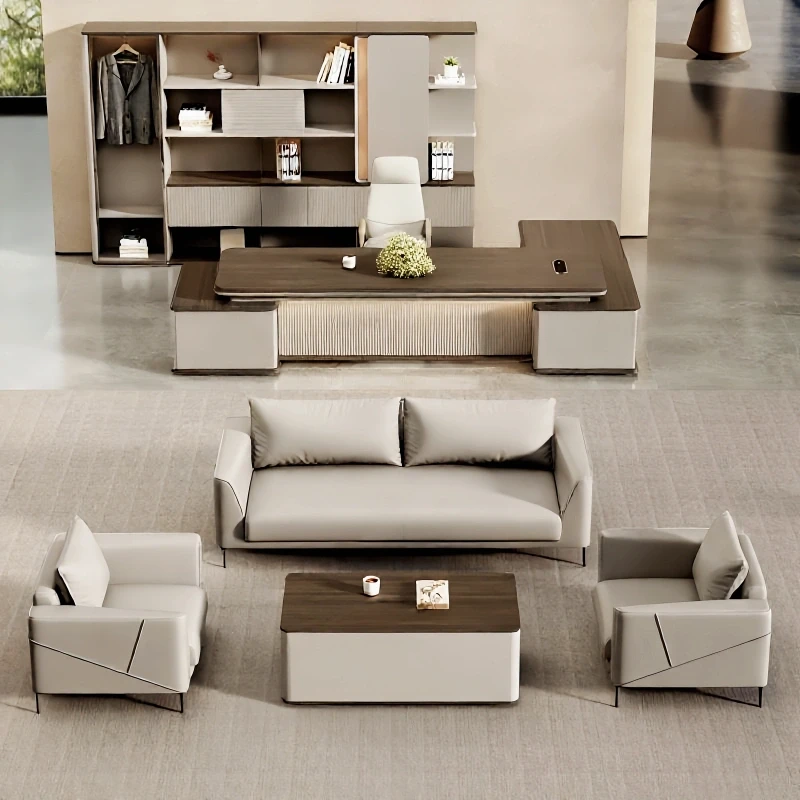








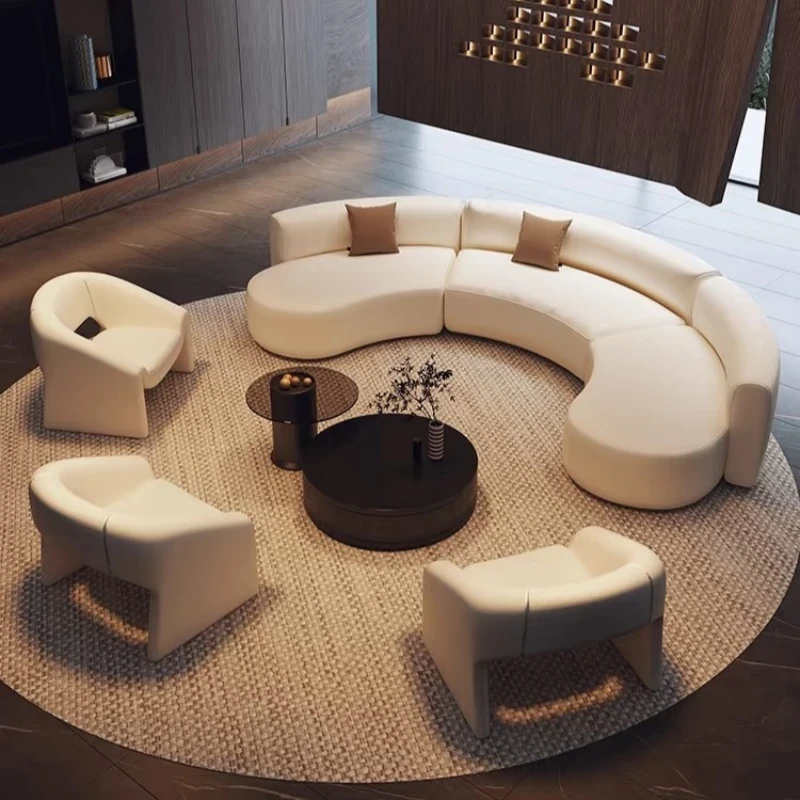
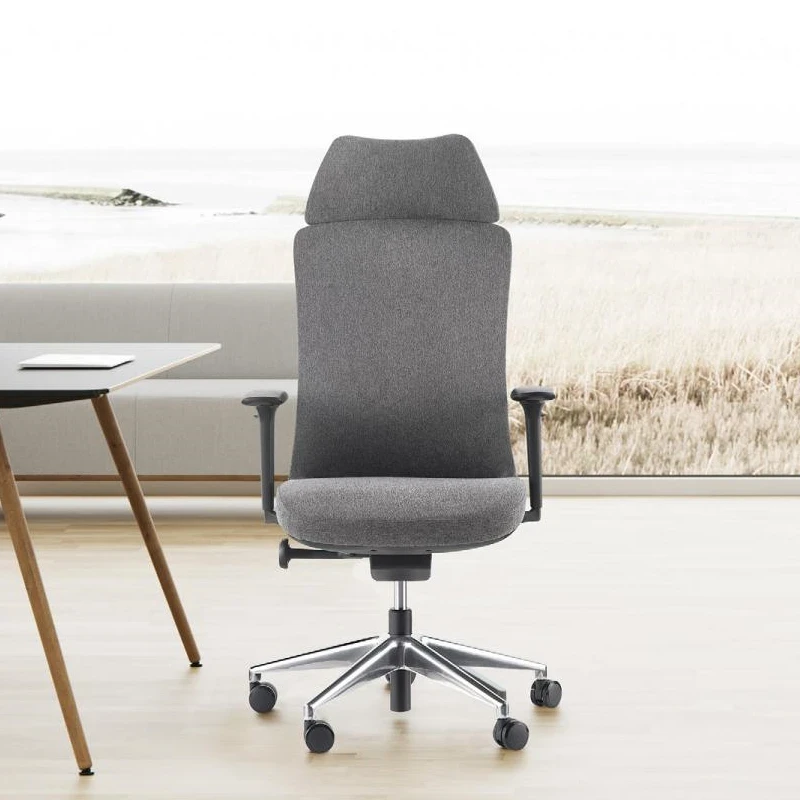


Think back to your daily life. Have you ever experienced this strange phenomenon: after a long day at work, you drag your tired body home, want to collapse onto the soft sofa to rest, but feel uncomfortable? Even after a full eight hours of sleep, when you should be full of energy, you feel dizzy and lightheaded... Why is this? Besides factors like prolonged sitting and incorrect posture, the most fundamental problem is: you bought the wrong sofa!
When choosing a sofa, your first concern is probably its appearance, without considering its functionality and design at all, right? Next, let Xiao Luo tell you what kind of sofa is truly designed in accordance with ergonomic principles!
When you slump on an overly soft sofa, the natural curvature of your spine is forced to change. However, the overly soft sofa cannot provide strong support for your spine, instead causing your lumbar spine to bear a load that is 2 times greater than that of a normal sitting posture and 6 times greater than that of a lying posture! Over time, lumbar muscle strain becomes a minor issue, while lumbar disc herniation is the most serious problem.
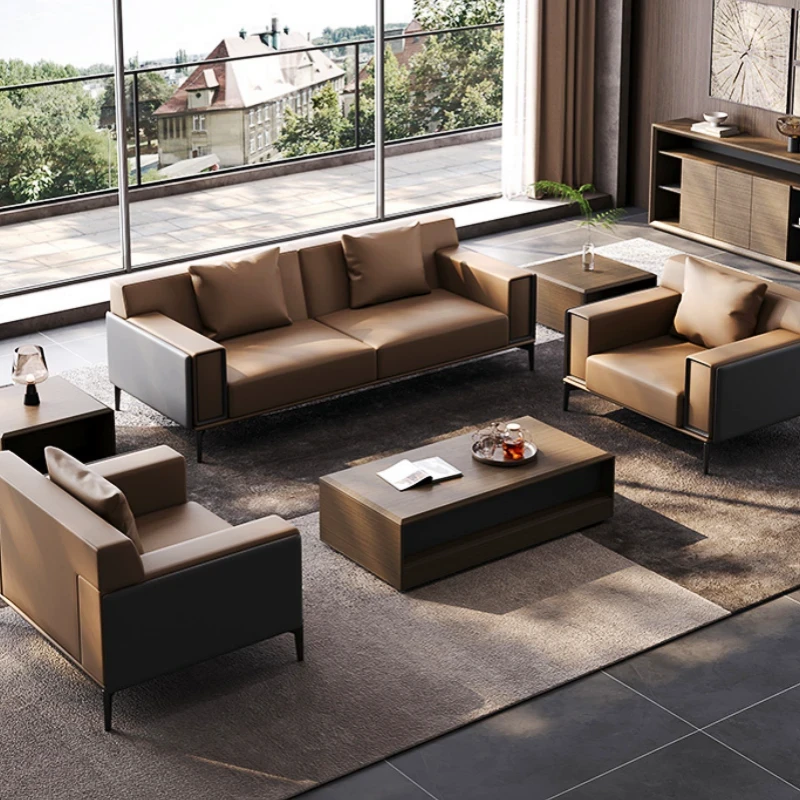
How to choose a sofa that won't strain your back? Knowing how to choose a sofa is essential knowledge. Regardless of the type of sofa, whether it's a modern leather sofa or a casual fabric sofa , the "health index" and "comfort index" of a sofa are determined by the following factors: seat cushion depth, backrest height, and resilience.
Seat cushion depth
Sofa seat depths are commonly 95cm and 105cm. People under 1.7 meters tall are better suited to 95cm, while those over 1.7 meters will find 105cm more comfortable and can relieve back tension. Young people who experience high work stress can choose an extra-deep sofa, such as one with a depth of 125cm, allowing their entire body to completely relax and sink into the sofa.
However, it should be noted that if your back cannot be fully pressed against the backrest when you sit down, your lower back will lack support and your muscles will be in a state of tension and contraction, which can lead to lower back muscle injury over time.
Backrest height
When choosing the backrest height, it is often matched with the depth and width of the seat cushion. There are generally three types: low back, high back, and standard.
When trying out the sofa, the backrest height should ideally reach between your shoulders and ears when you sit down. If the backrest is too high, your lower back will be too far away from the backrest, creating a gap. This will cause fatigue and soreness in your lower back due to the lack of support.
Resilience
If, when you sit or lie down, the sofa doesn't noticeably sag under your weight, and the springs don't make any unusual noises; and when you stand up, the sofa immediately springs back to its original shape, its surface smooth as before, then the sofa has excellent resilience and can effectively relieve muscle tension. Conversely, if the sofa's resilience is insufficient, you need to carefully assess its condition.
Of course, after having good furniture, you should also pay more attention to keeping your chest up and abdomen in and correcting your posture in daily life. This will help prevent your shoulders and neck from getting worse.