
 USD
USD GBP
GBP
 EUR
EUR

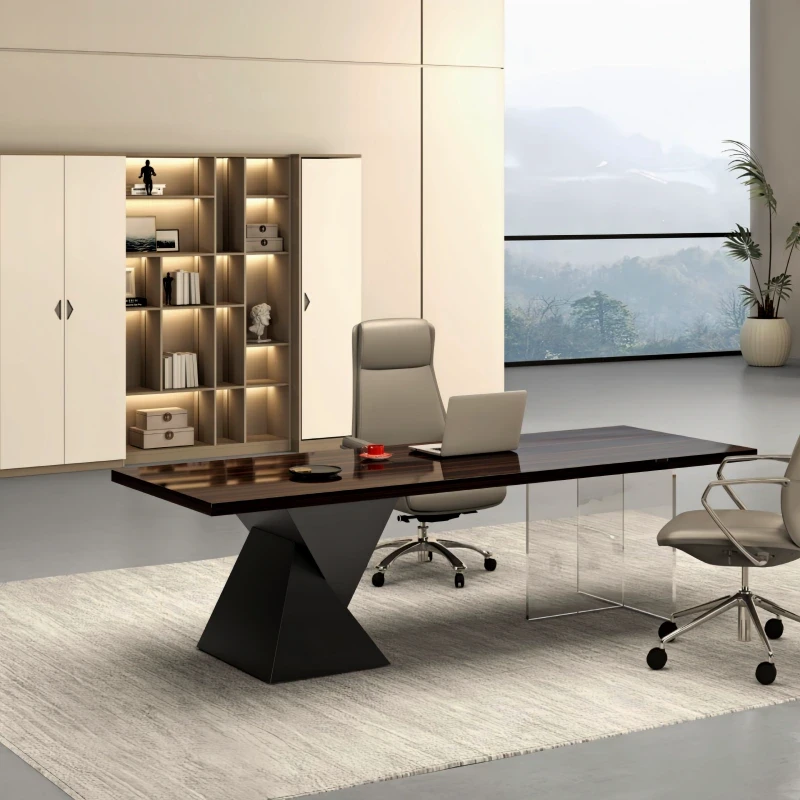



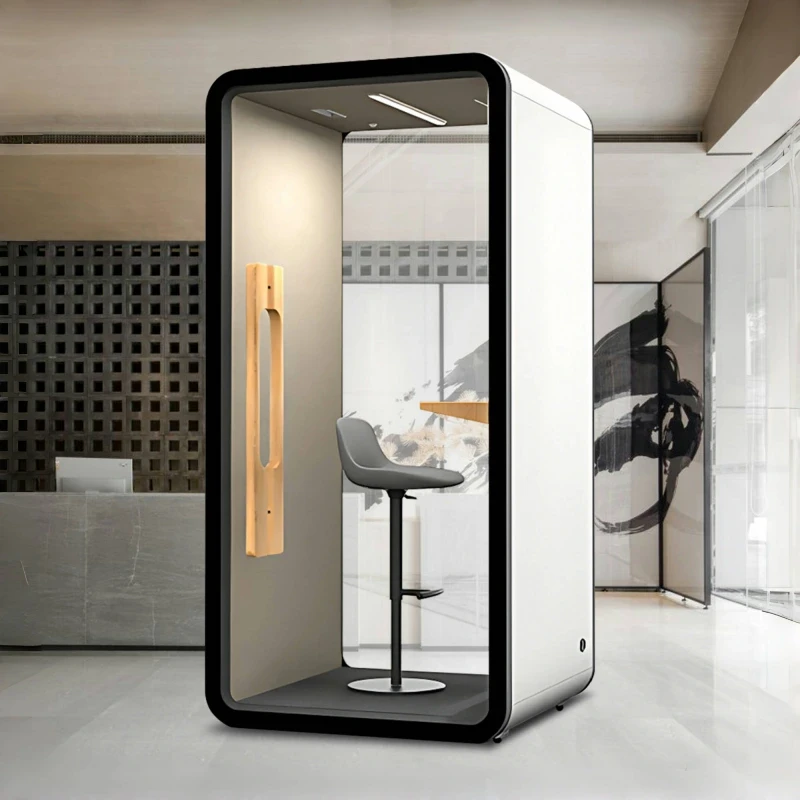

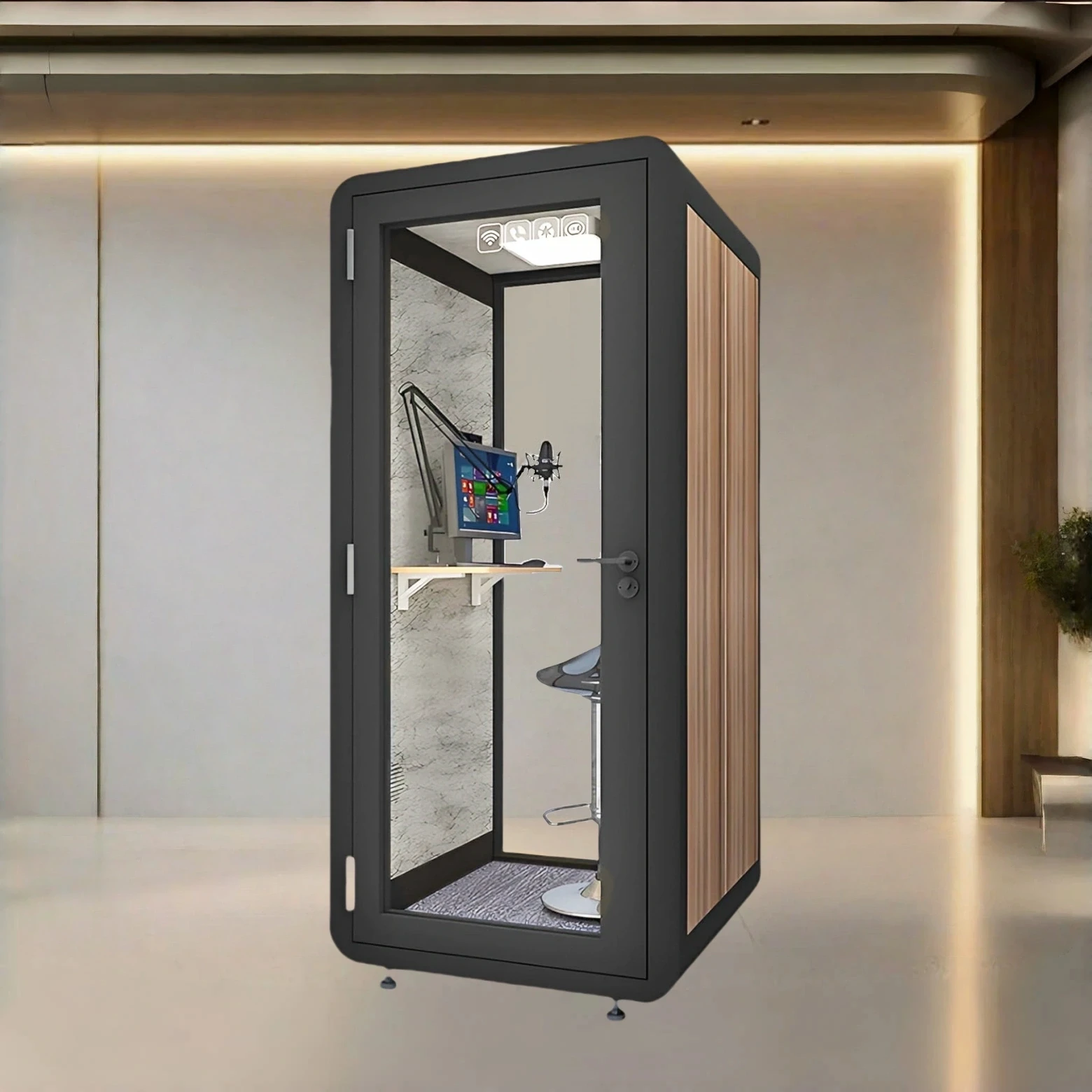
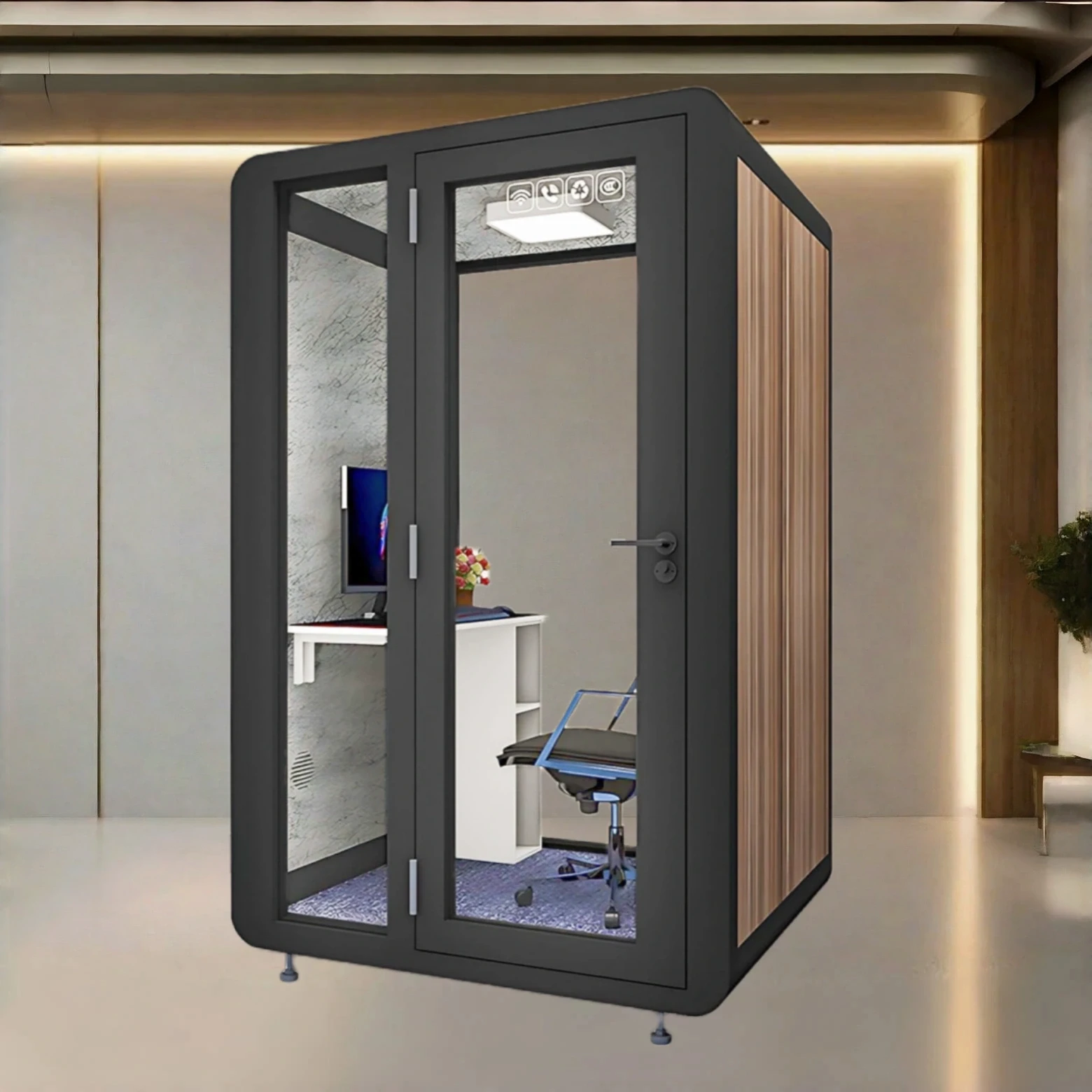
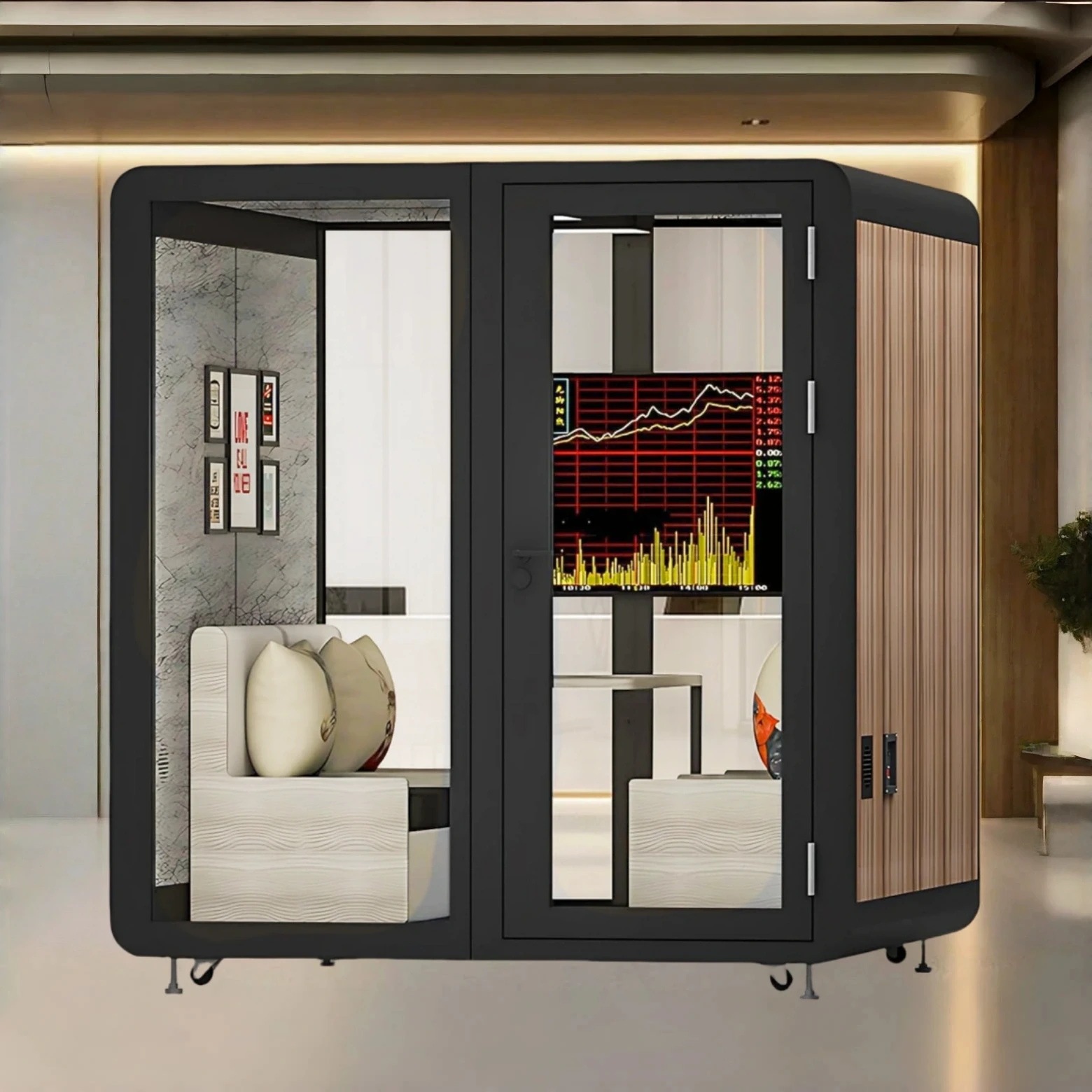




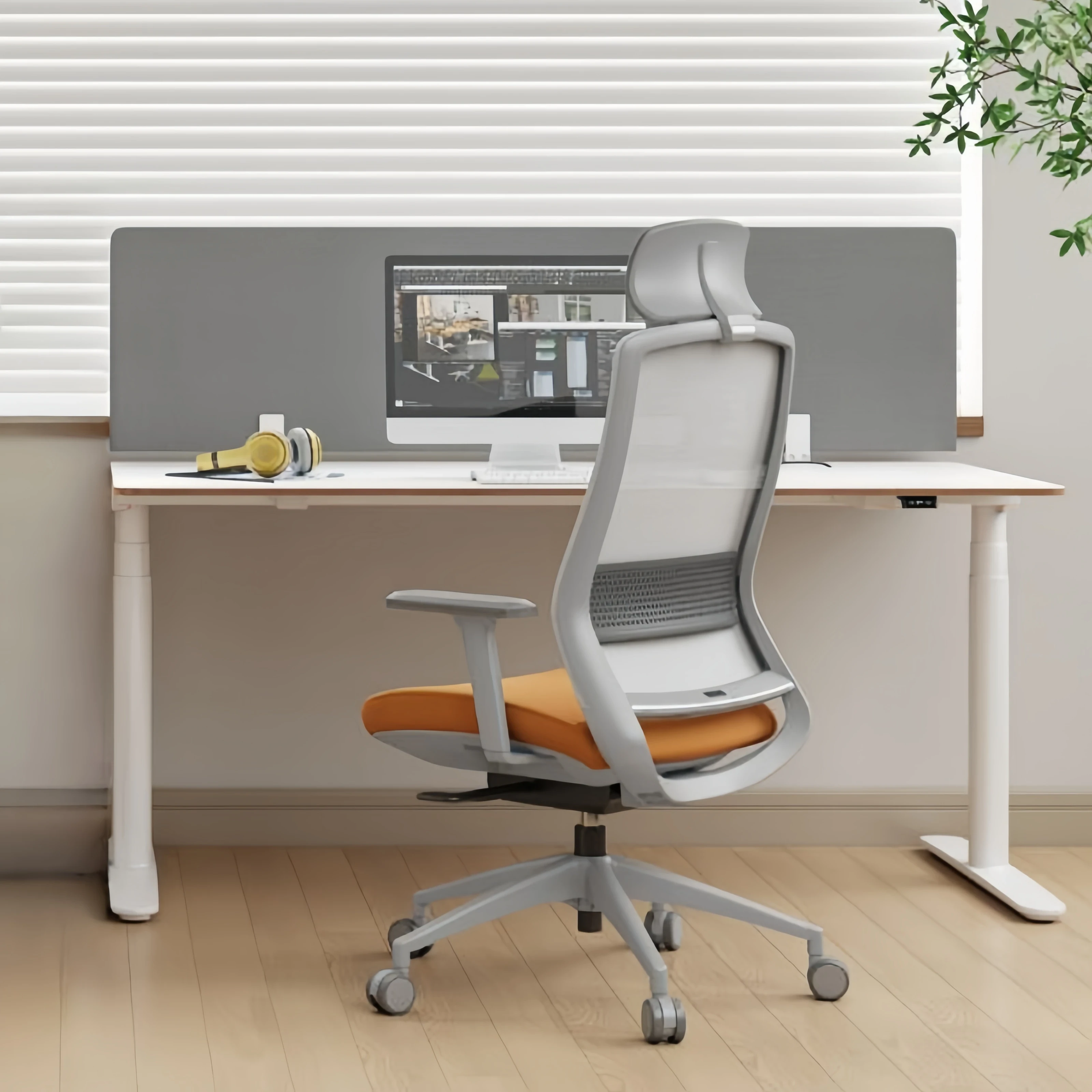






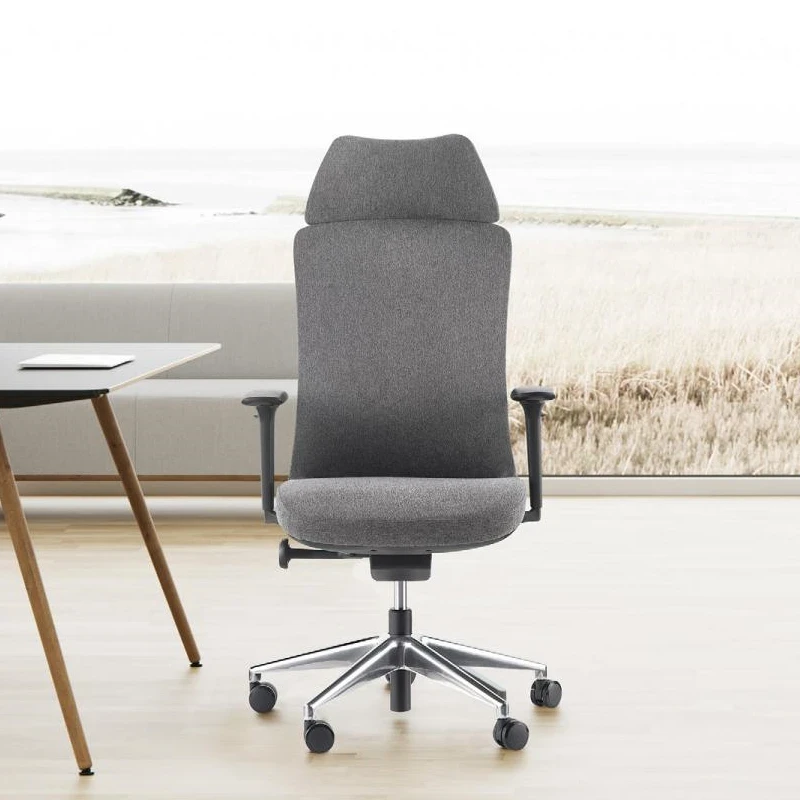


The procurement of school furniture involves multiple aspects, including budget, design, functionality, safety, and the supplier's reputation and service level. An excellent furniture supplier not only provides high-quality products but also offers professional service support throughout the pre-sales, sales, and after-sales stages. Therefore, evaluating the supplier's product quality and service level is a crucial step in the school procurement process.
II. Key Criteria for Evaluating Product Quality
1. Material Selection and Craftsmanship
High-quality school furniture should use environmentally friendly and durable materials. For example, solid wood, metal frames, and high-density fiberboard are common high-quality materials. Suppliers should provide detailed information on materials, including the source of the materials and environmental certifications. Furthermore, the furniture's manufacturing process is also an important factor in evaluating quality; fine craftsmanship not only enhances aesthetics but also extends its lifespan.
2. Product Design and Ergonomics
Ergonomic designs can effectively reduce physical fatigue for students and teachers, improving learning and work efficiency. When evaluating furniture design, its comfort, functionality, and adaptability should be considered. Multifunctional designs, adjustable height, and modular configurations are trends in modern school furniture; suppliers should be able to provide design solutions that meet these needs.
3. Durability and Ease of Maintenance:
School furniture typically requires frequent use and relocation, making durability paramount. Wear-resistant and easy-to-clean surface materials reduce maintenance costs and time. Furthermore, the furniture's structural design should be simple and easy to assemble and disassemble, facilitating daily maintenance and parts replacement.
4. Safety and Compliance:
School furniture must meet relevant safety standards, such as no sharp corners, fire resistance, and environmentally friendly materials. Suppliers should provide relevant product certifications and testing reports to ensure the furniture's safety during use. Compliance with national and local environmental regulations is also an important evaluation indicator.
III. Key Factors for Evaluating Supplier Service Level
1. Pre-sales Service:
Excellent pre-sales service includes product consultation, on-site measurement, and solution design. Suppliers should have a professional sales team capable of providing customized solutions based on the school's specific needs. In addition, suppliers should respond promptly to inquiries, providing detailed product information and quotations to help schools make informed decisions.
2. Delivery and Installation:
On-time delivery and professional installation are crucial indicators for evaluating supplier service. Suppliers should have a robust logistics system and a professional installation team to ensure furniture arrives on time and is correctly installed. Delayed delivery or improper installation not only affects the normal use of the furniture by the school but may also increase additional costs.
3.
Good after-sales service includes warranty, repair, and replacement. Suppliers should provide clear after-sales service terms and respond promptly to and resolve problems encountered by the school during use. In addition, suppliers with long-term cooperative relationships will conduct regular follow-ups to understand the use of the furniture and provide necessary maintenance advice.
4. Customer feedback and reputation
Understanding the evaluations of suppliers by other schools or customers can effectively assess their service level. The supplier's market reputation, customer reviews, and case studies are all important references. Reputable suppliers are usually more trustworthy and can provide stable and reliable services during cooperation.
IV. Evaluation Methods and Tools
1. On-site inspection and sample testing
On-site inspection of the supplier's production base and showroom can provide a direct understanding of its product quality and production capacity. Through sample testing, schools can actually experience the materials, craftsmanship, and functions of the furniture to ensure that it meets their needs and standards.
2. Reference cases and customer recommendations
Requesting suppliers to provide past successful cases and customer recommendation letters can help schools understand their performance in similar projects and customer satisfaction. Communicating with other schools to obtain real user feedback is also an important evaluation method.
3. Compare Prices and Cost-Effectiveness
: While ensuring quality and service, compare prices from different suppliers and choose the partner with the best cost-effectiveness. It's important to note that price should be based on product quality and service level, not just the lowest price.
4. Technical Support and Training:
Assess whether the supplier provides necessary technical support and usage training. For example, the supplier should provide relevant training and technical materials on how to properly assemble, maintain, and care for the furniture to help the school extend its lifespan.
5. Conclusion:
Evaluating the product quality and service level of school furniture suppliers is a systematic and comprehensive process involving multiple dimensions. From material selection, design and craftsmanship, durability, and safety, to pre-sales consultation, delivery and installation, and after-sales service, every aspect needs careful consideration. Through on-site inspections, sample testing, referring to customer feedback, and comparing prices, schools can select the most suitable furniture supplier, ensuring that the purchased furniture not only meets current needs but also provides a high-quality user experience for teachers and students in the long term. Ultimately, high-quality school furniture will provide solid support for creating a good educational environment and improving teaching quality.