
 USD
USD GBP
GBP
 EUR
EUR
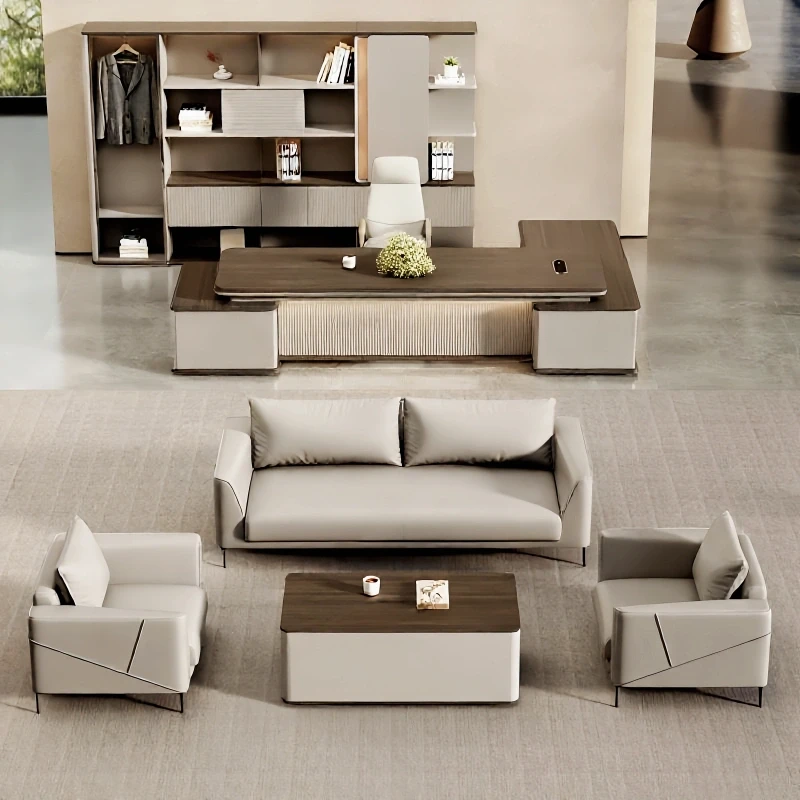
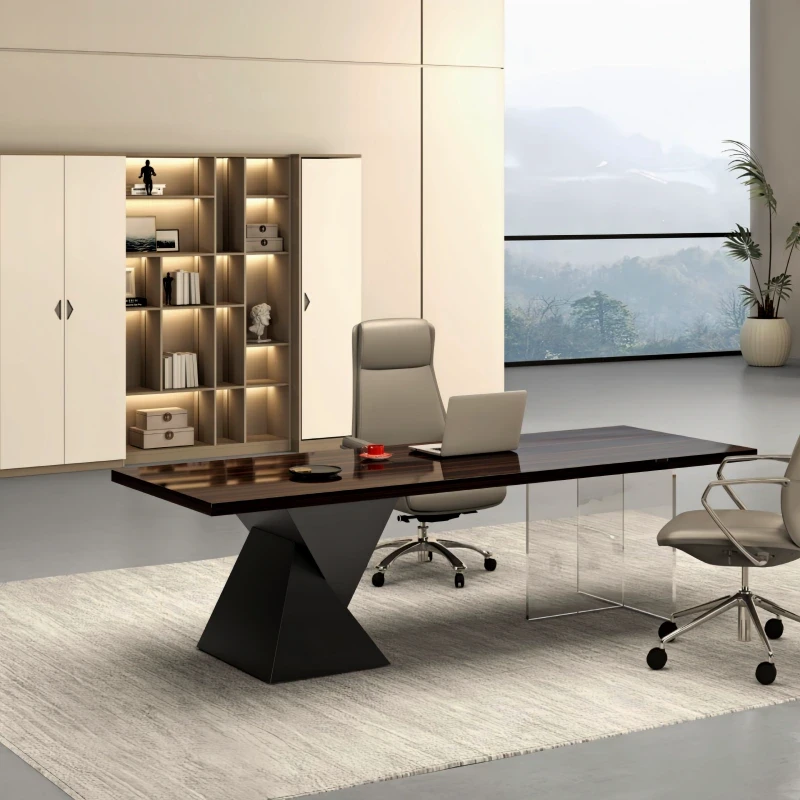


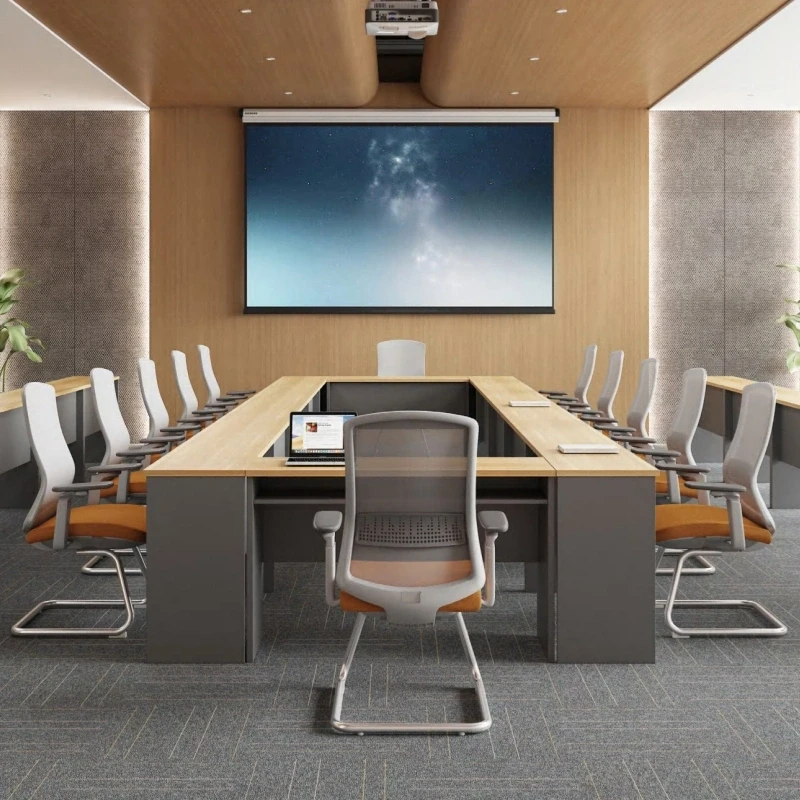
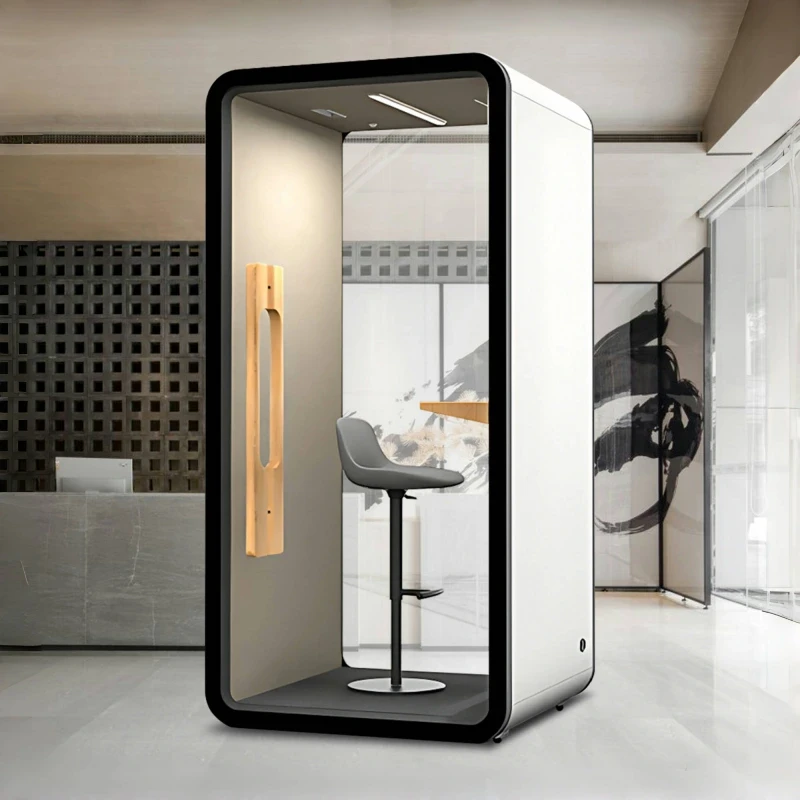
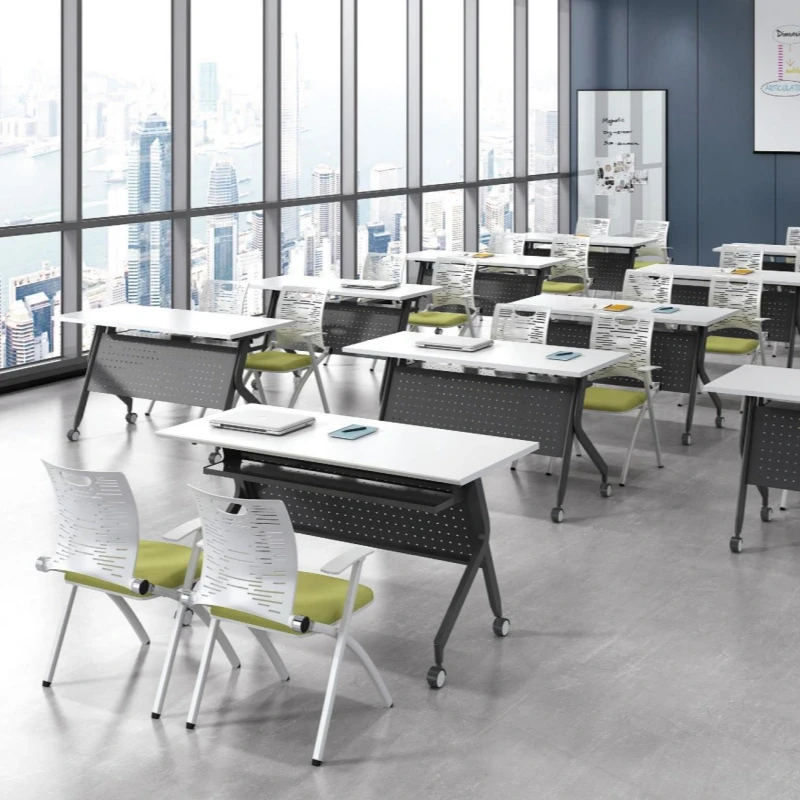








1. Compliance with National and Industry Standards
School furniture should comply with relevant national standards for furniture safety and environmental protection, such as the National Furniture Product Quality and Safety Standards and environmental certifications. Suppliers should be able to provide relevant certification certificates to ensure that the products will not harm students' health during use.
2. Environmentally Friendly and Healthy Materials
School furniture is used by students for extended periods, making the environmental friendliness of the materials crucial. Suppliers should use non-toxic, low-formaldehyde-release materials, such as solid wood and environmentally friendly boards, to ensure the safety and health of the furniture. Furthermore, the surface treatment process should be wear-resistant, easy to clean, and convenient for maintenance.
II. Qualifications and Corporate Reputation
1. Quality Management System Certification
Suppliers with ISO 9001 or similar quality management system certifications demonstrate that they possess strict quality control capabilities in product design, production, and inspection, and can consistently provide high-quality furniture products.
2. Corporate Reputation and Customer Testimonials
A supplier's market reputation and customer feedback are important indicators of its overall strength. Schools should choose suppliers with a good market reputation and positive customer feedback, which can be evaluated through reviewing case studies and customer evaluations.
III. Production Capacity and Technological Level
1. Production Equipment and Technology:
Advanced production equipment and technology ensure the precision and quality of the furniture. Suppliers should possess modern production lines capable of efficiently producing various types of school furniture, and also have R&D capabilities to continuously launch new products that meet market demands.
2. Customization Capability:
Different schools may have different needs for furniture, such as special sizes or functional designs. Suppliers should have flexible customization capabilities, providing personalized furniture solutions based on the specific requirements of each school to meet diverse usage needs.
IV. Design Capability and Ergonomics
1. Professional Design Team:
An excellent design team ensures a balance between the aesthetics and functionality of the furniture. Suppliers should have professional designers capable of designing ergonomic furniture based on the school's decoration style and usage needs, improving student comfort and learning efficiency.
2. Ergonomic Design:
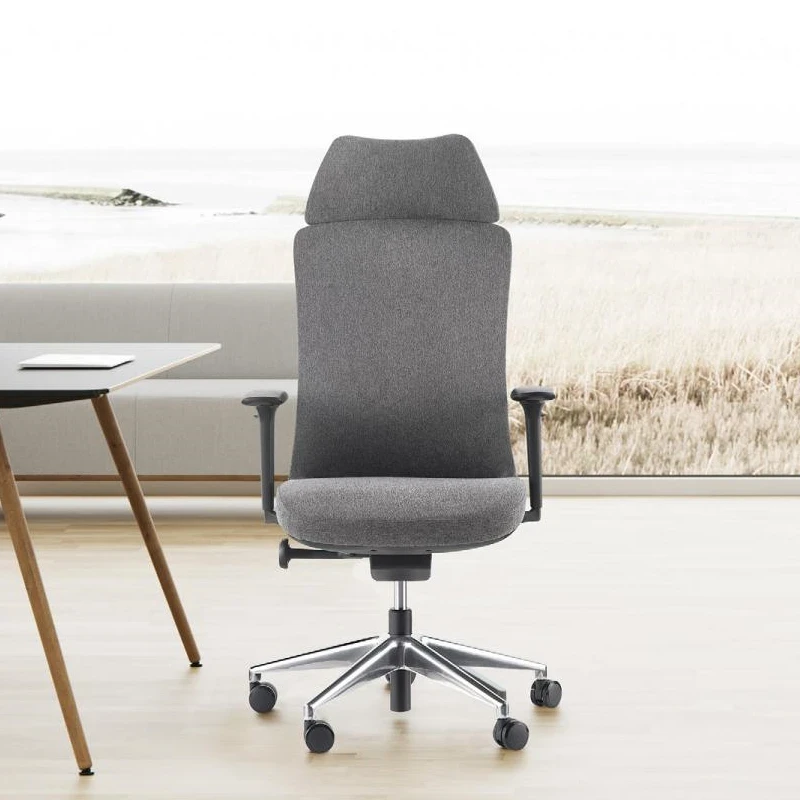
Ergonomic design effectively prevents poor posture during student use, improving comfort during study and work. Suppliers should pay attention to the design of furniture height, angles, and support structures to ensure superior ergonomics.
V. Service Capabilities and After-Sales Guarantee
1. Pre-sales Service:
From needs analysis and solution design to product selection, the supplier should provide comprehensive pre-sales services to help schools clarify their needs and select the most suitable furniture products.
2. Logistics and Installation:
An efficient logistics system and a professional installation team ensure timely and complete delivery and installation of the furniture. The supplier should have a well-established logistics and distribution network and provide professional installation services to reduce inconvenience for schools during the delivery process.
3. After-Sales Service and Maintenance:
A comprehensive after-sales service system is crucial for ensuring the long-term use of the furniture. The supplier should provide timely repair and maintenance services to resolve problems that arise during furniture use and extend the furniture's lifespan.
VI. Reasonable Pricing and Cost-Effectiveness
1. Transparent Pricing System:
The supplier should provide transparent and reasonable pricing to avoid hidden costs. Prices should match product quality and service levels, ensuring schools obtain the best value furniture products within their budget.
2. Cost Control and Preferential Policies:
The supplier should have effective cost control capabilities, providing competitive prices while ensuring quality. Furthermore, for schools making bulk purchases or with long-term partnerships, the supplier should offer corresponding discounts and preferential policies to further reduce procurement costs.
VII. Environmental Protection and Social Responsibility
Environmentally Friendly Production and Sustainable Development
Suppliers who prioritize environmental protection and sustainable development not only provide eco-friendly furniture but also demonstrate their social responsibility. Schools should choose suppliers who prioritize resource conservation and pollution reduction during the production process to jointly promote the construction of green campuses.
VIII. Case Studies and Customer Feedback
1. Success Story Showcase
Suppliers should be able to provide case studies of completed projects, especially experiences collaborating with other schools. These cases not only demonstrate the supplier's strength and professionalism but also provide schools with reference and guidance.
2. Customer Feedback and Evaluation
Communicating with the supplier's existing customers to understand the actual usage effects of their products and the quality of their services is an important way to evaluate suppliers. Suppliers who actively respond to customer feedback and continuously improve their services are more trustworthy.
IX. Innovation Capability and Market Adaptability
1. Continuous Innovation
The furniture industry is constantly evolving, and suppliers with continuous innovation capabilities can keep up with market trends and launch new products that meet the needs of modern education, helping schools create modern learning environments.
2. Market Adaptability
Suppliers should have keen market insight and be able to quickly adjust their product and service strategies according to the needs and changes of different schools to maintain a competitive advantage.
In conclusion,
selecting a suitable school furniture supplier is crucial to ensuring the quality, safety, and effectiveness of school furniture. By examining key qualifications such as product quality and safety standards, certifications and corporate reputation, production capacity and technical level, design capabilities and ergonomics, service capabilities and after-sales support, reasonable pricing and cost-effectiveness, environmental protection and social responsibility, case studies and customer feedback, as well as innovation capabilities and market adaptability, schools can find the most suitable partner to create a safe, comfortable, and efficient learning environment, thus promoting the healthy development of education.