
 USD
USD GBP
GBP
 EUR
EUR
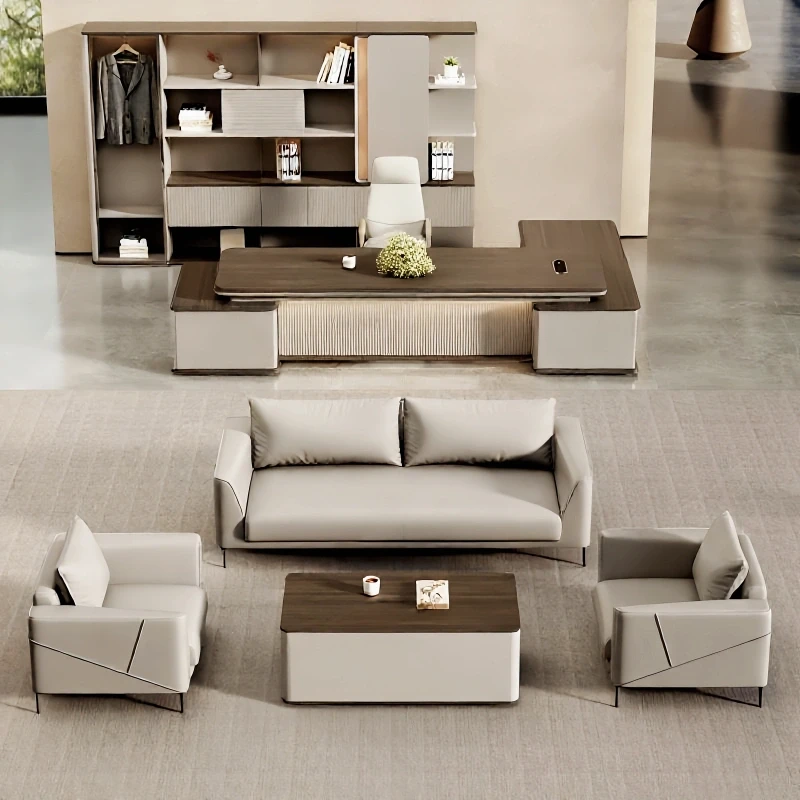
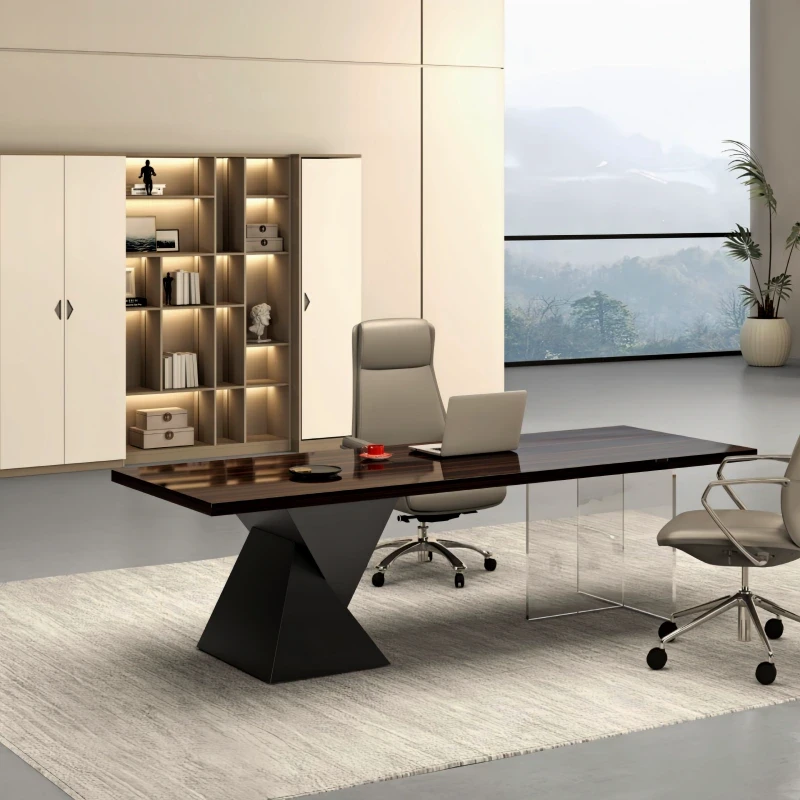


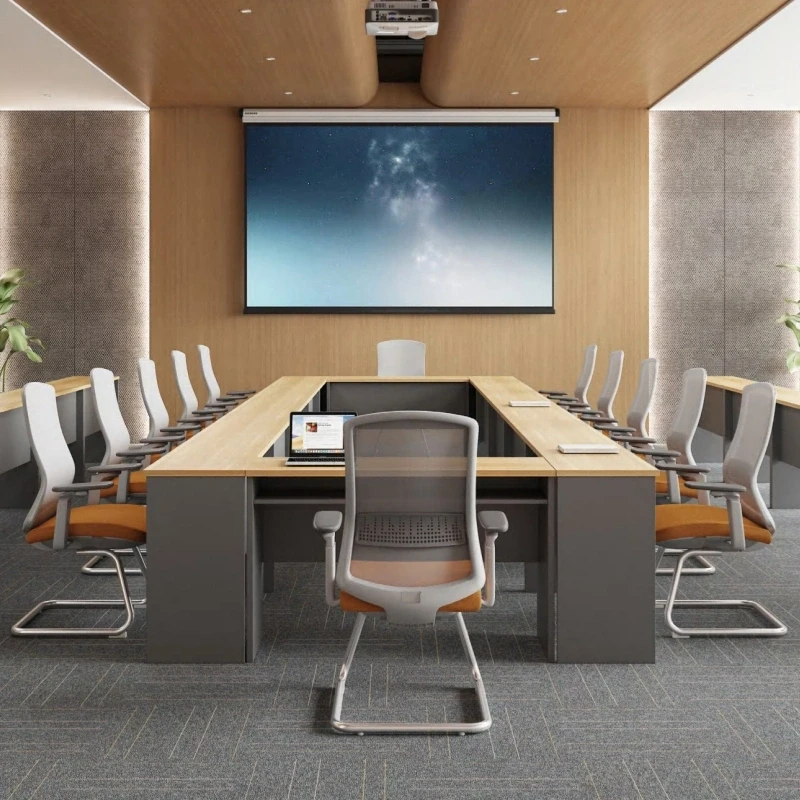
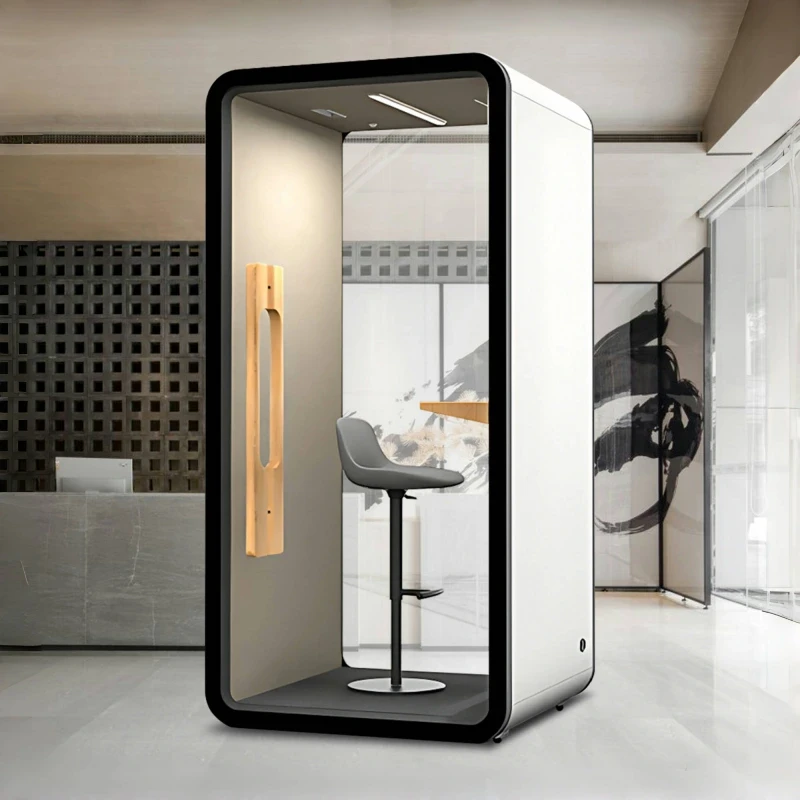
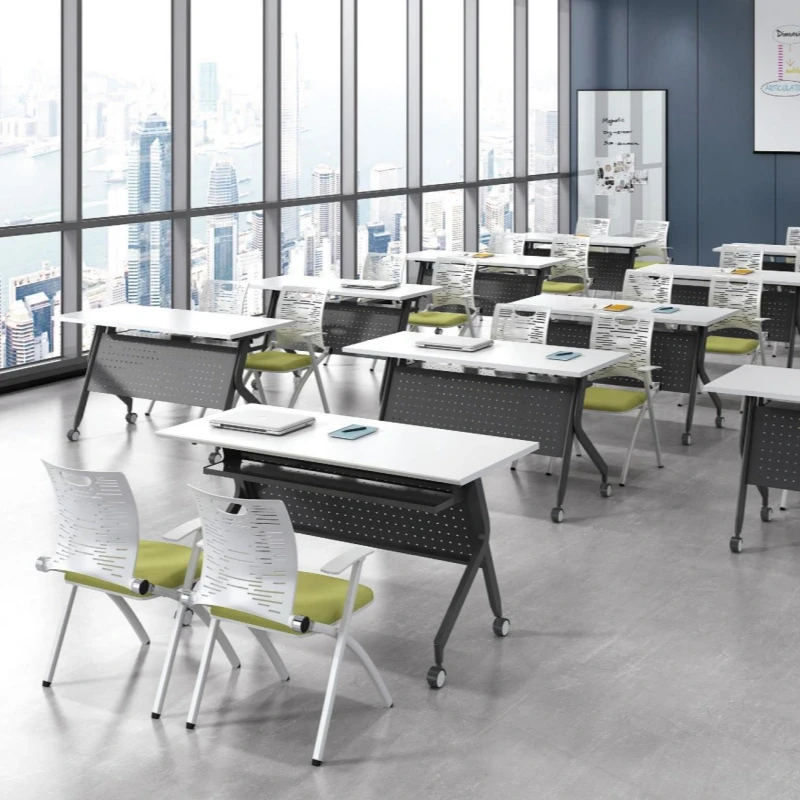
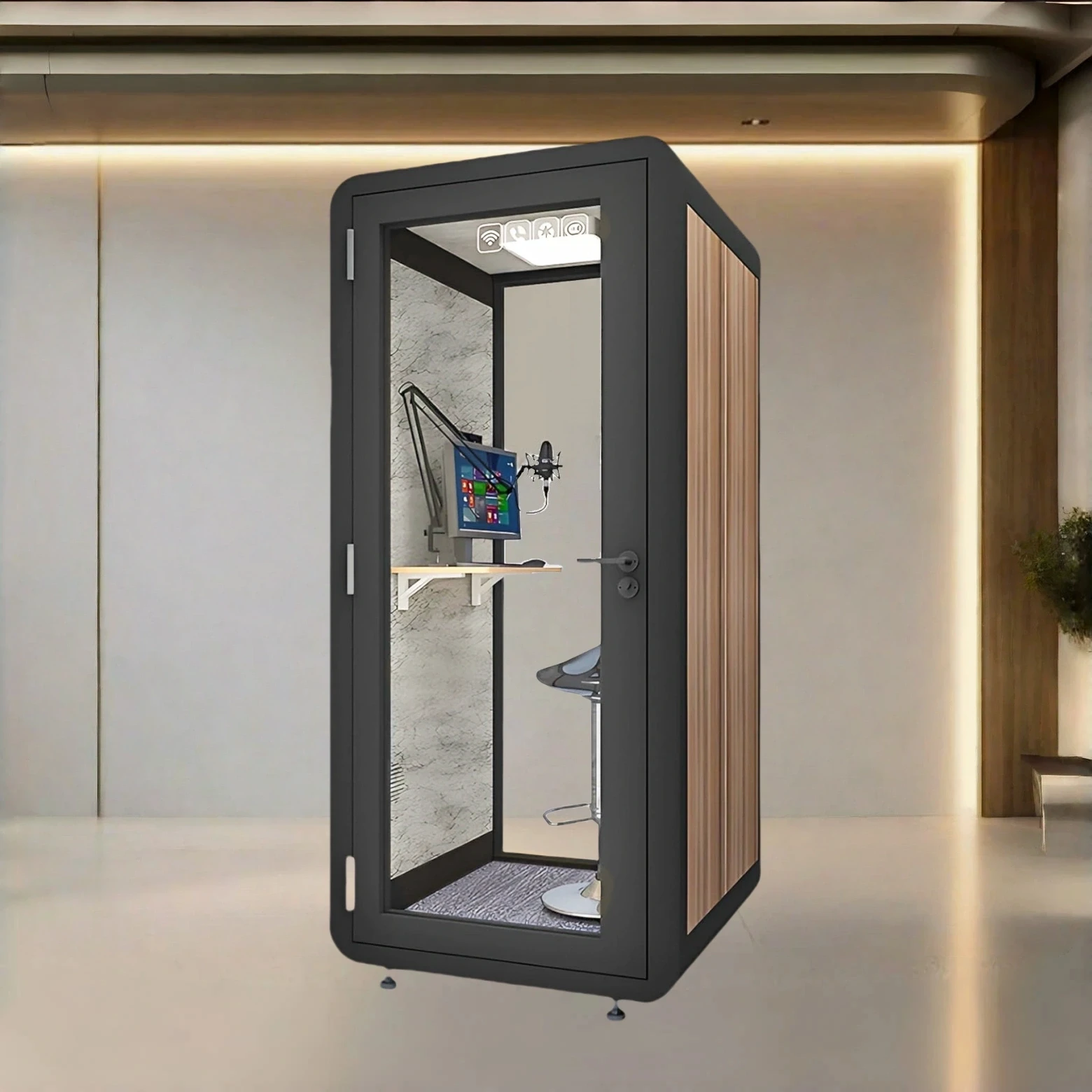
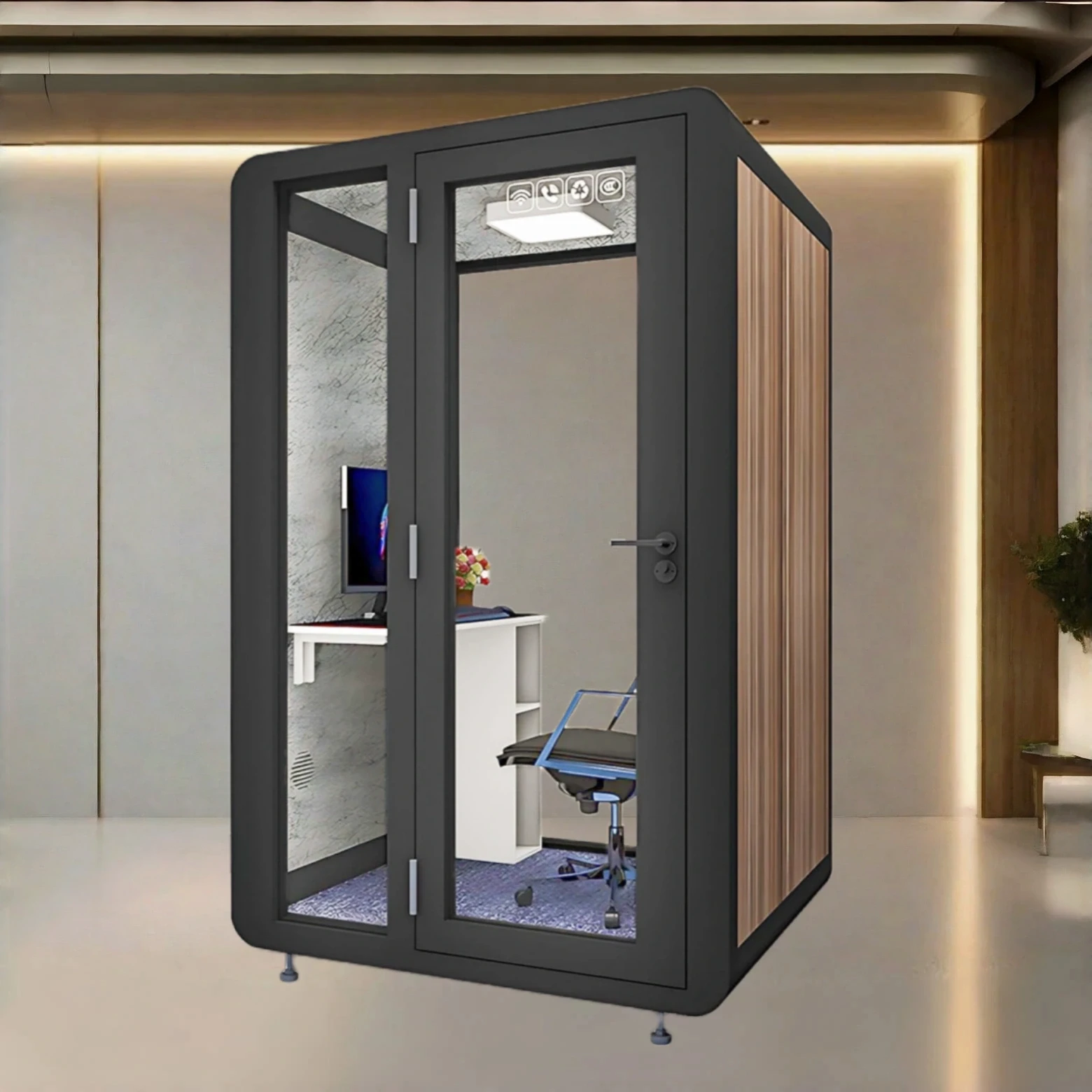
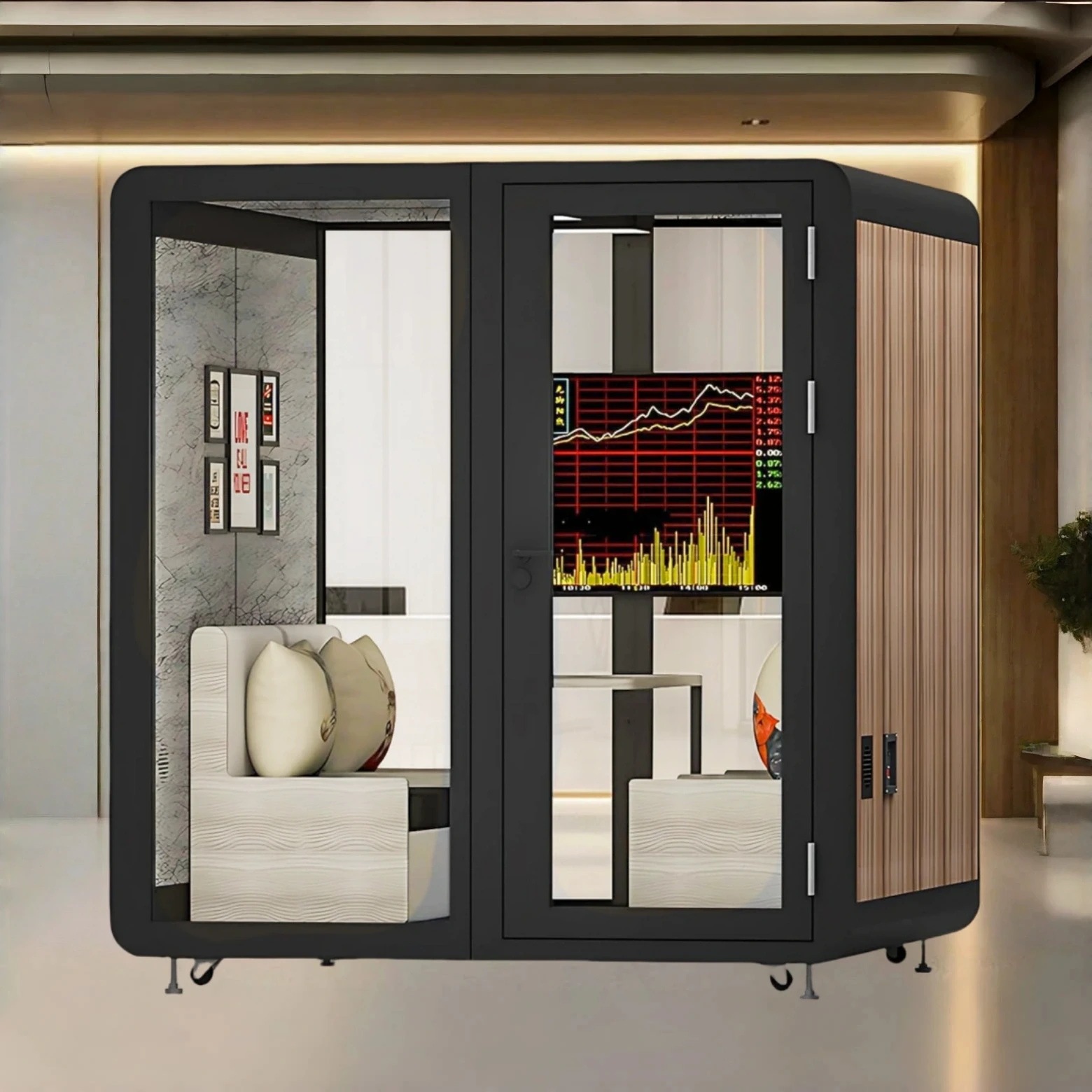






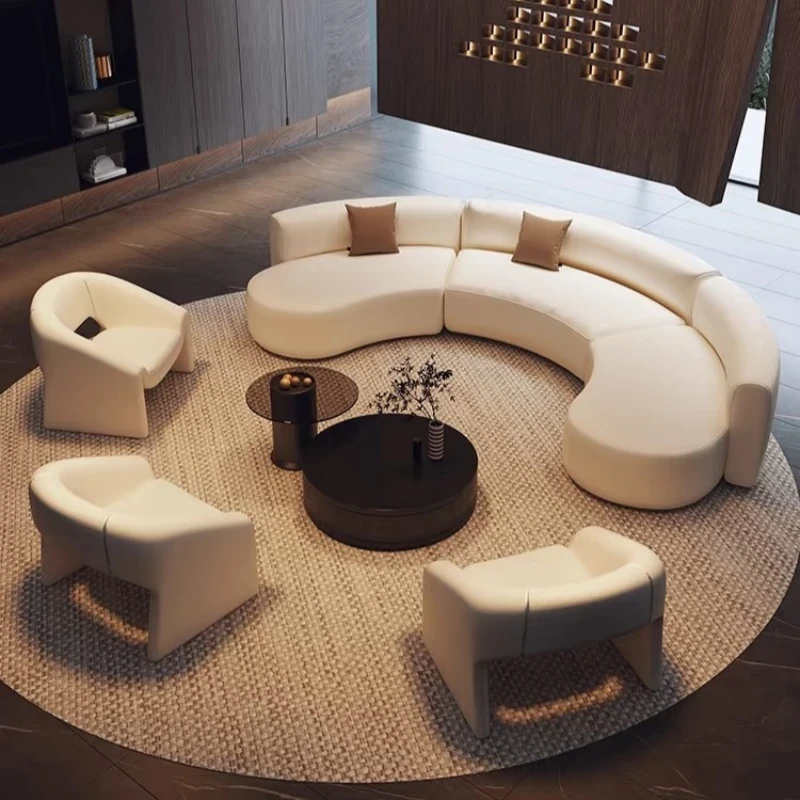
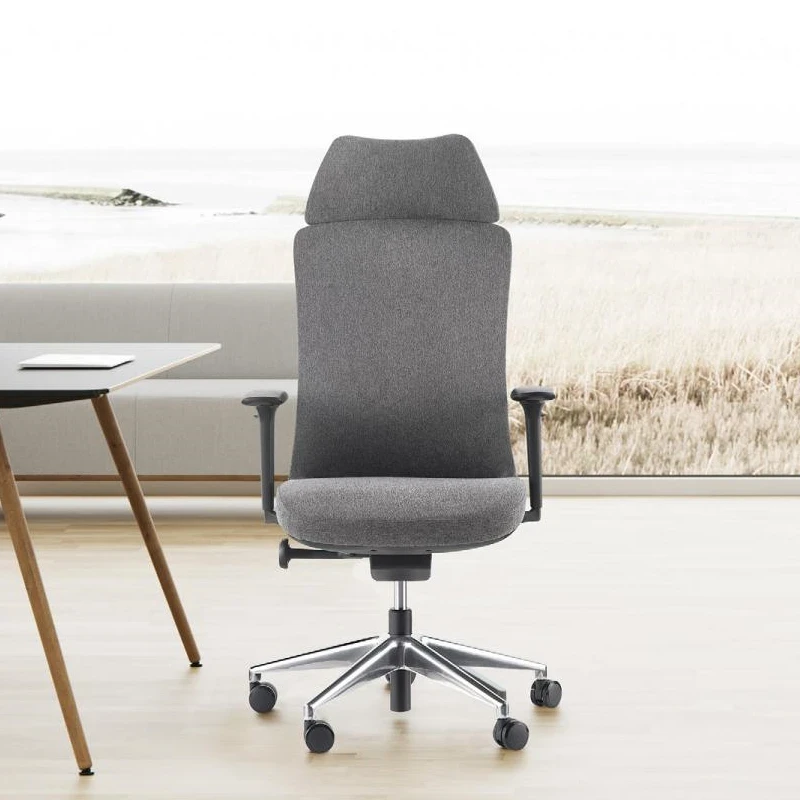


The Zhengzhou office furniture market is currently a mixed bag, with prices, quality, craftsmanship, and services varying widely. Among the many office supplies, filing cabinets are the most popular and best-selling, which is a major reason for the wide range of quality. Furthermore, most customers only buy office furniture every few years, and it's unlikely that a dedicated person or professional will handle the purchase. Therefore, amateurs acting as expert judges inevitably lead to many purchasing pitfalls. These are listed below for your reference. Today, Zhengzhou office furniture experts will specifically discuss the points to consider when choosing wooden or steel filing cabinets:
1. All components made of compressed board used in office furniture should be edge-sealed, and all accessories should be installed without missing parts, missing nails, or protruding nails.
II. The surface of office furniture made of laminate should be flat and free from obvious warping. Generally, the diagonal length of the facing surface should be greater than or equal to 1400 mm, and the allowable warping value for the board should be greater than or equal to 3 mm. The functional dimensions of office furniture must meet usage requirements. Generally, the center clearance height of a standard office desk should be greater than 580 mm; the center clearance width should be greater than 520 mm; the seat height of an office chair should be 420 or 440 mm; and the inner width of an armchair should be greater than 460 mm.
3. For compressed board office furniture, the wood used must be dried to a moisture content below 12%, and no insects should be found in the base material. The exterior and storage areas must be free of resin pockets. For steel office furniture, first check if the cold-rolled steel sheet meets national standards. For steel filing cabinets, a sheet thickness of 0.6mm or more is generally best, as it provides greater load-bearing capacity and durability. Therefore, when choosing a steel office filing cabinet, one should not only focus on price but also pay attention to the materials used.
4. When using veneer or other materials to cover the panels of office furniture, the surface must be tight and flat, with no glue seepage, delamination, or bubbling allowed. This not only affects the aesthetics but also significantly shortens the lifespan of the furniture.
5. For office furniture with painted finishes, the surface paint film should be smooth and glossy, and the color of a complete set of products should be consistent. Wrinkles, stickiness, and missed spots on the surface paint film are not allowed. The interior and other coated parts of the product should be kept clean.
6. Don't focus too much on low prices. Experienced buyers know that buying products at excessively low prices often leads to many unforeseen problems, causing regret after the purchase. For most companies, a difference of 10%-20% in the total amount is not a big deal.
7. Solid wood office furniture should have a sturdy structure and the frame should not be loose. Broken tenons or broken materials are not allowed. Do not buy "three-in-one furniture" that is simply particleboard sawn, nailed, and painted. Do not buy furniture that is simply made without grooves in the sides, tenons in the sides, or support in the bottom ("three-no" furniture).
8. Filing cabinets and desk drawers should open and close smoothly. When a drawer is pulled out two-thirds of the way, the sag should be less than or equal to 20 mm, and the left-right sway should be less than or equal to 15 mm. Locks should operate smoothly and should not jam or become stuck.
9. Solid wood office furniture must possess integrity and stability. When both cabinet doors are opened to 90 degrees, gently pulling forward should not cause the cabinet to tip over automatically; it should maintain a certain level of stability. Shelves should have sufficient load-bearing capacity and should not exhibit bending or deformation.
11. Don't overemphasize company size. Size only indicates strong production capacity, not necessarily good quality or design capabilities. In a sense, scale and personalization/cultural value are contradictory. Customers are buying quality and service (including design), which are largely unrelated to company size. For example, Henan Huadu Times Furniture Company prioritizes customers and quality above all else, and according to market feedback, it is one of the best custom office furniture manufacturers in Henan.
12. Many customers lack experience and don't consider the production cycle of mid-to-high-end products. They only make purchases when their office renovations are almost complete, missing the optimal timeframe. They are then forced to settle for products with fast delivery or readily available stock. These products are usually low-end, lacking personalization and cultural value, and may even be of poor quality, generally failing to meet the needs of high-end customers. Custom orders are often too late, leaving them with no choice but to make do with what they have.
13. Many customers treat buying office furniture as a trivial matter, believing that furniture stores offer a wide variety of styles, and they can simply browse and buy whatever suits their taste. However, while furniture stores offer many styles, they lack truly exceptional pieces; high-end products are niche and rarely stocked, with most furniture stores offering virtually no high-end items. Essentially, furniture stores are shopping malls, just with furniture as their main theme, much like clothing or electronics stores. They lack in-depth knowledge of furniture and cannot provide professional services. Many customers only realize the furniture is unsuitable after purchasing it, but by then it's too late. For example, asymmetrical desks have a specific orientation, which not all customers know, only discovering the problem after purchase. Designing open-plan offices is even more challenging, requiring even more specialized knowledge. Furthermore, furniture stores usually require prepayment or cash on delivery (many collect payment before installation), leaving customers with no control over the situation if problems arise; they are often the most passive party in the end.
What should you do if white office furniture turns yellow after prolonged use?
White or light-colored painted office furniture is increasingly popular among white-collar workers due to its simple and elegant appearance and sophisticated colors. However, after a period of use, the white surface often begins to yellow, especially in areas prone to getting dirty (desktops, exposed parts of partitions, etc.). If left untreated, it will become increasingly unsightly over time. So, what should you do if your white office furniture turns yellow? How should you treat it? Below, Zhengzhou office furniture experts will explain!
Some might suggest using Pledge spray wax, and it's true that Pledge can clean office furniture and polish painted surfaces. However, it's ineffective against yellowing white paint.
The correct method is:
Use a small sponge to apply office furniture cleaning wax containing soft abrasives to the furniture. Wipe it once a month to keep your white office furniture looking bright and new for a long time.
Some people suggest using toothpaste to clean it, which works quite well, but toothpaste can only be used once. If you use it repeatedly two or three times, the office furniture will lose its shine and become increasingly dirty (have you seen those commercials where toothpaste is used to polish CD cases?). These scratches will cause dust to quickly accumulate on the office furniture, making its color completely dull and gray.