
 USD
USD GBP
GBP
 EUR
EUR










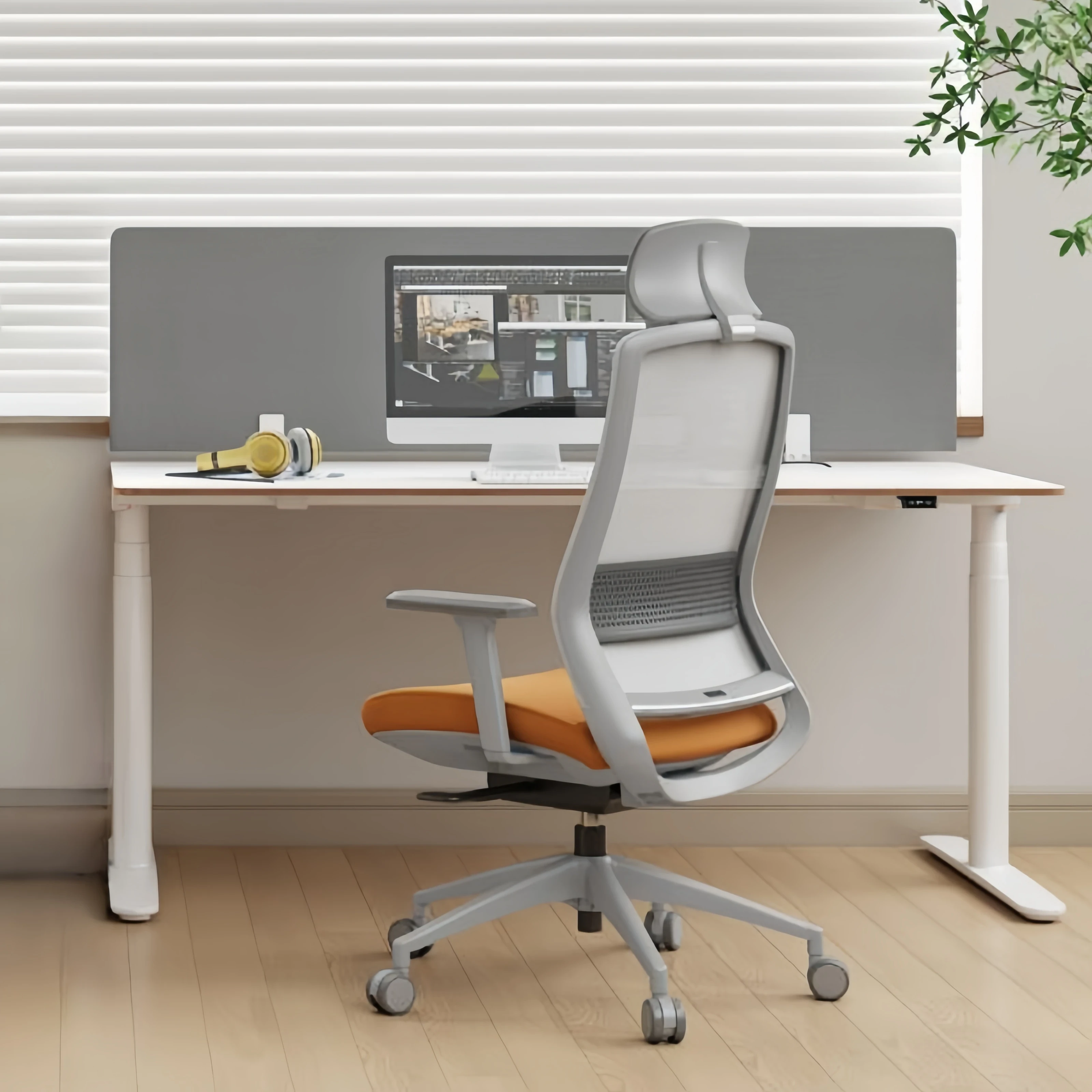





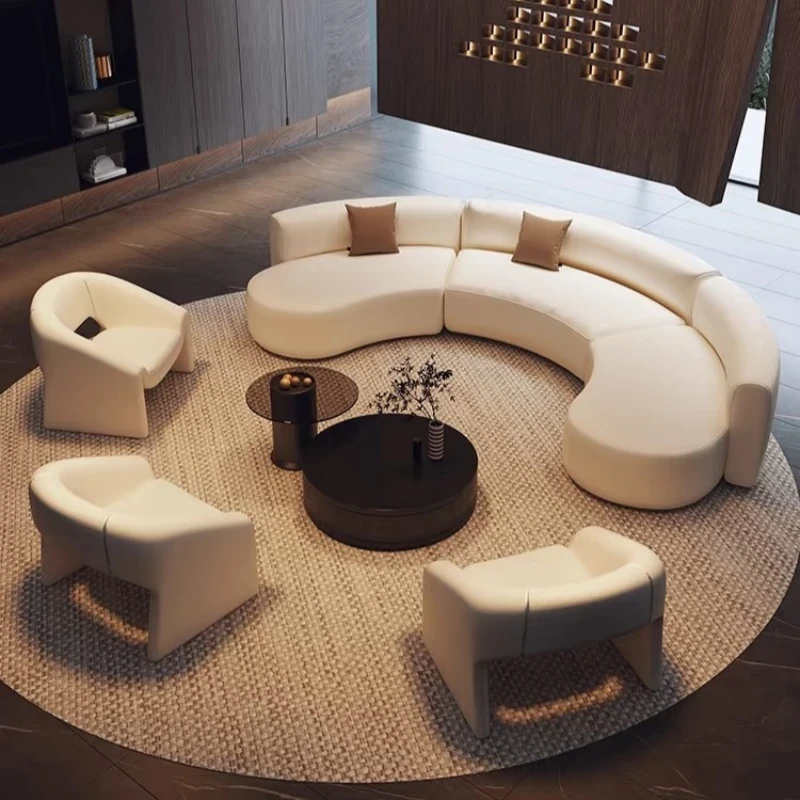
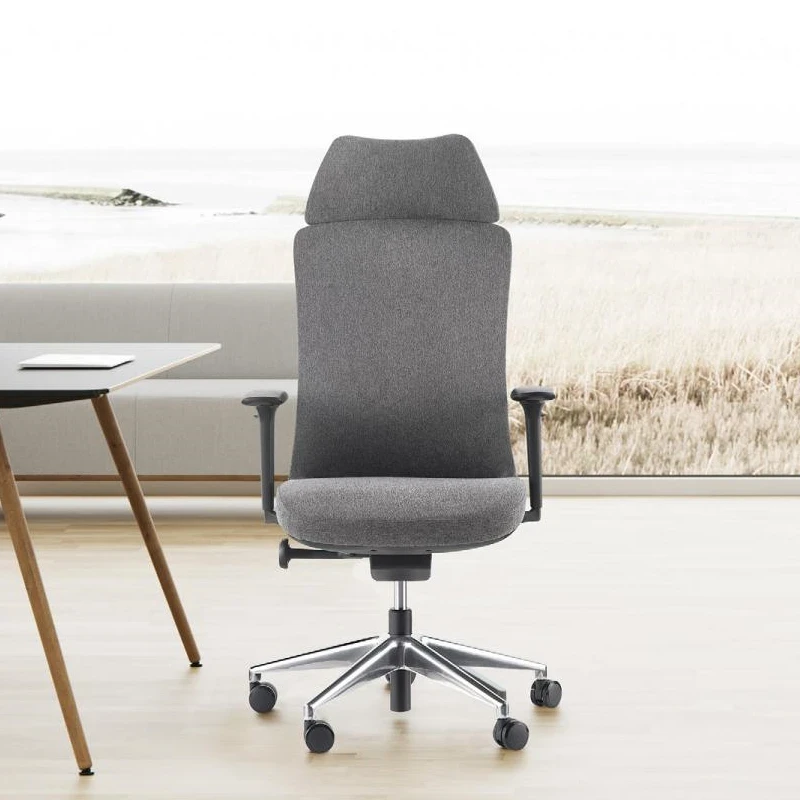


Although spring is already halfway over, the chill of winter still lingers, and with the continuous drizzle, many people are starting to worry about keeping their furniture dry. Here are a few tips from Yige.com .
1. Solid wood furniture: Apply absorbent paper to the surface to prevent moisture.
Symptoms of moisture absorption: After wooden furniture absorbs moisture, many water droplets appear on the surface, which reappear after being wiped dry. Homemade wooden furniture may also experience peeling and whitening, while wooden doors may swell, crack, and warp.
Tips for dealing with moisture: Use a special cleaner to maintain solid wood furniture. Apply the cleaner evenly to the surface and then wipe gently; or use absorbent paper to cover the surface to prevent moisture. When using solid wood furniture, be careful to avoid water damage. Install waterproof pads under the legs of furniture that are prone to absorbing water, and ensure adequate ventilation distance from exterior walls and bathroom walls.
2. Leather furniture: Desiccants are effective at removing moisture.
Symptoms of moisture regain: After the leather of leather furniture regains moisture, it will harden when it gets cold. Mold spots will appear on some surfaces that are not well ventilated, which can easily lead to deformation or fading of the leather surface.
Simple tips: After each dusting, apply a leather conditioner such as mink oil, lanolin, or leather oil to the furniture surface. Surface moisture can be wiped away with a soft, dry cloth, and mold spots can be removed with a mold remover before applying leather conditioner. For genuine leather sofas, consider placing some desiccants to keep them dry.
3. Metal furniture: Wipe frequently with a dry cloth, and remove rust inhibitor.
Symptoms of moisture absorption: Metal armrests or legs are prone to rust, especially iron furniture, which may fade and develop spots.
Tips for dealing with rust: Metal furniture should be wiped regularly with an oiled cloth and mild detergent, and should be avoided in humid environments. In humid weather, it is best to clean it with a dry cloth. If rust appears, it can be removed with a dishcloth or toothbrush dipped in rust inhibitor, and then polished with a dry cloth; if wrought iron furniture has rust spots, it should be repainted promptly.
4. Fabric sofas: Sofa covers with strong water absorption are better.
Symptoms of dampness: Upholstered furniture tends to get damp in spring, attracting dust and sticking together easily.
Tips for dealing with dust: Use a special vacuum cleaner to remove dust from the surface of fabric sofas. It is best to use a sofa cover with good water absorption and wash it frequently.
5. Rattan furniture: Ensure proper ventilation to prevent deformation.
Symptoms of moisture absorption: If rattan furniture absorbs excessive moisture, it will become soft, loose in structure, and sag.
Tips for dealing with mold and mildew: Mold and mildew easily grow in the gaps between the rattan strips of rattan furniture. It is necessary to clean it frequently and ensure good ventilation. However, after cleaning, do not expose it to direct sunlight to prevent deformation or breakage.
After hearing these tips, have you mastered some tricks for preventing furniture from getting damp? Now, take action and protect your furniture!