
 USD
USD GBP
GBP
 EUR
EUR




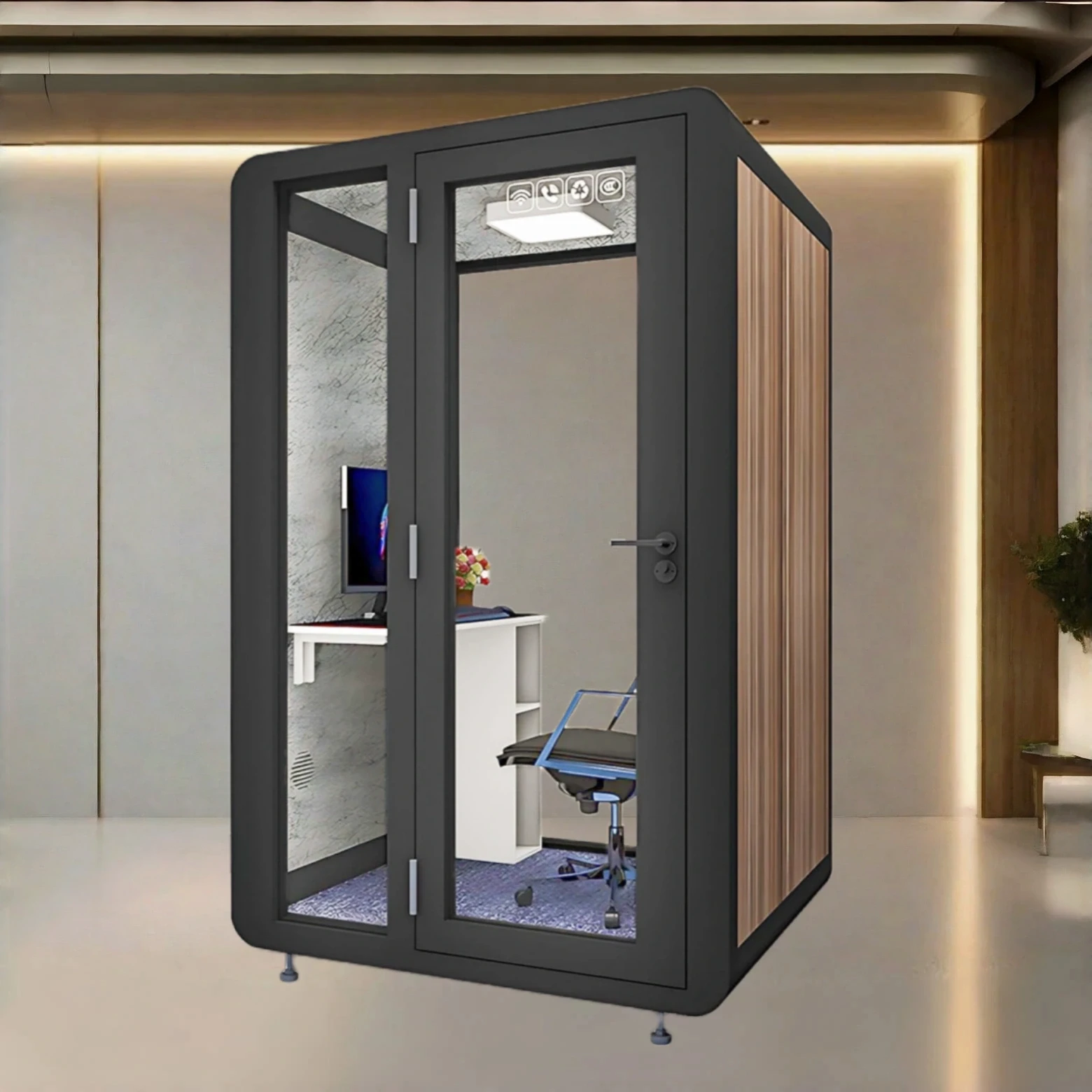
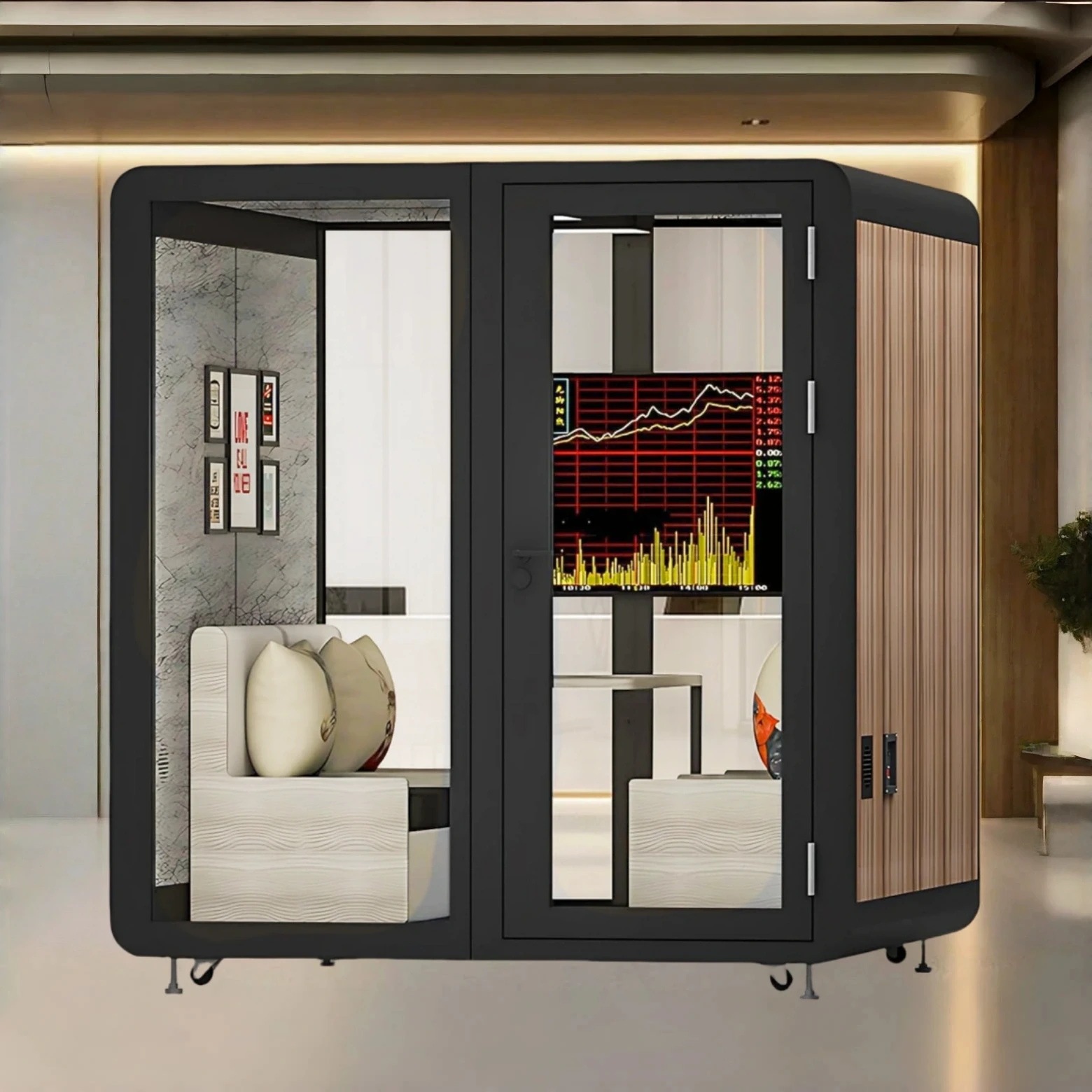




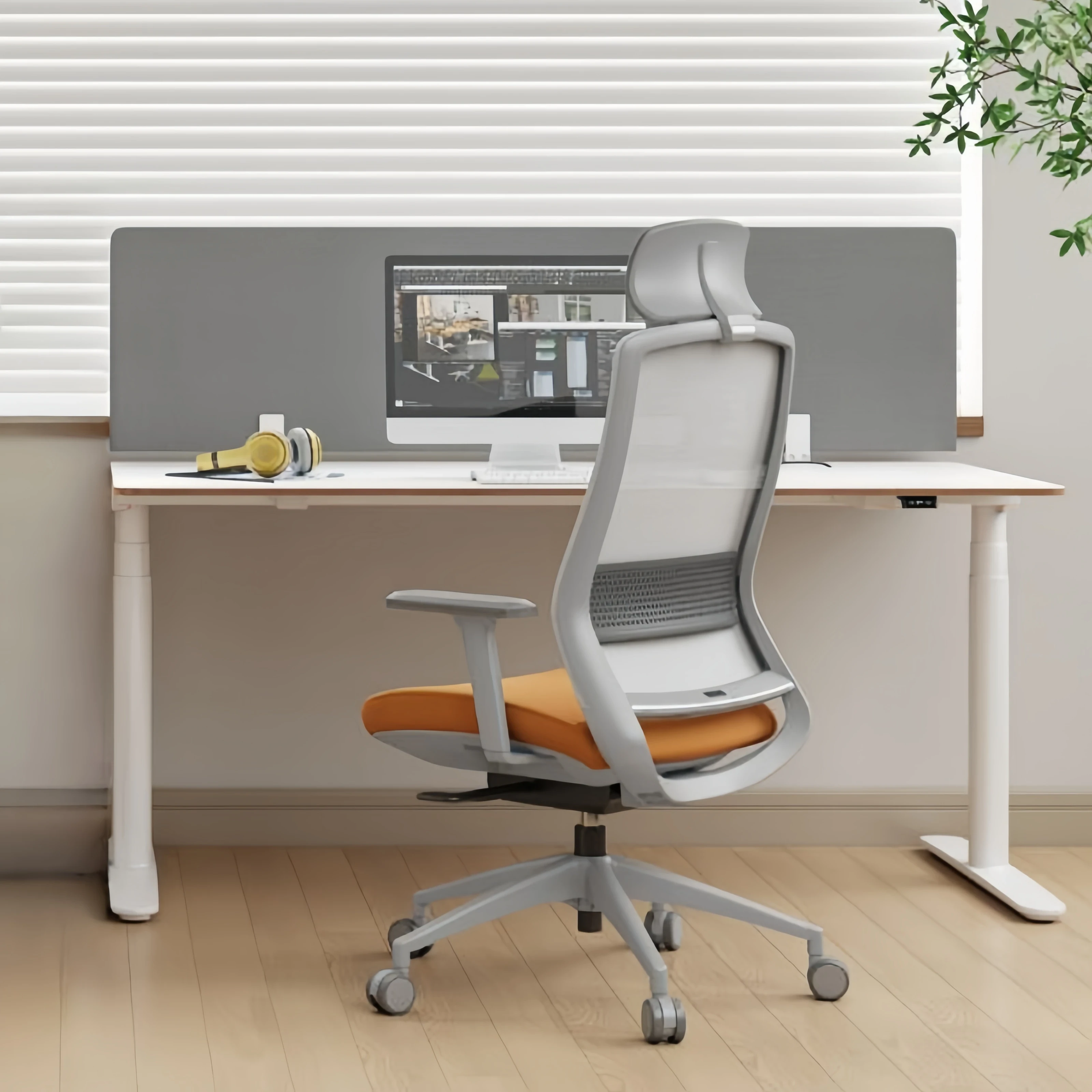




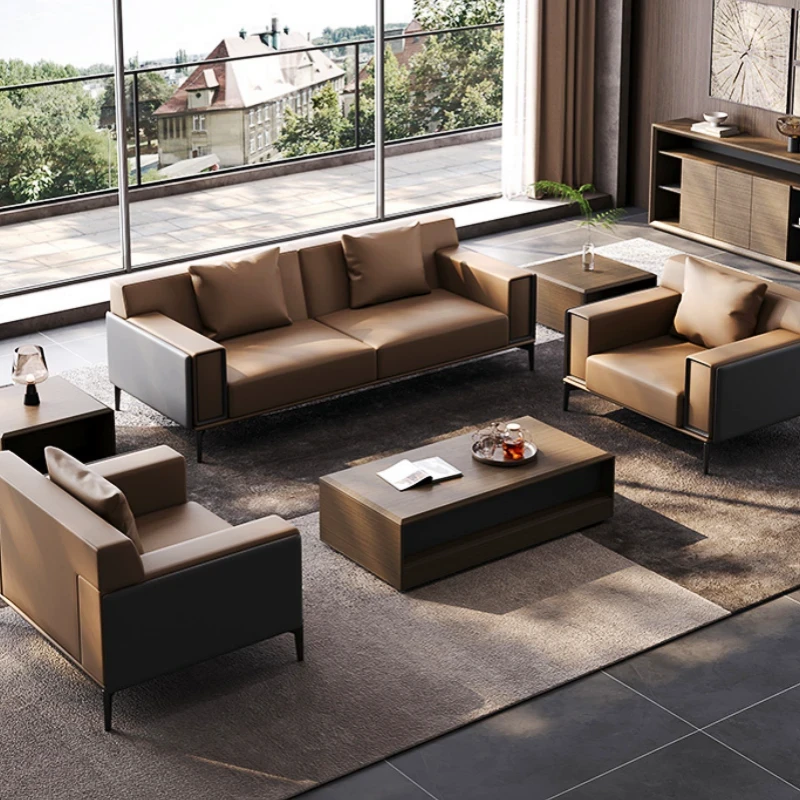


Cracks have appeared on the surface of my solid wood furniture, which I bought only a year ago? Was I scammed and bought a counterfeit? Or is it due to inadequate maintenance? Here's my suggestion: it's likely due to the wood's moisture content!
Many consumers focus on materials, style, and price when buying furniture, but overlook the moisture content of the wood. However, this is a major factor affecting the quality and lifespan of furniture, especially solid wood furniture.
We all know that wood contains moisture, so it must be dehydrated and dried before making furniture. The moisture content of solid wood furniture should usually be controlled below 12% to prevent cracking and deformation.
In addition, when purchasing solid wood furniture, it is also necessary to consider the "north-south differences." The climate in the north is dry, while the climate in the south is humid. The difference in the average moisture content in the atmosphere will also affect the lifespan of solid wood furniture. When the moisture content of the air is lower than that of the wood, the wood will release moisture and shrink, and the water will evaporate; conversely, the wood will absorb water and expand. Either way, it will cause the furniture to deform and crack.
For example, solid wood furniture with a moisture content suitable for the dry climate of Jinan will automatically absorb moisture from the air and deform or crack if it is transported to the humid and rainy Guangzhou.
Generally speaking, the moisture content of solid wood furniture should ideally be one to two percentage points lower than the average moisture content of the local air.
But what can ordinary consumers do when buying solid wood furniture if they lack professional testing equipment to measure the moisture content? Touch it. Feel samples that have been displayed for a long time, especially the bottom surface and unpainted areas. If they feel damp and cold, the moisture content is generally very high.