
 USD
USD GBP
GBP
 EUR
EUR















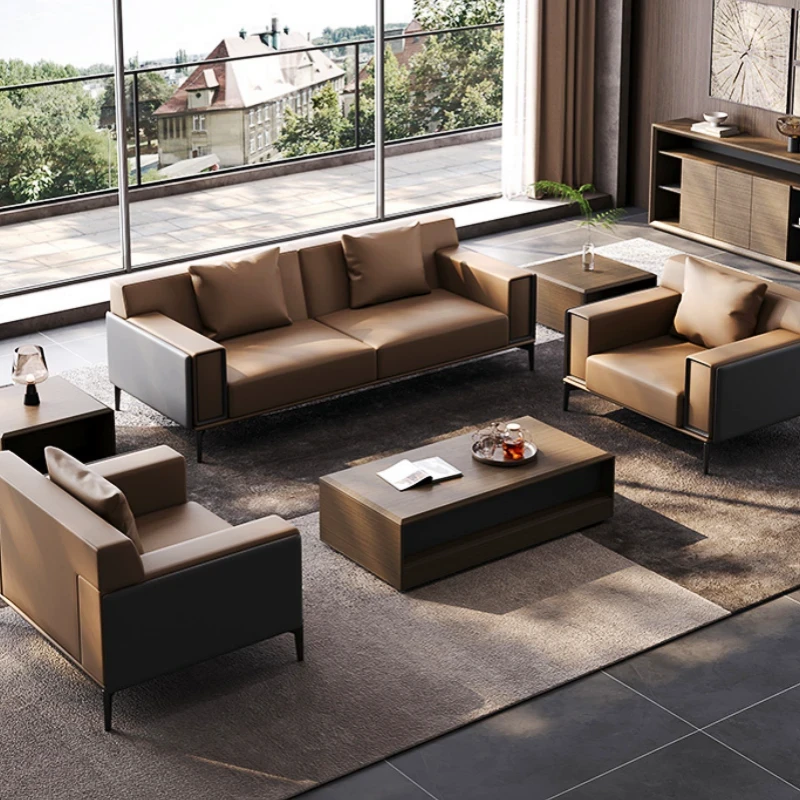
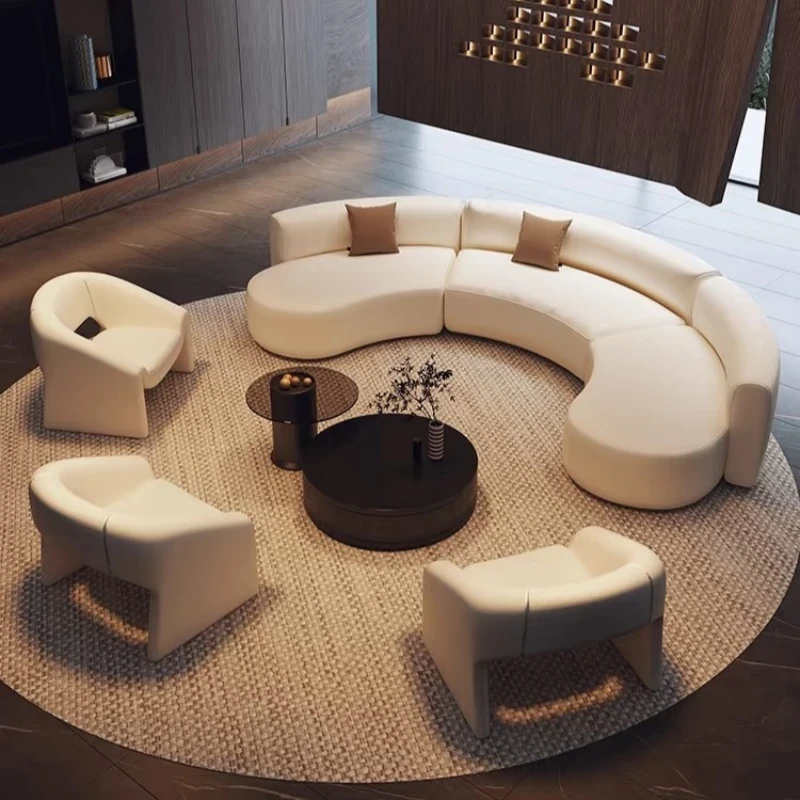


1. Materials of Antique Furniture: Antique furniture can be divided into two categories: "softwood" and "hardwood." Hardwood has a higher density, finer grain, and is heavier, making it more valuable than softwood. Among these, rosewood and huanghuali are extremely expensive. Softwood includes species such as nanmu, beech, elm, cypress, catalpa, cedar, whitewood, and camphor.
2. Pricing of Antique Furniture: The value of antique furniture is primarily determined by its age, material, rarity, completeness, and style/condition. Furniture made from hardwoods such as rosewood and huanghuali can fetch astronomical prices. Therefore, those interested in antique furniture may consider referencing the styles of rosewood and huanghuali furniture and starting with softwood pieces.
3. The finishing and processing of antique furniture is a necessary process for antique furniture to be reborn. The precision of the processing can be seen from the following: the finishing of the drawer bottom, whether the polishing is fine, whether the paint is even, whether the wood grain is intact, whether the burlap covering of the cabinet back panel is intact, etc. These are all places that need attention.
4. Maintenance of antique furniture
a. To prevent water damage and cracking, for example, always place a cloth under the cup regardless of the weather, and wipe away any water stains immediately. Normally, with proper use, there's no need to worry excessively. In excessively dry rooms with heating in winter, it's best to use a humidifier to prevent furniture from cracking.
b. Regular waxing and cleaning are necessary. Regardless of whether it's hardwood or softwood, direct sunlight or wiping with a damp cloth is not recommended. Prolonged sun exposure can cause the wood to crack and fade, while a damp cloth can attract dust and sand from the antique, causing scratches and even damaging the carvings – a regrettable outcome! When cleaning, gently brush away dust with a bristle brush, then wipe with a dry cloth until completely free of dust particles. For carved areas, use a soft brush to lightly brush, then apply a protective wax such as water-based wax, gloss wax, or beeswax, depending on the material. When waxing, use a clean cotton cloth to apply wax, gradually increasing pressure and spreading it from small spots to larger areas until the wax adheres evenly and the wood grain is clearly visible. Waxing every six months is usually sufficient. Since antiques are often coated with a clear lacquer to isolate them from the air, thick layers of wax are not beneficial. However, frequent dusting is the best way to avoid sanding.
c. Note the difference between softwood and hardwood. Generally speaking, antique furniture purchased by consumers should have already been maintained by professional antique restorers. Since improper handling of precious antique furniture can lead to irreparable damage, it is recommended to leave complex repairs to professionals. Therefore, home maintenance mainly involves routine cleaning and waxing. Since antique furniture is predominantly made of wood, and wood can be divided into softwood and hardwood, most wooden furniture is treated with lacquer. Softwood furniture is then coated with another layer of lacquer for protection, while hardwood furniture is mostly maintained with wax to showcase the natural beauty of the wood grain.