
 USD
USD GBP
GBP
 EUR
EUR
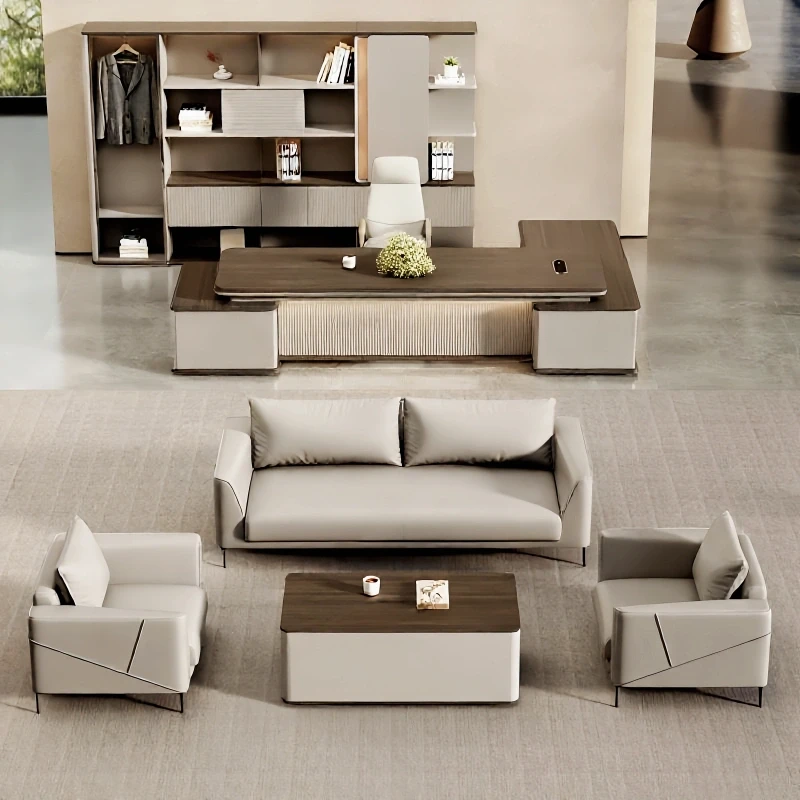
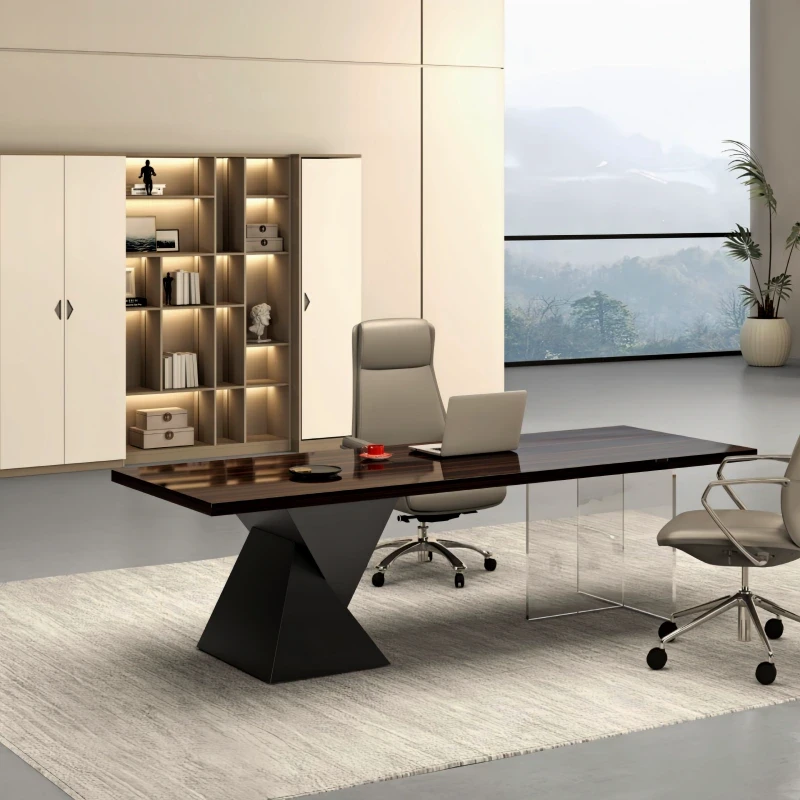


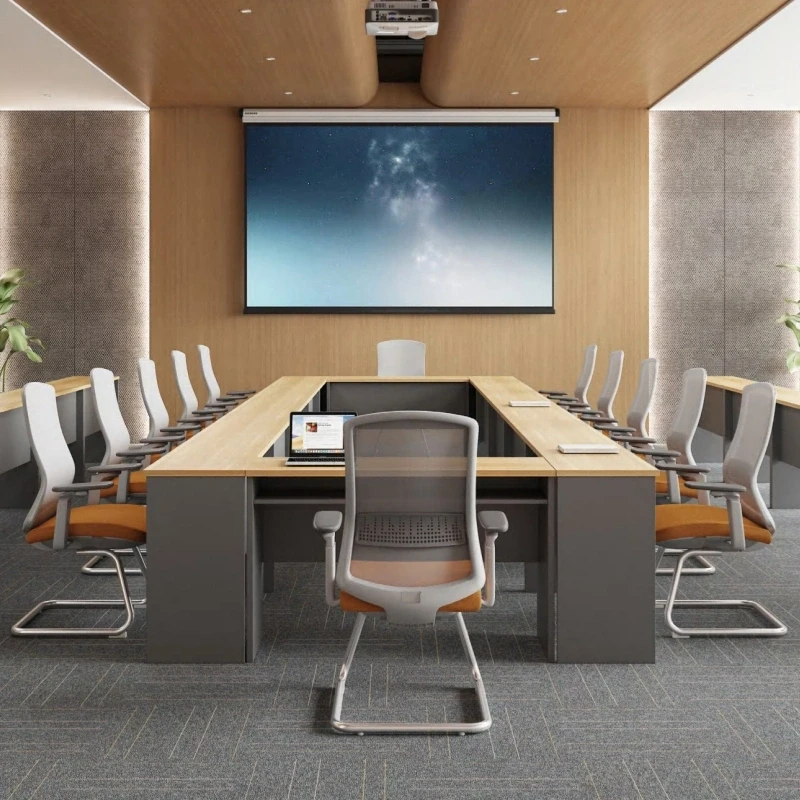
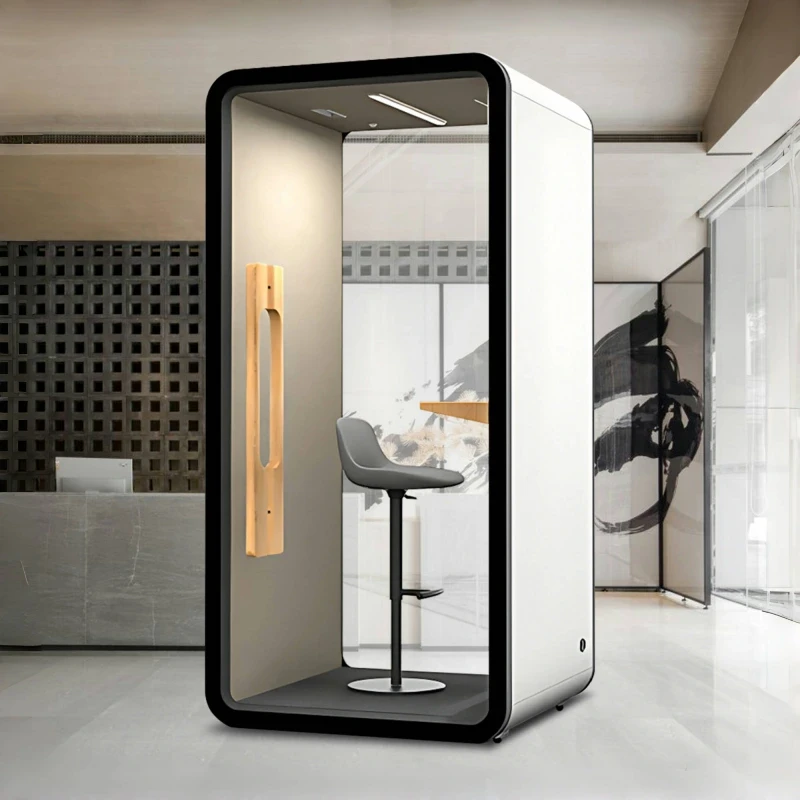
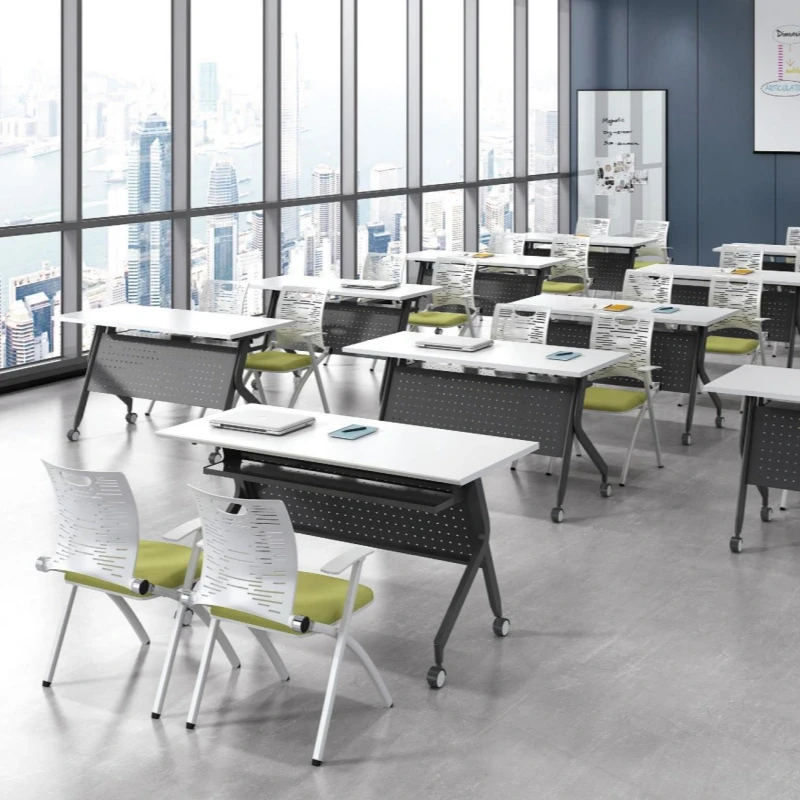
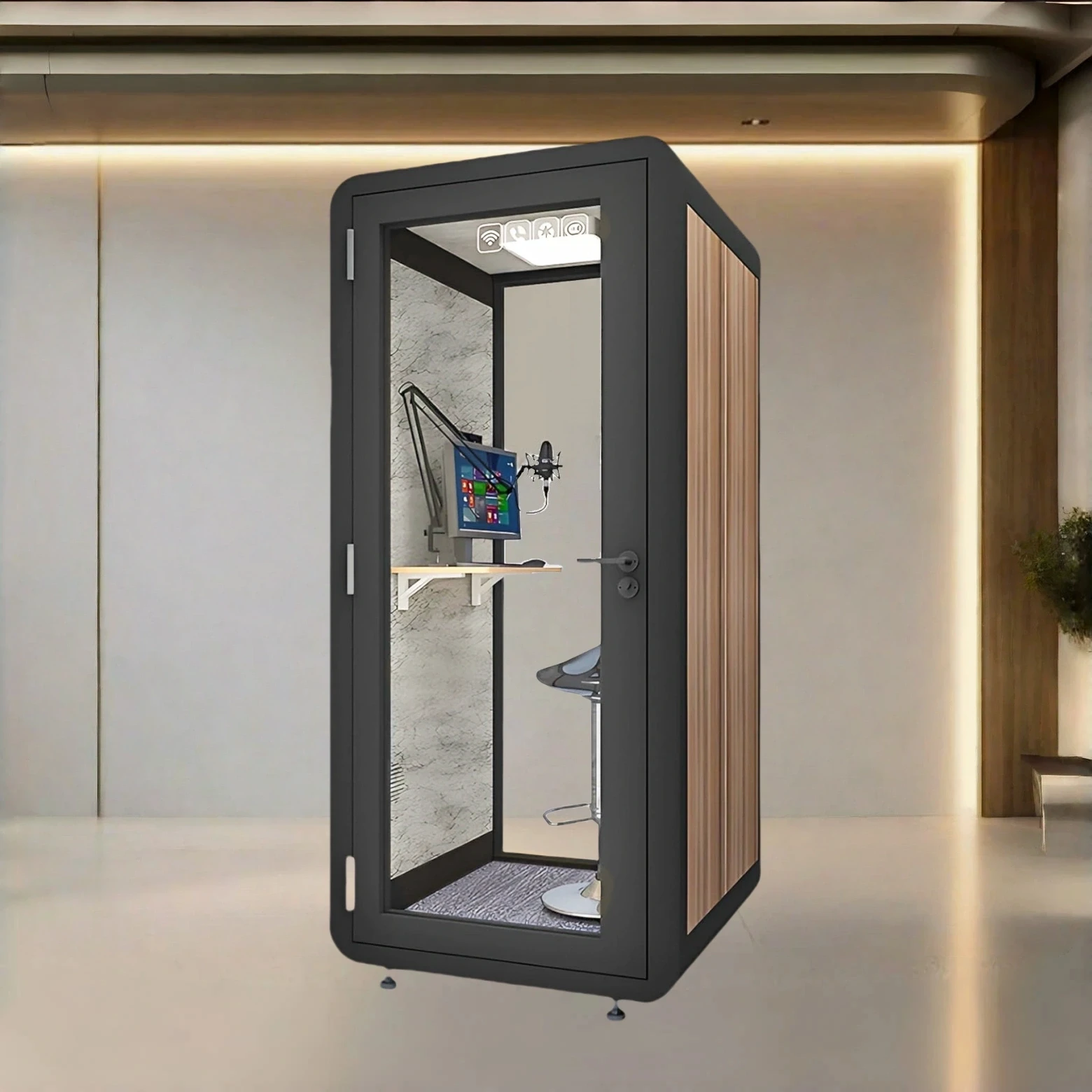
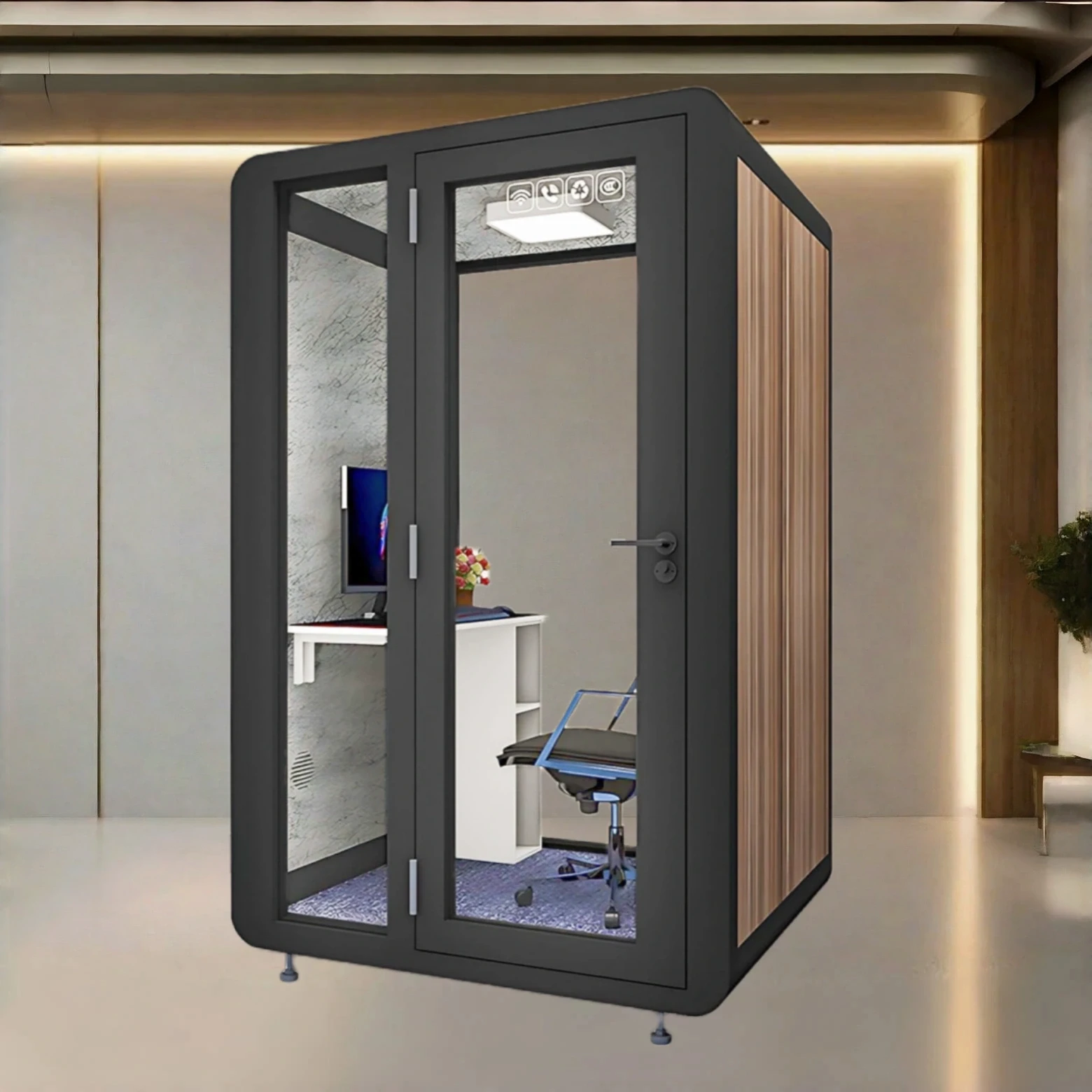
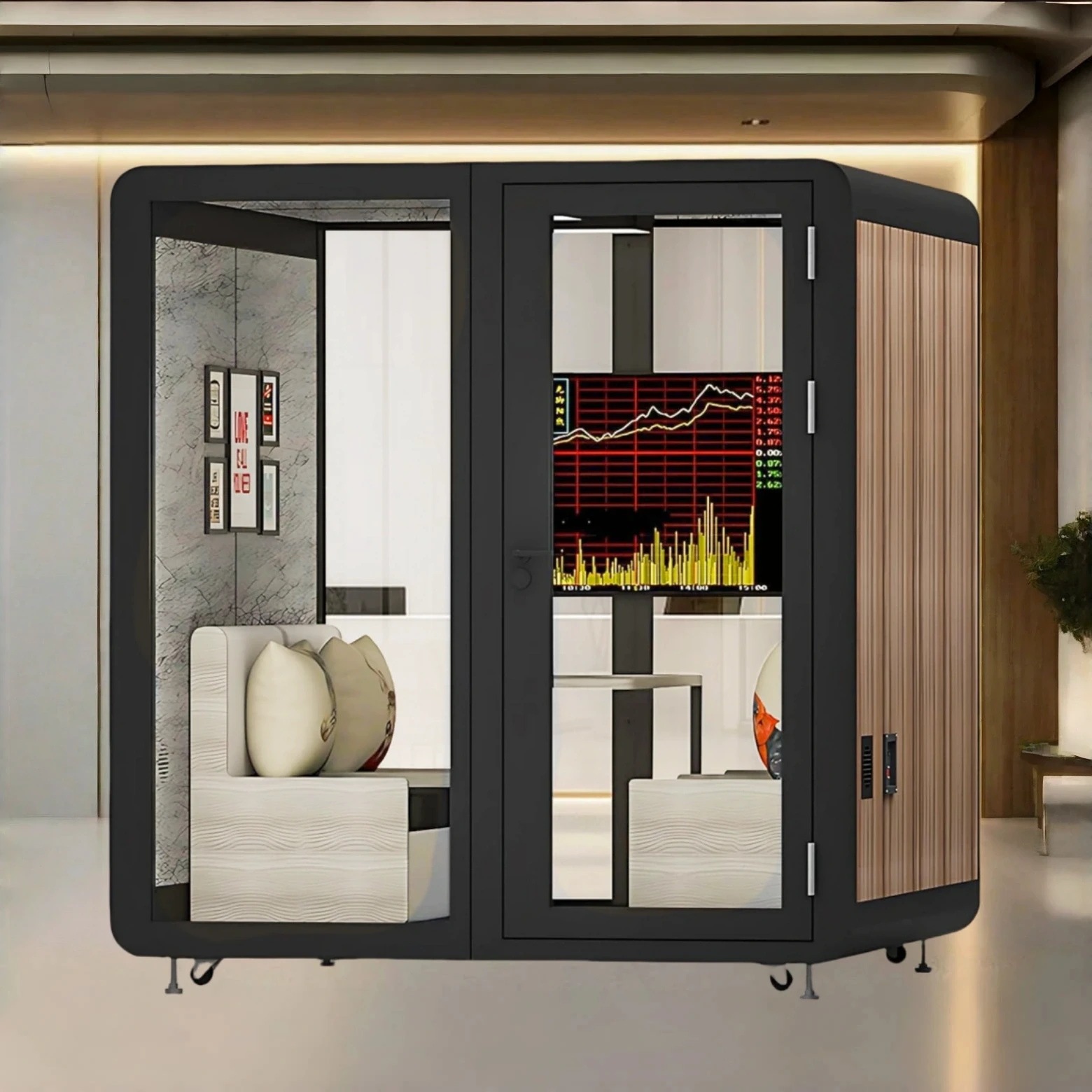
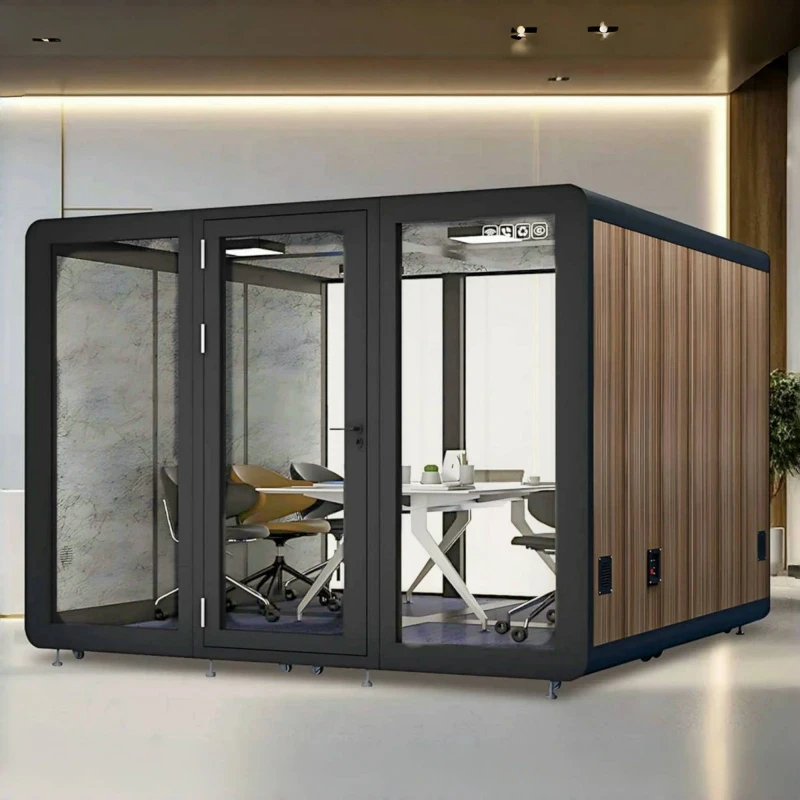
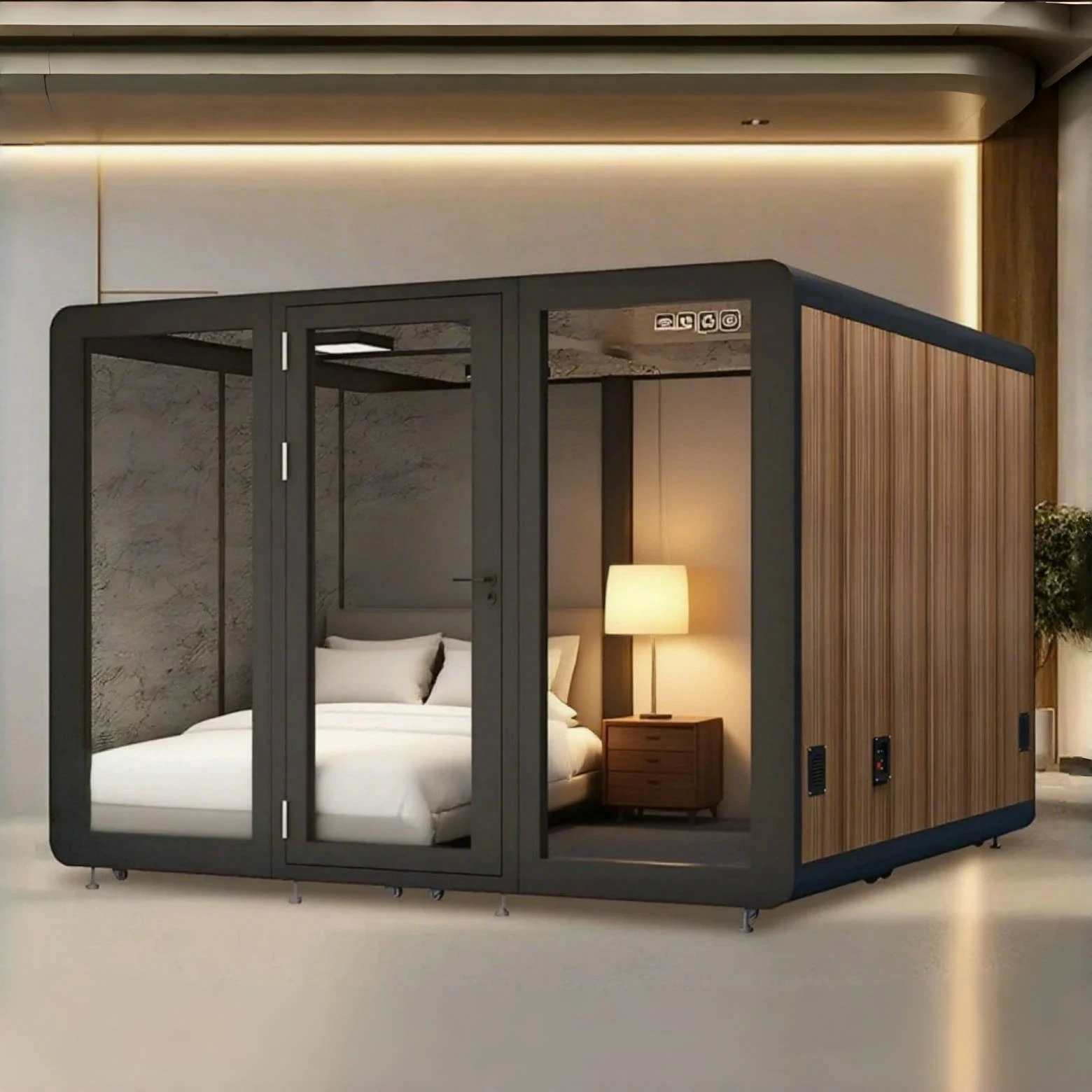


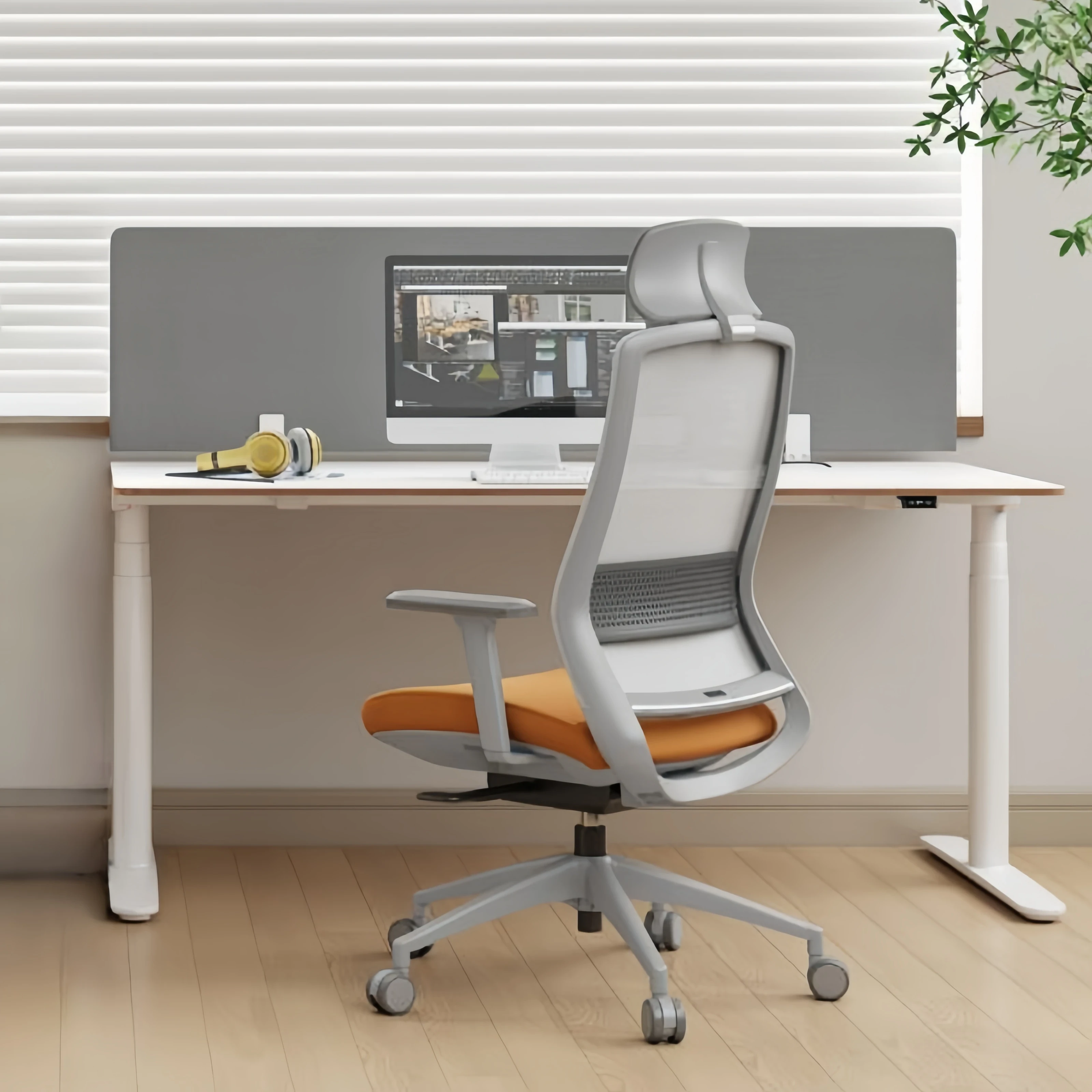


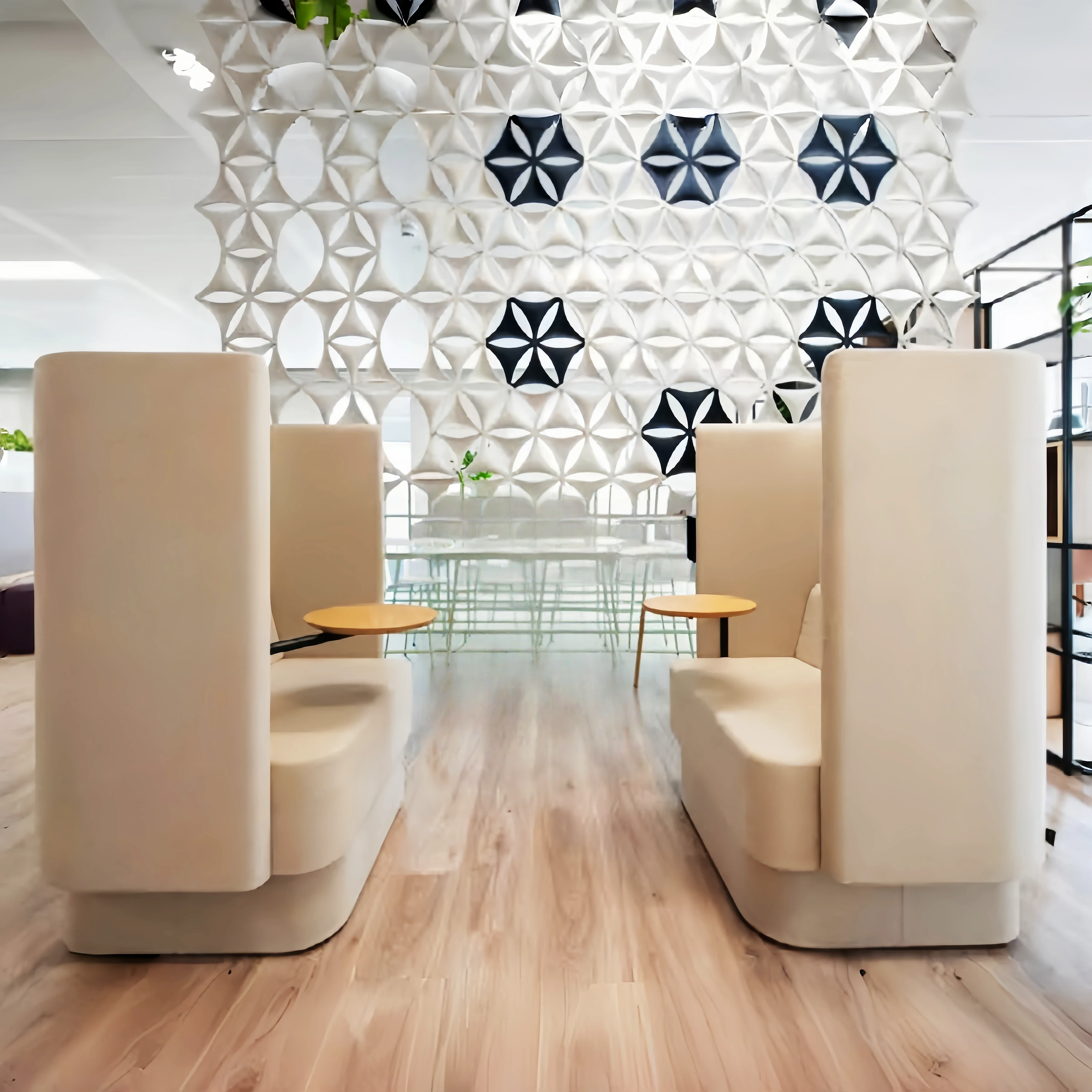

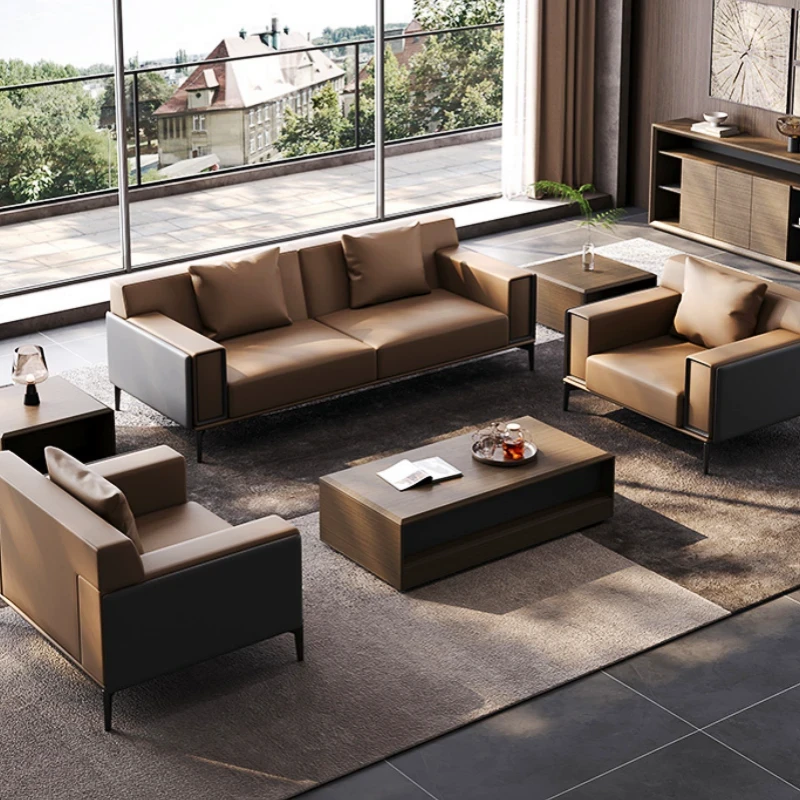
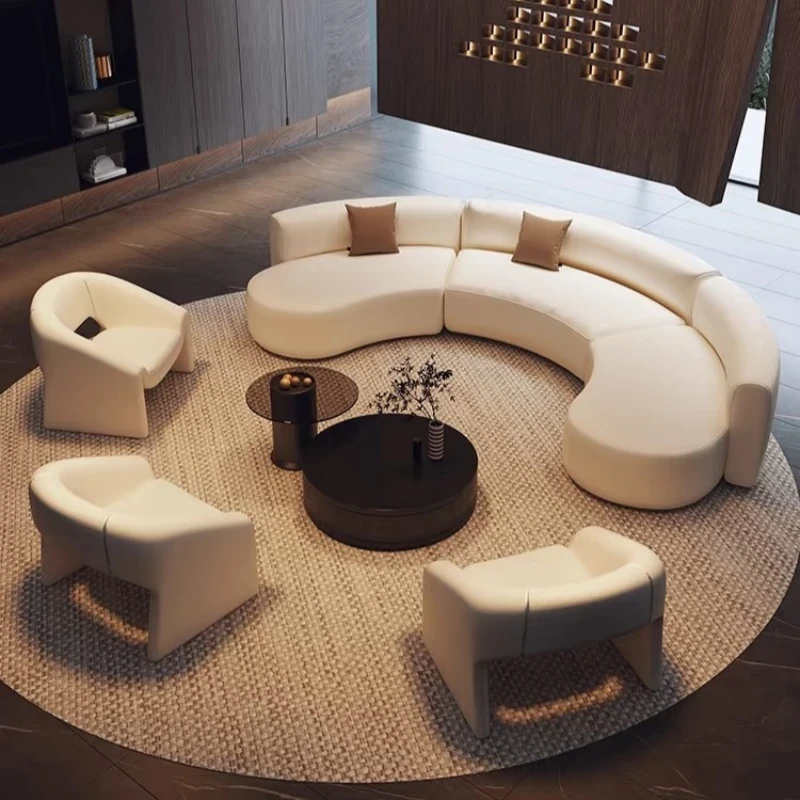
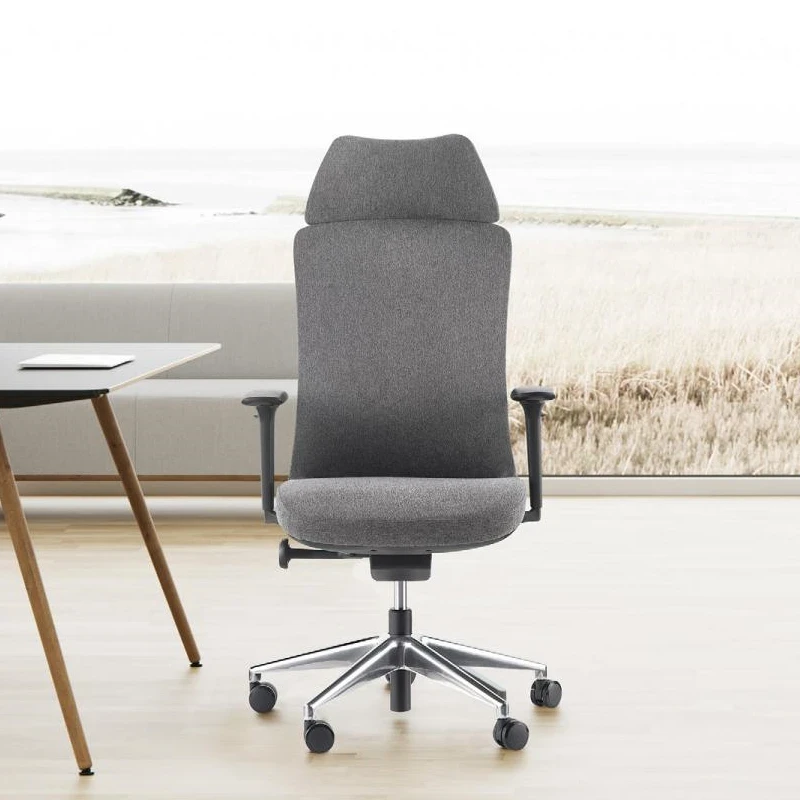


Panel furniture has become a new category of furniture due to its novel designs, bright colors, clear wood grain, and advantages such as being non-deformable, non-cracking, insect-proof, and reasonably priced.
When choosing panel furniture, pay attention to the following five points:
I. Surface Quality: Panel furniture uses particleboard, medium-density fiberboard, and other engineered wood products as the base material, with surfaces finished with melamine, PVC, wood veneer, and paper wood grain veneers. The wood grain patterns are clear, natural, smooth, and flat, offering good visual appeal and a pleasant feel. When purchasing, mainly check for defects such as scratches, dents, bubbles, peeling, and glue residue on the surface; whether the wood grain pattern is natural and smooth, avoiding an artificial feel; for symmetrical furniture, pay special attention to the consistency and harmony of the panel color and grain, making the symmetrical panels appear as if they came from a single piece of material.
II. Manufacturing Quality Panel furniture is made by cutting, edge banding, and assembling pre-formed panels. Its manufacturing quality mainly depends on the cutting quality, edge and surface finishing quality, and panel end quality. During the cutting process, there are quality requirements for the straightness, perpendicularity, and angles of the panels. Generally, the cutting precision should be within 0.01 mm per meter. Panels that meet these precision requirements will have smooth edges and good angles, preventing panel tilting in the finished furniture. The precision of the saw blade also affects the quality of the panel end faces and edges. Scratches, chipped edges, and collapsed corners will also affect the appearance of the panel furniture. Edge and surface finishing mainly involves checking whether the glue is applied evenly and firmly, whether the edges are smooth and even, and whether visible areas such as the bottom edges of side panels, door panels, and drawer fronts are edge-banded. Well-finished panels will not show any visible glue marks on their edges. When assembling the parts, check if the tongue and groove joints at the drilled holes are neat and precise, if the connectors are securely installed, if there are gaps in the T-shaped joints after the flat surfaces and end faces are connected, and if there is any looseness when pushed by hand. Also check if the gaps between doors and drawers are too large, generally requiring between 1mm and 2mm, and whether the doors and drawers open and close smoothly and freely.
III. Quality of Metal and Plastic Components Zhengzhou office furniture – panel furniture uses metal and plastic components as fasteners, so the quality of these components determines the overall quality of the furniture. Metal components must be flexible, smooth, and well-plated, free from rust and burrs. The precision requirements for mating parts are even higher. Plastic components should be aesthetically pleasing, brightly colored, and have sufficient strength and elasticity in stress-bearing areas, avoiding excessive thinness. Opening connectors must rotate smoothly, and those with internal springs should have appropriate tension to ensure smooth, easy, and noiseless opening and closing.
IV. Main Dimensions Currently, the market for panel furniture mainly consists of bedroom sets and office furniture. There are also multi-functional TV cabinets and other similar products. National standards specify requirements for the main dimensions (i.e., functional dimensions) of these furniture pieces. For example, wardrobes are required to have a hanging space depth of at least 530mm, and the distance from the top edge of the hanging rod to the top surface of the bottom panel should be at least 1400mm. Tables are required to have a height of 680mm-760mm, with the clear height from the bottom edge of the middle drawer of a writing desk to the ground at least 580mm, and the clear height between shelves in a bookcase at least 520mm. These main dimensions should be carefully considered when purchasing furniture, as smaller dimensions will cause inconvenience and affect its usability. For instance, a wardrobe with insufficient depth may prevent clothes from being hung properly and cause the doors to not close.
V. Formaldehyde Emission: Panel furniture generally uses particleboard and medium-density fiberboard (MDF) as its base materials. National standards regulate the formaldehyde emission levels of these boards. Specifically, particleboard is required to have a formaldehyde emission of at least 50 mg/100g, and MDF at least 40 mg/100g. Formaldehyde, also known as formalin, is a harmful and toxic substance that can negatively impact human health. If consumers notice a pungent odor when opening doors and drawers, causing eye irritation or coughing, it indicates that the formaldehyde emission level exceeds the standard requirements, and such furniture should not be purchased.