
 USD
USD GBP
GBP
 EUR
EUR
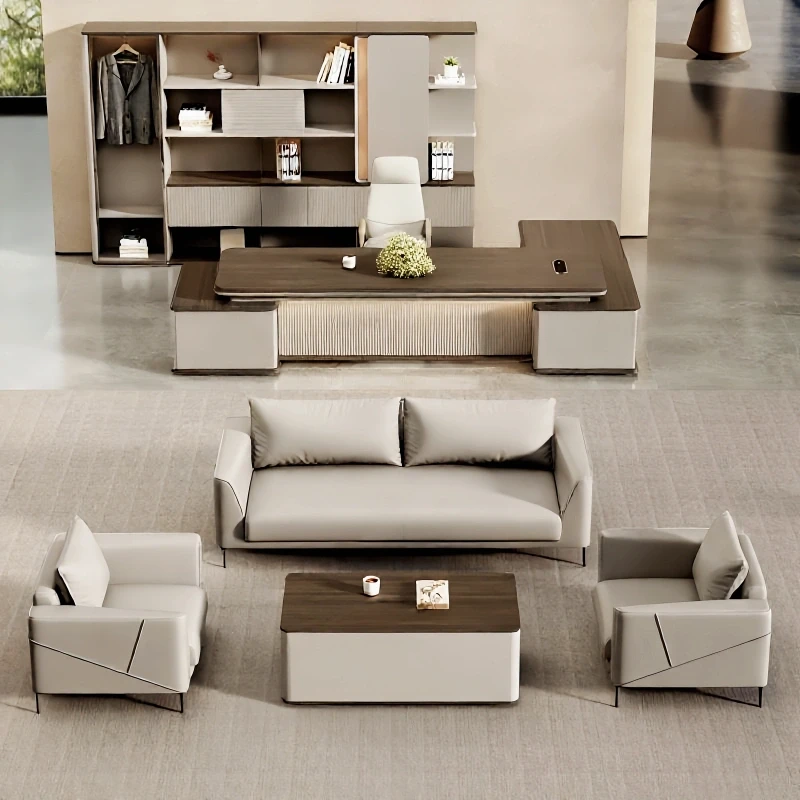
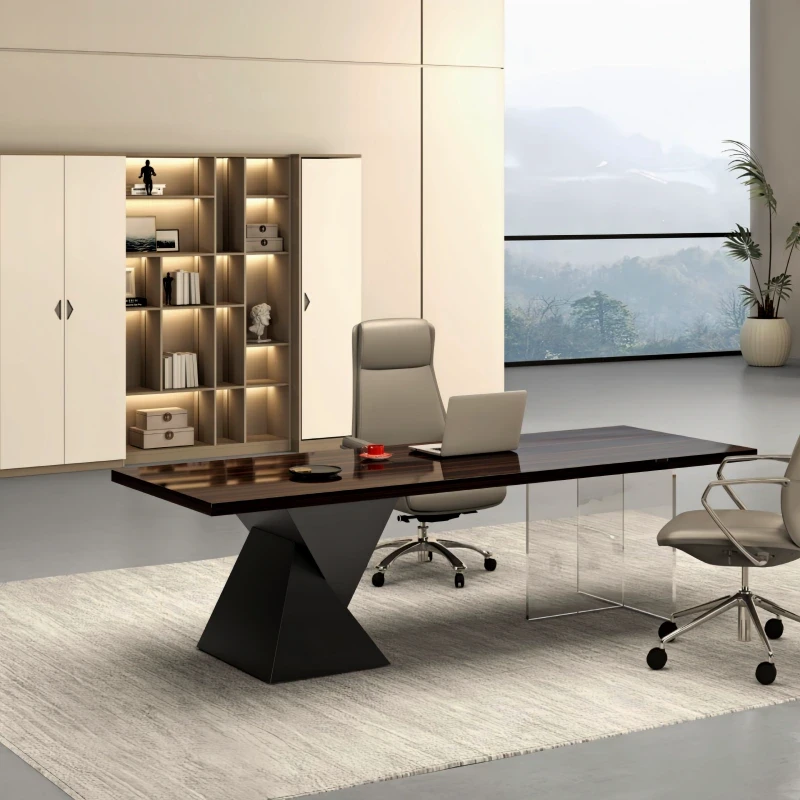


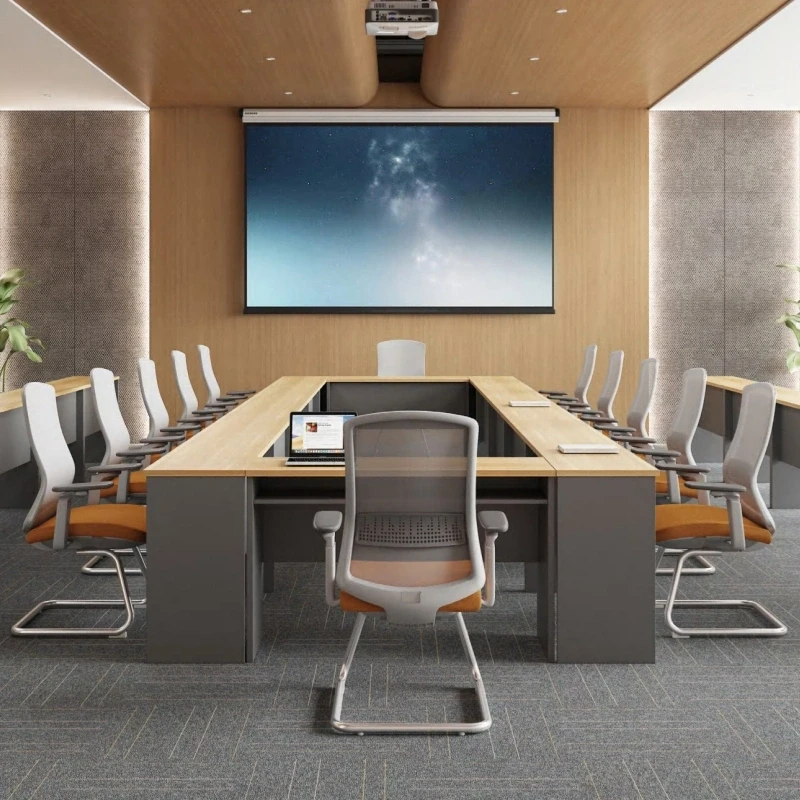
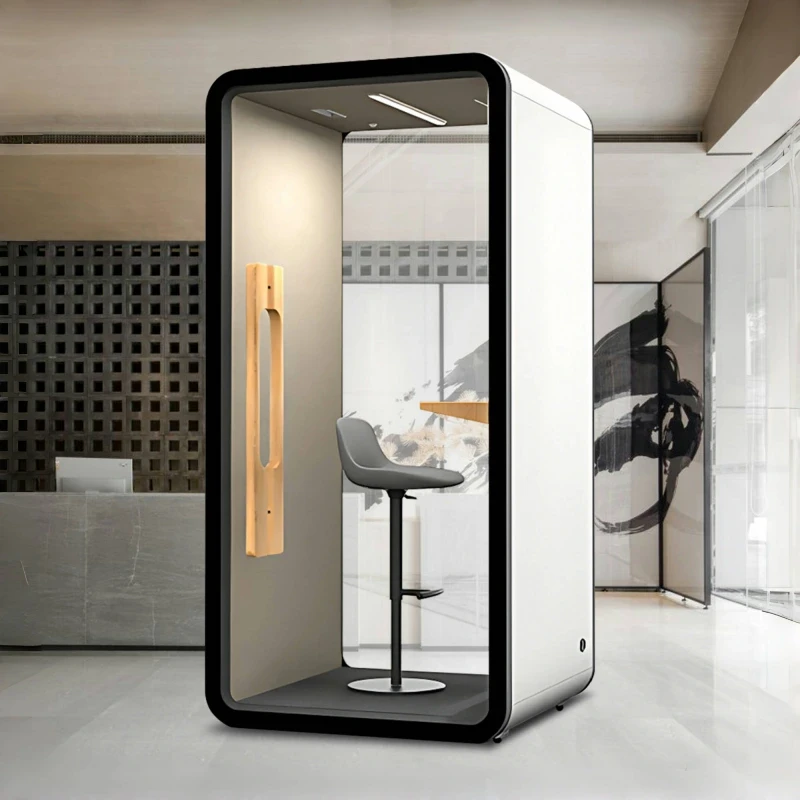
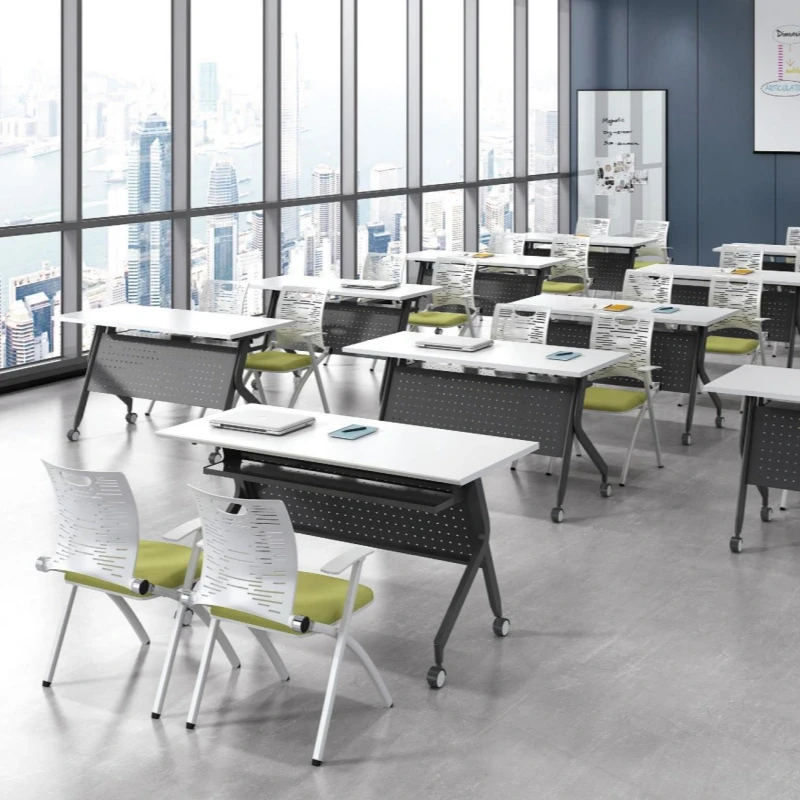
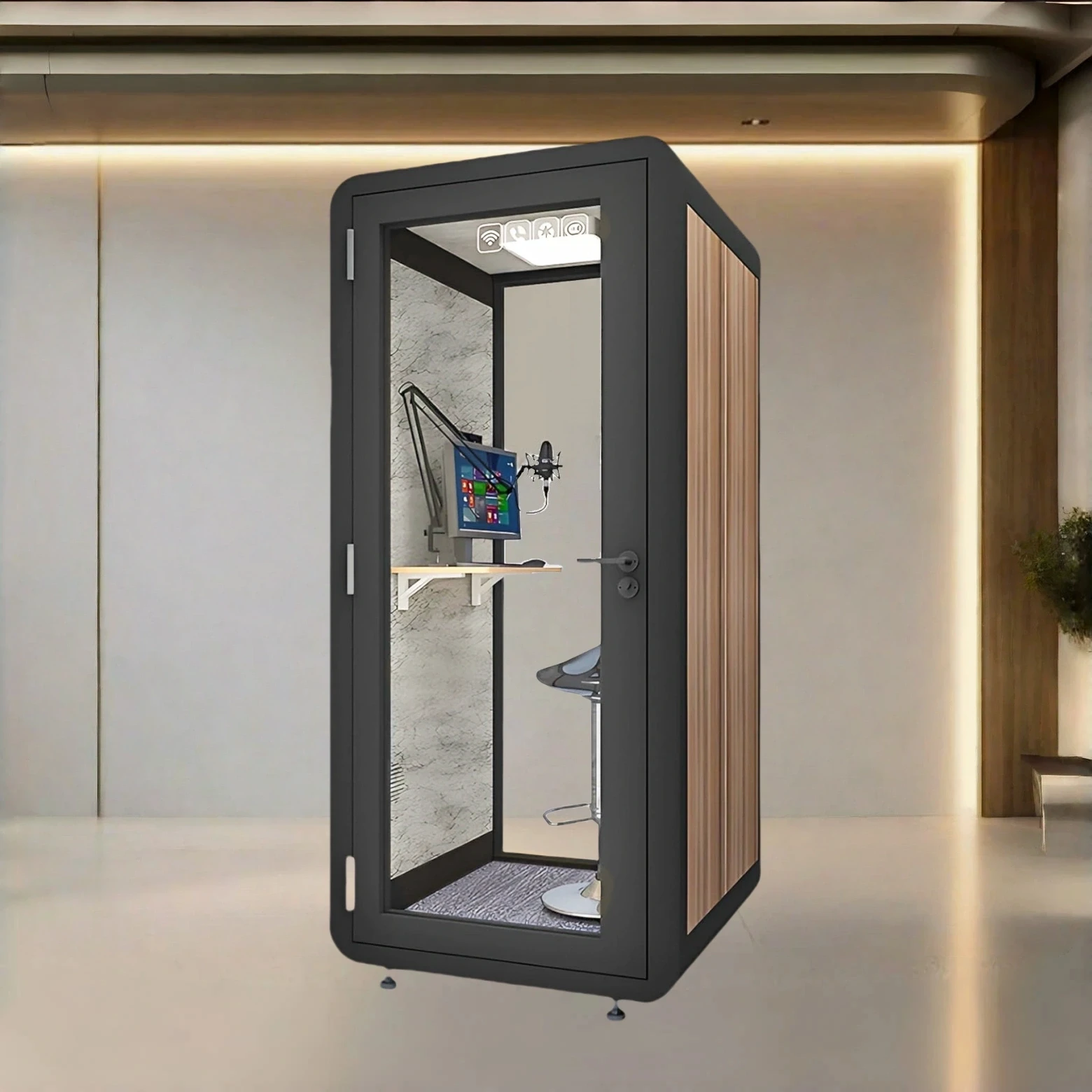
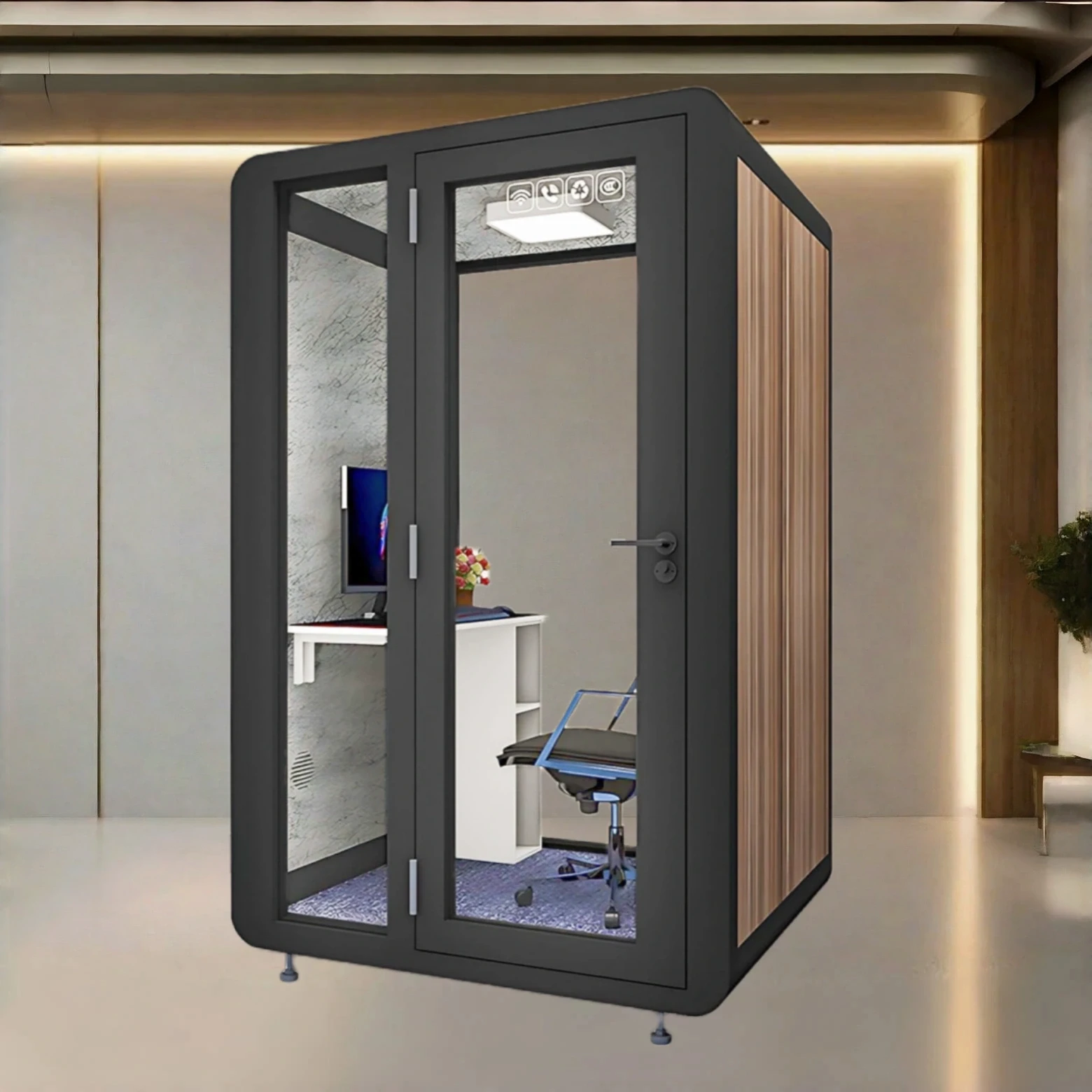
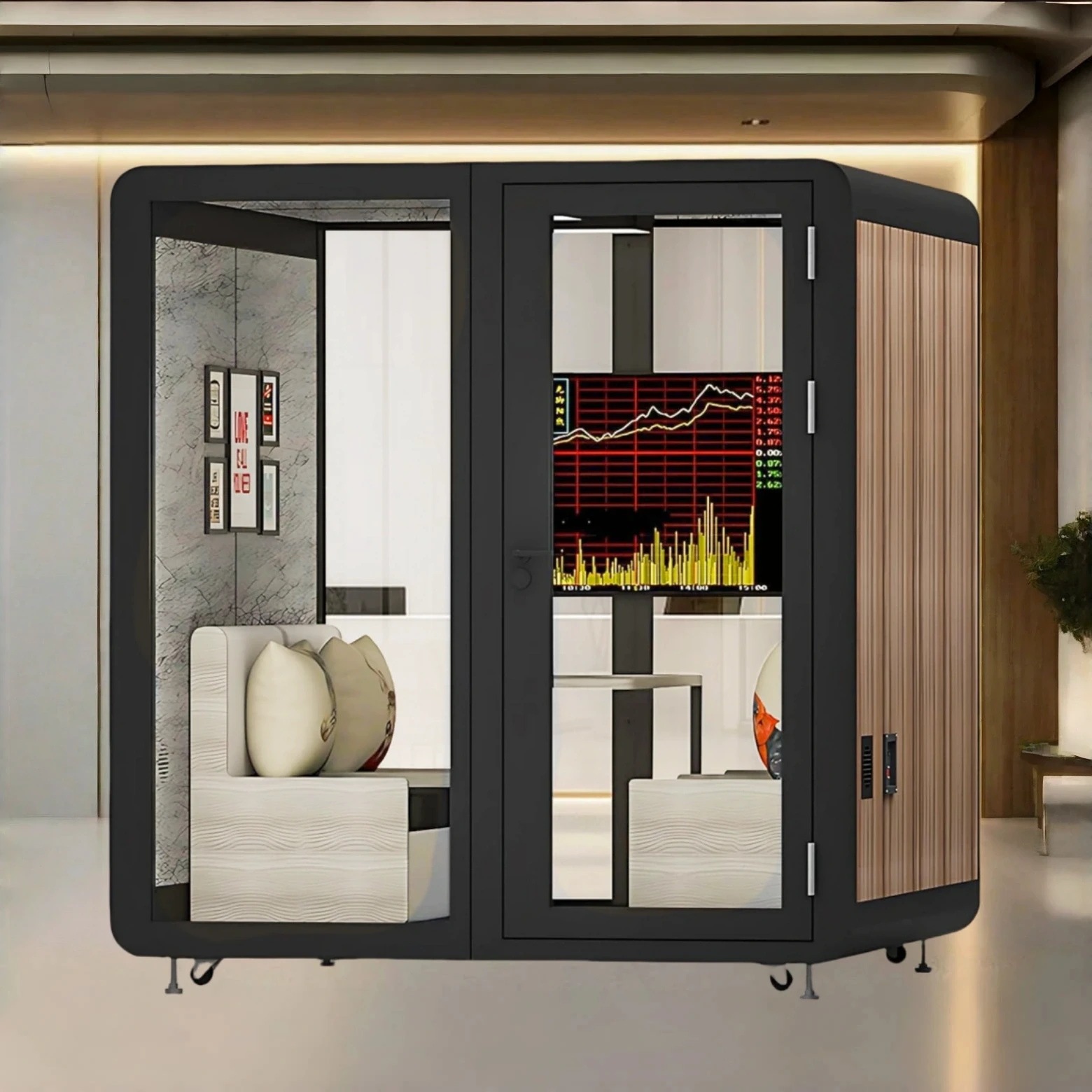
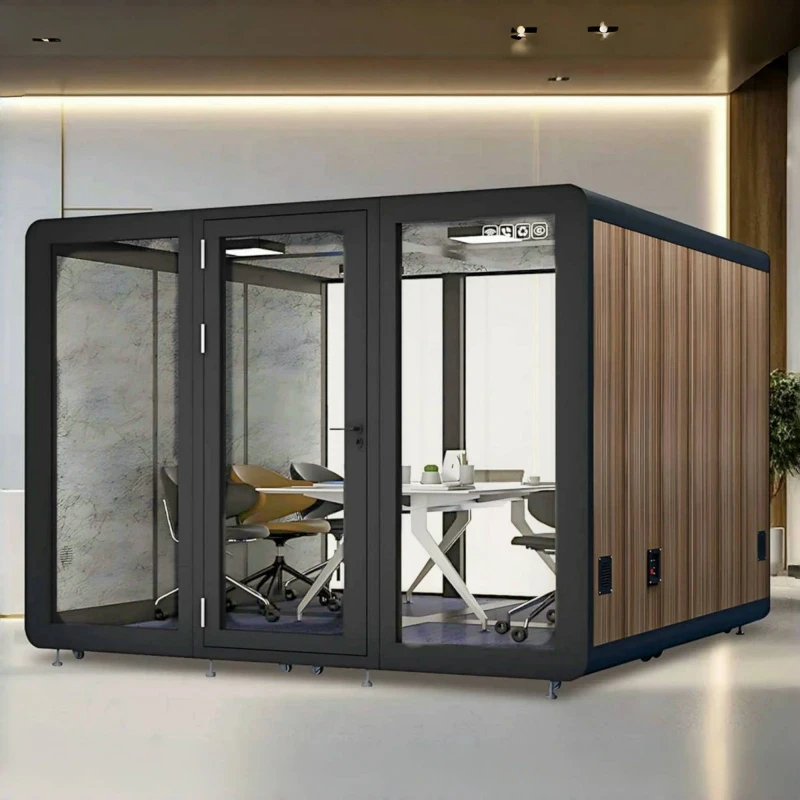
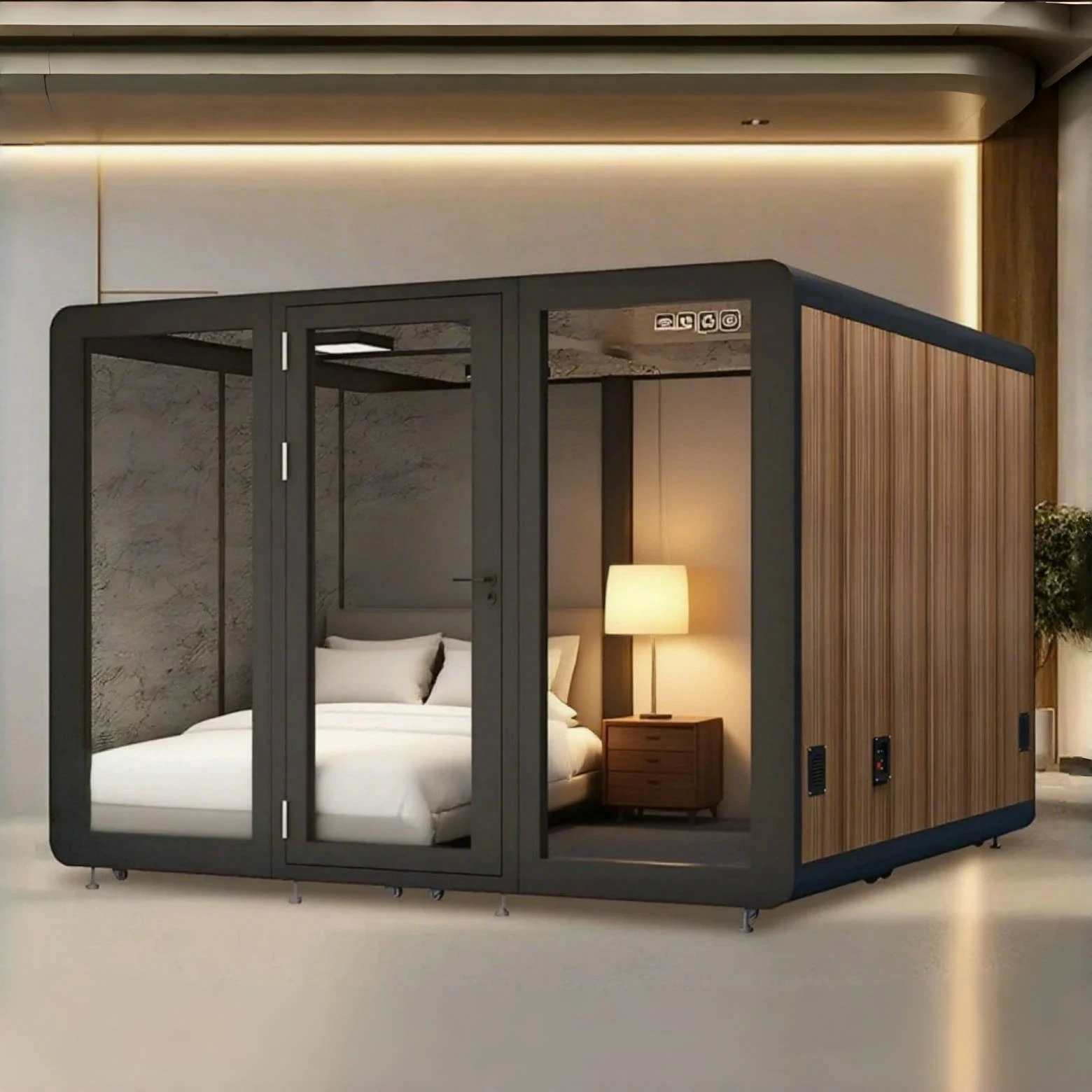


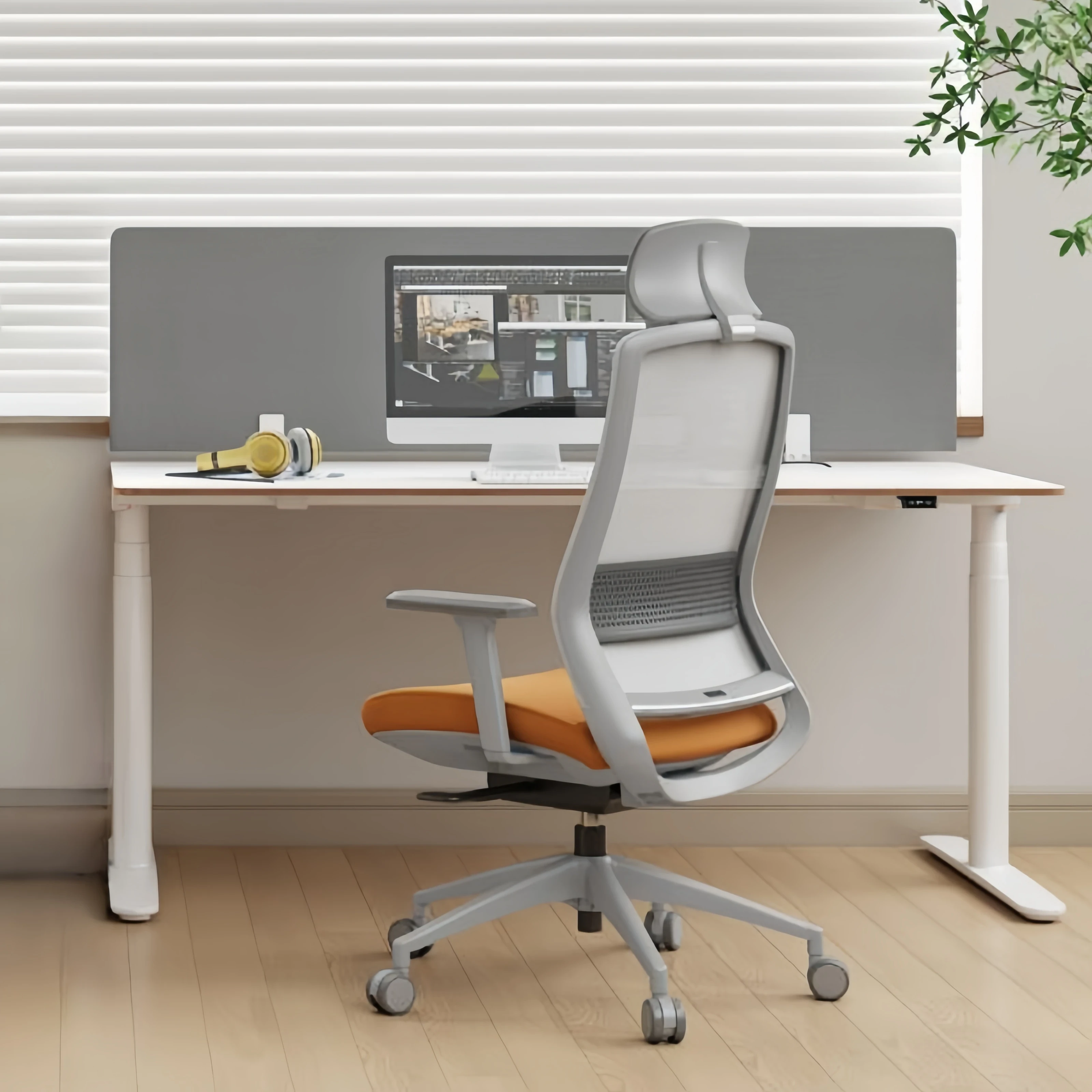


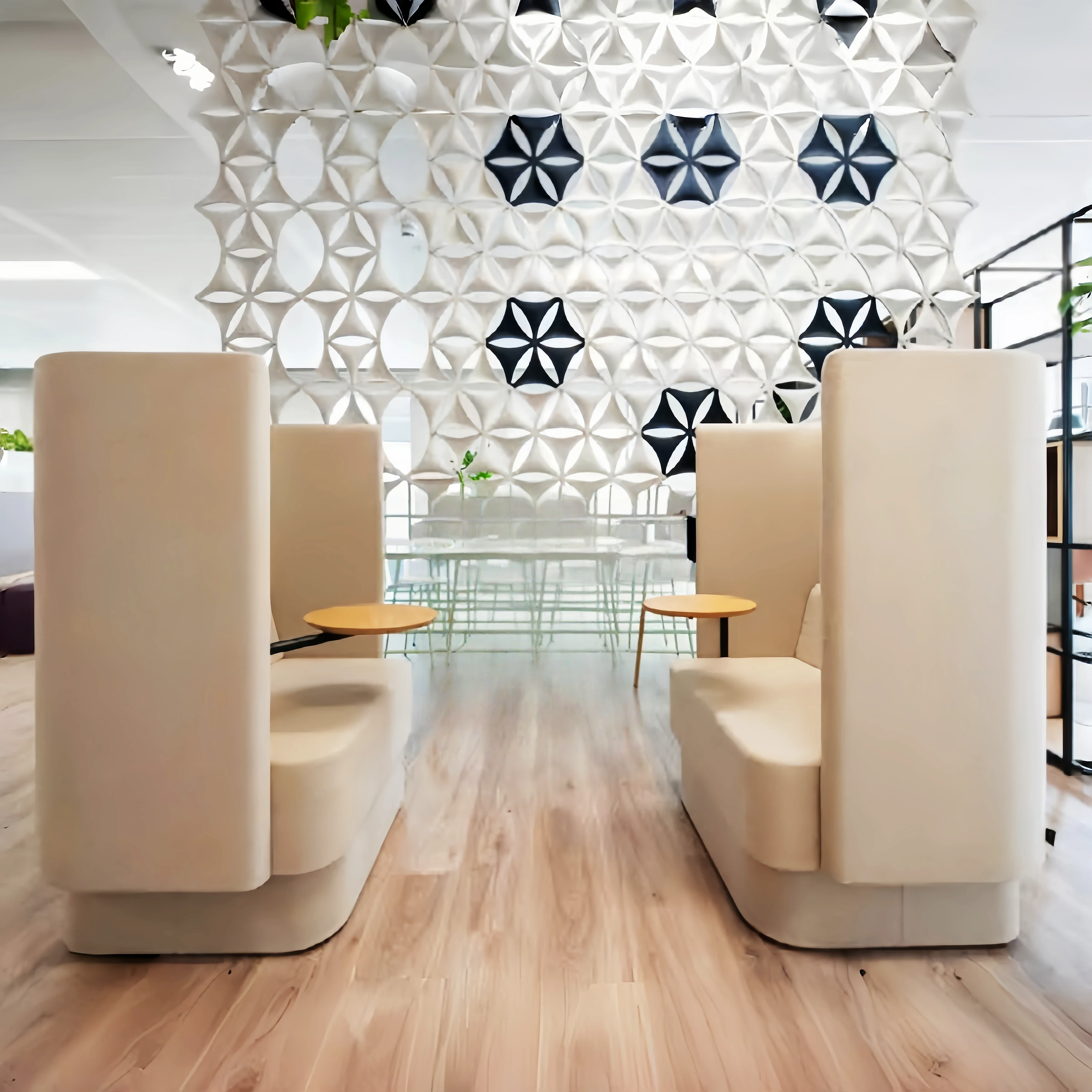

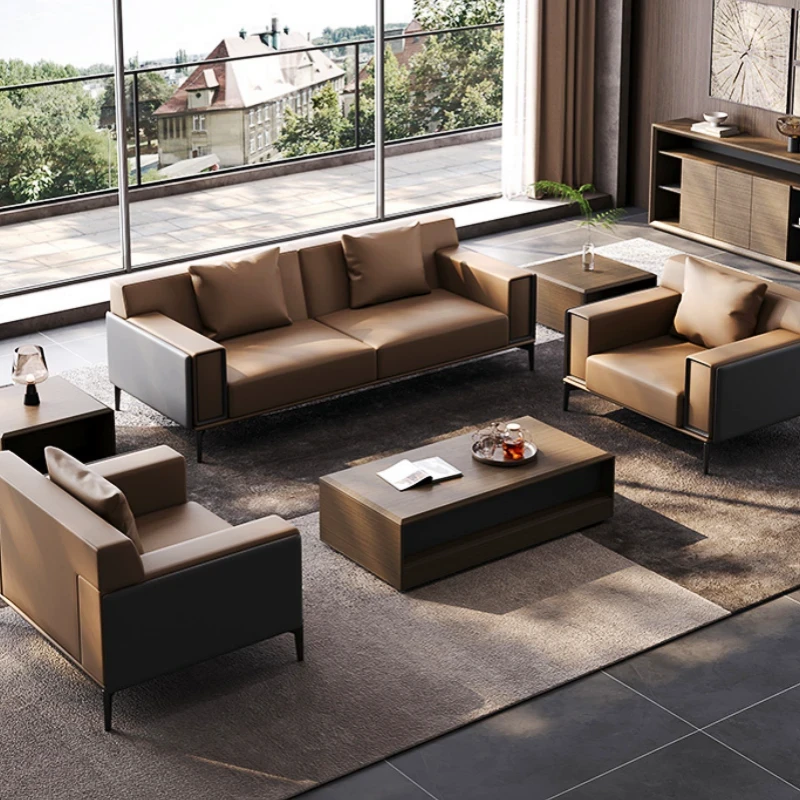
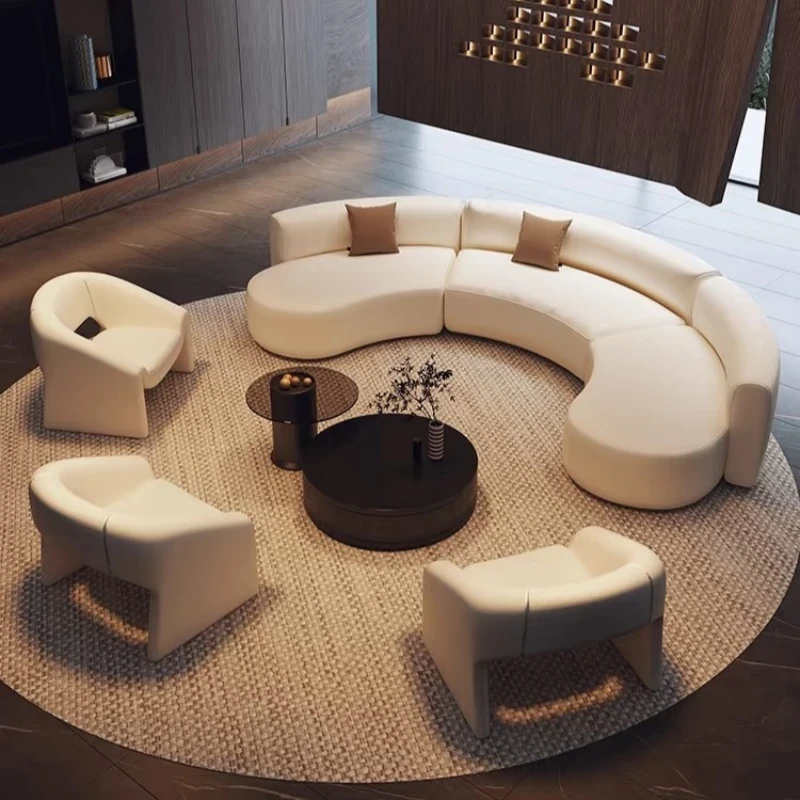
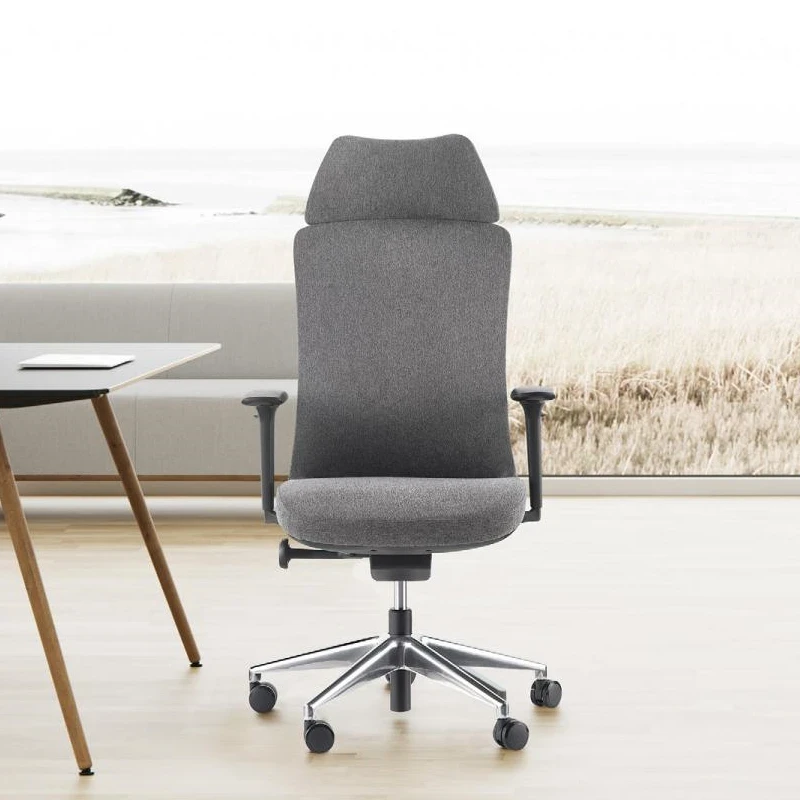


Modular furniture, due to its high flexibility, can be adjusted and reorganized to meet the needs of different teams. This design helps employees freely combine and partition spaces for different forms of collaboration.
Recommendations:
Movable Tables and Chairs: Use tables and chairs with wheels so employees can easily adjust their workspaces as needed.
Modular Workstations: Utilize desktop systems that can be joined or disassembled to support various work styles, such as individual work or group meetings.
Flexible Partitions: Use adjustable screens or wall panels to provide flexible options between openness and privacy.
II. Shared Workstations
Shared workstations are a popular design in open spaces, providing employees with a platform for direct communication and collaboration. Long or round table designs encourage face-to-face communication and rapid exchange of ideas.
Recommendations:
Long Workstations: Suitable for team discussions and brainstorming, helping to break down departmental barriers.
Round Meeting Tables: Promote equal communication and collaboration, especially suitable for teams that require frequent meetings and interactions.
Standing High Tables: Encourage employees to communicate quickly and efficiently without prolonged sitting.
III. Collaboration Areas
Establishing dedicated collaboration areas in open-plan office spaces helps encourage employees to temporarily leave their individual workstations and engage in collective discussions and creative thinking.
Recommendations:
1. Retain whiteboards or glass boards: Use them for brainstorming and to facilitate recording and presenting ideas. 2.
Comfortable seating: Choose soft sofas and flexible lounge chairs to provide an informal discussion environment.
3. Multifunctional meeting rooms: Equipped with modern integrated office equipment, such as video conferencing systems and projectors, to support remote collaboration.
IV. Sound Management System
While open spaces promote communication, noise issues can also affect productivity. Therefore, incorporating a sound management system into furniture design is essential.
Recommendations:
1. Sound-absorbing panels: Install sound-absorbing panels on walls and ceilings to reduce ambient noise. 2.
Soundproofing furniture: Use high-backed sofas or screens to naturally block noise and provide relatively quiet small workspaces. 3.
Sound-blocking devices: Set up audio equipment to play soothing music or white noise to help focus.
V. Cultural and Personality Integration
Integrating company culture and employee personalities into furniture design can foster a sense of belonging and self-expression, thereby enhancing collaborative spirit.
Recommendations:
Personalized Decor: Allow employees to decorate common areas with personal or team-style decorations.
Reflecting Company Culture: Use furniture materials, colors, and arrangements to reflect company culture and values, reinforcing employee identification with these values.
Open Display Areas: Such as display walls and open bookshelves, to encourage information sharing and showcasing team achievements.
Conclusion:
In open-plan office spaces, the art of furniture design lies in maintaining openness while effectively supporting collaboration and communication. Modular furniture, shared workbenches, dedicated collaboration areas, sound management systems, and designs that reflect culture and personality are all effective strategies for promoting employee collaboration and communication in open-plan offices. Through these designs, companies can create a more interactive and flexible work environment, thereby improving overall productivity and employee satisfaction.