
 USD
USD GBP
GBP
 EUR
EUR
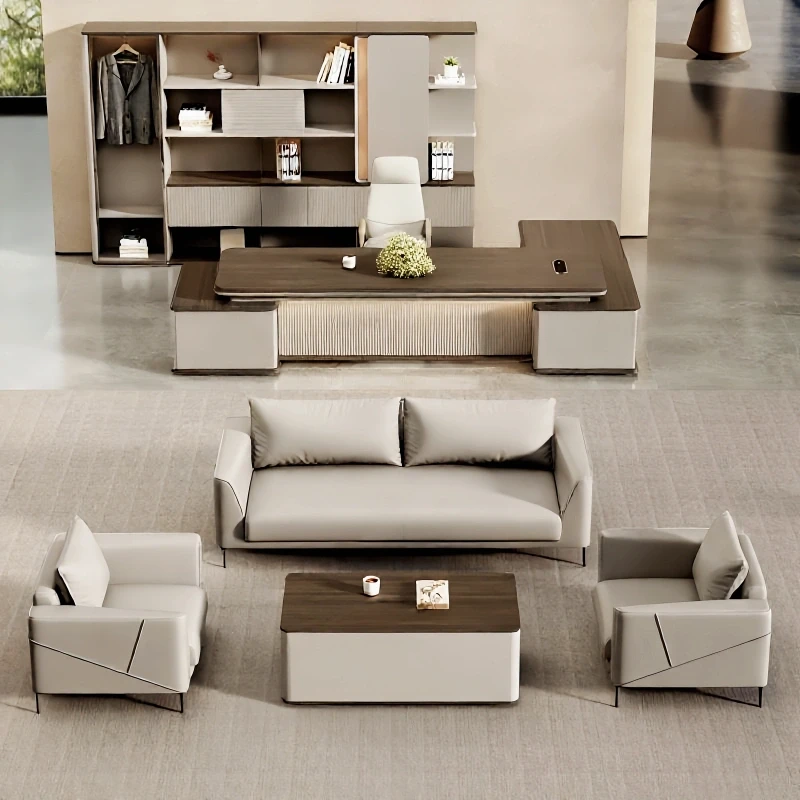
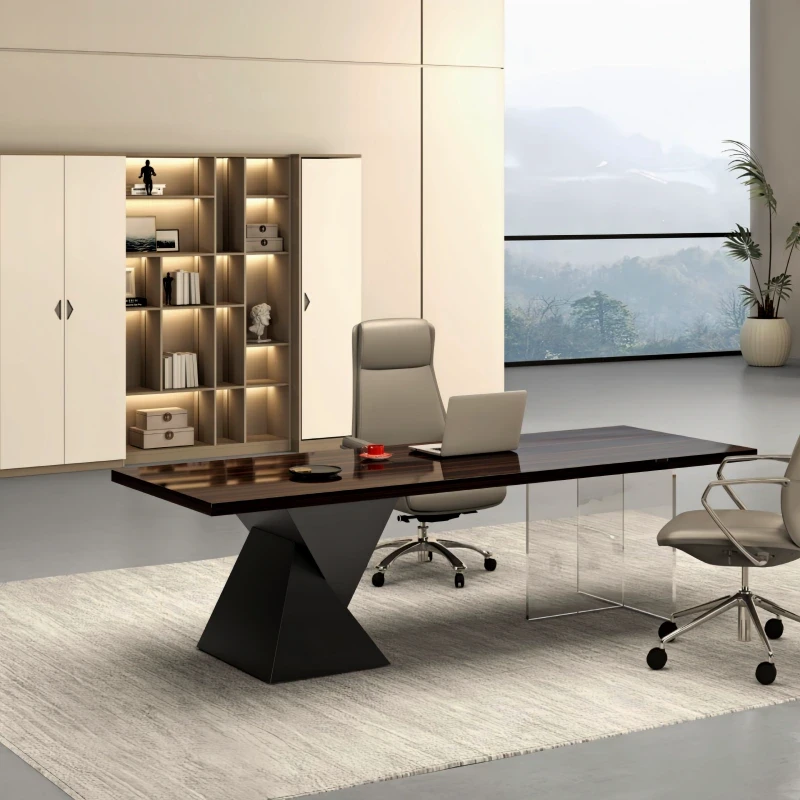


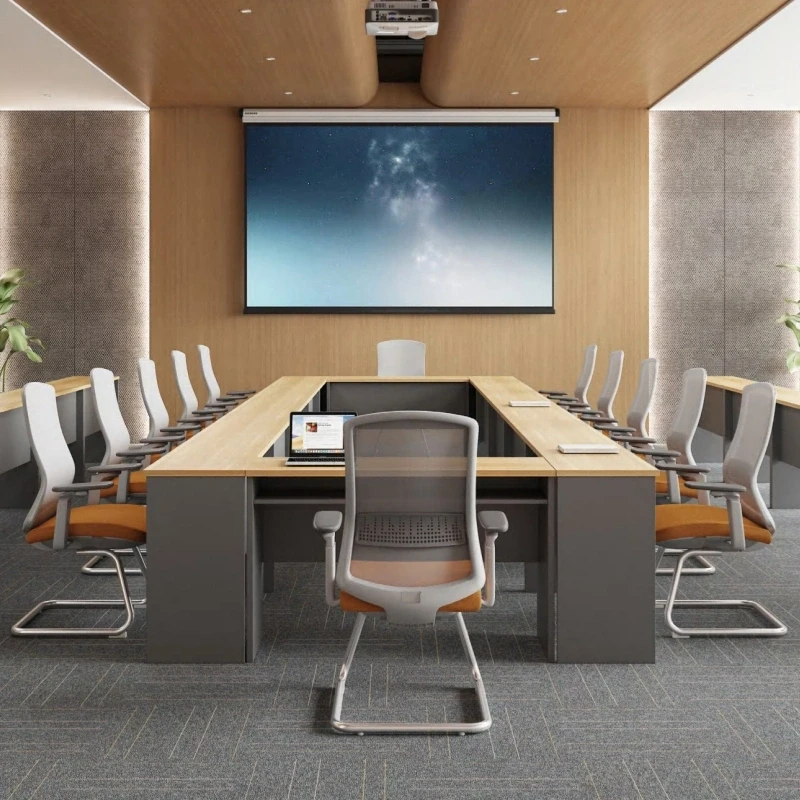
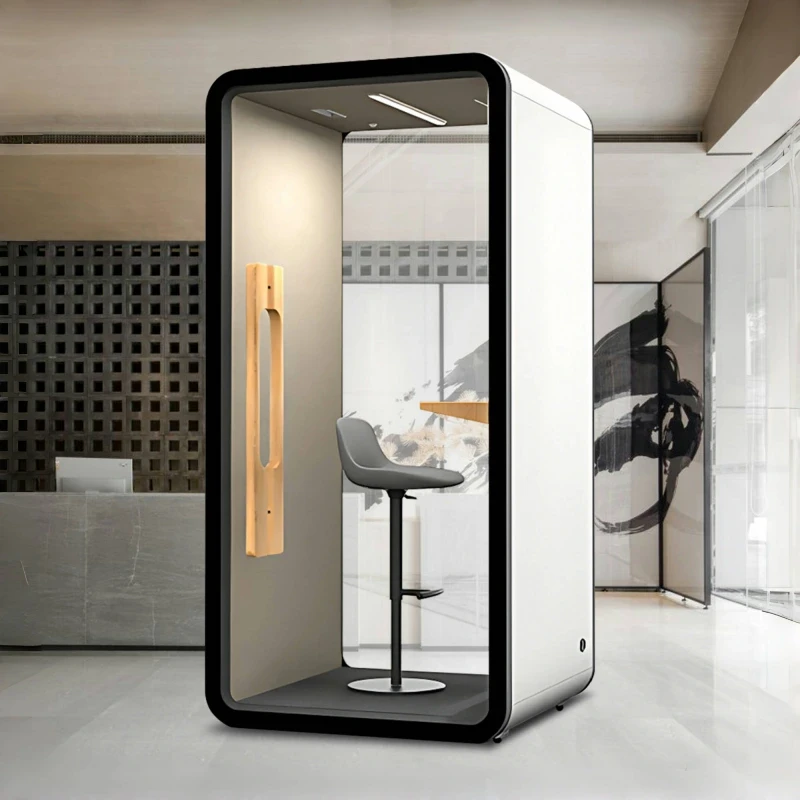
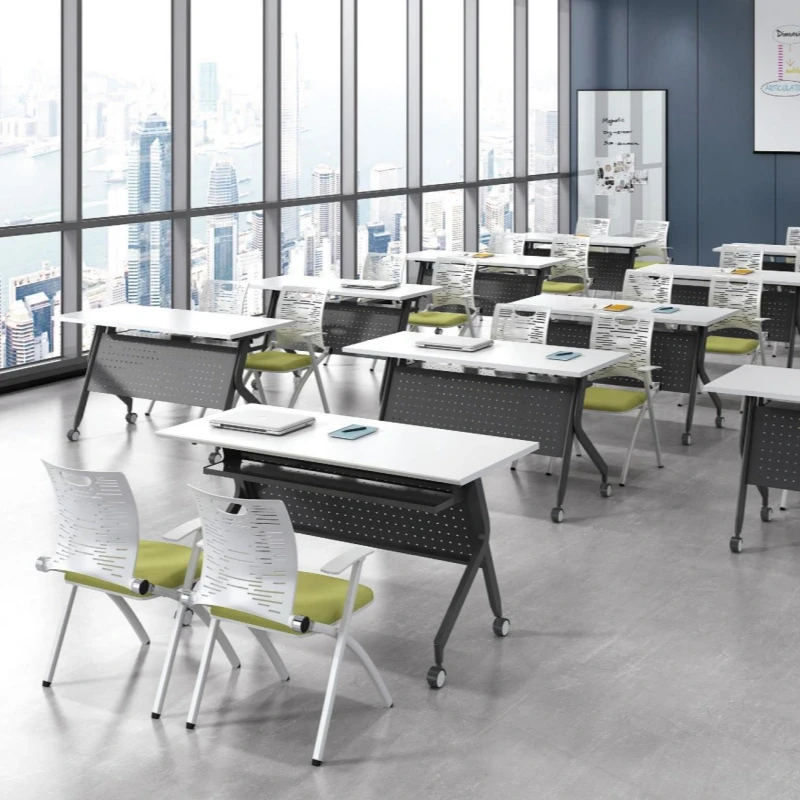
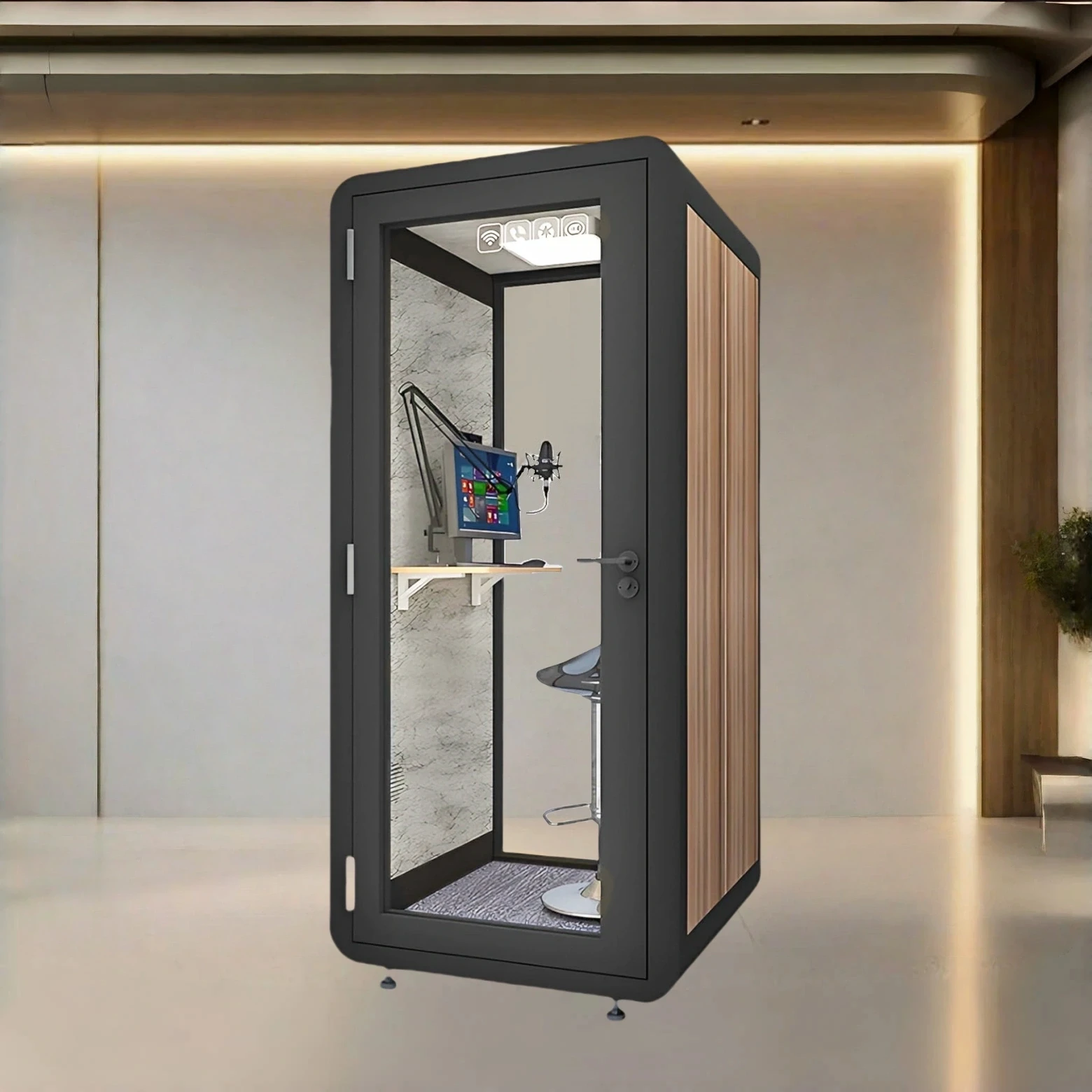
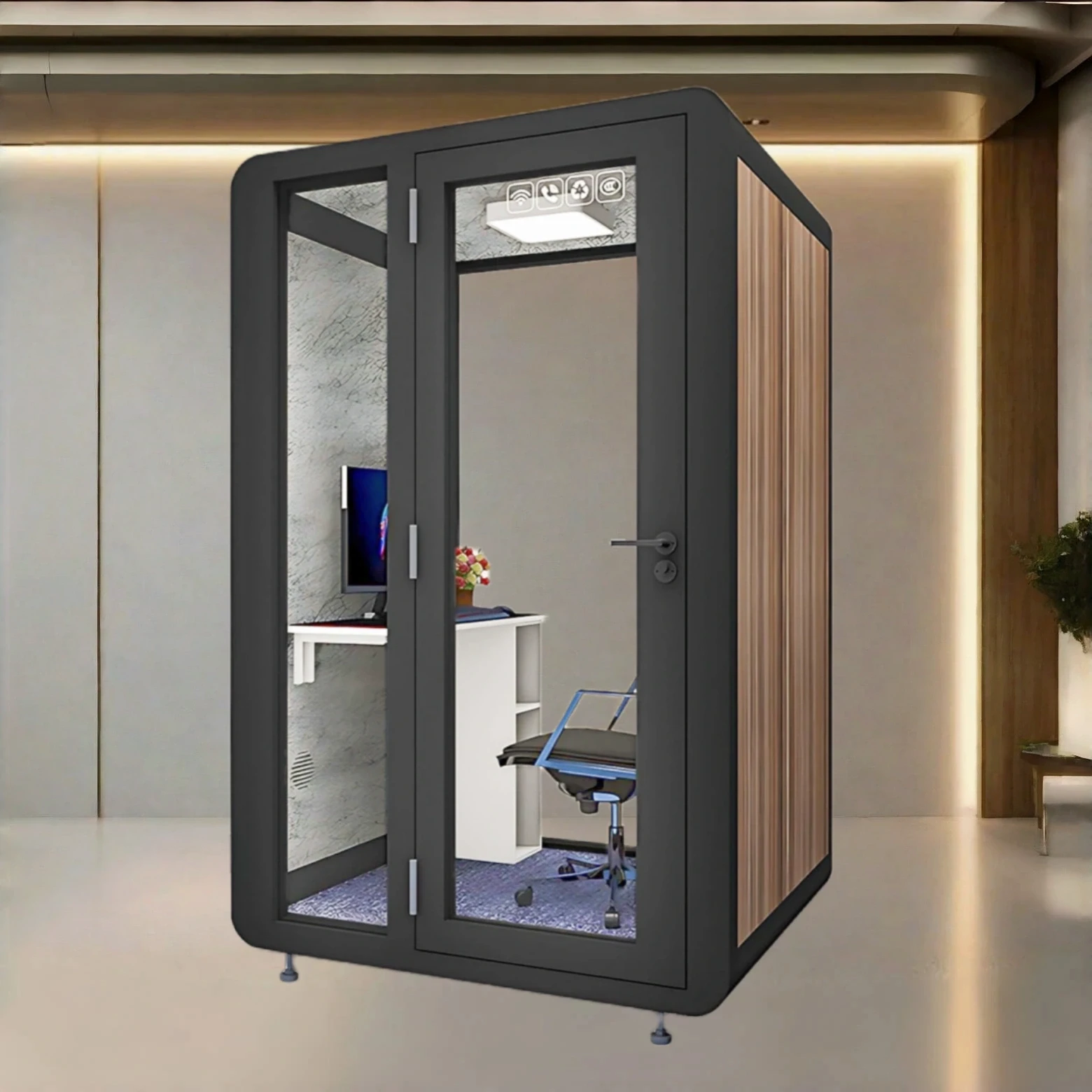
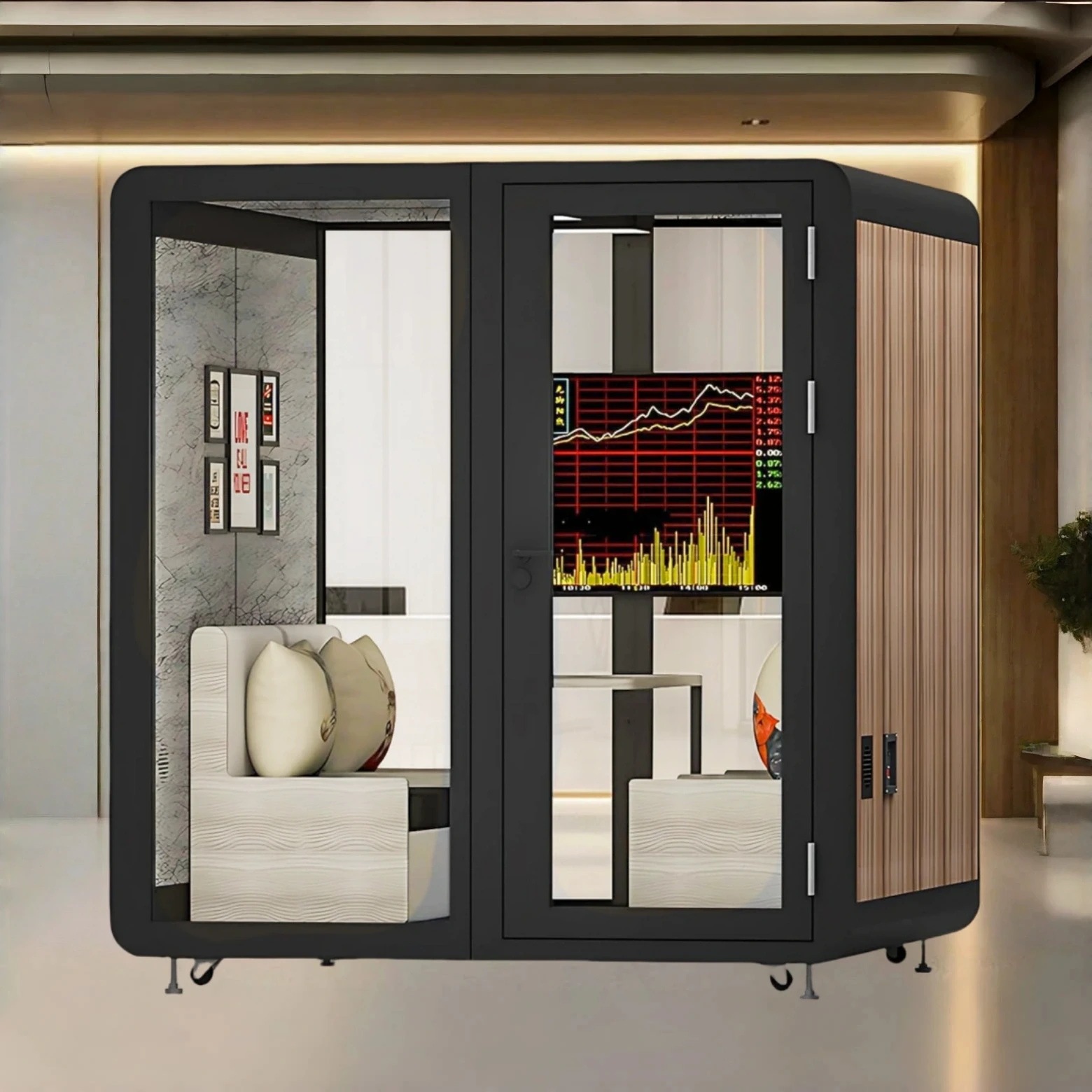
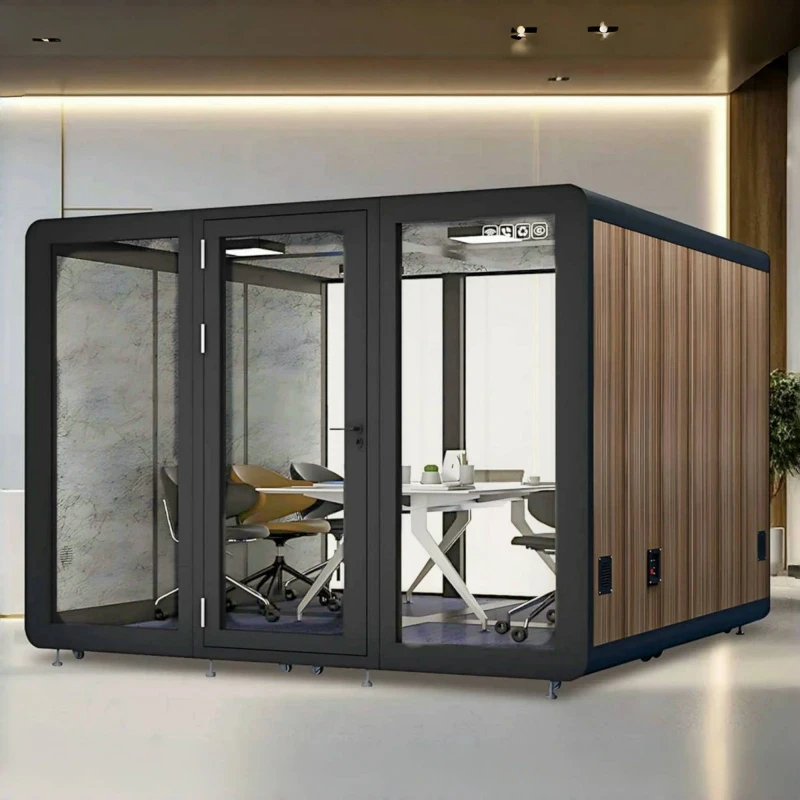
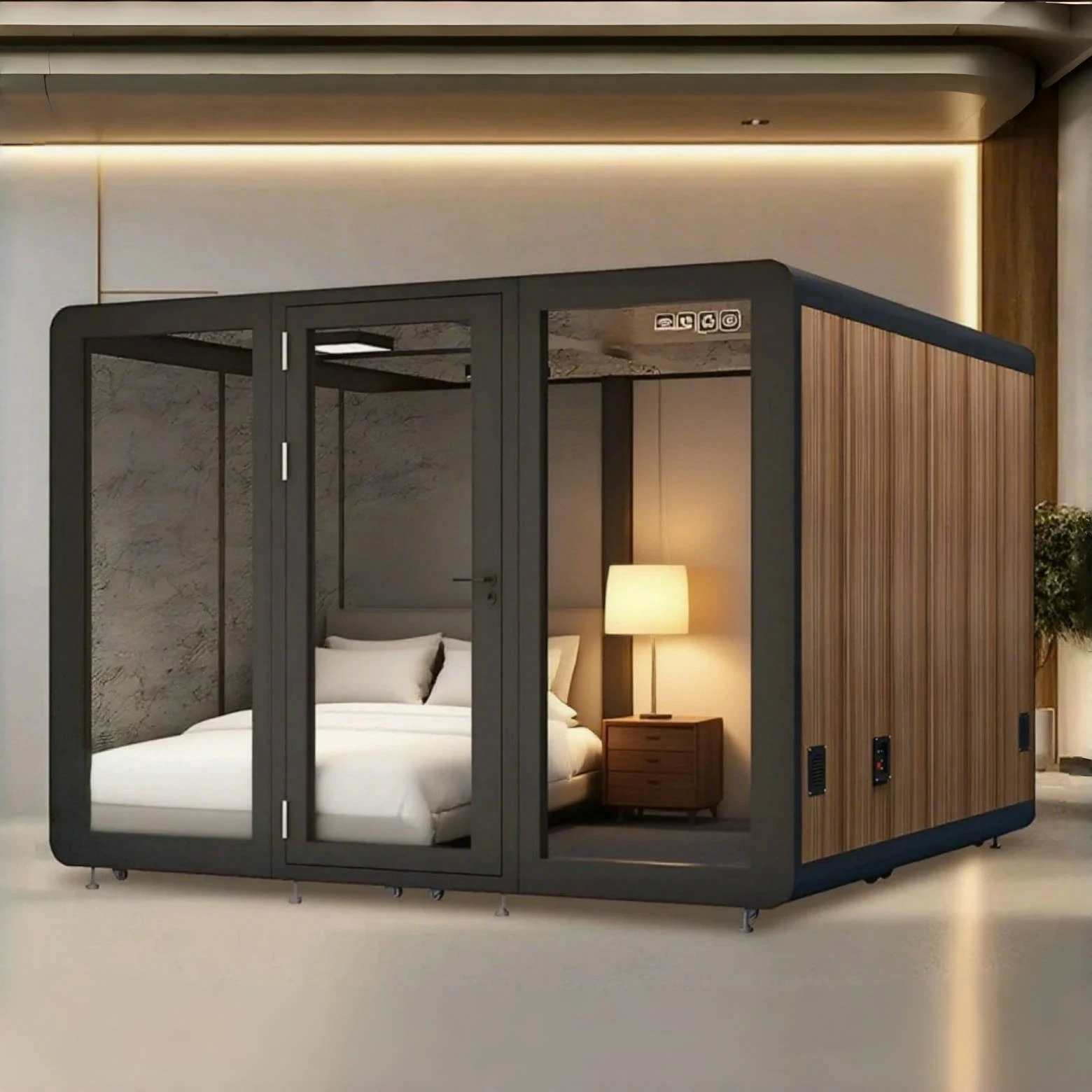




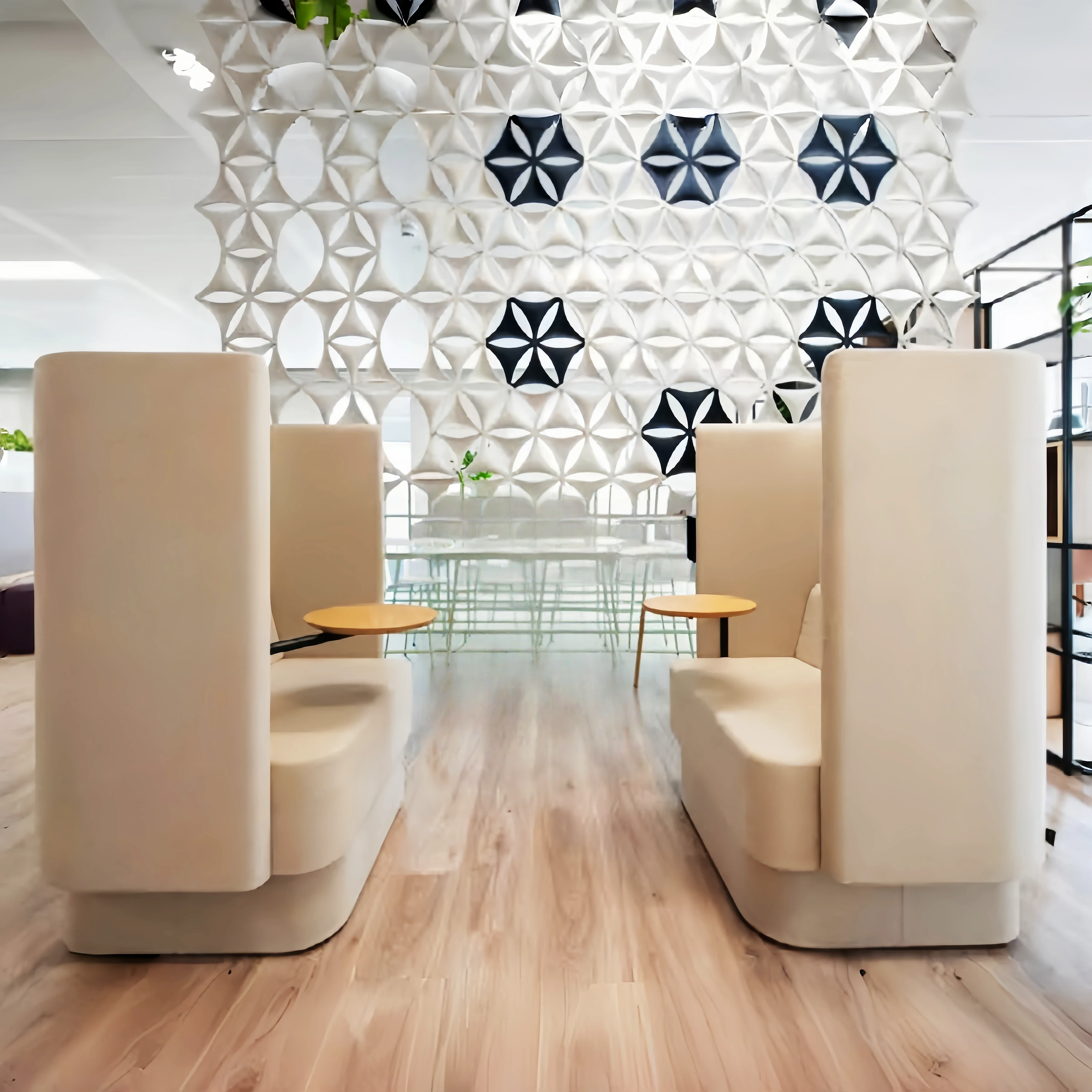

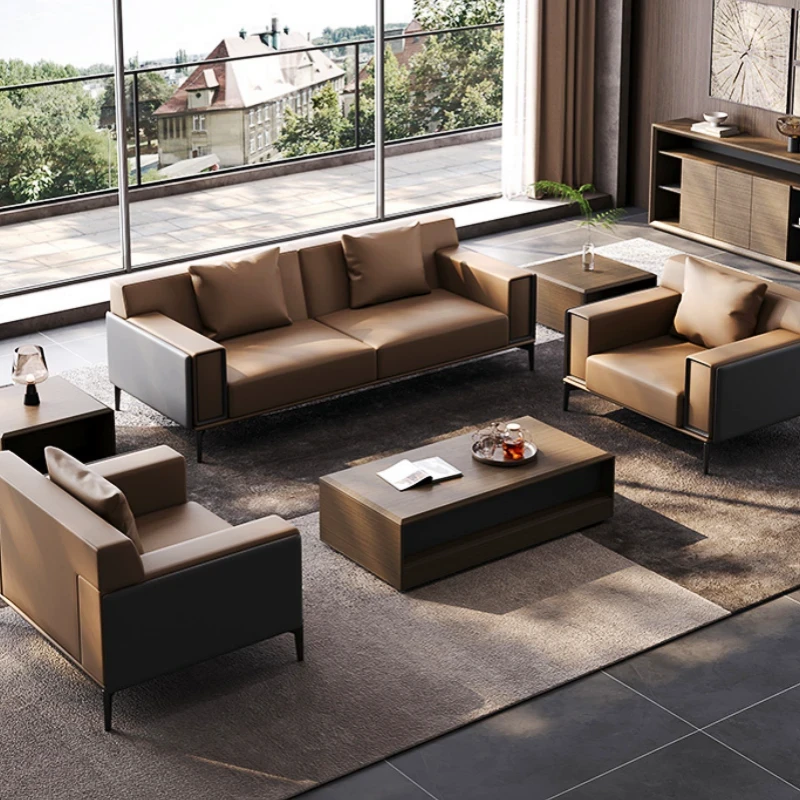
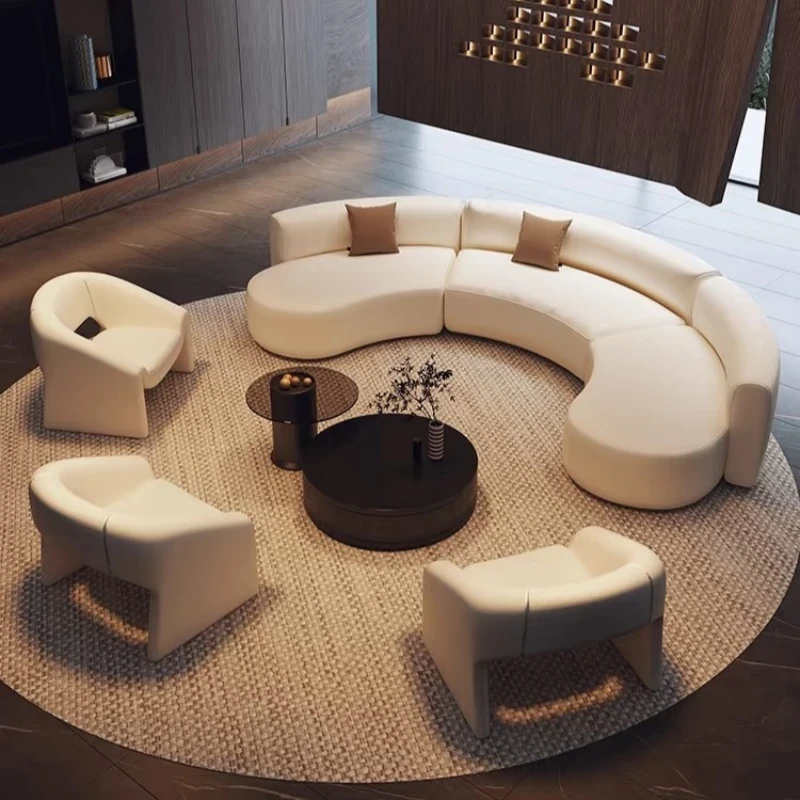


Different companies have different cultures and positioning, so when choosing office furniture, the first step is to define the company's style and culture.
Company Positioning: An innovative technology company might prefer modern, minimalist furniture, while a traditional industry company might prefer a classic, stable style. Choosing furniture that aligns with the company culture helps enhance employees' sense of belonging.
Office Area Design: The layout and design style of the office should coordinate with the furniture to ensure a unified environment. For example, open-plan offices can choose flexible modular furniture to promote teamwork.
II. Focus on Employee Comfort
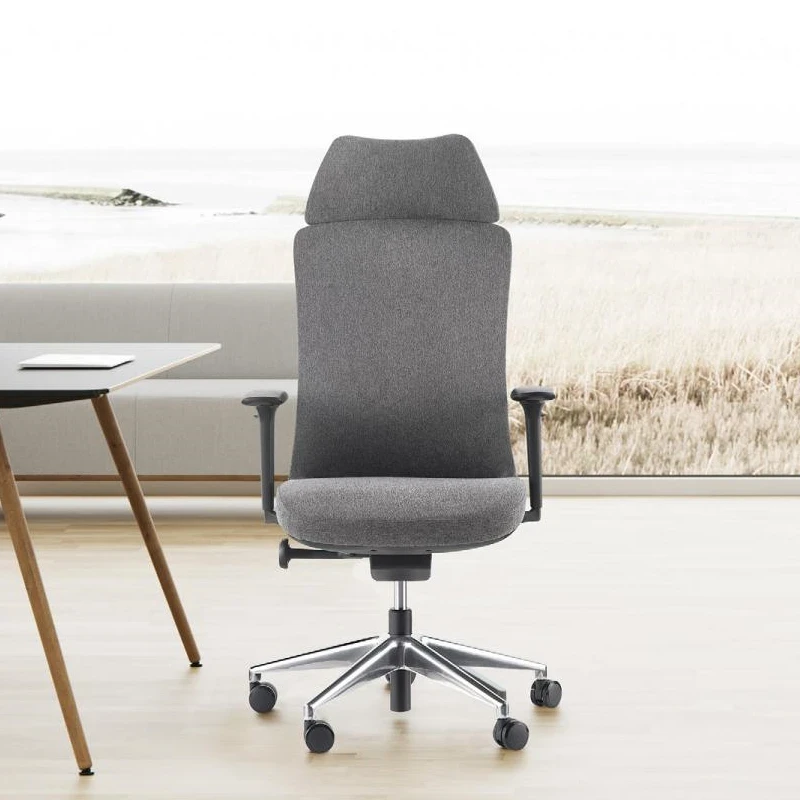
Employee productivity is closely related to the comfort of their office furniture; reasonable ergonomic design can effectively reduce the occurrence of occupational diseases.
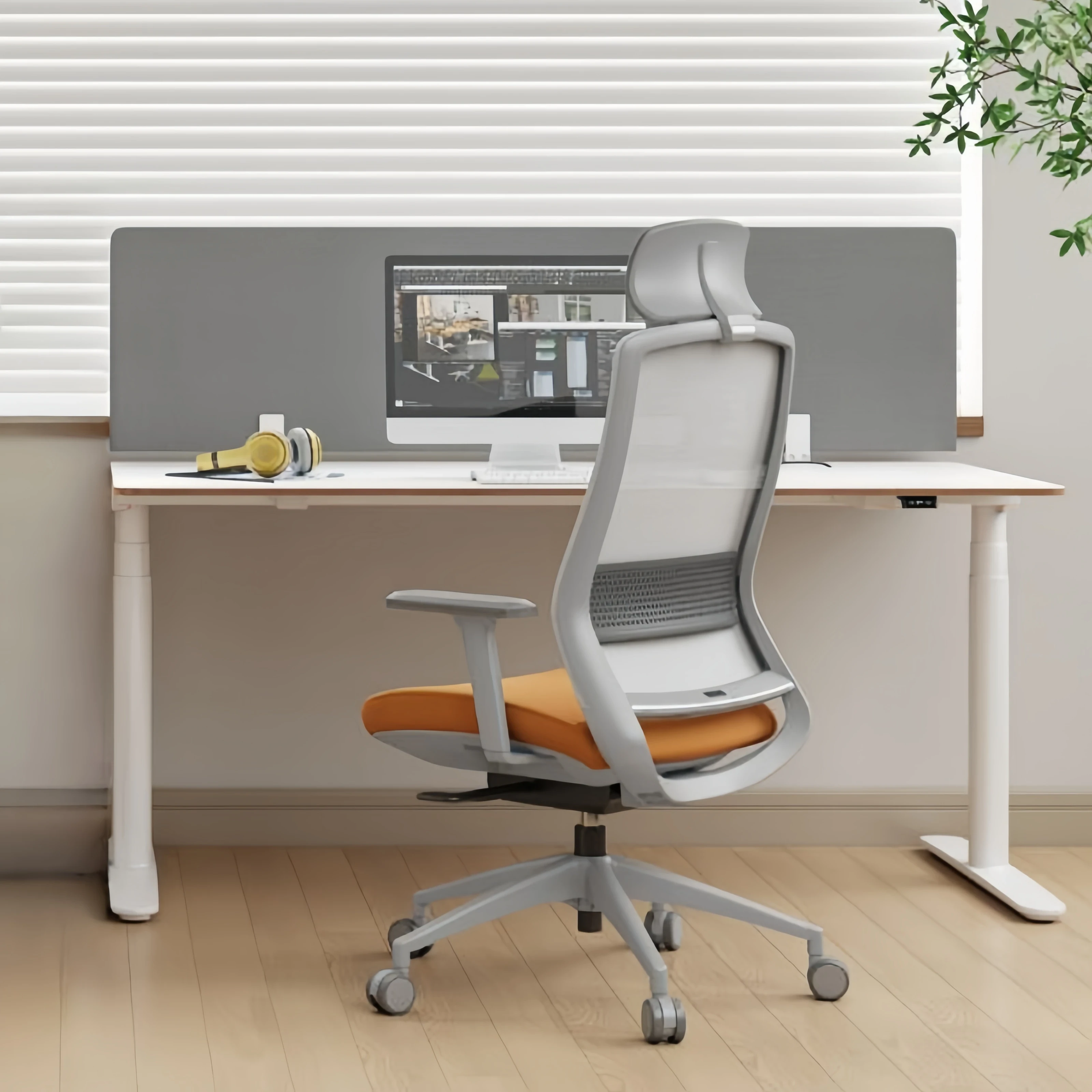
Choose Ergonomic Chairs: Suitable chairs should have good lumbar support and adjustment functions to help employees maintain good posture during long working hours.
Desk Height and Functionality: Ensure that desk height is suitable for different employees and has necessary functionality, such as height-adjustable desks, to improve work flexibility.
III. Material and Quality Control
High-quality office furniture not only extends its lifespan but also enhances the company's image.
Use of Environmentally Friendly Materials: With today's consumers increasingly focused on environmental protection, choosing non-toxic, environmentally friendly materials enhances a company's sense of social responsibility.
Durability and Ease of Maintenance: Choosing wear-resistant materials allows furniture to withstand daily wear and tear and is easy to clean and maintain, reducing labor costs.
IV. Future Trends in Office Furniture:
The development trends of office furniture are inextricably linked to the changing times. Understanding these trends helps companies better select suitable products.
Smart Office Furniture: Future office furniture will be more intelligent in function, such as integrating charging modules and intelligent desktop configurations to meet modern office needs.
Flexibility and Mobility: In today's ever-changing office environment, choosing flexible and reconfigurable office furniture can adapt to changes in team size.
V. After-Sales Service and Support:
Choosing office furniture suppliers with good after-sales service ensures the maintenance and upkeep of the furniture.
Comprehensive After-Sales Support: Suppliers who promise to provide spare parts for repair or replacement should be chosen for rapid handling of problems.
Long-Term Partnerships: Establishing long-term partnerships with suppliers can secure better service and preferential treatment in future purchases.
Conclusion:
Choosing the right office furniture for your company is a key step in improving work efficiency and corporate image. By focusing on corporate culture, employee comfort, material quality, and trend changes, companies can create a more efficient and comfortable working environment for their employees, thereby promoting sustainable development.