
 USD
USD GBP
GBP
 EUR
EUR
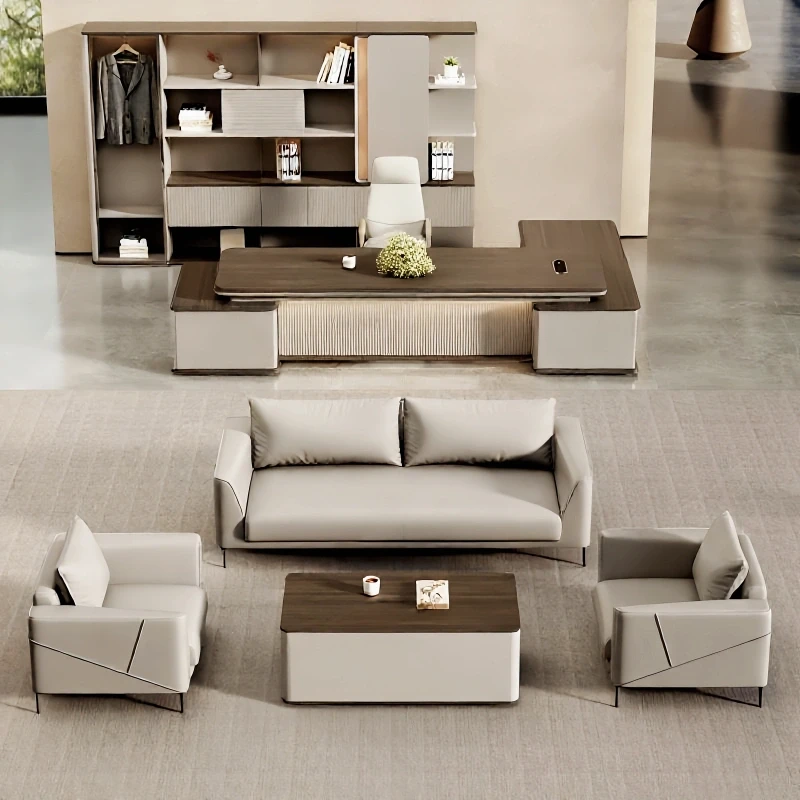
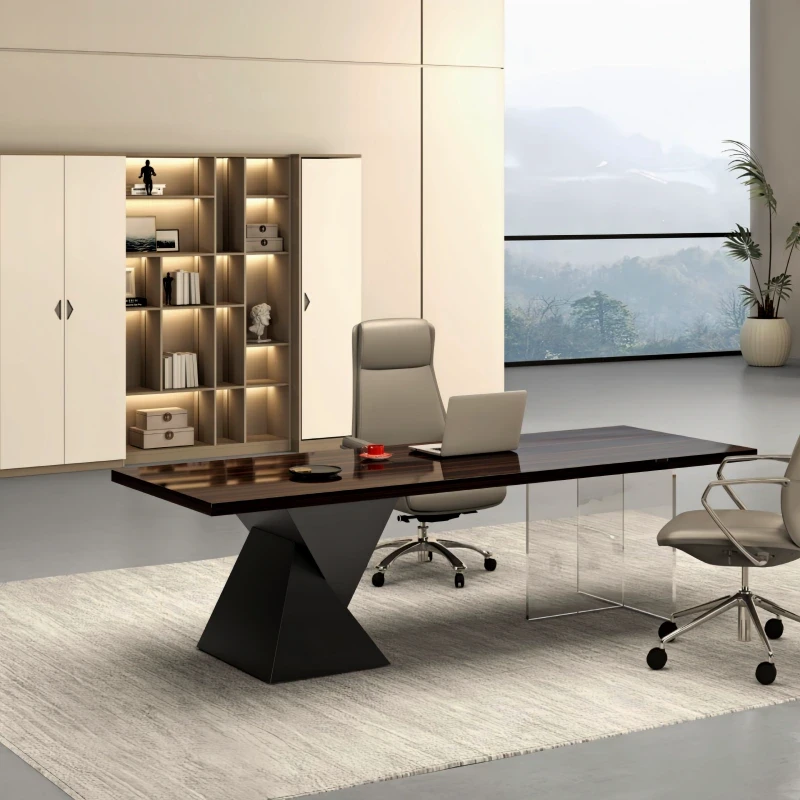


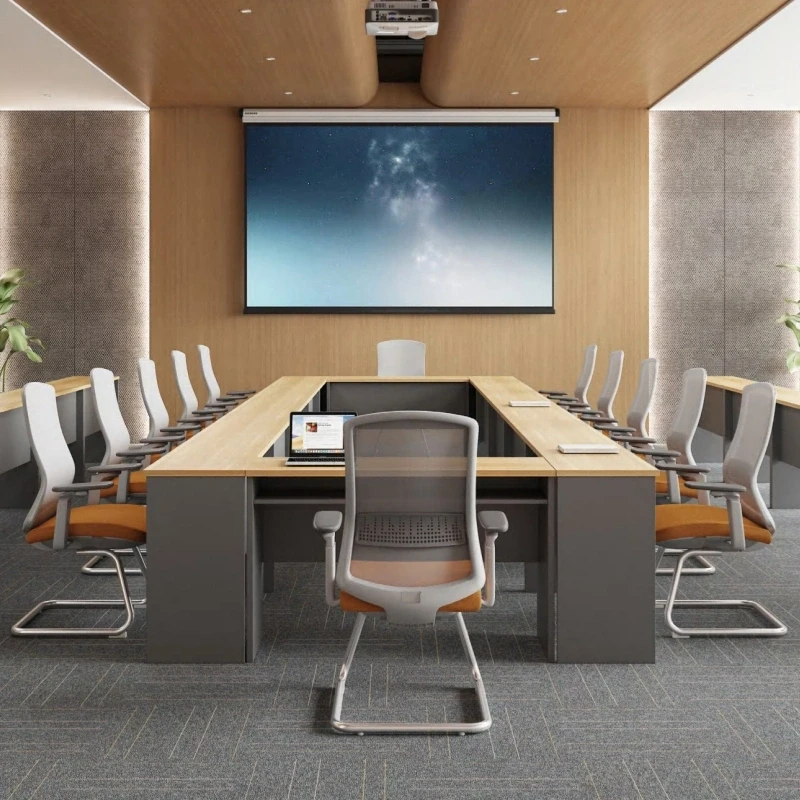
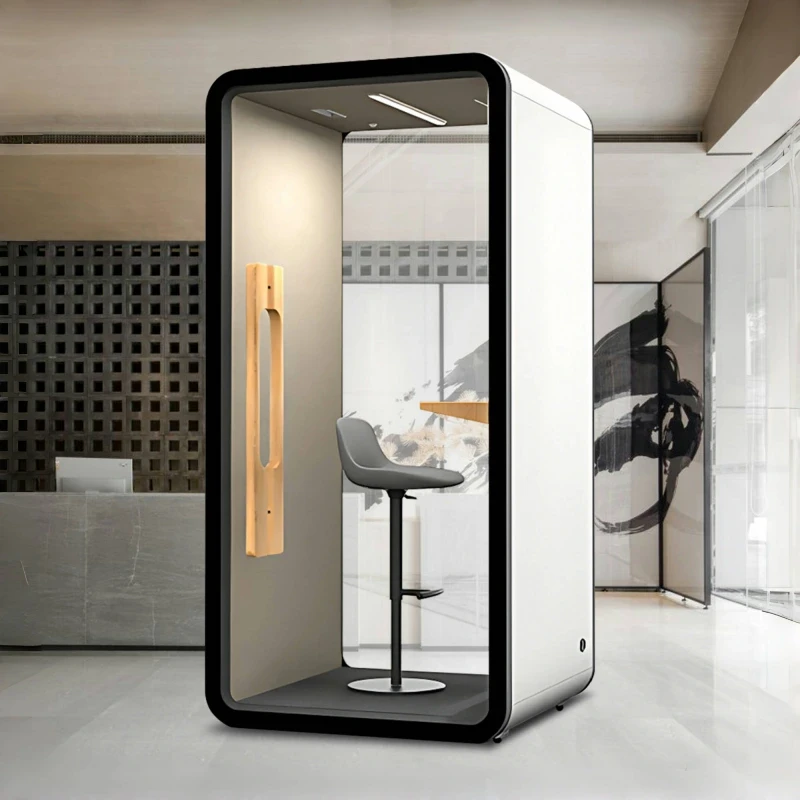
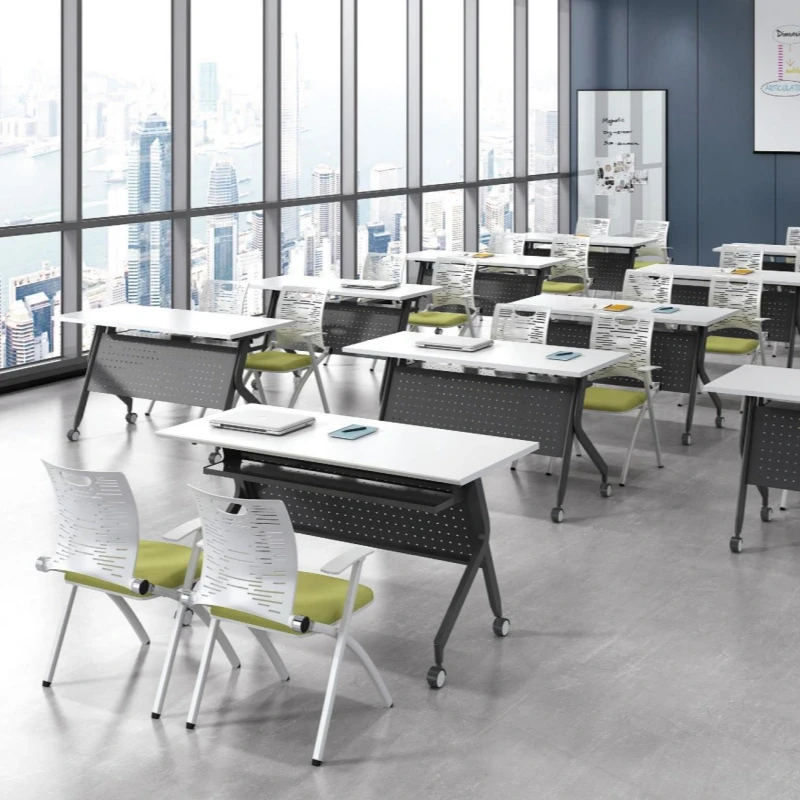
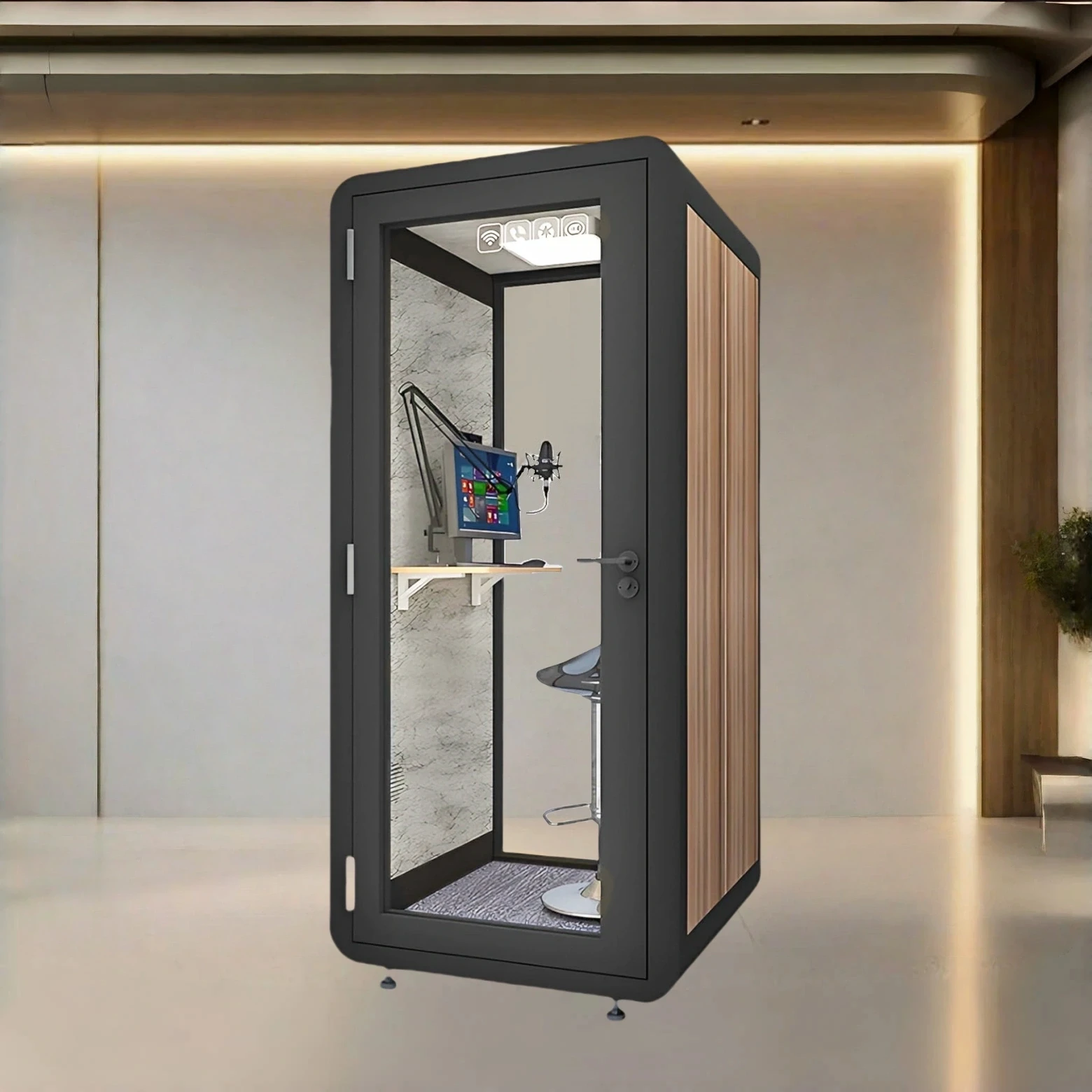
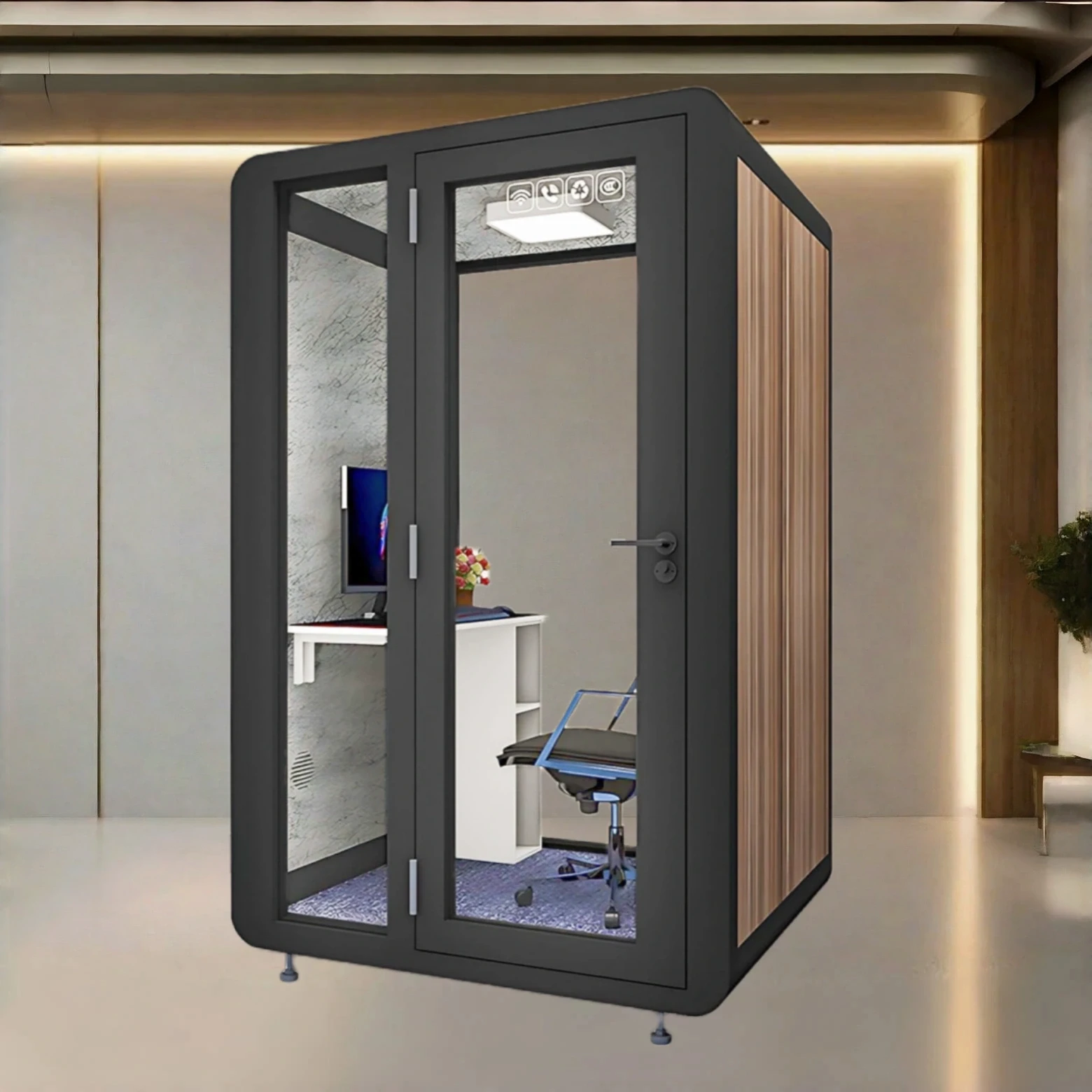
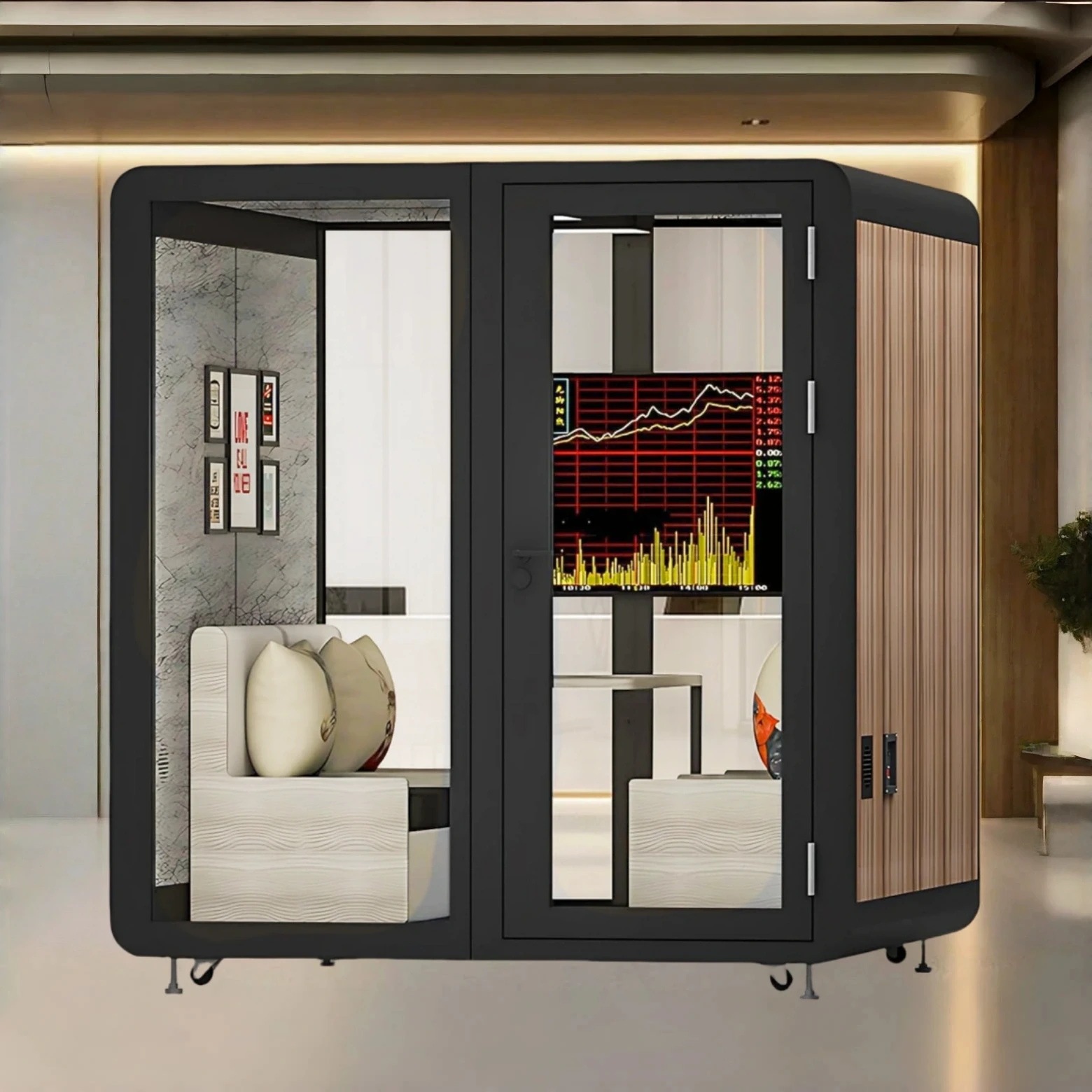
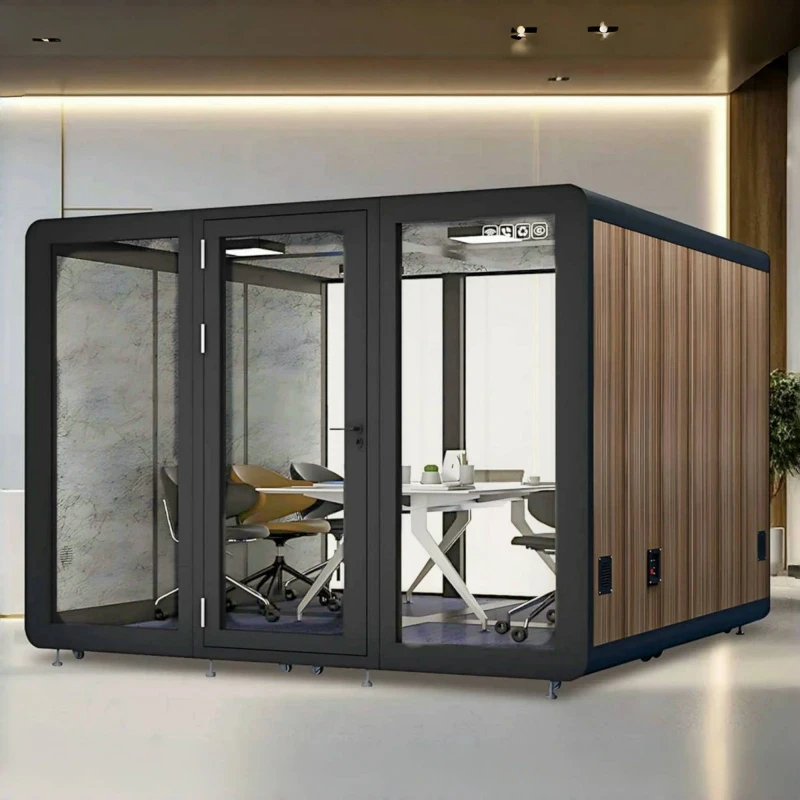
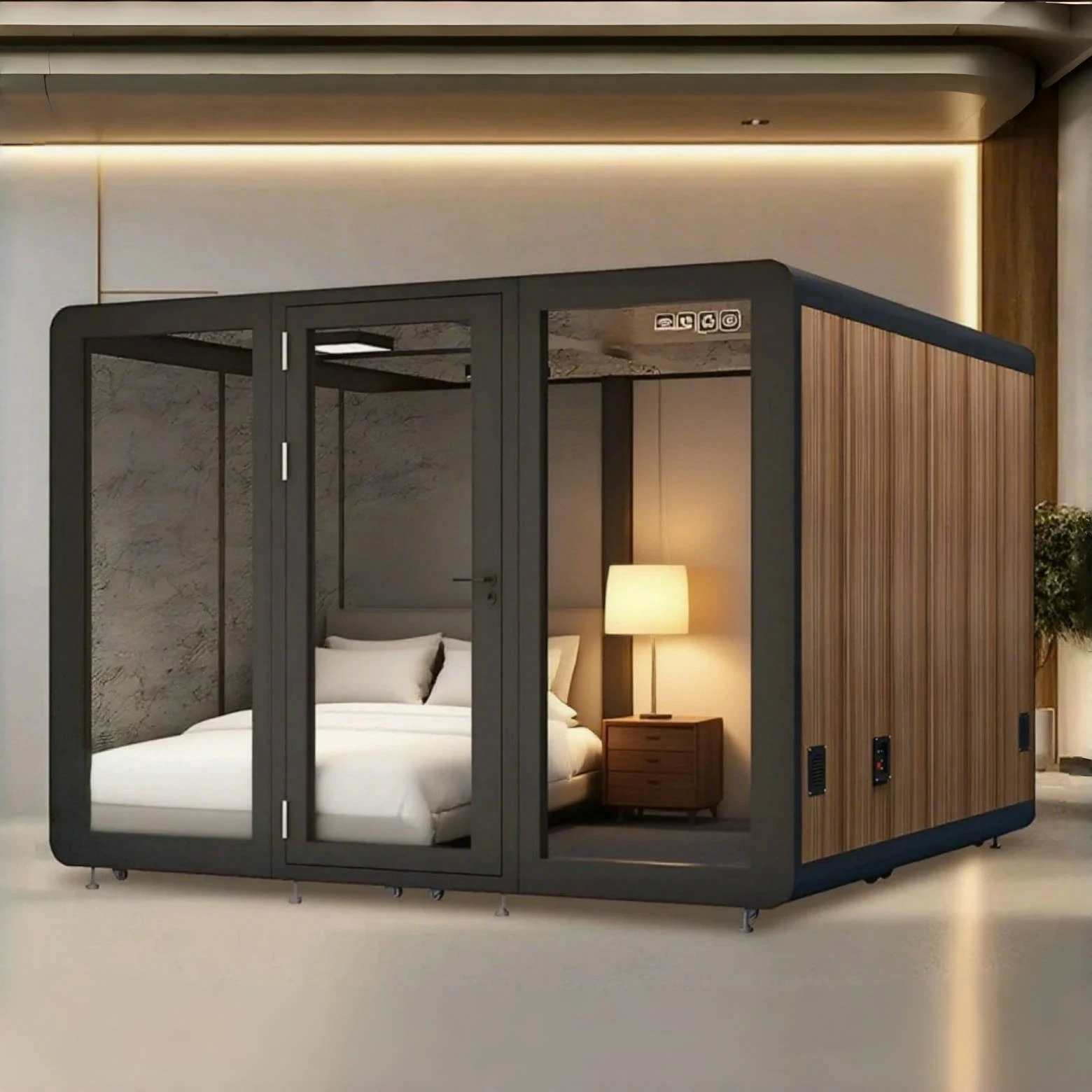


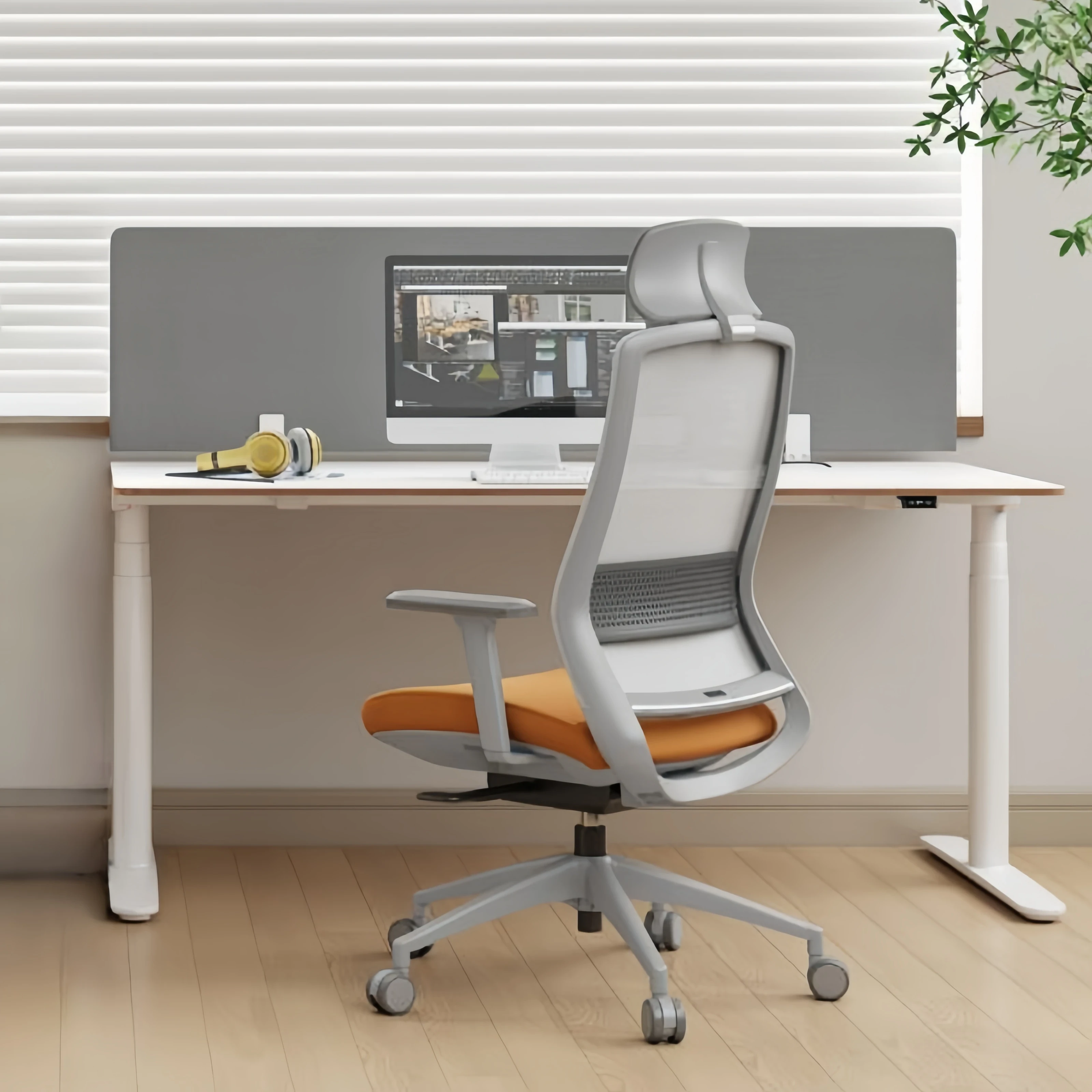


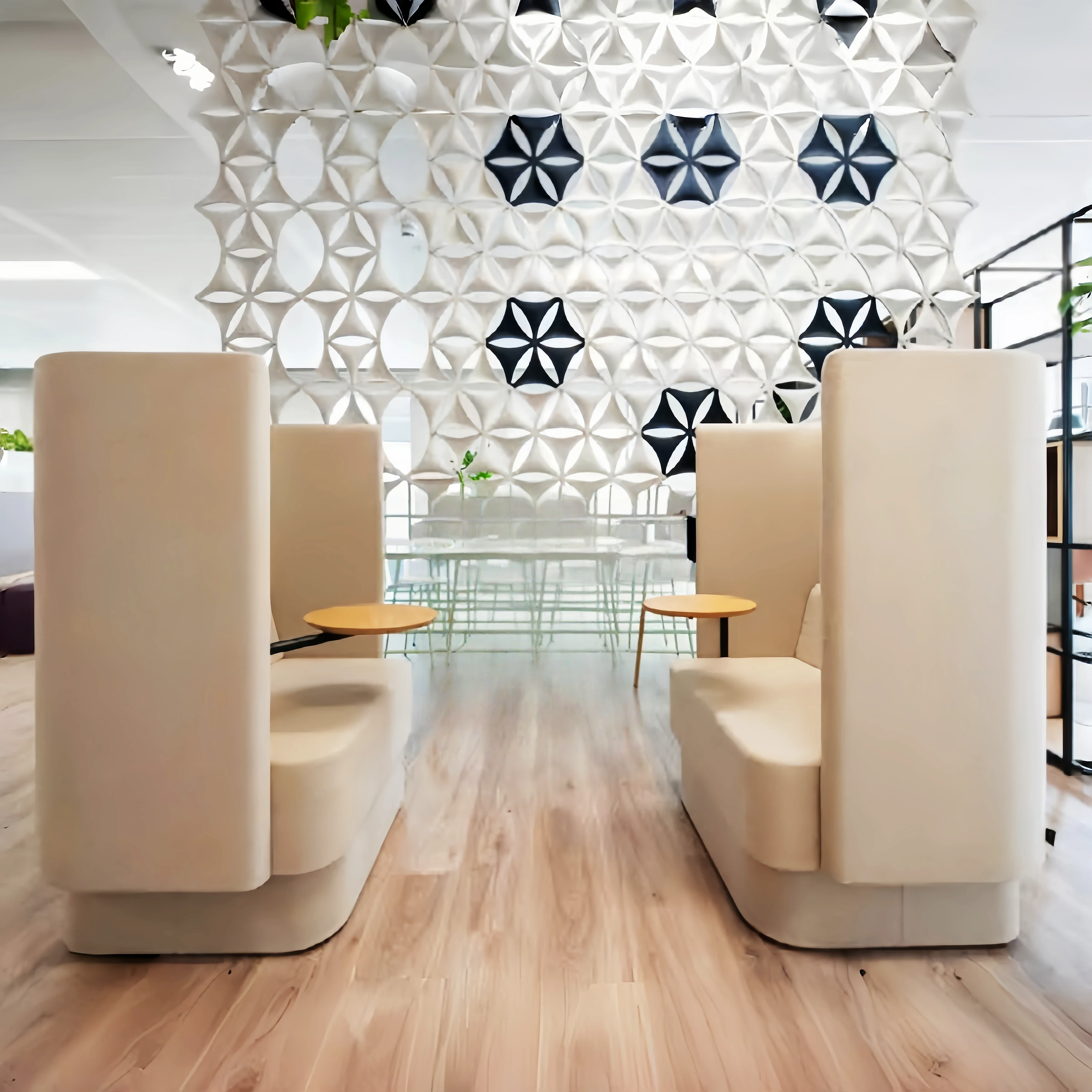

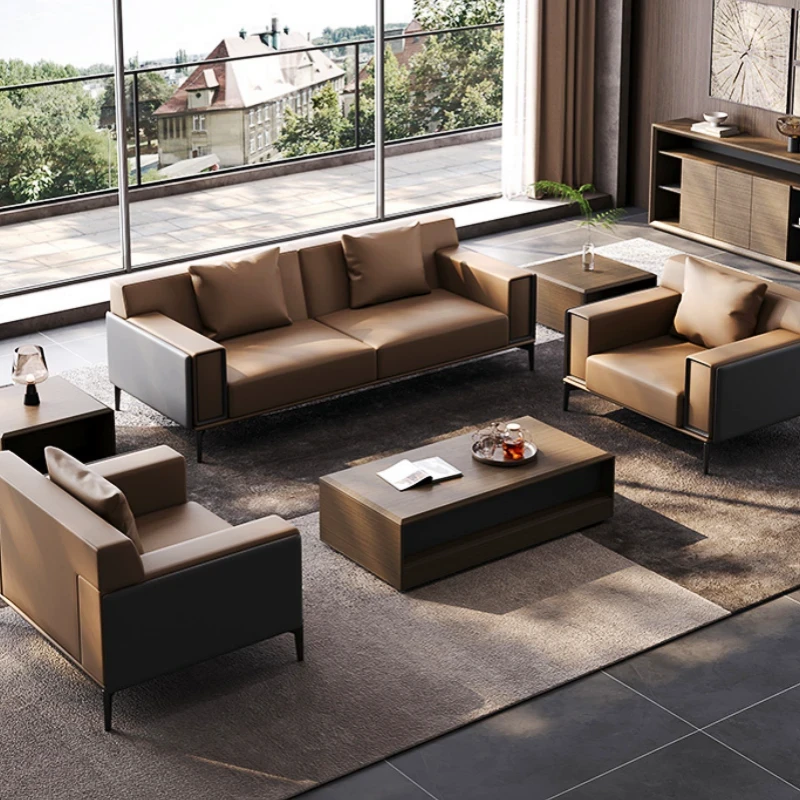
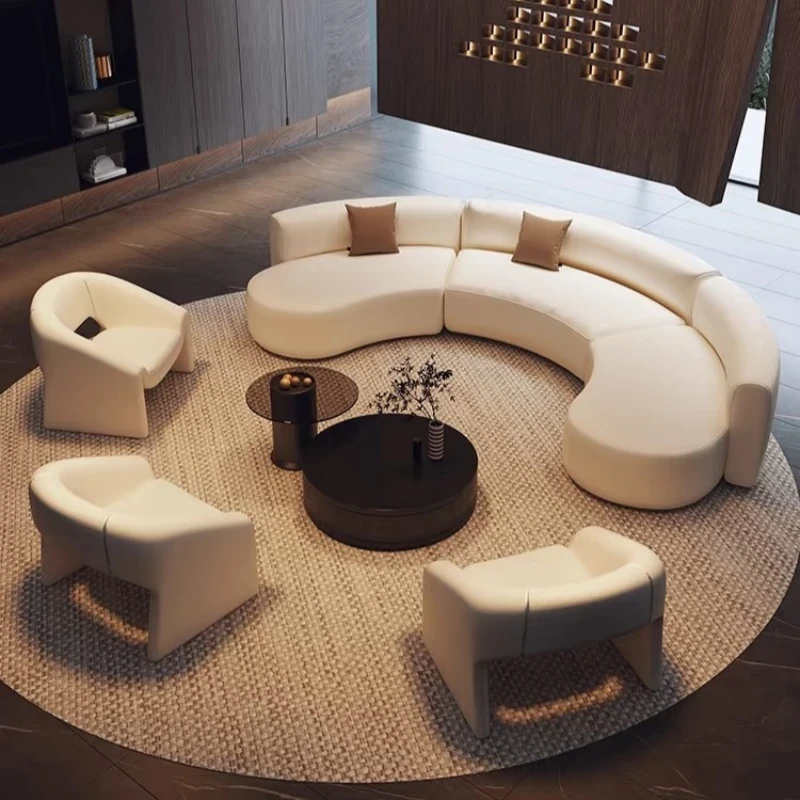
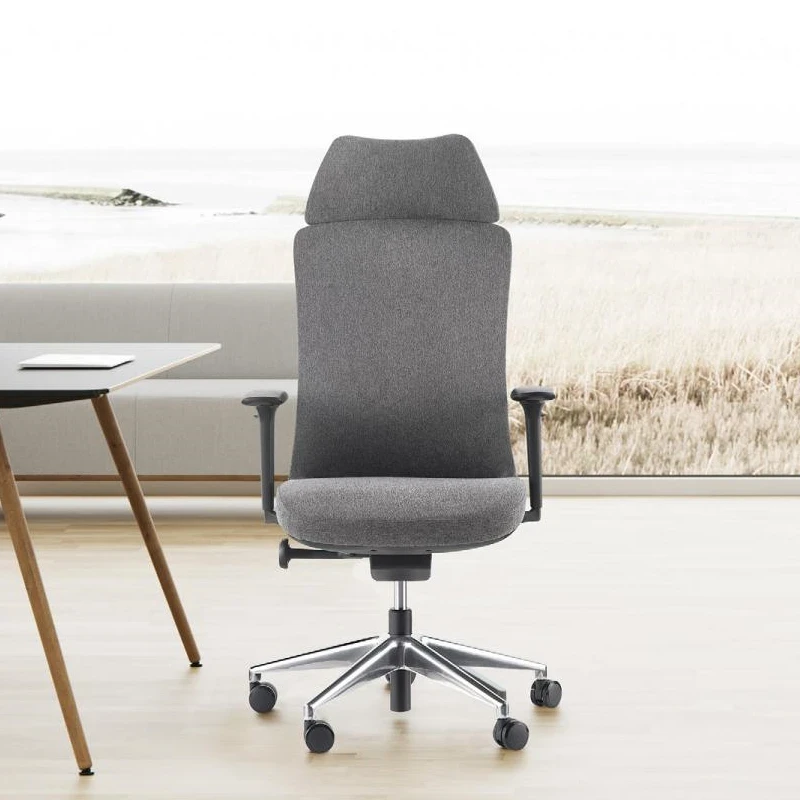


For those looking to buy furniture, whether for home or office use, aesthetically pleasing and affordable panel furniture is often the first choice. However, since most panel furniture is designed and manufactured manually, the quality of the panels is greatly influenced by the manufacturing process. Therefore, when selecting panel furniture, it's crucial to pay close attention to the craftsmanship.
Henan Huadu Times Furniture reminds you to pay attention to the following six points when purchasing panel office furniture:
I. Surface Quality: Panel office furniture uses particleboard, medium-density fiberboard, and other engineered wood products as the base material, with surfaces finished with melamine, PVC, wood veneer, and paper wood grain. The wood grain patterns are clear and natural, smooth and flat, offering good visual appeal and a pleasant feel. When purchasing, mainly check for defects such as scratches, dents, bubbles, peeling, and glue residue on the surface; whether the wood grain pattern is natural and smooth, avoiding an artificial feel; for symmetrical furniture, pay special attention to the consistency and harmony of the panel color and grain, making the symmetrical panels appear as if they came from a single piece of material. Also consider whether the furniture color coordinates with the interior walls and floors; often, everything else is fine except for the color, which is also an important reference standard.
II. Manufacturing Quality Panel office furniture is made by cutting, edge banding, and assembling pre-formed panels. Its manufacturing quality mainly depends on the cutting quality, edge and surface finishing quality, and the quality of the panel ends. During the cutting process, there are quality requirements for the straightness, perpendicularity, and angles of the panel components. Generally, the cutting precision should be within 0.01 millimeters per meter. Panels cut to this precision will have smooth edges and good angles, preventing panel tilting in the finished furniture.
Pay attention to the quality of the edge banding material, and check for unevenness or curling. In particular, ensure that all six sides are banded – although formaldehyde-free adhesives are used, engineered wood products still release some volatile gases during manufacturing. Tight edge banding is beneficial for indoor environmental protection.
The precision of the saw blade during cutting also affects the quality of the board's ends and edges. Scratches, chipped edges, and collapsed corners are also sawing defects that affect the appearance quality of panel office furniture. For edge and surface decoration, check whether the glue is applied evenly, whether the adhesion is firm, and whether the edges are smooth and even. Check whether the visible parts such as the sides of components, door panels, drawer fronts, and bottom edges are sealed. Well-decorated boards will not have any visible glue marks on their edges.
When assembling the parts, check if the drilled holes are neat and precise, if the connectors are securely installed, if there are gaps in the T-shaped joints after the flat surfaces connect to the joints, and if there is any looseness when pushed by hand. Also check if the gaps between doors and drawers are too large (generally required to be between 1-2mm), and whether the doors and drawers open and close smoothly and easily.
III. Quality of Metal and Plastic Components Panel office furniture uses metal and plastic components as fasteners, so the quality of the metal components directly determines the overall quality of the furniture. Metal components should be flexible, smooth, and well-plated, free from rust and burrs. The precision requirements for mating parts are even higher. Plastic components should be aesthetically pleasing, brightly colored, and have sufficient strength and elasticity in areas subject to stress; they should not be too thin. Opening connectors should rotate smoothly, and those with internal springs should have appropriate tension to ensure smooth, easy, and noiseless opening and closing.
IV. Main Dimensions The current market for panel office furniture mainly consists of bedroom sets and office furniture. There are also multi-functional TV cabinets and other similar products. National standards specify requirements for the main dimensions (and functional dimensions) of these furniture pieces. For example, the height of desks is specified as 680-760mm, with the clear height from the bottom edge of the middle drawer of a writing desk to the ground being greater than or equal to 580mm, and the clear height between shelves in a bookcase being greater than or equal to 520mm. These main dimensions should be noted when purchasing, as furniture smaller than the specified dimensions will cause inconvenience and affect its usability.
V. Formaldehyde Emission: Panel office furniture generally uses particleboard and medium-density fiberboard (MDF) as its base materials. National standards regulate the formaldehyde emission levels of these boards. Specifically, the formaldehyde emission limit for particleboard is ≤50 mg/100g, and for MDF, it is ≤40 mg/100g.
VI. The sturdiness of the furniture structure. First, check the gaps in the doors and drawers. Large gaps indicate poor workmanship and may lead to warping over time. Second, consider whether the furniture has a single or double paneling. Typically, in addition to the outer panel, the furniture should have an inner panel; this is called double paneling. Double-paneled furniture is both aesthetically pleasing and sturdy. Pay attention to the sturdiness of the furniture structure. Gently push the furniture; if it wobbles or makes creaking noises, the structure is not sturdy.