
 USD
USD GBP
GBP
 EUR
EUR
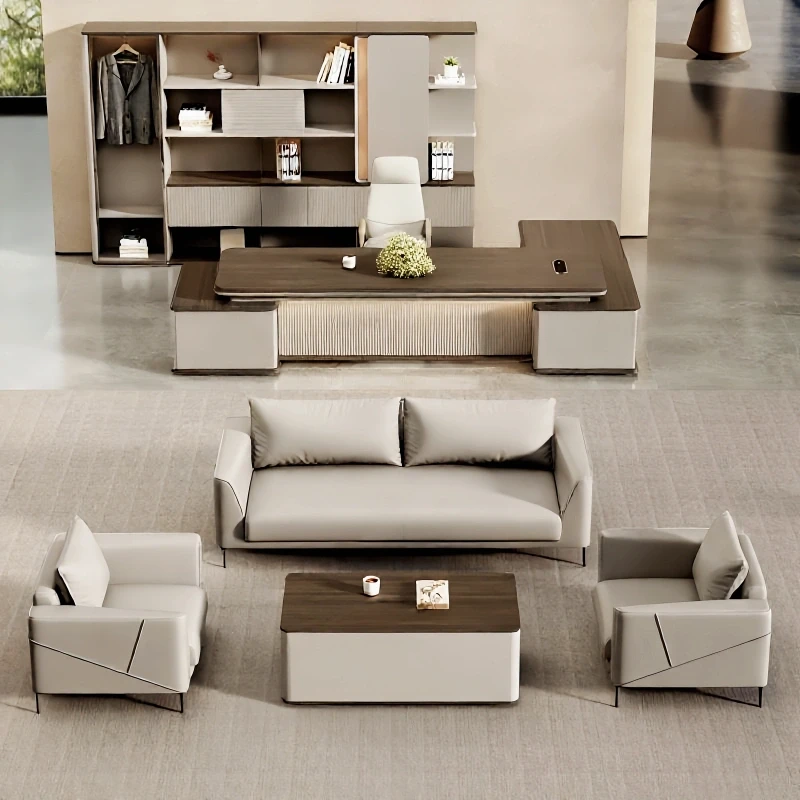
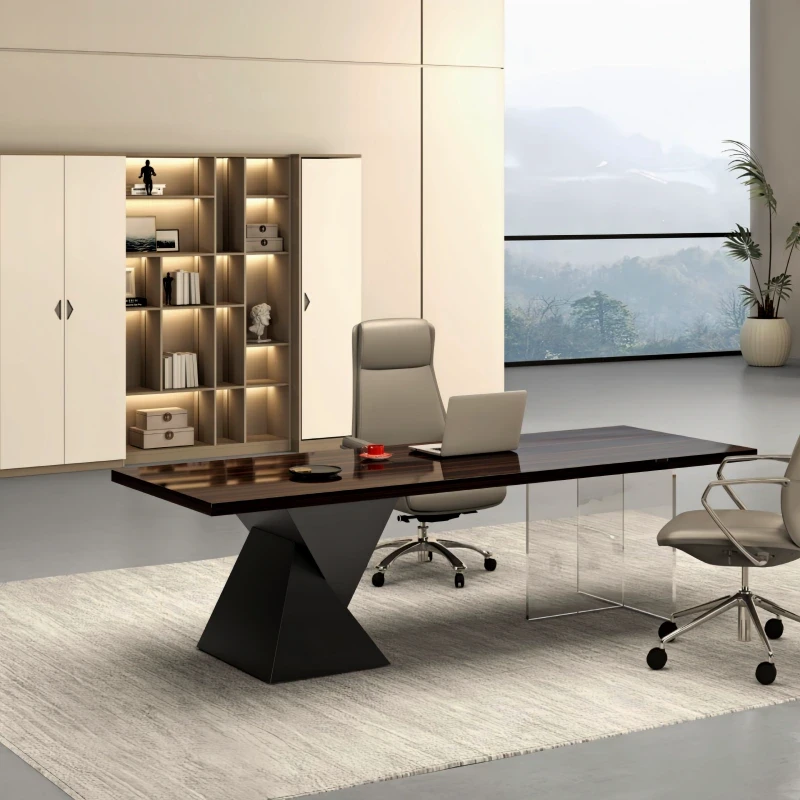


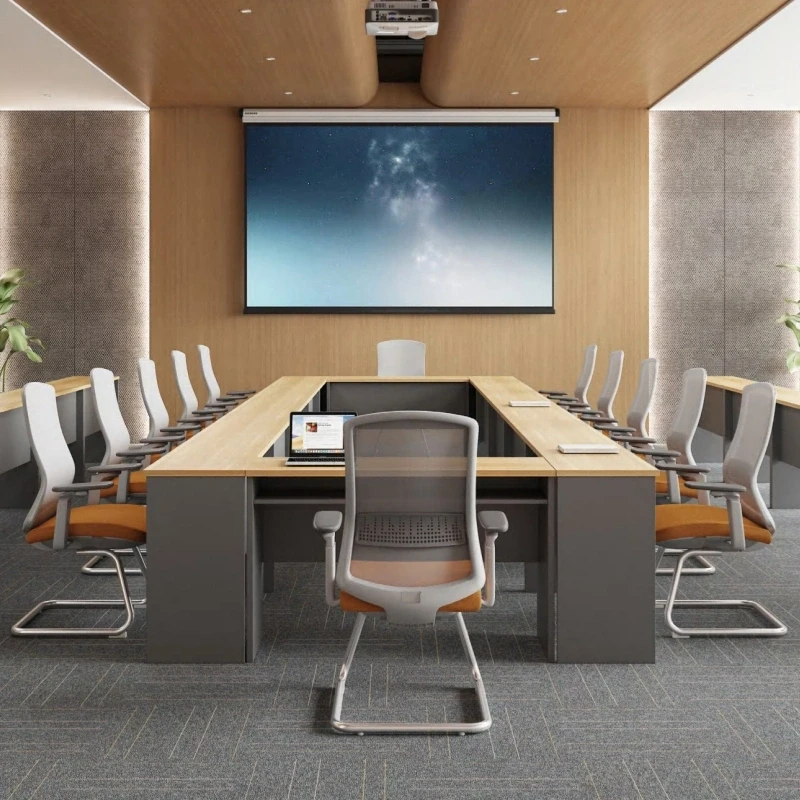
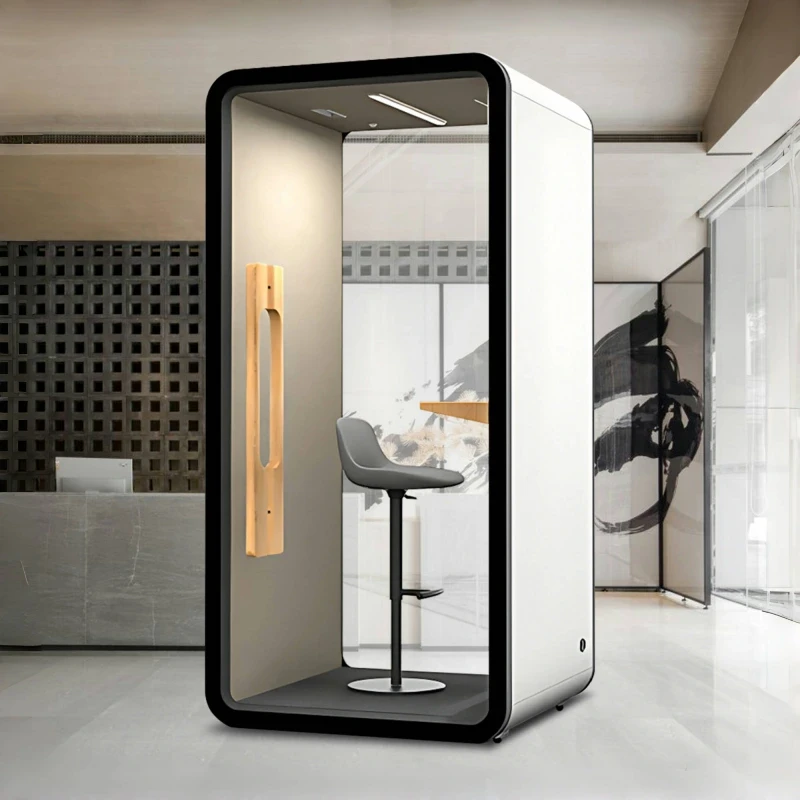
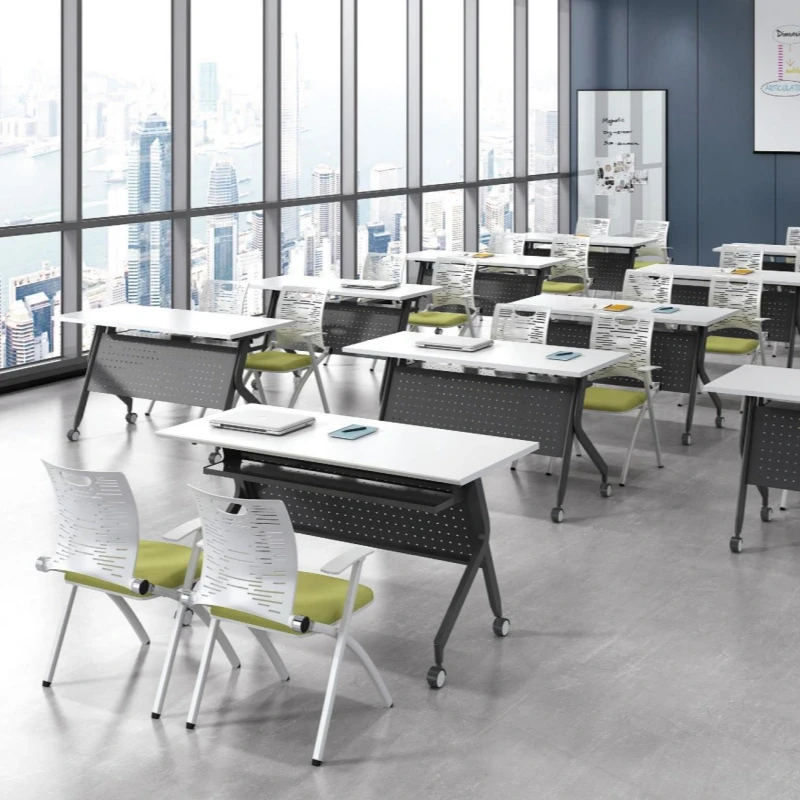
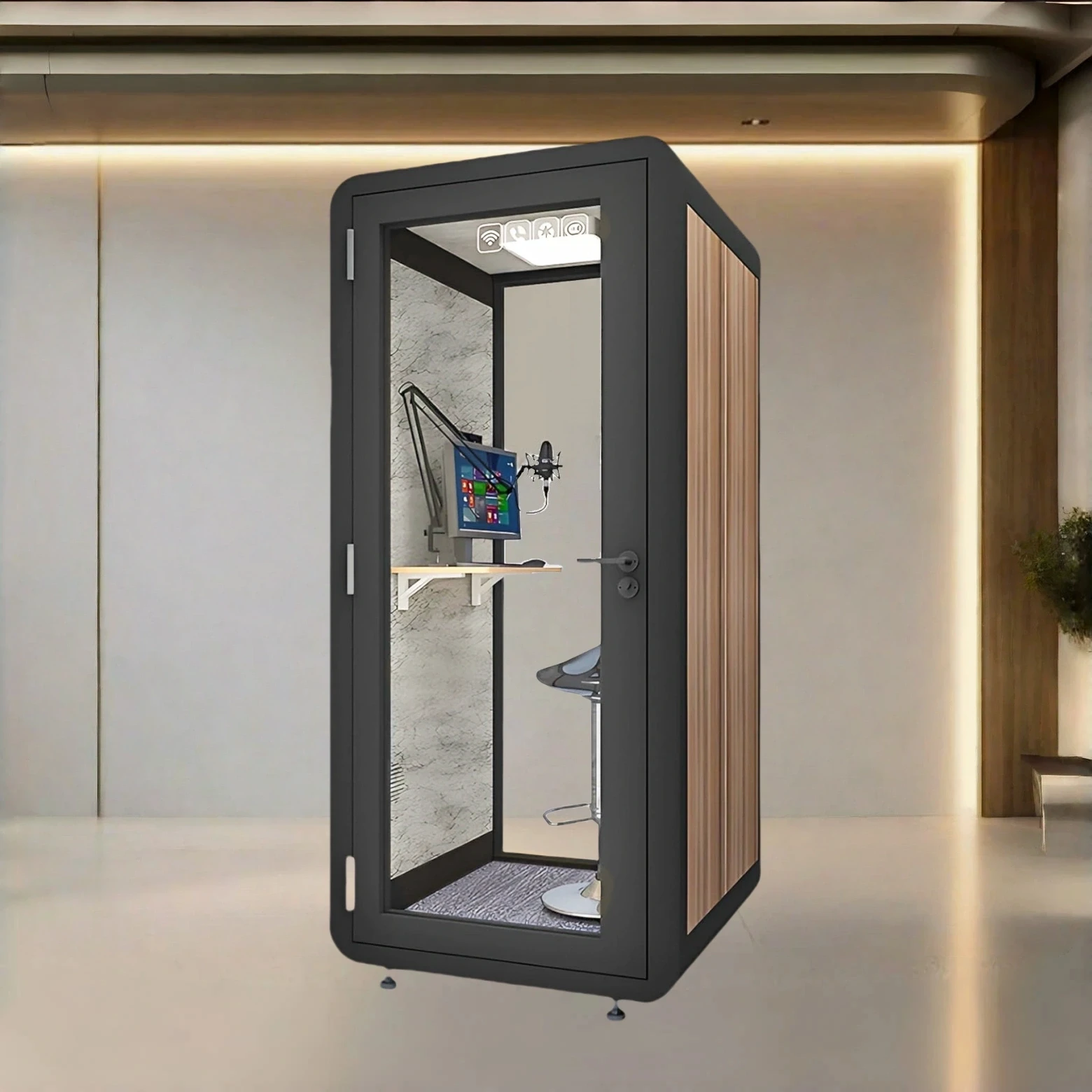
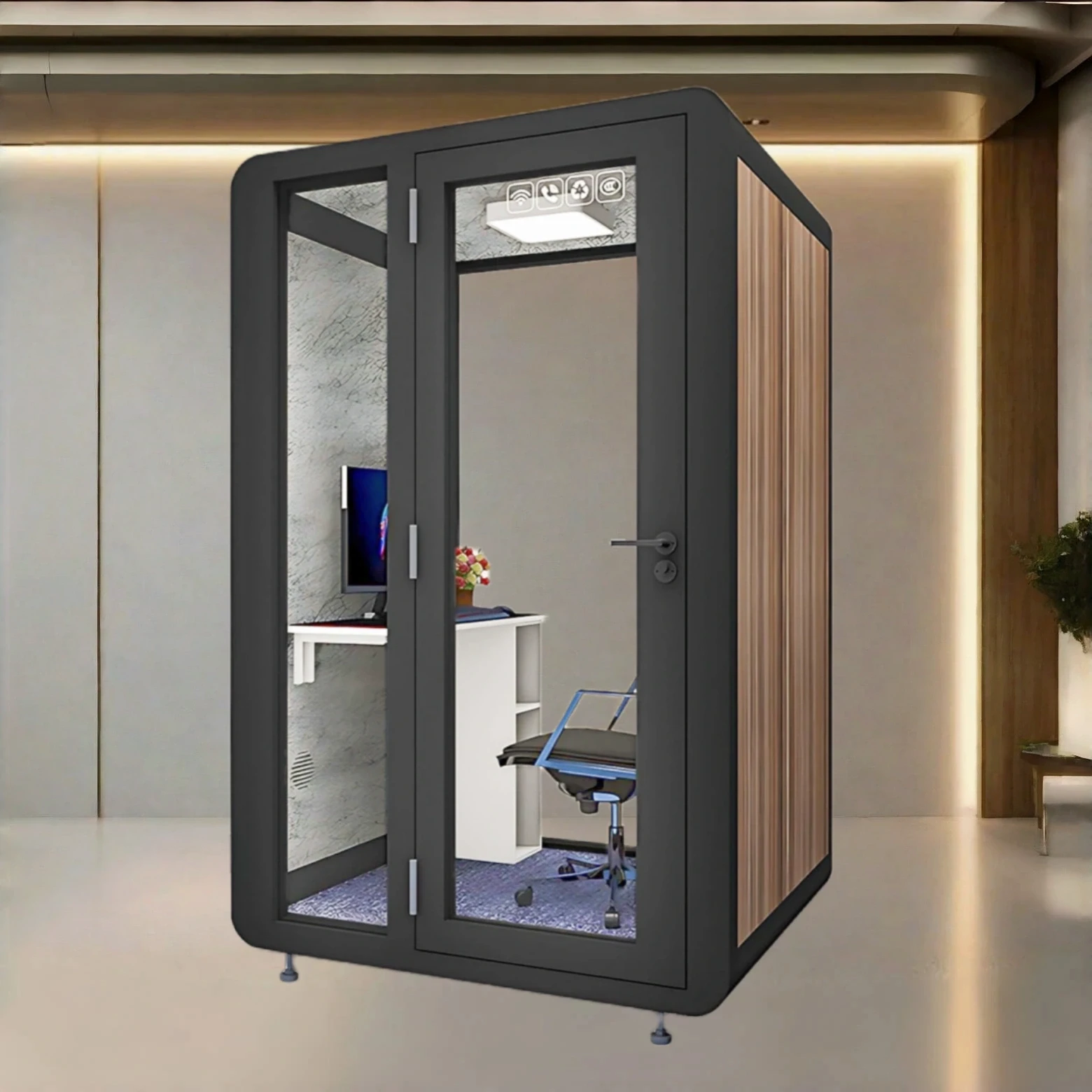
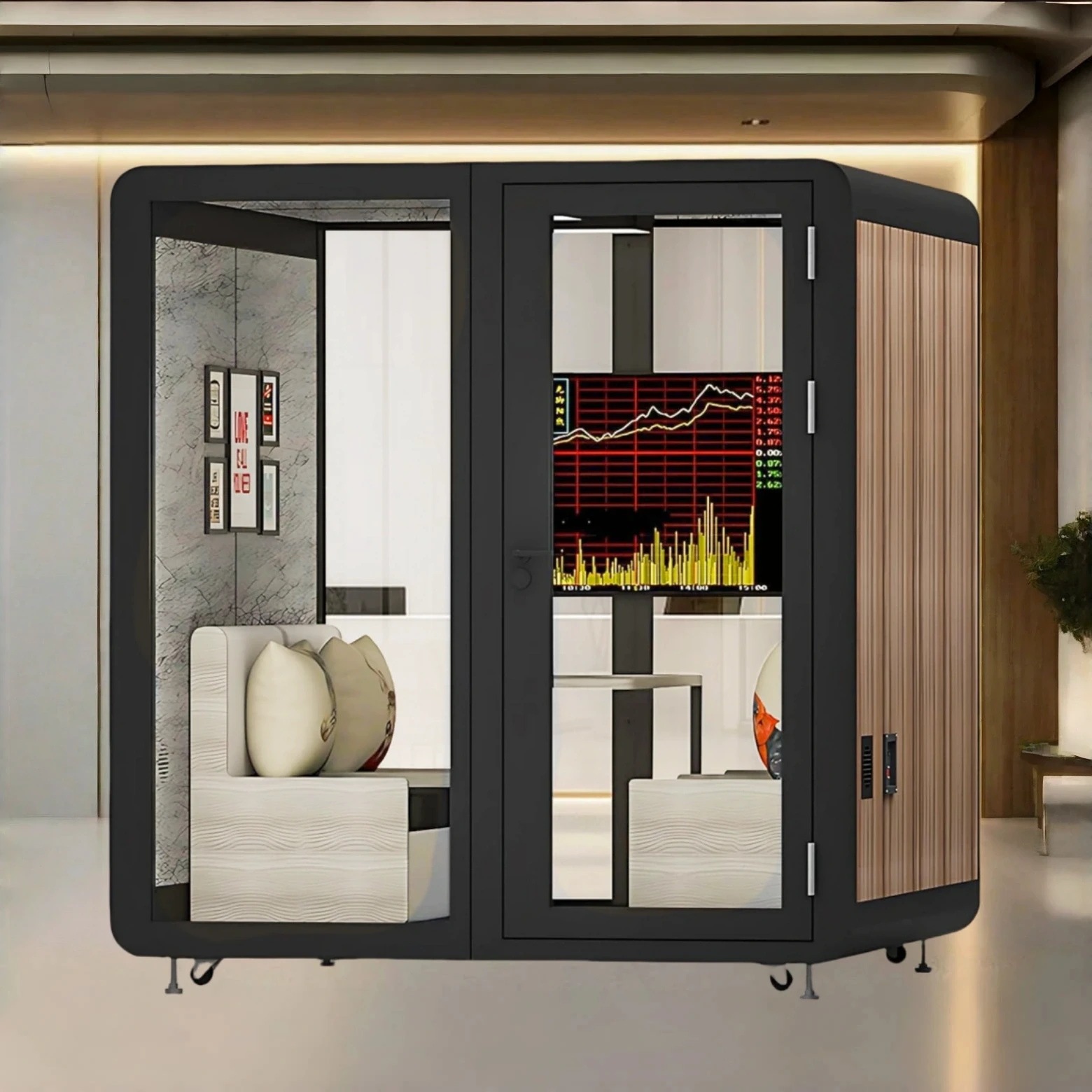
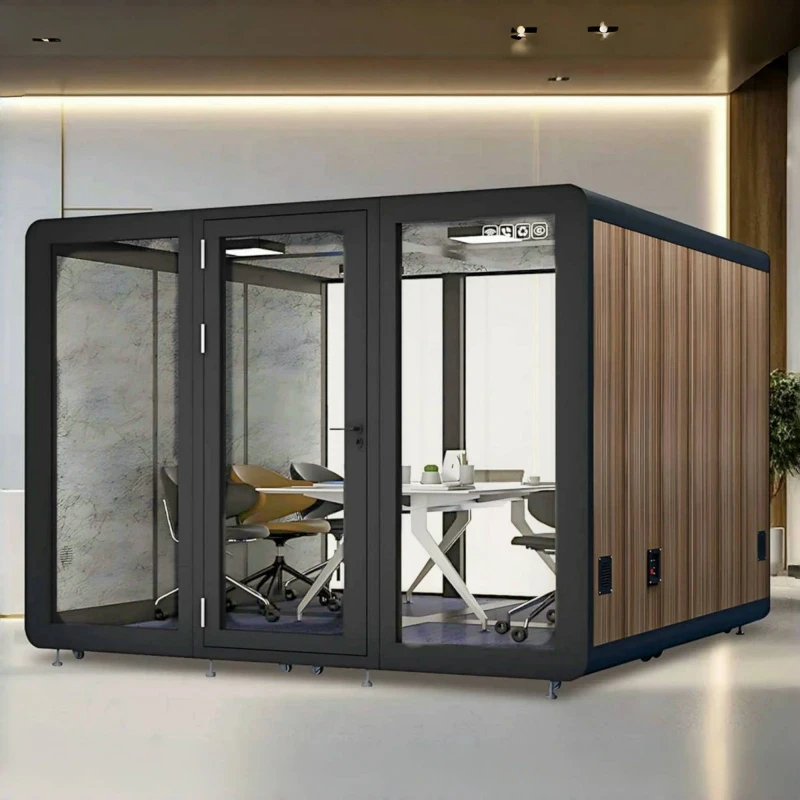
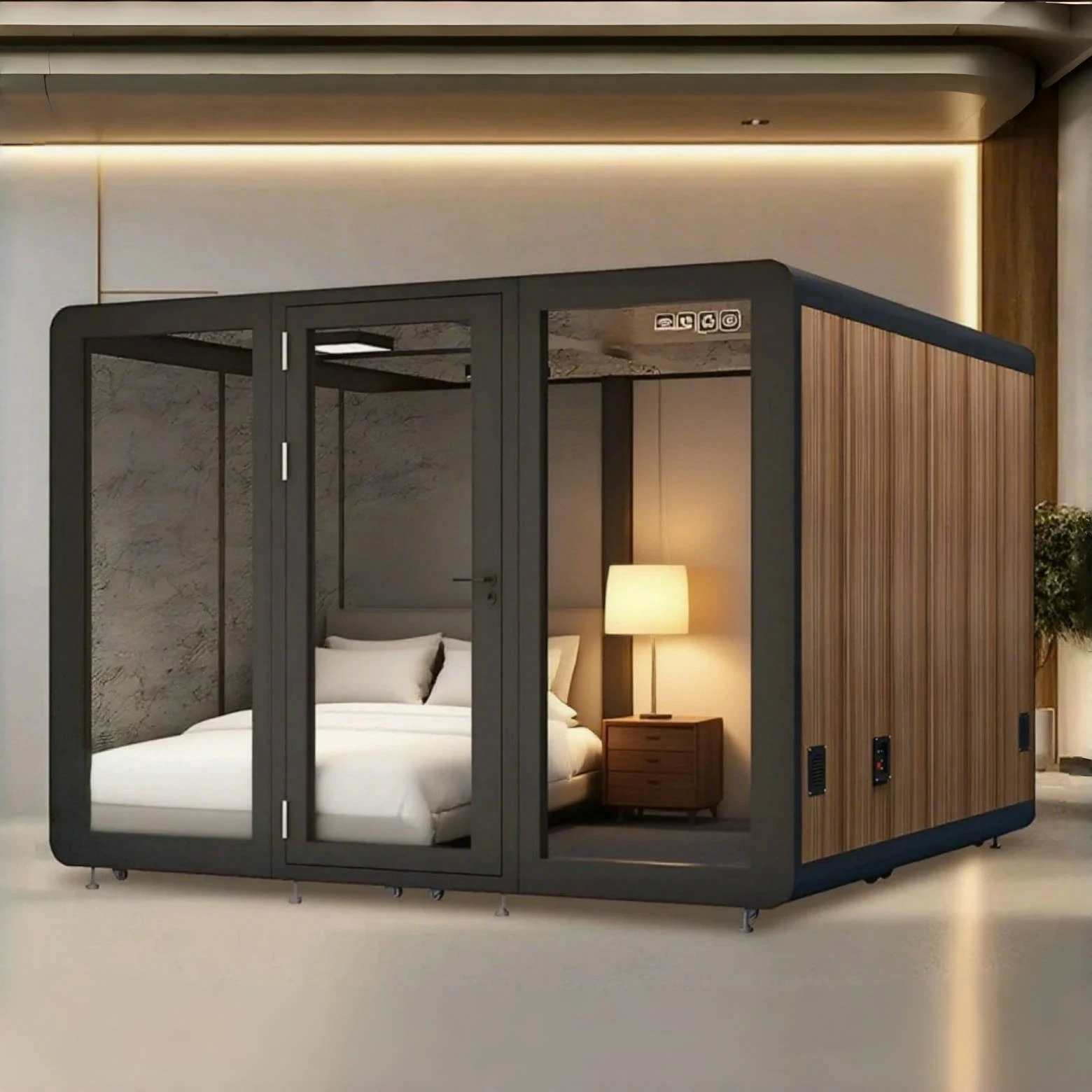


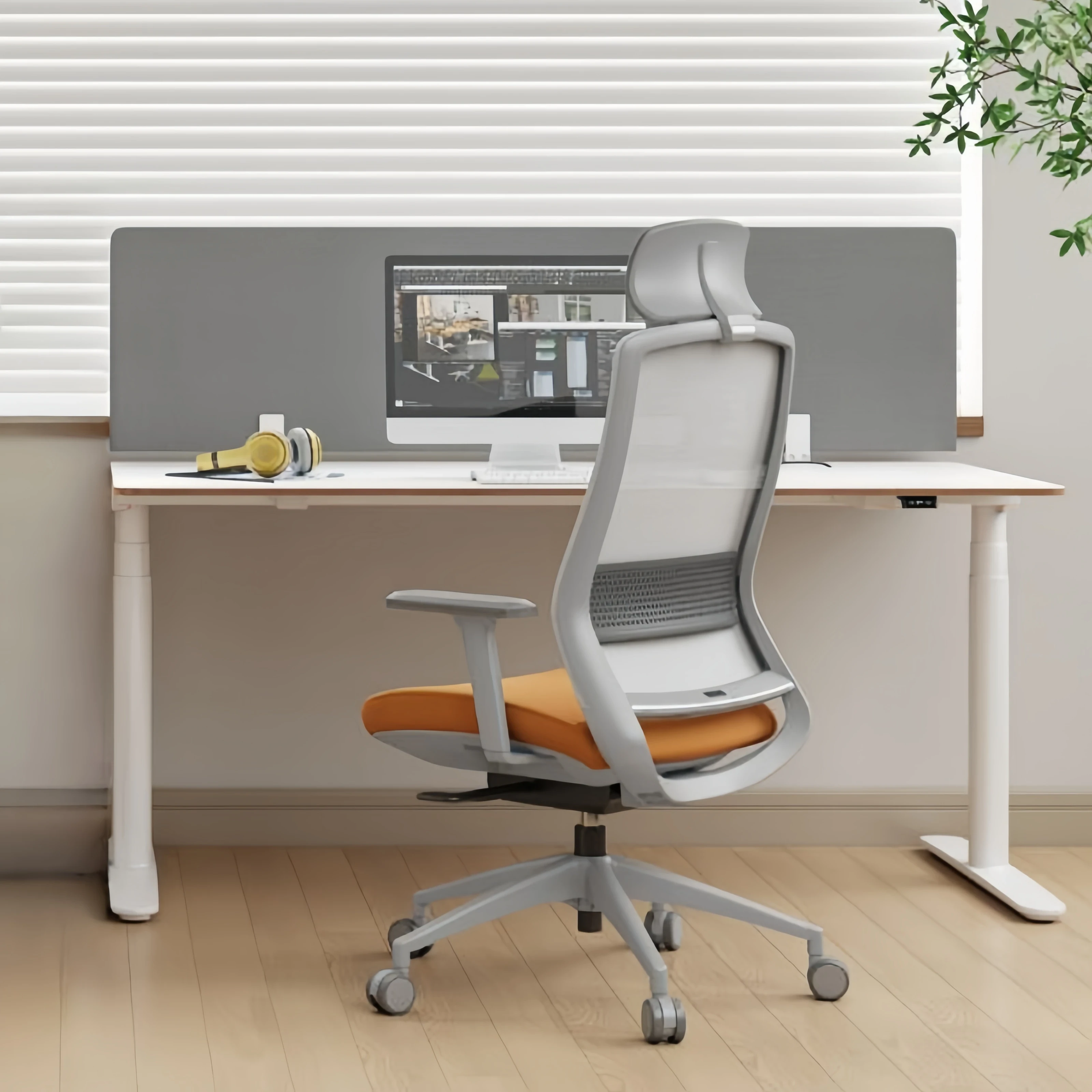


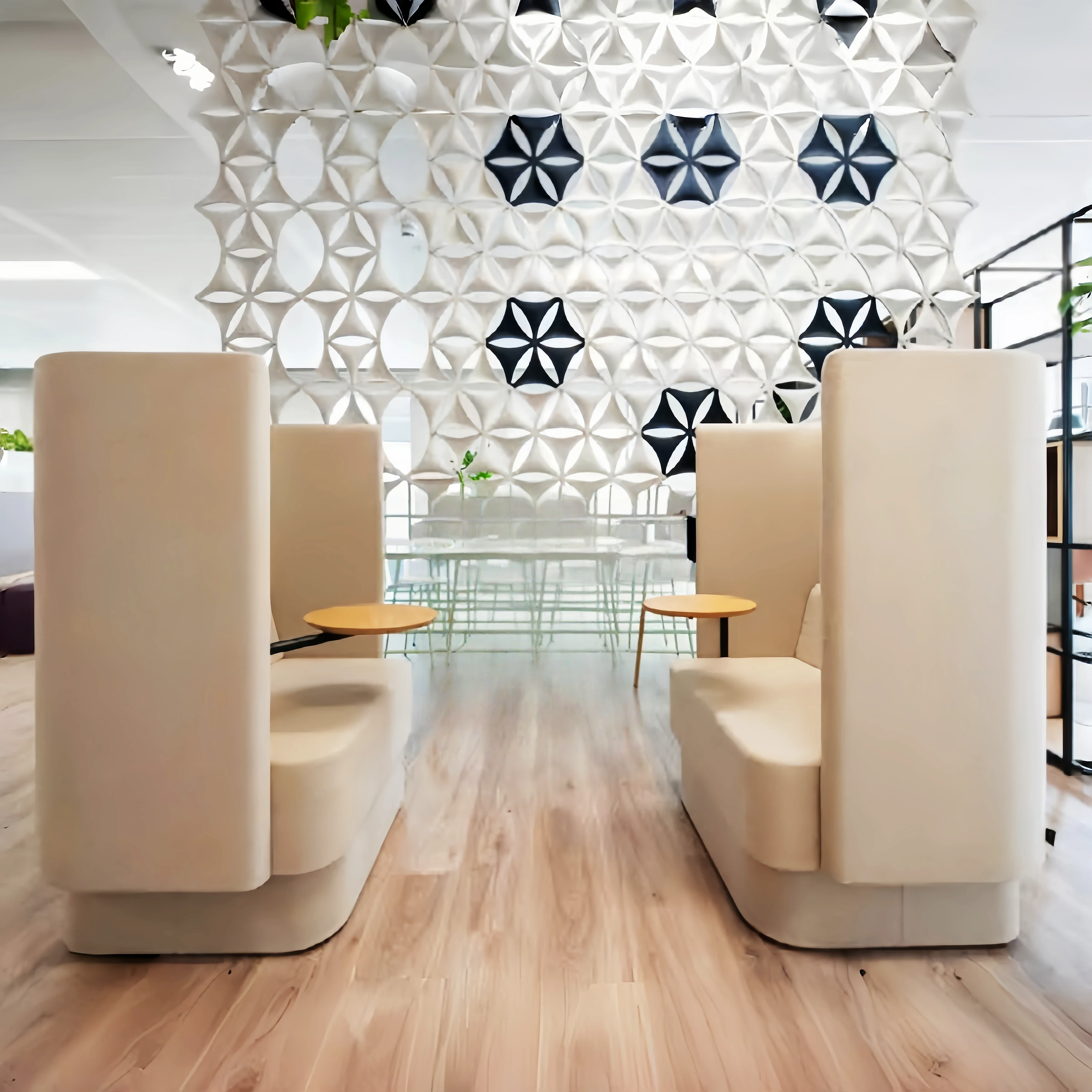

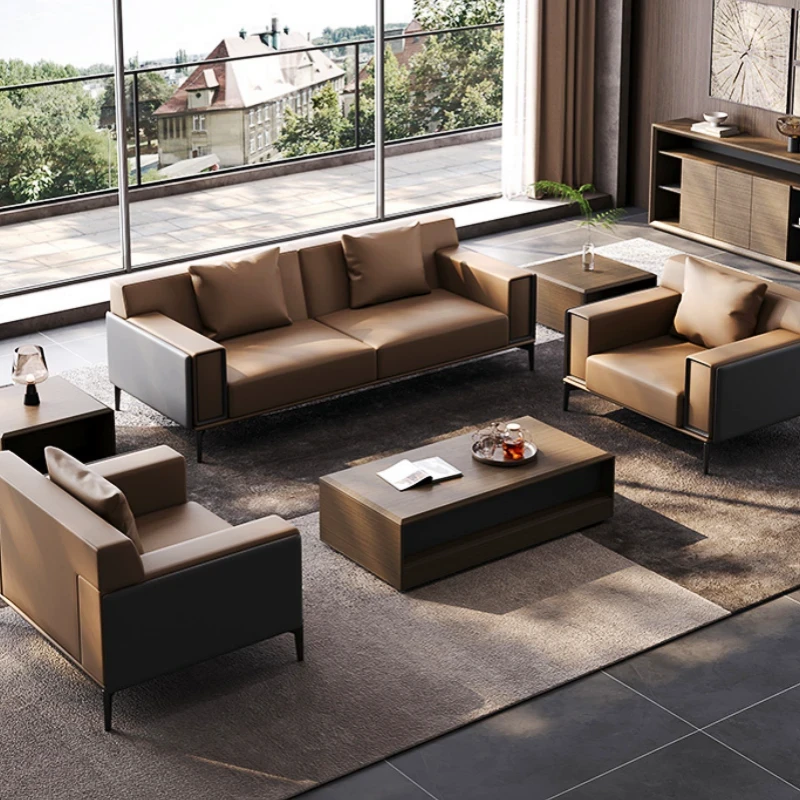
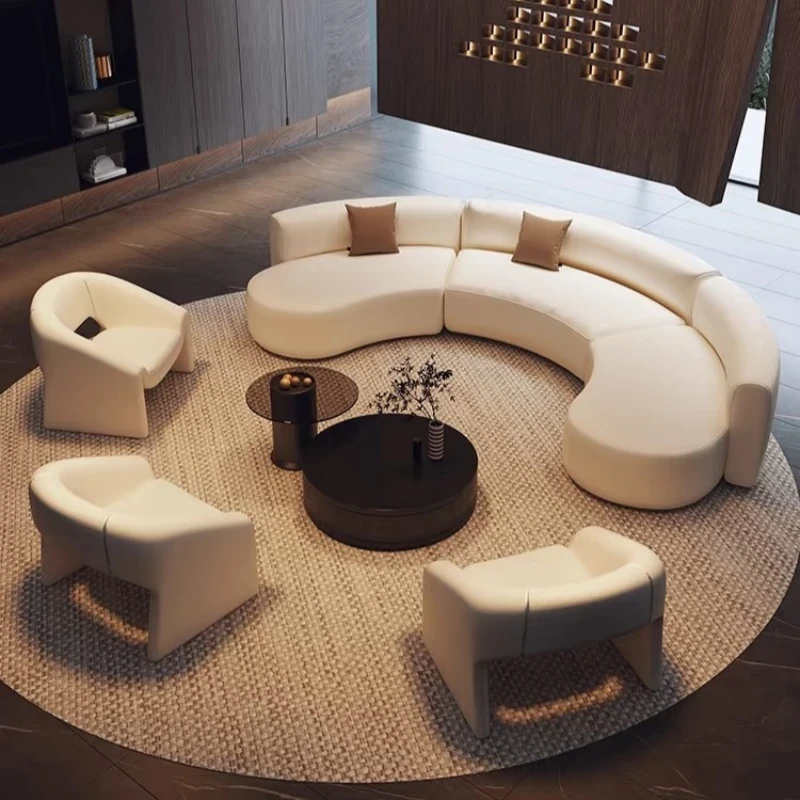
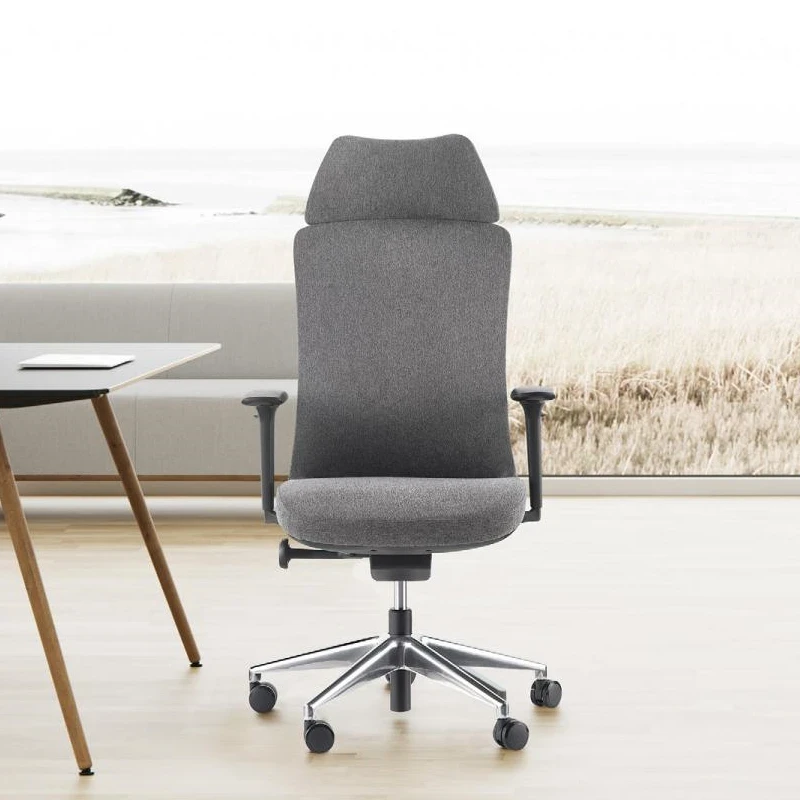


: Before selecting materials and processes, it's essential to clarify the furniture's usage needs, including frequency of use, functional requirements, and environmental characteristics. For example, furniture in the reception area needs to be attractive and comfortable, while meeting room furniture may prioritize durability and sound insulation. Understanding these needs will better guide the selection of materials and processes.
2. Choose the Right Materials
: Material selection not only affects the furniture's appearance but also determines its durability and maintenance difficulty. Here are some commonly used office furniture materials and their characteristics:
Wood: Natural woods such as oak and walnut offer a high-quality and natural feel, suitable for high-end office spaces. Man-made boards such as laminate and medium-density fiberboard (MDF) provide cost-effective and diverse design options.
Metal: Metal materials such as steel and aluminum alloys are sturdy and durable, suitable for furniture components requiring high strength and load-bearing capacity, such as desk legs or bookshelf supports.
Plastics: Plastic materials used for seating and accessories offer the advantages of being lightweight and easy to clean, while modern processes can achieve excellent durability.
Fabrics and Leather: These materials used for seating and upholstery directly affect comfort and aesthetics. Fabrics come in a wide variety to suit diverse design needs, while leather adds texture and a sense of luxury.
When choosing materials, businesses also need to consider environmental and sustainability factors. Choosing renewable or sustainably produced materials will help enhance brand image and align with the trend of modern green offices.
3. Choosing the Right Craftsmanship
After acquiring high-quality materials, the choice of craftsmanship is equally important. Exquisite craftsmanship can enhance the quality of furniture, making it more distinctive and durable.
Handcraftsmanship and Woodworking: For high-end furniture, meticulous handcrafted woodwork can bring exquisite details and durable structures, such as mortise and tenon joints to increase stability.
CNC Machining: Modern CNC machining technology offers high precision and the ability to create complex shapes, suitable for furniture requiring intricate designs.
Surface Treatments: Surface treatments such as painting, coating, and electroplating not only enhance the aesthetics of furniture but also increase wear resistance and ease of cleaning.
Fabric Technology: Advanced textile and sewing techniques can improve the comfort and durability of seating while enabling diverse design options.
4. Considering Cost and Budget
When customizing office furniture, in addition to the choice of materials and craftsmanship, budget is also an important consideration. High-quality materials and complex processes typically mean higher costs, so it's essential to strike the optimal balance within the budget to ensure the final product meets design requirements while remaining within budget.
In conclusion,
choosing the right materials and processes is crucial for the success of customized office furniture. Through precise analysis of user needs, combined with the characteristics of materials and the strengths and weaknesses of the processes, businesses can create office furniture that is aesthetically pleasing, functional, and durable. This not only enhances the company's overall image but also creates a more comfortable and efficient working environment for employees.