
 USD
USD GBP
GBP
 EUR
EUR






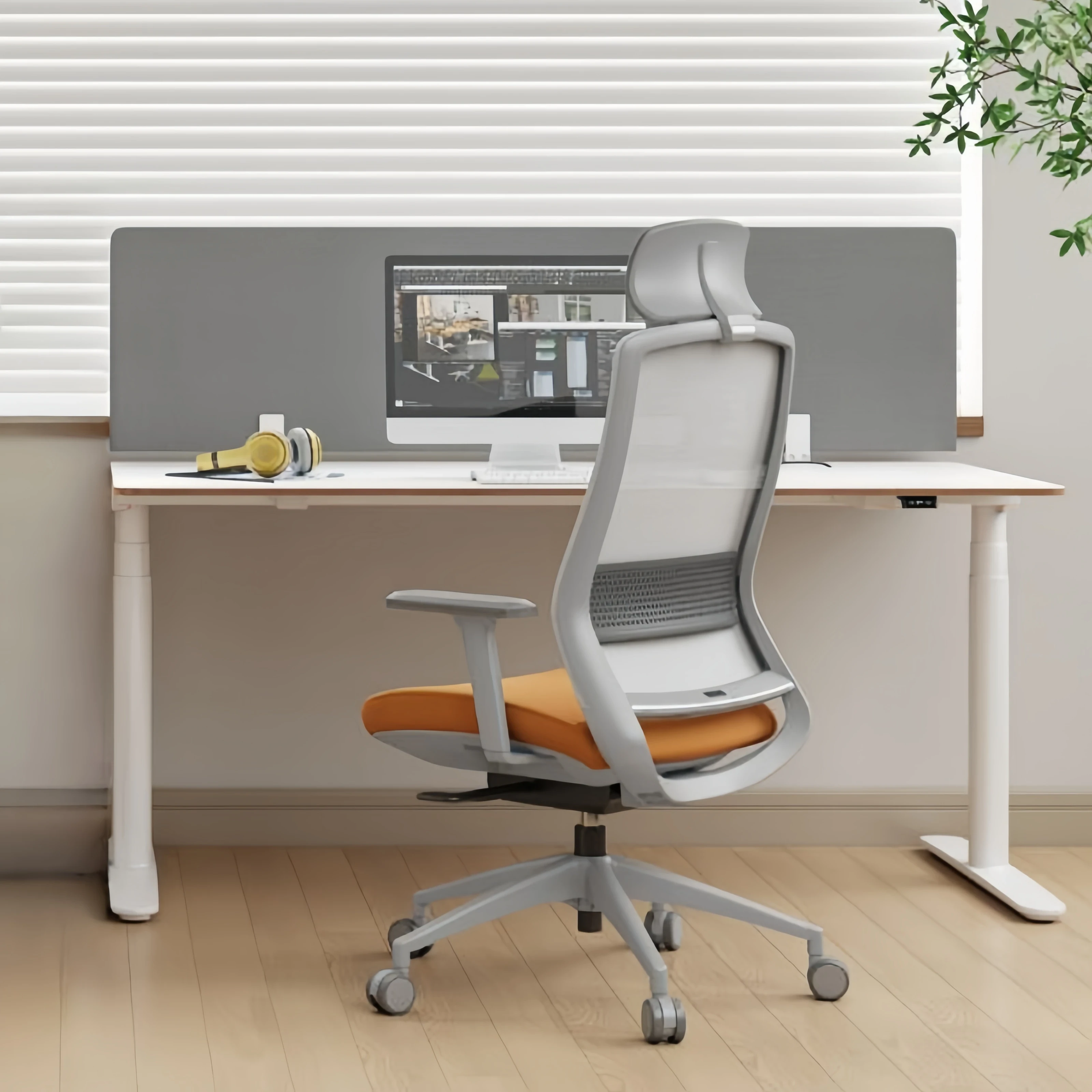




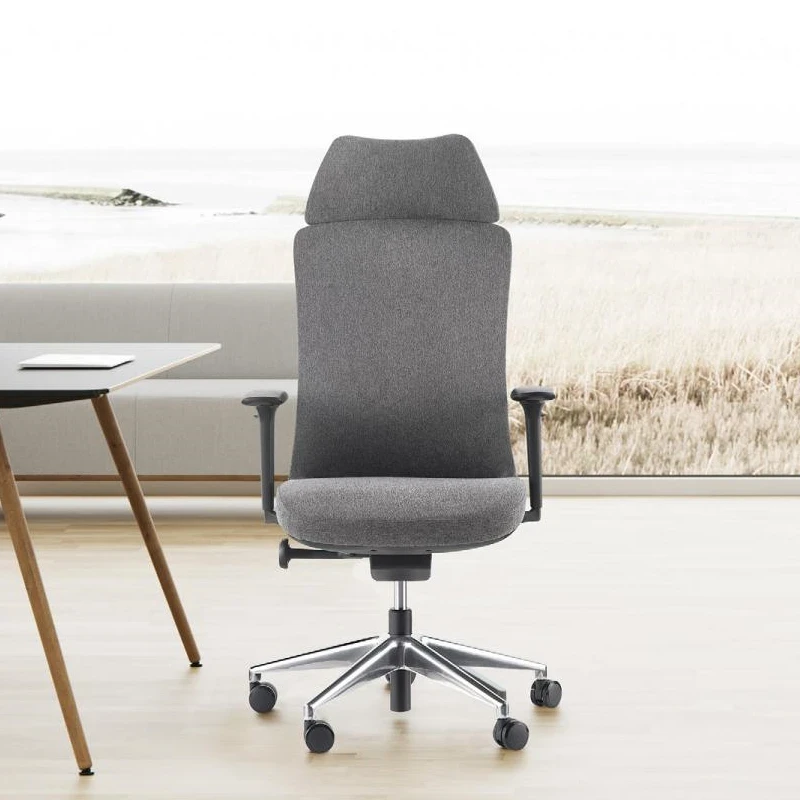


People rely heavily on office chairs in their daily lives and work, especially those who work in a seated position, spending more than one-third of their time interacting with them. Therefore, besides using appropriate materials and having an attractive design, it's crucial that office chairs adhere to ergonomic principles, meaning that the physiological characteristics of the human body in a seated position must be fully considered during the design process. This ensures that the person sitting in the chair can achieve a better state of being.
The most natural human posture is standing upright, in which the spine is essentially S-shaped. However, compared to this, sitting is more conducive to blood circulation in the lower body and can reduce muscle fatigue in the lower limbs. But when people sit, the pelvis tilts backward, causing the sacrum at the lower back to tilt as well. This causes the spine to change from its normal S-shape to an arch shape, putting significant pressure on the intervertebral discs and leading to conditions such as lower back pain. Therefore, office chair design must minimize pressure on the intervertebral discs.
Different seat angles in office chairs result in varying levels of pressure on the intervertebral discs and increased strain on the back muscles. A larger seat angle forces the body to lean forward while working at a desk, increasing pressure on the intervertebral discs and strain on the chest muscles. When the angle between the seat and backrest is greater than 110°, intervertebral disc pressure is significantly reduced. Therefore, leaning back at 110°-120° is most relaxing, and sofa backrest angles are designed based on this principle. In addition, lumbar supports and armrests can also reduce pressure on the intervertebral discs. The lumbar support should be positioned between the third and fifth lumbar vertebrae, and its thickness should be approximately 5cm.
In general, the ergonomic factors that need to be considered when designing office chairs can be summarized as follows:
① The form and size of office chairs are related to their purpose; that is, different purposes require different forms and sizes of office chairs.
②The design should be based on anthropometric data.
③ The main weight of the body should be borne by the ischial tuberosities of the buttocks, and the lower back should also bear the corresponding weight when resting.
④ Reduce the pressure of your thighs on the chair surface.
⑤ A backrest, lumbar support, and armrests should be designed.
⑥ It should be able to freely change body position.
⑦ The chair cushion should have a certain thickness, firmness and breathability to ensure that the body weight can be evenly distributed in the ischial tuberosity area.
Therefore, when purchasing and choosing an office chair, you should also consider the above points to "find" a comfortable and good office chair for yourself, so that you can sit on it and enjoy comfort and convenience!