
 USD
USD GBP
GBP
 EUR
EUR
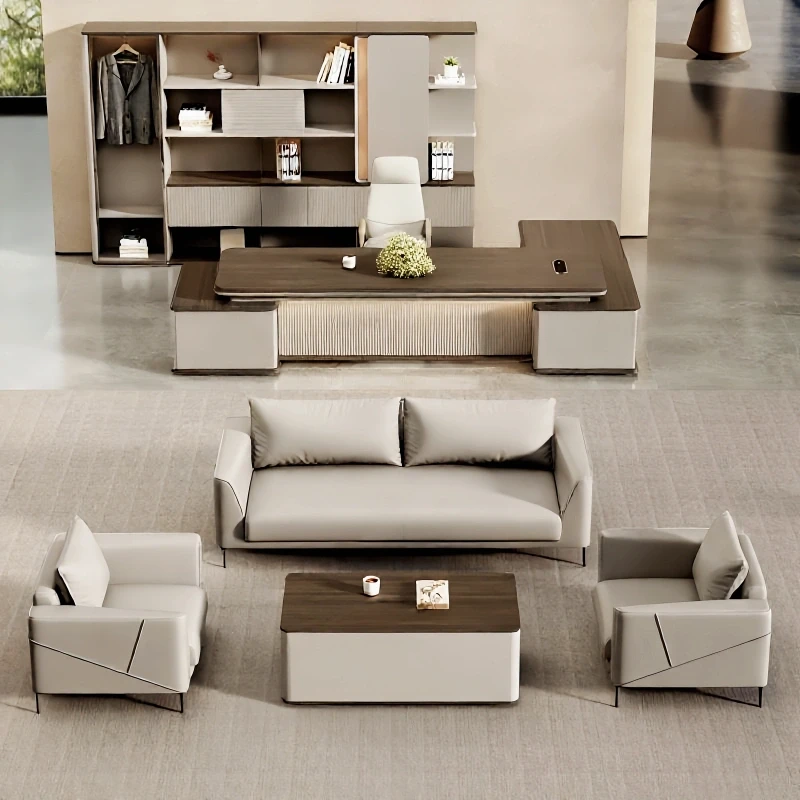


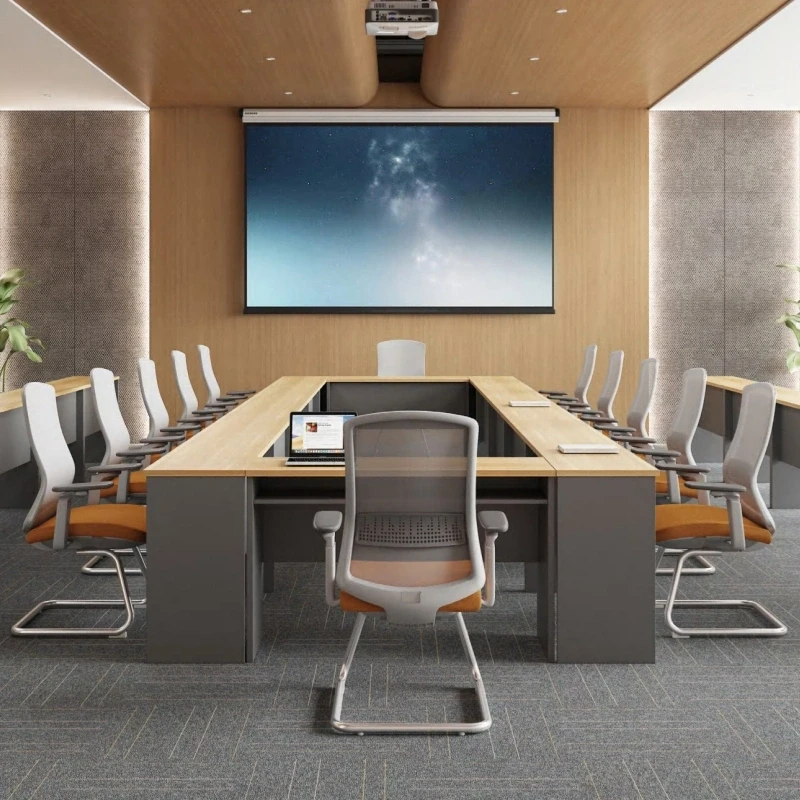
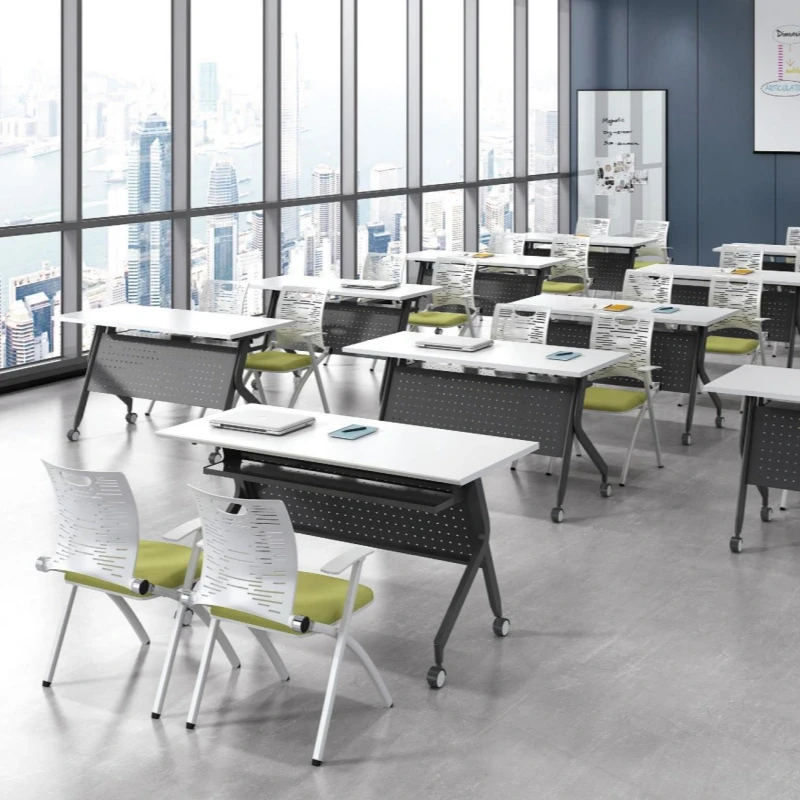
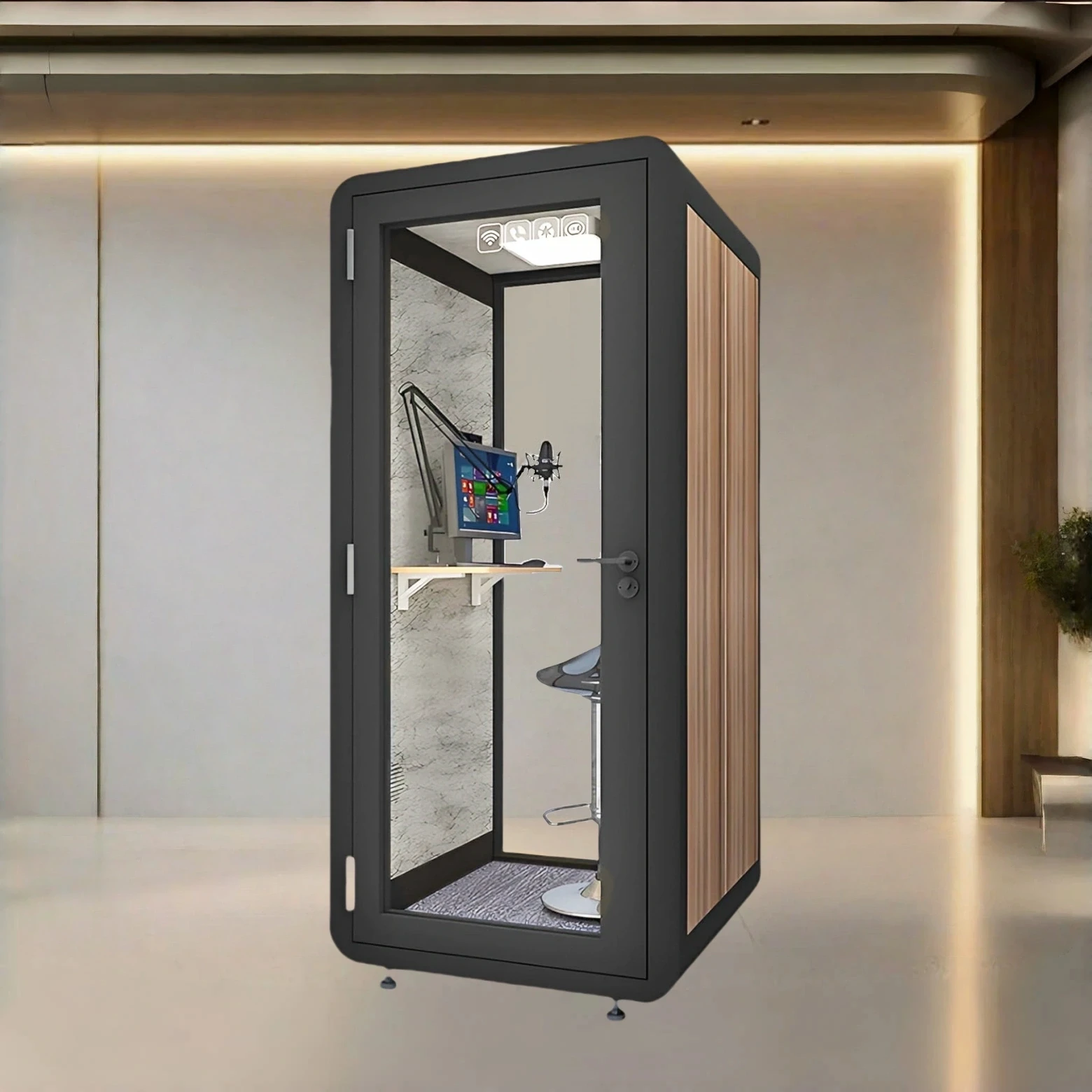
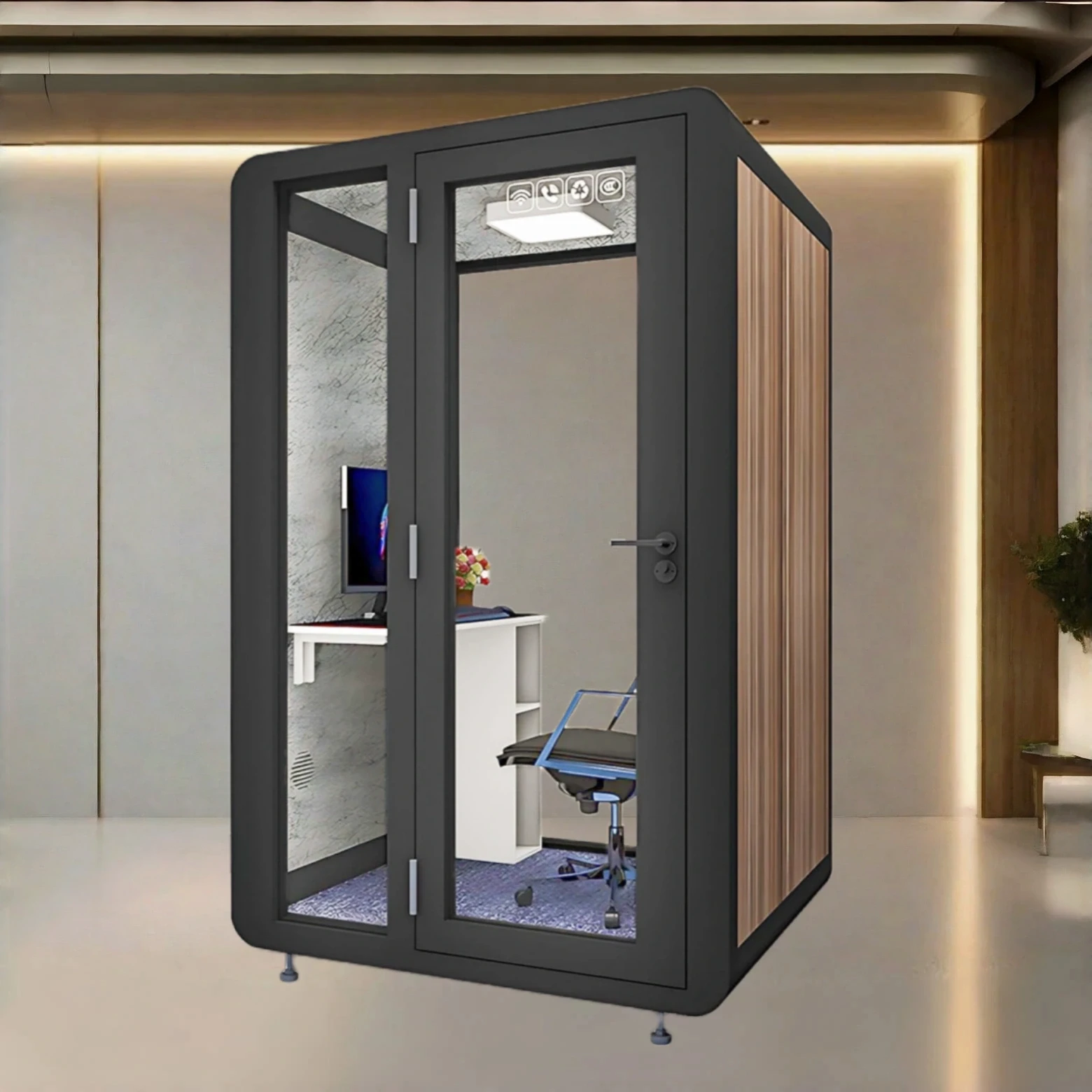
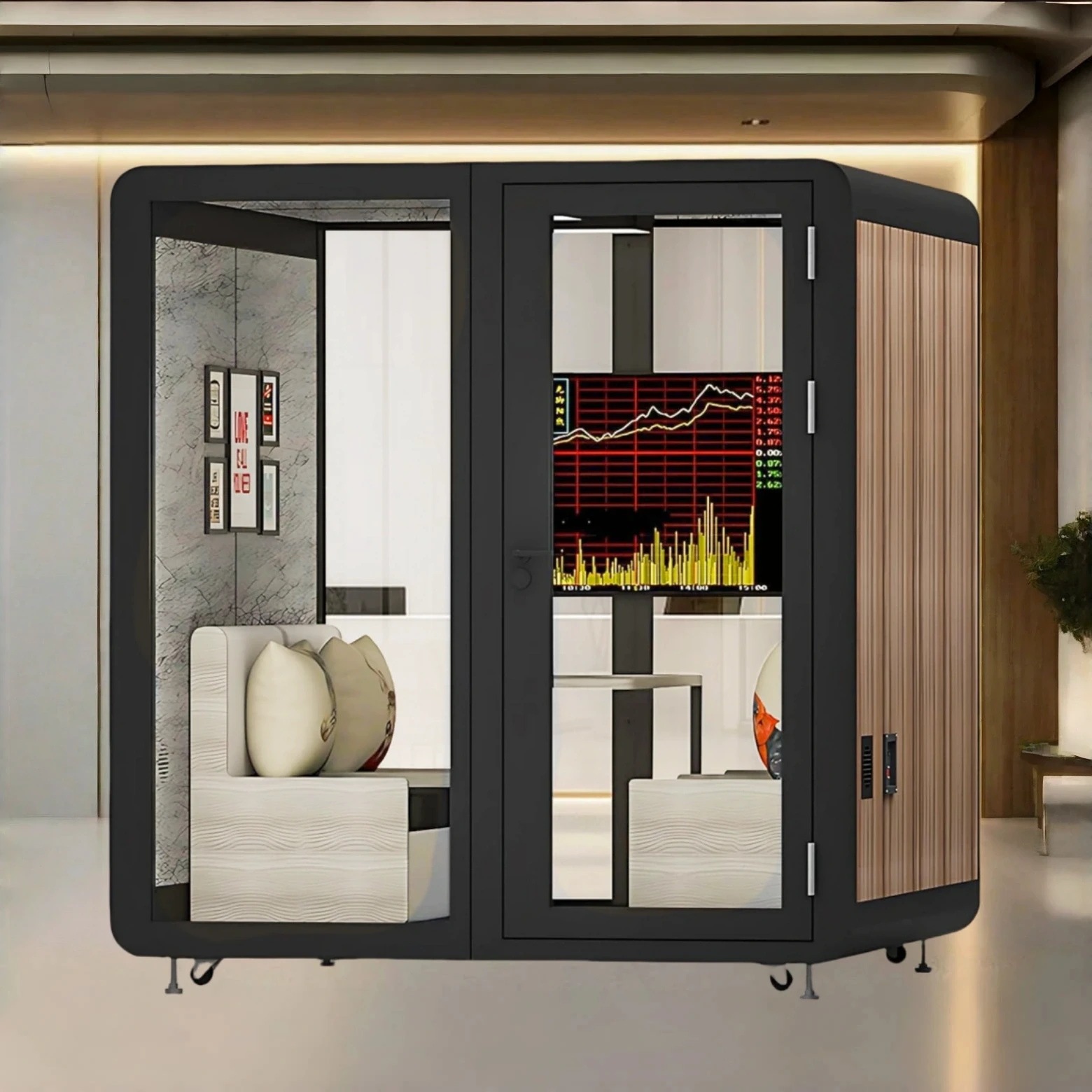







Everyone knows that mobile shelving units are convenient and quick to use in enterprises and institutions. However, the installation of mobile shelving units also requires effort, and the quality of the installation directly affects the future use. Therefore, it is essential to be careful and meticulous during installation, especially for warehouses. Warehouses are generally places where a large number of items are stored, and these places are the first choice for installing mobile shelving units. Therefore, the installation in warehouses needs to meet certain standards. Below, Henan Huadu Times Office Furniture will show you the ten requirements for warehouses when installing mobile shelving units!
Firstly, regarding the doors and windows of the archive room: The doors should be fireproof and burglarproof, with good sealing performance, and preferably metal security doors. The gap between the door and the floor should not exceed 5mm. Windows should be double-glazed, and operable windows should have airtight sealing measures and be equipped with screens. When high windows are used, ventilation openings should be added to the lower part of the wall, and these openings should be fitted with metal mesh. This is extremely important! The ratio of the window opening area to the exterior wall area in each section of the archive room should not exceed 1:10. Long windows spanning multiple floors or sections are not permitted in the archive room. All exterior doors and windows of the archive room should be equipped with iron railings or security grilles for safety. This ensures the safety of the mobile shelving unit during future use and prevents any accidents!
2. Document Room Floor: The document room floor should be smooth, flat, wear-resistant, and not prone to dust accumulation. It should also have moisture-proof measures.
3. Load-bearing capacity of the document room: The uniformly distributed live load on the floor of the document room should be 5KN/m2, and should not be less than 12KN/m2 when using mobile shelving.
4. Document Room Walls: The walls of the document room must be smooth, flat, dust-resistant, sturdy, and durable, with heat insulation, moisture-proof, dust-proof, and fire-resistant functions. The walls should be 24mm thick. To avoid affecting the overall appearance of the office building, document rooms with large windows should have an inner wall built inside the window openings on the exterior wall to reduce the window area.
5. Archives Room Building and Equipment: Open flames are strictly prohibited inside the archives. Power switches for the archives should be located outside the archives and should be equipped with safety protection devices to prevent electric leakage. Control and power supply wires should be copper core wires. Electrical wiring should preferably be concealed within metal conduits. Air conditioning facilities and electric heating devices should have separate power lines and be protected by metal conduits. No water supply points other than fire-fighting water supply should be located inside the archives, and water supply and drainage pipes should not pass through the archives area. Water supply and drainage risers should not be installed on interior walls adjacent to the archives.
Sixth: The architectural design of the archives room should follow the principles of security and confidentiality, reasonable layout, and scientific applicability, and meet the requirements of the People's Republic of China Construction Industry Standard "Code for Design of Archives Buildings" (JGJ25-2000). When constructing a new office building, the archives room should be included in the plan, and the architectural requirements for the archives room should be submitted to the design department.
Seven: The archive room must meet the "ten protection" requirements for archive protection, namely moisture protection, waterproofing, fire prevention, theft prevention, protection from sunlight, protection from ultraviolet radiation, protection from high temperature, dust prevention, pollution prevention, and protection from harmful organisms (mold, insects, rodents).
8. Archives should be located on a middle floor of the office building, preferably facing east or south. It is strictly forbidden to place archives on the top floor, ground floor, or facing entirely west. Archives should be centrally located, away from flammable and explosive areas, and storage rooms should not be adjacent to damp or polluting facilities such as toilets.
9. Arrange all types of archive rooms according to the principle of functional zoning, striving for rational functionality and convenient processes. Archive rooms should implement "three separations" (separate data room, archive business office, and reading room), and the storage area should be able to accommodate the archives generated by the unit over 10 years.
10. Archive Room Layout: The archive room should be centrally located and form its own independent area. It should have two independent entrances and exits, and should not be arranged in a connected or suite-like manner. Passages between other archive rooms should not pass through the archive area.