
 USD
USD GBP
GBP
 EUR
EUR
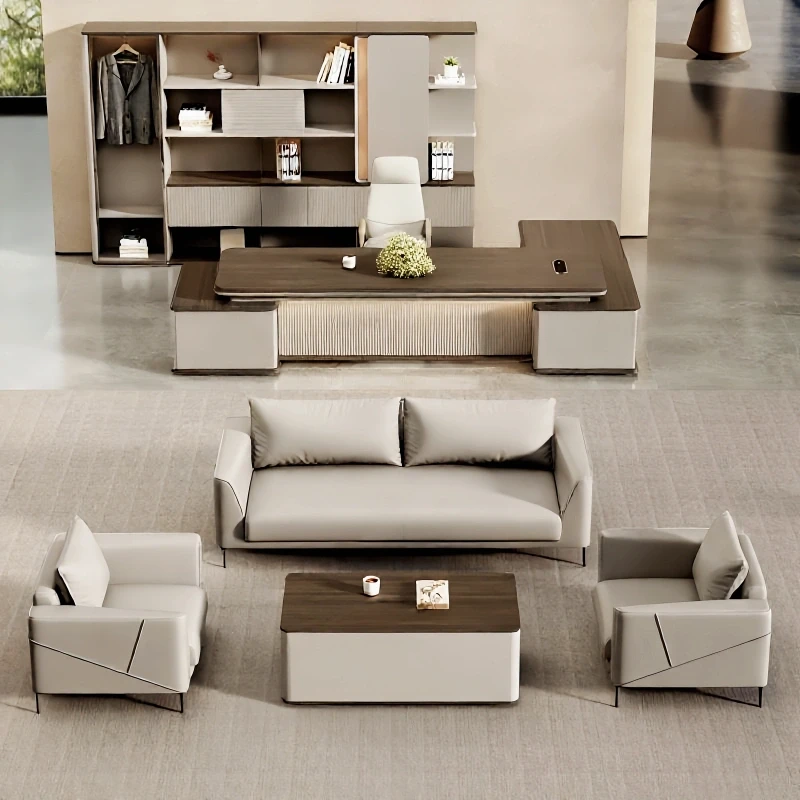
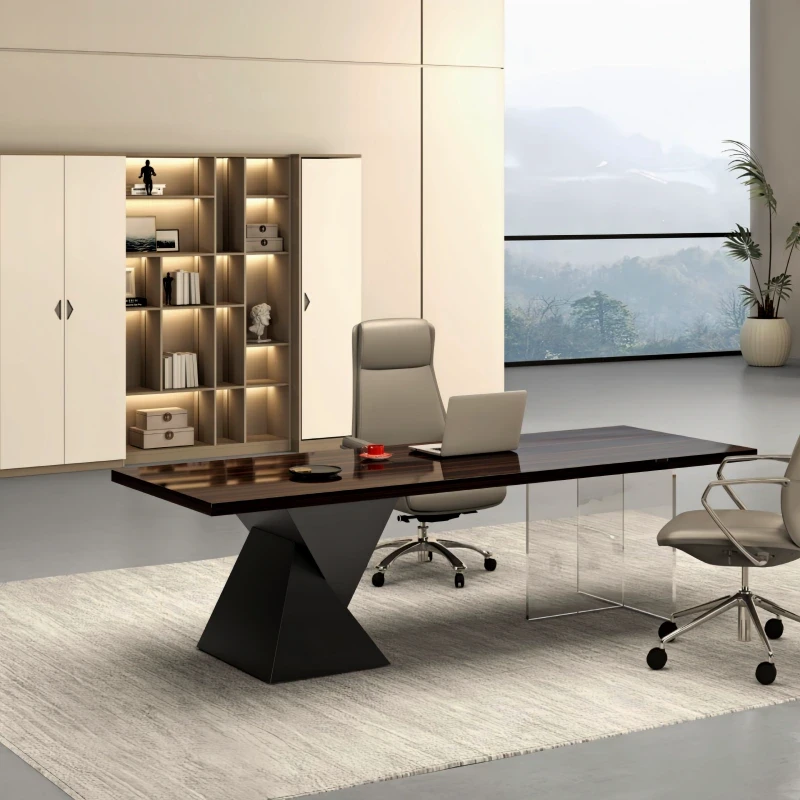


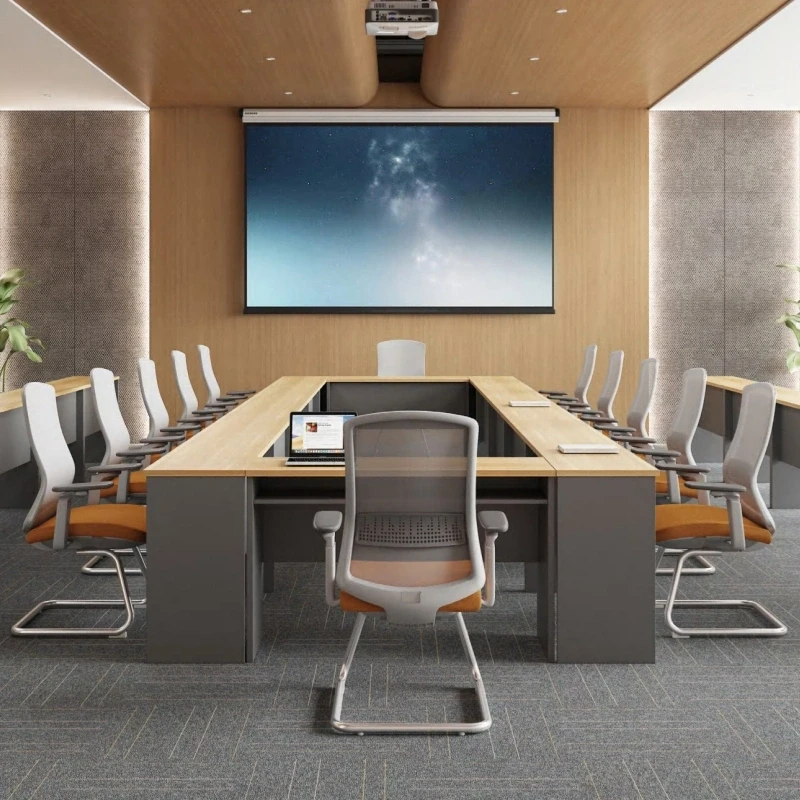
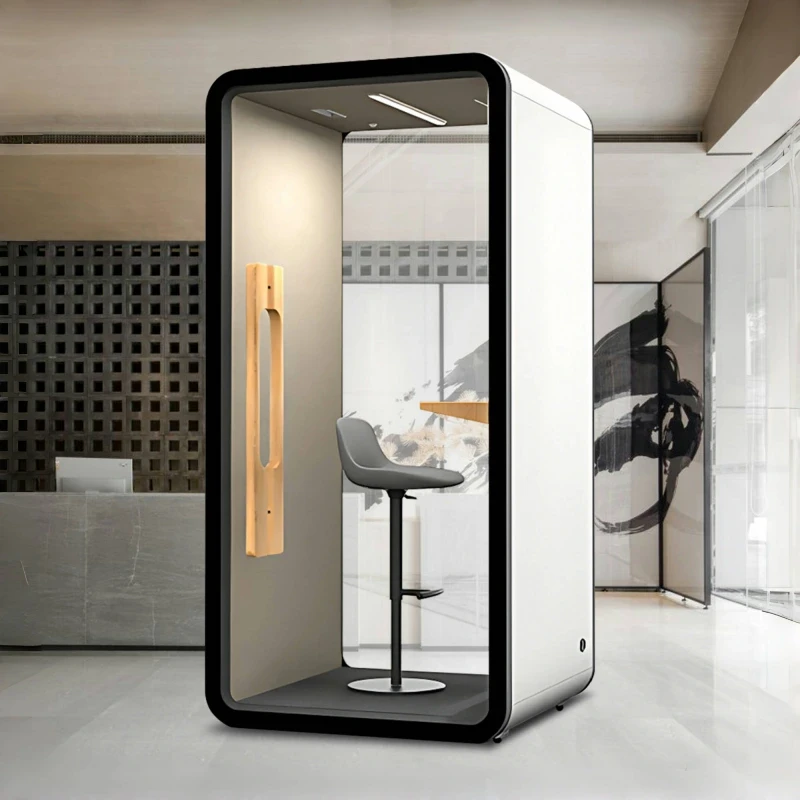
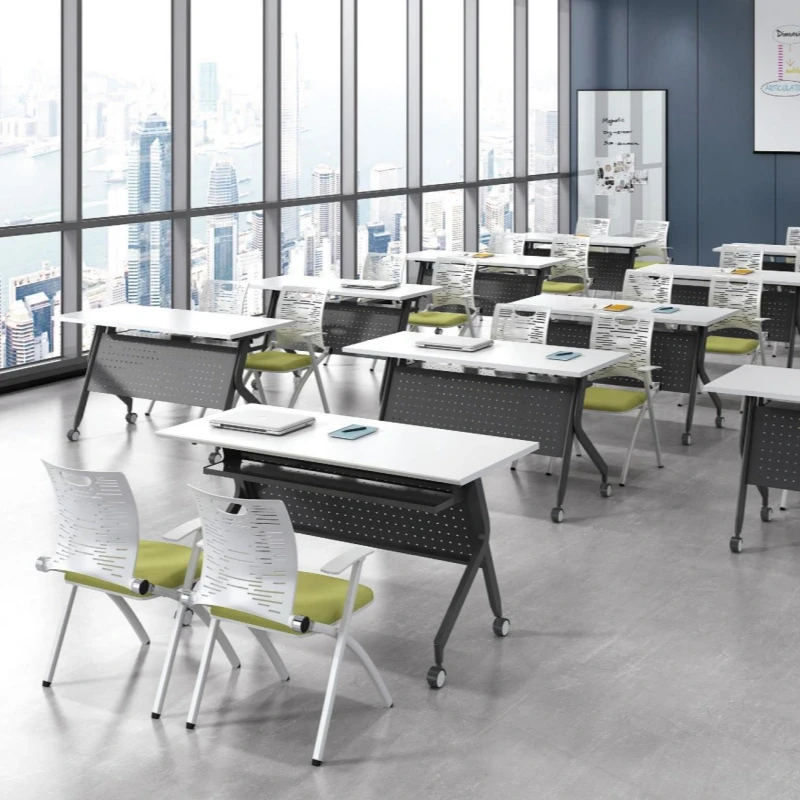
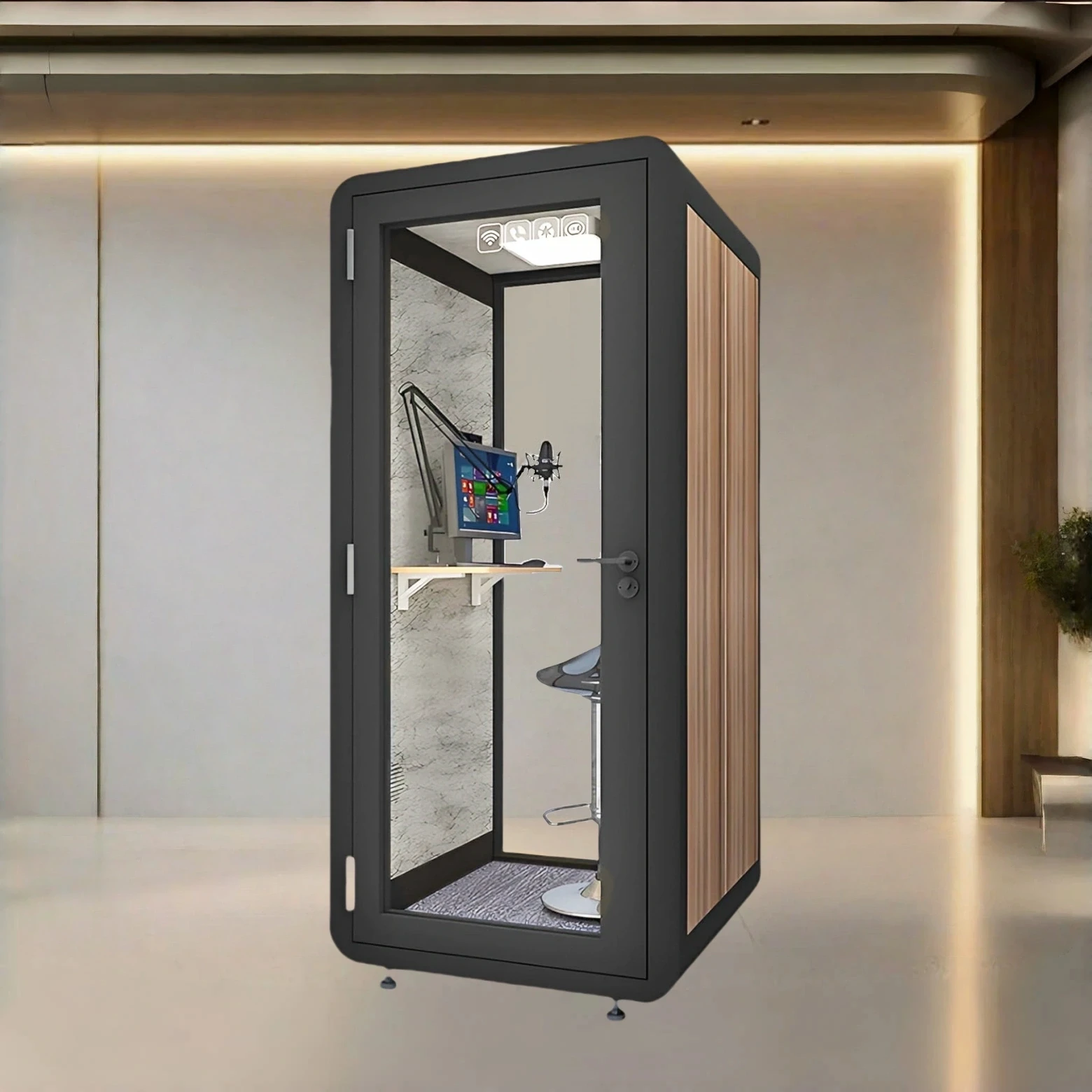
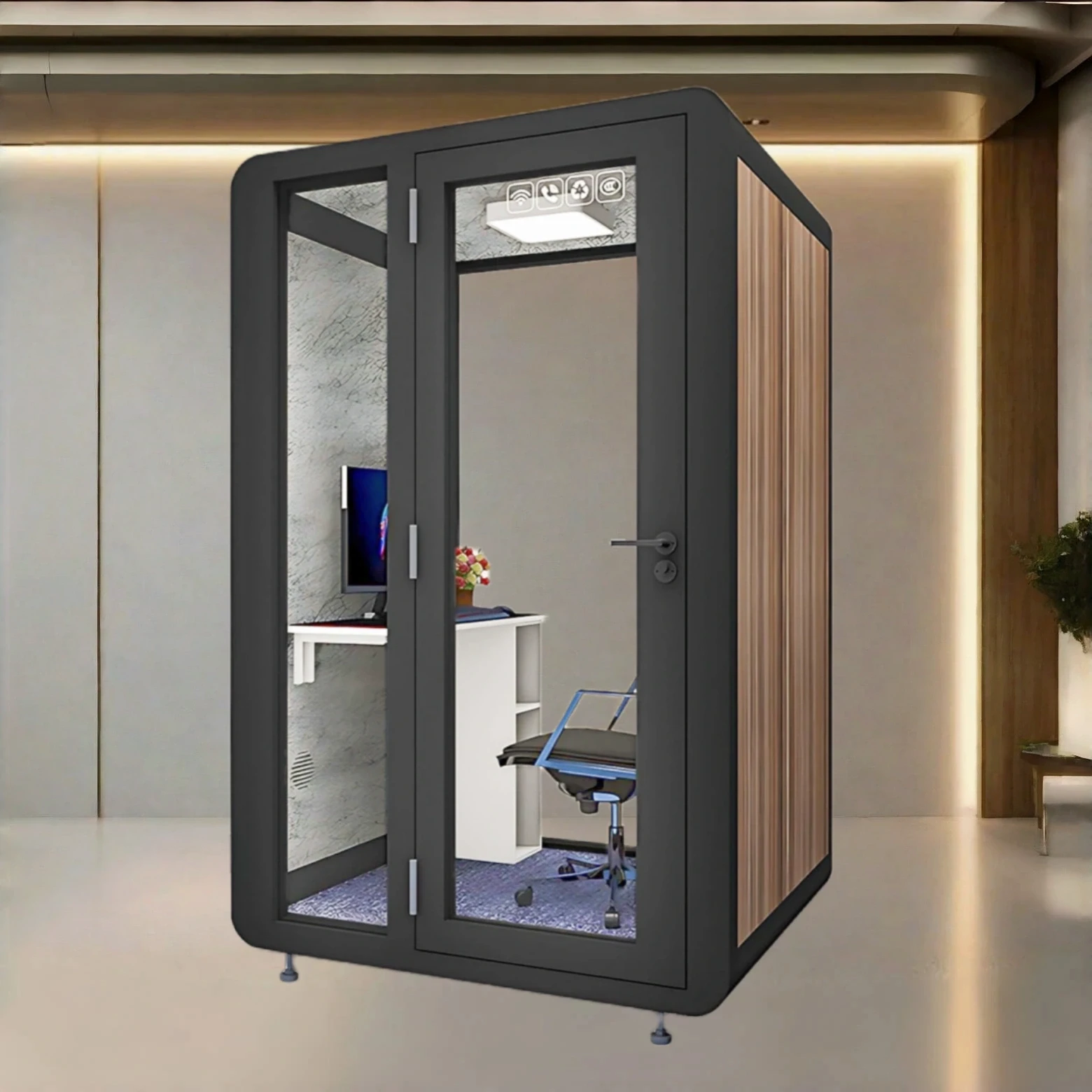
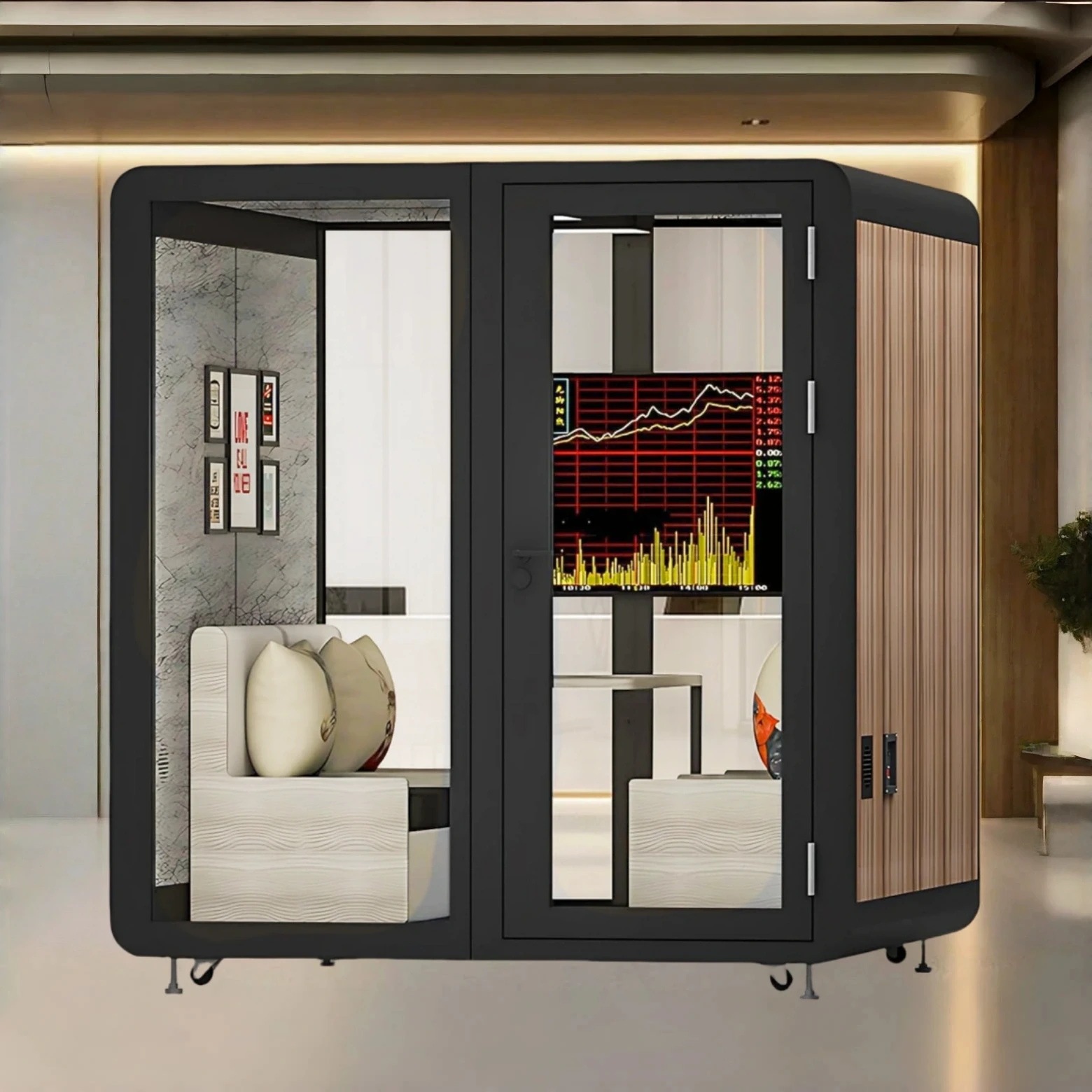
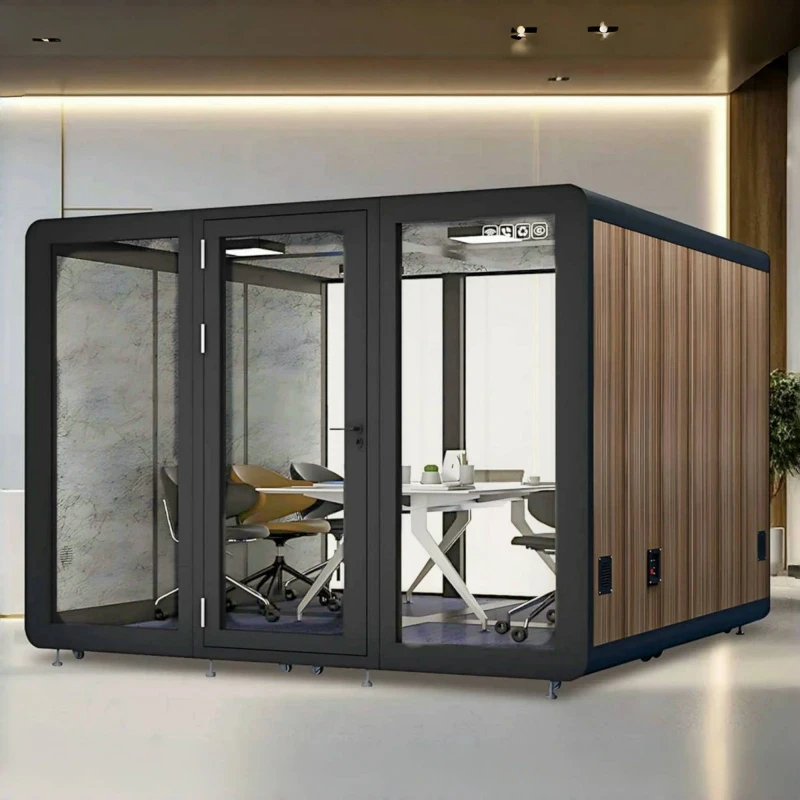


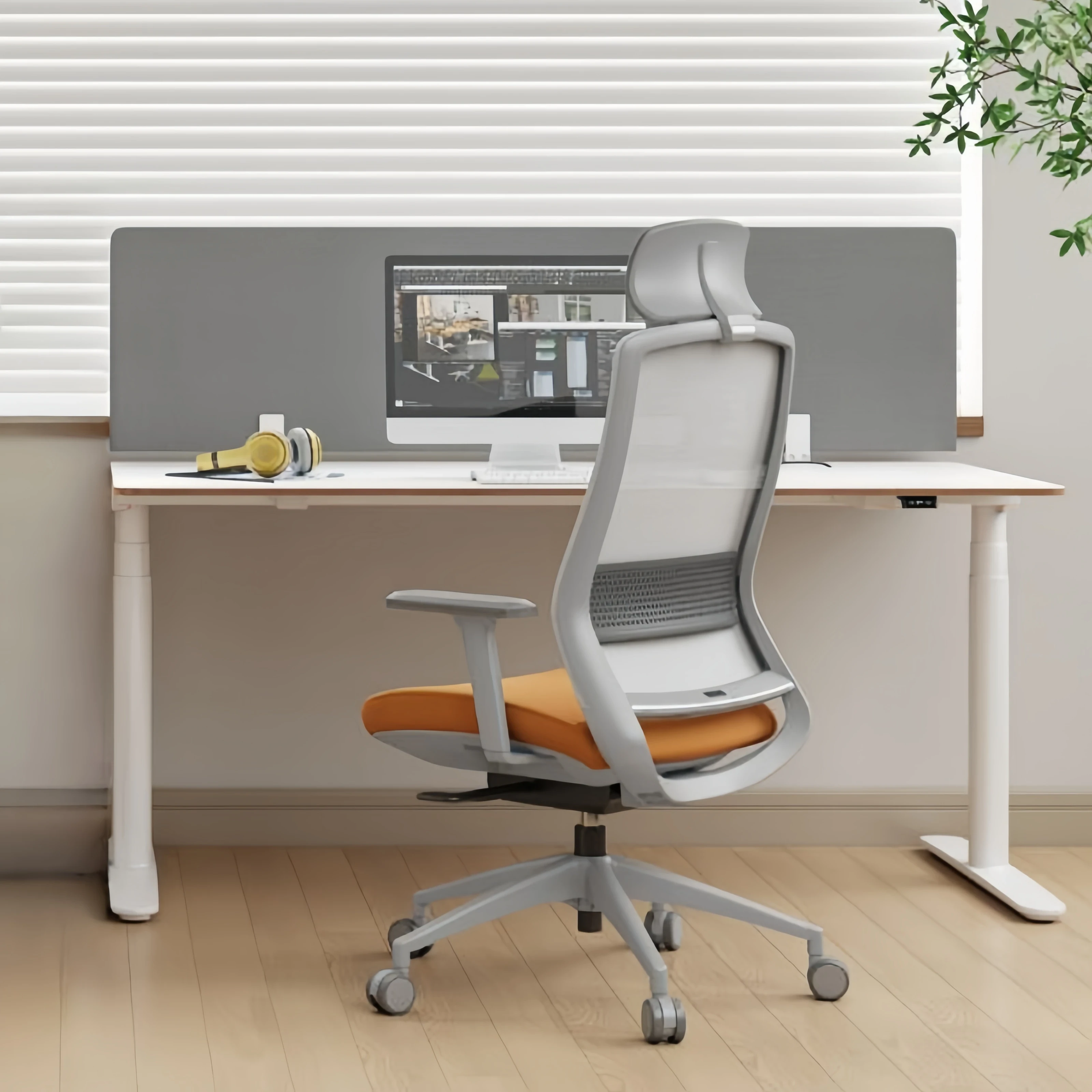


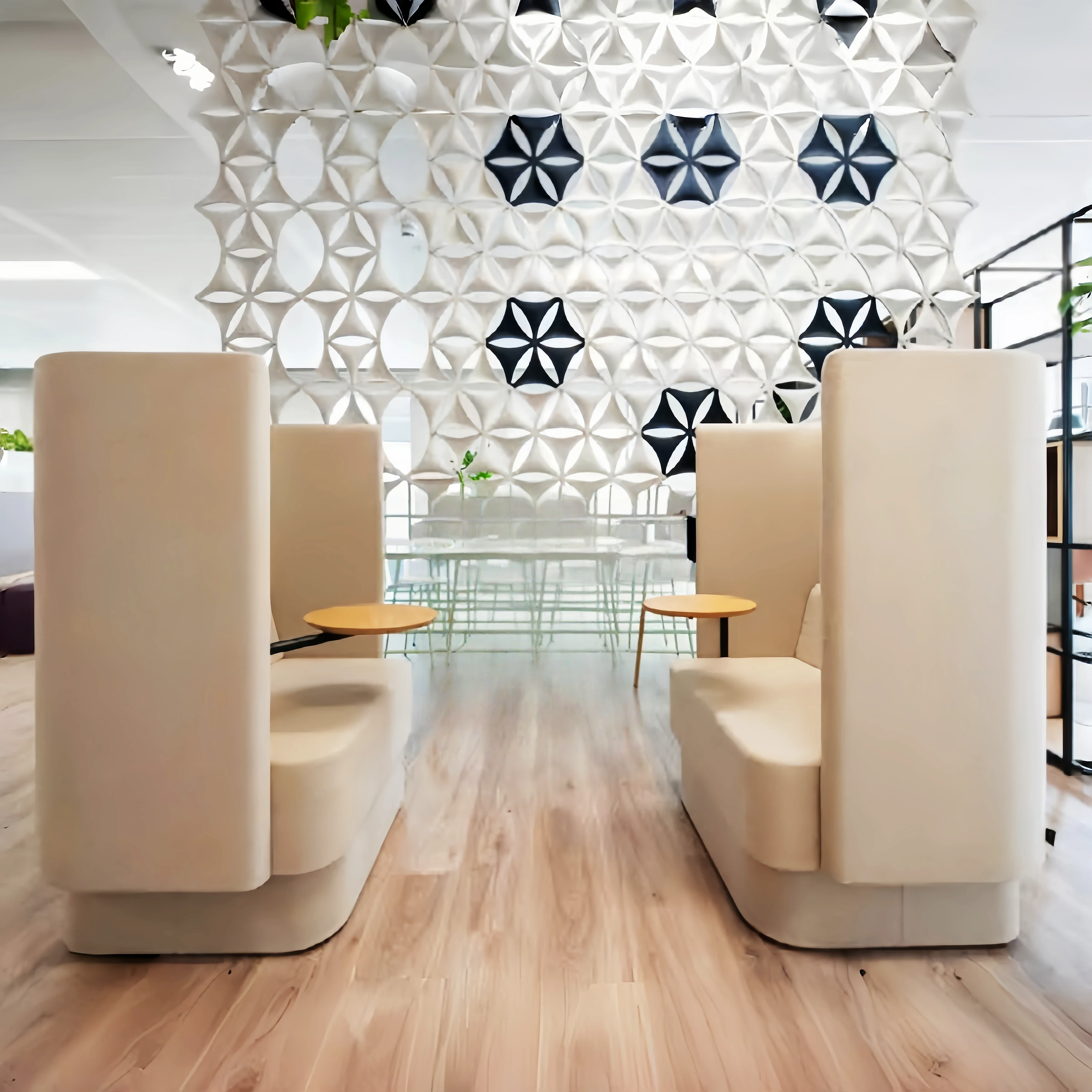

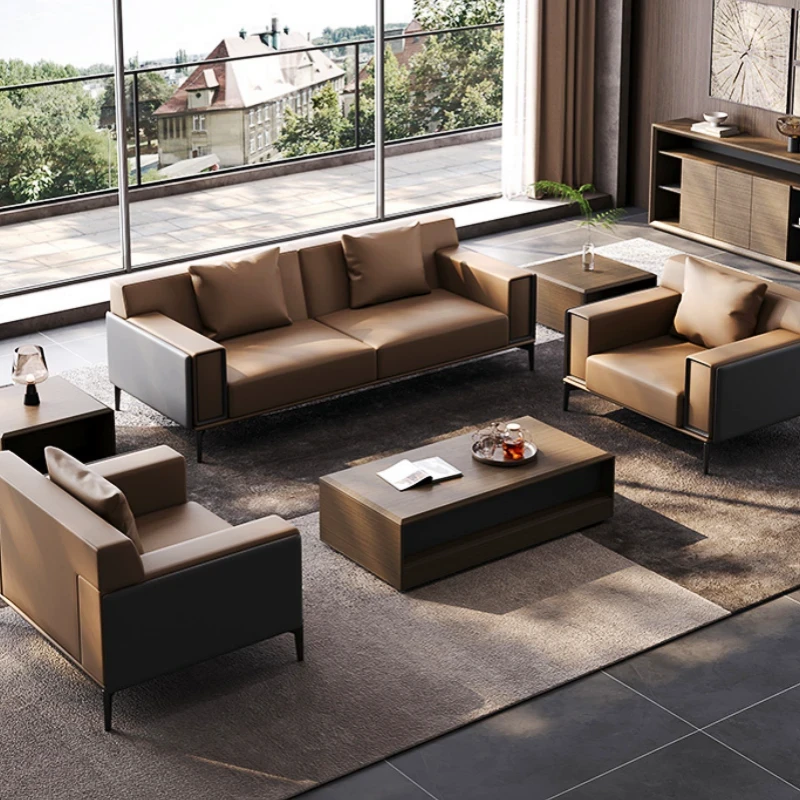
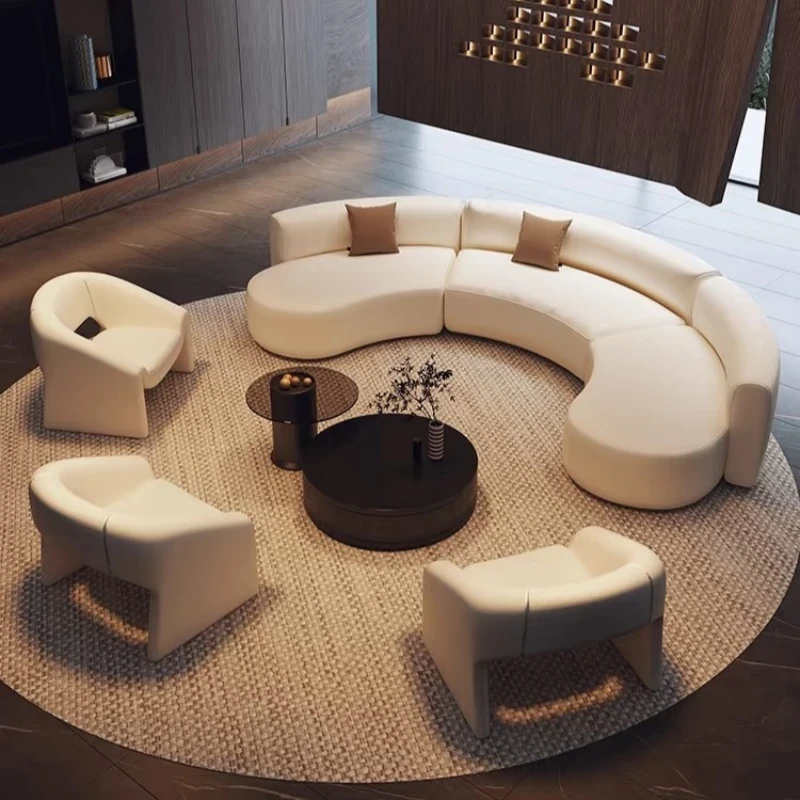
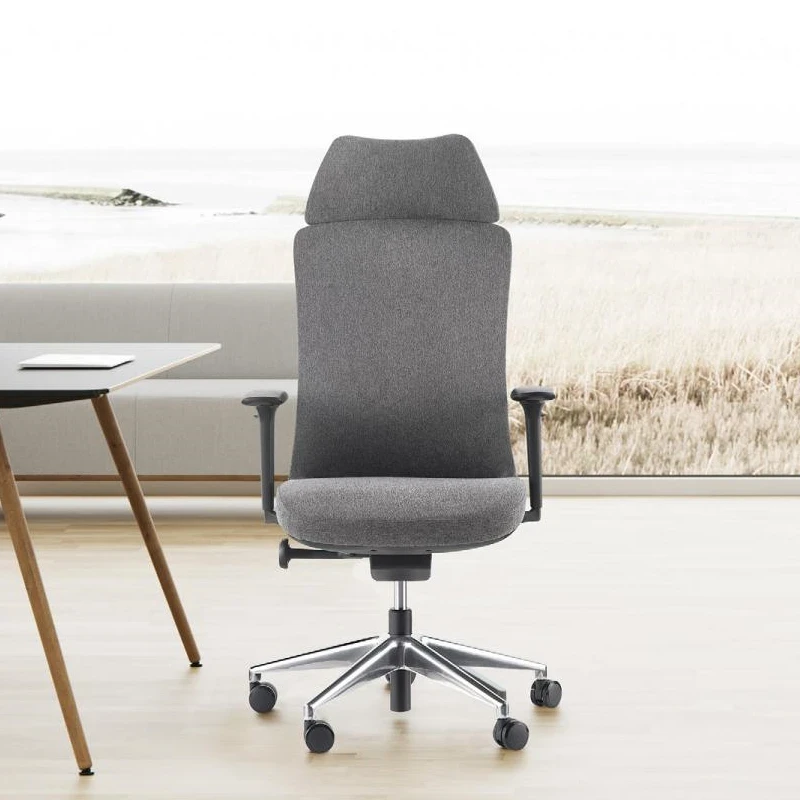


Regular cleaning is the foundation of furniture maintenance. Different materials require different cleaning methods. For example, solid wood furniture can be wiped with a soft, damp cloth, avoiding the use of cleaners containing chemicals; upholstered furniture can be vacuumed to remove dust, and stains treated with a special cleaner; metal furniture can be wiped with a neutral cleaner to prevent rust.
2. Preventing Moisture:
Moisture is a major enemy of furniture, especially solid wood and engineered wood furniture. Businesses should maintain moderate humidity in the office space to prevent furniture from warping due to moisture. Dehumidifiers can be used, or desiccants can be placed during humid seasons to reduce humidity. Additionally, furniture should not be placed near water sources, such as tea rooms and restrooms.
3. Preventing Direct Sunlight:
Prolonged direct sunlight can cause furniture to fade and age, especially fabric and leather furniture. Businesses should use curtains or blinds to block sunlight and prevent furniture from being exposed to direct sunlight for extended periods. If the office space has south-facing windows, UV-protective curtains can be used to protect the furniture.
4. Regular Inspection and Maintenance:
Businesses should regularly inspect furniture for damage and repair it promptly. For example, loose screws should be tightened promptly, damaged upholstery should be repaired in a timely manner, and cracked wood should be filled promptly. Regular inspections can prevent small problems from escalating into major issues and extend the lifespan of furniture.
5. Use Protective Measures
To protect furniture, businesses can use several protective measures. For example, coasters and tablecloths can be placed on desktops to prevent scratches and burns; cushions can be placed on sofas and chairs to reduce wear and tear; and carpets can be placed on the floor to prevent wear and tear on furniture legs.
Conclusion
The maintenance of office furniture requires regular cleaning, prevention of moisture, avoidance of direct sunlight, regular inspection, and the use of protective measures. Through proper maintenance, businesses can extend the lifespan of furniture, maintain its aesthetics and functionality, thereby improving employee work experience and satisfaction.