
 USD
USD GBP
GBP
 EUR
EUR
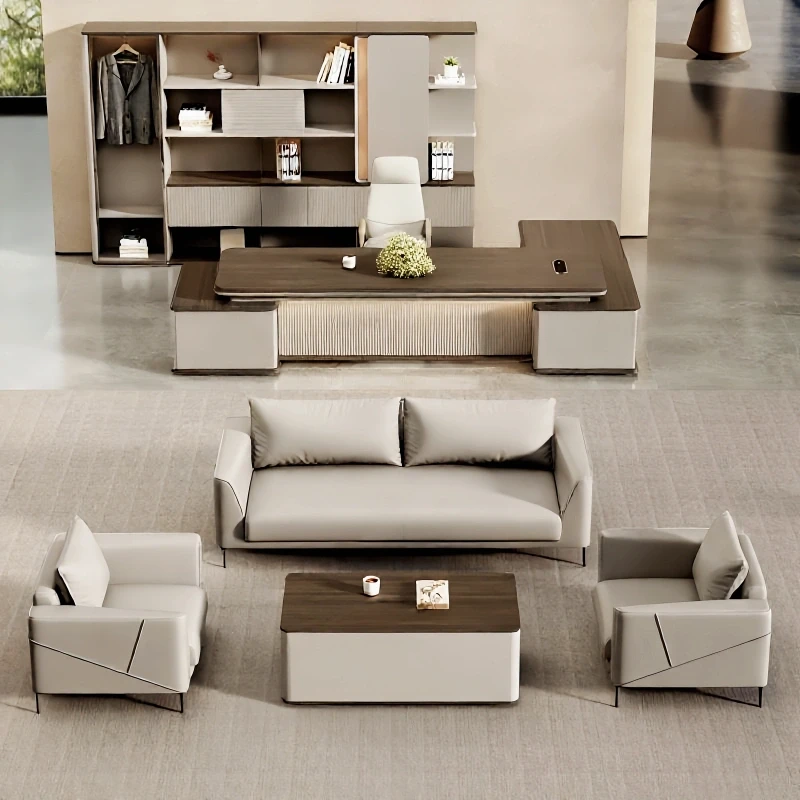
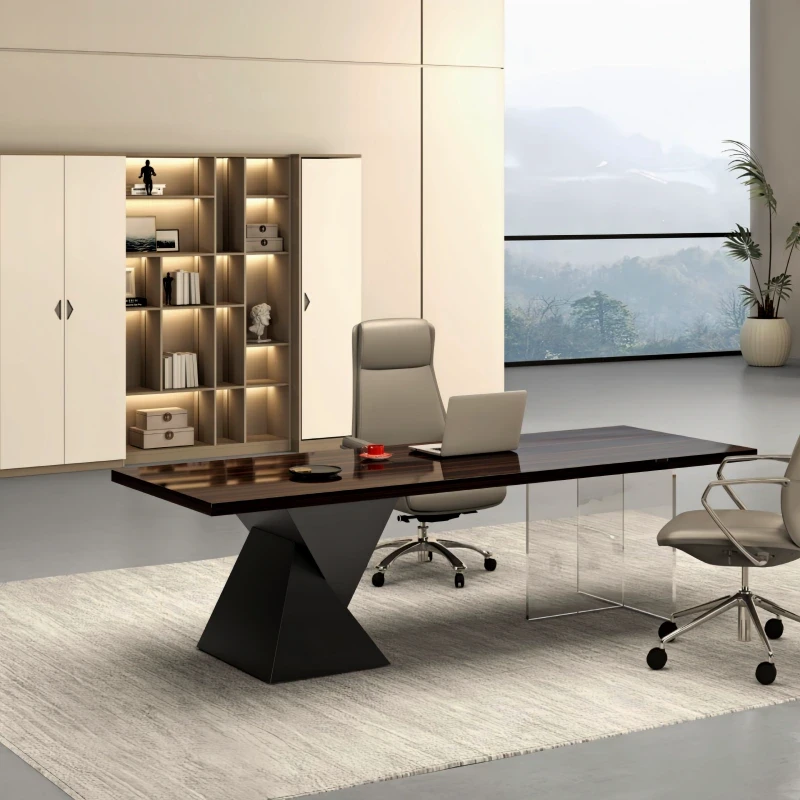


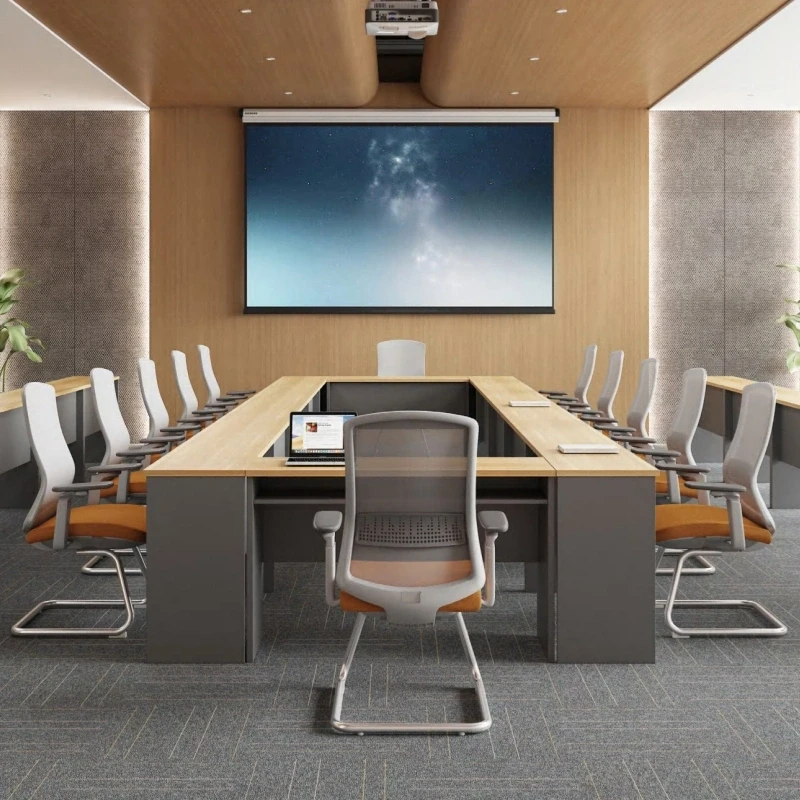
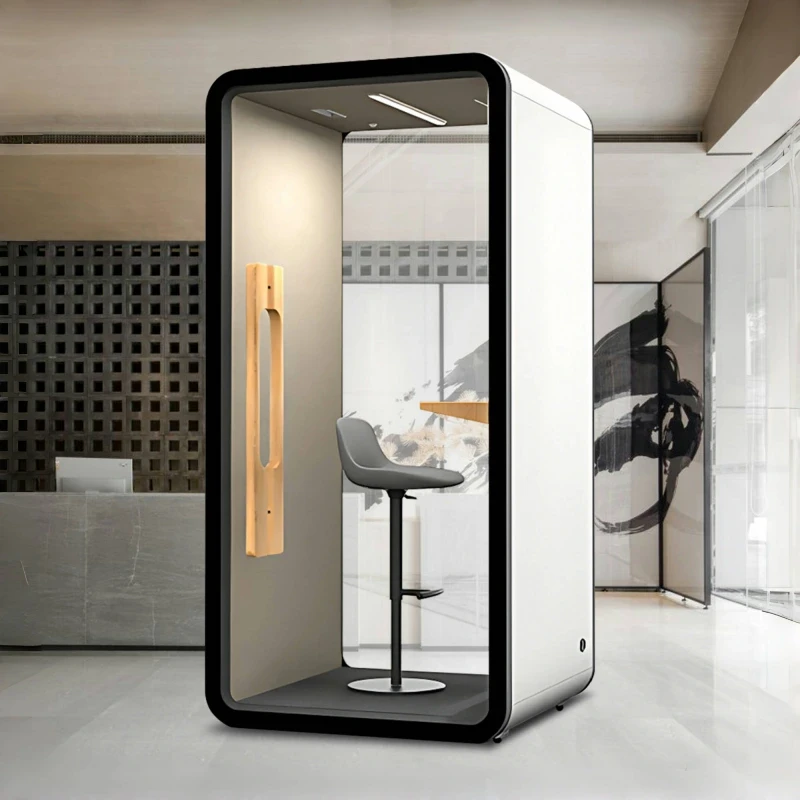
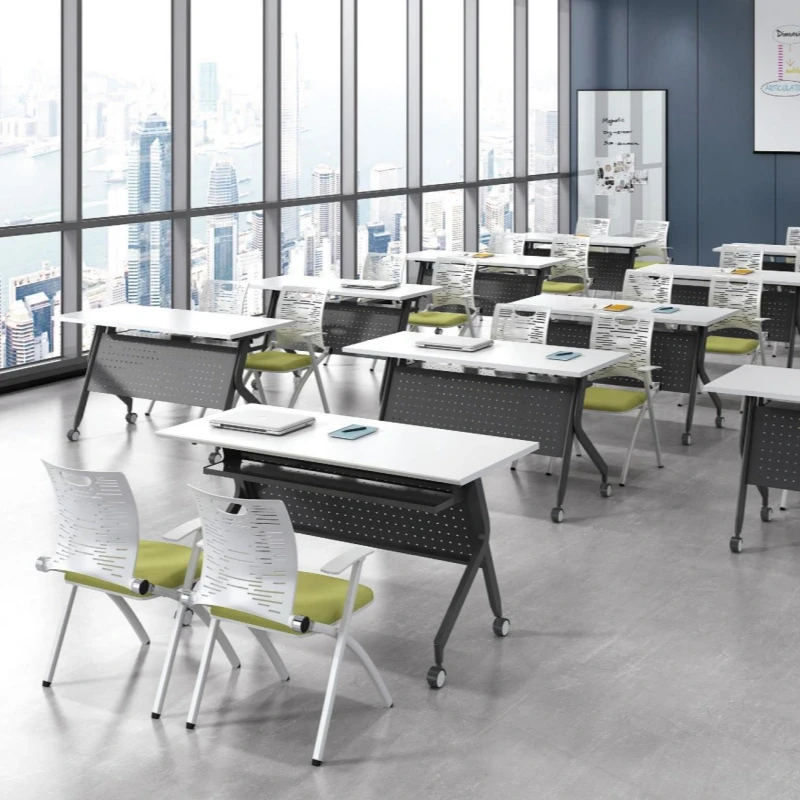
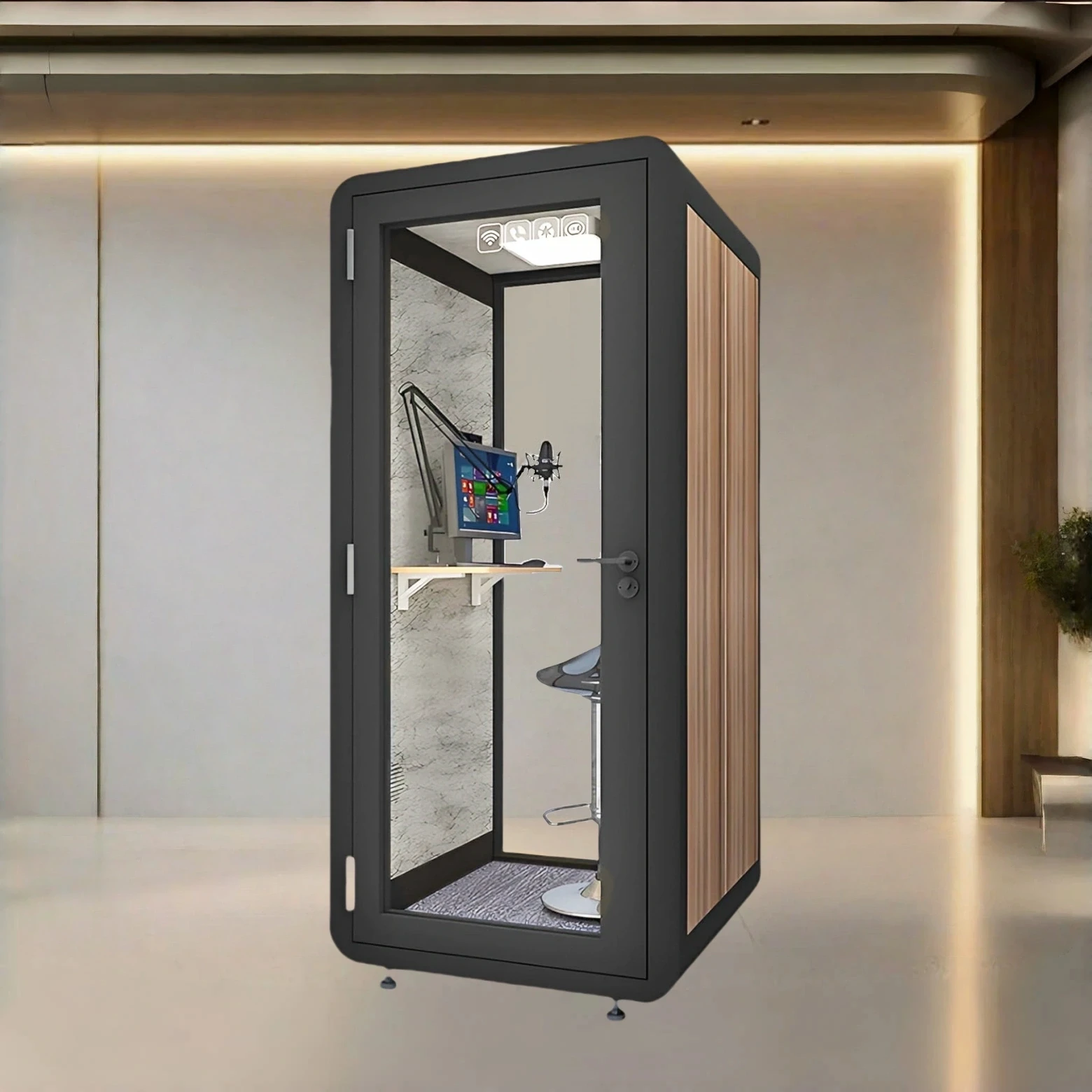
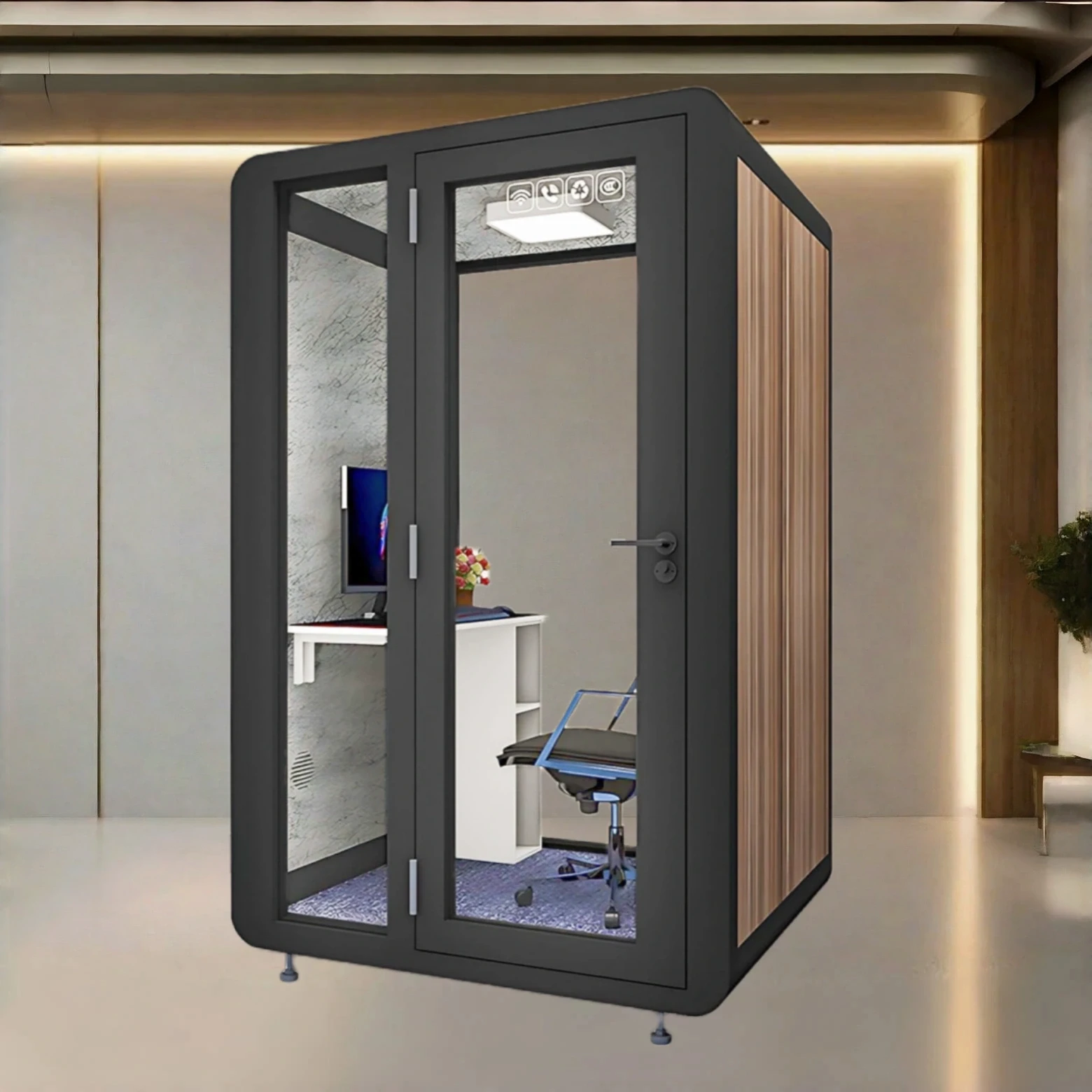
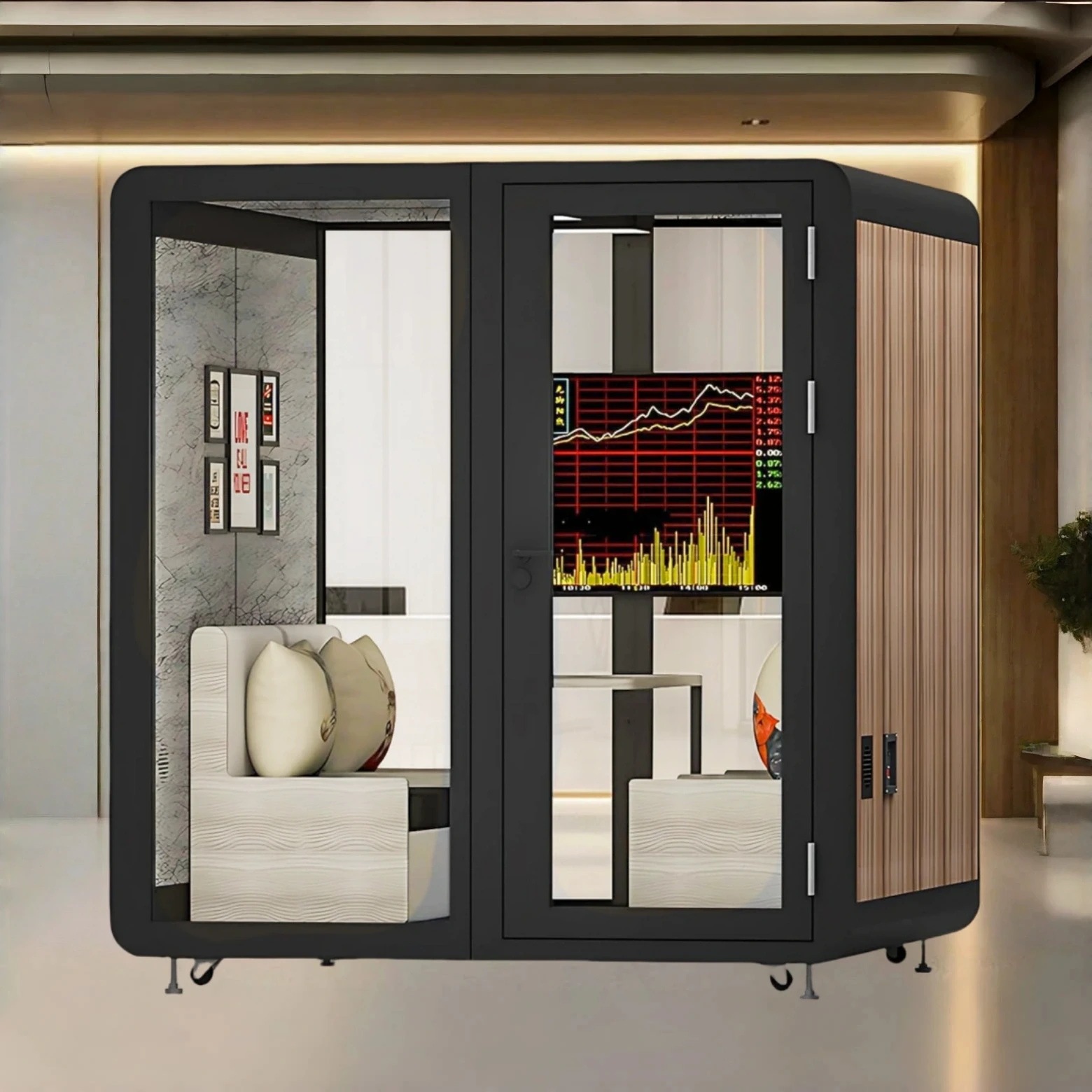
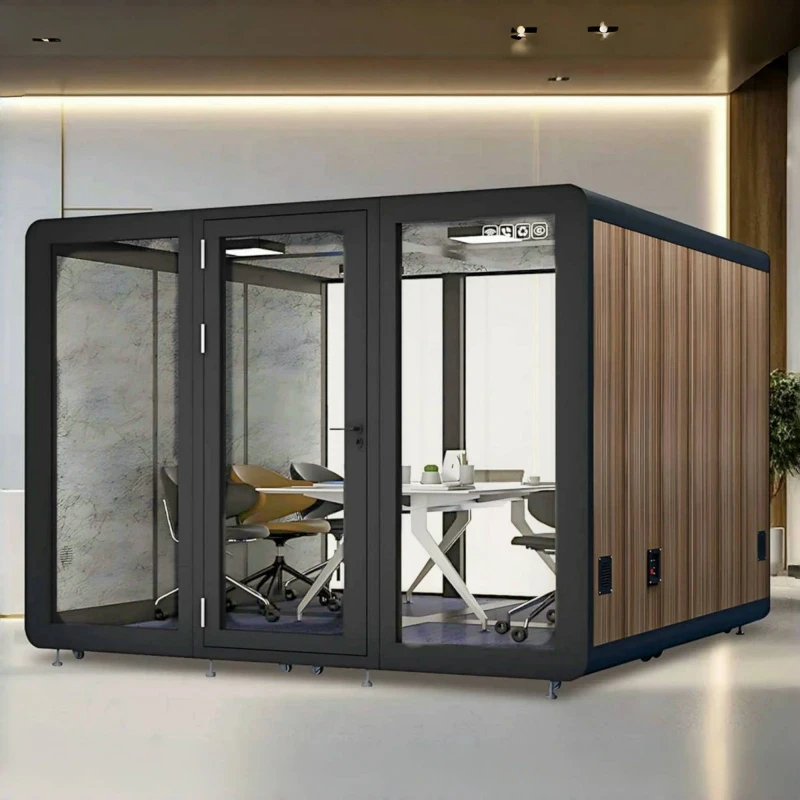
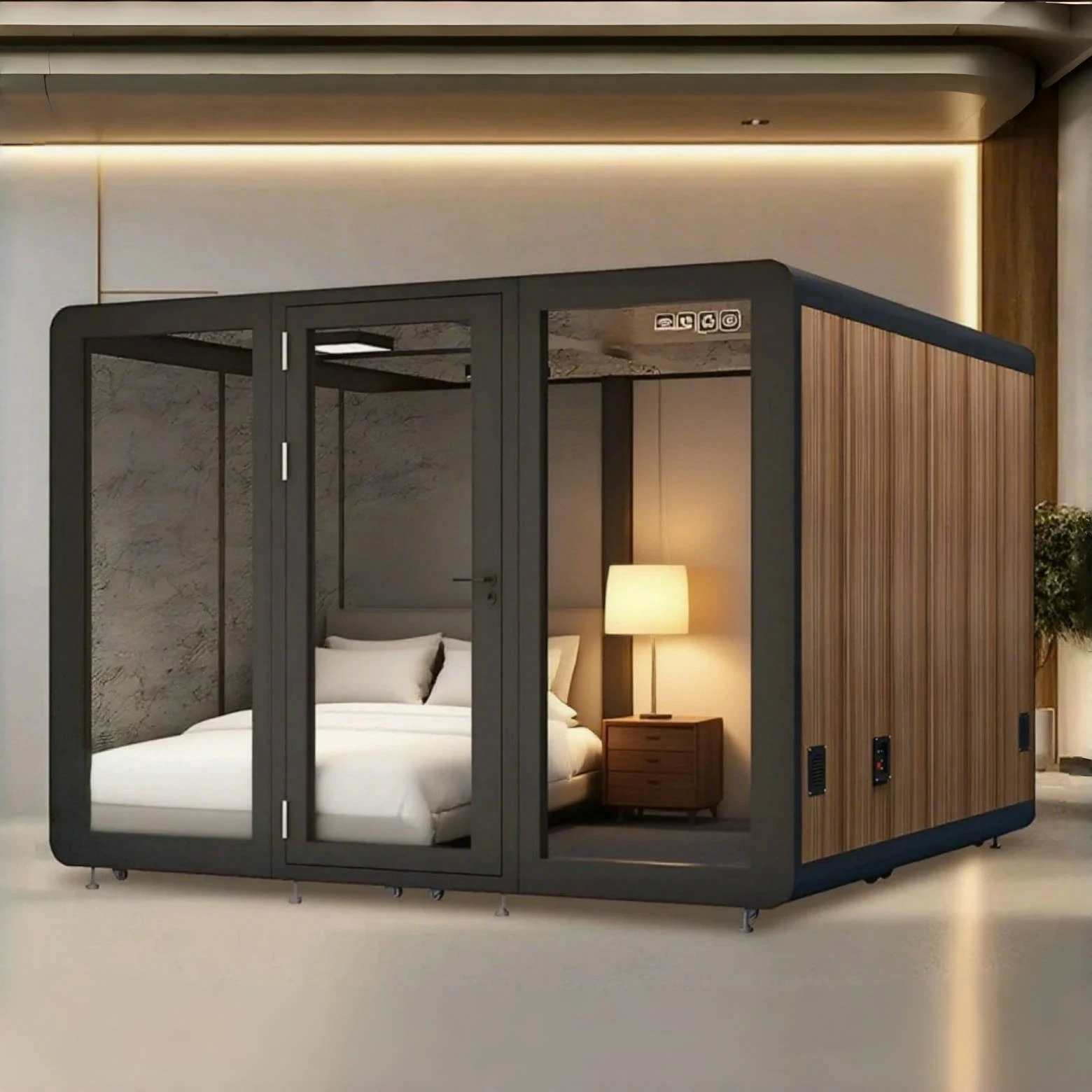


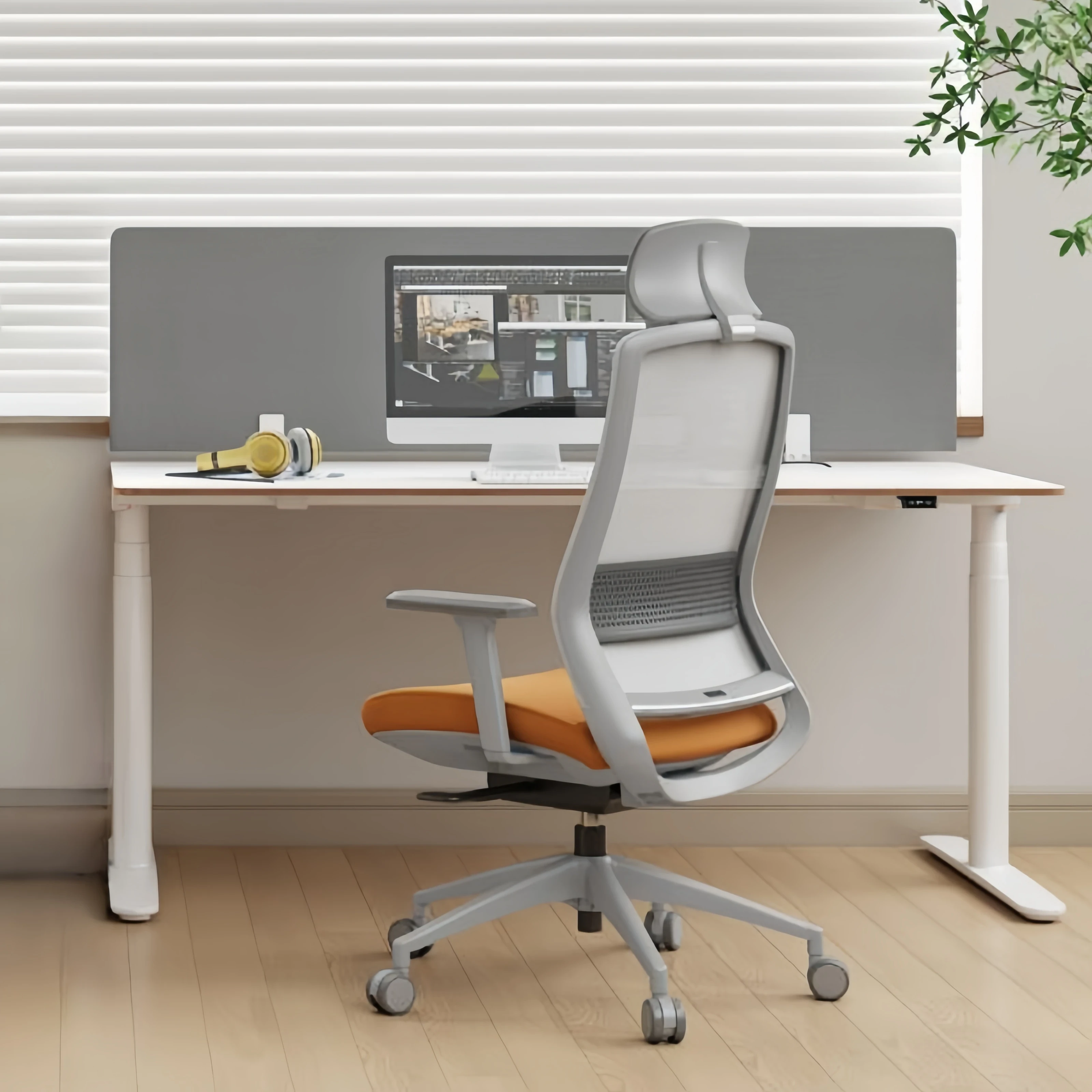


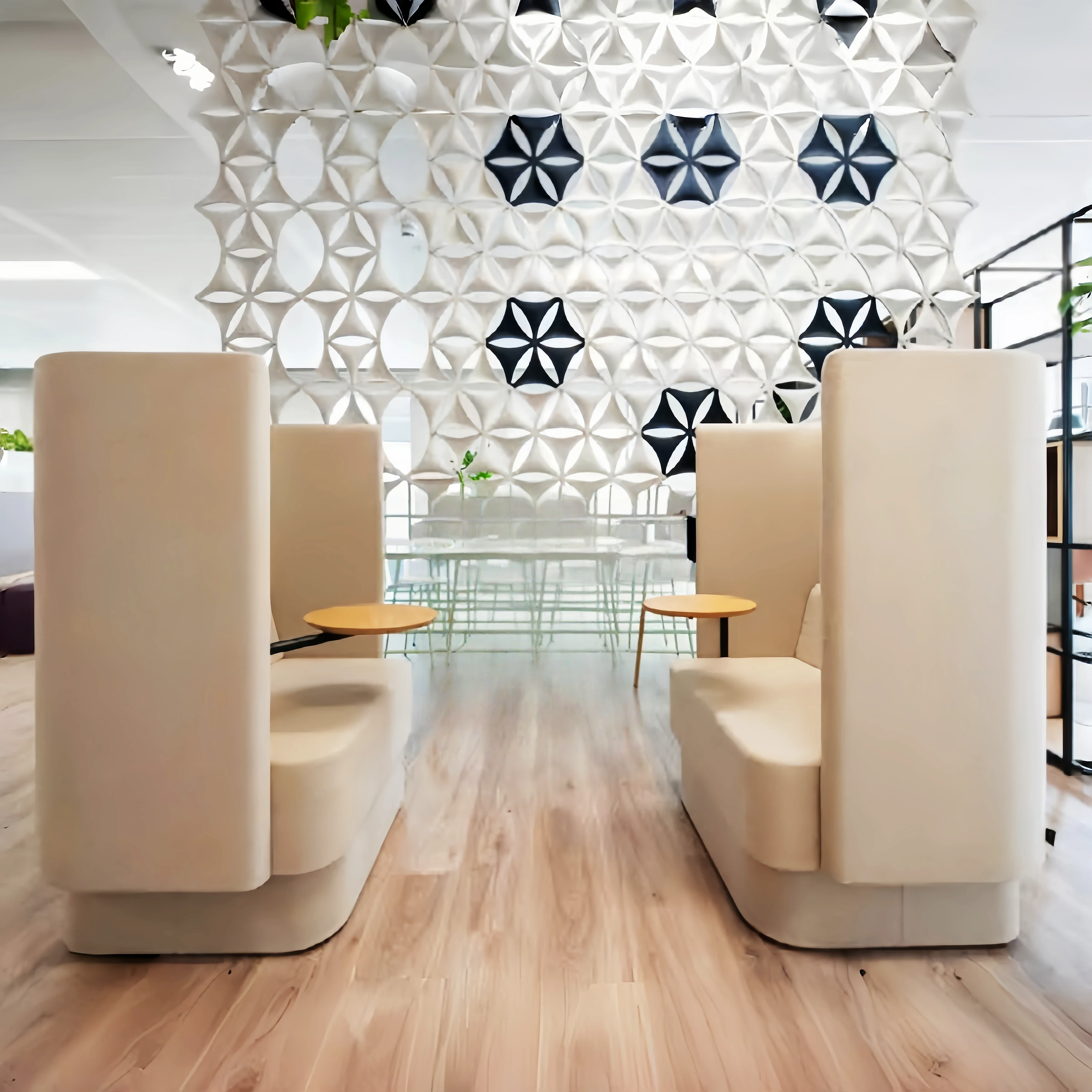

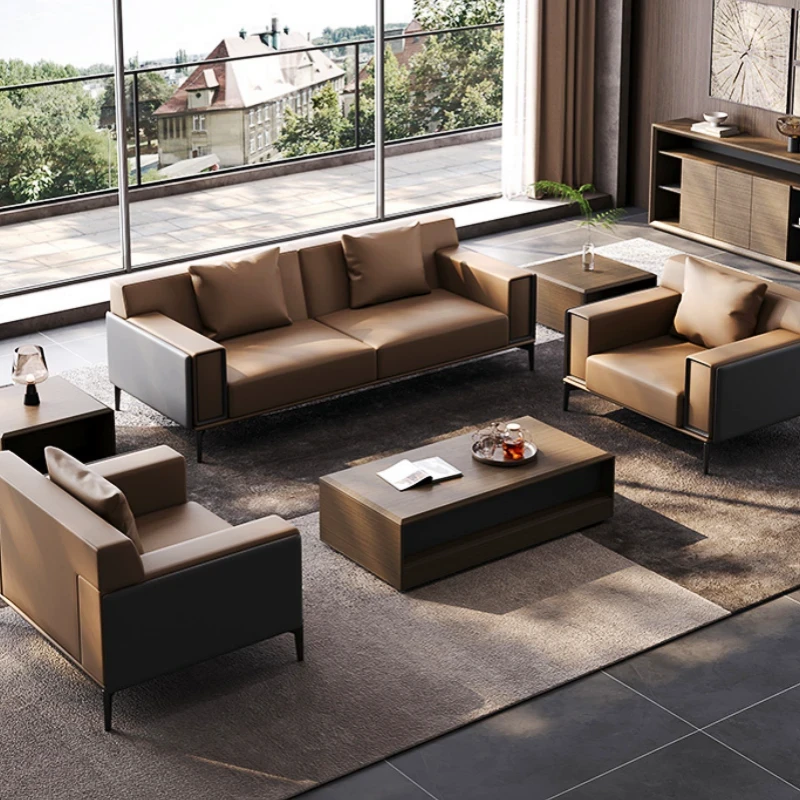
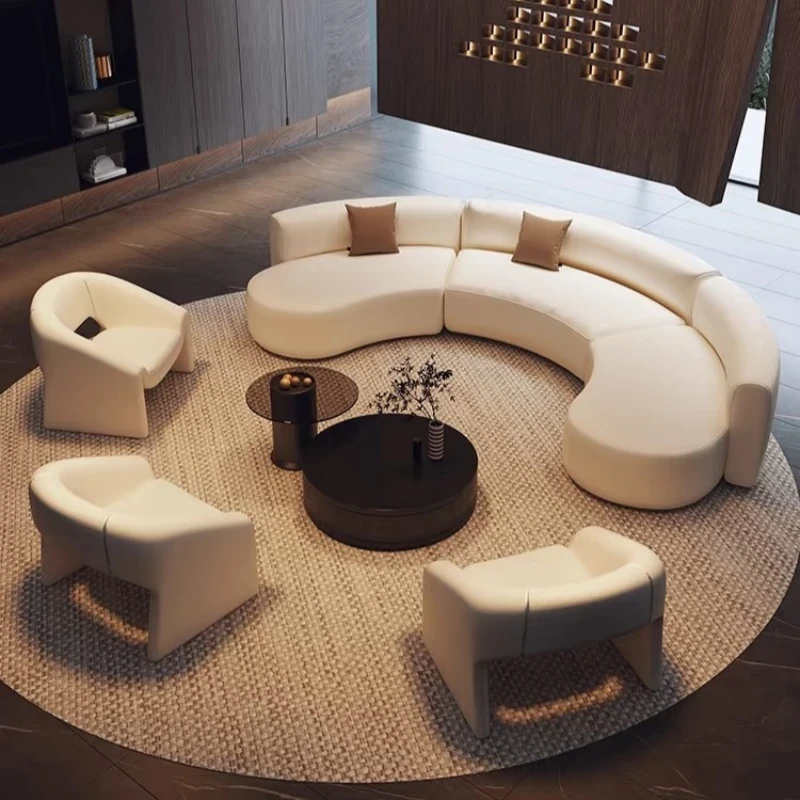
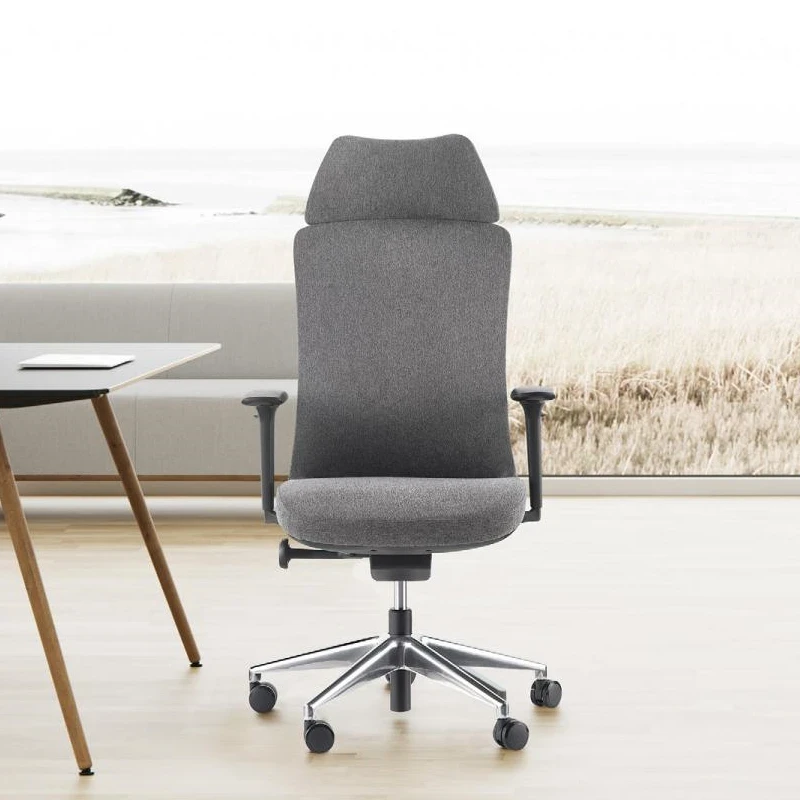


Ergonomics is the science that studies the relationship between humans and their work environment, aiming to improve efficiency and comfort while reducing fatigue and discomfort. For office desks and chairs, ergonomic design means that furniture can interact naturally with the user's body, supporting good posture and reducing stress and fatigue from long hours of work. This design considers the natural curves of the human body and the needs of sitting posture, helping to reduce neck, back, and shoulder problems caused by poor posture.
Key Ergonomic Features for Evaluating Office Desks and Chairs
1. Adjustability Adjustability
is a core feature ensuring that office desks and chairs meet ergonomic standards. A good office chair should have adjustable height, backrest tilt, and armrests to accommodate users of different heights and body types. In addition, the height of the desk should also be adjustable so that users can choose a suitable desktop height according to their needs, ensuring that their wrists and arms are relaxed.
2. Lumbar Support
Lumbar support is an important indicator of office chair comfort. A high-quality office chair will provide sufficient support for the lower back to help maintain the natural curvature of the spine, thereby reducing the risk of lower back fatigue and injury. When choosing, pay attention to the curve design of the backrest and ensure that it provides precise lumbar support.
3. Seat Depth and Width:
The seat depth and width should be sufficient to support the user's thighs and allow for a small gap between the legs and knees at the front edge of the seat. A seat that is too deep or too shallow can cause discomfort and affect blood circulation.
4. Materials and Breathability
: The materials used in desks and chairs significantly impact comfort during long periods of sitting or lying down. Breathable materials reduce heat and moisture buildup from prolonged sitting, keeping the seat cool and comfortable. Additionally, choosing seats made of high-density foam or mesh materials provides good support and comfort.
Conducting Actual Testing and Employee Feedback :
Inviting employees to test different models of desks and chairs before making a final decision is crucial for selecting the right product. Everyone's perception of comfort may differ; therefore, collecting employee feedback through testing helps companies better understand their needs and make more informed choices.
Long-Term Investment and Health Considerations:
While high-quality ergonomic desks and chairs are often expensive, they represent a long-term investment in employee health and business productivity. By reducing the risk of workplace injuries and increasing employee satisfaction, losses due to health issues leading to absenteeism and decreased productivity can be significantly reduced. Therefore, businesses should prioritize office furniture with clear health and efficiency advantages, within their budget.
In conclusion,
to ensure that the comfort and ergonomic design of office desks and chairs are combined, businesses should carefully evaluate multiple factors, including furniture adjustability, lumbar support, material selection, and actual user experience. By focusing on ergonomic design, businesses can not only improve employee work experience and health, but also further promote business development by increasing efficiency and reducing health problems.