
 USD
USD GBP
GBP
 EUR
EUR
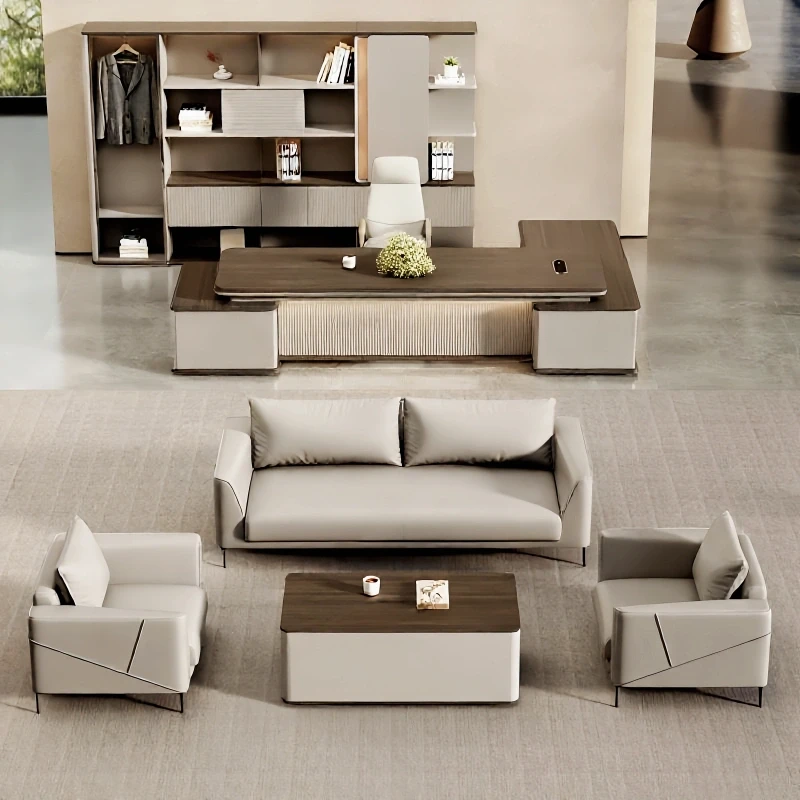
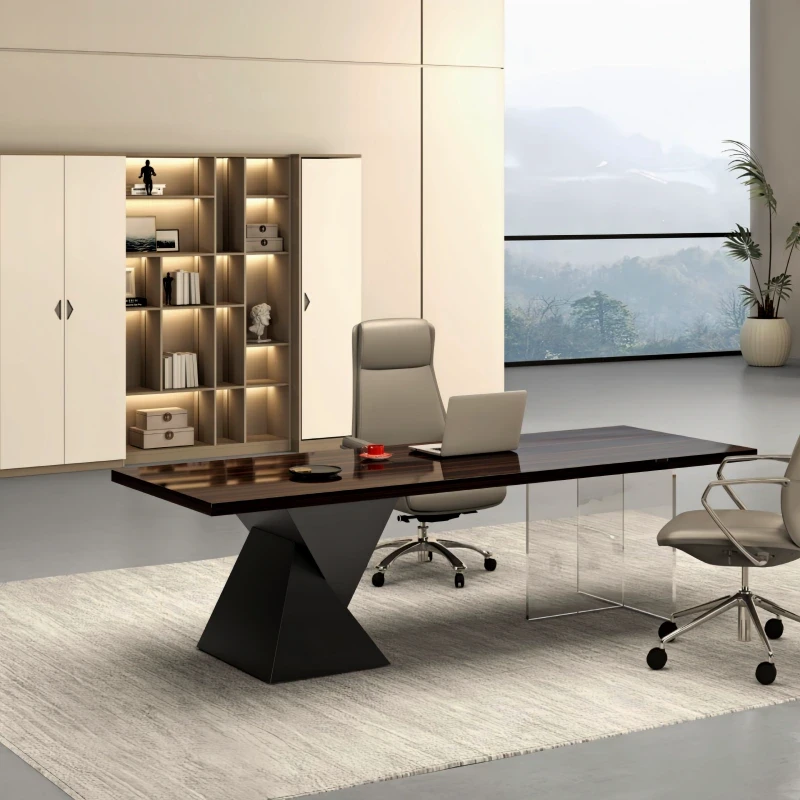


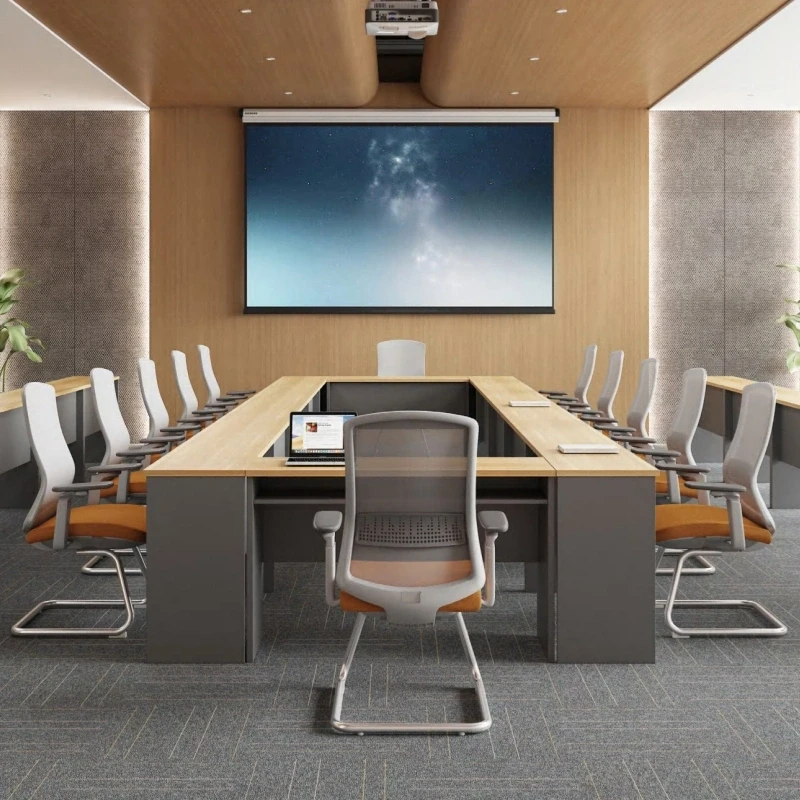
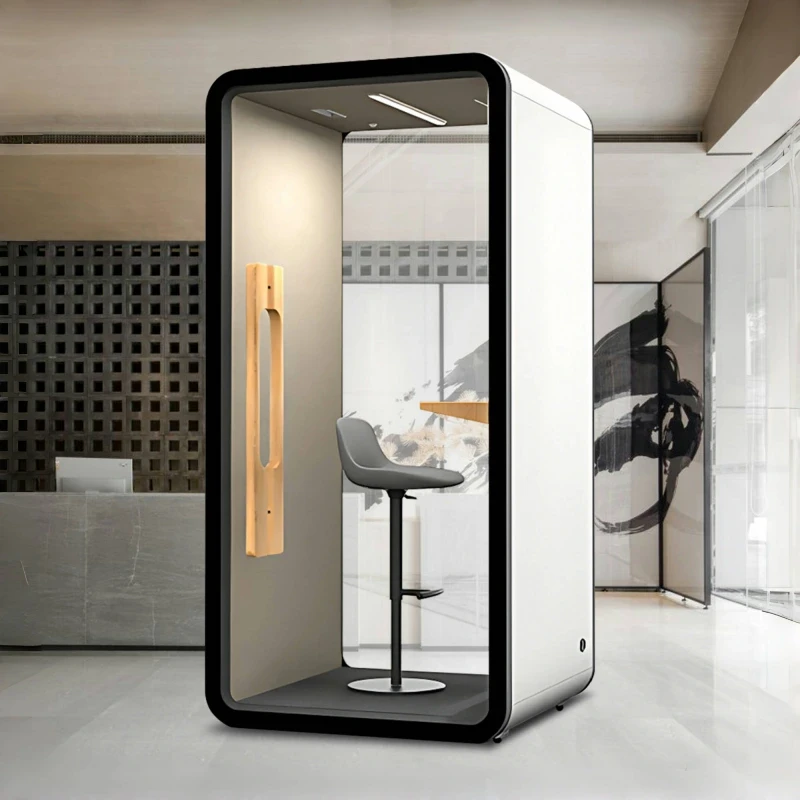
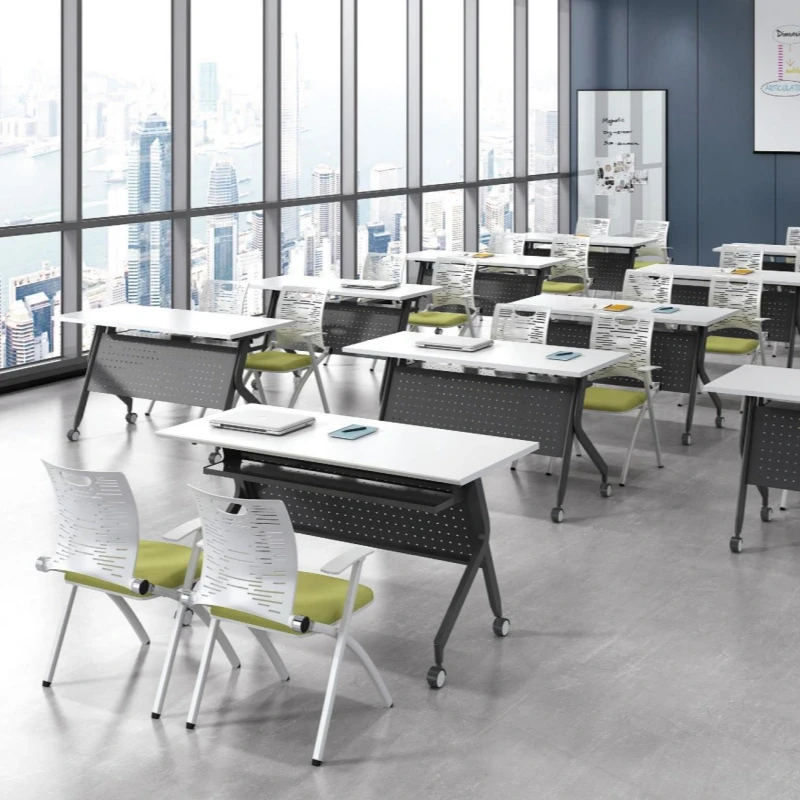
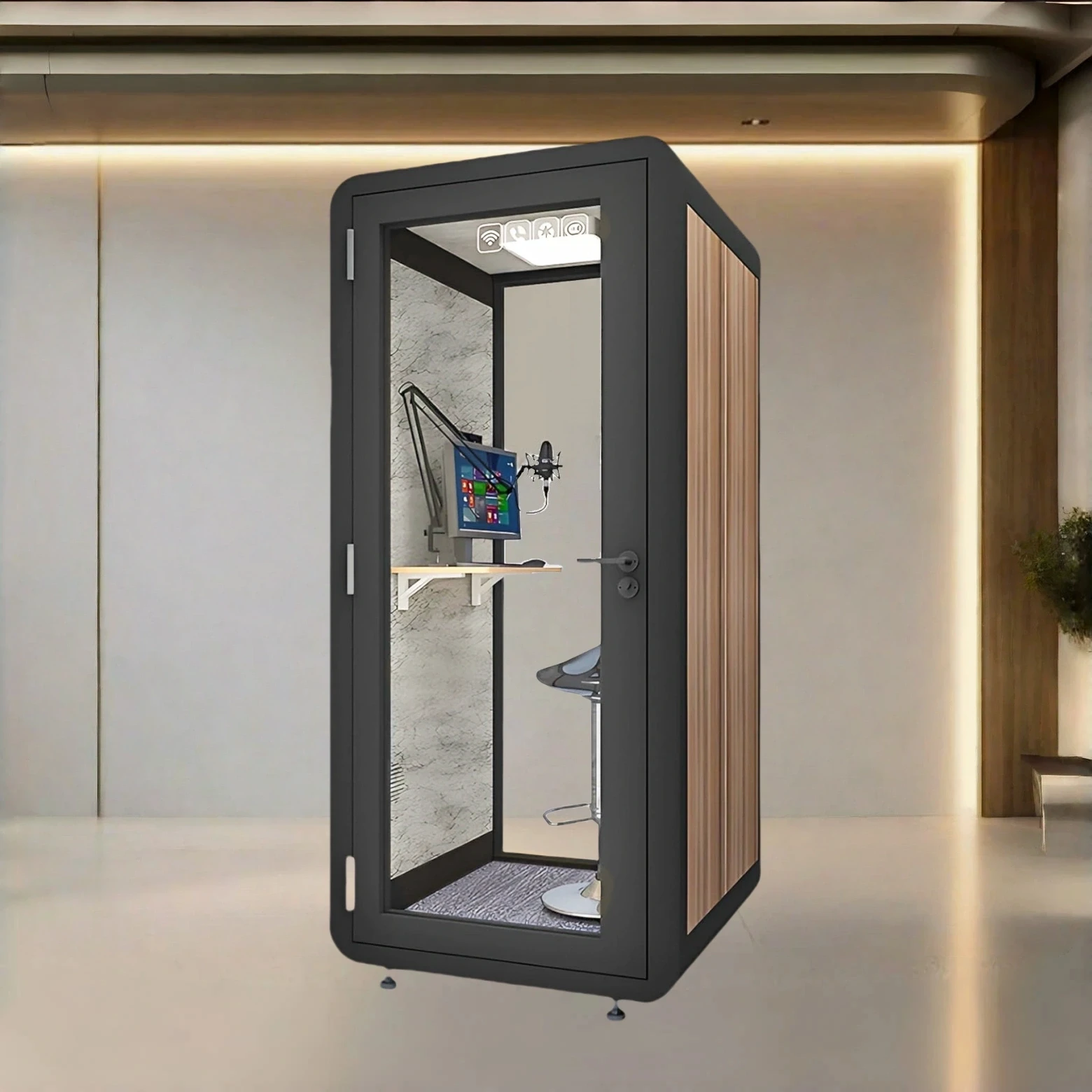
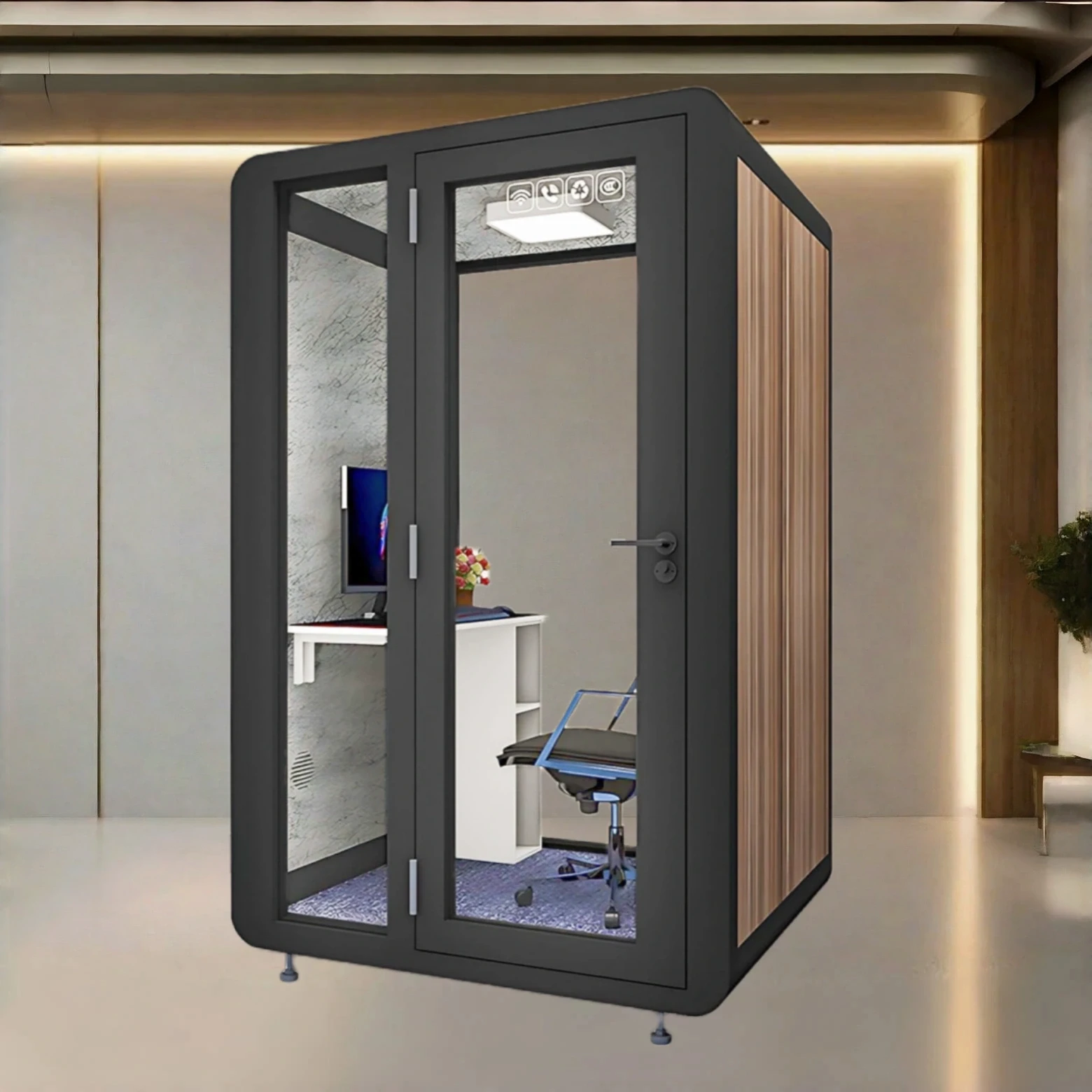
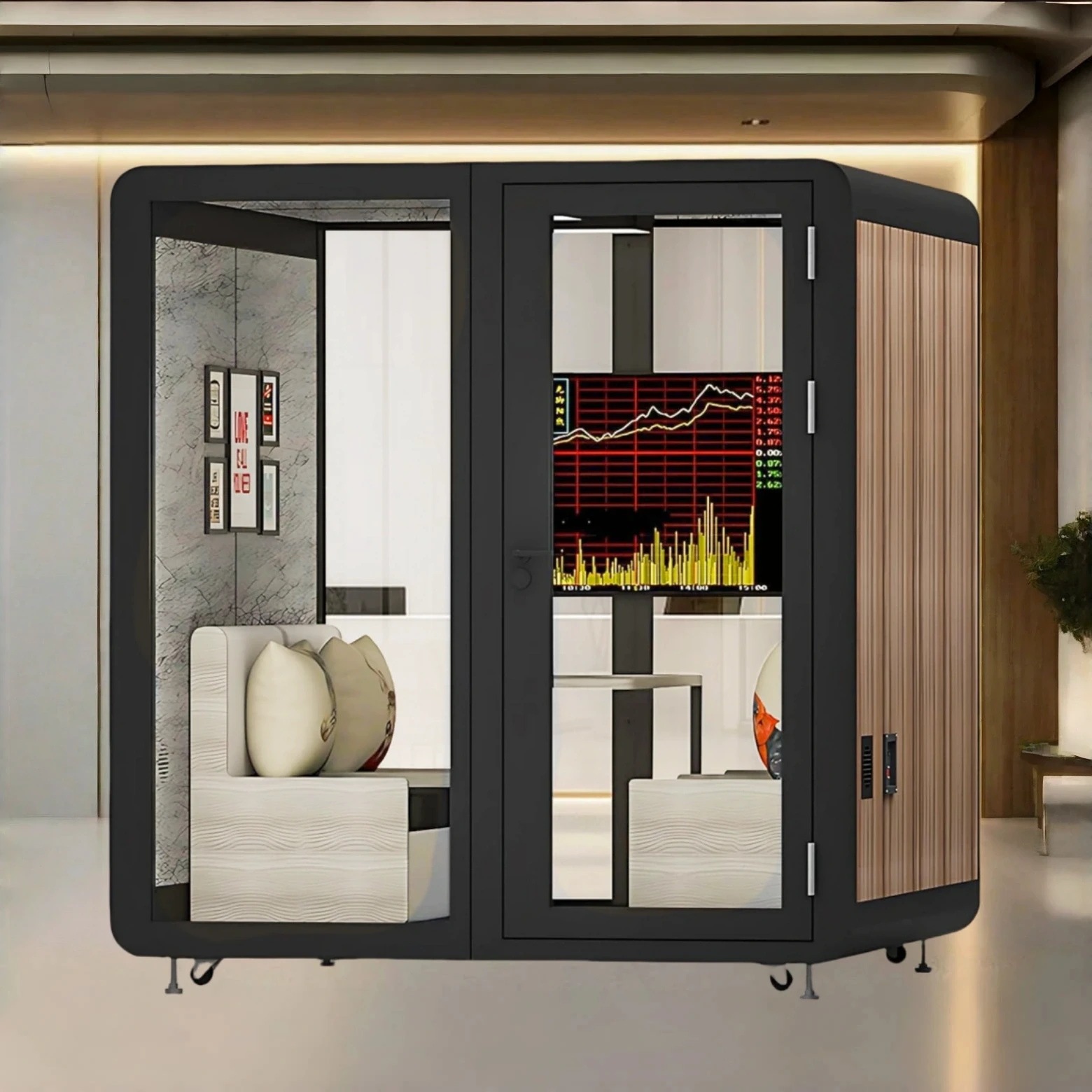
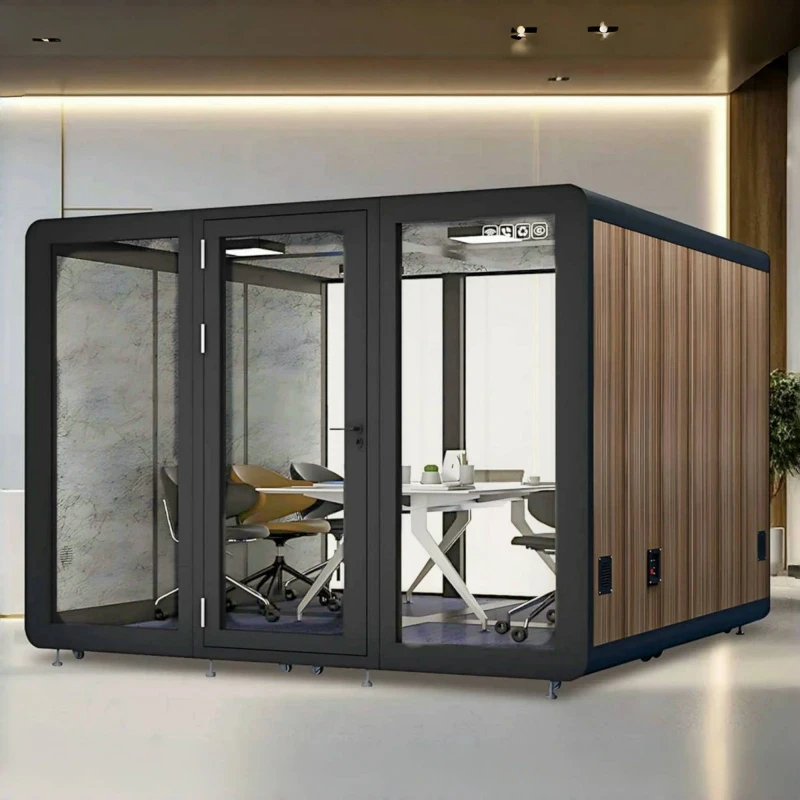
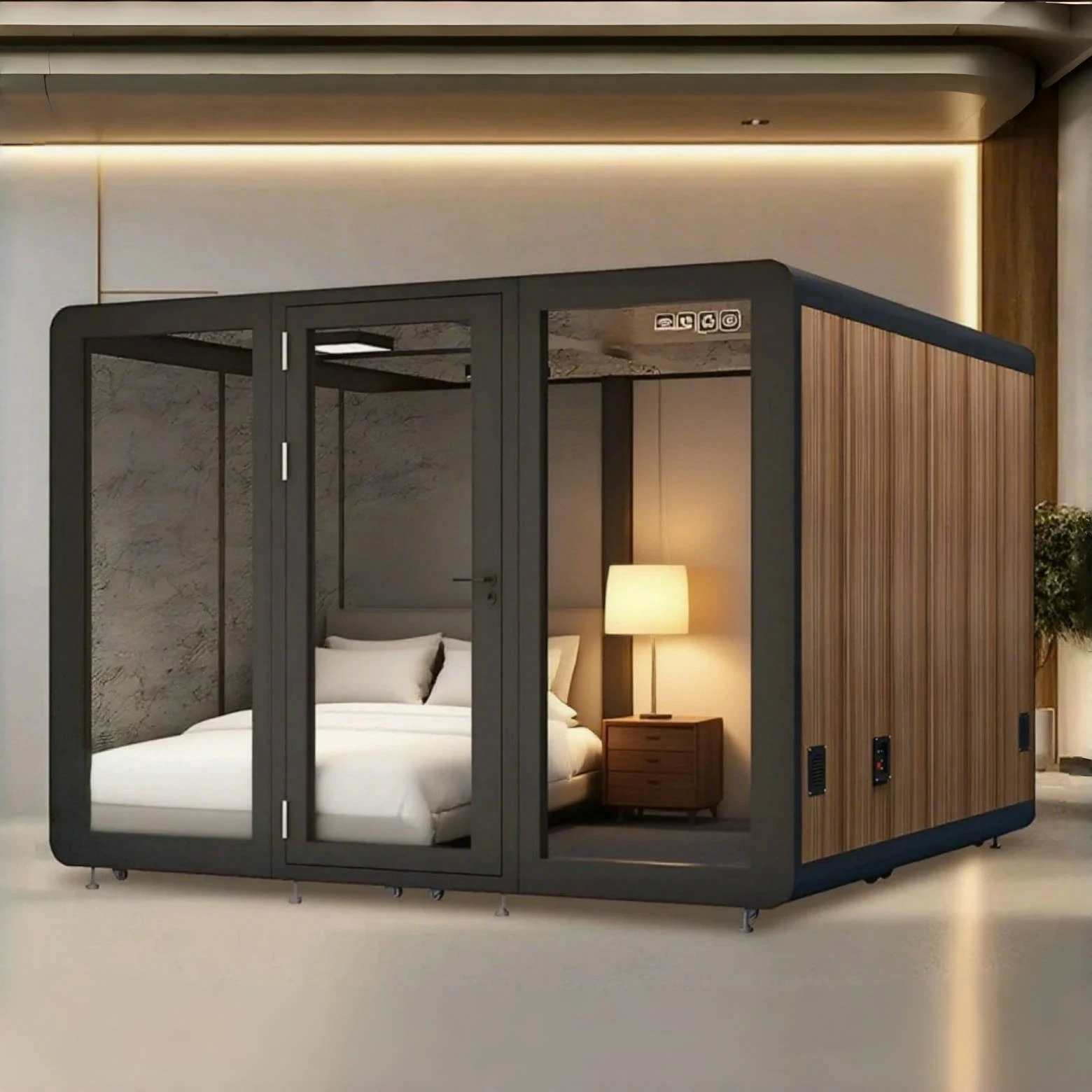


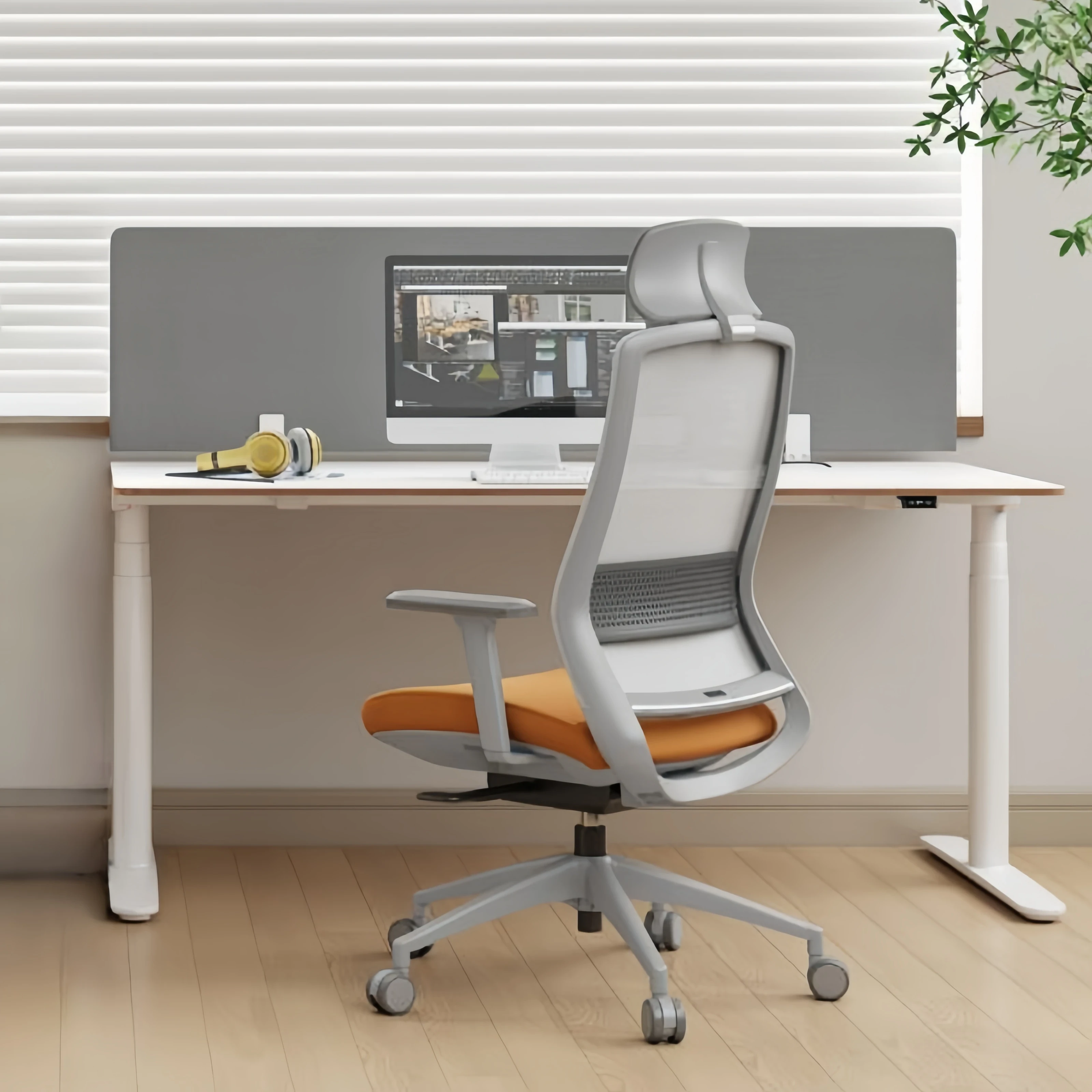


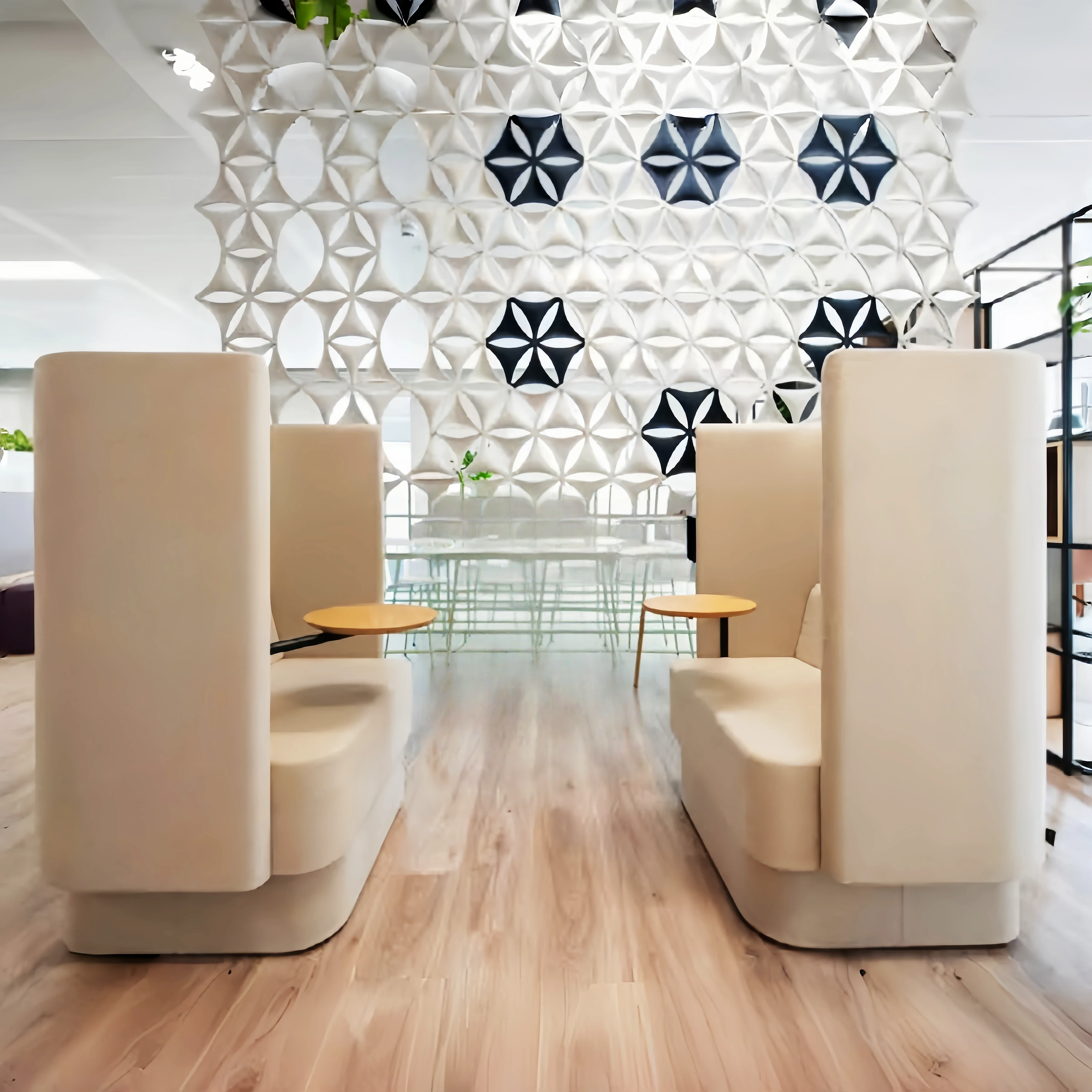

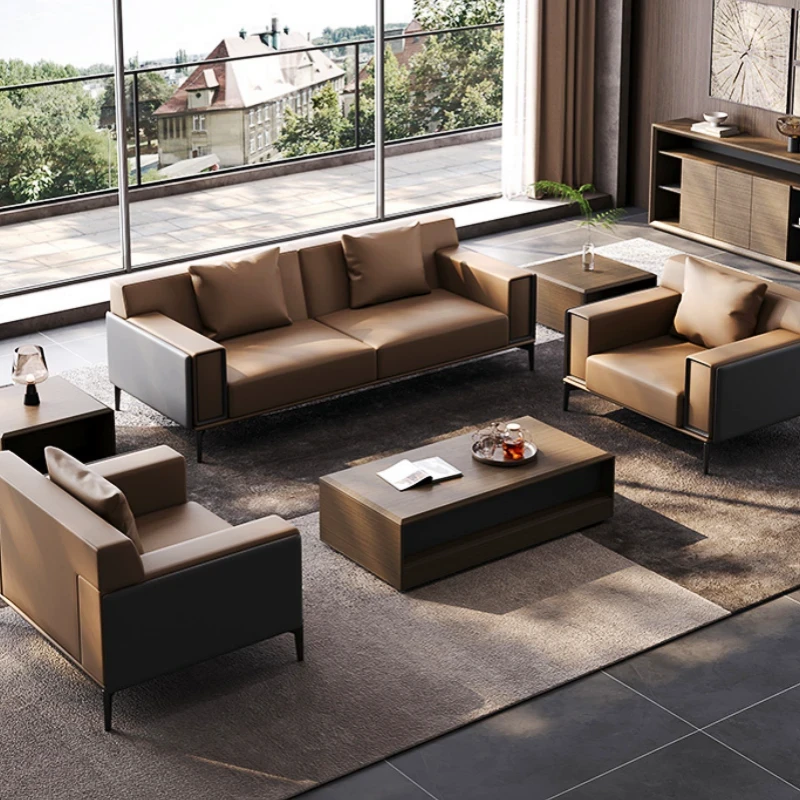
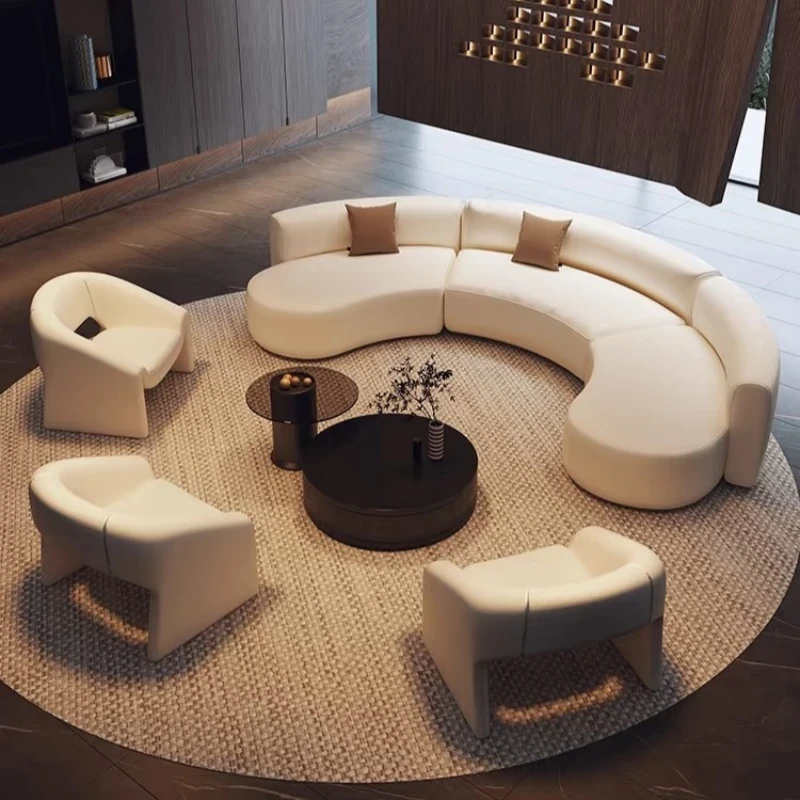
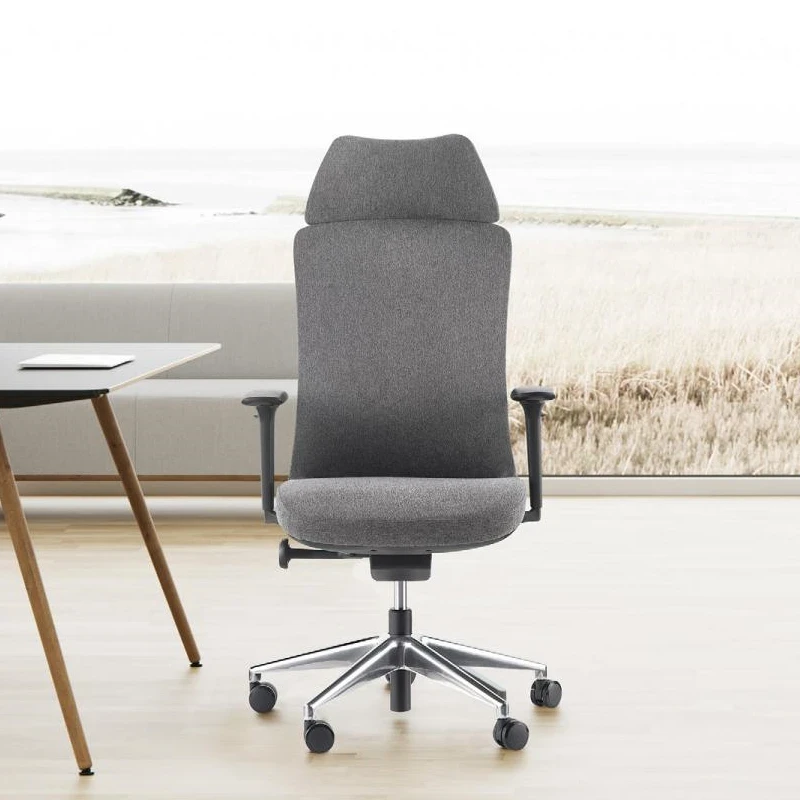


When purchasing office desks and chairs, the first step is to define your budget. This is the foundation for balancing other factors. Businesses should set a reasonable budget based on their financial situation and purchasing scale, while also allowing some flexibility for quality and design style. Budget setting should consider the overall cost-effectiveness offered by the manufacturer, rather than simply pursuing the lowest price.
2. Prioritize durability:
Durability is a crucial factor that cannot be ignored when purchasing office furniture. High-quality, durable furniture not only lasts longer and reduces replacement frequency but also lowers overall costs. To ensure durability, businesses should choose manufacturers with a good reputation and pay attention to the quality of furniture materials, structural design, and relevant quality certifications. Before purchasing, request samples or inspect the actual products to assess the brand's durability.
3. Consider design style:
Design style not only affects the aesthetics of the office but also influences employee morale and creativity. A good design can create a positive, modern work atmosphere that reflects the company's culture and values. Therefore, businesses should choose office desks and chairs that match their brand image and office space decoration style. Many furniture companies now offer customization services, allowing businesses to adjust the design and function of furniture according to specific needs.
4. **Comprehensive Comparison of Different Suppliers:**
During the procurement process, companies can obtain the best cost-performance ratio by comprehensively comparing products from multiple suppliers. This includes evaluating the price, quality, design options, after-sales service, and delivery time. Tendering or publishing procurement information can attract bids from different suppliers, allowing companies to obtain more favorable procurement conditions.
5. **Optimizing Long-Term Cost and Quality Benefits:**
While low prices are attractive, furniture with stable quality and a long lifespan is generally more cost-effective in the long run. Companies should assess the balance between initial purchase cost and long-term use value. Durable desks and chairs, even with higher initial costs, are more economical in the long run if they offer a longer lifespan and lower maintenance costs.
6. **Enhancing Employee Comfort:
** Employee comfort and satisfaction are closely related to the design of office furniture. Ergonomically designed desks and chairs can effectively reduce employee fatigue and improve work efficiency. Therefore, ergonomic design should be considered a basic requirement between design style and function. This also reflects the company's emphasis on employee health and well-being.
Conclusion:
When purchasing desks and chairs, companies must find an ideal balance between cost, durability, and design style. This requires consideration of various factors, including budget, supplier quality, design style, and employee needs. By comprehensively evaluating and comparing different solutions, businesses can not only meet their daily office needs but also improve their office environment and brand image, ultimately achieving a balance between efficiency, comfort, and economy.