
 USD
USD GBP
GBP
 EUR
EUR
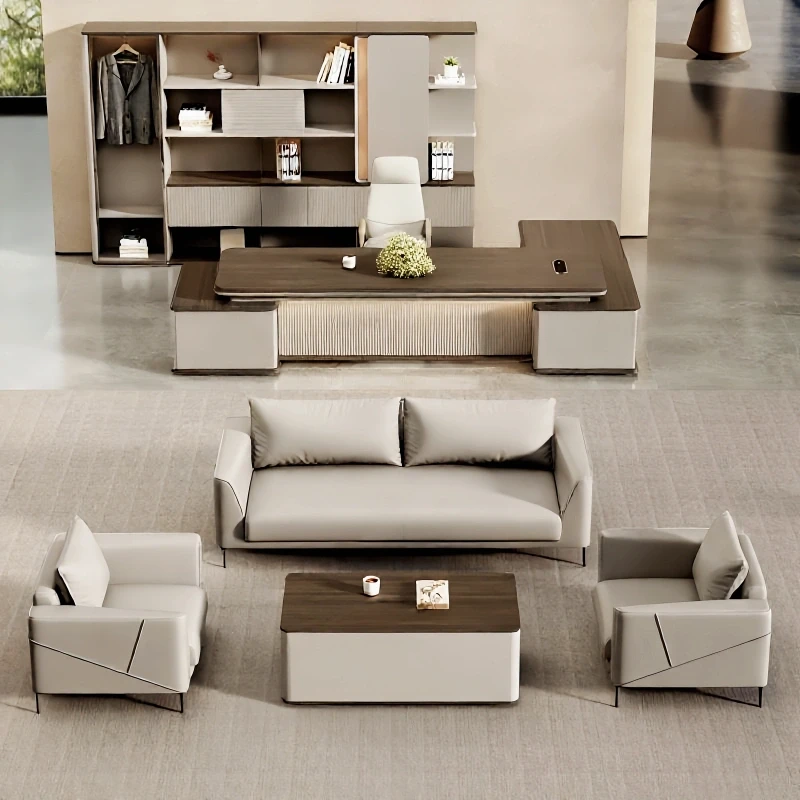
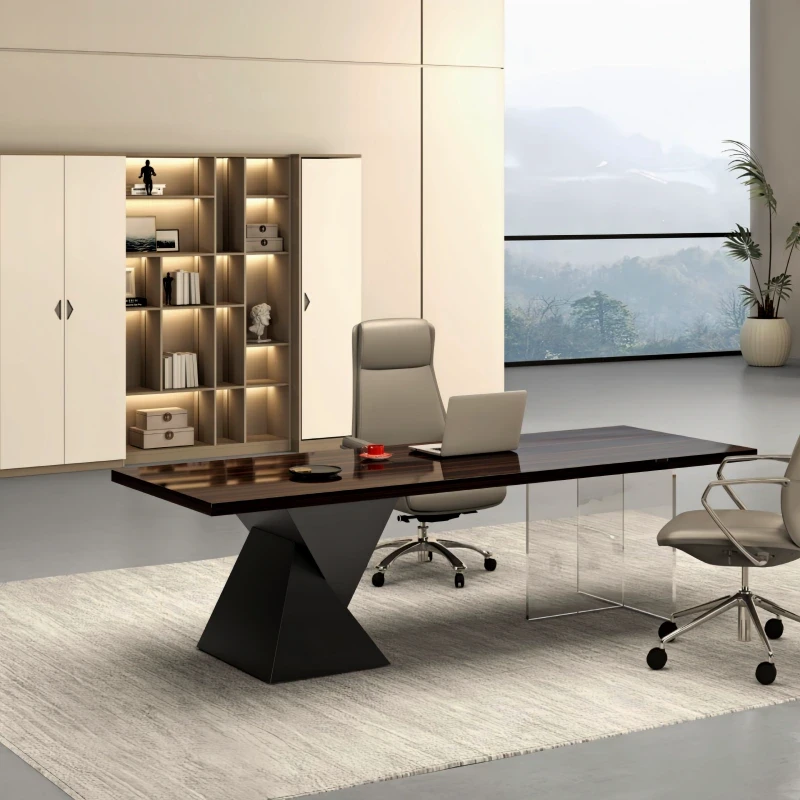


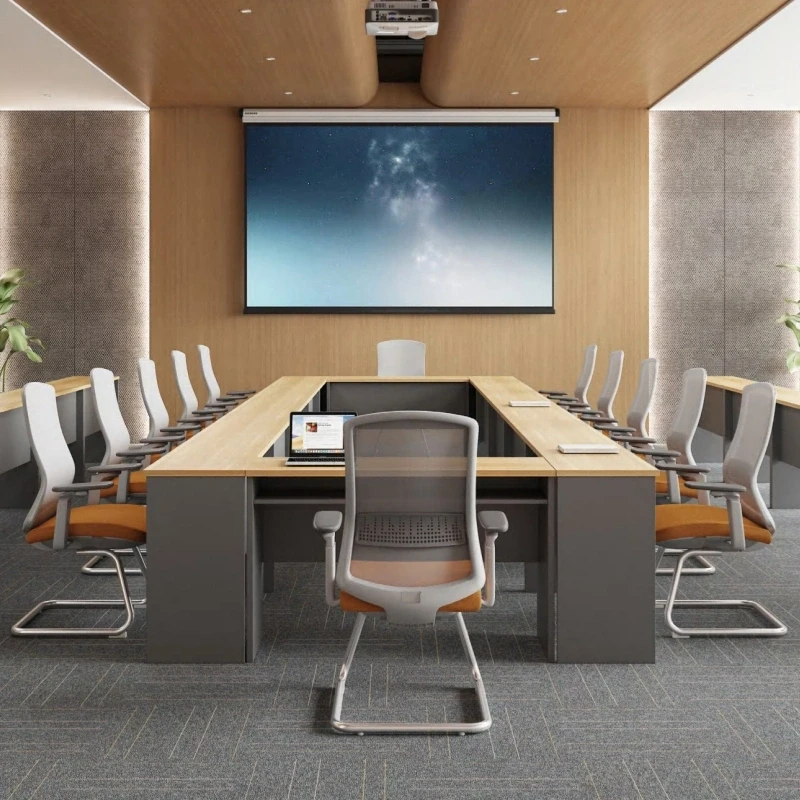
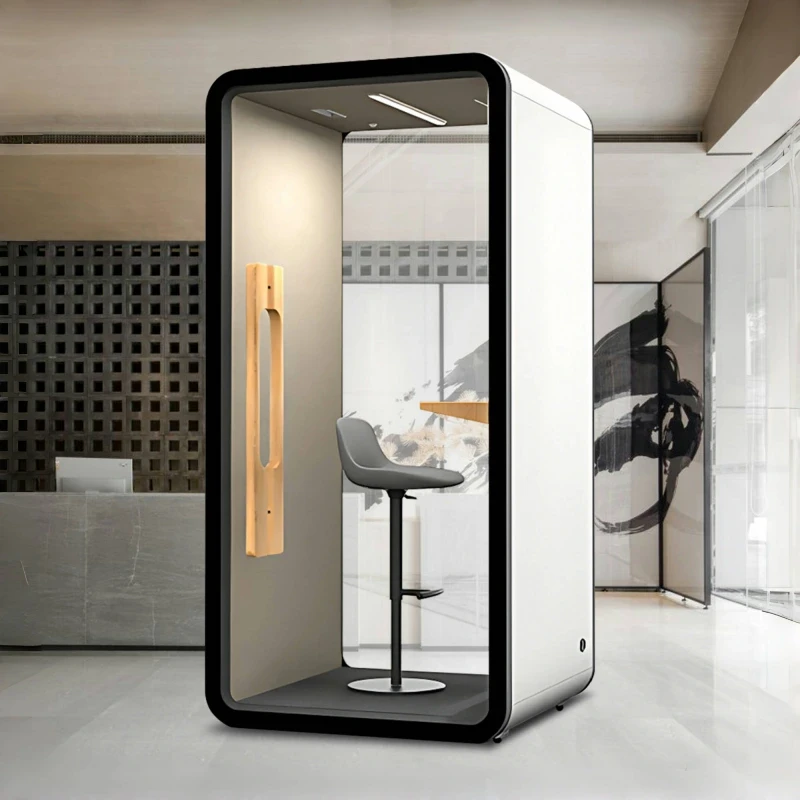
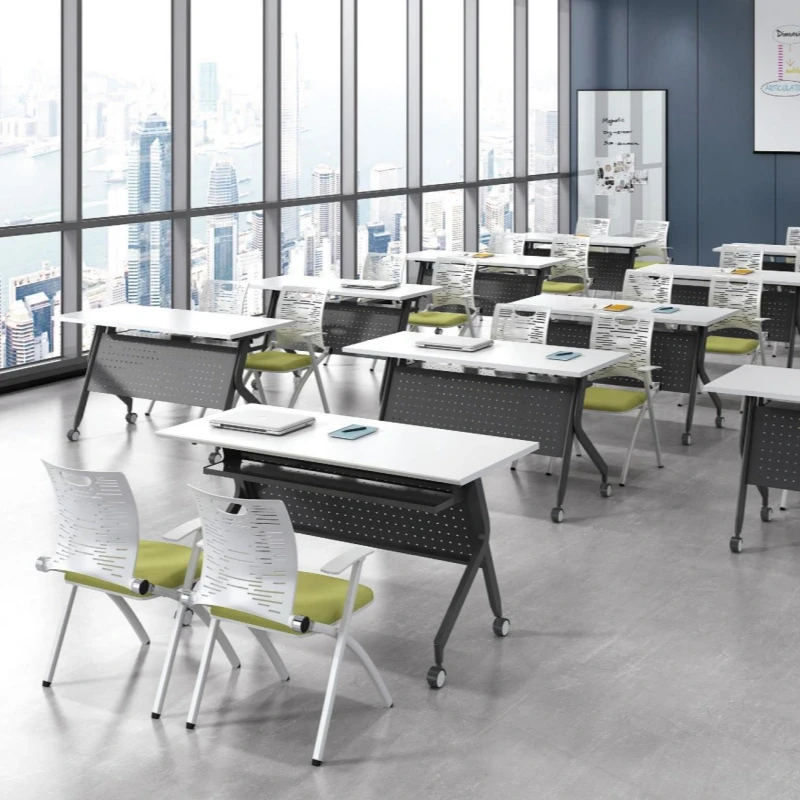
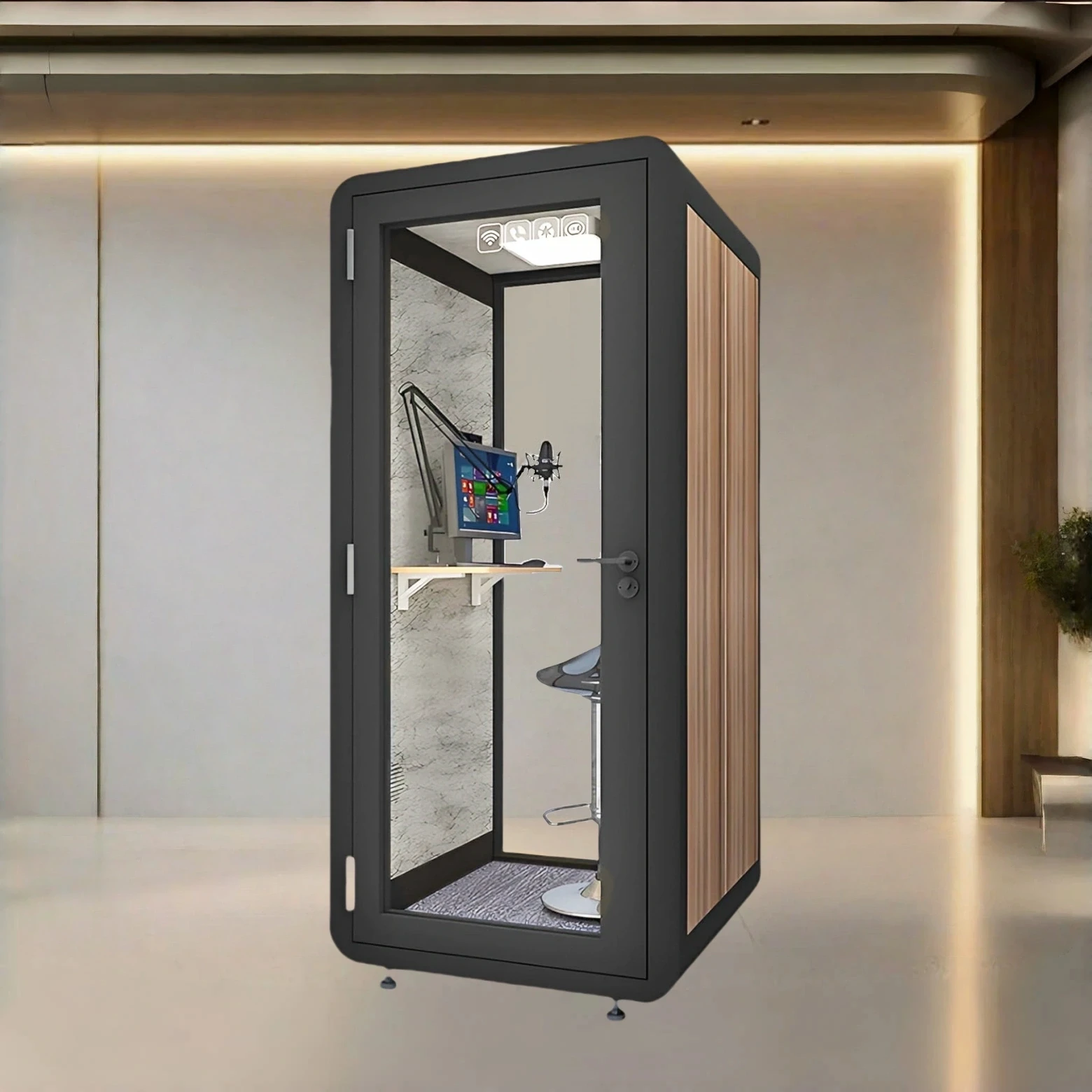
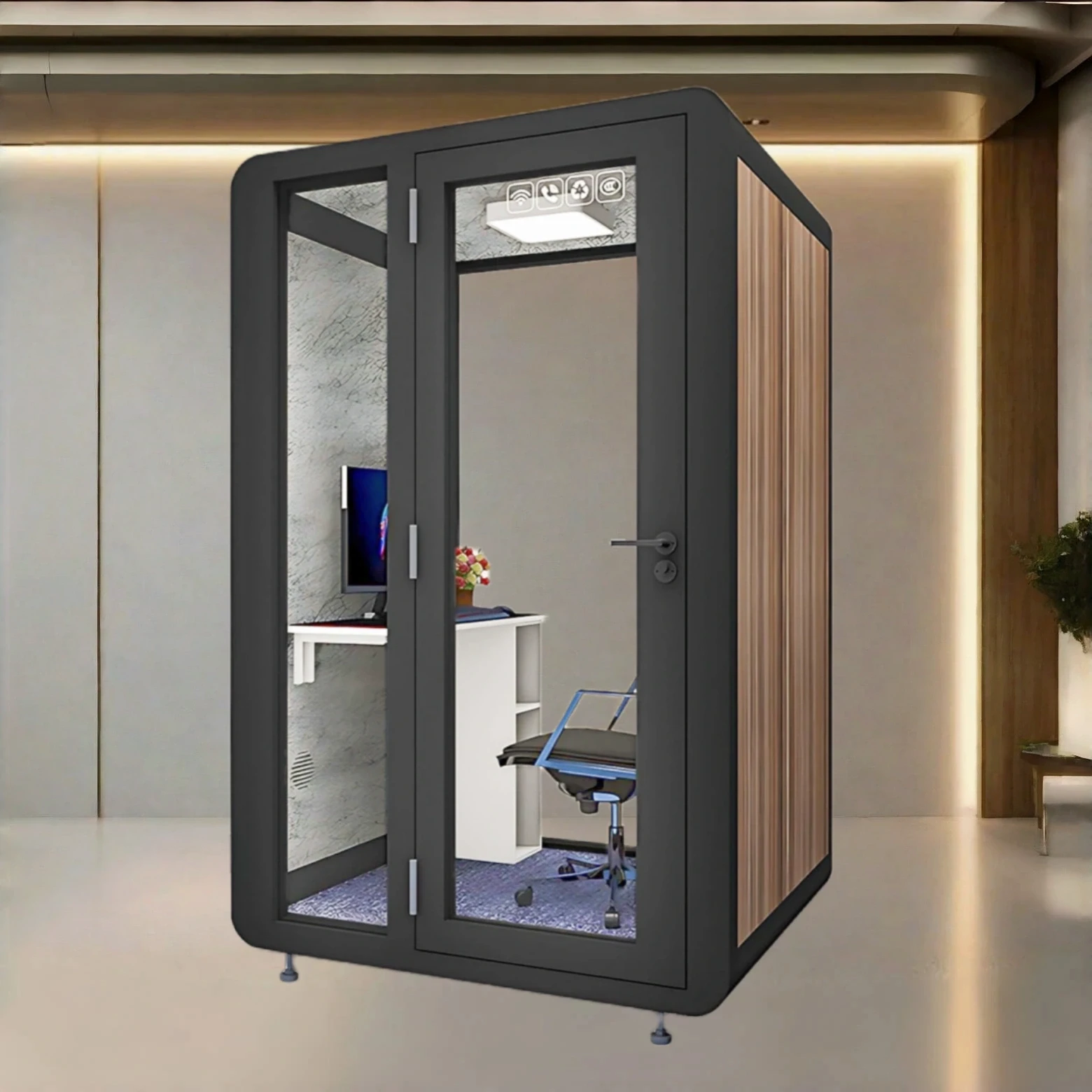
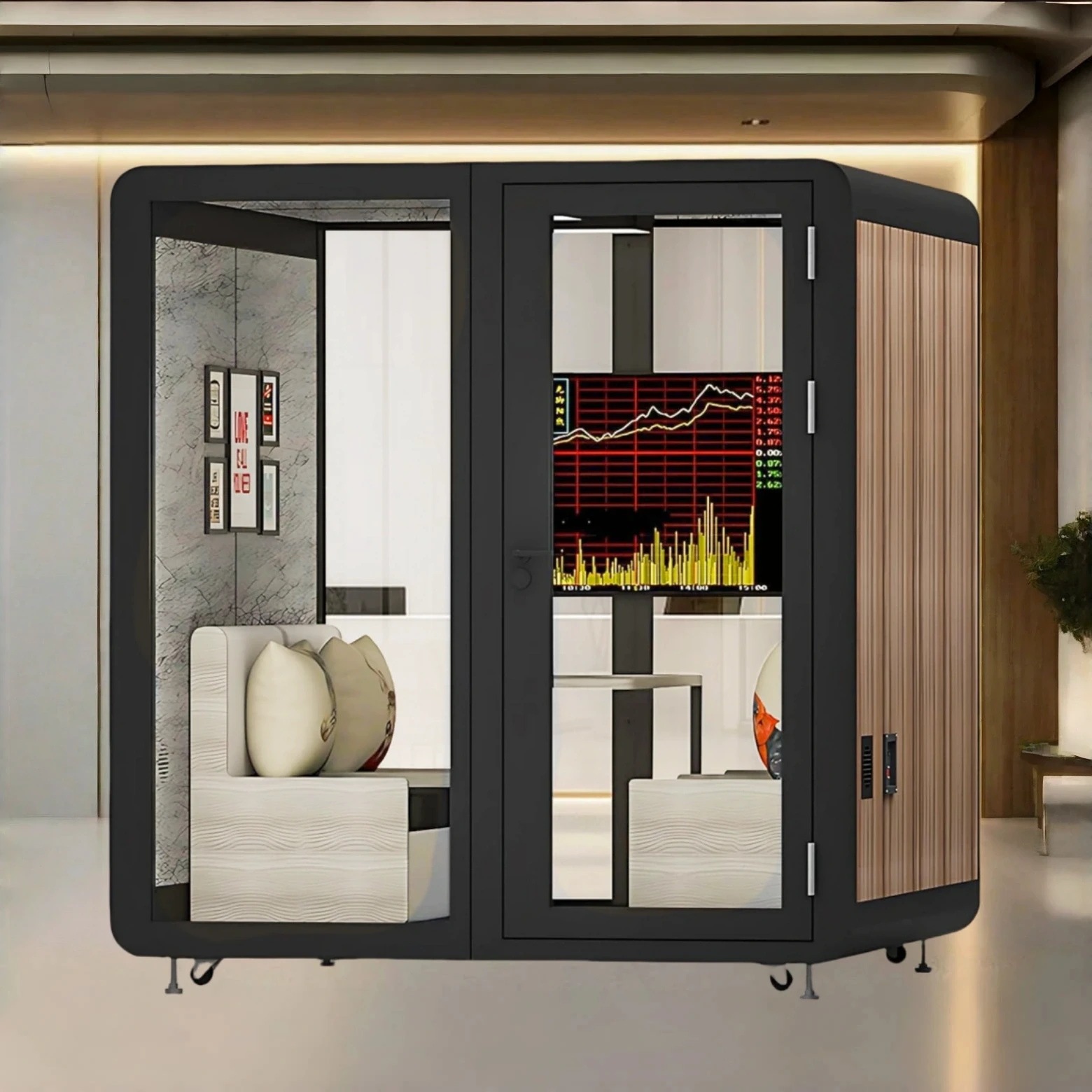
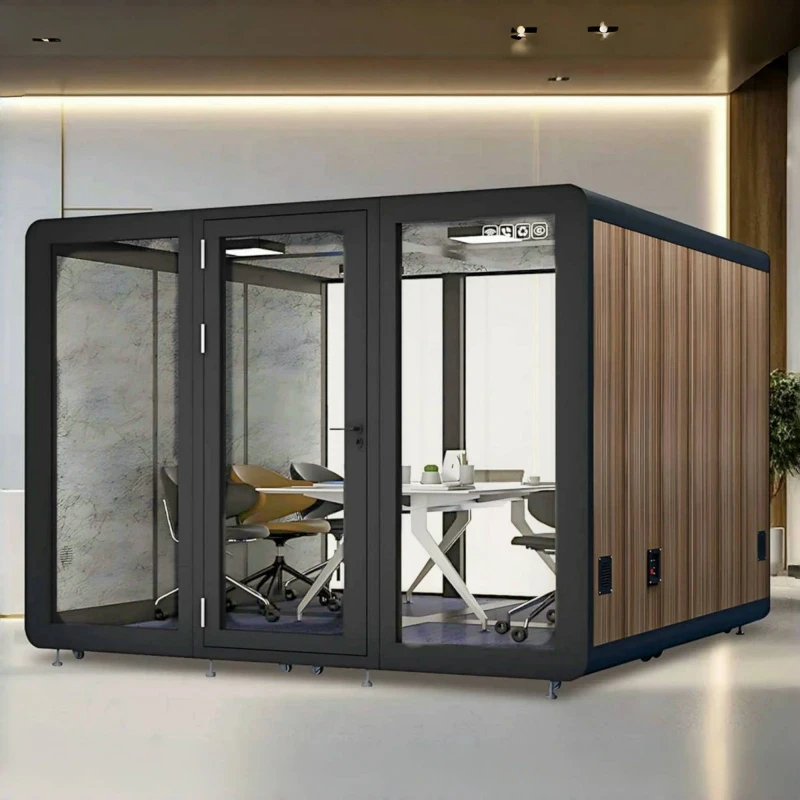
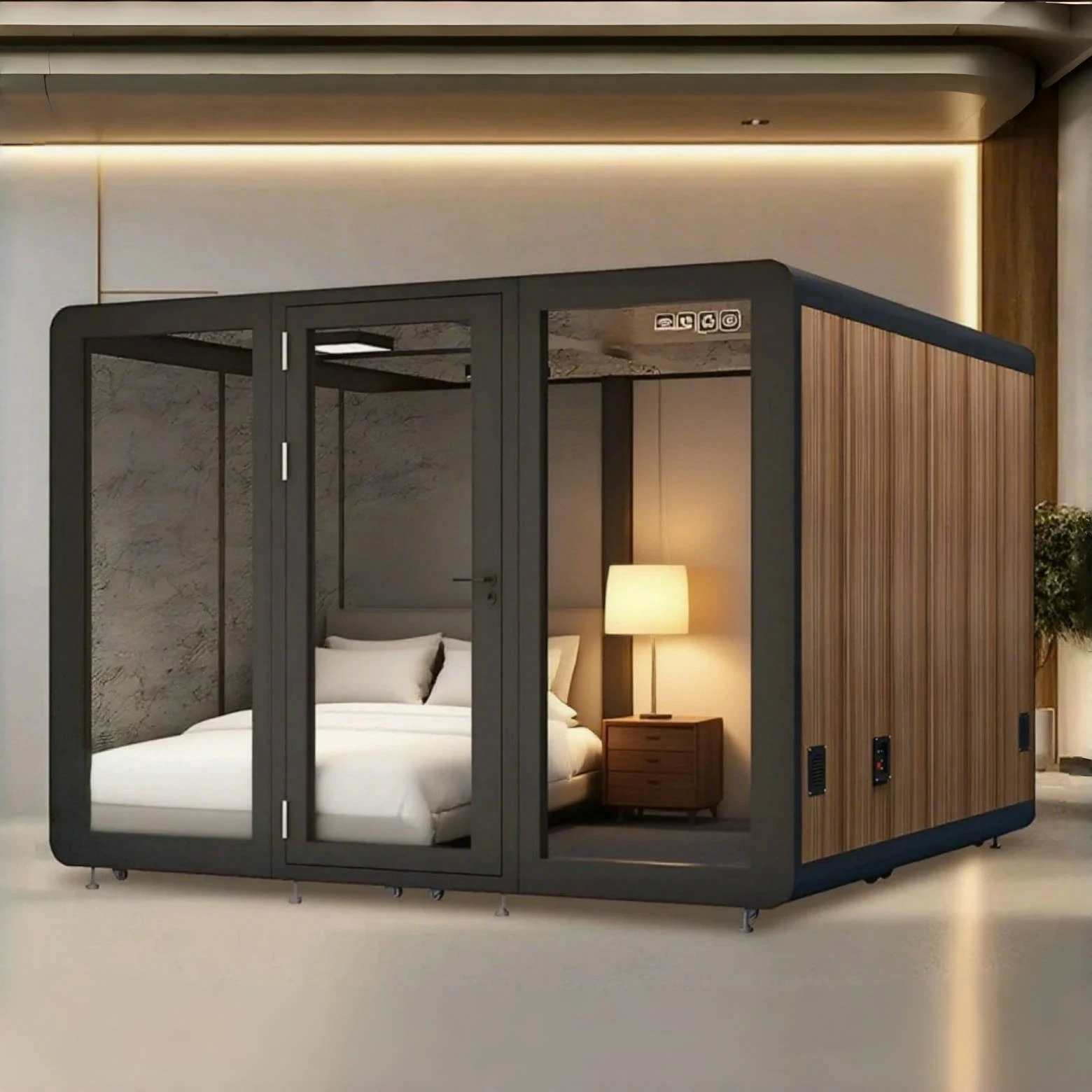




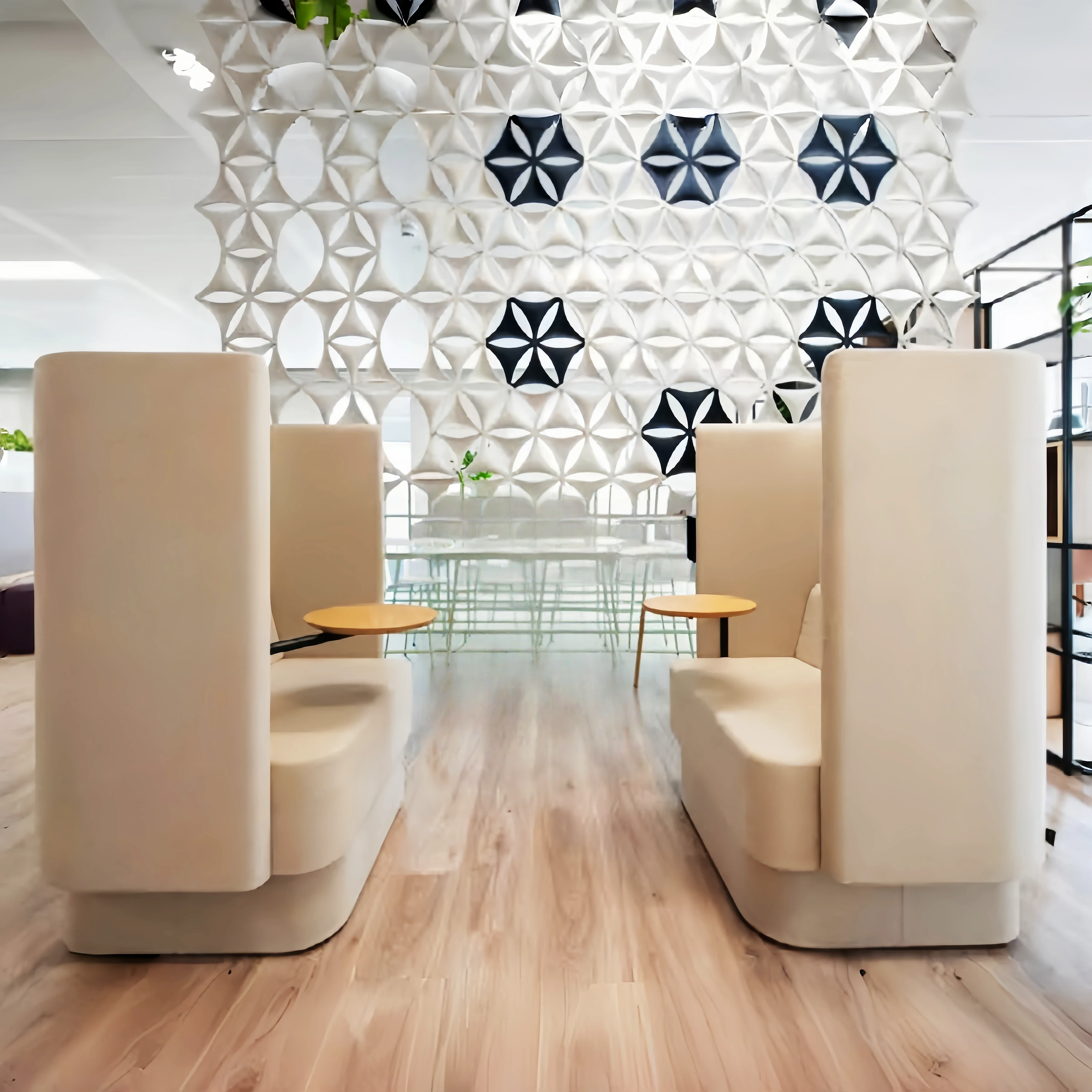

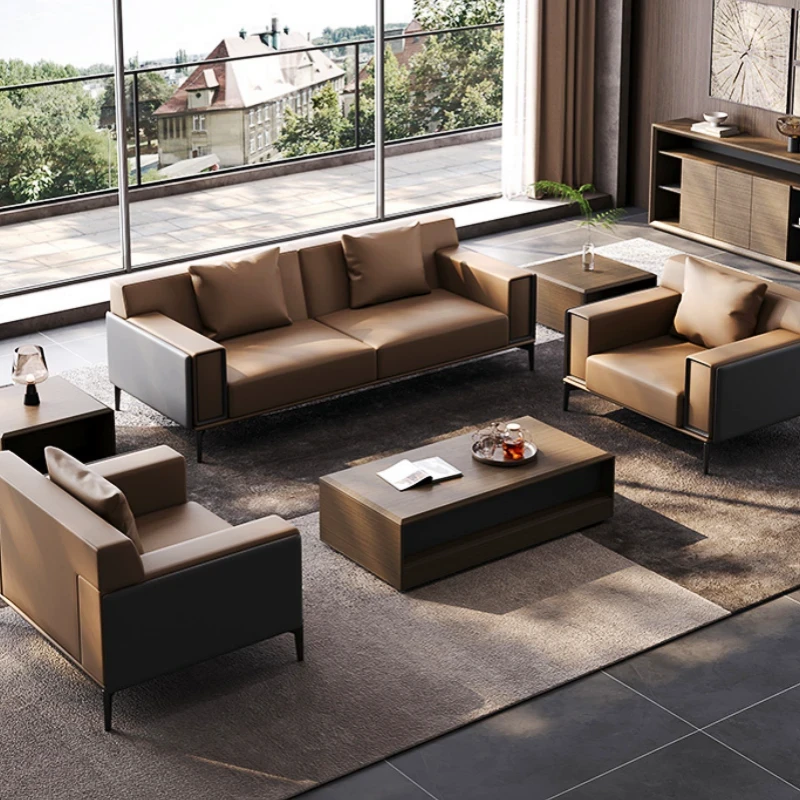
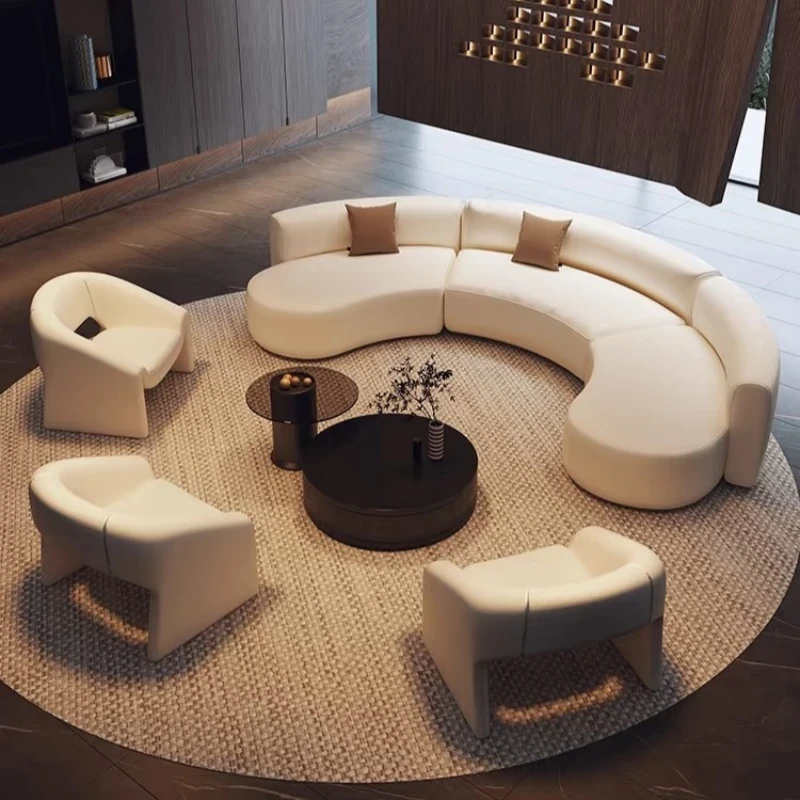
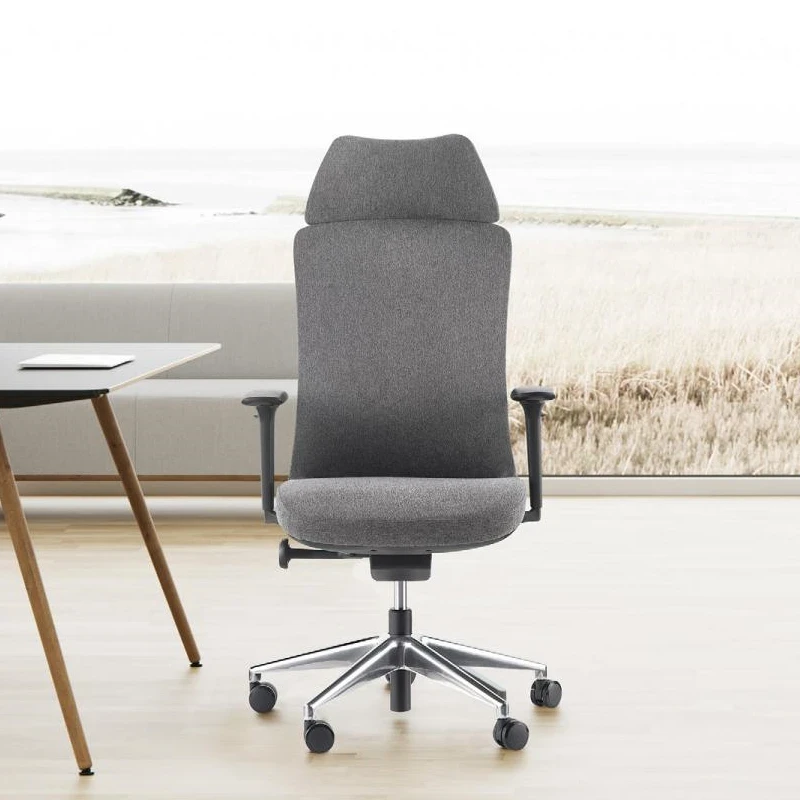


The first consideration is the spatial layout of guest rooms. Hotel rooms vary in size and shape; therefore, customized furniture solutions should make full use of every inch of space, maximizing room functionality and a sense of openness. The design should consider the size, shape, and function of the furniture, such as built-in storage, folding features, and multi-purpose designs, ensuring guests experience both spacious comfort and a convenient and practical living environment.
2. Brand Image and Design Style:
Hotel furniture directly reflects its brand image. Therefore, during the customization process, furniture design should match the hotel's overall style, target customer group, and brand philosophy. From material selection and color matching to detailed decorations, everything should be coordinated with the hotel's overall style, showcasing a unique brand personality. This not only enhances brand recognition but also improves the guest experience.
3. Material Selection and Sustainability:
In material selection, hotels need to consider aesthetics, durability, and environmental friendliness. Furniture materials directly affect its lifespan and maintenance costs; therefore, high-quality, durable, and easy-to-clean materials should be chosen. Furthermore, with the current emphasis on green consumption, choosing environmentally friendly and sustainable materials enhances the hotel's social responsibility and environmental image, catering to a wider range of environmentally conscious customers.
4. Functionality and Comfort:
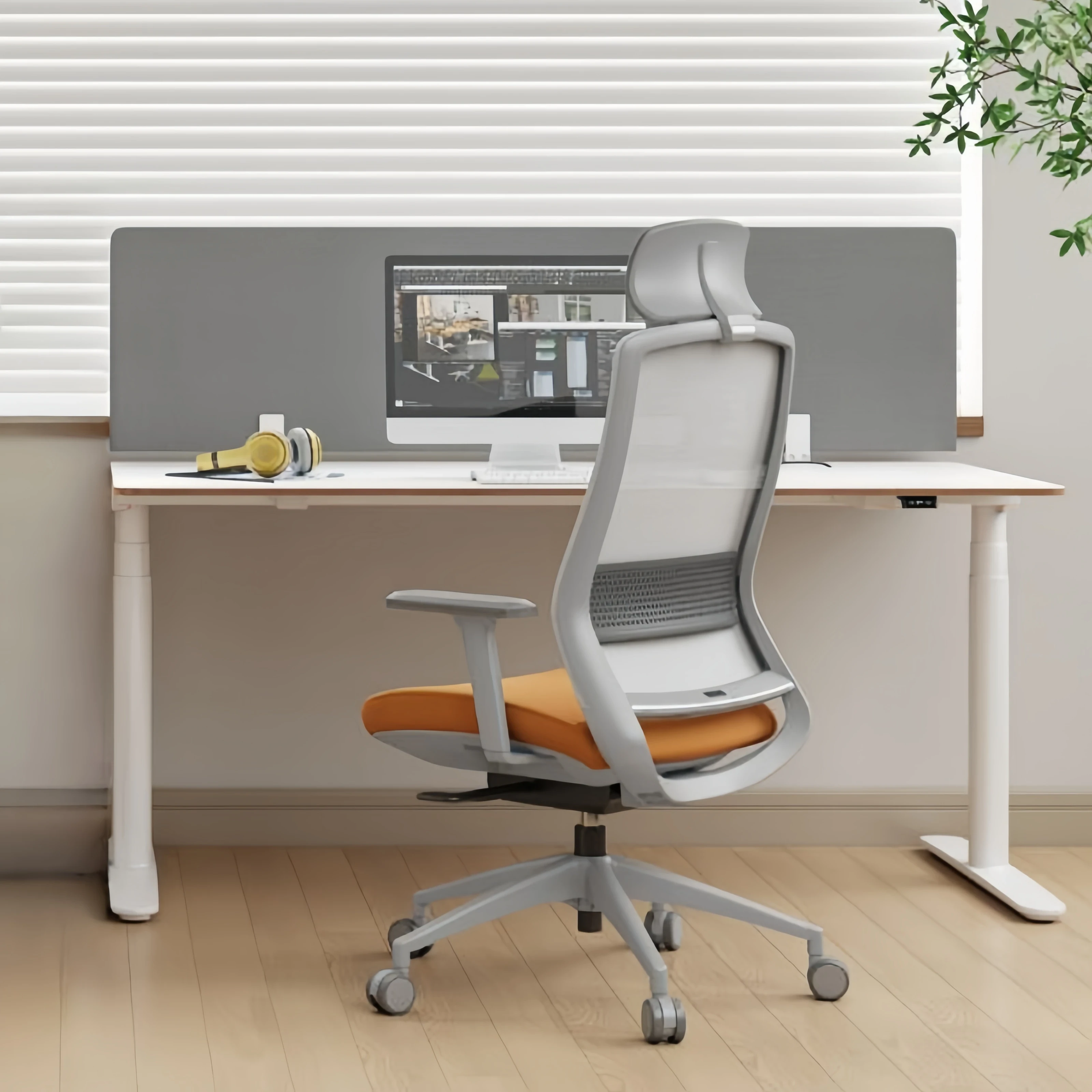
Based on the hotel's positioning and target customer needs, the functional design of furniture is crucial. Business hotels may require more office facilities, while resort hotels may focus more on entertainment and relaxation. Therefore, when customizing furniture, attention should be paid to its multifunctionality and ergonomic design to provide a comfortable user experience. For example, ergonomically designed chairs and supportive mattresses can effectively improve guest satisfaction.
5. Budget and Cost Control:
Budget is also an indispensable part of decision-making. Hotels need to find a balance between high quality and reasonable prices. When collaborating with furniture suppliers, cost constraints should be clearly defined, and long-term return on investment should be considered, such as the durability of the furniture and subsequent maintenance and replacement costs. When planning the budget, bulk customization can also be considered to obtain more competitive prices.
6. Supplier Selection and Cooperation :
Choosing a reliable and experienced furniture supplier is the foundation of a successful customization solution. The supplier's design capabilities, production processes, delivery time, and after-sales service all directly affect the success or failure of the project. When selecting a supplier, their past cases and market reputation should be examined, and it should be ensured that they fully understand the hotel's needs and design concepts during communication.
In conclusion,
hotel furniture customization is a systematic and complex process, involving multiple aspects from design and material selection to budget control. By comprehensively considering factors such as spatial layout, brand image, material selection, functional design, budget, and supplier cooperation, hotels can create furniture solutions that not only reflect their own characteristics but also enhance the guest experience. This not only helps improve the hotel's market competitiveness but also creates a more comfortable and memorable stay for guests.