
 USD
USD GBP
GBP
 EUR
EUR
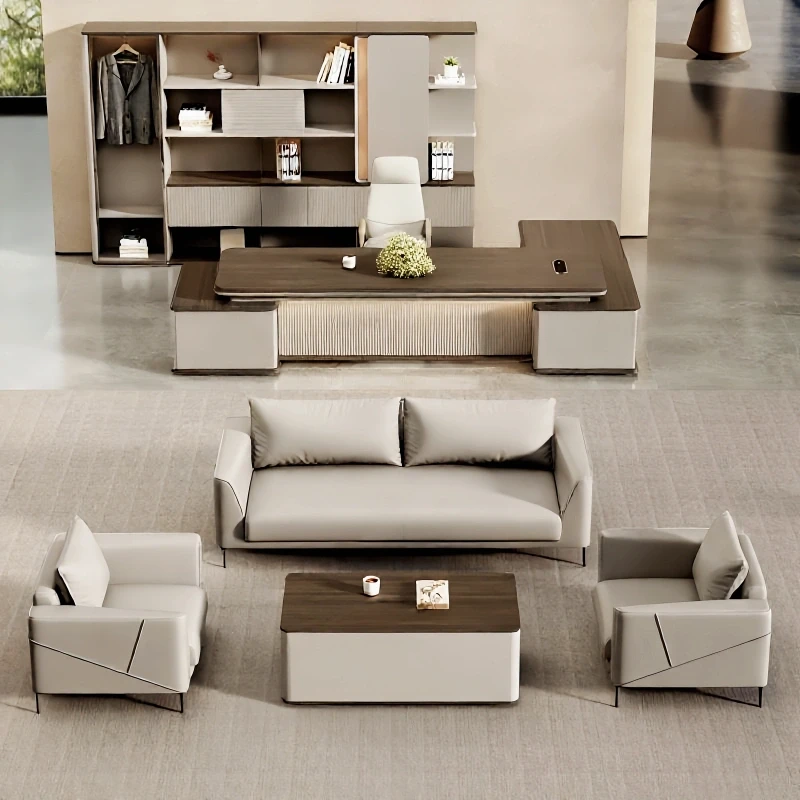
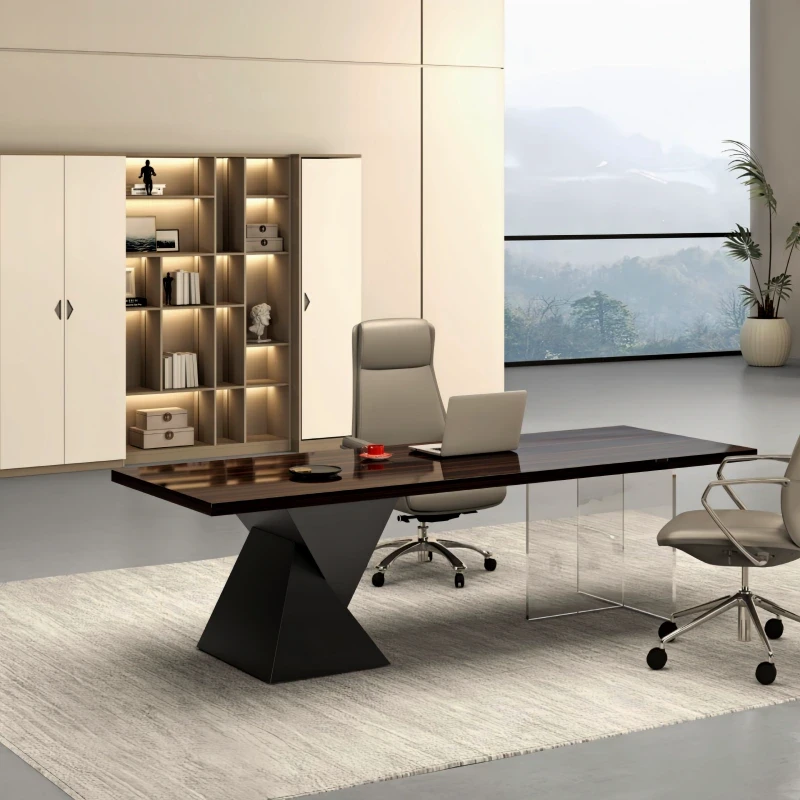


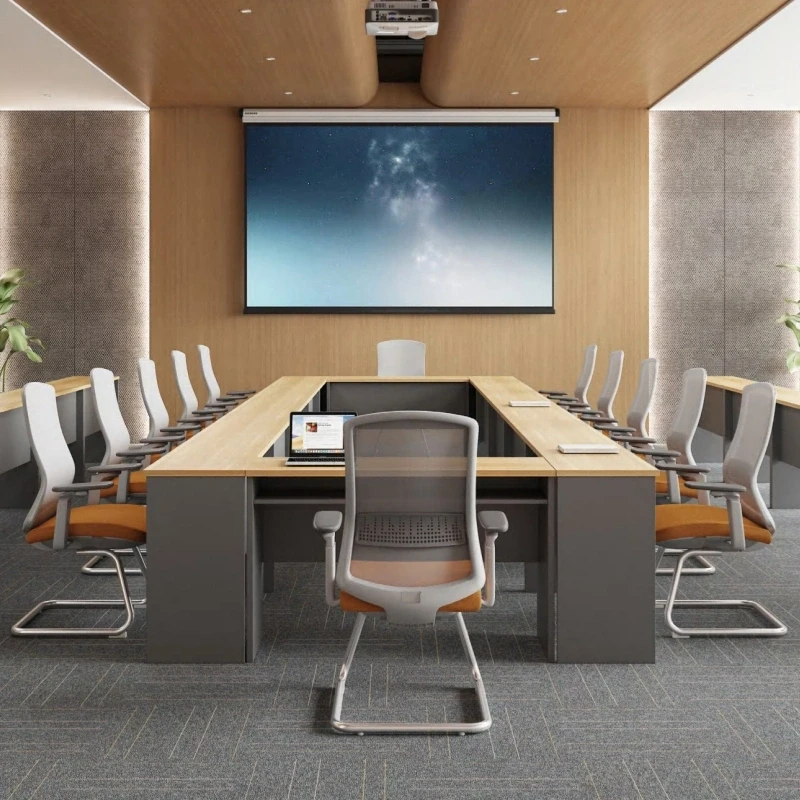
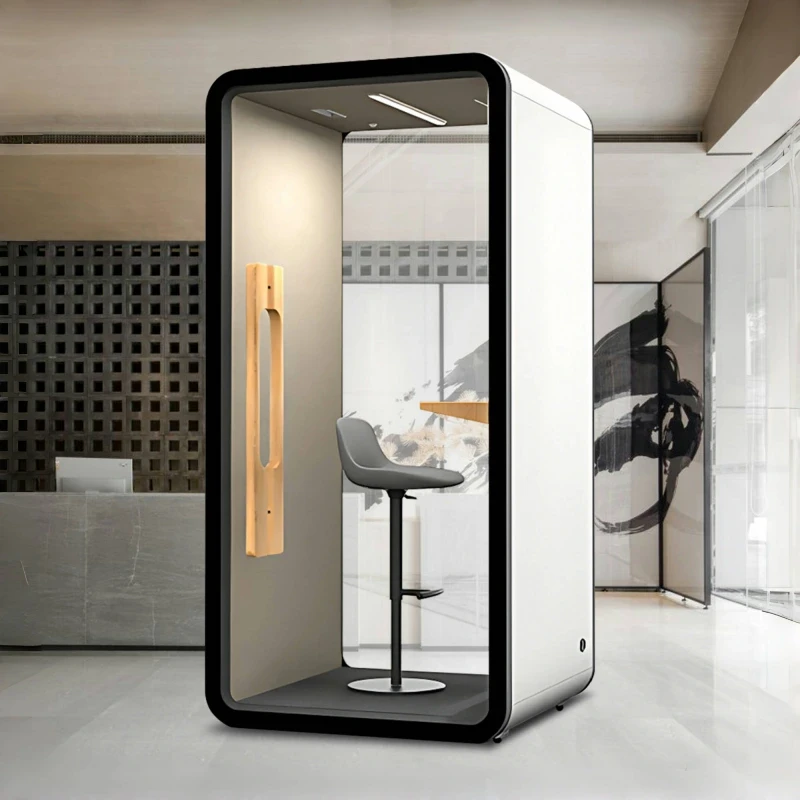
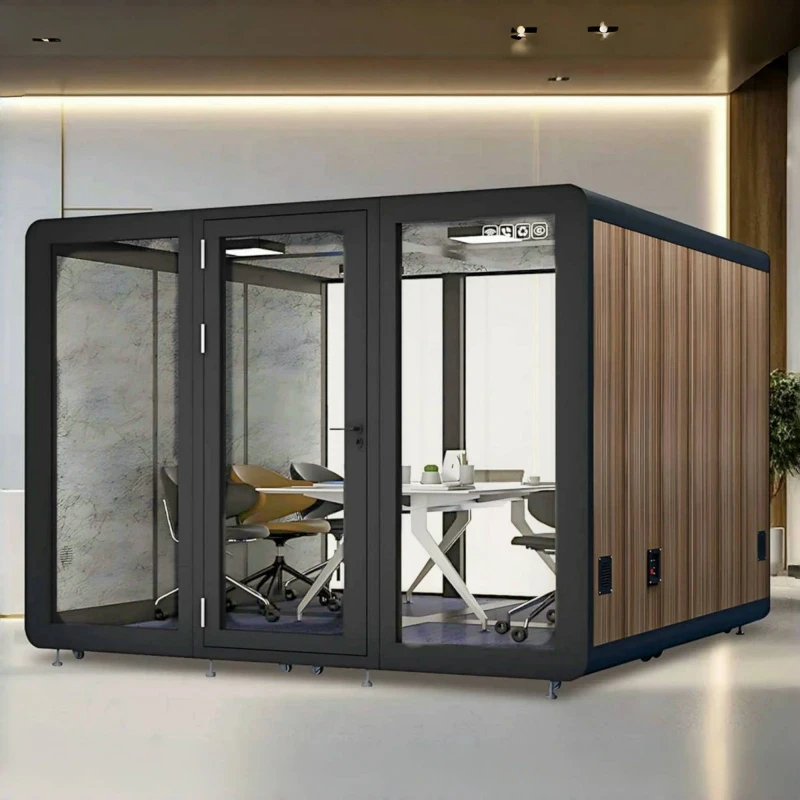
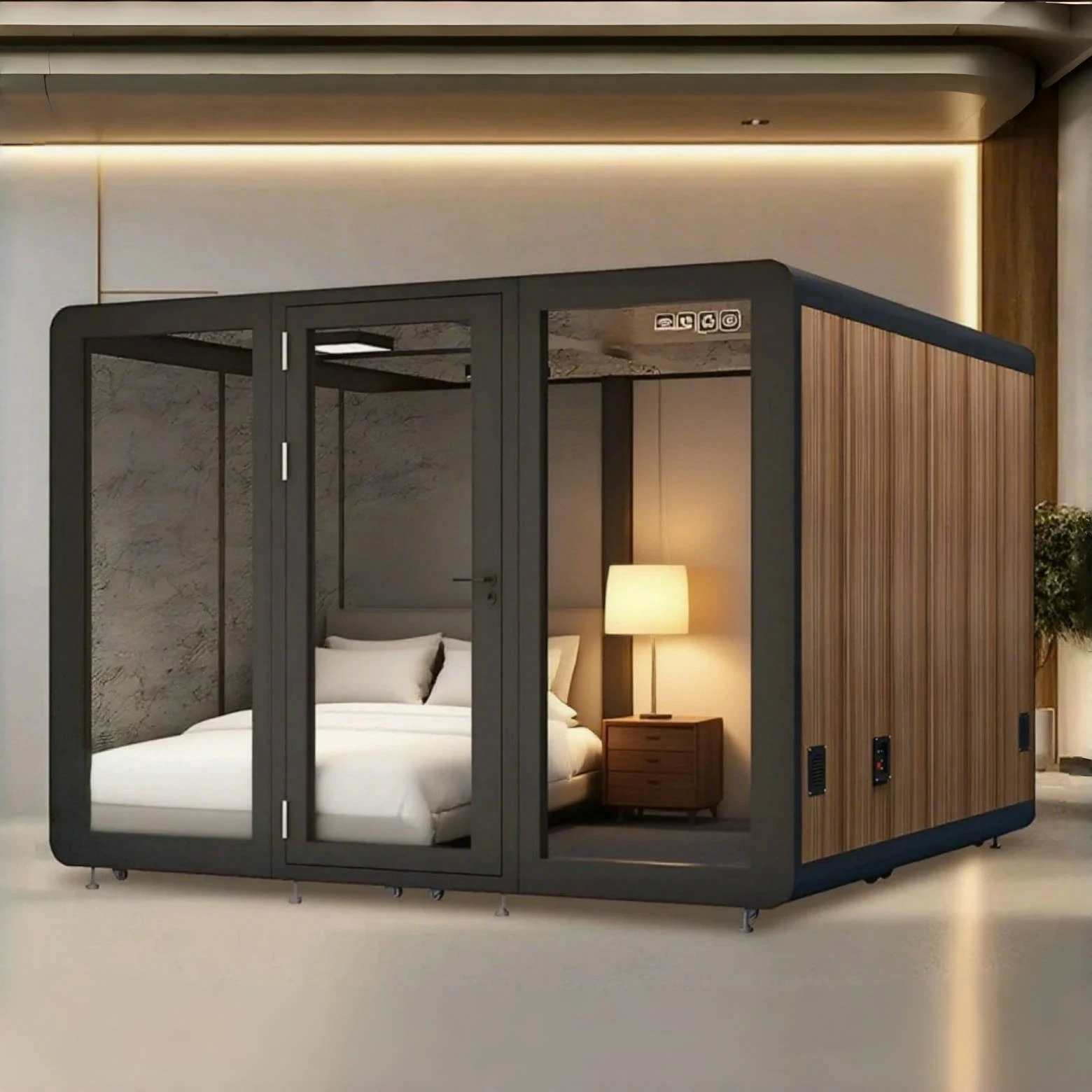


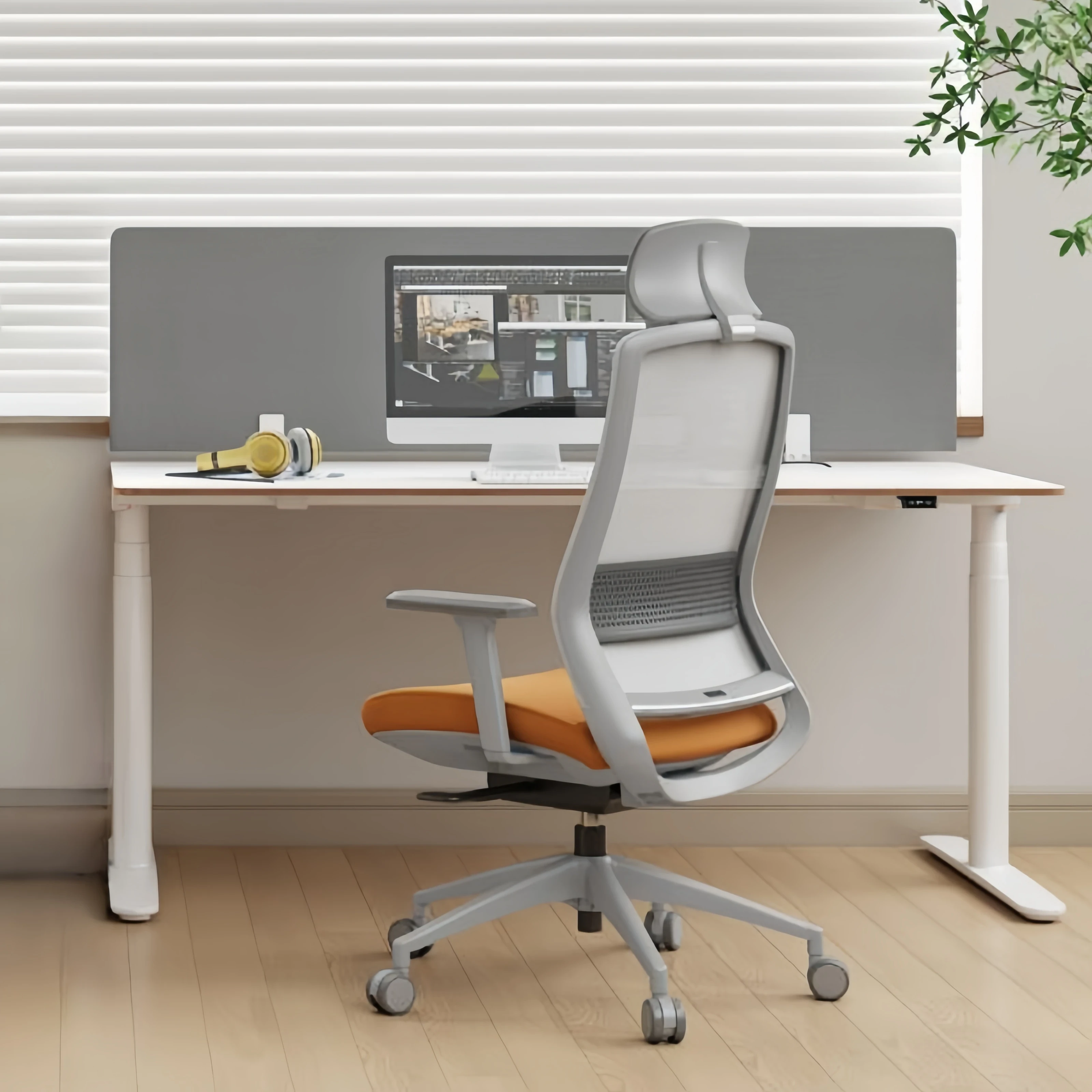


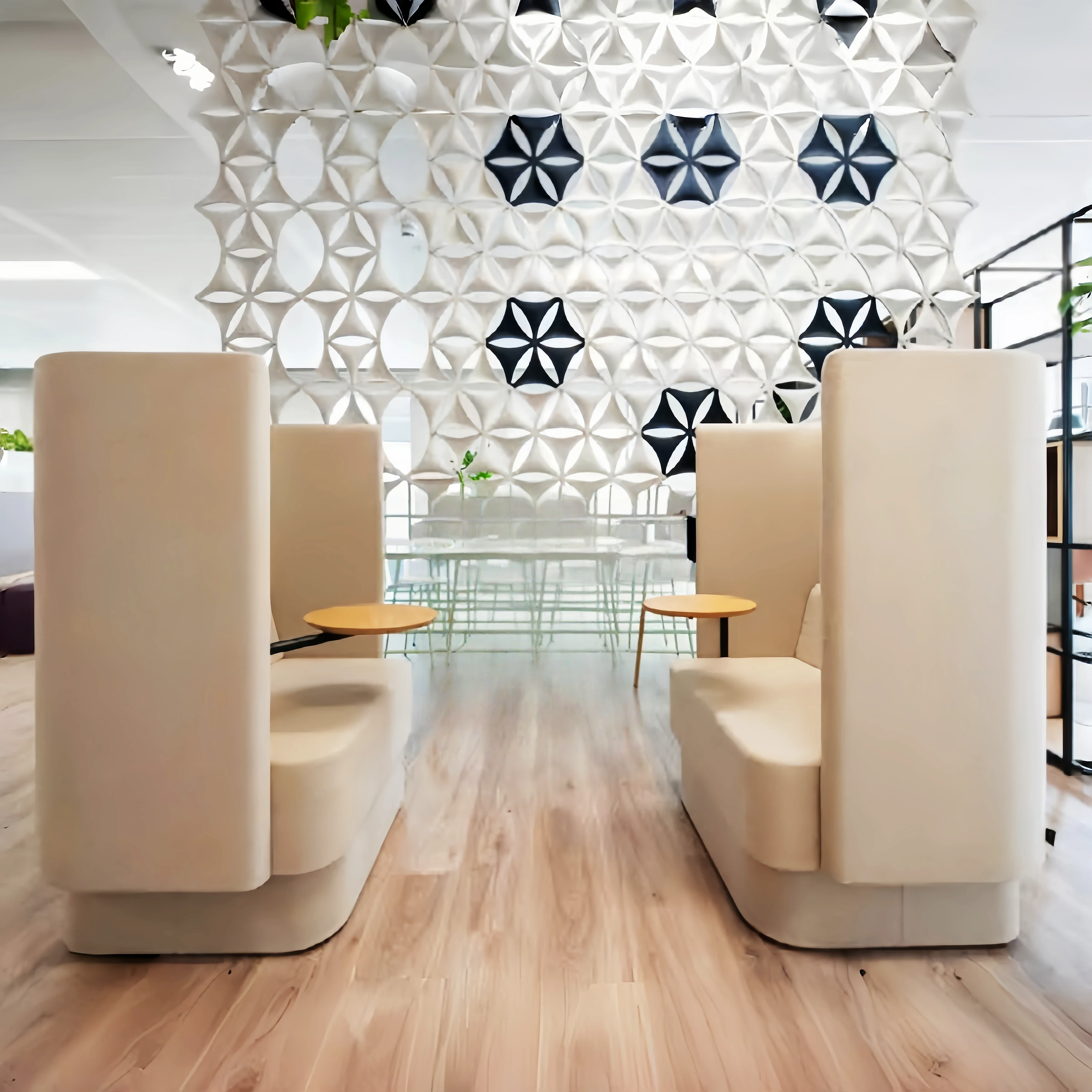

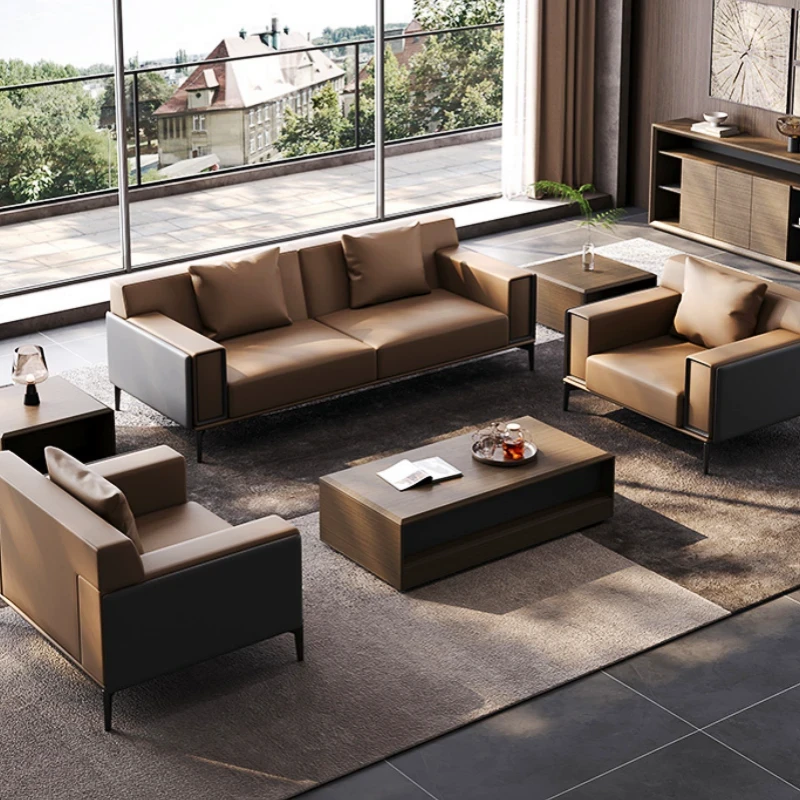
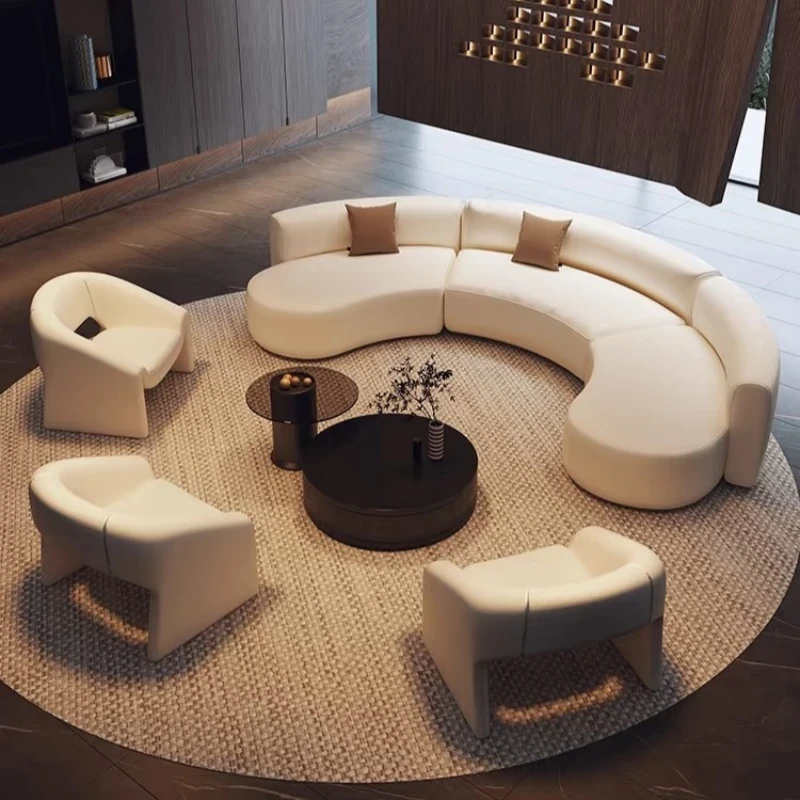
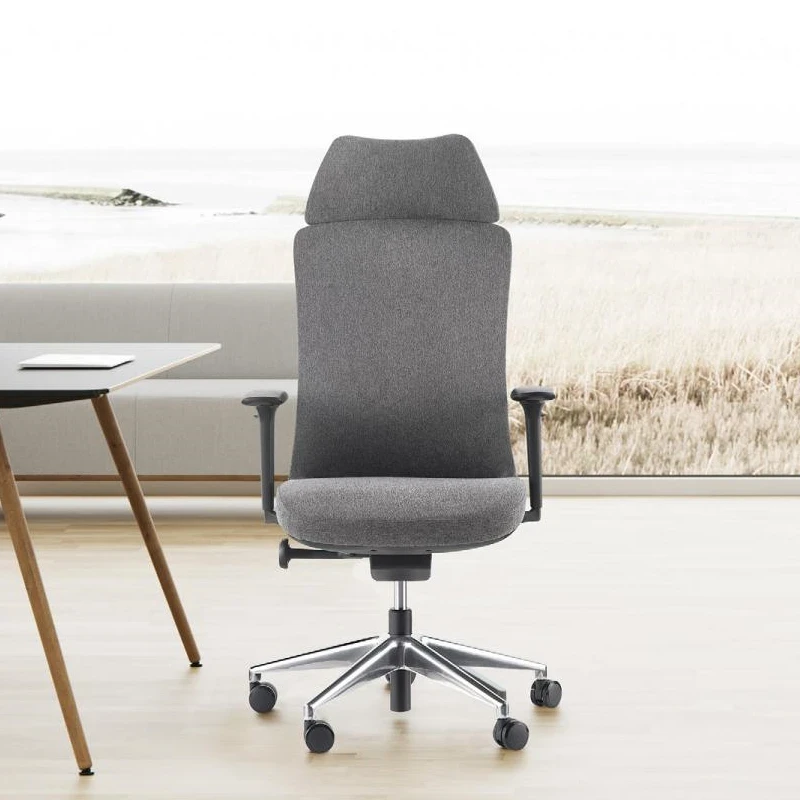


Before customizing furniture, hotels must first define their brand positioning and core concept. Brand positioning determines the target customer group and the image the hotel wishes to convey. For example, a hotel catering to business travelers might choose a minimalist, modern design style, while a resort hotel might prefer a more natural and comfortable style. In this process, the hotel should work closely with designers to explore brand characteristics and how to reflect them through interior design.
2. Collaborate with a Professional Design Team:
Choosing an experienced and creative design team is crucial to ensuring that the furniture design accurately conveys the brand image. Designers and the hotel management team need to communicate thoroughly to understand the hotel's market positioning, target customer group, and brand story, allowing for flexible use of color, materials, and form in the design. Excellent design teams can translate brand concepts into visual elements and meticulously showcase them in furniture shapes, color schemes, and material selection.
3. Benchmark Industry Trends and Competitor Analysis:
When customizing furniture for star-rated hotels, it's beneficial to benchmark against industry design trends and competitor furniture styles. Analyzing the design schemes of top hotels in the industry can provide inspiration and help find a design direction suitable for the hotel's brand characteristics. Meanwhile, it also avoids the problems of design similarity or outdatedness, allowing the hotel to stand out from the competition.
4. Emphasize Thematic and Detailed Design
In furniture customization, it is particularly important to pay attention to the fit with the overall design theme of the hotel. The hotel's theme can be echoed through the shape, color, and decorative details of the furniture. For example, a seaside hotel might incorporate marine elements into its furniture design, such as seashell-shaped handles or fabrics with wave patterns. In addition, details such as door handles, lighting fixtures, and the lines of tables and chairs should also be carefully considered to ensure the harmony and consistency of the overall environment.
5. Combining Humanization and Cultural Connotation
The fit of design style is not limited to visual effects, but should also focus on the user experience and cultural connotations. Furniture design should follow ergonomic principles to ensure its comfort and practicality. At the same time, furniture can also incorporate local cultural elements to enhance the hotel's cultural atmosphere, allowing guests to experience the unique cultural charm of the local area during their stay.
6. Continuous Evaluation and Feedback Adjustment
Finally, after the furniture is put into use, the hotel should continuously pay attention to guest feedback to evaluate whether the furniture design has truly achieved the expected results. The feedback obtained not only helps improve existing design solutions but also provides important reference for future furniture procurement and updates. In
conclusion
, ensuring that the design style aligns with the brand image is a systematic and meticulous task in the furniture customization and procurement process for star-rated hotels. By clearly defining brand positioning, collaborating with professional teams, grasping design trends, paying attention to detail and thematic design, and combining human-centered and cultural connotations, star-rated hotels can create interior environments that match their brand characteristics. This not only enhances the overall brand image but also improves the guest experience and loyalty.