
 USD
USD GBP
GBP
 EUR
EUR
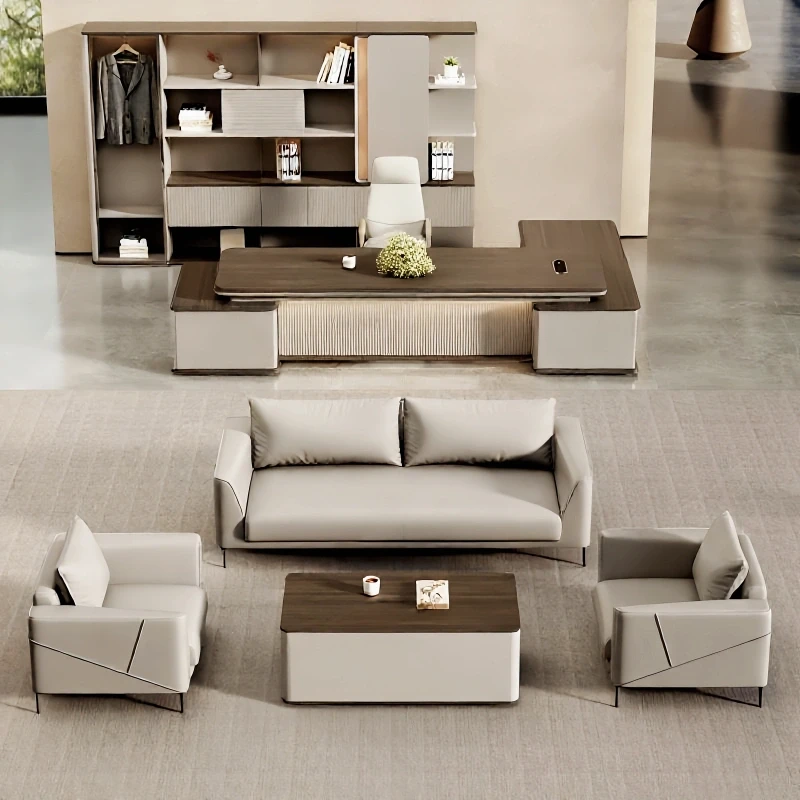
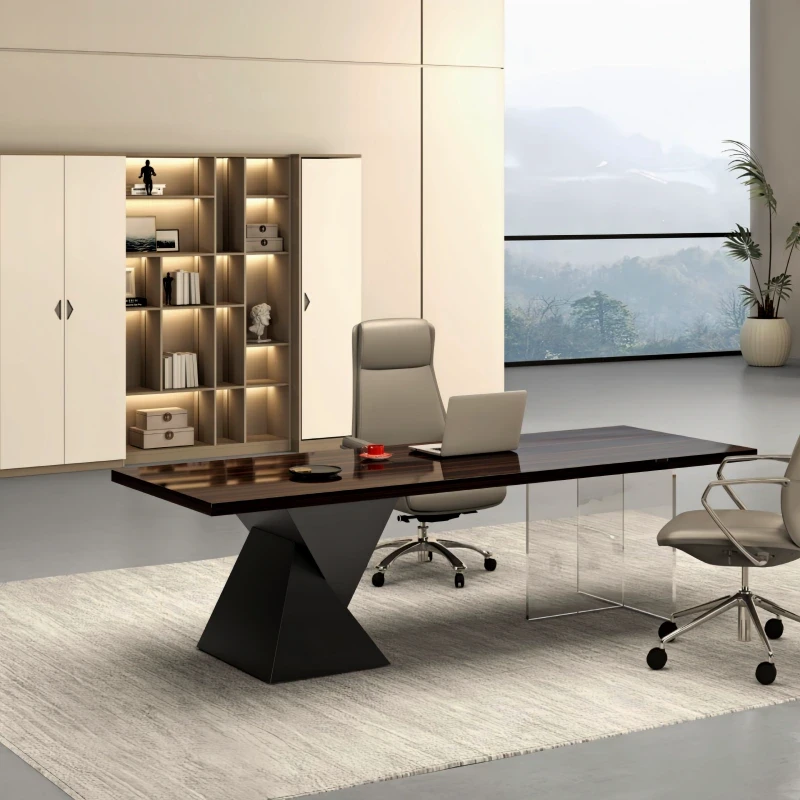



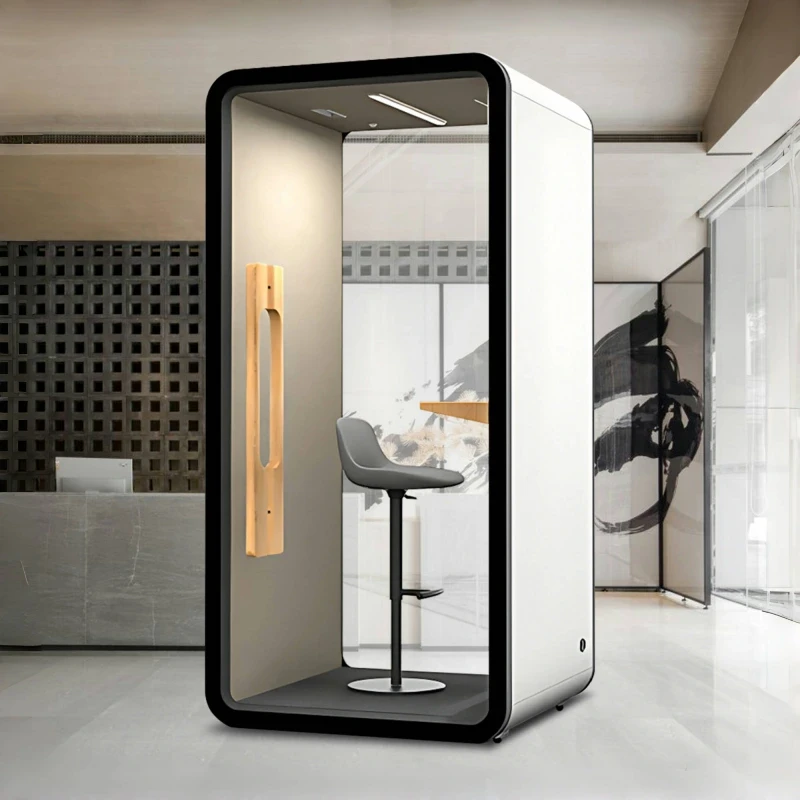
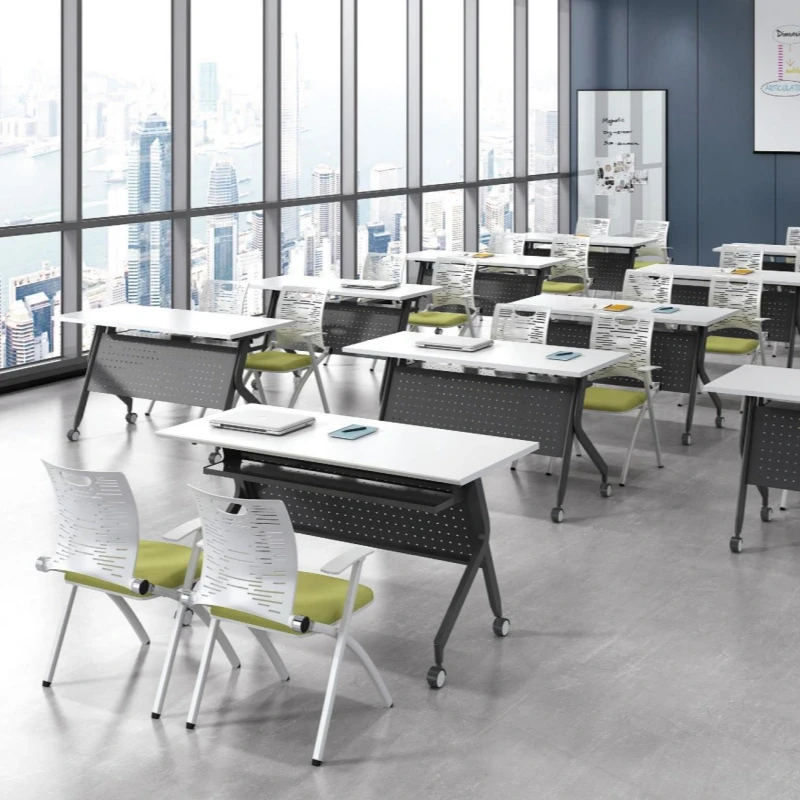






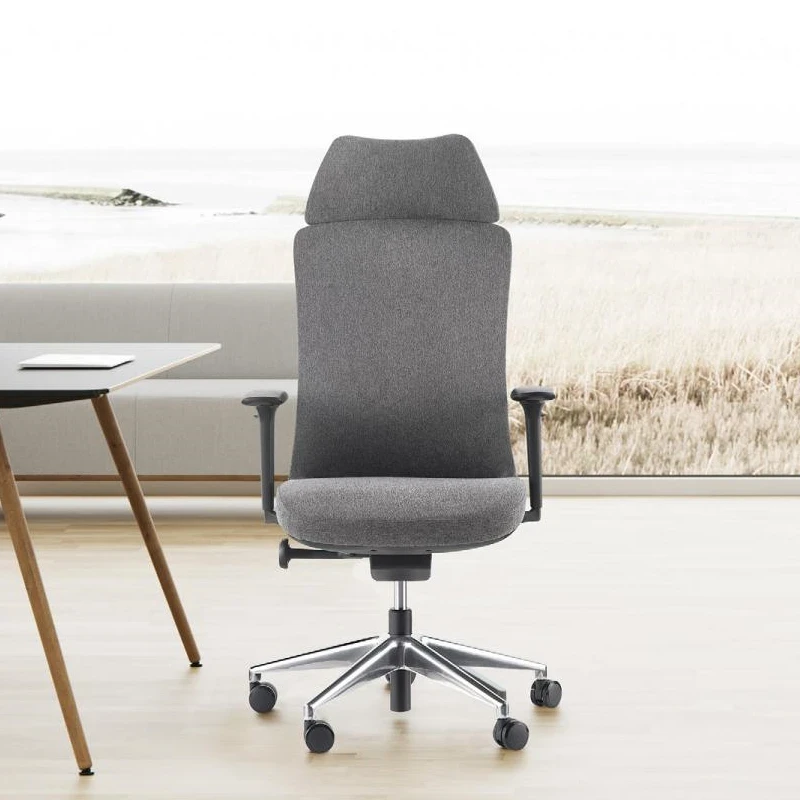


Office renovation is supposed to be something to look forward to, but once you move into the brand new and beautiful office, the pungent smell will immediately kill off your enthusiasm.
The pungent odor is mainly due to formaldehyde, which originates primarily from the urea-formaldehyde resin adhesive used in the boards. During the production process, urea-formaldehyde resin leaves a large amount of residual formaldehyde, known as free formaldehyde, which is gradually released over a period of 3-15 years. This can cause long-term harm to people and is a problem that should be taken seriously.
Due to factors such as cost and performance, there is currently no adhesive on the market that can replace urea-formaldehyde resin. It is impossible to control the source of pollution. The only option is to minimize the amount of boards used in decoration. However, furniture boards are used in large quantities, since solid wood furniture is too expensive. If board manufacturers could air out the wood for three months before shipping, it would probably be much better.
Offices cannot be left vacant for long periods; moving in immediately after renovation is almost inevitable. To avoid breathing in formaldehyde every day, you need to find ways to remove it. Common methods for formaldehyde removal include the following:
1. Ventilation method
Ventilation is the most effective and cost-efficient method for removing formaldehyde. It's incredibly fortunate to have an office renovated and occupied in spring or autumn, with good cross ventilation. If these conditions aren't met, then a proper ventilation system is necessary.
2. Plant absorption method
Use green plants to absorb formaldehyde, such as pothos, spider plants, snake plants, agave, aloe vera, and ivy. These not only decorate the office but also absorb some formaldehyde. Generally speaking, plants with large leaves and herbs are more effective at absorbing formaldehyde, such as pothos and snake plants.
3. Activated carbon adsorption method
Solid activated carbon is characterized by its numerous pores, giving it a strong adsorption capacity for harmful substances such as formaldehyde. The smaller the activated carbon particles, the better the adsorption effect. It is recommended to discard the old activated carbon and replace it with new carbon after about three months of use. It generally works best when placed in a cabinet.
4. Photocatalytic decomposition method
When stimulated by light, the catalyst in the photocatalyst reacts with oxygen and moisture in the air to generate negative ions and hydroxyl radicals, which can oxidize and decompose various organic and inorganic pollutants, and ultimately degrade them into harmless substances such as carbon dioxide, water and corresponding acids, thereby achieving the effect of decomposing pollutants and purifying the air.
5. Chemical purification method
Formaldehyde scavengers on the market are divided into two types: one type uses a chemical reaction to neutralize formaldehyde and generate harmless substances to purify the air; the other type seals the formaldehyde and prevents its volatilization to avoid air pollution.
There are many ways to remove formaldehyde, but since formaldehyde is released over a long period of time, there is currently no way to completely remove it in one go. Generally, a combination of methods such as ventilation and green plants is needed to achieve good results.
This article was edited by Henan Huadu Times Furniture Co., Ltd. Please indicate the source www.chnhuadu.com when reprinting.