
 USD
USD GBP
GBP
 EUR
EUR
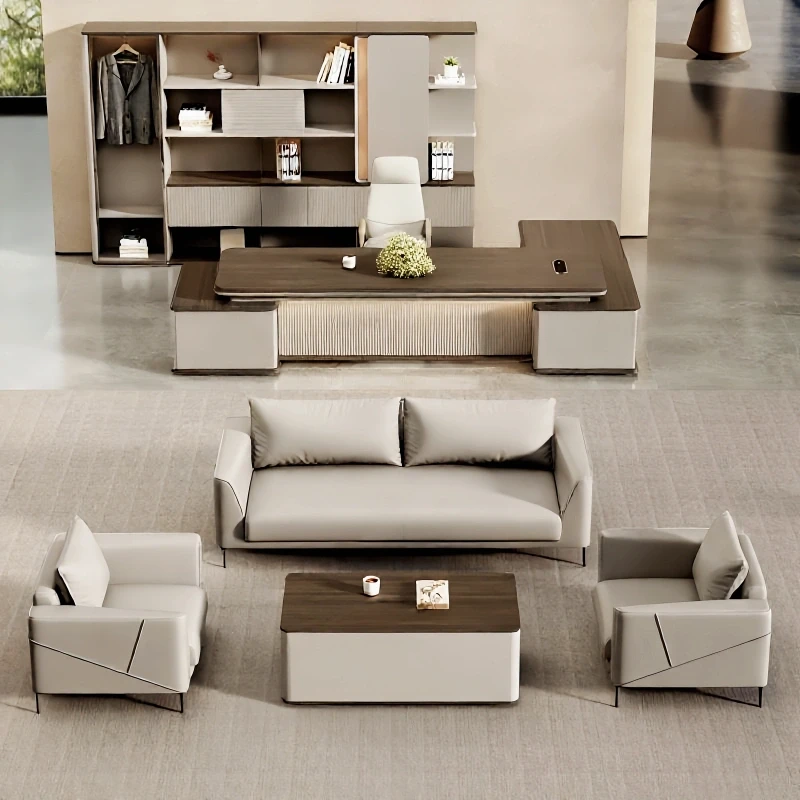
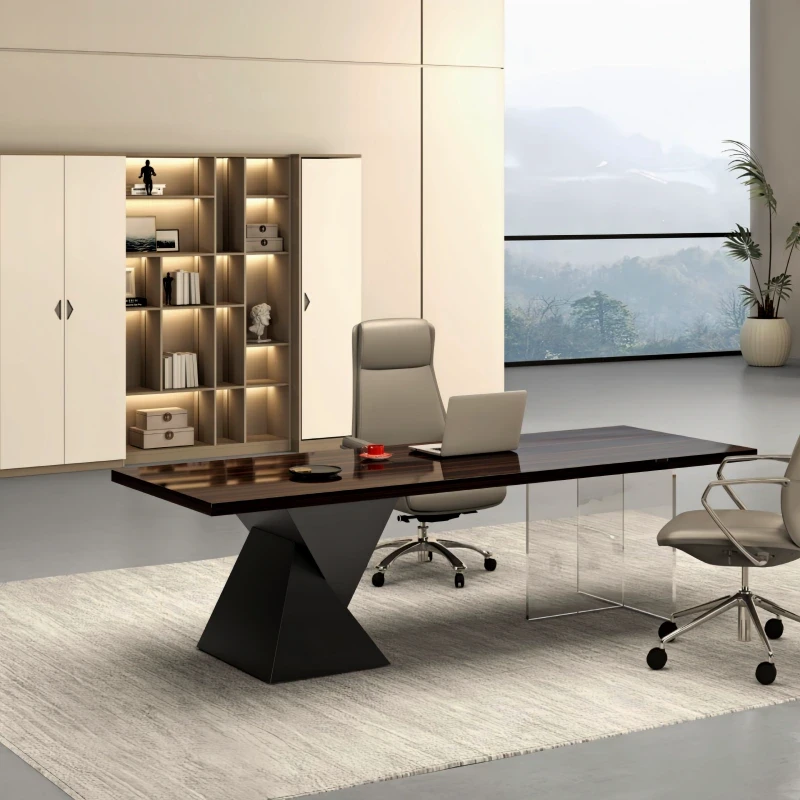



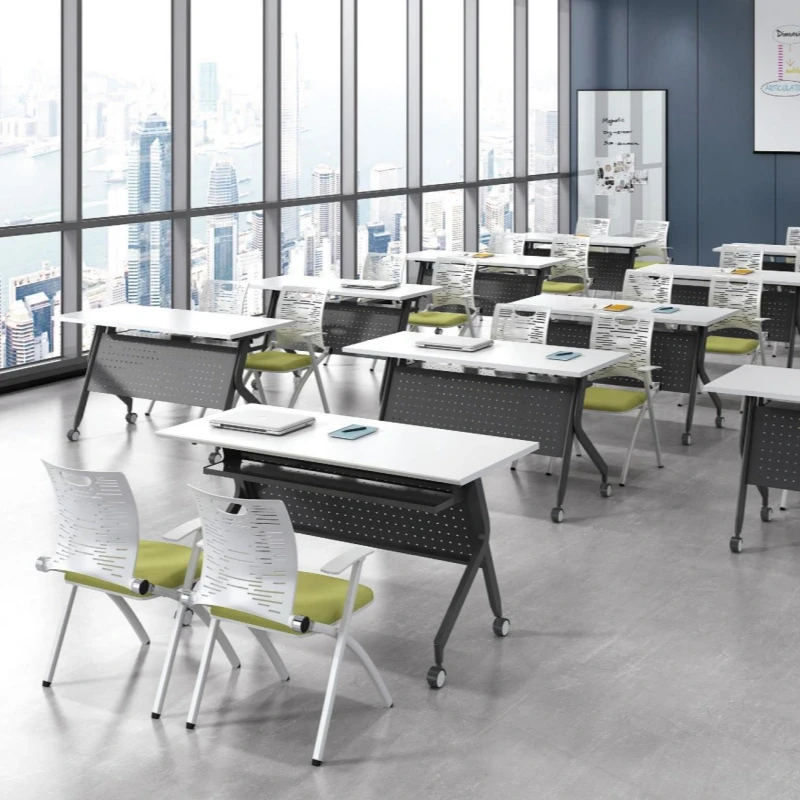




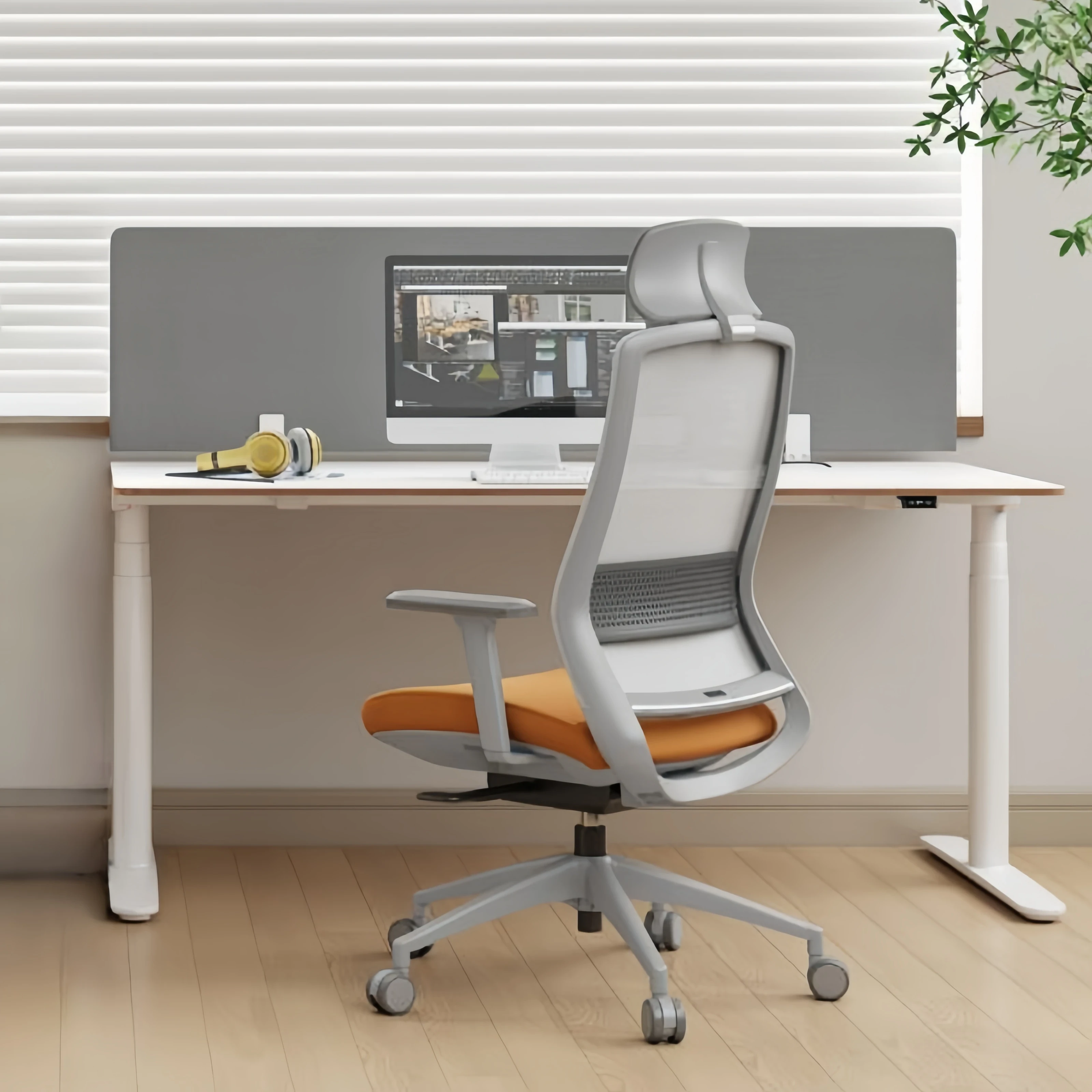



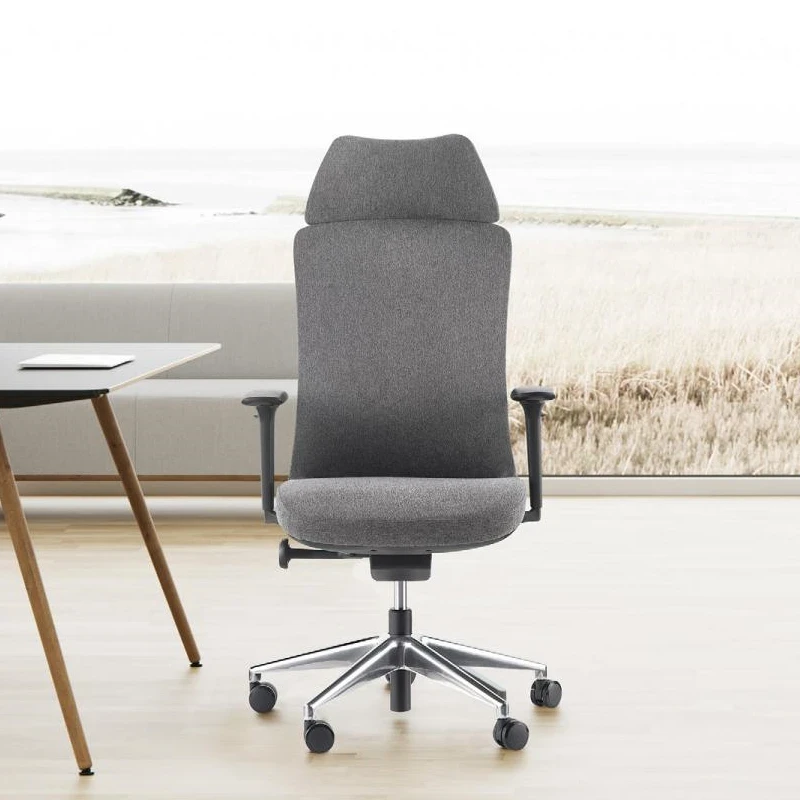


In our work, especially for office workers, we spend most of our day sitting in an office chair, so the comfort of a chair is very important. A good chair should be freely adjustable, allowing you to achieve maximum comfort by adjusting the backrest, seat, and armrests. Office chairs come in many styles and offer considerable flexibility in use; the same chair can serve different functions in different spaces. Henan Huadu Times Furniture reminds everyone to pay attention to the following seven aspects when purchasing an office chair:
1. The stability of an office chair can be determined by the details of its structure. This is especially true for armchairs, which rely primarily on their legs for support; careful inspection of structural components such as clips and screws is crucial. It is recommended that users try sitting in the chair and gently rocking it slightly when purchasing to assess its stability.
2. The depth of an office chair is important. In formal settings, people tend to sit upright. To maintain proper posture, one needs to sit in the shallower part of the chair. At home, people are more relaxed and less likely to sit deeper. Therefore, when purchasing an office chair, sit in it first to test the depth and feel of the chair to see if it meets your office needs.
3. The height of the chair legs is related to the user's leg length. Of course, apart from bar stools and other high stools, the seat height of most chairs is not too exaggerated, but if there are indeed short people in the workplace, this should be taken into consideration.
4. Armrest Height: When sitting, if you are used to hanging your arms down, you may want to choose an office chair with lower armrests or no armrests; but if you like to curl up in the middle of the office chair, then a chair with higher armrests and a deeper seat is probably the best choice.
5. Chair Back Height: For those who prefer an upright posture, besides choosing a stool without armrests or a backrest, a chair with low armrests and a low backrest is also an option. In this case, the occupant's center of gravity will be at the lower back. If you prefer to place your weight on your back and lean against the backrest, you might choose an office chair with a higher backrest. In this case, also check if the backrest height is near your neck. Sometimes, a chair backrest height near your neck can cause the user to habitually rest their neck at a 90-degree angle on the backrest, which can easily lead to neck injury.
6. Chair Inclination: While office chairs are often perceived as having a 90-degree angle between the cushion and backrest, most are actually slightly reclined, allowing the user to sit comfortably. More reclining office chairs have a greater incline, making the user feel as if they are lying down.
7. Chair Softness: Pay attention to the softness and comfort of the seat cushion and backrest. If it's an office chair without a seat cushion or backrest, check the firmness of the materials themselves. For chairs with added cushions, pay attention to the internal filling materials and try sitting on them to see how it feels.
8. The stability of an office chair can be determined by paying attention to the structural details. This is especially important for chairs like armchairs, which rely primarily on their legs for support. Checking joints such as clips and screws is crucial. It's recommended that users try sitting in the chair and gently rocking it when purchasing to assess its stability.