
 USD
USD GBP
GBP
 EUR
EUR
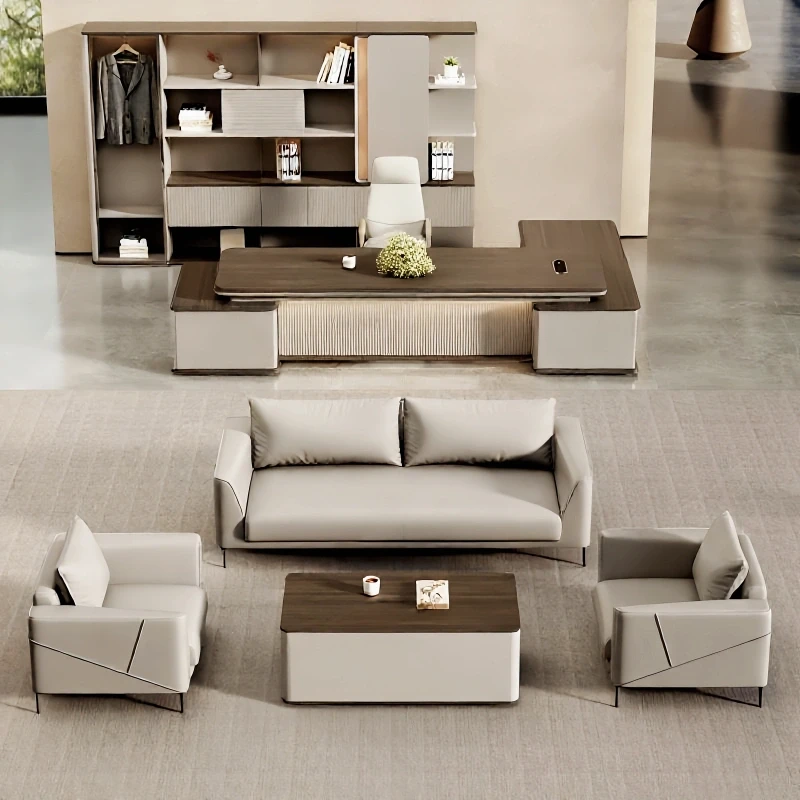
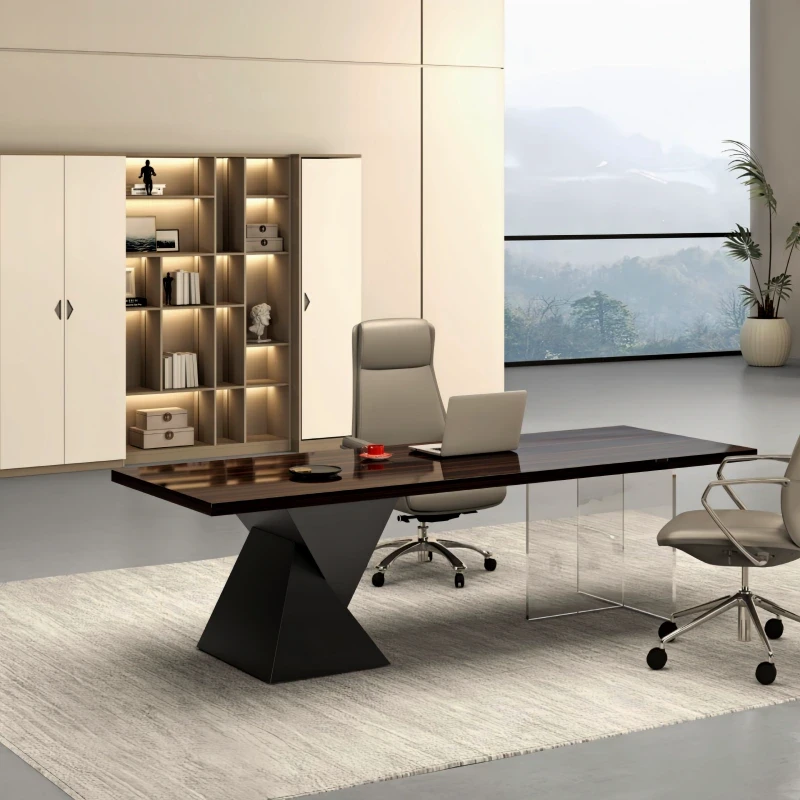








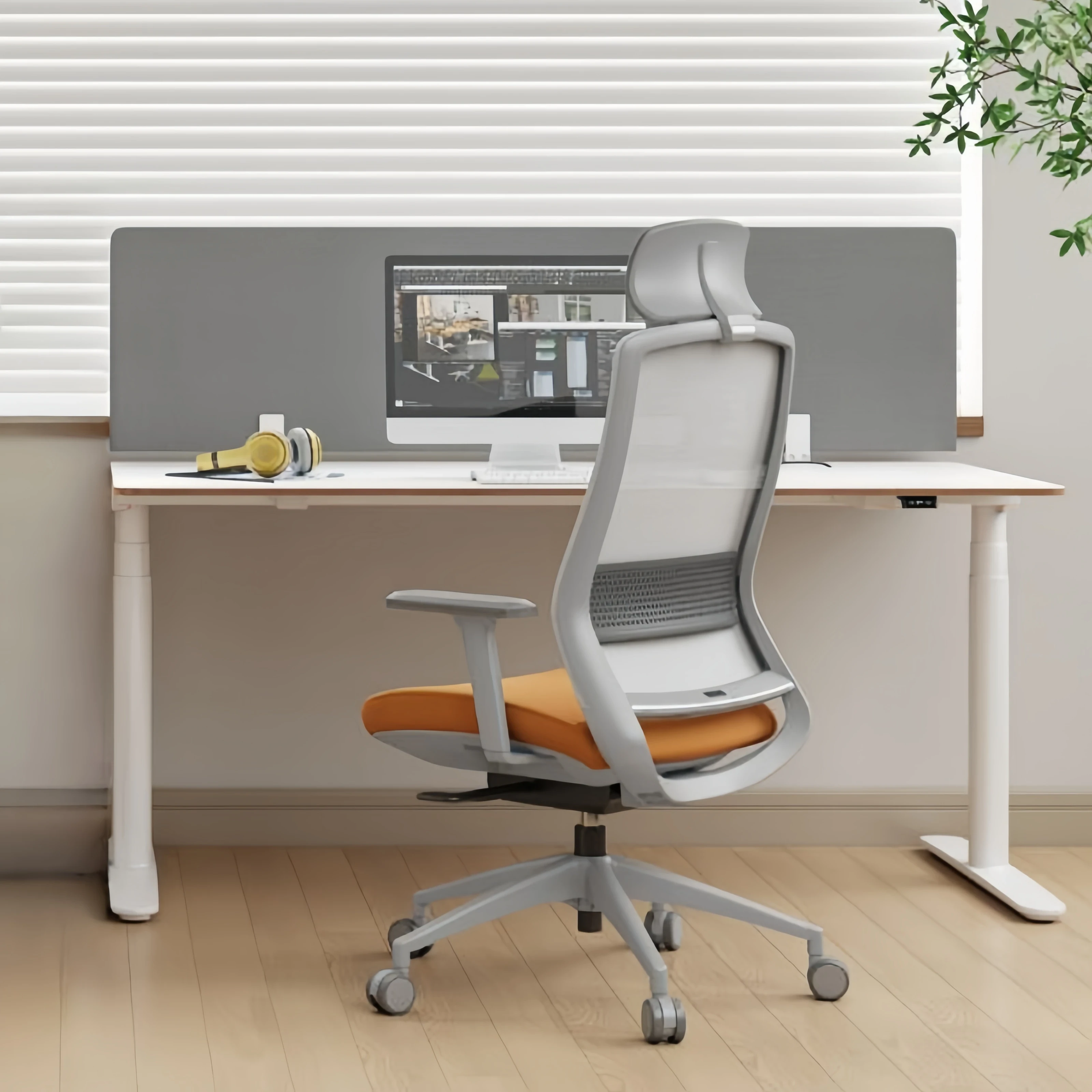




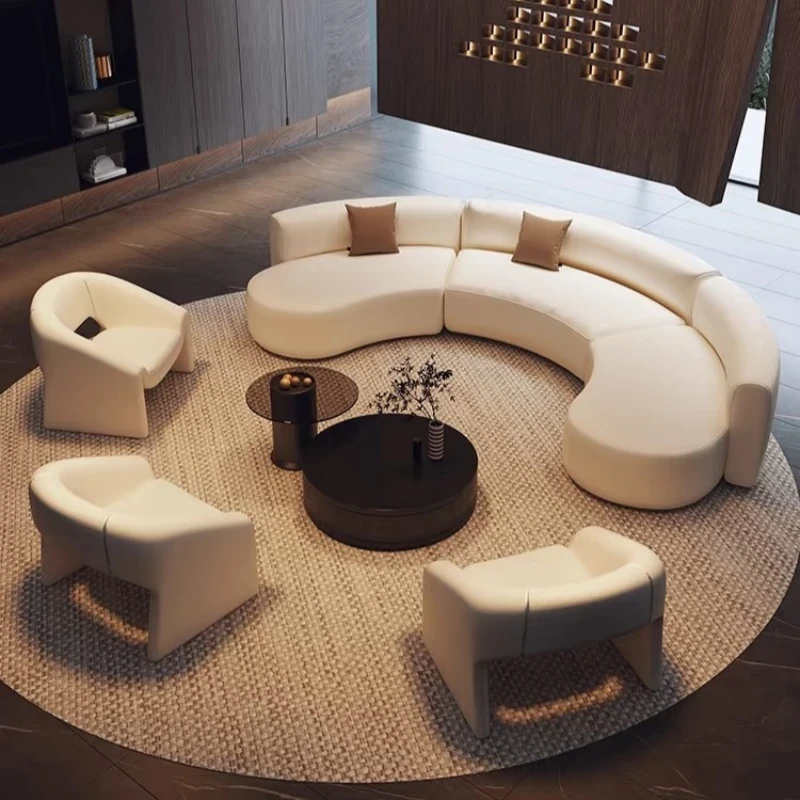
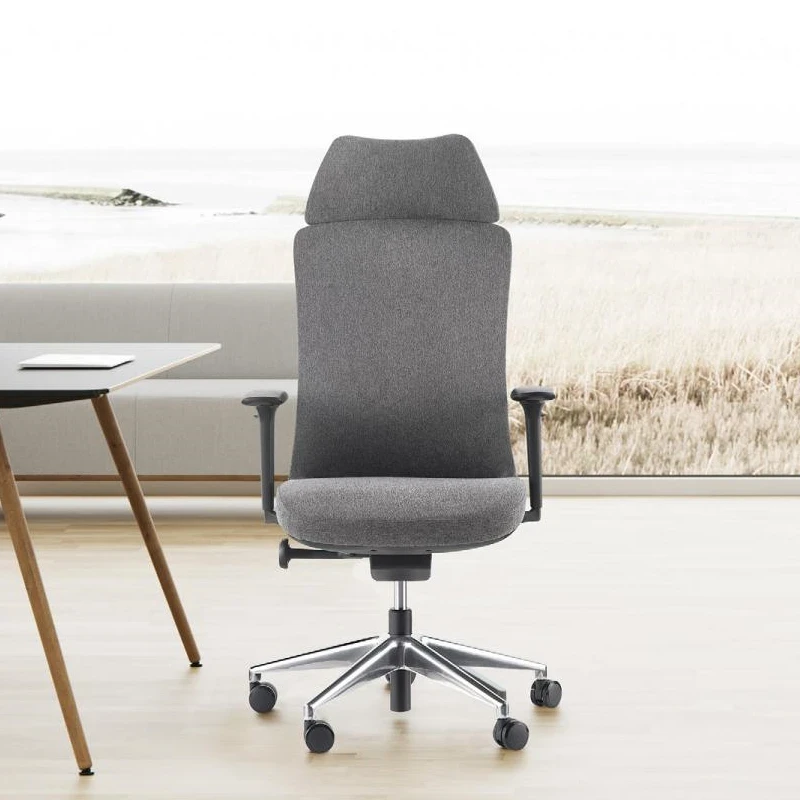


Employees spend their entire workday in office chairs, so choosing a high-quality office chair and furniture reflects a company's care and attention to its employees. A good office chair can improve employee efficiency and a sense of belonging, while also showcasing the company's humanistic values. Choosing the right office chair is crucial; here are a few recommendations.
1. Appearance: With the rapid development of modern furniture, office chairs of various shapes are emerging endlessly. Old-fashioned chairs no longer reflect the modern corporate image and lack ergonomic features, so it is recommended to avoid them. Generally, choose rounded or straight shapes, or irregular shapes. These three styles are sufficient to choose from depending on the building and nature of each company.
2. Office chair dimensions: The seat width should generally be at least 580mm (including armrests). The overall height should be at least 820mm, with a minimum seat height of 420mm (460mm without armrests). The seat depth should be at least 430mm. As modern furniture development accelerates, various office chair designs are emerging. Old-fashioned chairs no longer reflect the modern corporate image and lack ergonomic features; they are not recommended. Common shapes include rounded, straight, and irregularly shaped chairs. These three styles are sufficient to choose based on the company's architecture and nature. The adjustment travel should be at least 80mm to be considered ergonomically suitable for men, women, and people of different heights. The minimum standard for the leg rest is 280mm; otherwise, it's easy to tip backward. If armrests are added, they must be at least 17mm higher than the seat surface to ensure proper arm weight distribution.
3. Regarding the materials used in office chairs, there are technical terms like "recycled cotton" and "virgin cotton." Recycled cotton is made by compressing leftover scraps of sponge, along with rags and other waste materials, to create a reusable sponge. Chairs made with this type of sponge should absolutely not be used. Disadvantages include: increased risk of skin diseases for those with sensitive skin; insufficient elasticity leading to pressure on the hips and hindering blood circulation, often resulting in numbness in the legs after long hours of work; and a shorter lifespan for the chair due to the shorter lifespan of recycled cotton. Its advantage is its extremely low price. Chairs must use virgin cotton. We will discuss the selection of sponge types in a later article. As for using molded cotton, it's not necessary; any virgin cotton with good elasticity, even if cut, is a good choice. For the surface fabric, cotton fabric is generally acceptable. Currently, Sanminji seat cushions or mesh backrests are commonly used, as they offer excellent breathability and comfort, making them very suitable for modern office use. The chair's legs and armrests must, at a minimum, incorporate nylon material, commonly known as PA.
4. Office chair weight: You can compare the weight. Generally, a good office chair must have a certain weight. Do not choose a chair under 15kg, because its chassis and gas spring are very poor. A good chassis weighs 4kg. The chassis and gas spring are like the heart. How long can you live without a good heart? This is very easy to judge. Put two chairs together and lift them with both hands to find out.
5. Office Chair Functions: An ergonomic chair must be suitable for both men and women, and for people of different heights. Men should sit slightly back, while women should sit slightly forward, and taller people should sit slightly higher than shorter people. To accommodate the sitting postures of both men and women, the lumbar support of the office chair must be adjustable in height and forward/backward, and the gas spring adjustment must have a certain range. Since office work involves long hours and lunch breaks, the office chair must be able to recline-technically, a synchronized backrest tilt function. This function must be lockable, have an adjustable angle, and be adjustable to accommodate different weights. Only chairs with these functions can meet the needs of all office employees. For even greater ergonomics, adjustable armrests and headrests can be added. In fact, most executive chairs have these functions, but many companies neglect employee needs, resulting in minimal enhancements to office chair functionality.
6. To judge the quality of an office chair, press down on the seat cushion with your hand for more than 5 seconds, then quickly remove it and check the rebound force. If the rebound force is strong, it means that the foam composition is better. If the pressure is deep, it means that the foam thickness is better.
7: You can touch the armrests and outer shell of the chair. If they are smooth and moist, it means that the materials used are of good quality. If they are rough, they may be plastic. The texture of nylon is different from that of plastic.
8. Turn the chair over and look at the back. Good chairs usually have a bottom cover. If there's only a wooden board and no bottom cover, it means there's no protection. At the very least, there should be a bottom cloth. This not only protects against dust but also moisture.
9. Check the screws on the back. Good chairs usually use hexagonal screws, while cheaper chairs often use Phillips head screws. Hexagonal screws are best when they have some adhesive applied; these are easier to install, have stronger holding power, and won't cause problems even after multiple disassemblies. Phillips head screws are prone to slipping, and many chairs with crooked seats or creaking backrests have this problem, which is usually due to faulty screws.
10. A good office chair should be able to be pushed forward with both hands. Its left-right, up-down, and back-up adjustments, as well as the gas spring adjustment, must have a certain range. Because office work involves long hours and is used for lunch breaks, office chairs must be able to recline-in technical terms, a synchronized backrest tilt function. This function should be lockable, have an adjustable angle, and be adjustable to accommodate different body weights. Chairs with these features are suitable for all office workers. For even greater ergonomics, adjustable armrests and headrests can be added. In fact, most executive chairs have these functions, but many companies neglect employee needs, resulting in minimal enhancements to office chair functionality.
11: A good chair is comfortable to sit in, and the lumbar support of the backrest can effectively support the lower back, making people feel very comfortable. So you can know by sitting in it and trying it out.