
 USD
USD GBP
GBP
 EUR
EUR
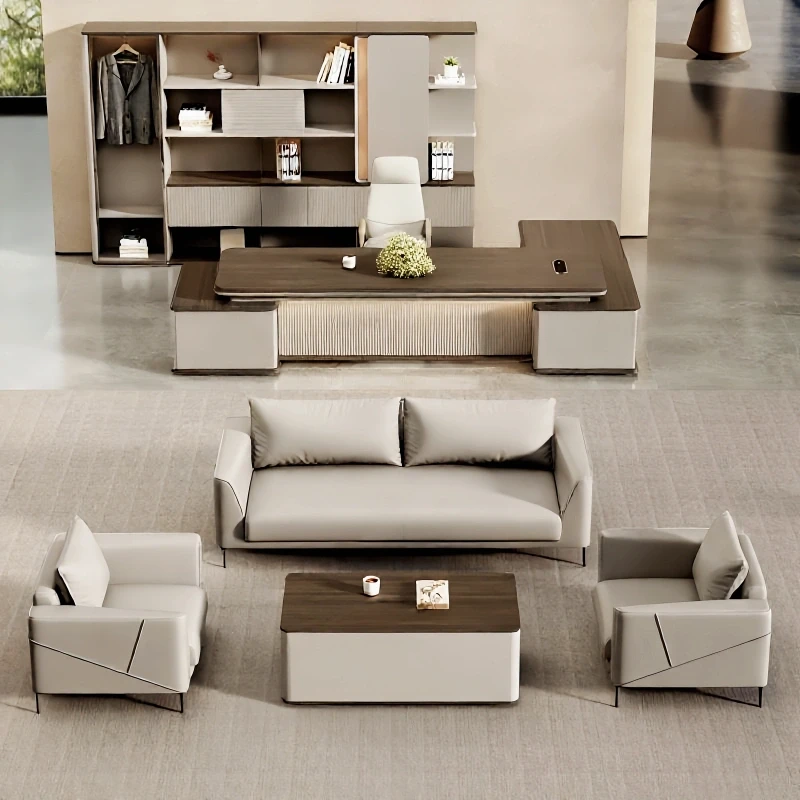
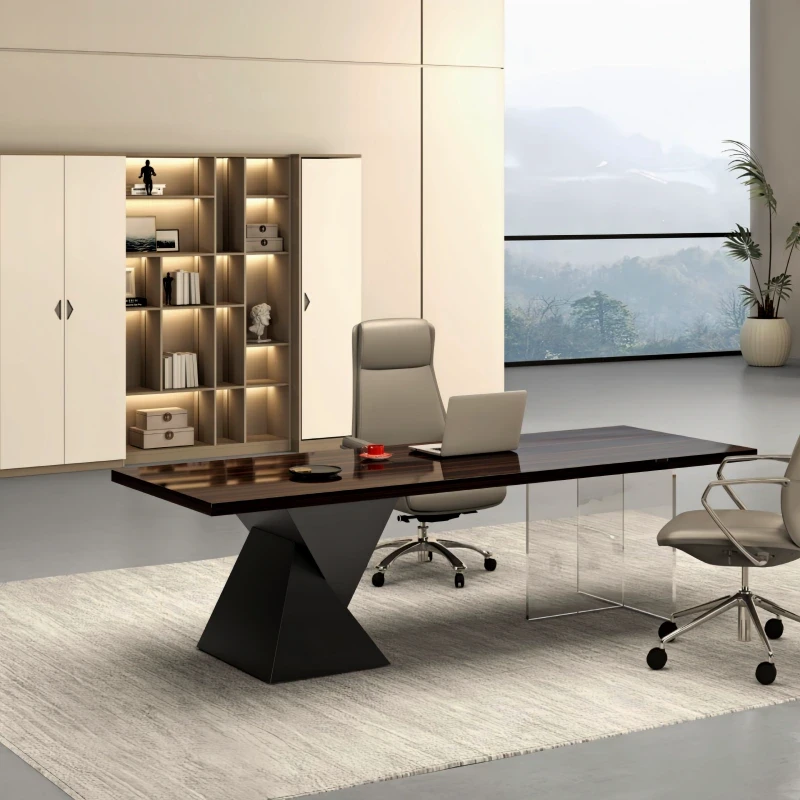


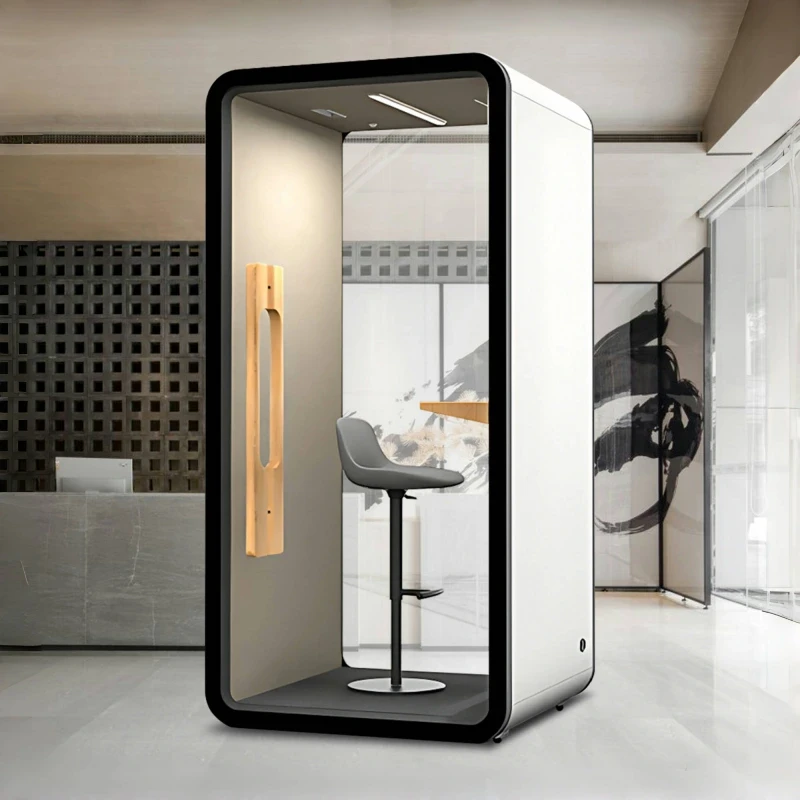
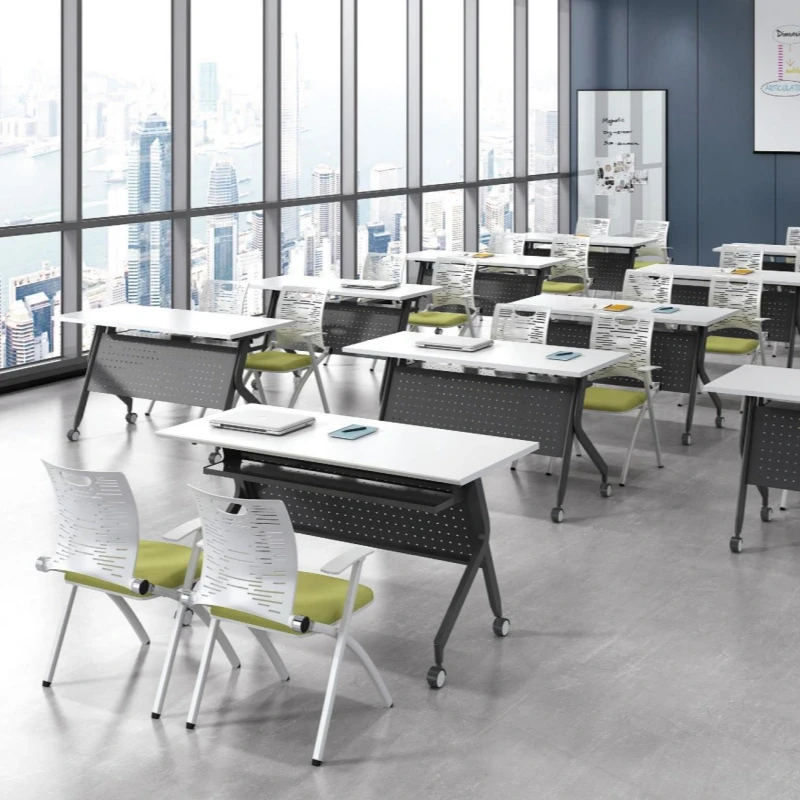
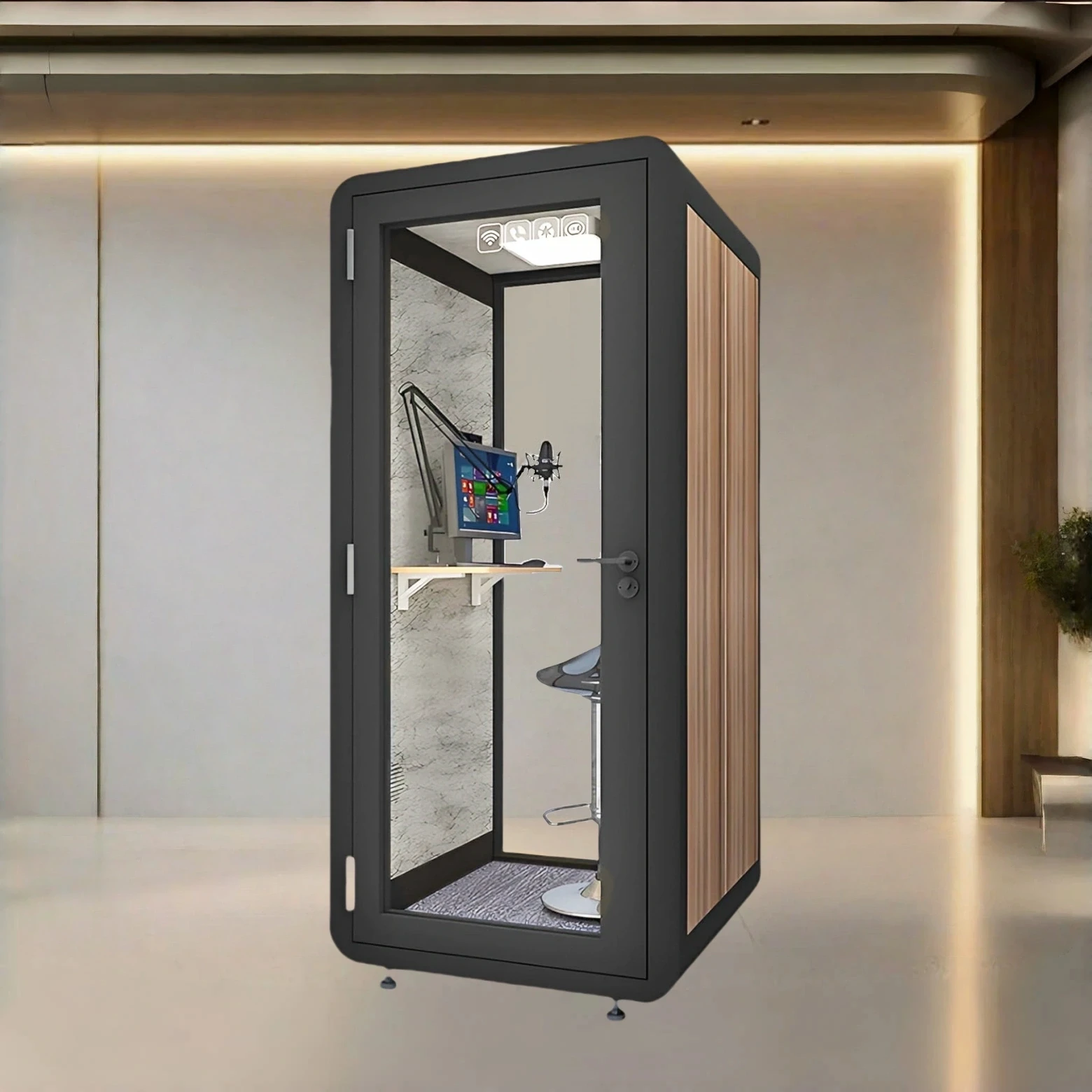
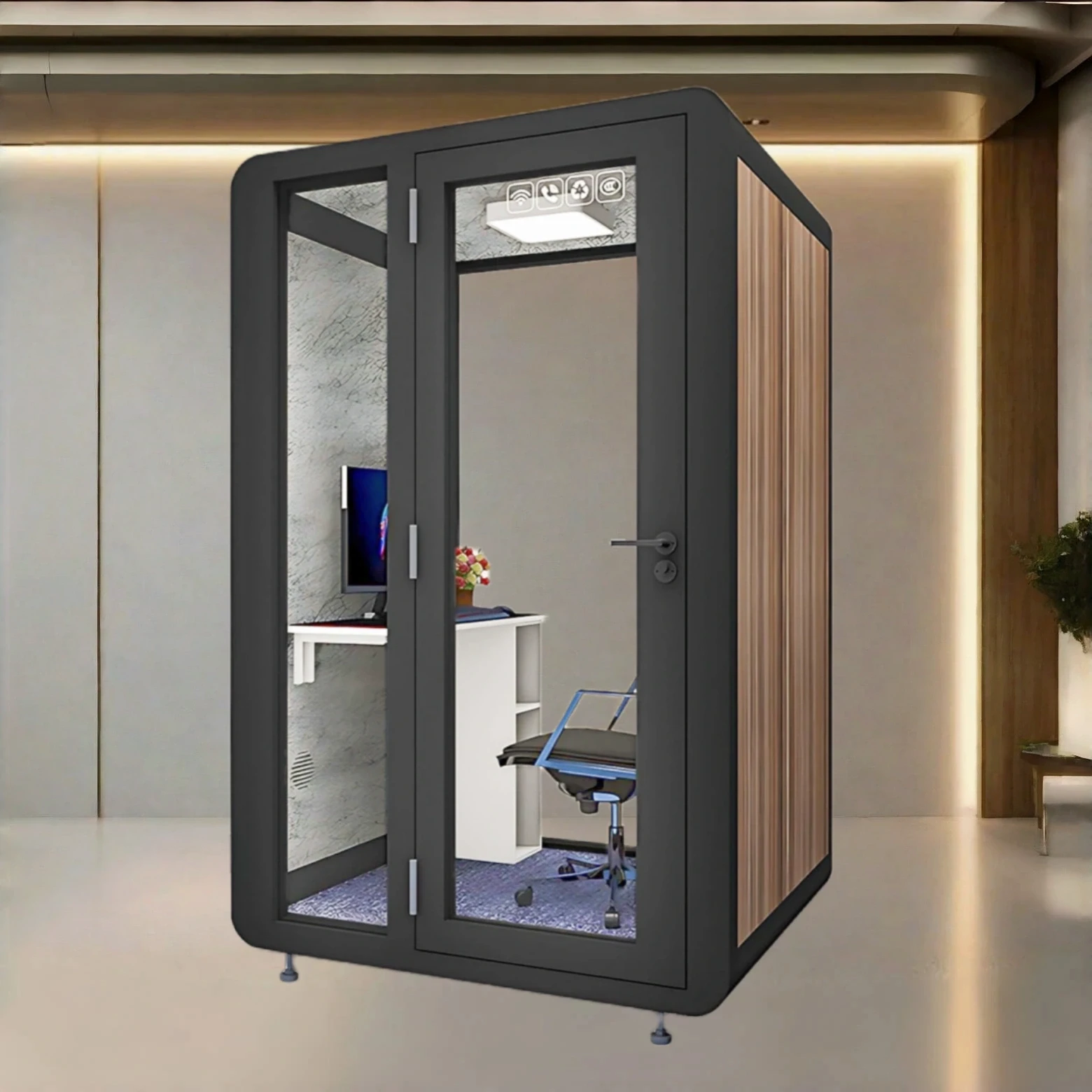
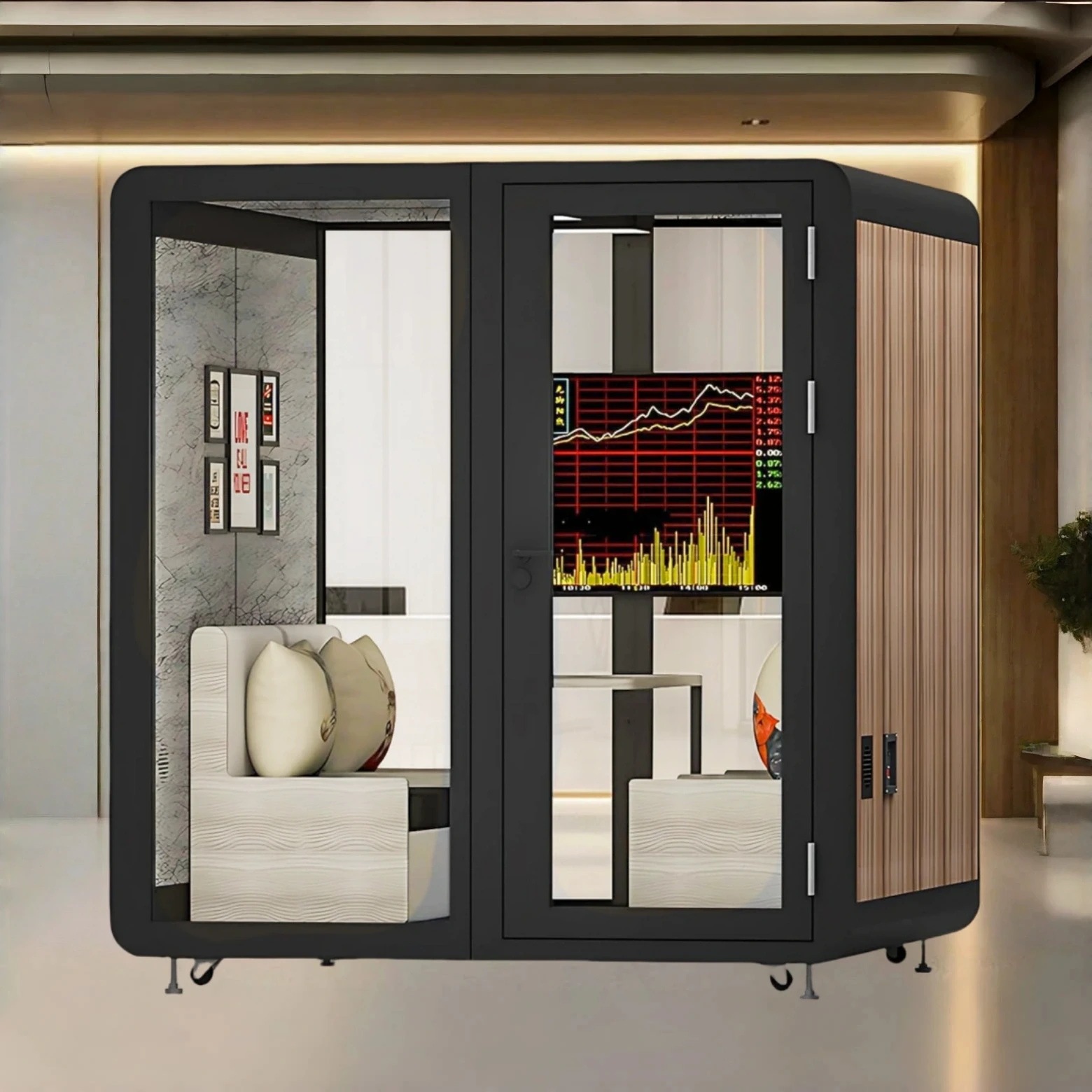
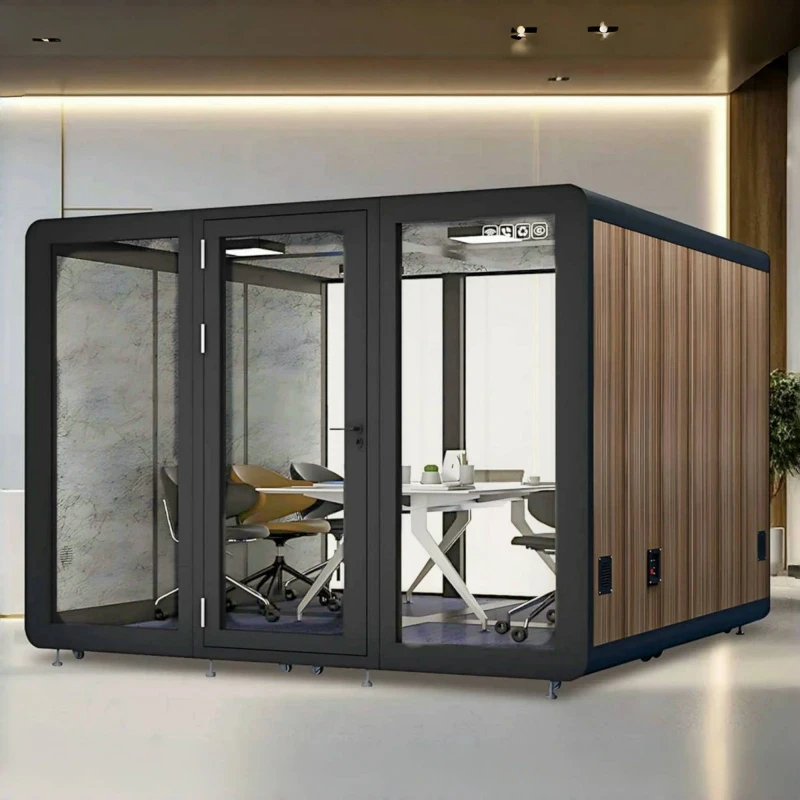
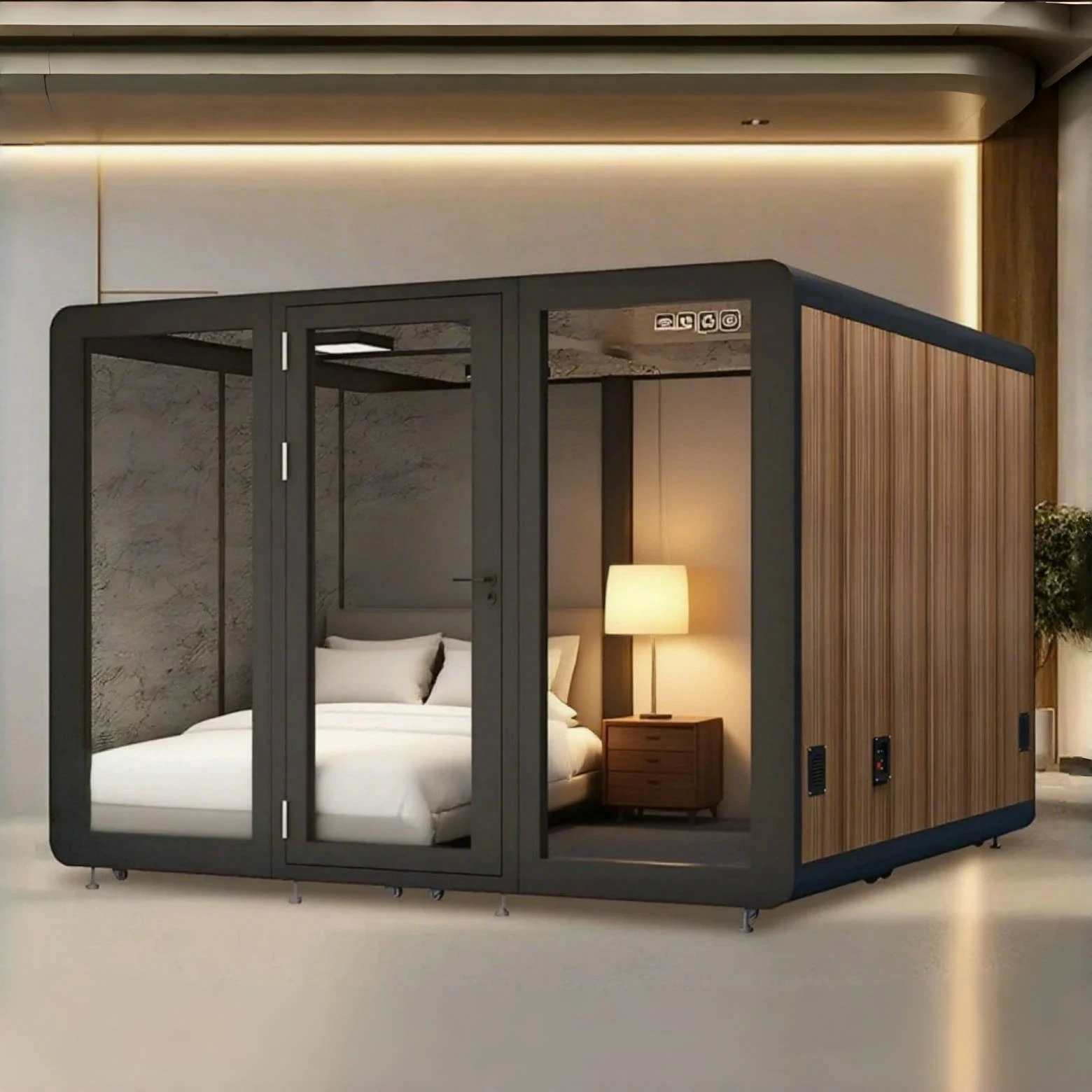


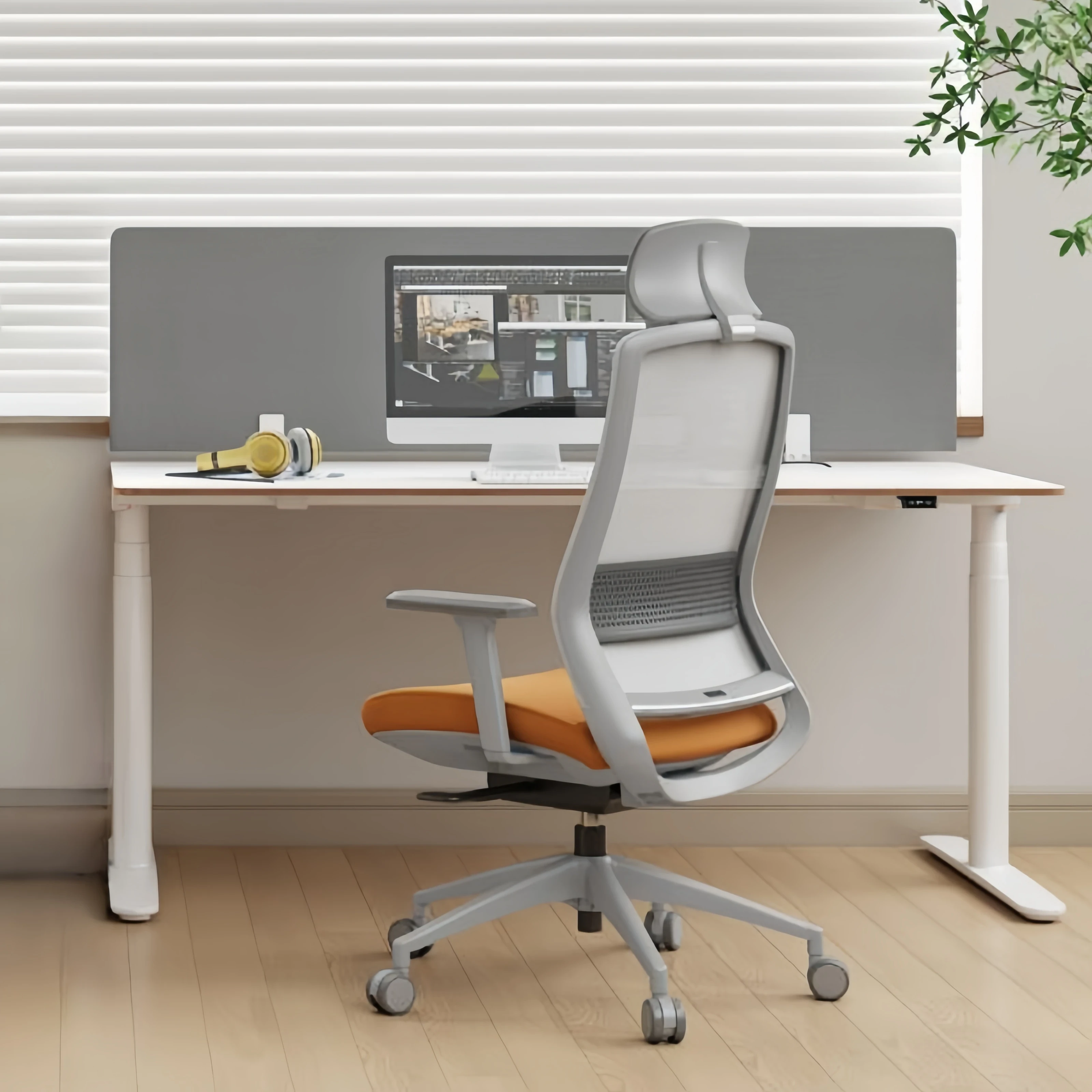


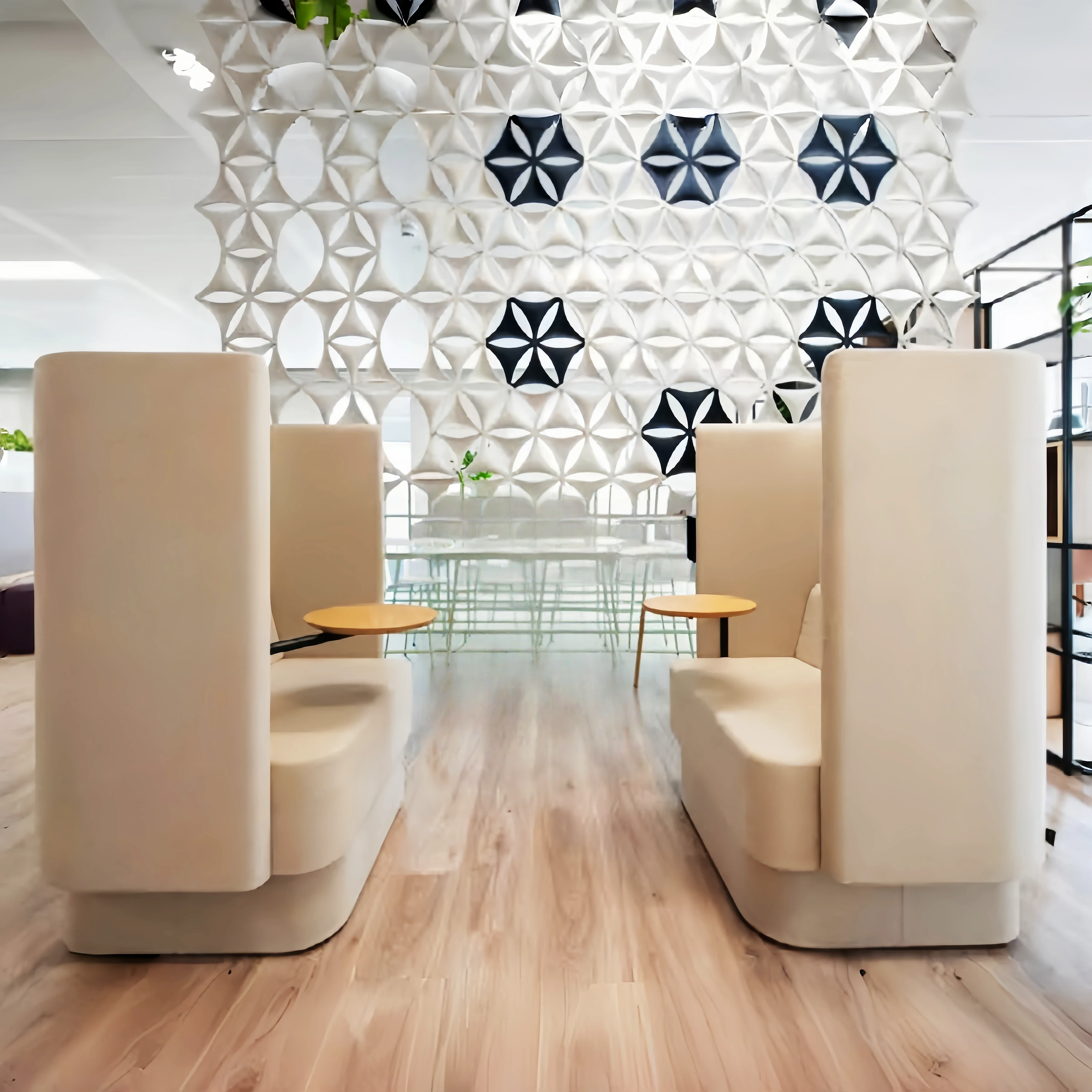

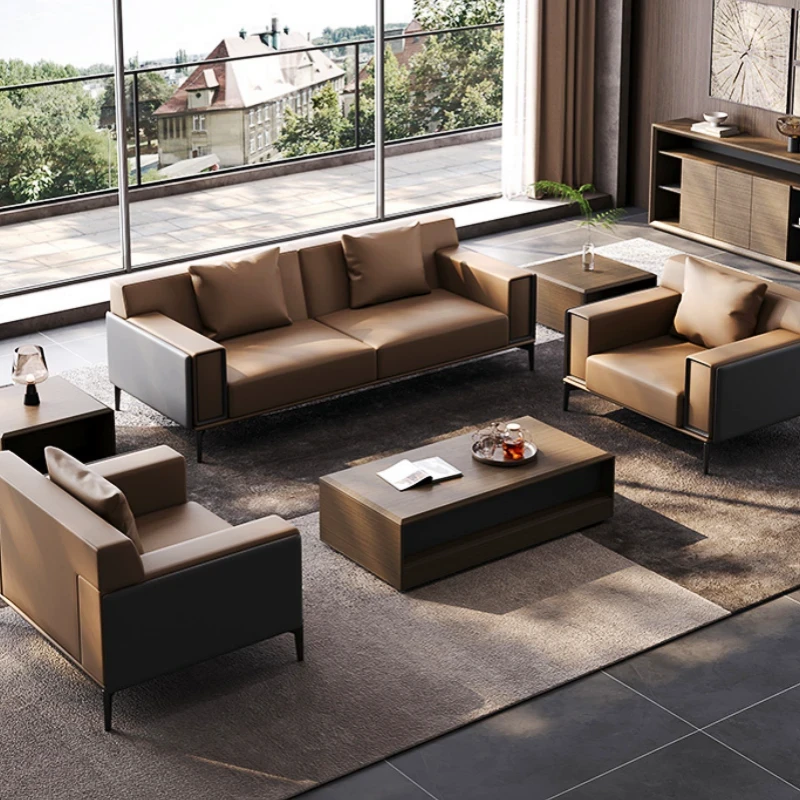
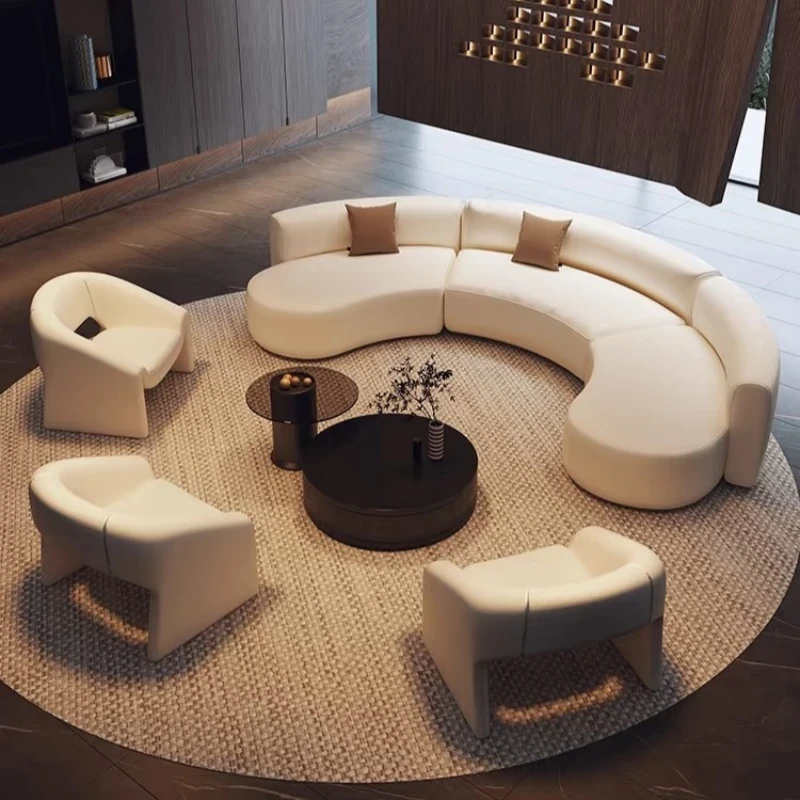
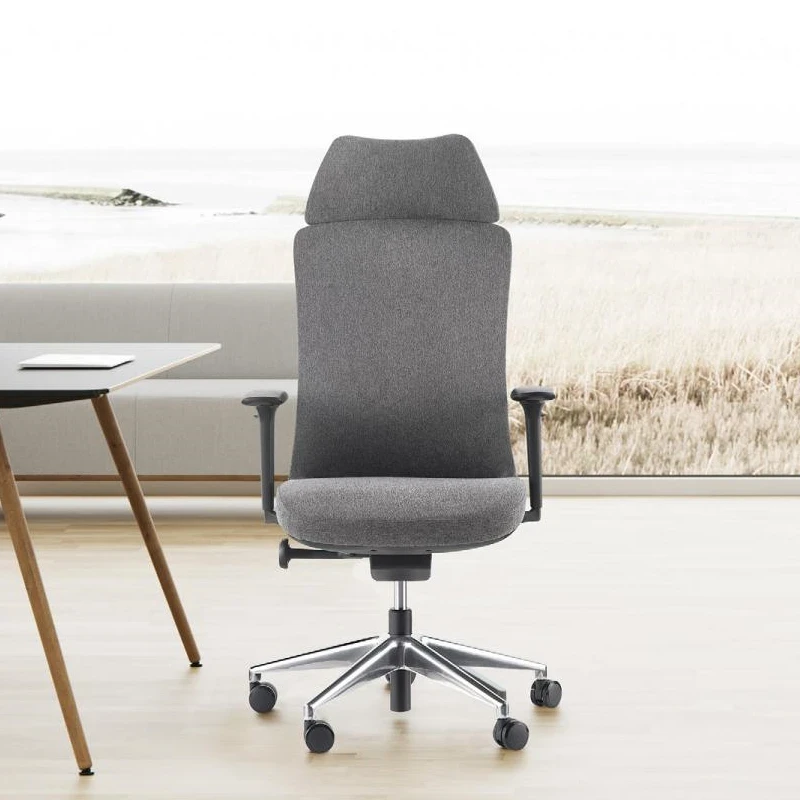


Modular Furniture.
Modular furniture offers high flexibility, allowing adjustments to suit different teaching needs and classroom activities. For example:
Movable tables and chairs: Facilitate group discussions, teamwork, or individual learning, increasing classroom interactivity.
Height-adjustable tables and chairs: Adapt to students of different ages, providing ergonomic support.
Multifunctional Learning Spaces
: Design a multifunctional area that can be used for traditional lectures, discussions, and project presentations.
Zoned Learning Environments: Through clever furniture and partition arrangements, the classroom can be divided into functional areas such as reading areas, discussion areas, and experimental areas.
II. Layouts Promoting Communication and Collaboration :
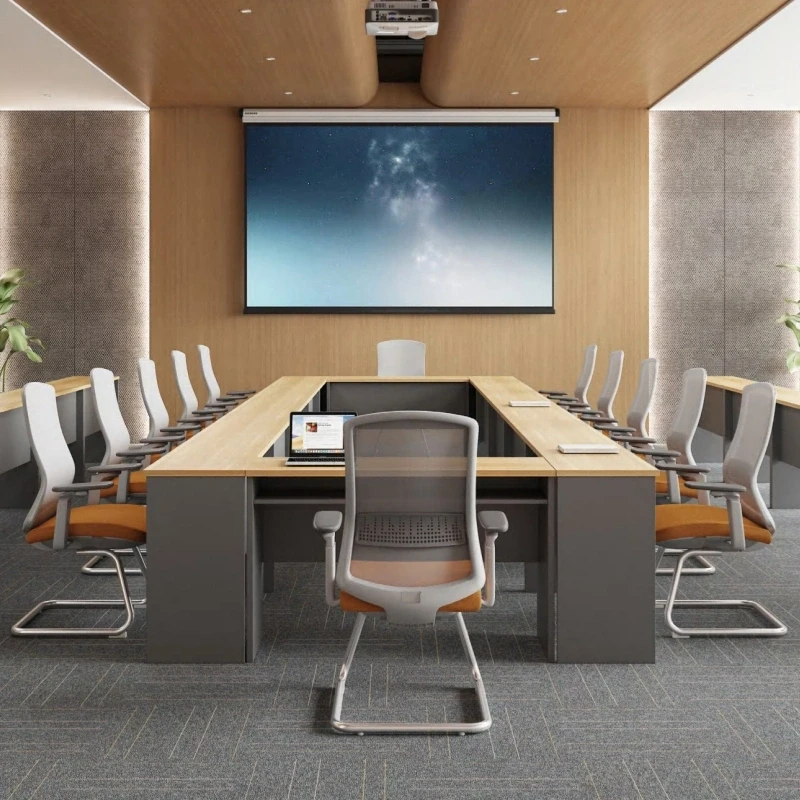
Circular or U-shaped table and chair arrangements
enhance interaction: This layout increases eye contact and communication between students, suitable for discussion and collaborative learning.
Two-way communication between teachers and students: Teachers can more easily interact and communicate with each student using this layout.
III. Improved Comfort and Concentration :
Ergonomic Design
for Comfortable Seating: Ergonomic chairs provide sufficient lumbar support, reducing student distraction due to physical discomfort.
Appropriate Desk Height: Ensure desks are at a suitable height for writing and using electronic devices, helping students maintain good posture and improve concentration.
Reasonable Lighting and Color Coordination
: Utilize natural light as much as possible to enhance classroom transparency and comfort, avoiding the use of overly strong artificial light sources.
Color Selection: Use soft colors such as light blue and light green to create a quiet environment that stimulates creativity.
IV. Technical Support and Innovative Tools:
Equipped with modern teaching tools
: Interactive whiteboards and projection equipment: Modern teaching tools adapt to the needs of multimedia teaching, increasing student participation.
Charging Stations and Electronic Device Storage Areas: Provide safe storage and charging areas for electronic devices, allowing students to easily access electronic learning tools.
By optimizing classroom furniture layout, not only can student comfort and concentration be improved, but better teaching outcomes and learning experiences can also be promoted. This flexible and creative design concept helps create an ideal learning environment that meets the needs of modern education.