
 USD
USD GBP
GBP
 EUR
EUR
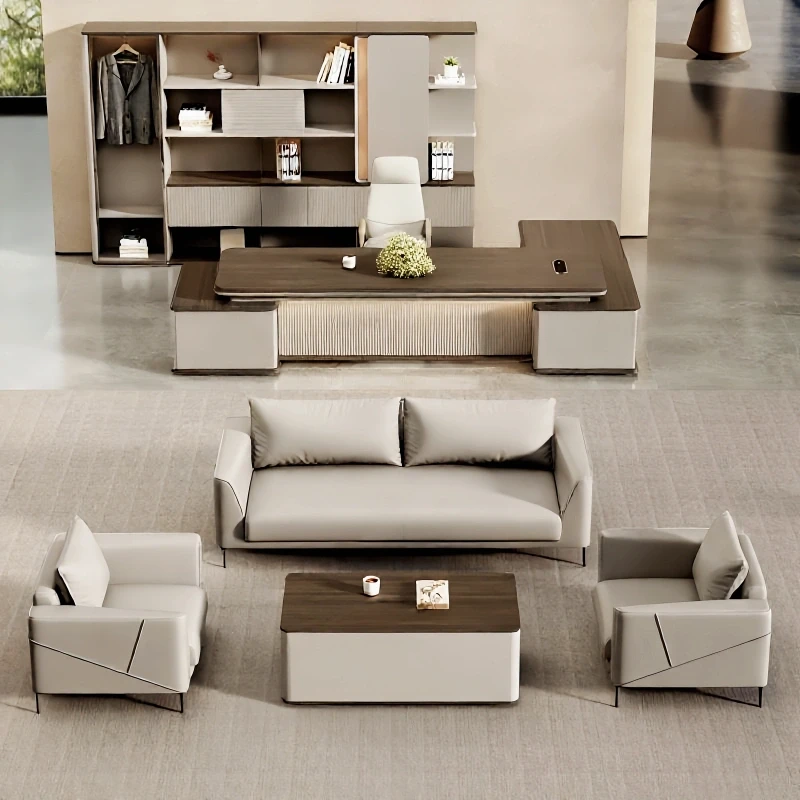
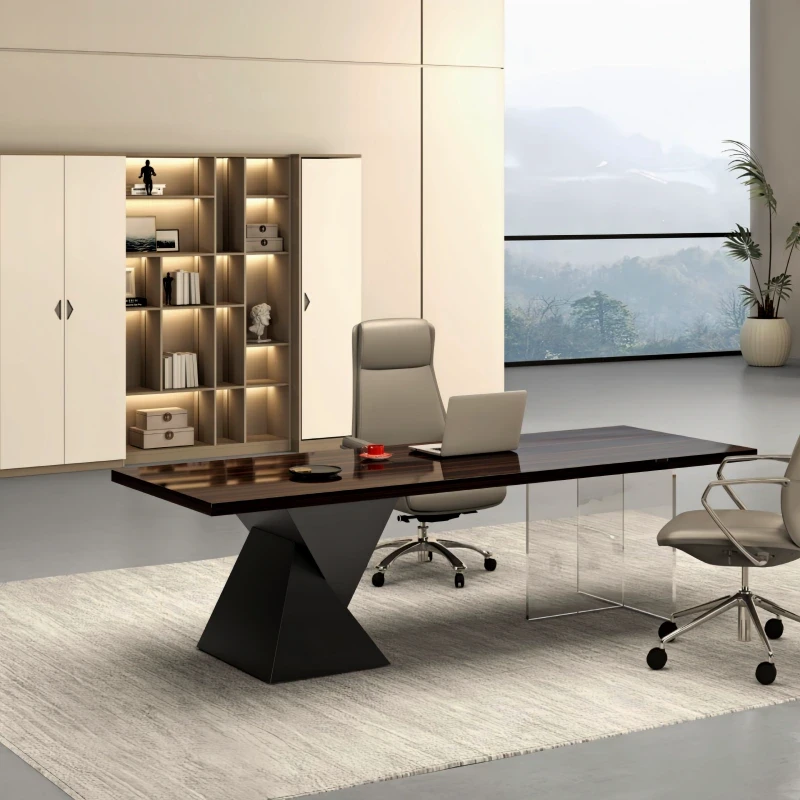


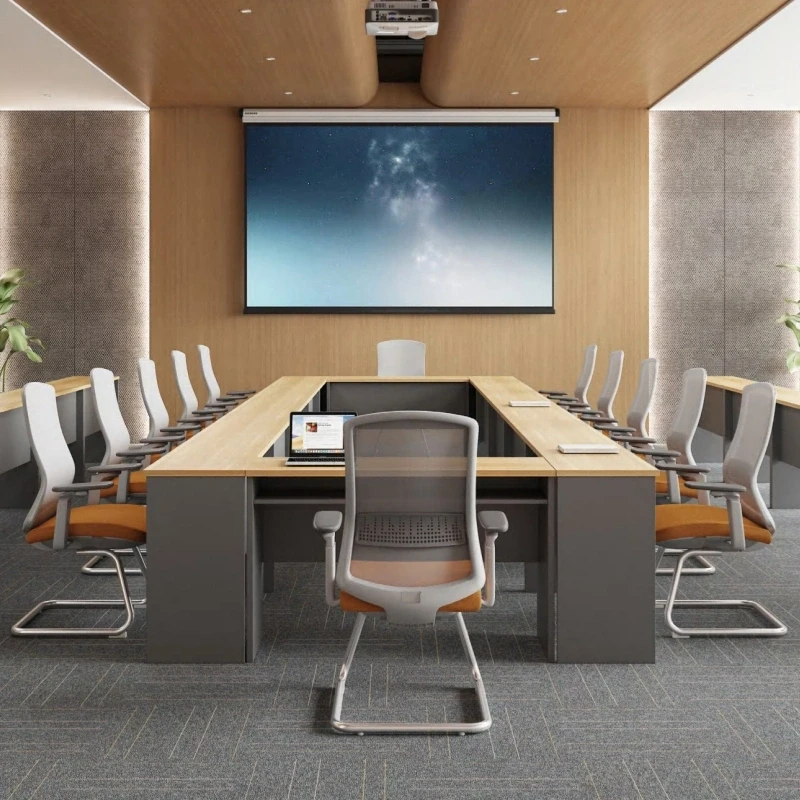
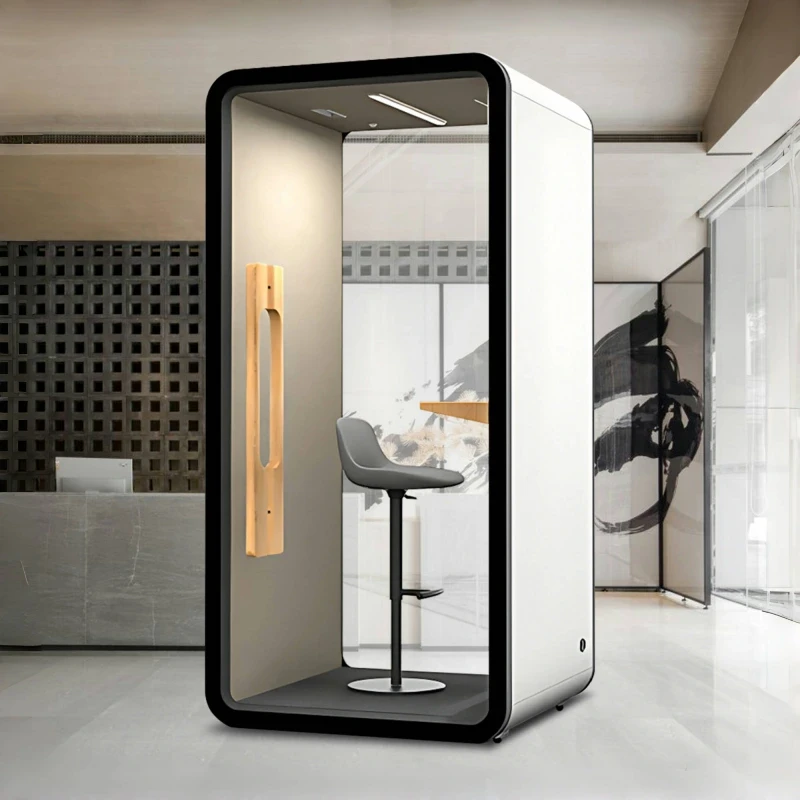
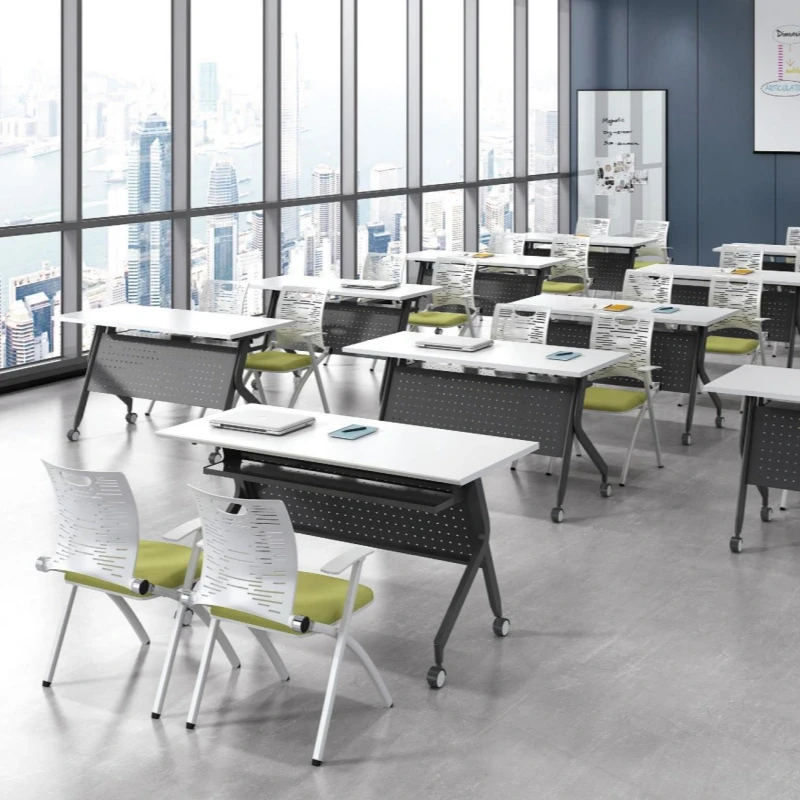
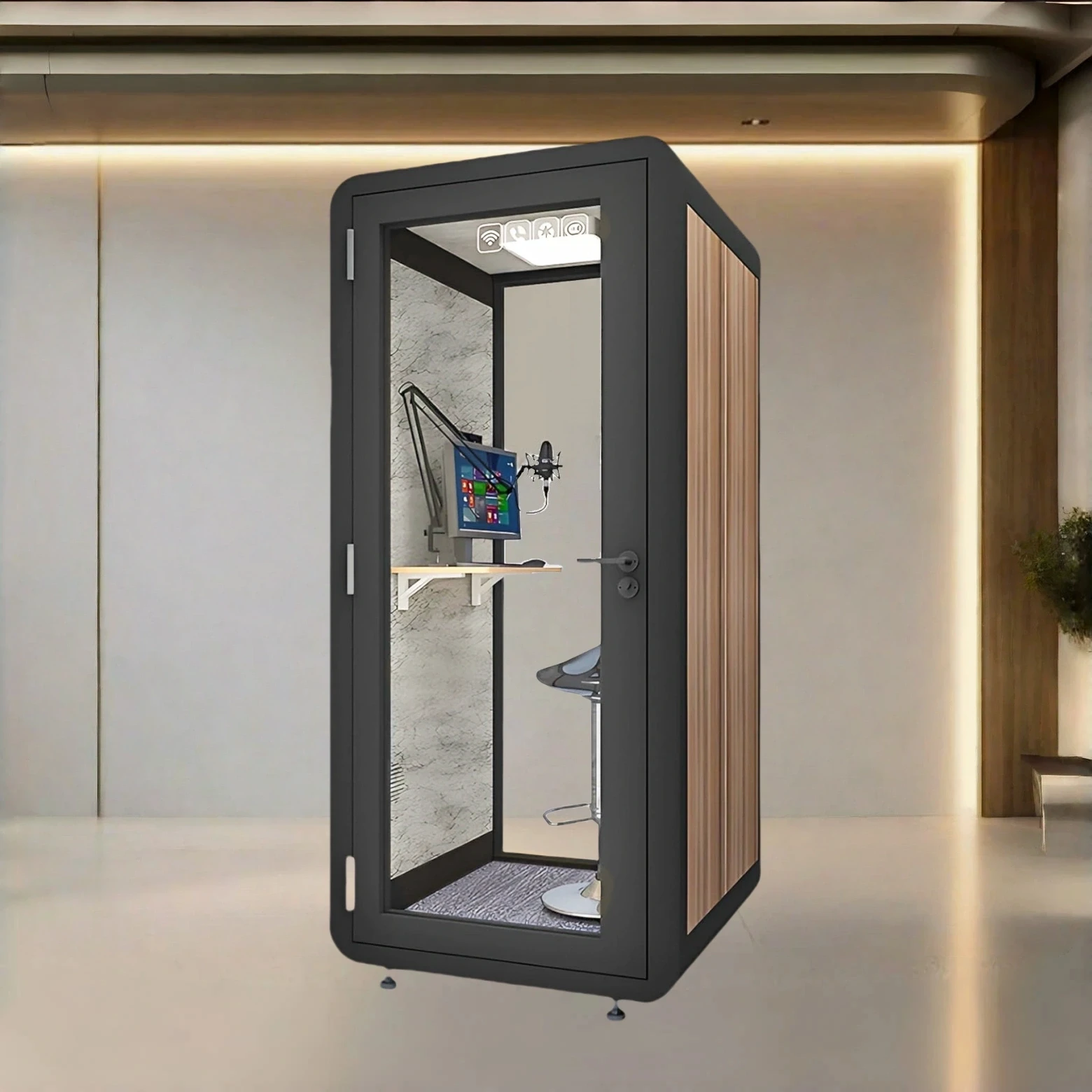
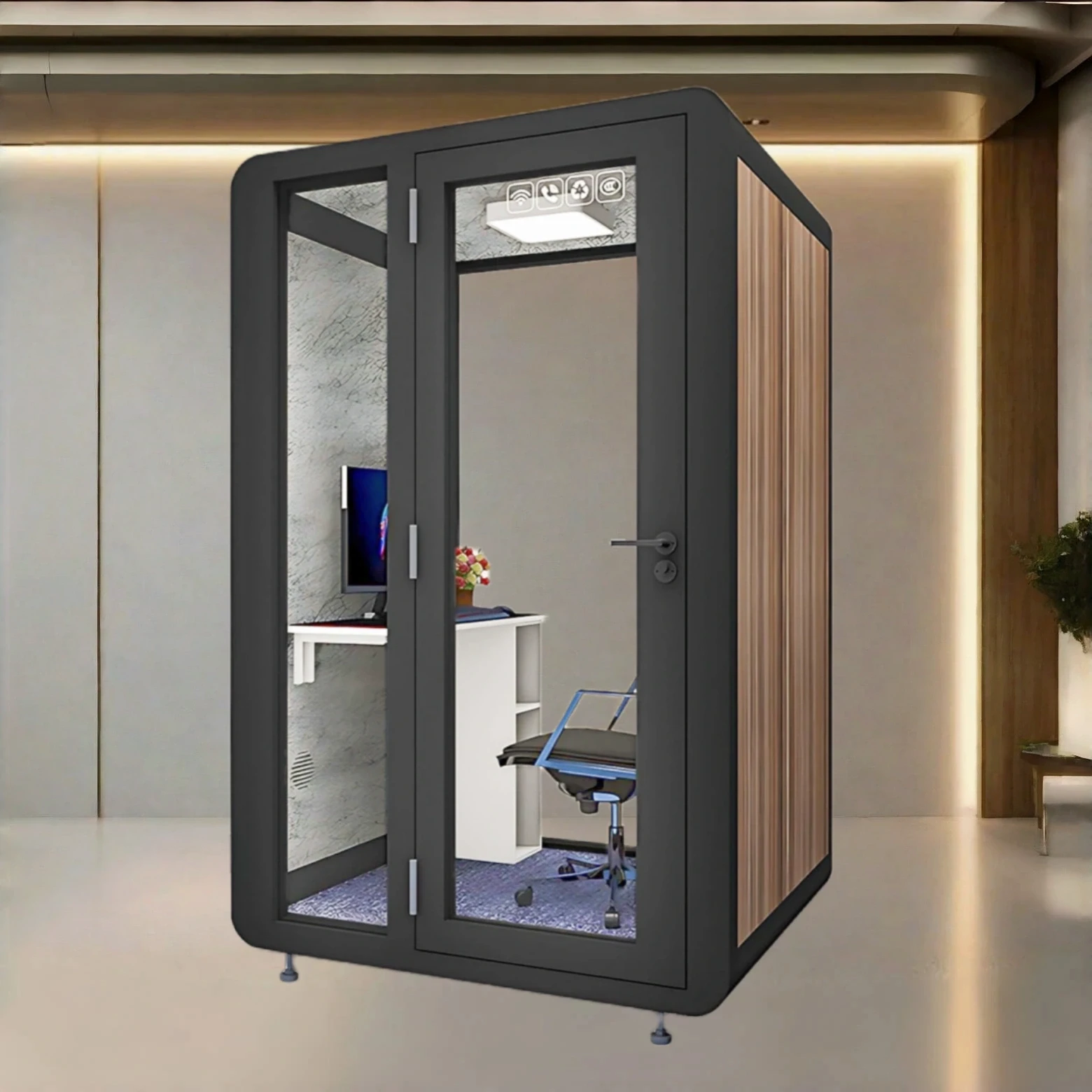
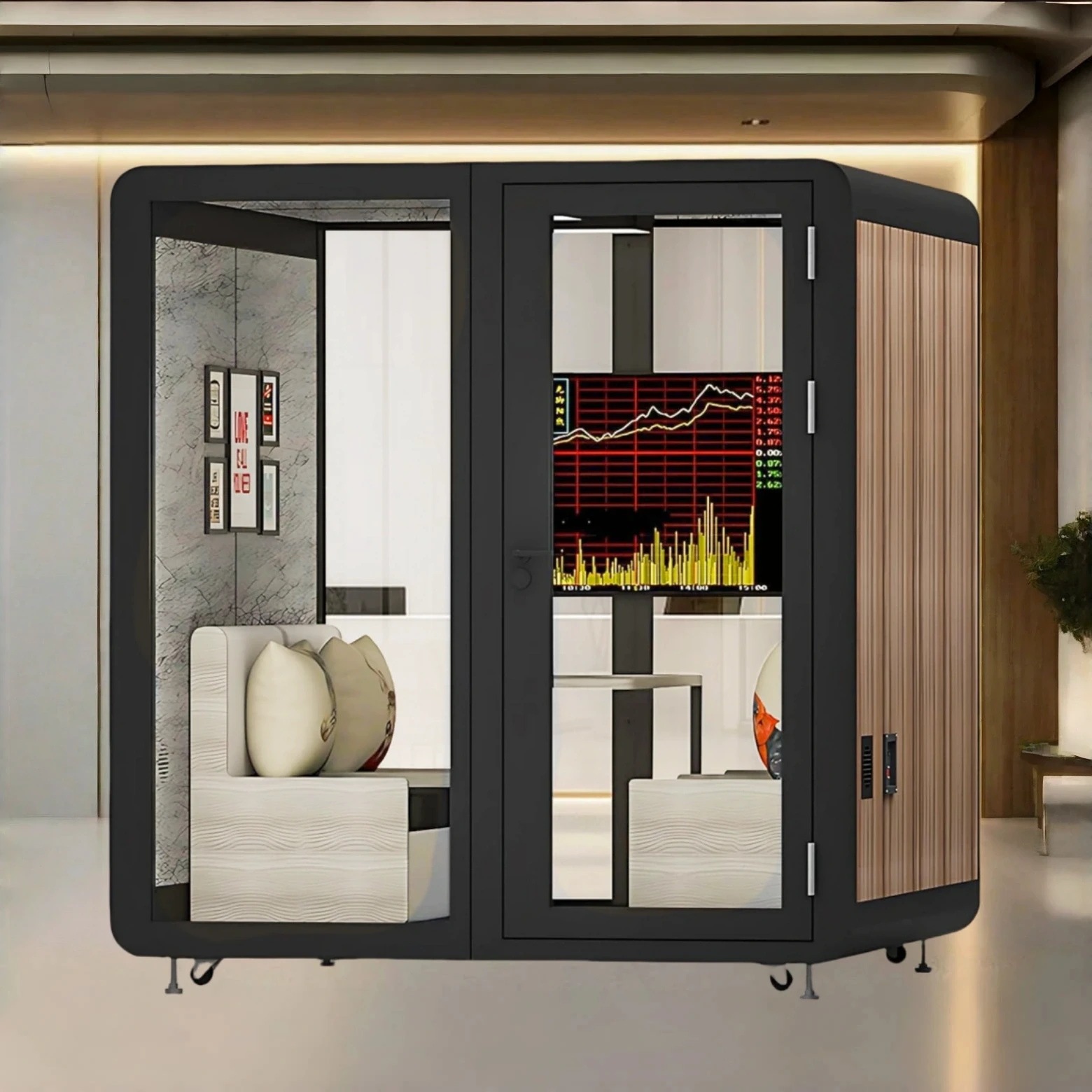
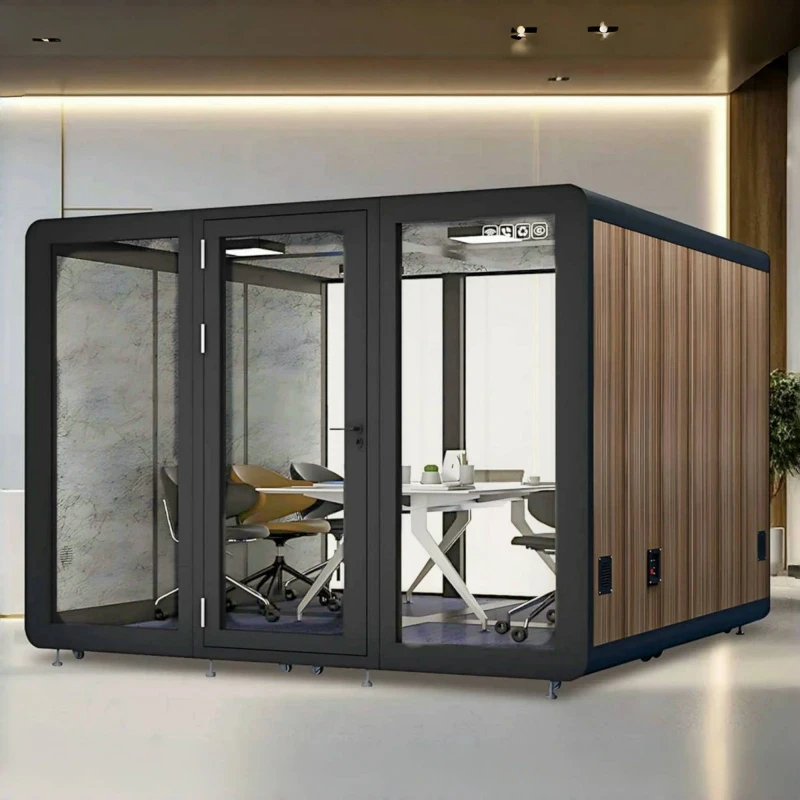
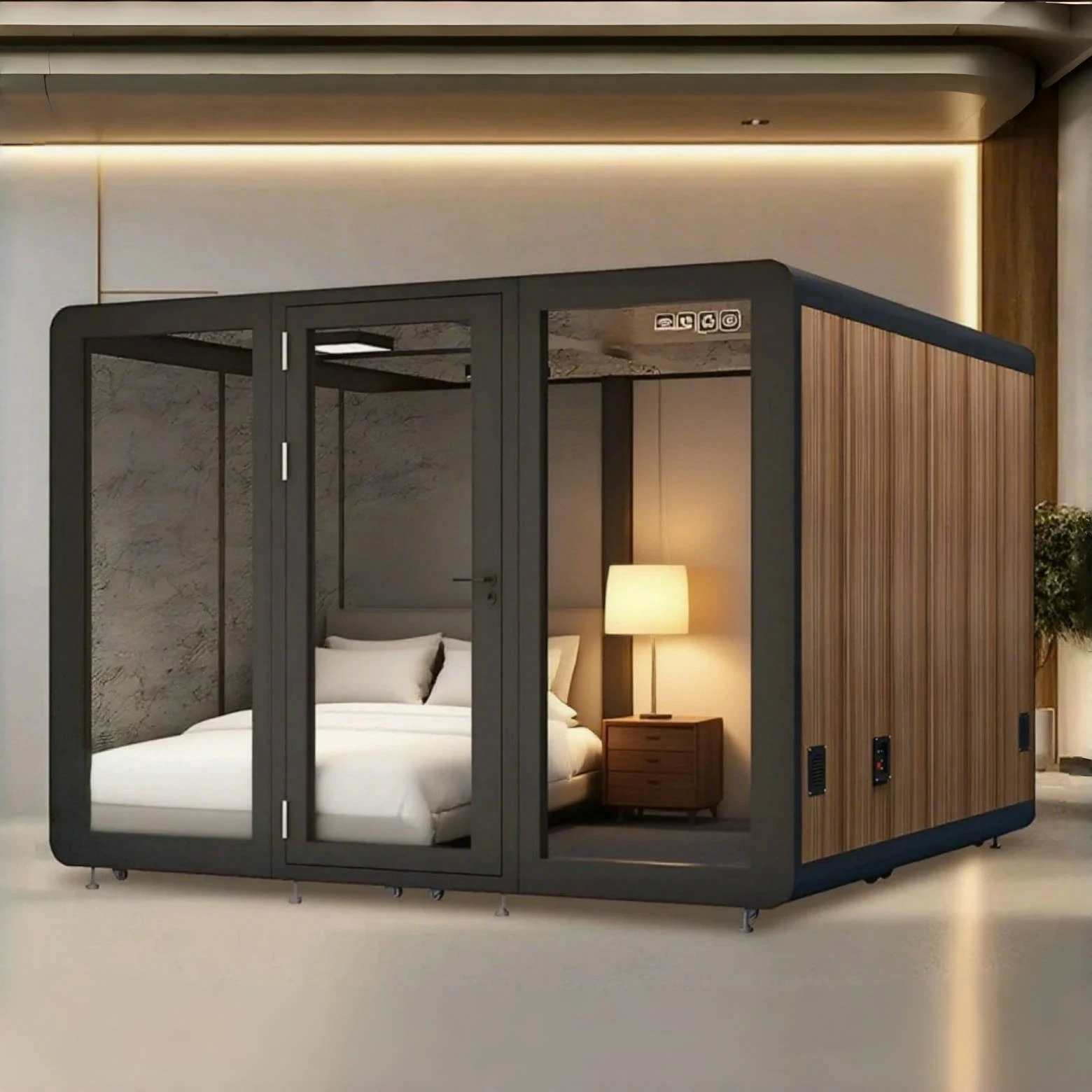




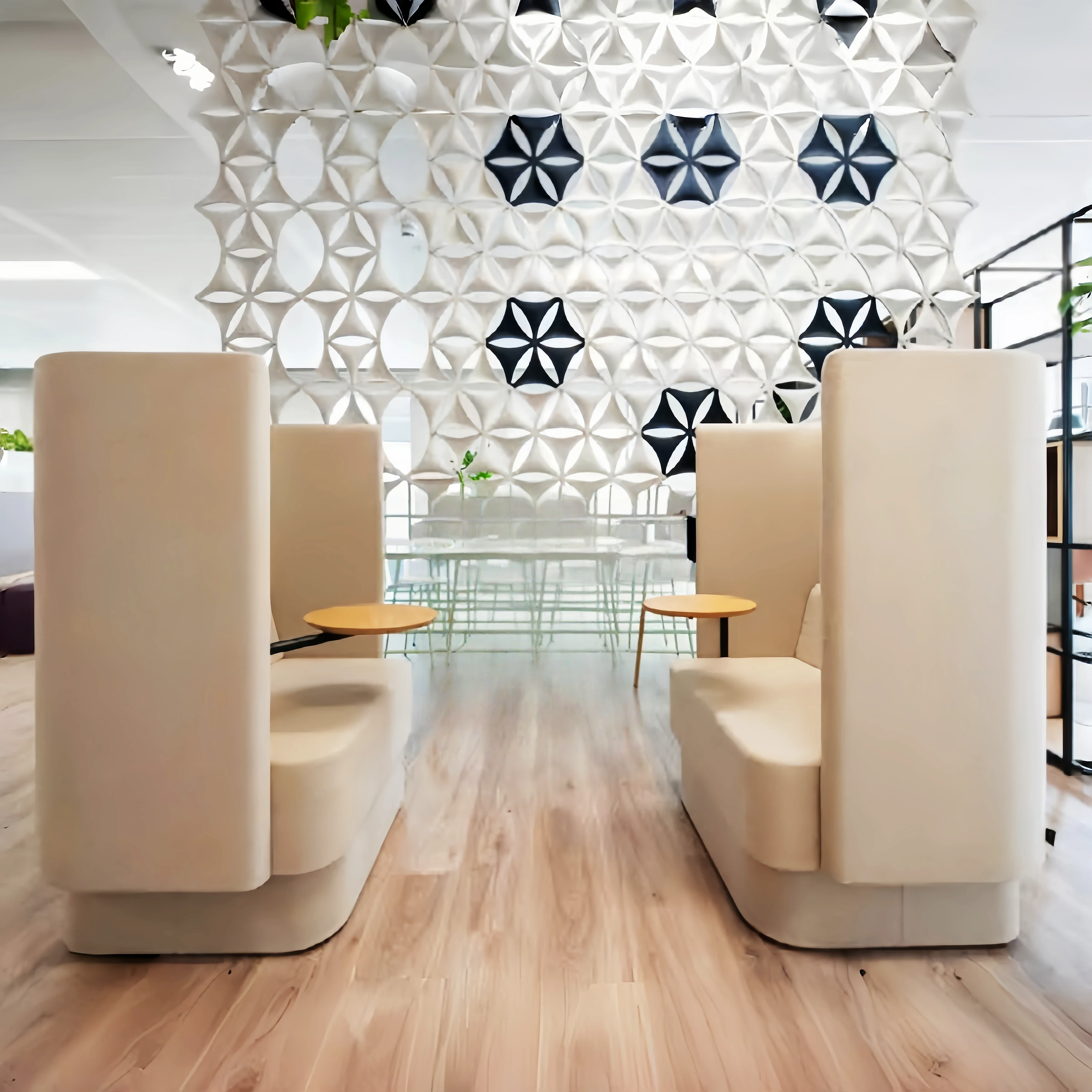

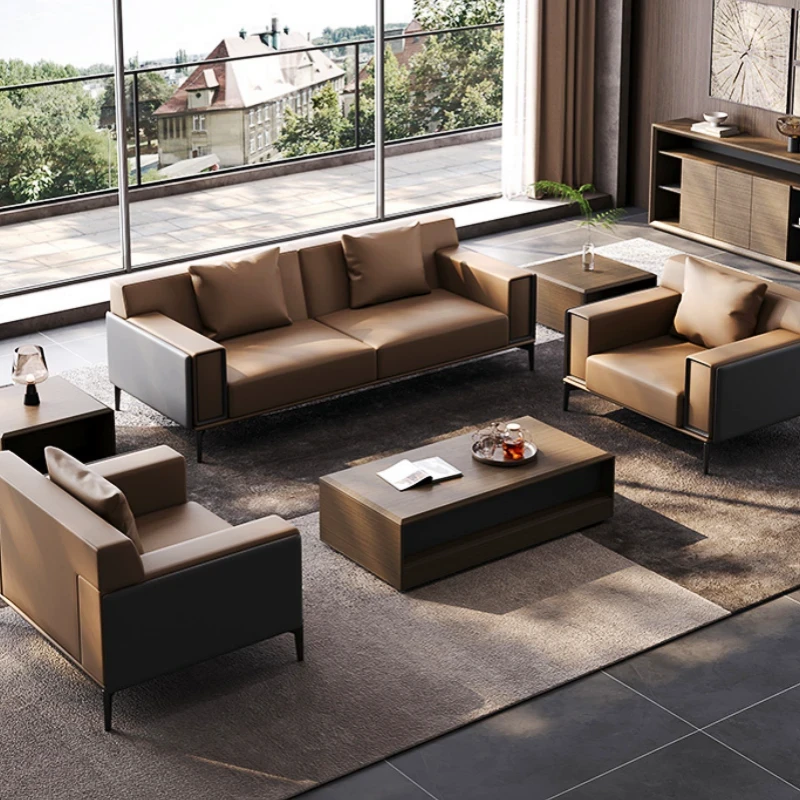
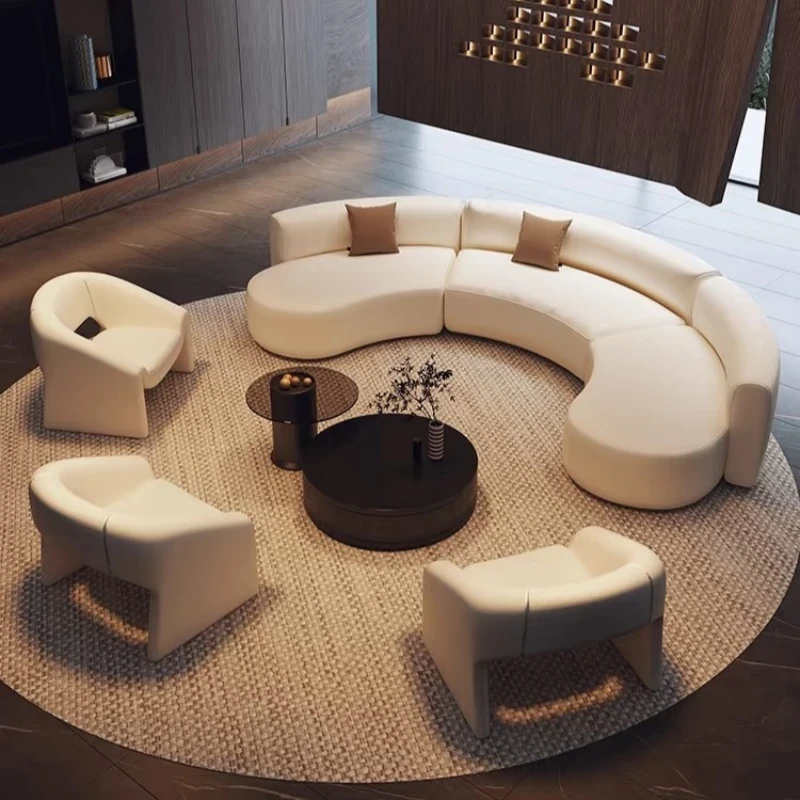
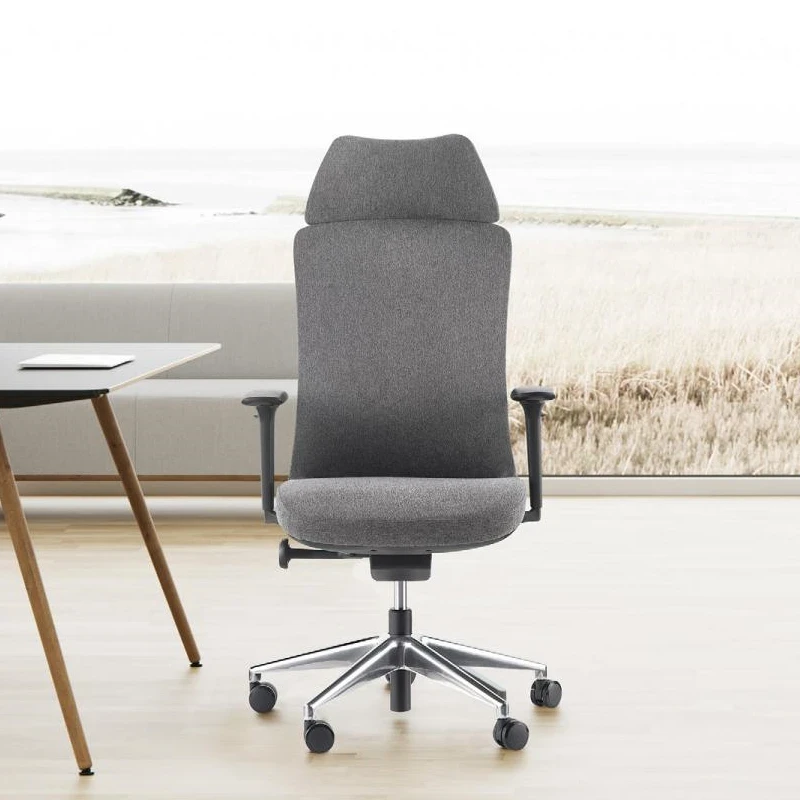


Measuring the actual office space is crucial before purchasing office furniture. Determine the room dimensions and the desired placement of the furniture to plan its specific dimensions. This avoids purchasing ill-fitting furniture, wasting space, or obstructing movement.
2. Prioritize Multifunctional Furniture
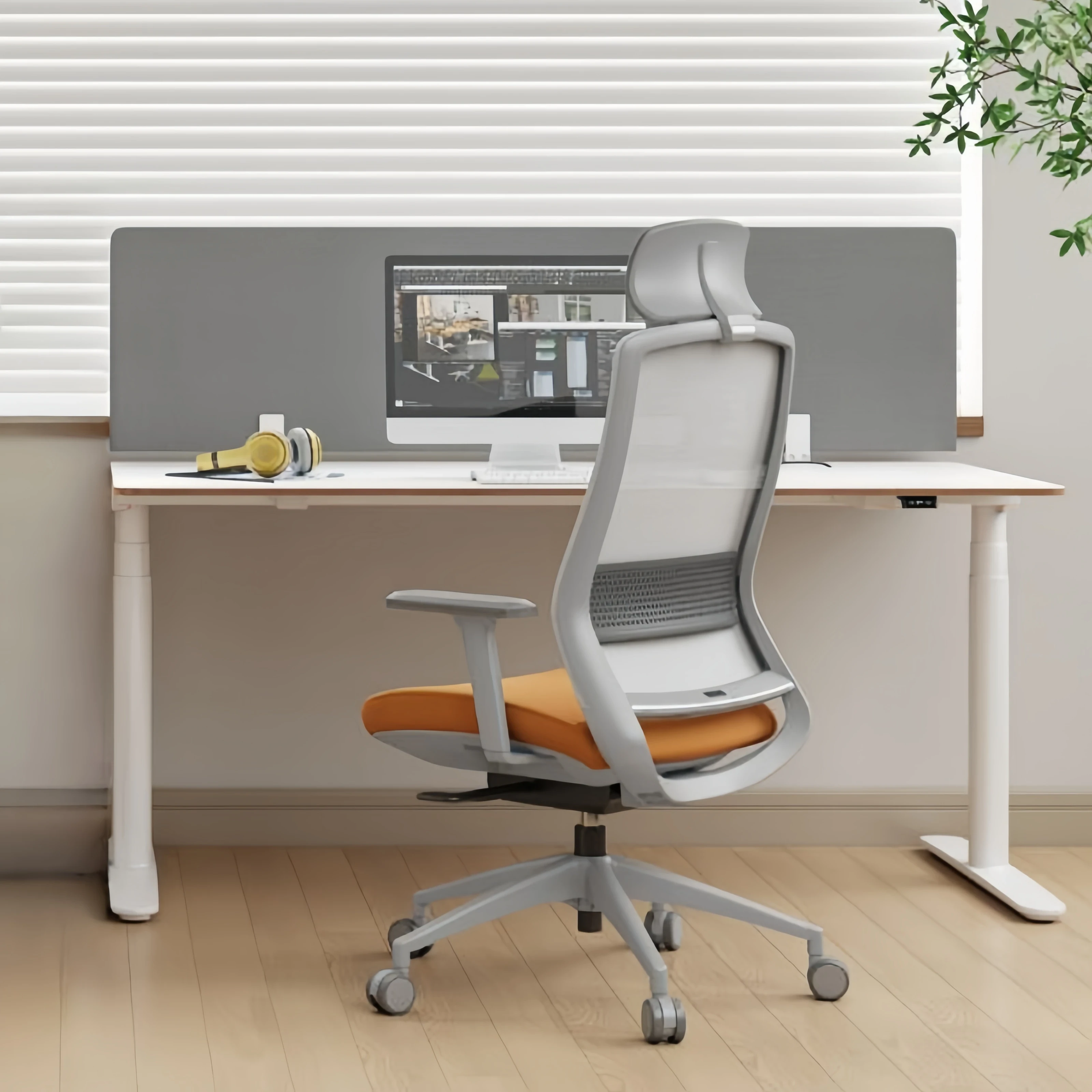
: Multifunctional furniture is ideal for small offices because it offers multiple uses in a single product. For example, foldable desks, chairs with storage, or height-adjustable tables and chairs not only save space but also improve productivity.
3. Focus on Optimized Space Design:
Choosing furniture with a simple, compact design helps maximize office space. Hanging shelves and wall-mounted filing cabinets utilize vertical space to increase storage capacity. Furthermore, choosing lightweight, easily movable furniture allows for convenient rearrangement to meet different work needs.
4. Consider Modular Furniture:
Modular furniture offers great flexibility, allowing users to adjust furniture combinations as needed. For example, modular desks allow for the addition or removal of work surfaces, making them ideal for small businesses with flexible team sizes.
5. Don't Neglect Comfort and Ergonomics:
Despite limited space, small offices shouldn't neglect the comfort and ergonomic design of their furniture. Choosing chairs that support the lower back and ergonomically designed desks helps reduce fatigue and physical injury during work, improving employee health and satisfaction.
6. Matching Materials and Style:
Select high-quality furniture materials to ensure durability. Furthermore, choosing furniture styles that match the overall office style and brand image can enhance the office's professionalism and cohesion.
7. Budget Management:
Finally, it's crucial to manage your budget wisely. High-quality, multifunctional furniture may mean a higher initial investment, but its durability and functionality often bring long-term economic benefits. Plan your budget reasonably and choose cost-effective products.
Conclusion:
By following these principles, you can find the optimal configuration of multifunctional furniture for small offices, not only improving space utilization but also enhancing work comfort and efficiency. Working in such an environment can significantly boost employee morale and productivity, thereby creating more value for the company.