
 USD
USD GBP
GBP
 EUR
EUR
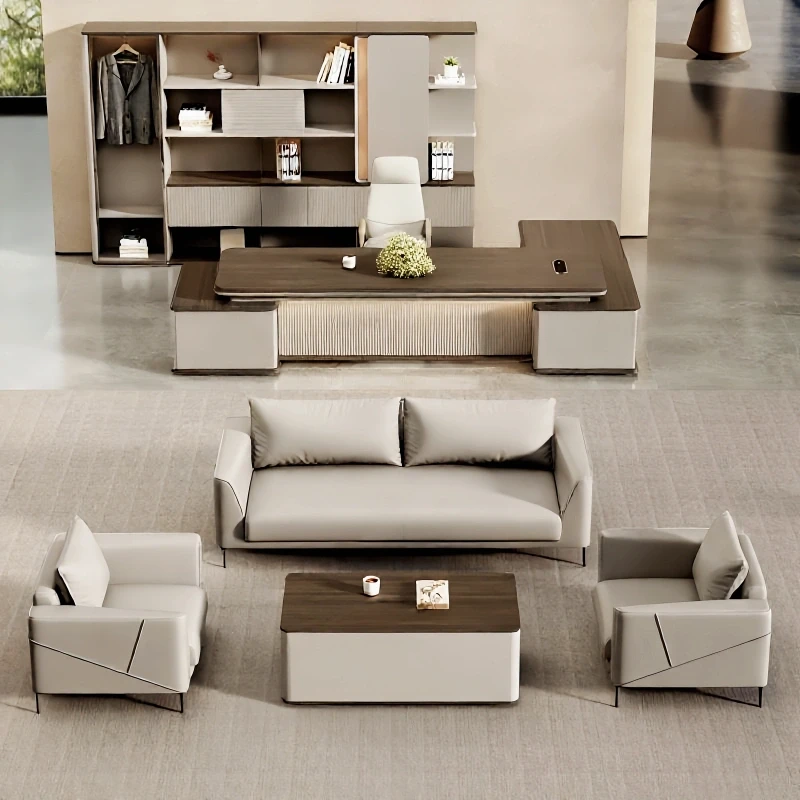
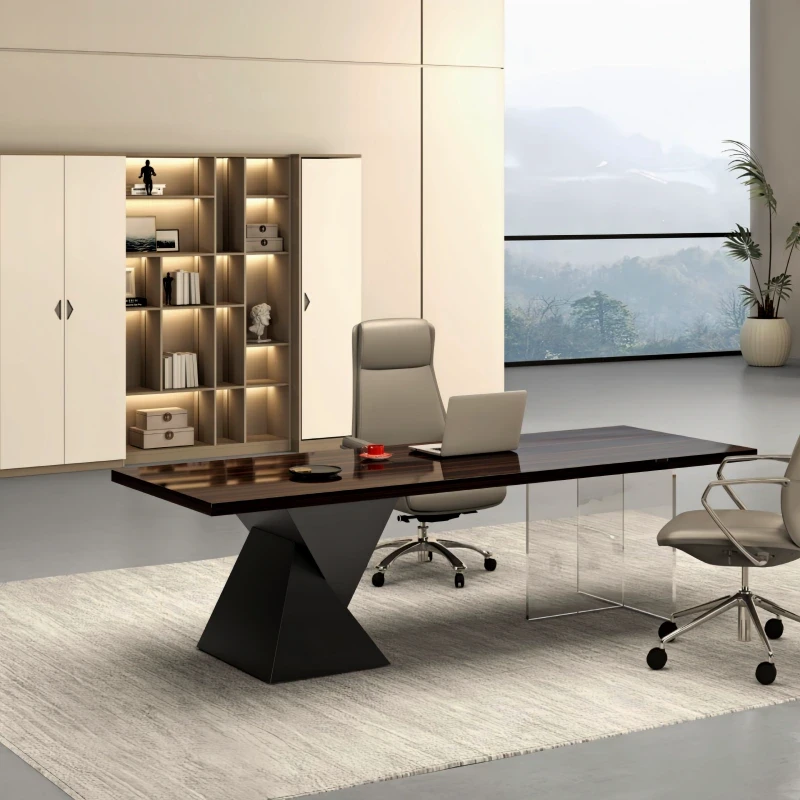


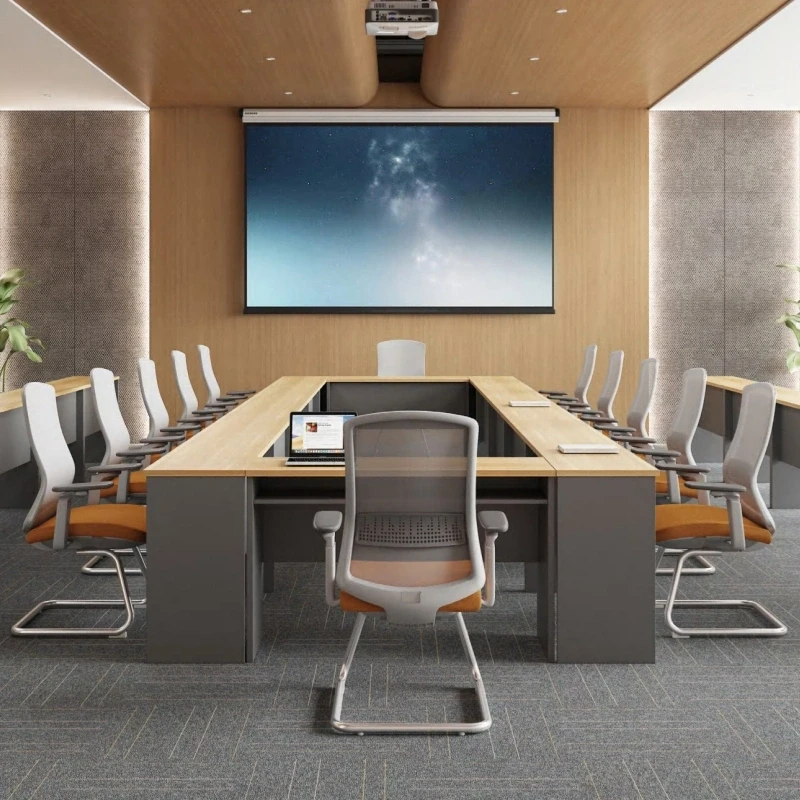
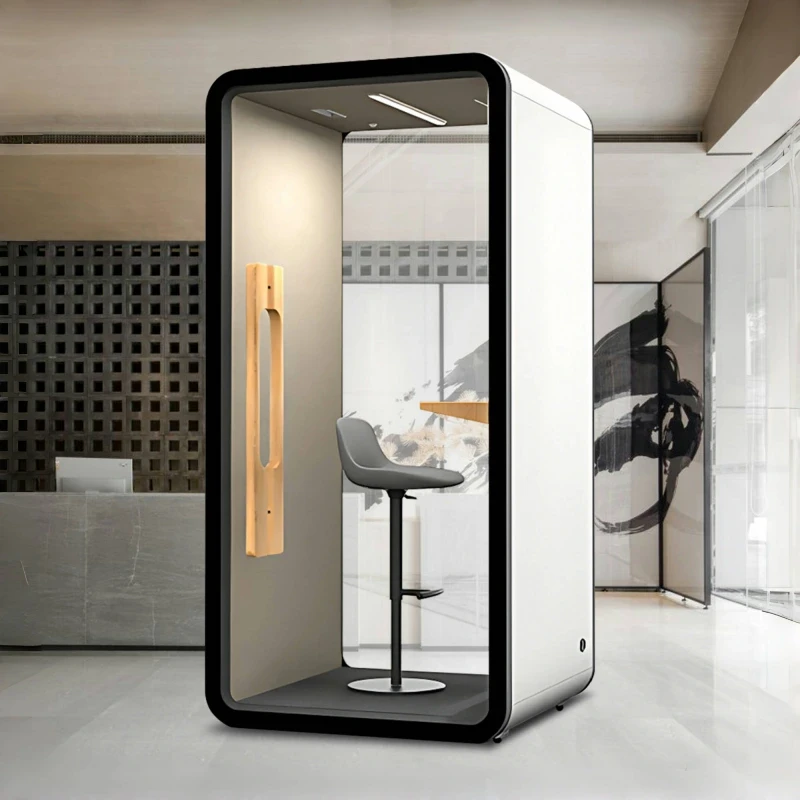
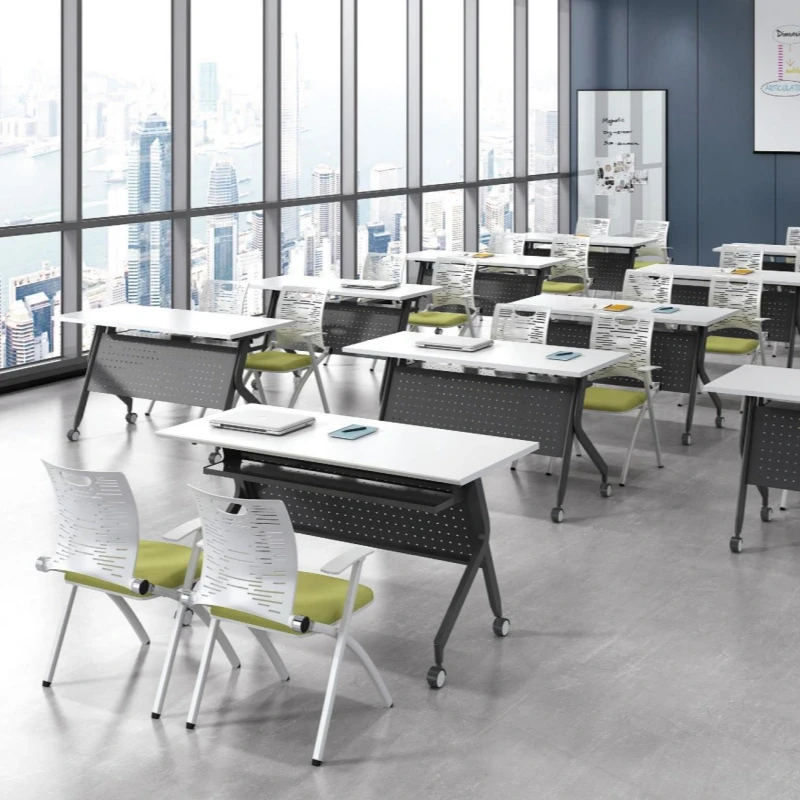
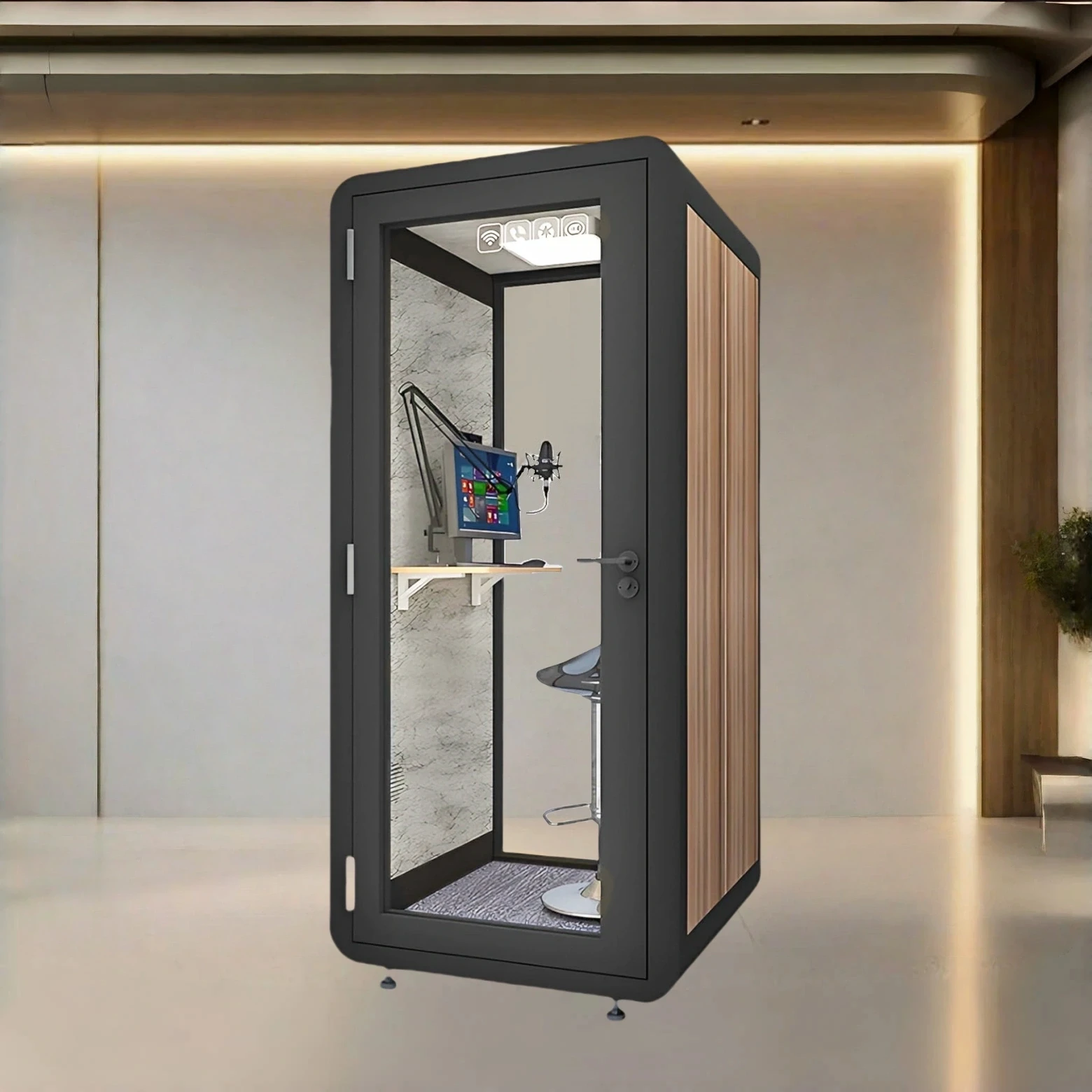
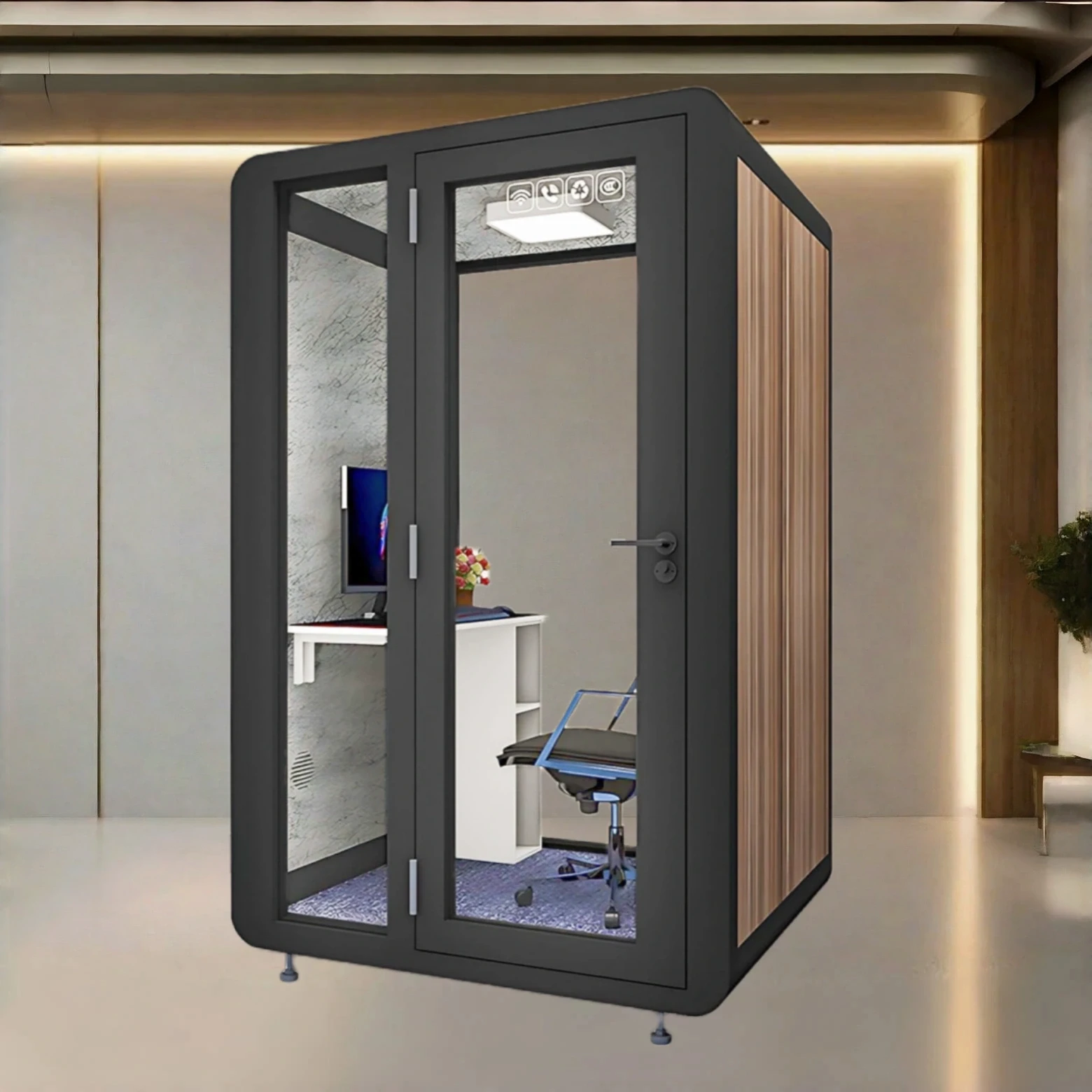
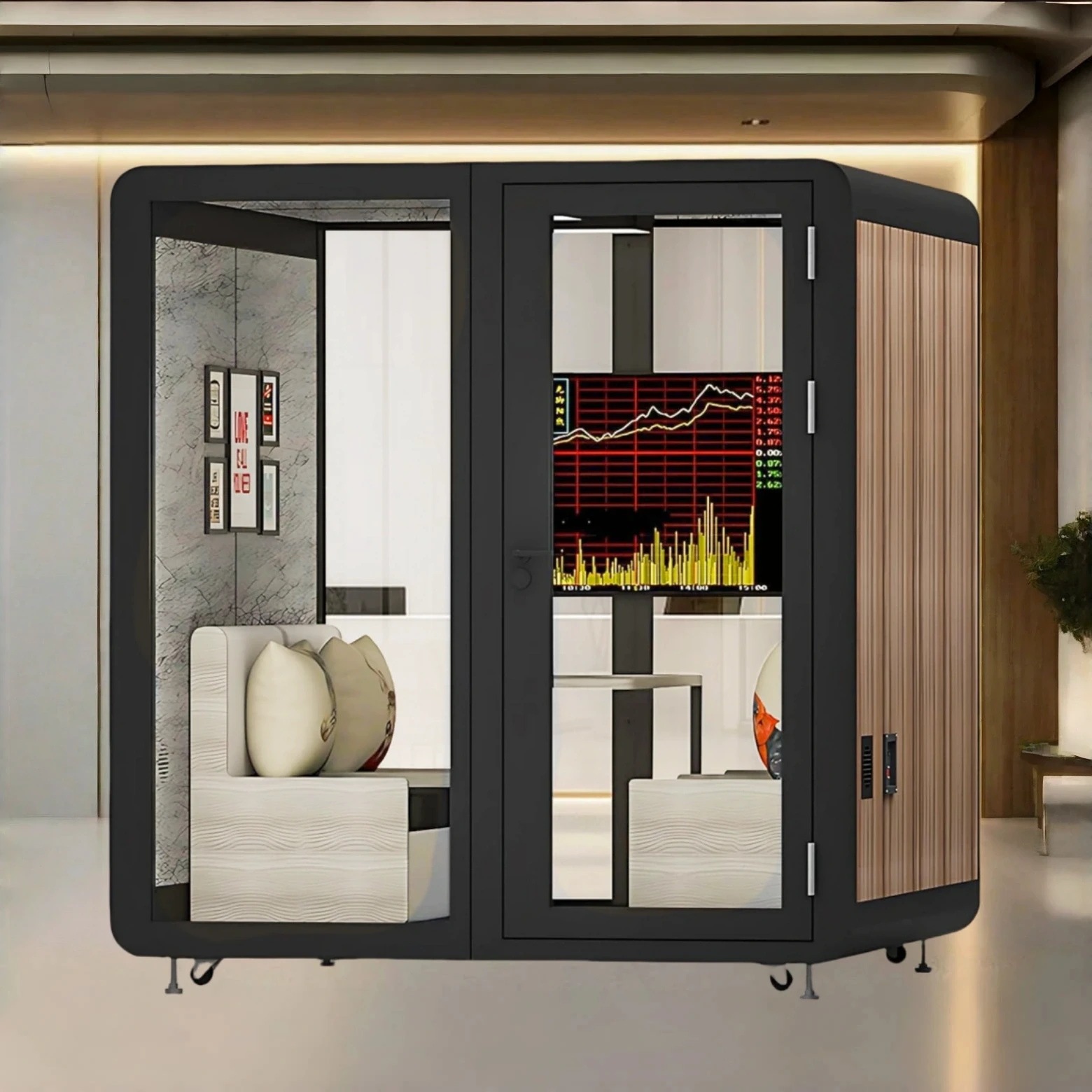
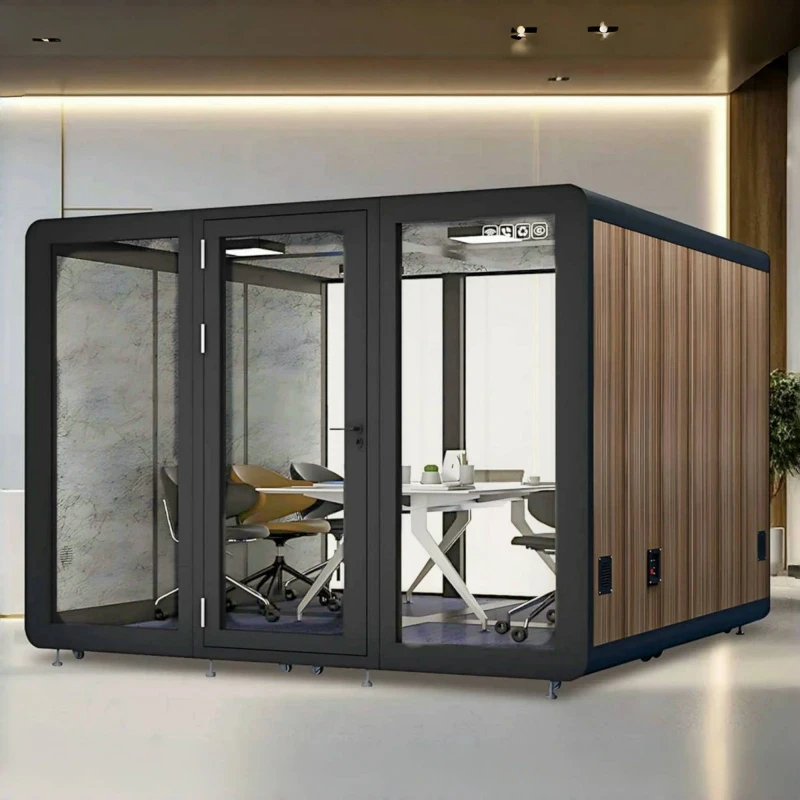



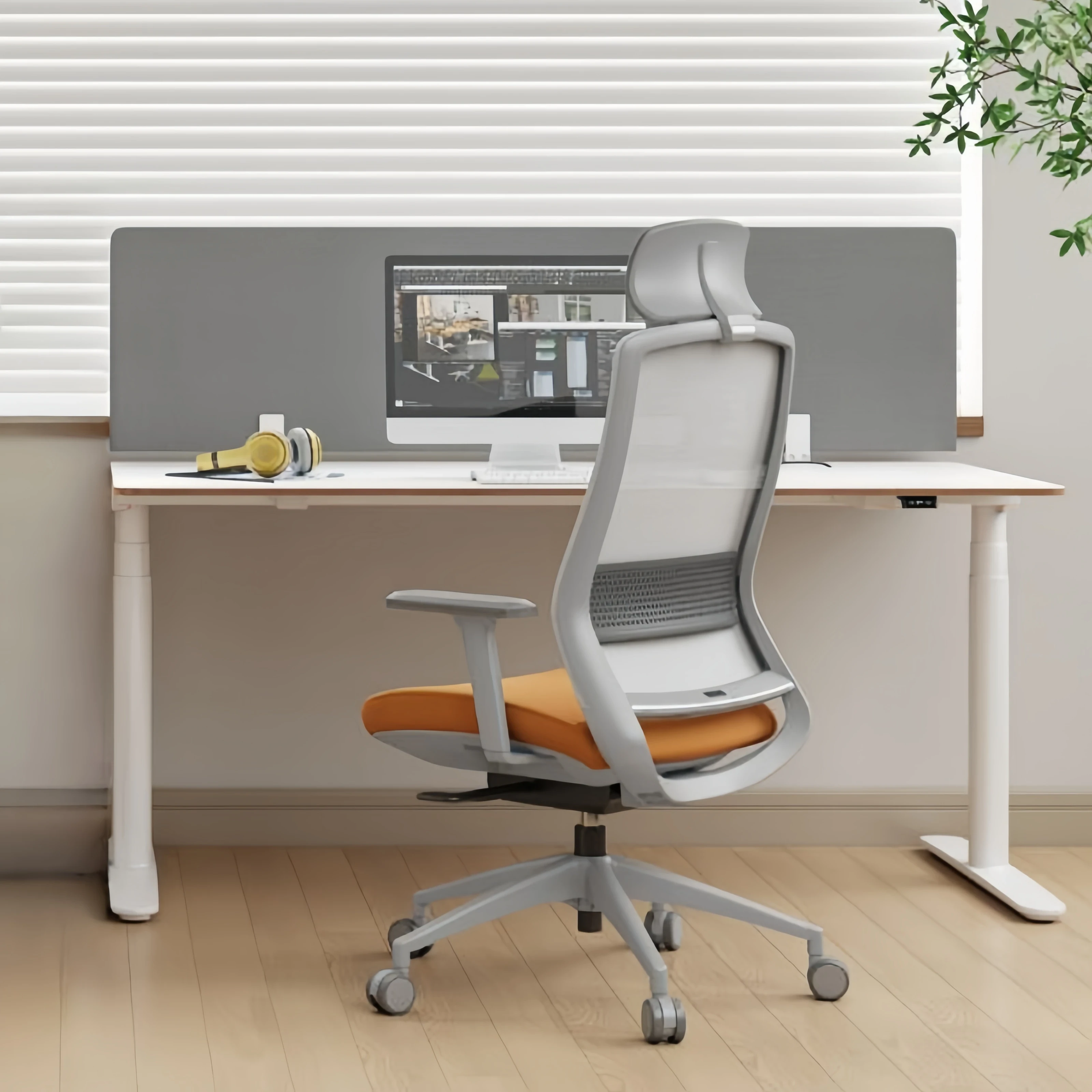




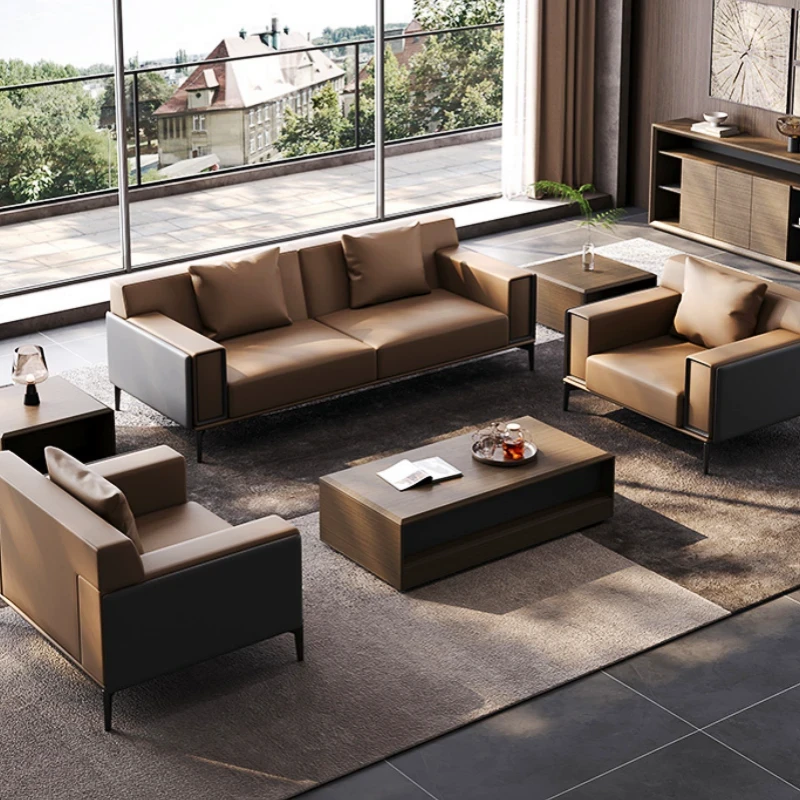
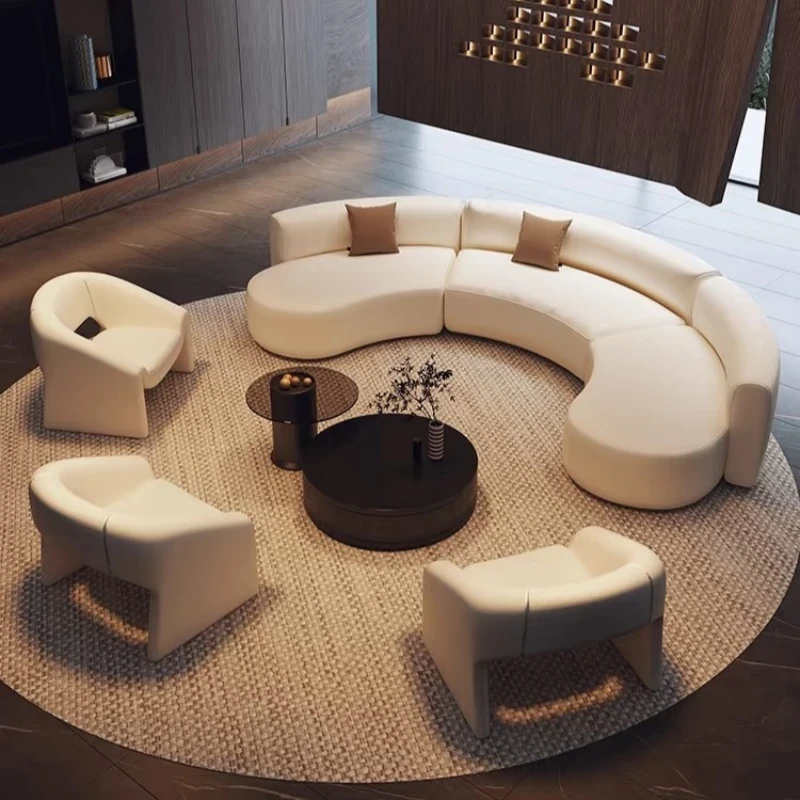


Before selecting a furniture supplier, it's crucial to clarify the school's specific needs. This includes:
Usage Scenarios: Different locations such as classrooms, laboratories, libraries, offices, and rest areas have varying requirements for furniture functionality and design.
Furniture Types: Various types of furniture are available, including tables and chairs, storage cabinets, podiums, bookshelves, and movable furniture.
Quantity and Specifications: Determine the required quantity and dimensions of furniture based on the school's size and student population.
Budget Range: A clear procurement budget helps in effective selection of suppliers.
II. Evaluate the Supplier's Qualifications and Reputation
1. Company Qualifications
When selecting a furniture supplier, first check their relevant qualifications and certifications. These typically include:
Business License: Ensuring the supplier has legal operating qualifications.
Industry Certifications: Such as ISO quality management system certification and environmental certification, reflecting the supplier's standards in quality management and environmental protection.
Product Certifications: Such as furniture safety standard certification, ensuring products meet relevant safety and quality requirements.
2. Industry Reputation
The supplier's market reputation is an important indicator of their reliability. You can learn about a supplier's reputation through the following channels:
Customer Reviews and Feedback: Review procurement reviews from other schools or institutions to understand their satisfaction with the supplier.
Success Stories: Understand the manufacturer's past project experience, especially cases of cooperation with schools of similar size and needs.
Reputation Recommendations: Obtain genuine evaluations of the manufacturer through recommendations from peers or industry professionals.
III. Product Quality and Design
1. Material Selection
High-quality furniture uses premium materials, ensuring not only durability and safety but also improved user comfort. Commonly used materials for school furniture include:
Solid wood: environmentally friendly and durable, but more expensive.
Panel materials: such as particleboard and medium-density fiberboard, cost-effective and suitable for large-scale purchases.
Metal frames: enhance the stability and load-bearing capacity of the furniture, suitable for frequently used furniture such as classroom desks and chairs.
2. Design and Ergonomics
Furniture design should conform to ergonomic principles to ensure the comfort and health of students and teachers during use. For example:
Adjustable desk and chair height: adapts to the height of students of different ages, promoting correct posture.
Reasonable support structure: reduces fatigue and discomfort caused by prolonged use.
3. Environmental Protection and Safety
Schools are important places for students' growth, making the environmental protection and safety of furniture particularly important. Choosing furniture made of environmentally friendly materials and with non-toxic coatings ensures indoor air quality and student health. Meanwhile, furniture design should avoid sharp edges and corners to ensure safety during use.
IV. Customization Services and Flexibility
1. Customization Capability
Each school's needs may differ, therefore, the customization capability of furniture manufacturers is particularly important. Customization services include:
Style Design: Designing furniture that meets the school's overall decoration style and functional requirements.
Functional Configuration: Such as foldable tables and chairs, chairs with storage functions, etc., to meet the usage needs of different scenarios.
Size Customization: Customizing suitable furniture sizes according to the specific dimensions of classrooms or office spaces to optimize space utilization.
2. Production Flexibility
Manufacturers should have flexible production capabilities, able to adjust production plans promptly according to the school's urgent needs or changes, ensuring on-time delivery.
V. After-Sales Service and Guarantee
1. After-Sales Service System
A comprehensive after-sales service system is one of the key factors in choosing a furniture manufacturer. High-quality after-sales service includes:
Warranty Policy: Clear warranty period and scope, ensuring that problems encountered by the school during use can be resolved promptly.
Repair and Replacement: Rapidly responding repair services and convenient replacement processes, reducing inconvenience caused by furniture problems.
Technical Support: Provide installation guidance, user training, and other technical support to ensure the correct use and maintenance of the furniture.
2. Delivery and Installation
: Furniture delivery and installation are crucial parts of the entire procurement process. Excellent manufacturers typically have well-established logistics and installation teams to ensure timely, safe, and correct delivery and installation.
VI. Price and Cost-Effectiveness
1. Price Transparency:
When selecting a furniture supplier, request a detailed quotation to ensure all costs are transparent and clear, avoiding hidden costs.
2. Cost-Effectiveness Assessment:
In addition to price, consider the furniture's quality, design, and service to assess its overall cost-effectiveness. High-quality, cost-effective furniture offers a more competitive price while maintaining quality and functionality.
VII. On-Site Inspection and Experience
1. On
-Site Inspection: Visit the manufacturer's showroom or production base to personally experience the furniture's quality and design details. Observe the furniture's workmanship, materials, and functions to ensure it meets the school's actual needs.
2. Obtaining Samples:
Request samples from the manufacturer for actual use testing to evaluate its comfort, durability, and functionality. Sample testing provides a more intuitive understanding of the furniture's actual performance.
3. Refer to Case Studies
: Refer to the manufacturer's successful case studies to understand their performance and customer satisfaction in similar school projects, and obtain valuable reference information.
VIII. Summary and Decision-Making:
Selecting the most suitable furniture supplier for a school's needs is a systematic and meticulous process. Schools should comprehensively evaluate furniture suppliers from multiple dimensions, including clarifying needs, assessing the manufacturer's qualifications and reputation, examining product quality and design, considering customized services and flexibility, emphasizing after-sales service and guarantees, evaluating price and cost-effectiveness, and finally conducting on-site visits and experiences. Through scientific and reasonable selection, schools can purchase high-quality furniture that meets their needs, improve the quality and functionality of the educational environment, and enhance the learning and working experience of students and teachers.