
 USD
USD GBP
GBP
 EUR
EUR
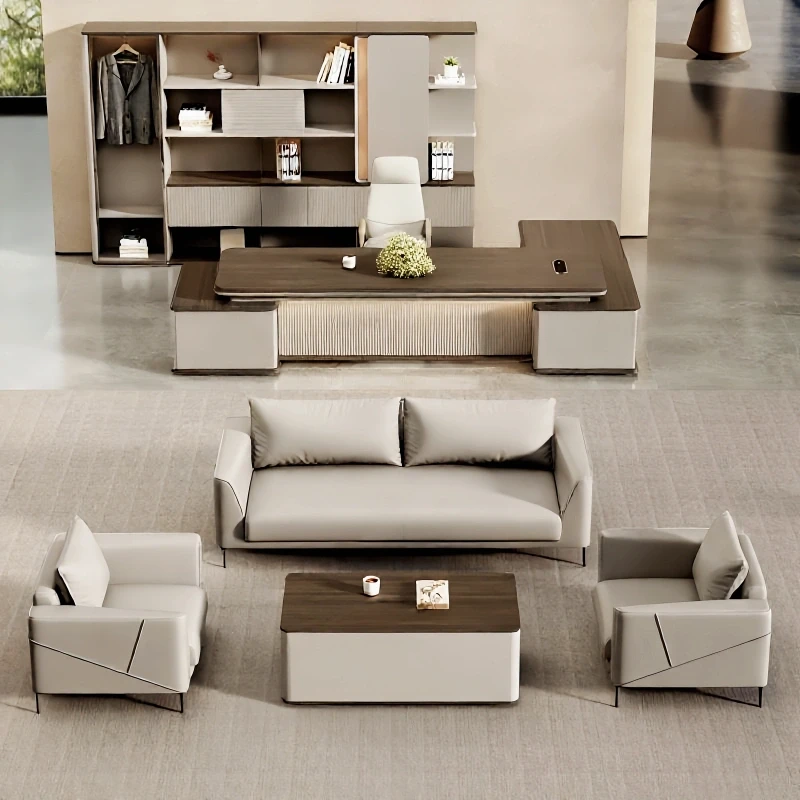
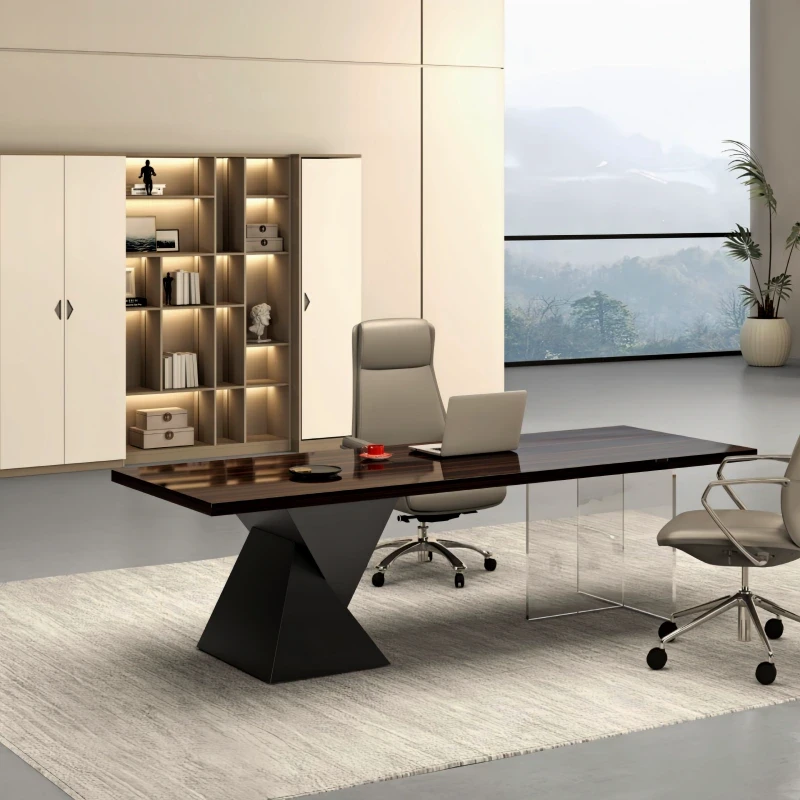


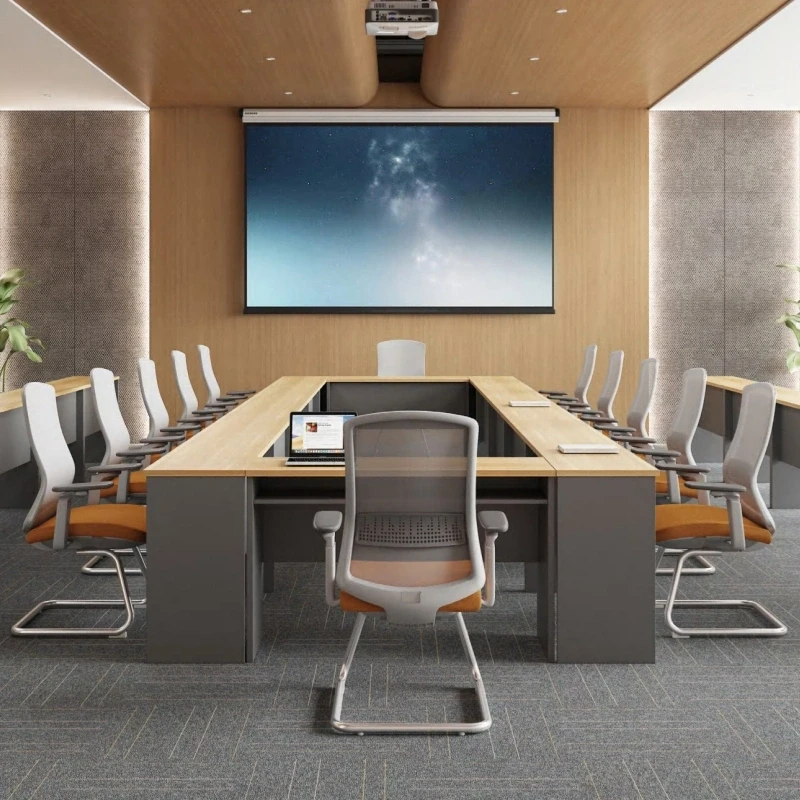
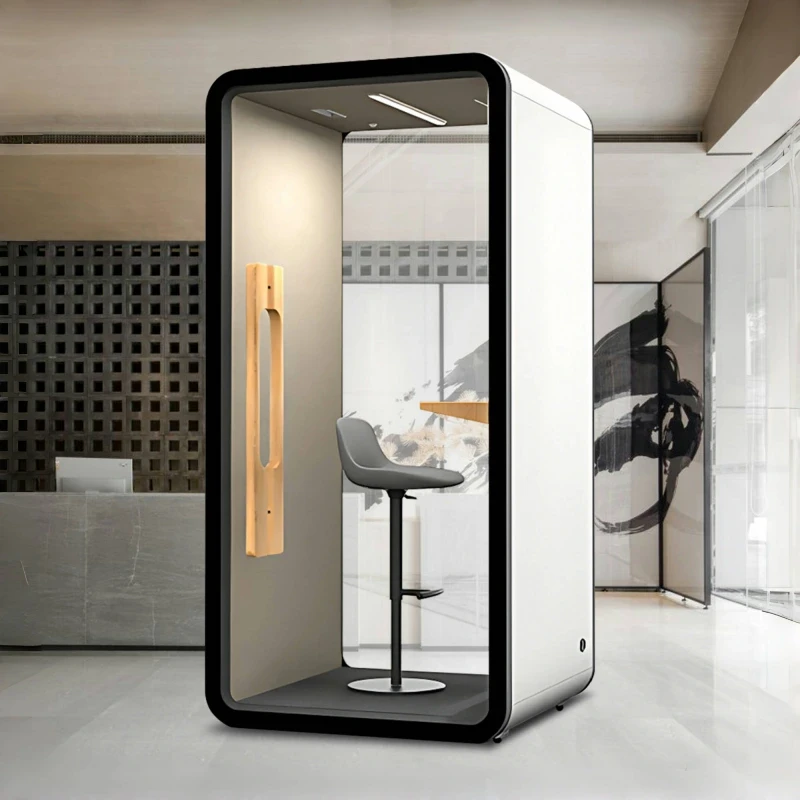
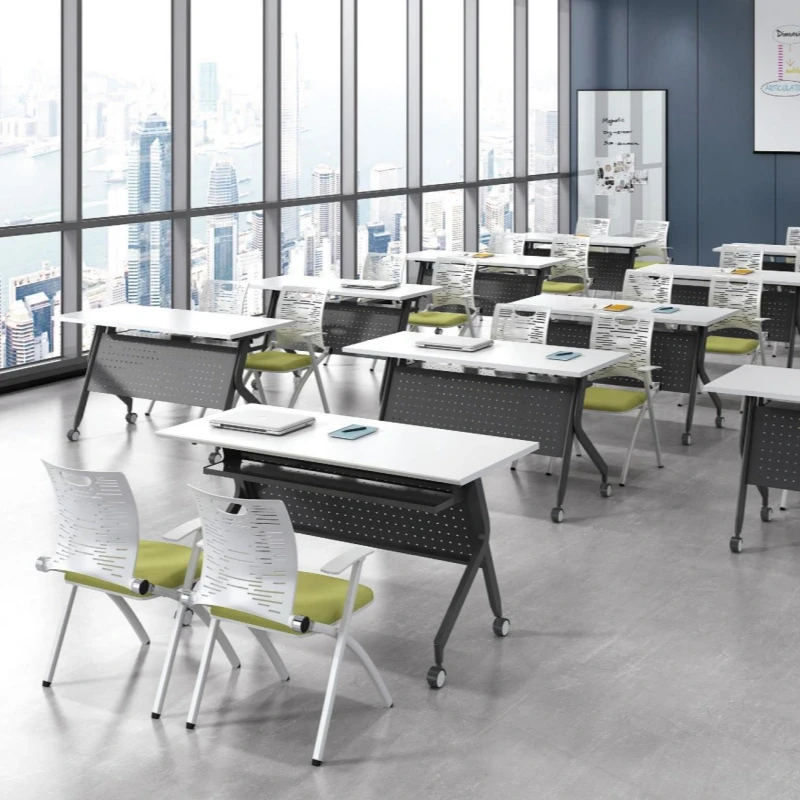
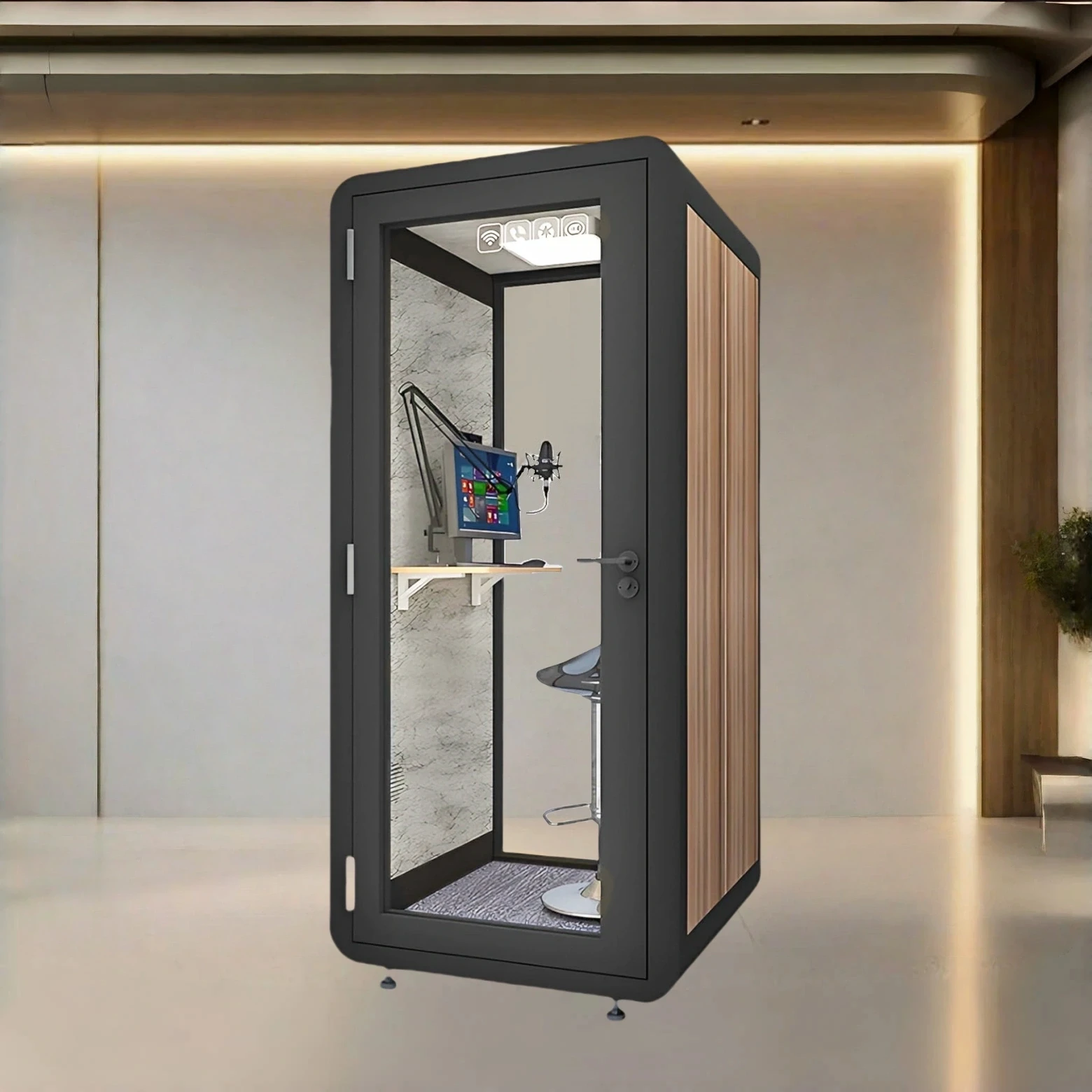
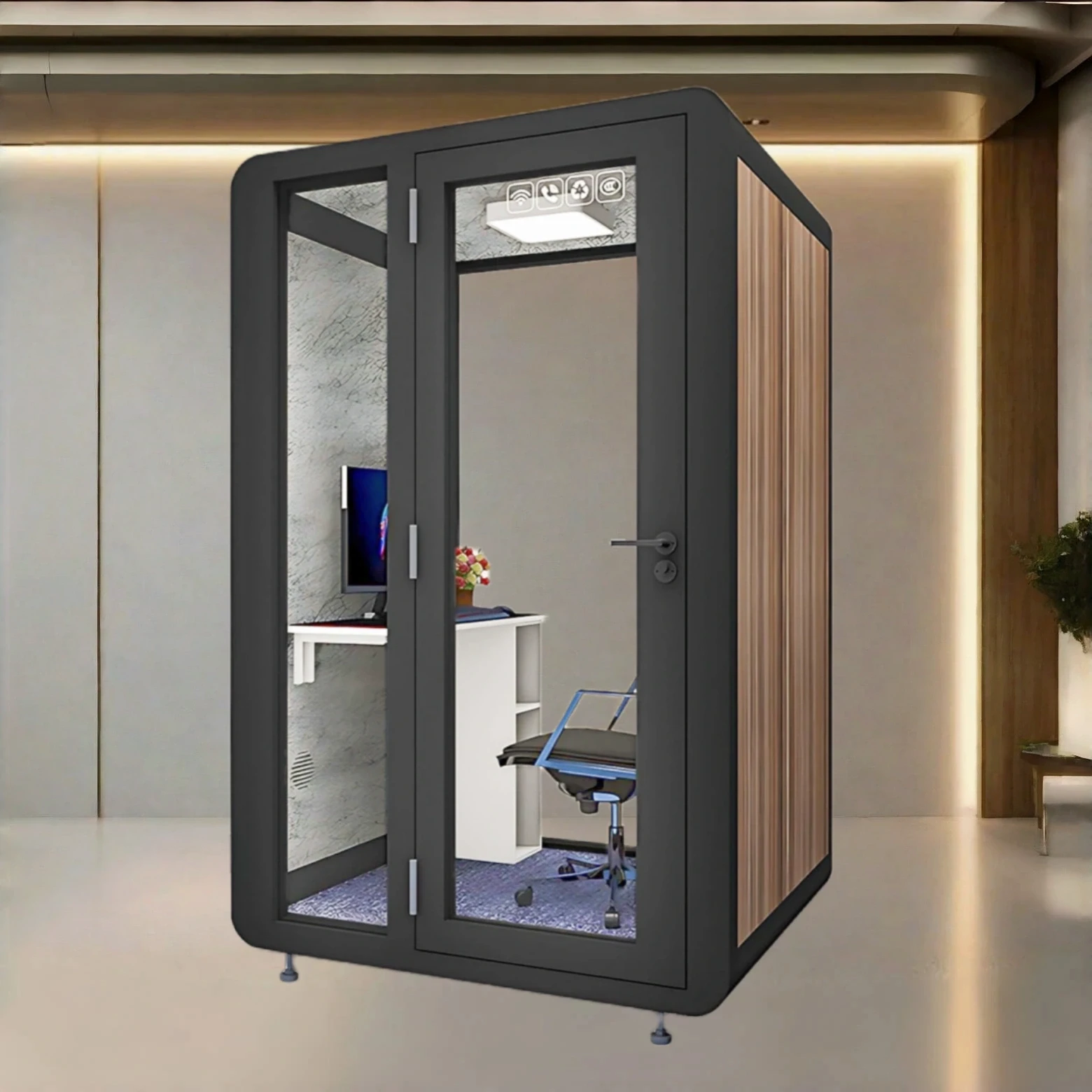
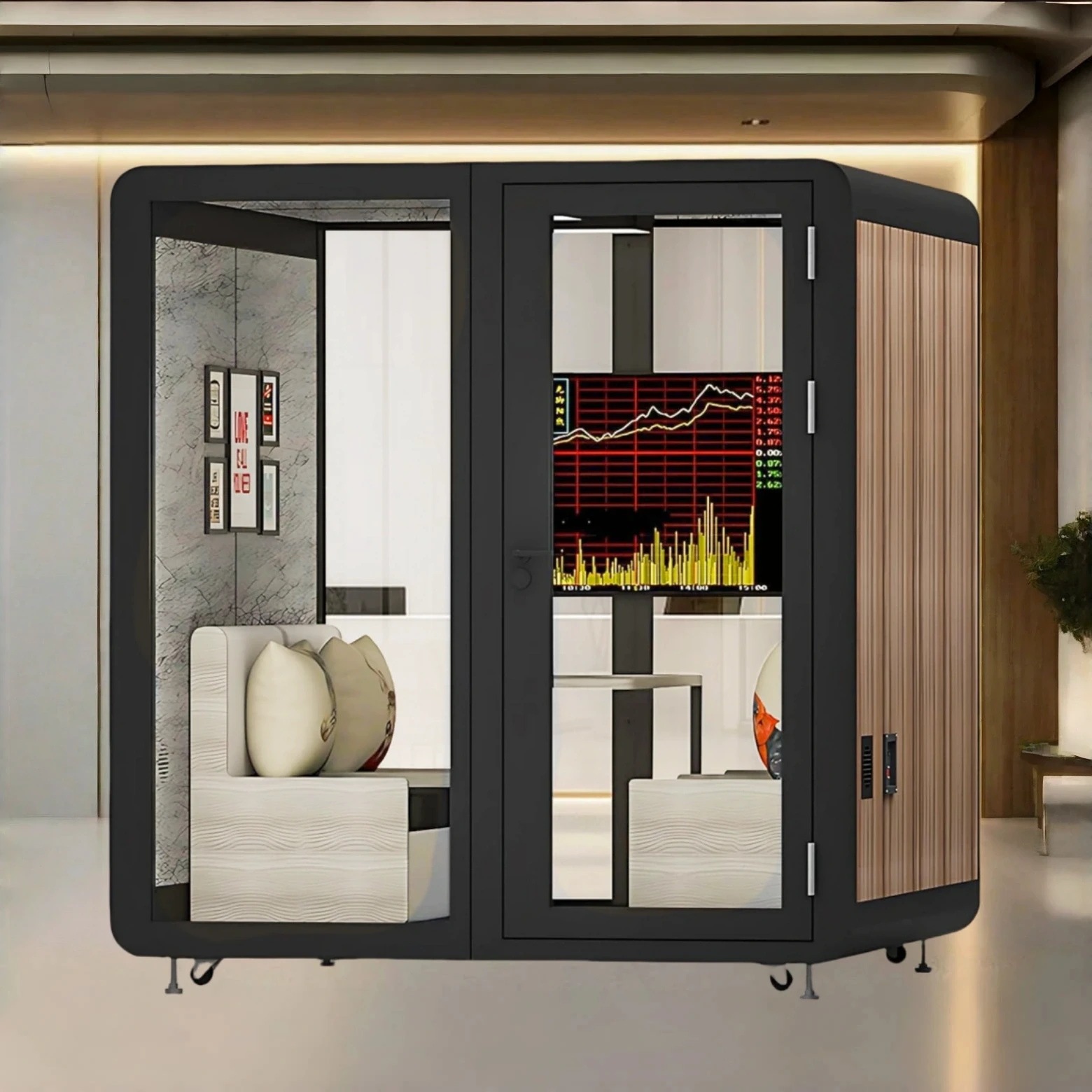




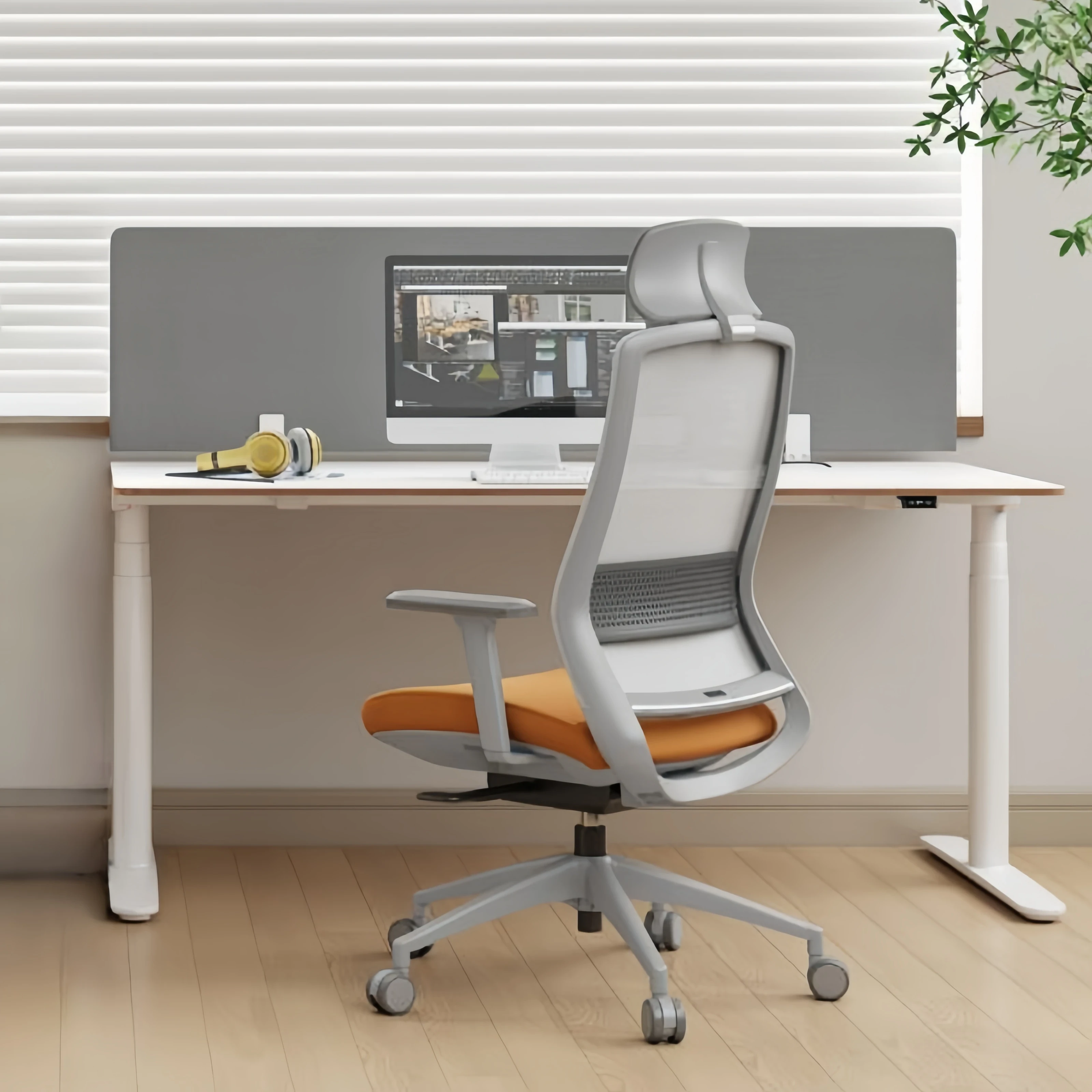


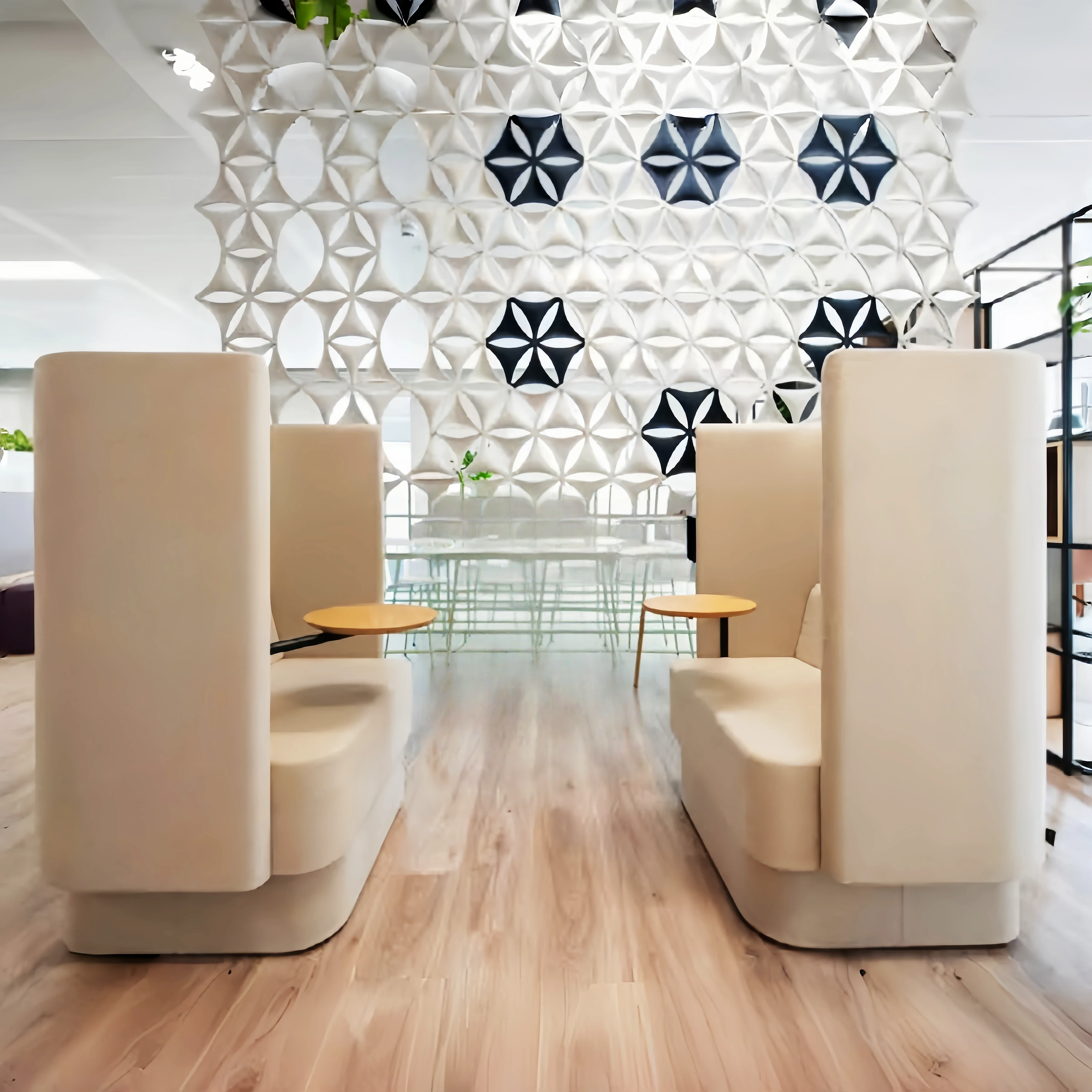

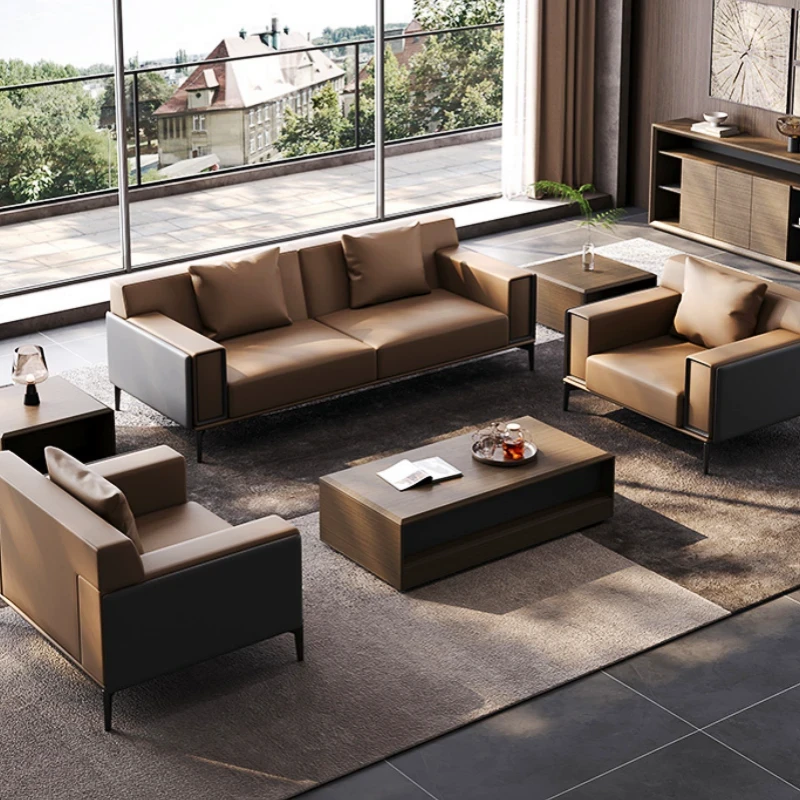

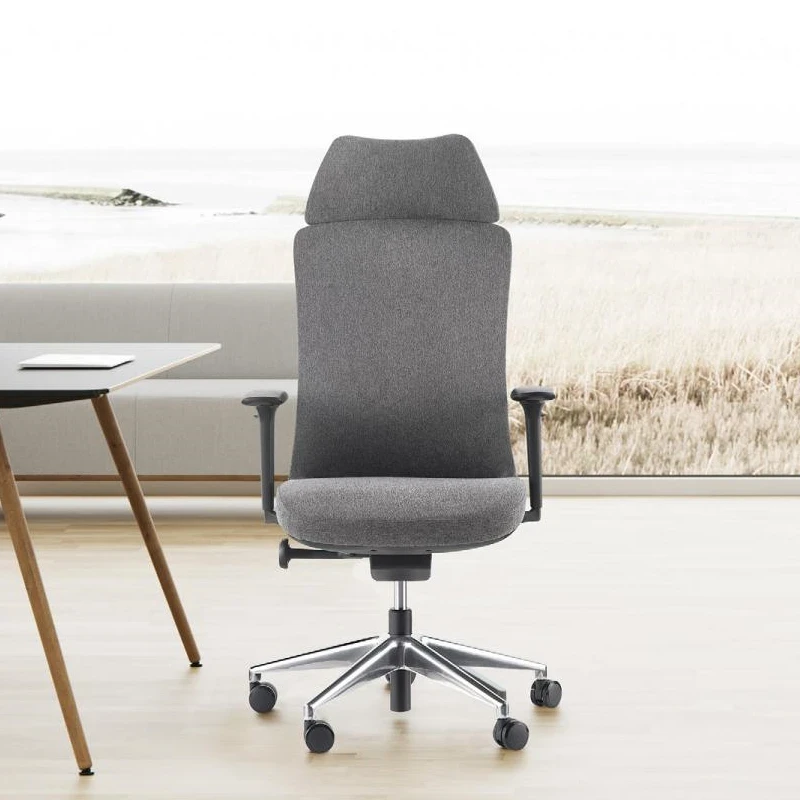


Before evaluating the quality and cost-effectiveness of office furniture brands, it's crucial to define the evaluation objectives and standards. These include:
Quality Standards: Ensuring the furniture's durability, safety, and functionality, conforming to ergonomic design, and improving employee comfort and work efficiency.
Cost-Effectiveness Standards: Within the budget, selecting brands with the best overall performance in quality, design, and service to achieve optimal resource allocation.
II. Key Factors in Evaluating Office Furniture Quality
1. Material Quality
The materials used in office furniture directly affect its durability and lifespan. High-quality office furniture should use sturdy and durable materials such as solid wood, metal, and high-strength plastics. Furthermore, the use of environmentally friendly materials not only aligns with sustainable development principles but also enhances the company's social responsibility image.
2. Craftsmanship and Design
Exquisite manufacturing processes and scientific ergonomic design are key indicators of high-quality office furniture. Excellent brands typically possess advanced production equipment and rigorous quality control processes, ensuring that every detail and overall design of each piece of furniture meets high standards. In addition, ergonomic design effectively reduces employee fatigue and improves work efficiency.
3. Durability and Maintenance
Durability is one of the important indicators for evaluating office furniture quality. High-quality office furniture should possess excellent wear and corrosion resistance, maintaining good condition even under high-frequency use. Ease of maintenance and cleaning are also important considerations, reducing daily maintenance costs and time.
4. Brand Reputation and Certification
A brand's market reputation and relevant certifications are also important bases for evaluating quality. Well-known brands typically have a good market reputation and customer reviews, reflecting the reliability and high quality of their products. Furthermore, brands that have obtained quality management system certifications such as ISO9001 often have higher standards and regulations in production and management.
III. Key Factors for Evaluating the Cost-Effectiveness of Office Furniture
1. Price and Budget
The core of cost-effectiveness lies in obtaining the best products and services within a reasonable price range. Enterprises should clarify their budget before purchasing and select brands that meet their requirements based on that budget. At the same time, they should pay attention to the product quality and functions offered by different brands at the same price, choosing the most advantageous brand.
2. Product Diversity and Customization Capabilities
Excellent office furniture brands can usually provide a diverse range of product choices to meet the requirements of different office environments and needs. Meanwhile, brands with customization capabilities can tailor furniture to meet the specific needs of the enterprise, improving the overall cost-effectiveness of the purchase.
3. After-sales Service and Guarantee:
A comprehensive after-sales service system is a crucial factor in improving cost-effectiveness. High-quality brands typically offer long-term warranties and timely after-sales support, ensuring that problems encountered during use can be resolved quickly, reducing potential repair and replacement costs.
4. Total Cost of Ownership:
In addition to the initial purchase cost, companies should also consider the total cost of ownership for office furniture, including maintenance, repair, and replacement expenses. While high-quality office furniture requires a higher initial investment, its longer lifespan and lower maintenance costs result in a higher overall cost-effectiveness.
IV. Practical Evaluation Methods
1. On-site Inspection and Sample Experience:
Companies can visit the supplier's showroom or production base to personally experience the quality and design of the furniture. Simultaneously, obtaining samples for actual testing allows for the evaluation of comfort, durability, and functionality, ensuring it meets the company's actual needs.
2. Referencing Customer Reviews and Case Studies:
By reviewing customer reviews and success stories, companies can understand the brand's performance in practical applications and customer satisfaction. Referring to the purchasing experience of companies in the same industry can provide valuable reference for decision-making.
3. Professional Consultation and Third-Party Evaluation:
Inviting professional office furniture consultants or designers to conduct evaluations and obtain professional opinions and suggestions. Meanwhile, third-party evaluation agencies are used to conduct independent assessments of brands and products to ensure the objectivity and impartiality of the evaluation results.
4. Comparative Analysis and Trial Phase:
A comprehensive comparative analysis is conducted by comparing the prices, quality, and services of products from multiple brands. When conditions permit, a trial phase is implemented, and a final decision is made after actual use to ensure that the selected brand truly meets the company's needs and expectations.
V. Conclusion:
Evaluating the quality and cost-effectiveness of office furniture procurement brands is a systematic and meticulous process. Companies should comprehensively evaluate the product quality of brands from multiple dimensions, including material quality, craftsmanship, durability, and brand reputation. Simultaneously, the cost-effectiveness of the brand should be comprehensively measured through factors such as price, product diversity, after-sales service, and total cost of ownership. By combining on-site inspections, customer evaluations, professional consultation, and comparative analysis, companies can make scientific and reasonable procurement decisions, ensuring the success of office furniture procurement and achieving optimization of the office environment and enhancement of corporate value.