
 USD
USD GBP
GBP
 EUR
EUR
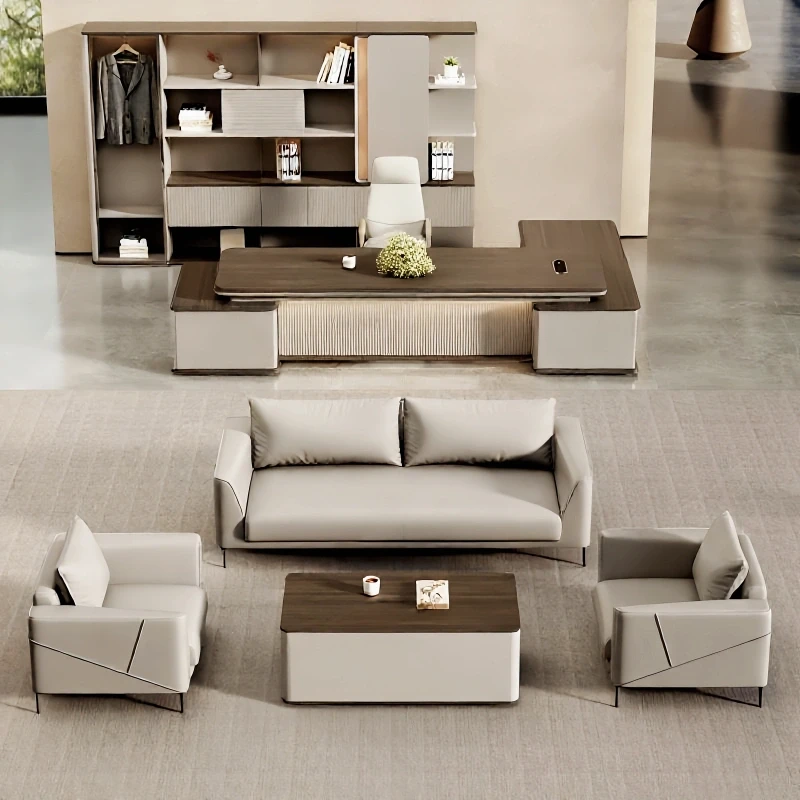
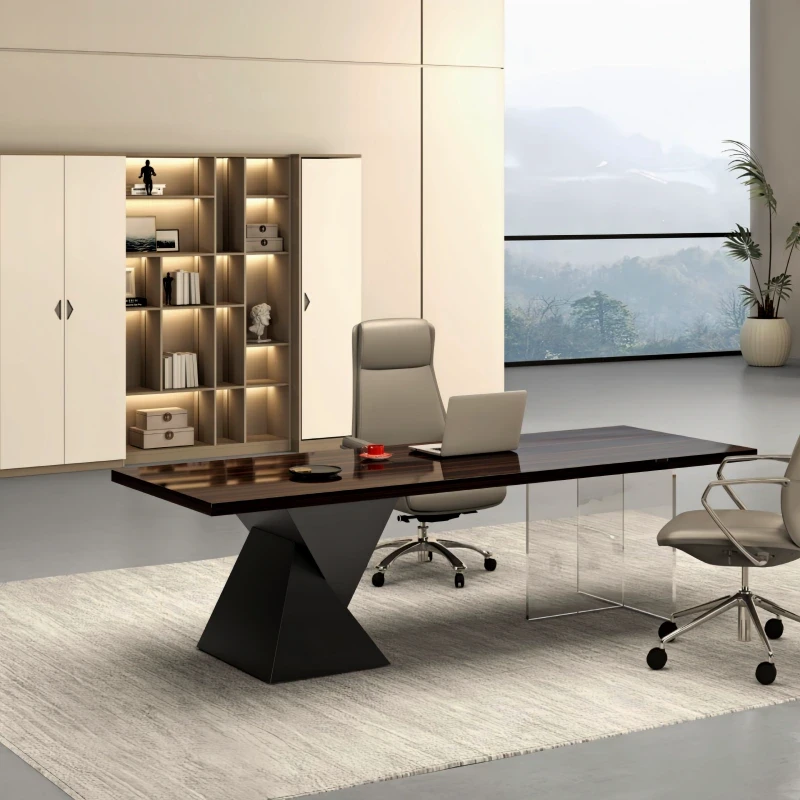


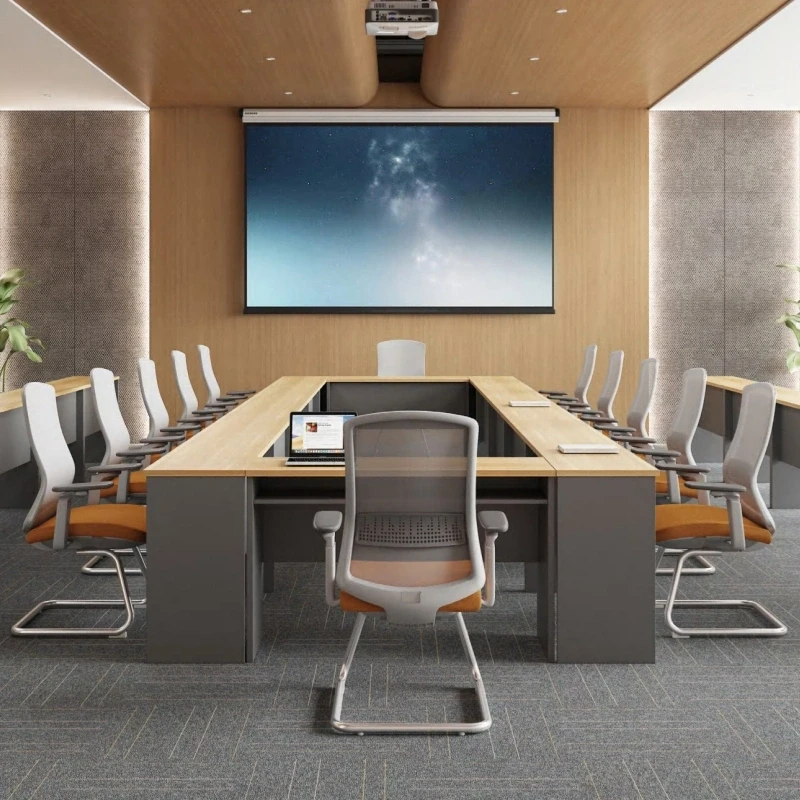
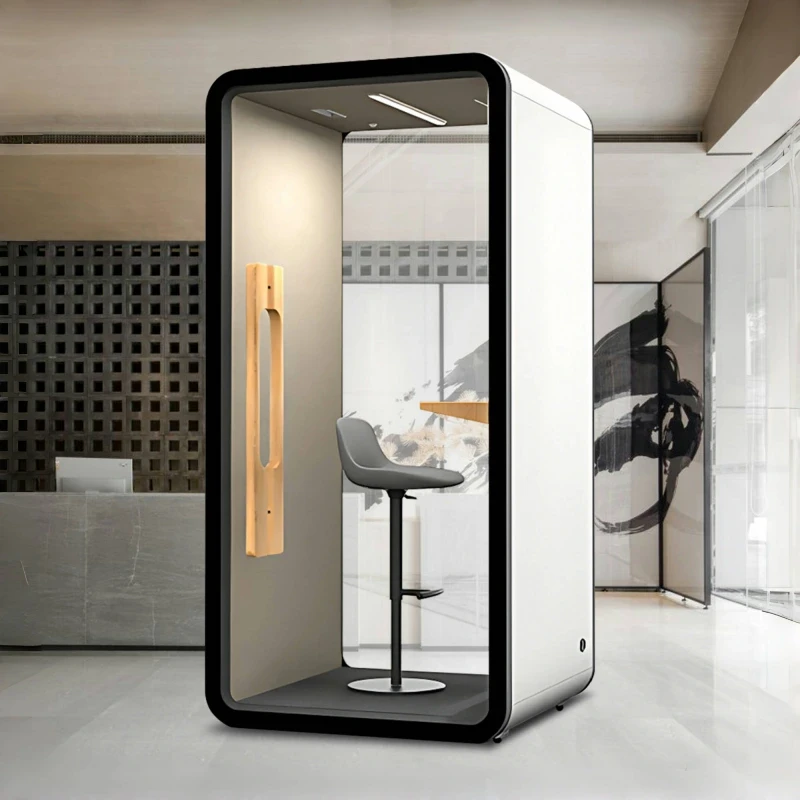
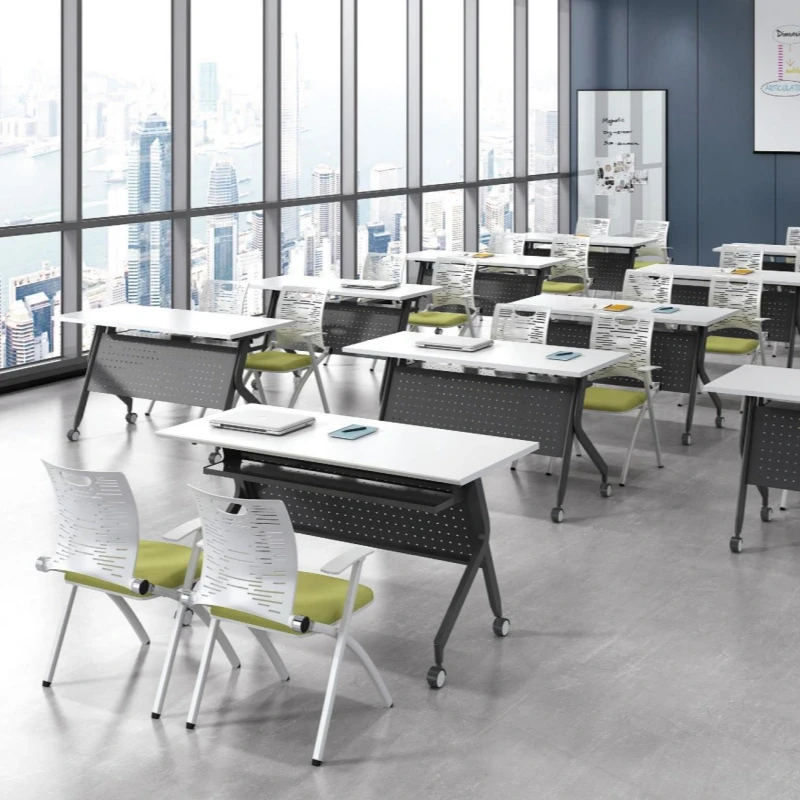
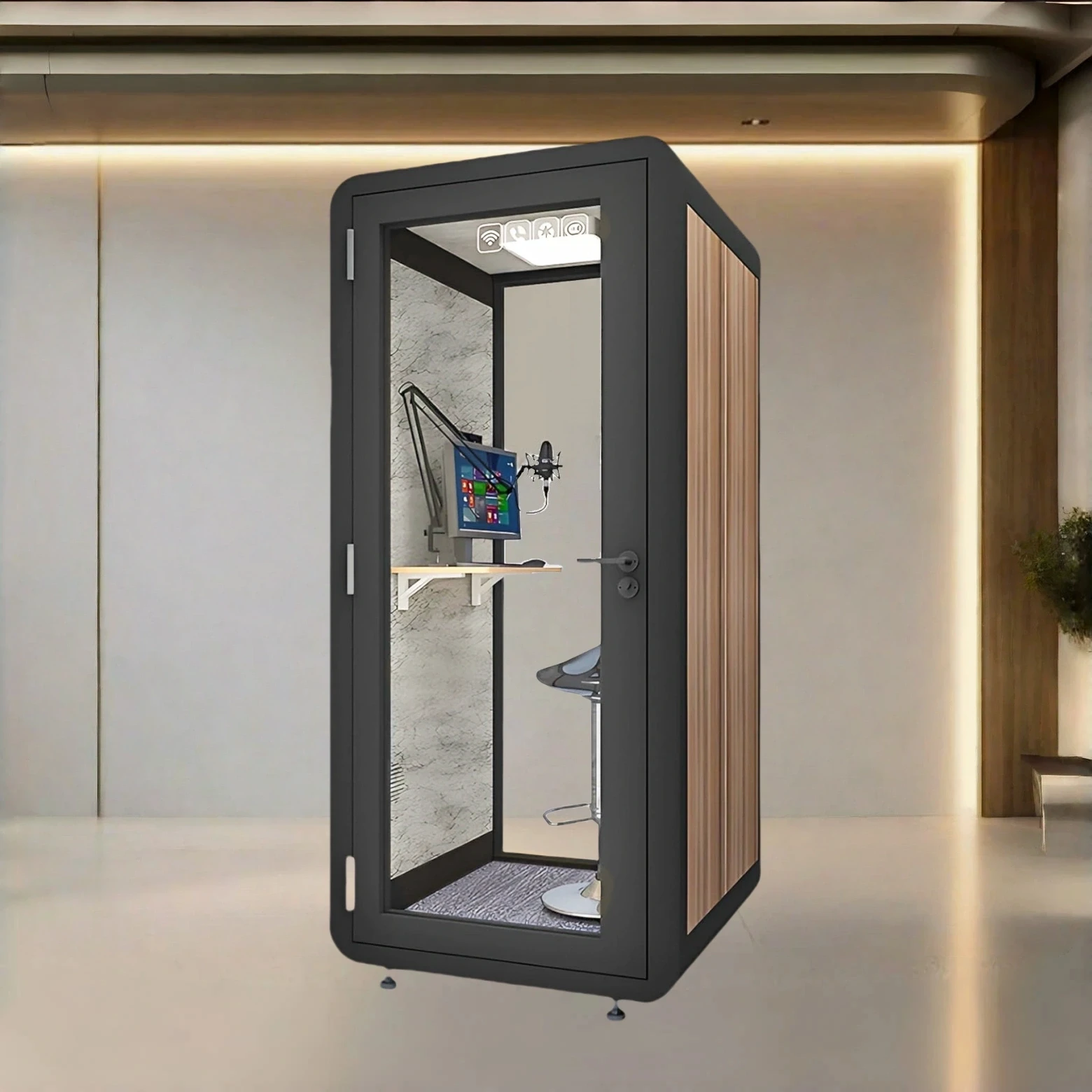
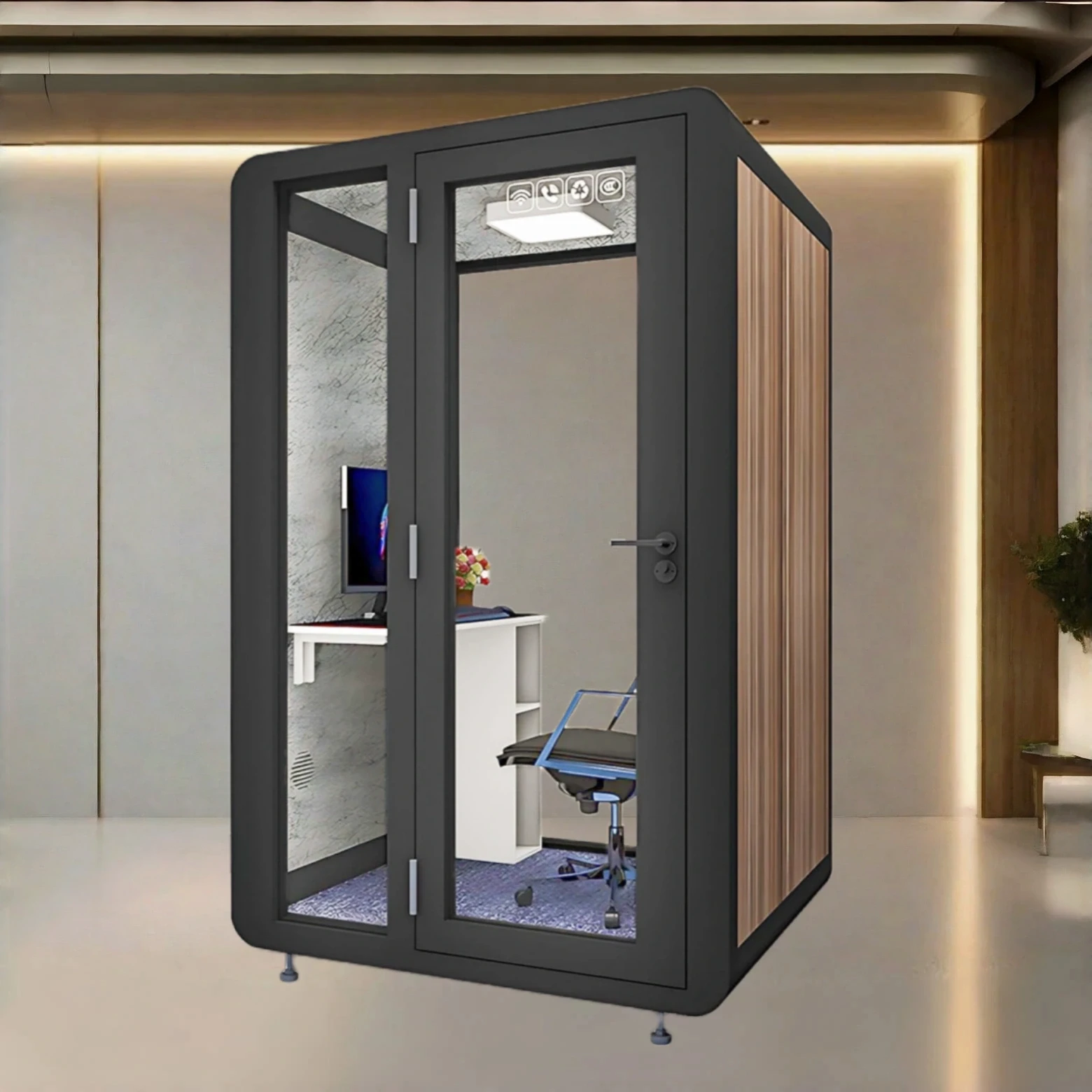
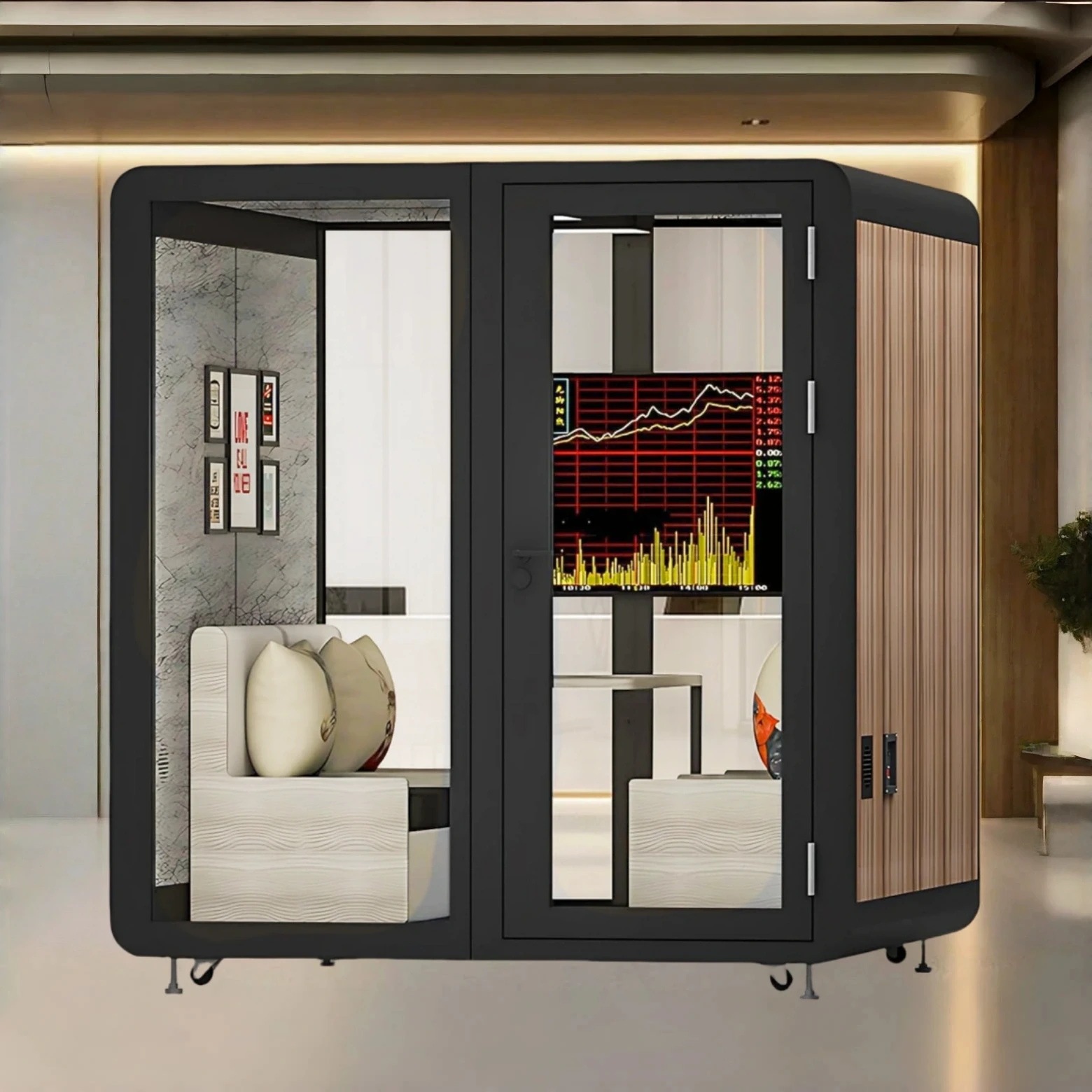
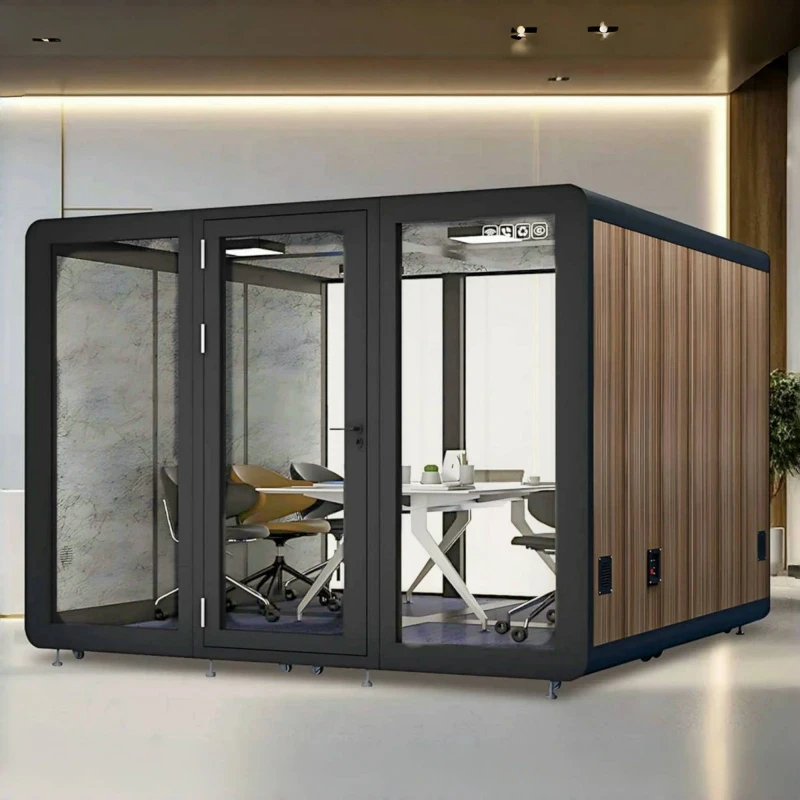
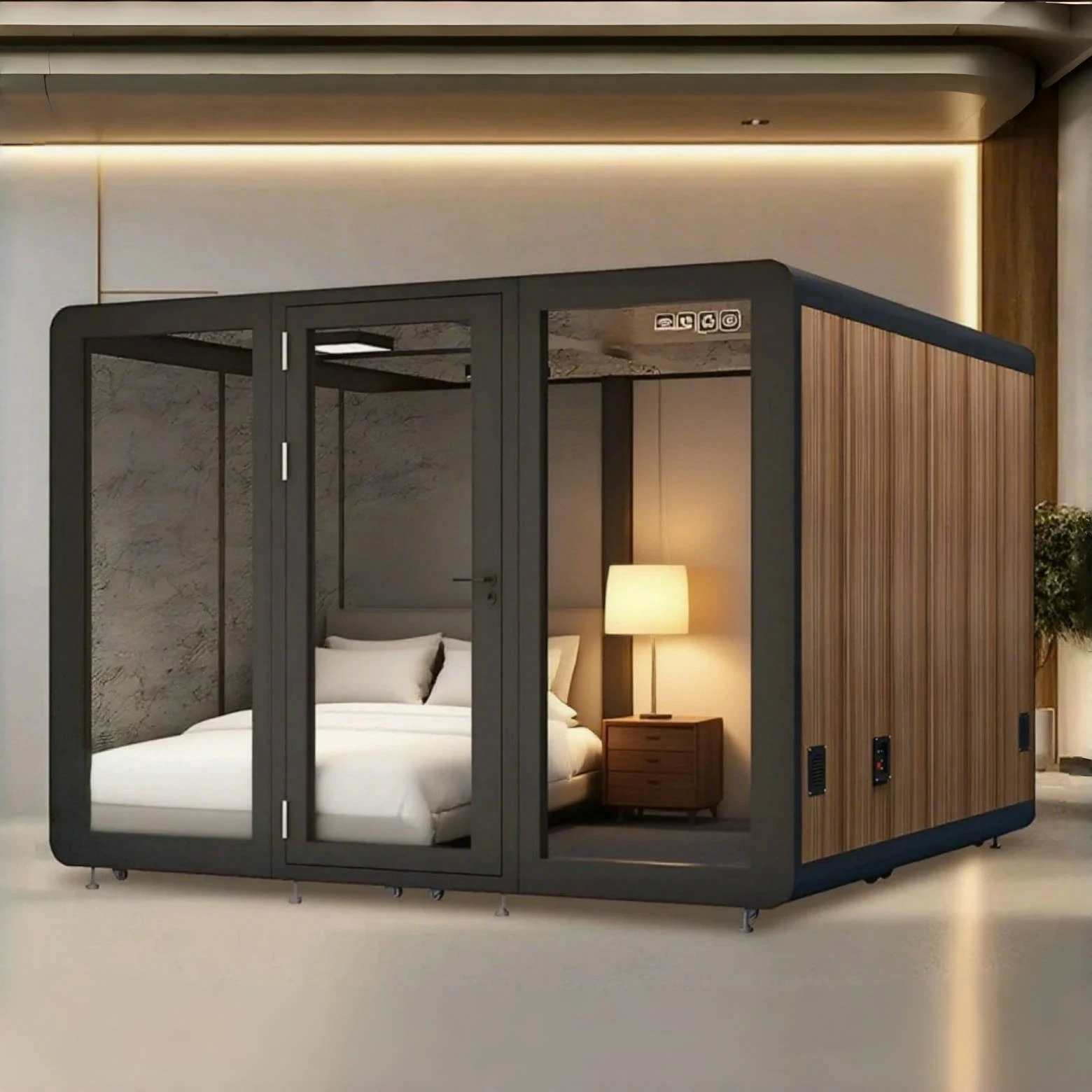


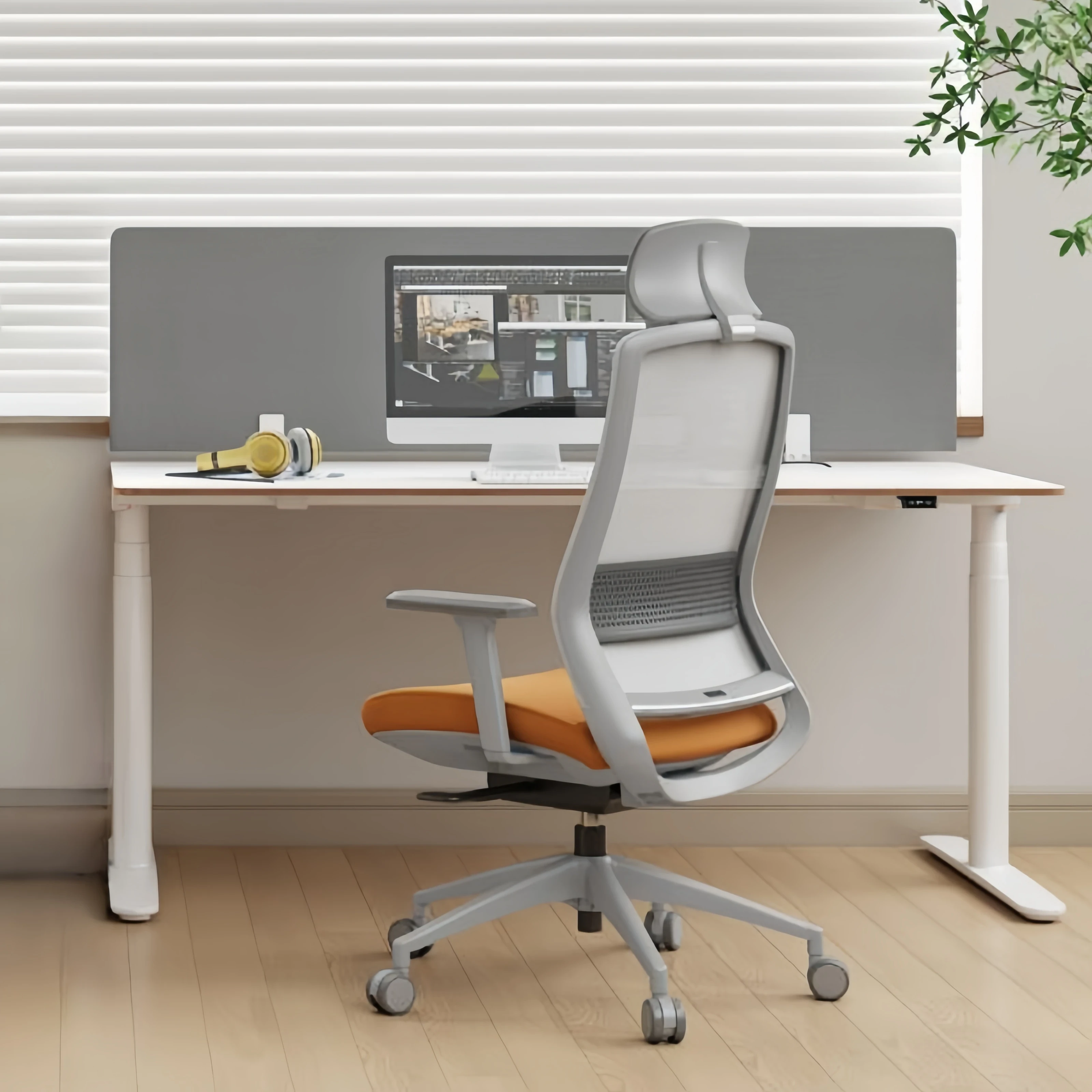


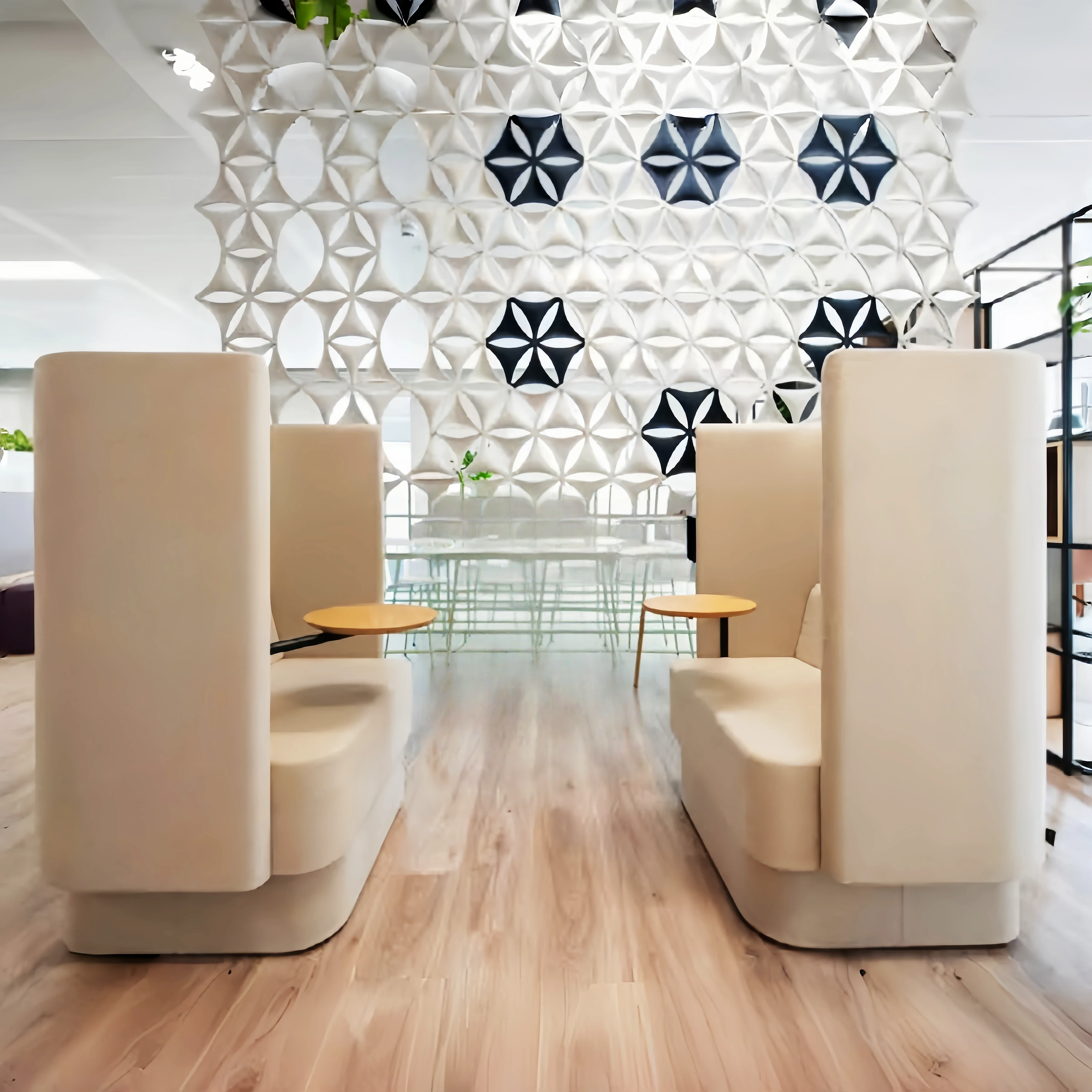

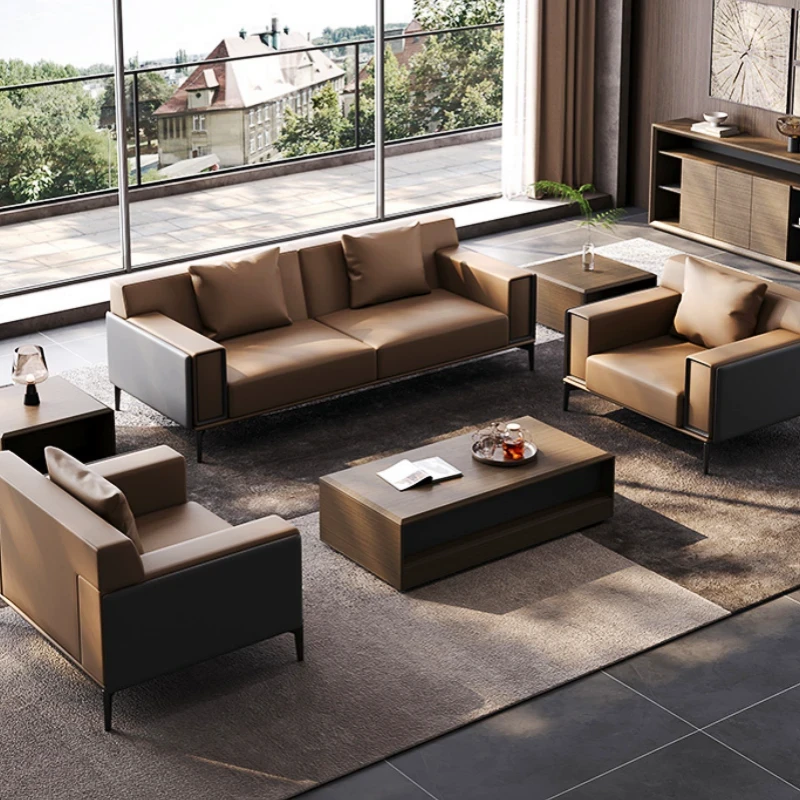
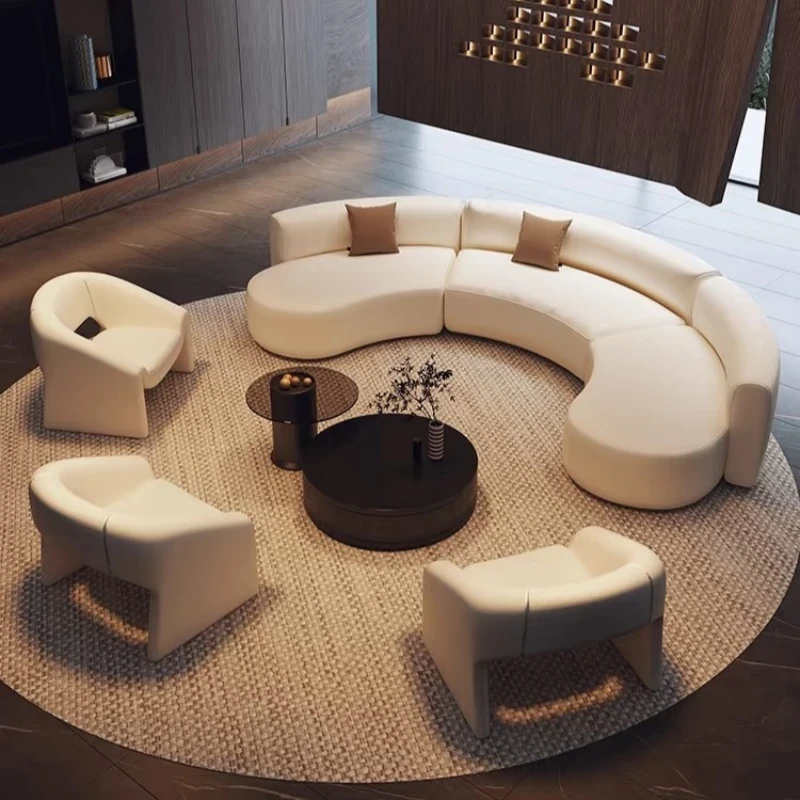
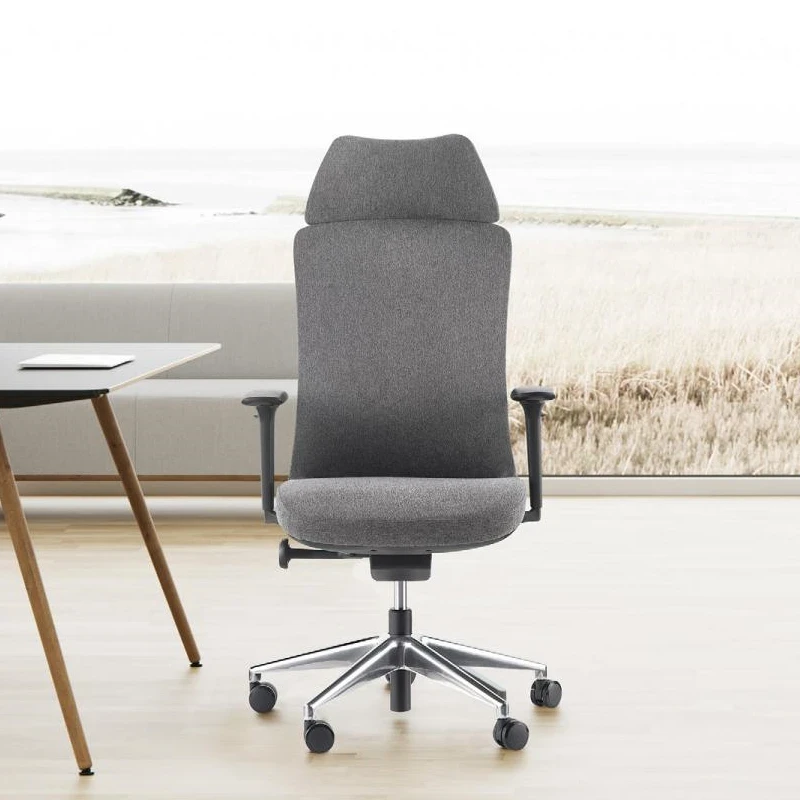


: Before starting office furniture customization, a detailed analysis of the company's actual needs and employees' work habits is essential. This includes understanding the daily operations of the office, the functions of different departments, and employees' personal preferences. For example, creative departments may require flexible furniture configurations to support team discussions and individual work, while the finance department may need a more stable desktop design for data processing. Such needs analysis helps identify key aspects to focus on regarding furniture comfort and space utilization.
2. Choose Flexible and Multifunctional Furniture Designs:
Modern office furniture design trends towards multifunctionality and modularity. This type of furniture not only provides employees with a comfortable working environment but also excels in space utilization. For example, choosing height-adjustable desks can meet the needs of different employees and flexibly adapt to changes in spatial layout. Multifunctional office furniture, such as workstations with integrated storage, can effectively reduce the floor space occupied by individual storage cabinets, improving space utilization.
3. Adopt Ergonomic Design:
Ergonomics is a crucial factor in improving office comfort. In office furniture customization, ensuring that chairs and desks are height-adjustable and ergonomically designed can reduce employee fatigue and the risk of occupational diseases. A well-designed chair back provides good support for employees, thereby improving work efficiency. While achieving comfort, it's also important to ensure these designs don't compromise the openness and transparency of the overall space.
4. Rational Office Space Layout Planning:
A scientific spatial layout is key to space utilization. While open-plan layouts can improve space efficiency, sufficient privacy is also necessary to meet the diverse needs of employees. When customizing furniture, consider using flexible partition systems that can define work areas without creating a cramped feeling. Such designs maintain space utilization while providing a more comfortable working environment for employees.
5. Innovative Materials and Design Optimization:
Choosing lightweight and innovative materials is another way to improve furniture comfort and space utilization. For example, using environmentally friendly and lightweight materials increases furniture mobility and facilitates space reconfiguration. A minimalist design style not only meets modern aesthetics but also reduces unnecessary space occupation, making the office look cleaner.
6. Applying Advanced Technology:
Utilizing smart technology to enhance the functionality and efficiency of office furniture. For example, smart desks can memorize and automatically adjust to the user's set height, improving comfort; while foldable, storage-type furniture, through mechanical or electric design, can reduce space occupation when not in use. These technological designs not only improve the employee experience but also effectively increase space utilization.
In conclusion,
customized office furniture is a crucial element in enhancing employee comfort and space utilization. By fully understanding the company's needs and combining flexible and diverse furniture designs, ergonomics, and innovative material technologies, an optimal balance between these two aspects can be achieved. A well-designed furniture customization solution not only helps improve employee satisfaction and work efficiency but also optimizes the company's office space, achieving higher operational efficiency. Through careful planning and continuous improvement, companies can create a comfortable and efficient working environment for their employees.