
 USD
USD GBP
GBP
 EUR
EUR
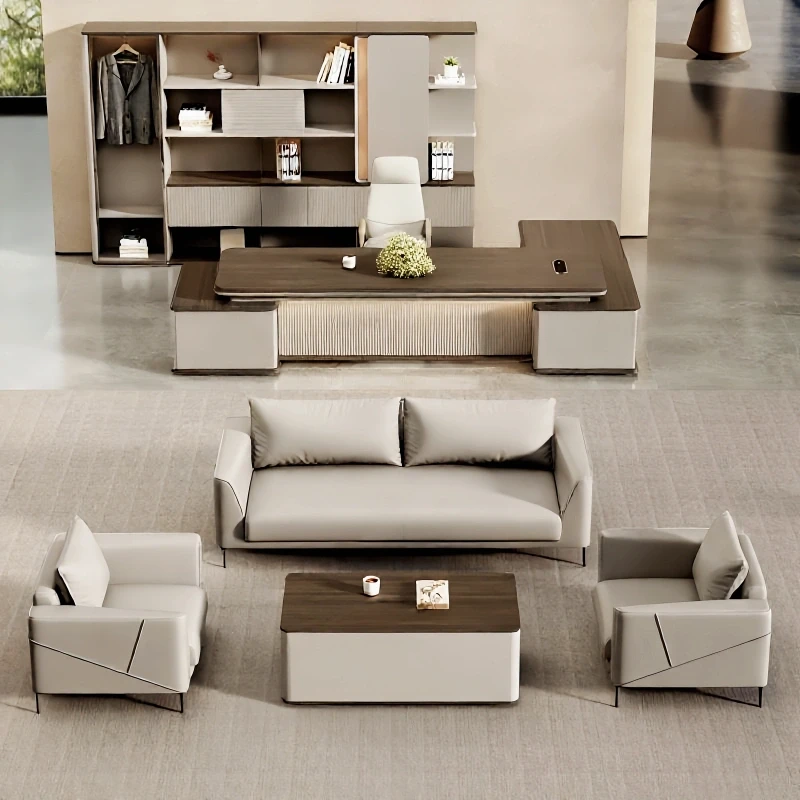
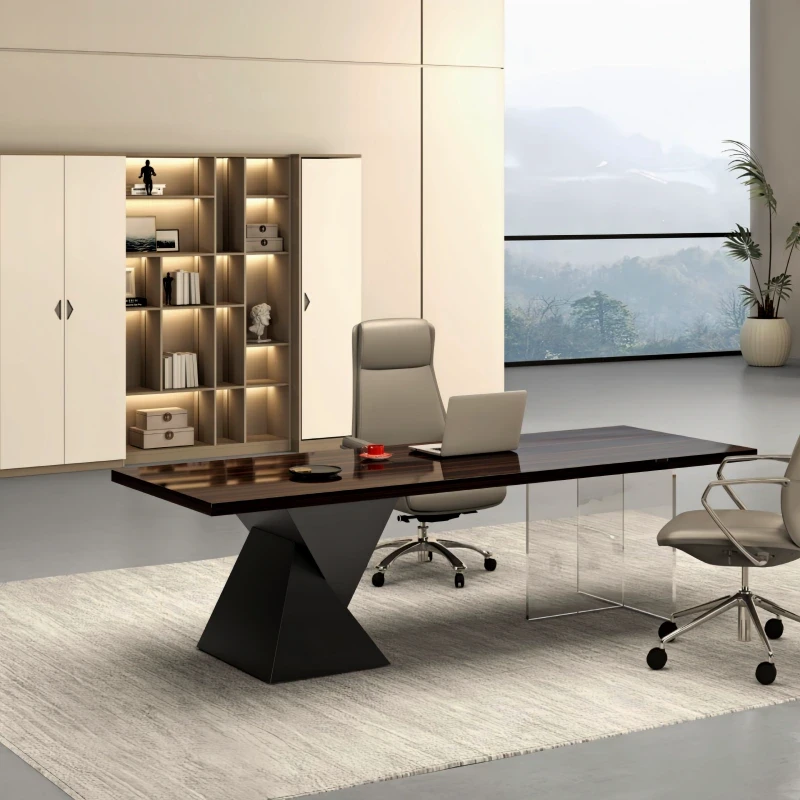


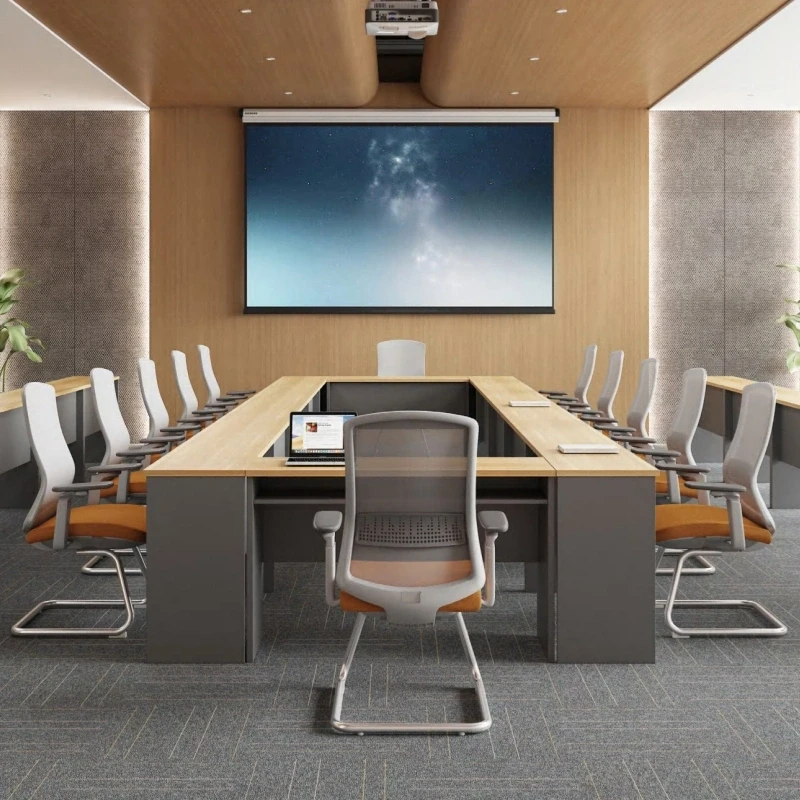
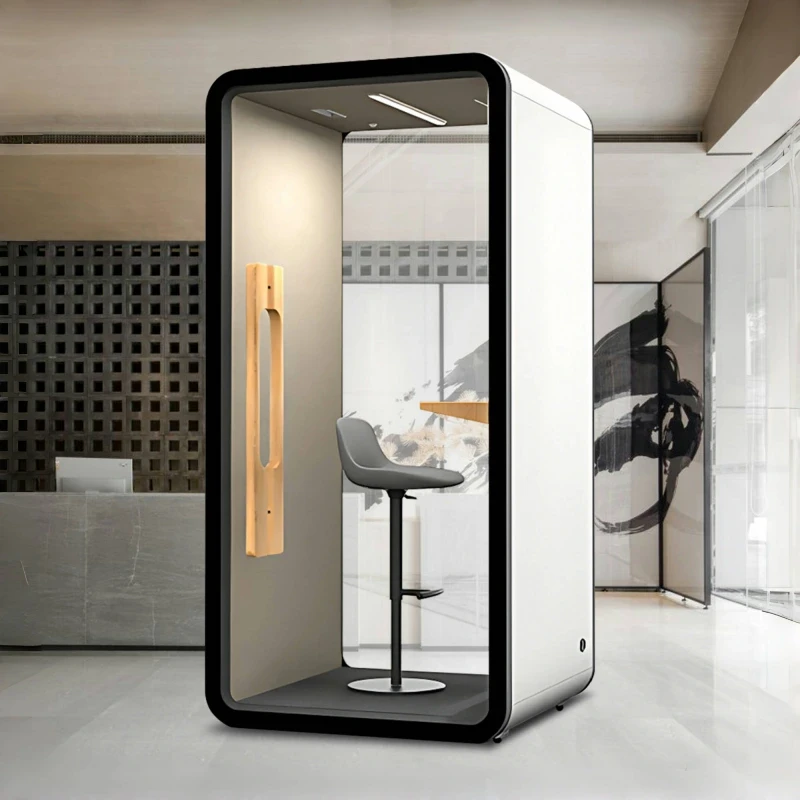
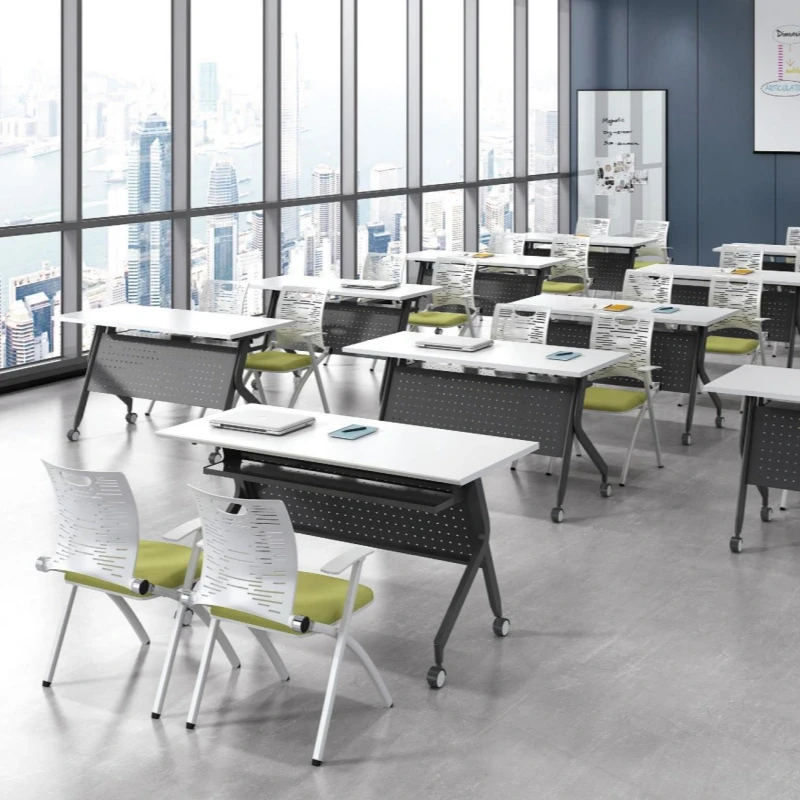
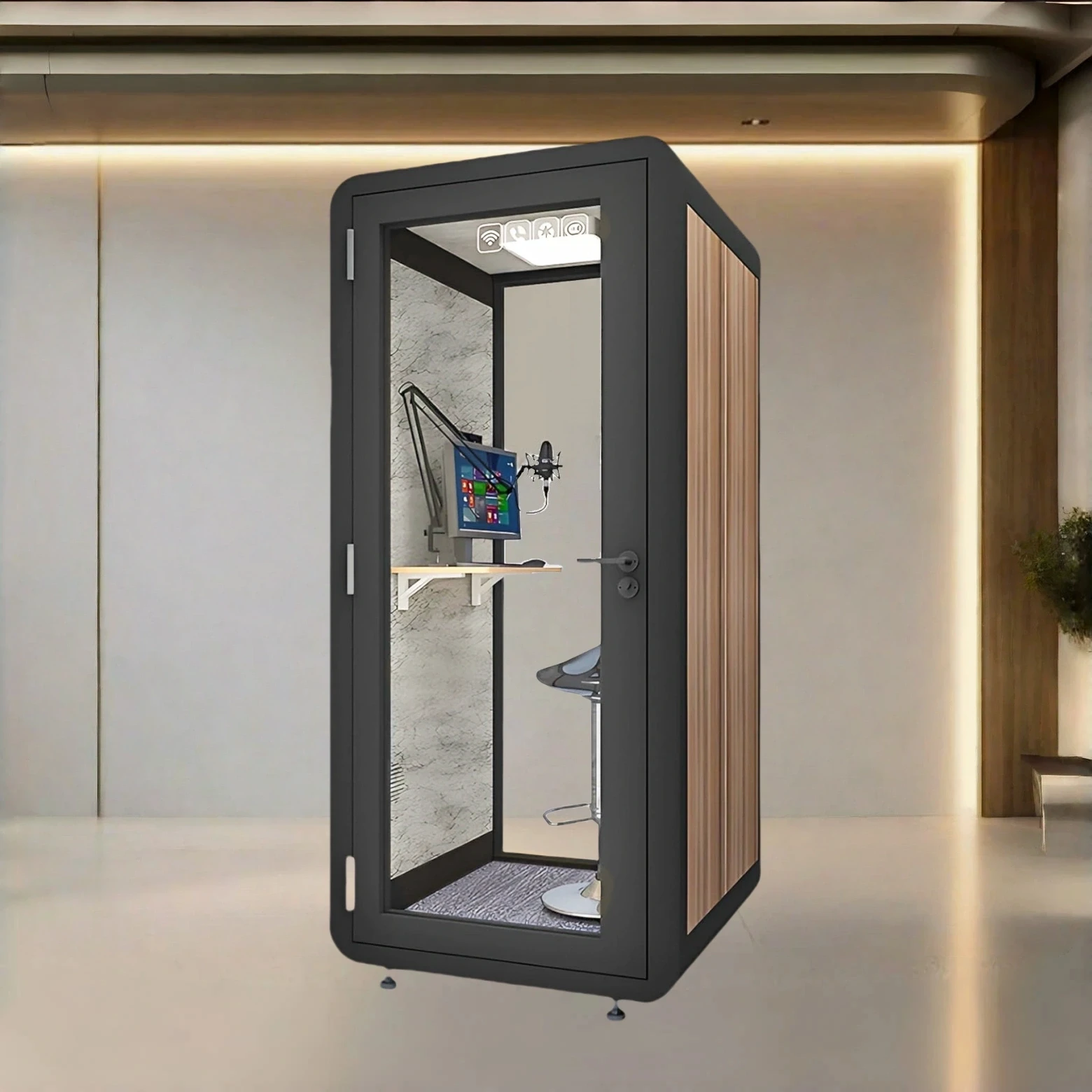
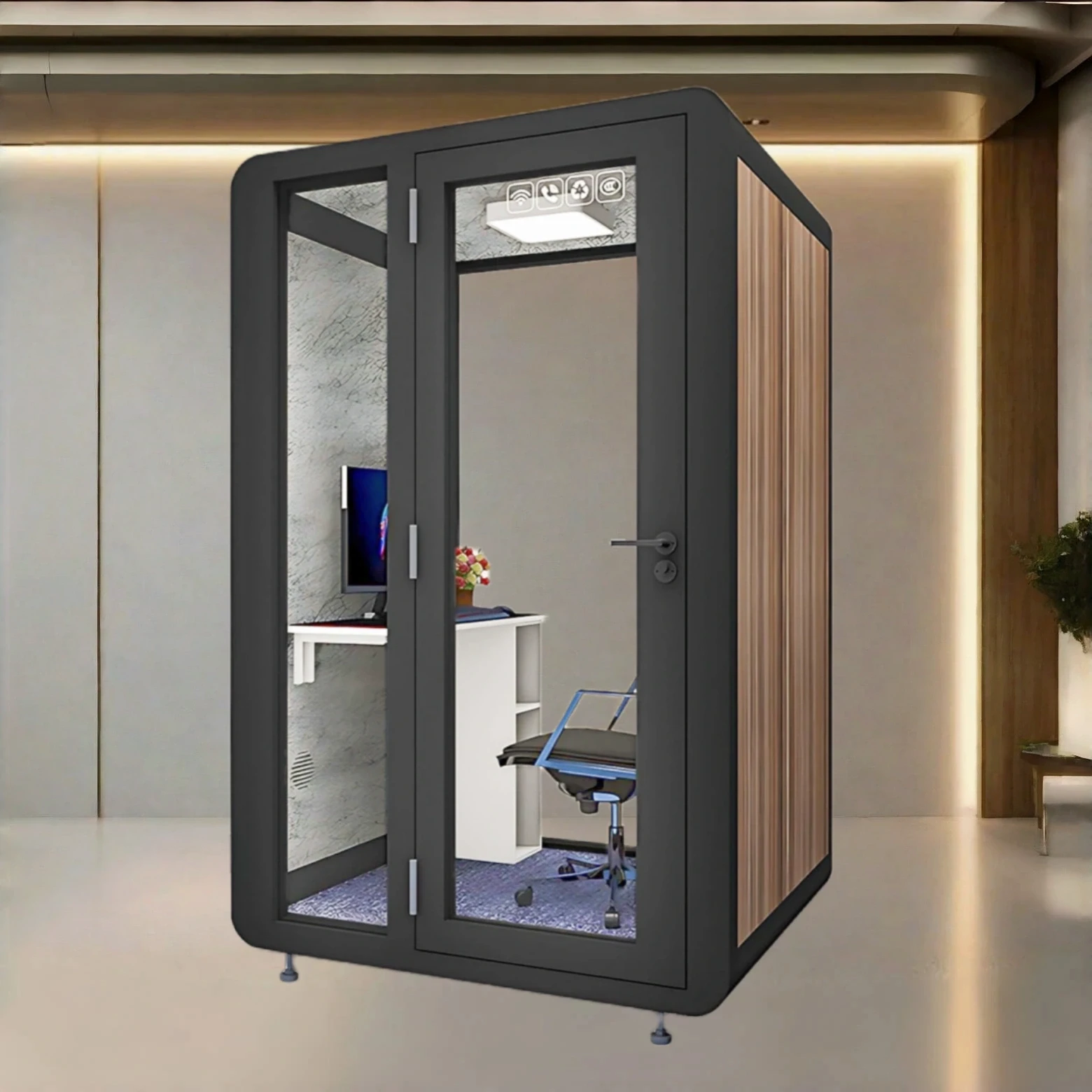
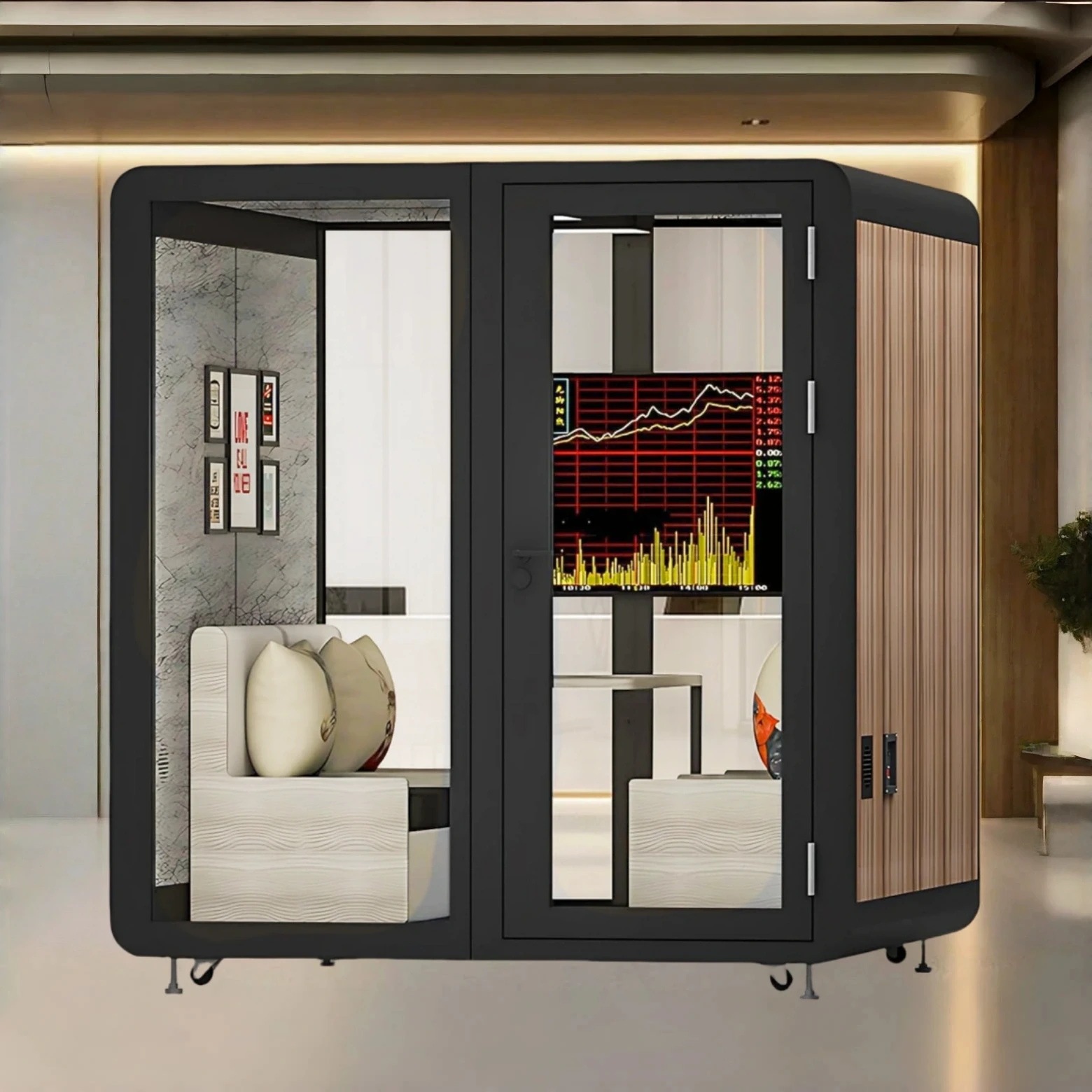





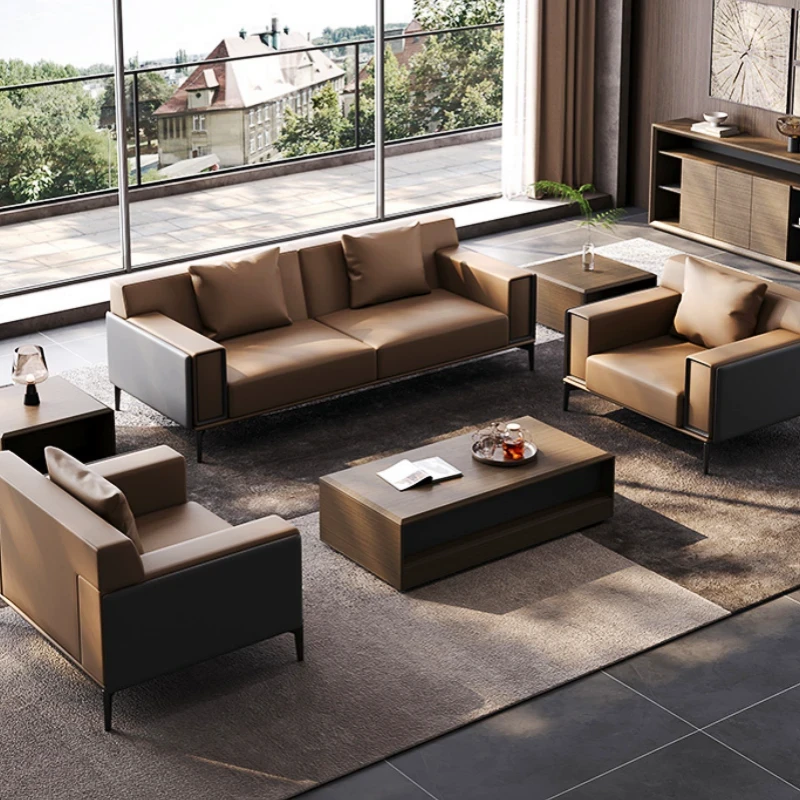
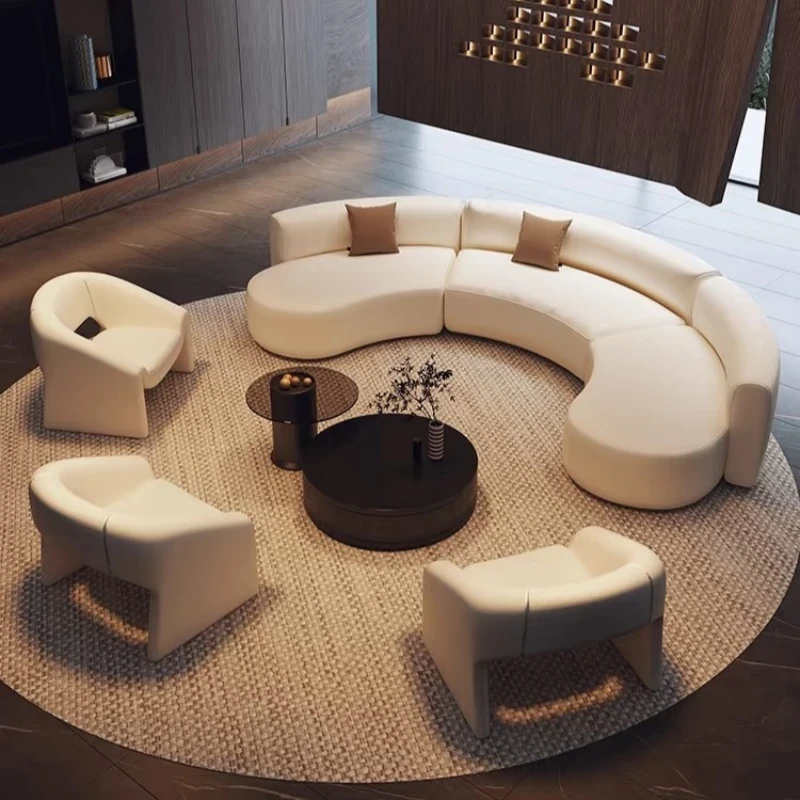
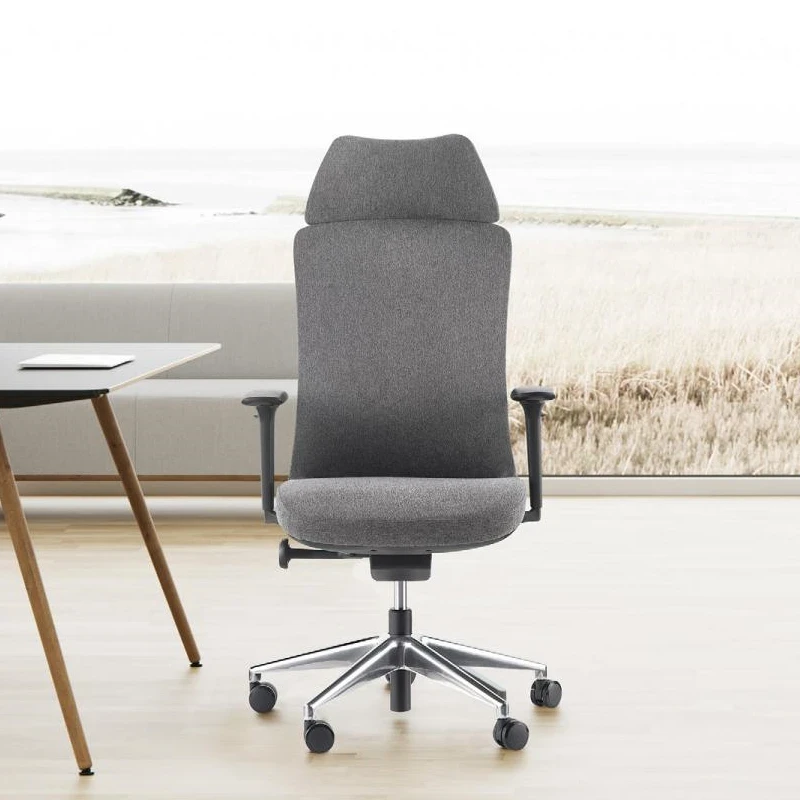


1. Material and Visual Effect:
The material of office furniture directly determines its visual texture and tactile feel. For example:
Wooden office desks and chairs: convey a warm, natural, and classic feeling, suitable for traditional or comfort-oriented office environments. Solid wood furniture is sturdy and durable, adding a sense of weight and texture to the space.
Metal office desks and chairs: showcase a modern, minimalist, and industrial style, suitable for technology companies or office spaces that pursue a clean and bright aesthetic. Metal materials are sturdy and durable, often used in combination with materials such as glass and plastic to create a stylish and avant-garde visual effect.
Glass office desks: appear transparent and bright, suitable for modern, open-plan office spaces. Glass surfaces are easy to clean and reflect light, making the space appear more spacious and bright.
Plastic and synthetic materials: lightweight and available in a variety of colors, suitable for young and vibrant office environments. These materials are usually more economical, suitable for flexible office needs.
2. Material and Comfort:
Different materials directly affect the comfort of office furniture:
Wooden desks and chairs: although they have a warm appearance, they may sometimes lack elasticity and breathability, potentially leading to discomfort after prolonged use.
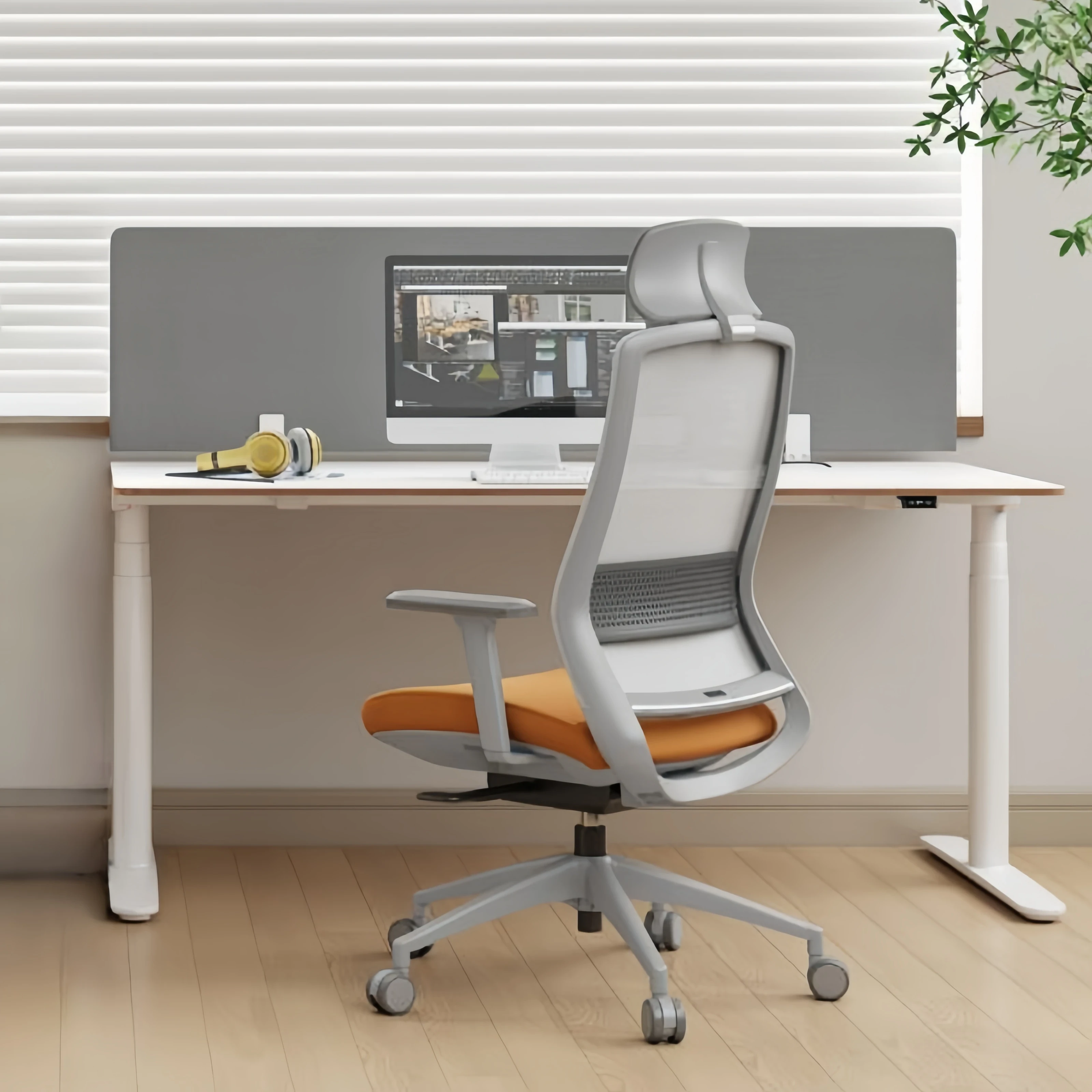
Mesh backrest: Offers excellent breathability, suitable for long hours of sitting at a desk, effectively reducing sweating and discomfort.
Leather office chair: Soft to the touch and easy to clean, but may be stuffy in summer and cool in winter, suitable for seasonal use.
Foam-filled cushion: Improves seating comfort, but attention should be paid to the environmental friendliness of the material to avoid the release of harmful gases.
3. Material and Durability
The durability of office furniture not only affects its lifespan but also relates to the company's long-term return on investment:
Solid wood furniture: Highly durable, can be used for many years with proper maintenance, and has high appreciation potential.
Metal furniture: Not easily damaged, suitable for high-frequency office environments, with low maintenance costs.
Plastic furniture: Lightweight and easy to move, but relatively less durable, and may experience aging and deformation over time.
II. The Impact of Office Desk and Chair Styles on the Office Environment
1. Style and Corporate Culture
The style of office furniture should match the corporate culture to strengthen brand image and values:
Traditional style: Suitable for companies that emphasize stability and a long history, such as law firms and accounting firms.
Modern minimalist style: Suitable for companies that pursue efficiency and innovation, such as technology companies and creative studios, emphasizing the combination of functionality and aesthetics.
Industrial Style: Suitable for companies with unique personalities and innovative spirits, such as design firms and startups, highlighting the raw texture and rugged beauty of materials.
Nordic Style: Emphasizes simplicity, practicality, and nature, suitable for office environments that emphasize teamwork and comfortable work.
2. Style and Employee Mood:
The style of office furniture can significantly affect employee mood and work status:
Bright colors and open designs: Can improve employee morale and stimulate creativity and teamwork.
Minimalist design and clean layout: Helps reduce visual clutter, improve focus and work efficiency.
Warm colors and soft lines: Create a comfortable and relaxing work atmosphere, reducing employee stress and fatigue.
3. Style and Space Utilization:
Different styles of office furniture also have different effects on space utilization:
Modular furniture: Suitable for flexible office spaces, which can be recombined as needed to adapt to changes in team size.
Multifunctional furniture: Saves space, such as desks and chairs with storage functions, suitable for small offices.
Open-plan design: Suitable for spacious office environments, promoting communication and collaboration among employees.
III. Comprehensive Matching of Materials and Styles :
To create an ideal office environment, the comprehensive matching of materials and styles is crucial. Here are some matching suggestions:
1. Modern minimalist style with metal/glass materials:
Modern minimalist style emphasizes simplicity and functionality, and metal and glass office desks and chairs can perfectly reflect these characteristics. Choosing furniture with clean lines and neutral colors can create a refreshing and avant-garde office space.
2. Nordic style with wood materials:
Nordic style focuses on nature, comfort, and practicality, and wooden office furniture can add warmth and a natural atmosphere to the space. Pairing it with soft colors and simple designs can create a relaxed and pleasant working environment.
3. Industrial style with metal/vintage wood materials:
Industrial style emphasizes raw texture and rugged beauty. Choosing office furniture with metal elements and vintage wood can highlight the unique personality and innovative spirit of the space.
4. Traditional style with solid wood materials:
Traditional style emphasizes stability and classicism. Solid wood office desks and chairs with exquisite carvings and classic colors can reflect the company's historical heritage and authoritative image.
IV. The Impact of Materials and Styles on Employee Health
Besides visual appeal and aesthetics, materials and styles directly impact employee health:
1. Breathability and Comfort:
Choosing breathable materials, such as mesh chair backs or natural fiber materials, effectively reduces discomfort and health problems caused by prolonged sitting.
2. Environmentally Friendly Materials and Air Quality:
Selecting environmentally friendly office furniture reduces the release of harmful gases, maintains fresh office air, and protects employee health.
3. Ergonomic Design:
Regardless of material and style variations, office desks and chairs should adhere to ergonomic principles, providing good support and adjustment functions to prevent occupational diseases and improve work comfort.
V. Conclusion:
The materials and styles of office desks and chairs are crucial factors in creating an ideal office environment. By rationally selecting and matching office furniture of different materials and styles, not only can the overall aesthetics and brand image of the office be enhanced, but employee work comfort and efficiency can also be significantly improved. Enterprises should comprehensively consider the selection of materials and styles based on their own culture, employee needs, and spatial characteristics to create an office space that is both aesthetically pleasing and functional, thereby gaining an advantage in the fierce market competition.
In practice, businesses can achieve optimal results through the following steps:
Clearly define their corporate culture and brand image to determine a suitable office furniture style.
Assess the actual needs of the office space and select desks and chairs with appropriate materials and functions.
Focus on the environmental friendliness and durability of materials to ensure employee health and the long-term use of the furniture.
Continuously optimize the configuration and layout of office furniture based on employee feedback and ergonomic principles.
By scientifically and rationally selecting and matching the materials and styles of desks and chairs, businesses can not only improve the overall atmosphere of the office environment but also create an ideal workplace that inspires employee potential and promotes teamwork.