
 USD
USD GBP
GBP
 EUR
EUR
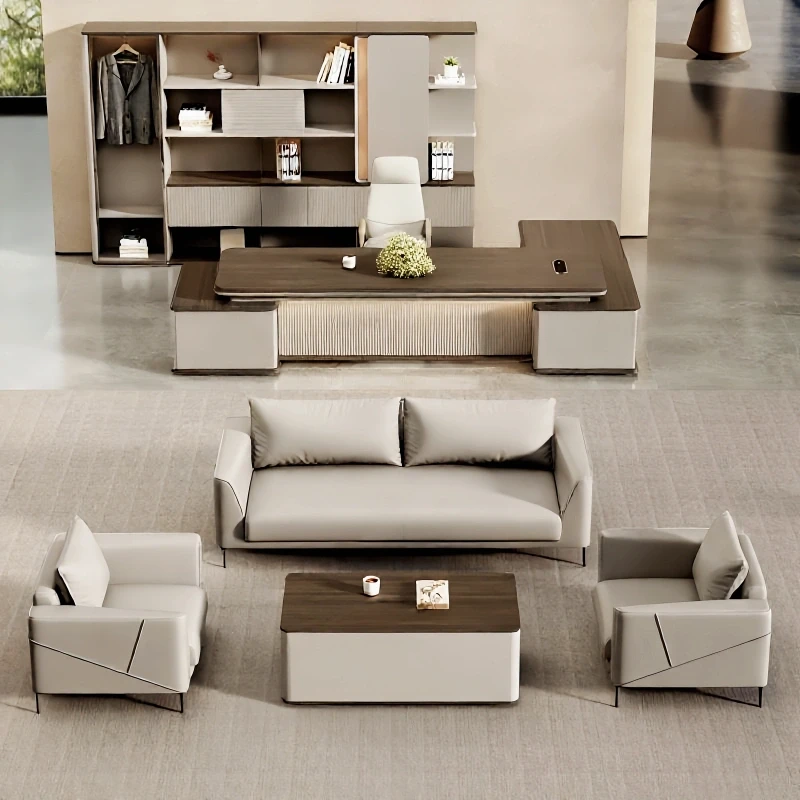
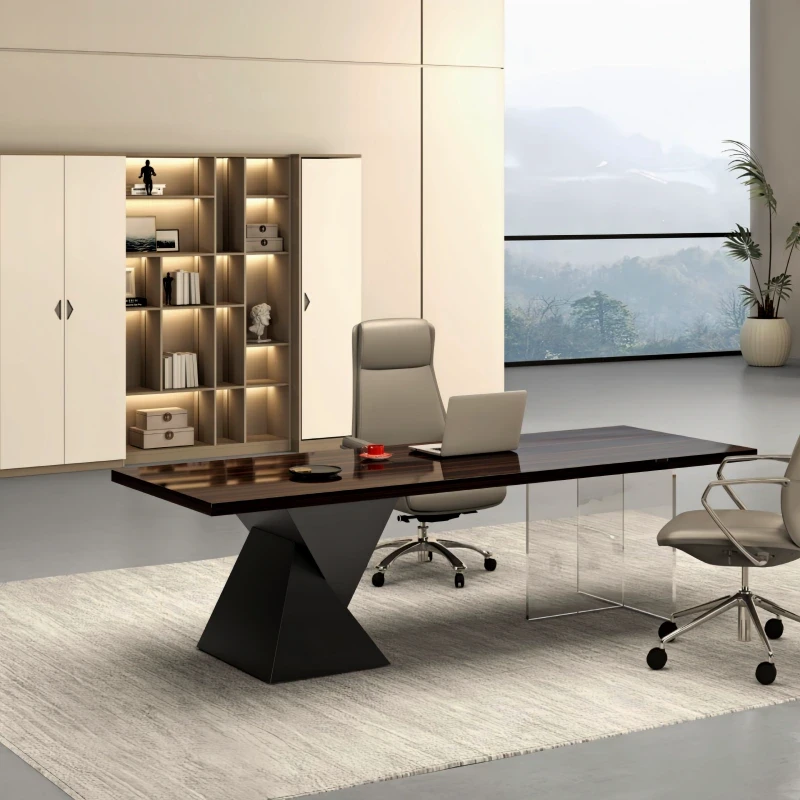


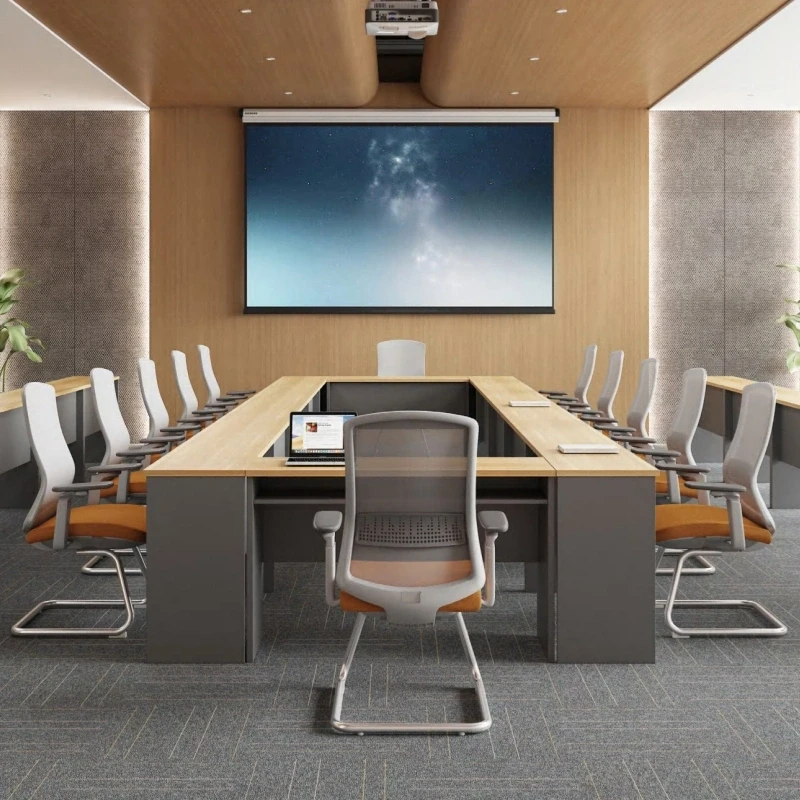
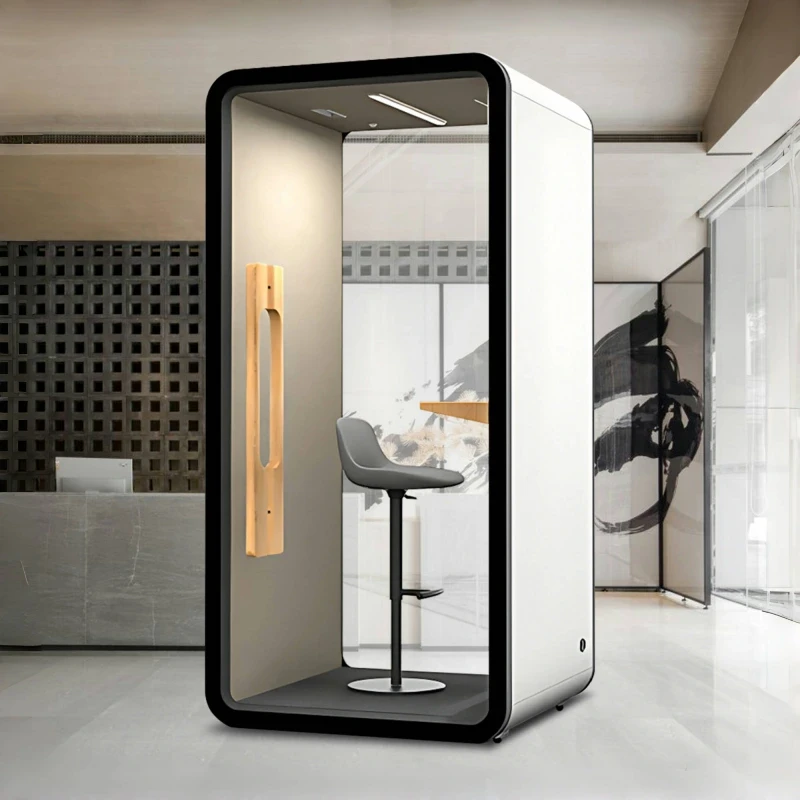
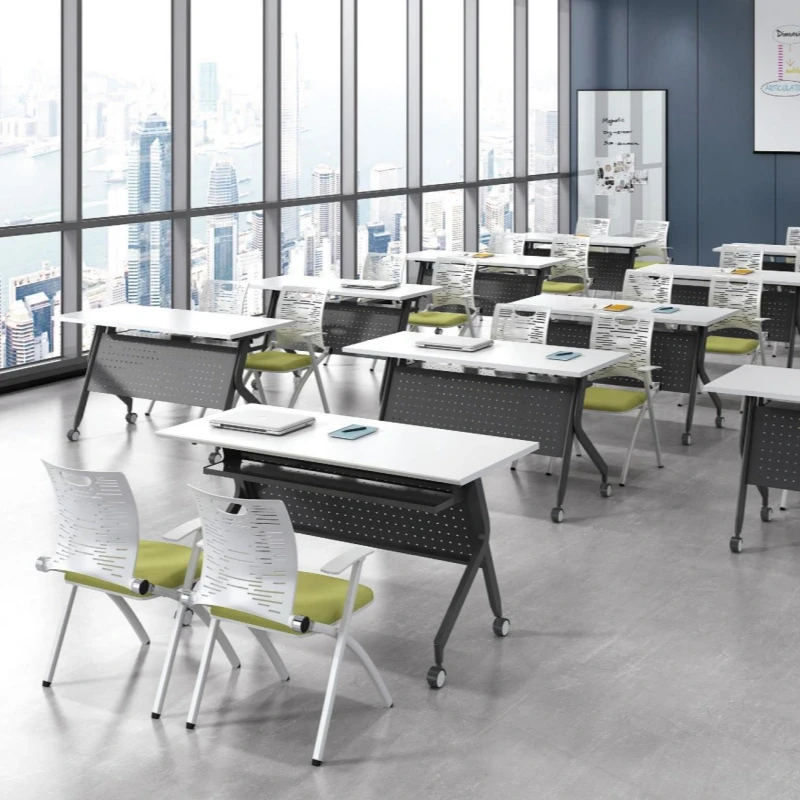





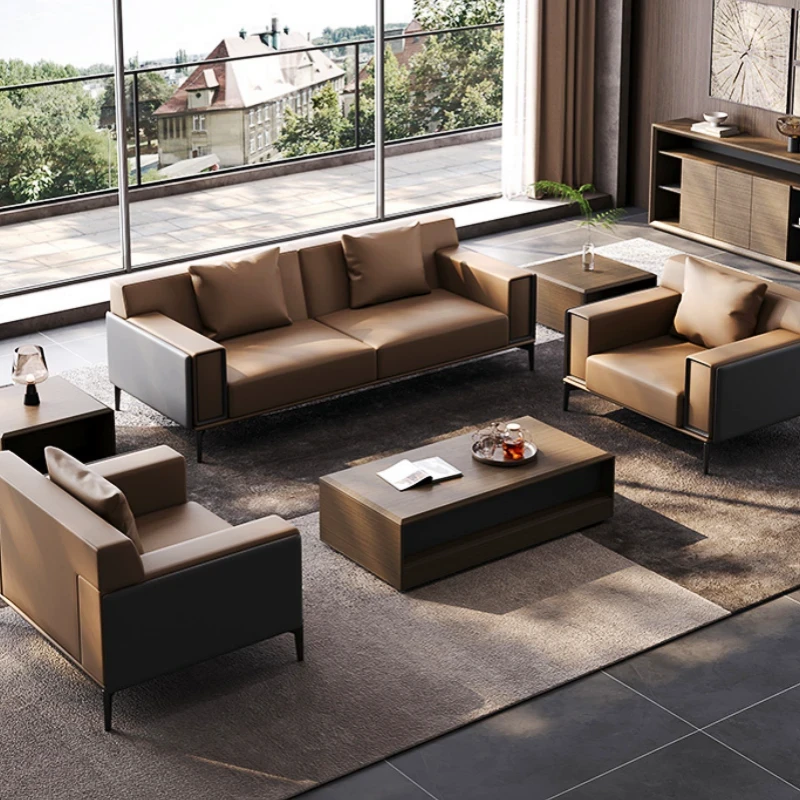
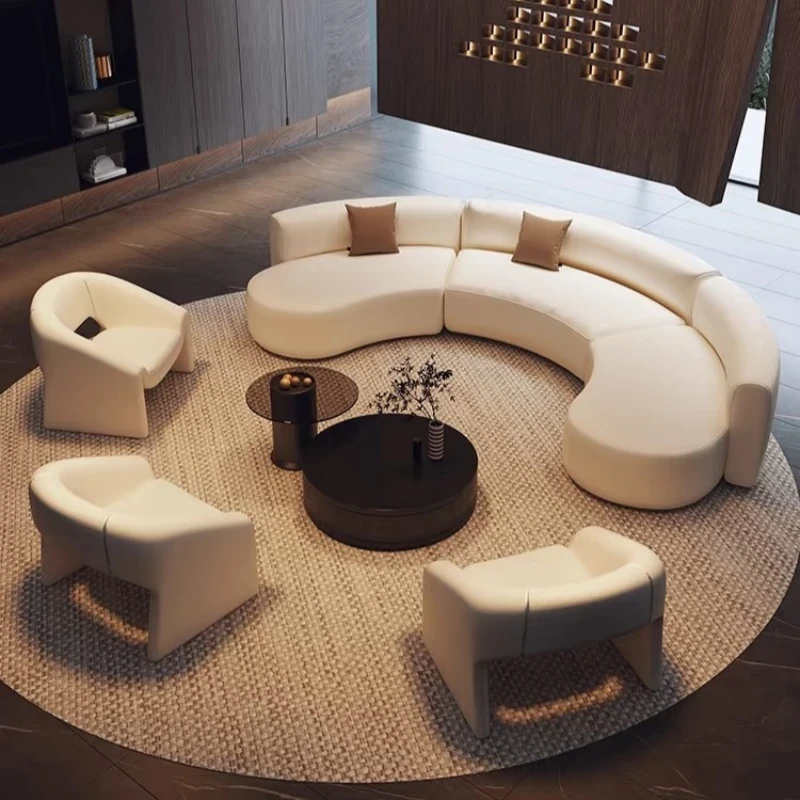
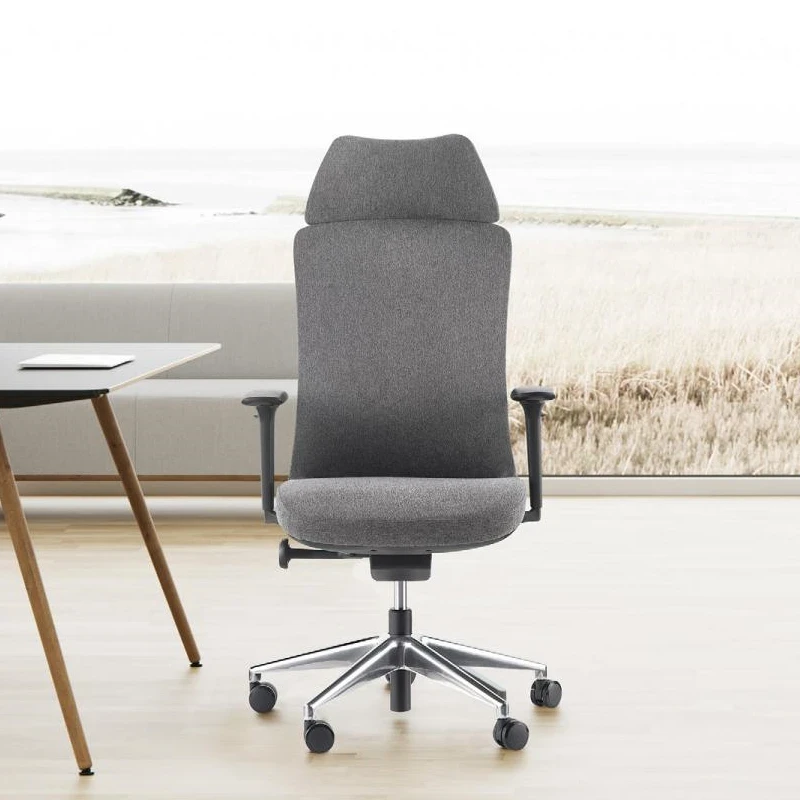


1. Improved Work Efficiency
Ergonomic office furniture helps employees maintain correct posture, reducing fatigue and discomfort, thereby improving work efficiency. Good posture not only reduces physical burden but also allows employees to focus more on their tasks.
2. Prevention of Occupational Diseases
Prolonged poor posture can easily lead to occupational diseases such as cervical spondylosis, lumbar disc herniation, and frozen shoulder. Ergonomically designed desks and chairs, by providing appropriate support and adjustment options, help prevent these health problems.
3. Enhanced Employee Satisfaction
A comfortable office environment can significantly improve employee satisfaction and well-being, thereby increasing employee loyalty and work enthusiasm.
II. Choosing Ergonomic Desks
1. Height Adjustable
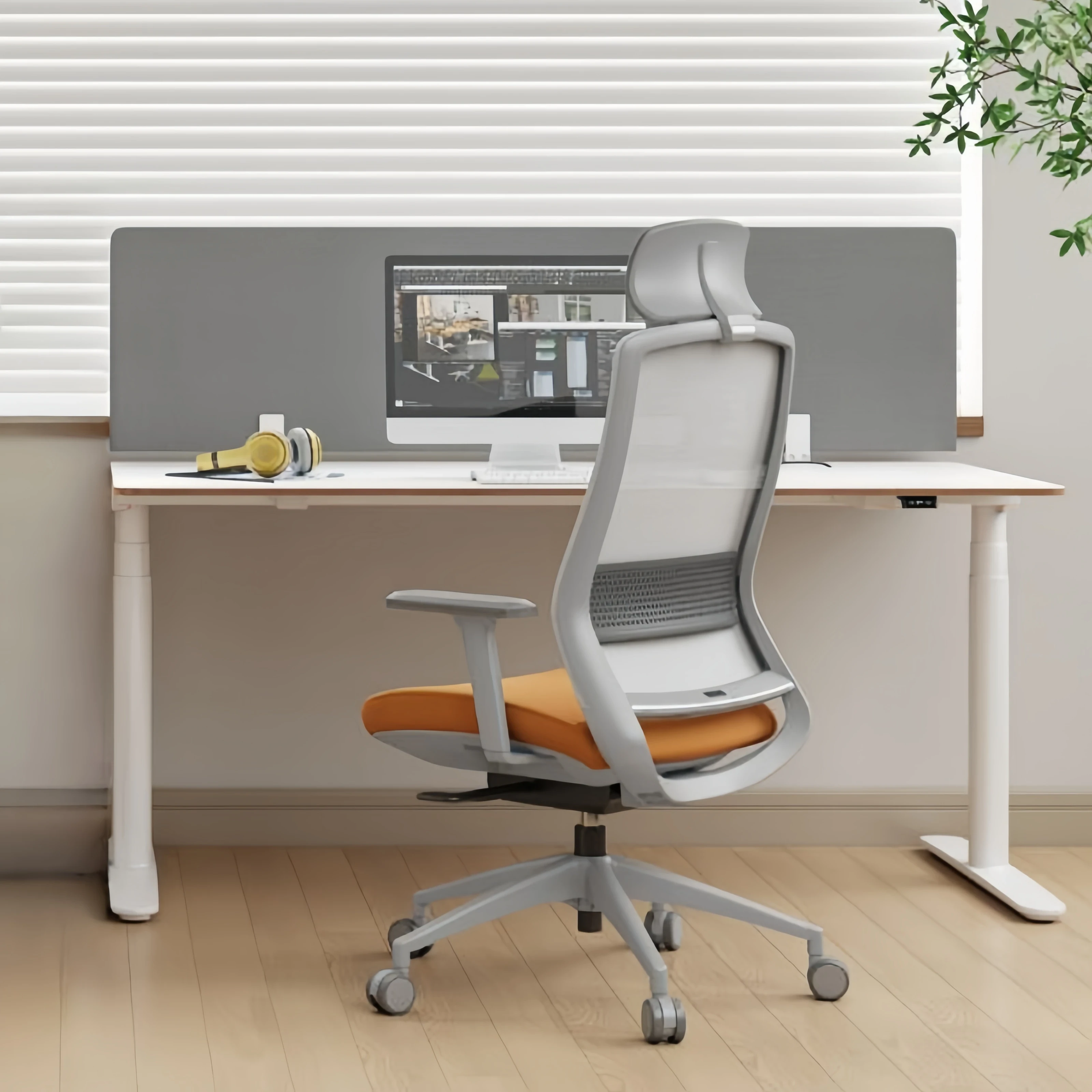
Desks The height of the desk should be adjusted according to the employee's height and work habits. An adjustable desk (such as a height-adjustable desk) allows employees to freely switch between sitting and standing positions, reducing the pressure caused by prolonged sitting.
2. Reasonable Desktop Space
The desktop size should be large enough to accommodate a computer, monitor, keyboard, mouse, and other office necessities. At the same time, the desktop layout should be reasonable, avoiding clutter that affects work efficiency.
3. **Good Cable Management:
** Ergonomic desks should have a cable management system to prevent tangled wires, improve the tidiness of the office environment, and reduce the risk of tripping.
4. **Ergonomic Design:**
The desktop design should conform to ergonomic principles. For example, edges should be rounded to avoid discomfort to the arms and shoulders. Furthermore, the desktop height should match the chair height to ensure comfortable use of the keyboard and mouse.
III. **Choosing an Ergonomic Office Chair:
** 1. **Height Adjustable:**
The height of the office chair should be adjusted according to the employee's height and the desk height to ensure that the employee's feet can rest flat on the ground and that the knees and hips maintain a 90-degree angle.
2. **
Good Back Support:** Ergonomic office chairs should provide lumbar support, especially for the lower back (lumbar spine), to help maintain the natural curve of the spine and reduce spinal pressure.
3. **Seat Depth and Width:**
The seat depth should be moderate, supporting the thighs without compressing the knees. The seat width should be spacious enough to ensure comfort during long working hours.
4. **Armrest Design:**
The armrests of the office chair should be adjustable in height and width to help employees relax their shoulders and arms, reducing pressure from prolonged typing or mouse use.
5. Material and Breathability:
Choose chairs made of breathable materials to avoid discomfort and sweating from prolonged sitting. The material should also be durable and easy to clean to maintain the long-term comfort and aesthetics of the office chair.
IV. Personalized Adjustment and Adaptation
1. Adapting to Different Employee Needs:
Companies should consider individual differences among employees and choose desks and chairs with multiple adjustment options to meet the needs of different heights, body types, and work habits.
2. Training and Guidance:
Provide training and guidance on using desks and chairs to help employees correctly adjust the height of their chairs and desks, master the optimal working posture, and fully utilize the advantages of ergonomic furniture.
V. Compliance with Standards and Certifications
1. Ergonomic Standards:
Choose desks and chairs that meet international or domestic ergonomic standards, such as ISO 9241 and EN 1335, to ensure that the furniture design is scientifically sound and meets ergonomic requirements.
2. Environmental Certification:
Prioritize office furniture with environmental certification to ensure that it is harmless to the environment and employee health during use, while also reflecting the company's social responsibility.
VI. Budget and Cost-Effectiveness
1. Reasonable Budget:
While ergonomic office desks and chairs require a higher initial investment, in the long run, they can reduce employee health problems caused by poor posture, lower the company's medical and absenteeism costs, and offer high cost-effectiveness.
2. Preferred Brands and Suppliers:
Choose reputable and experienced ergonomic office furniture brands and suppliers to ensure product quality and after-sales service, avoiding potential problems and additional costs associated with low-quality furniture.
VII. Actual Trial and Feedback
1. Trial Phase:
Before purchasing, allow employees to try out different models and brands of office desks and chairs to understand their comfort and adaptability, ensuring the most suitable products are selected.
2. Feedback Collection:
Regularly collect employee feedback on office desks and chairs, adjust and optimize furniture configurations in a timely manner to meet the ever-changing needs of employees, and further improve the comfort of the office environment.
Conclusion:
Choosing ergonomic office desks and chairs is not only a key measure to improve employee comfort, but also an important means to improve work efficiency and prevent health problems. When selecting office furniture, companies should comprehensively consider factors such as height adjustability, back support, seat depth and width, armrest design, materials and breathability, and make personalized adjustments based on individual employee needs. At the same time, choosing brands that meet ergonomic standards and environmental certifications ensures furniture quality and fulfills the company's social responsibility. Through the scientific and reasonable selection of office desks and chairs, companies can create a healthy, comfortable, and efficient working environment for their employees, further enhancing their overall competitiveness.