
 USD
USD GBP
GBP
 EUR
EUR
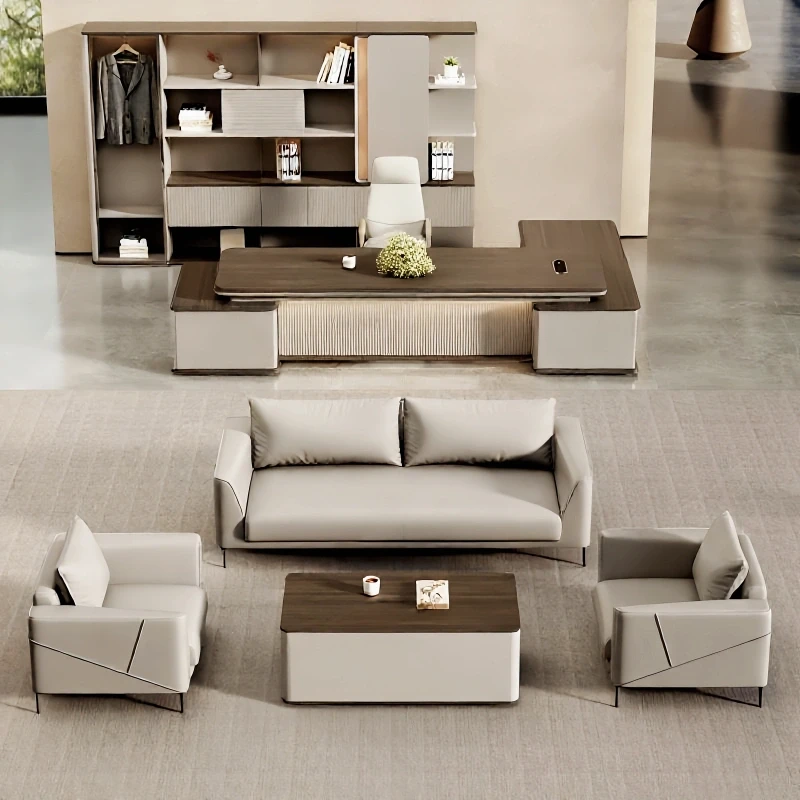
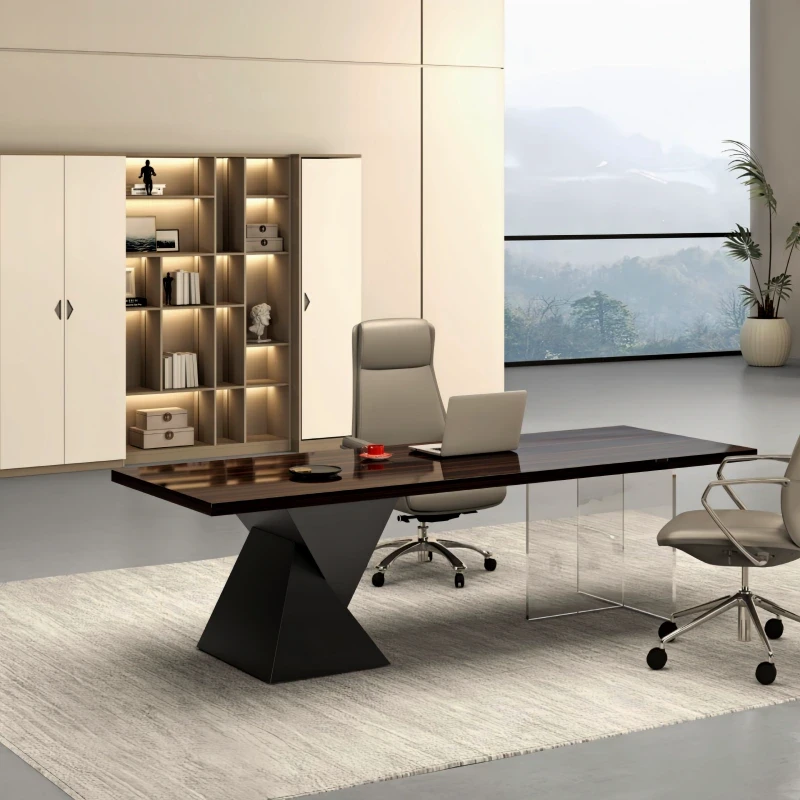






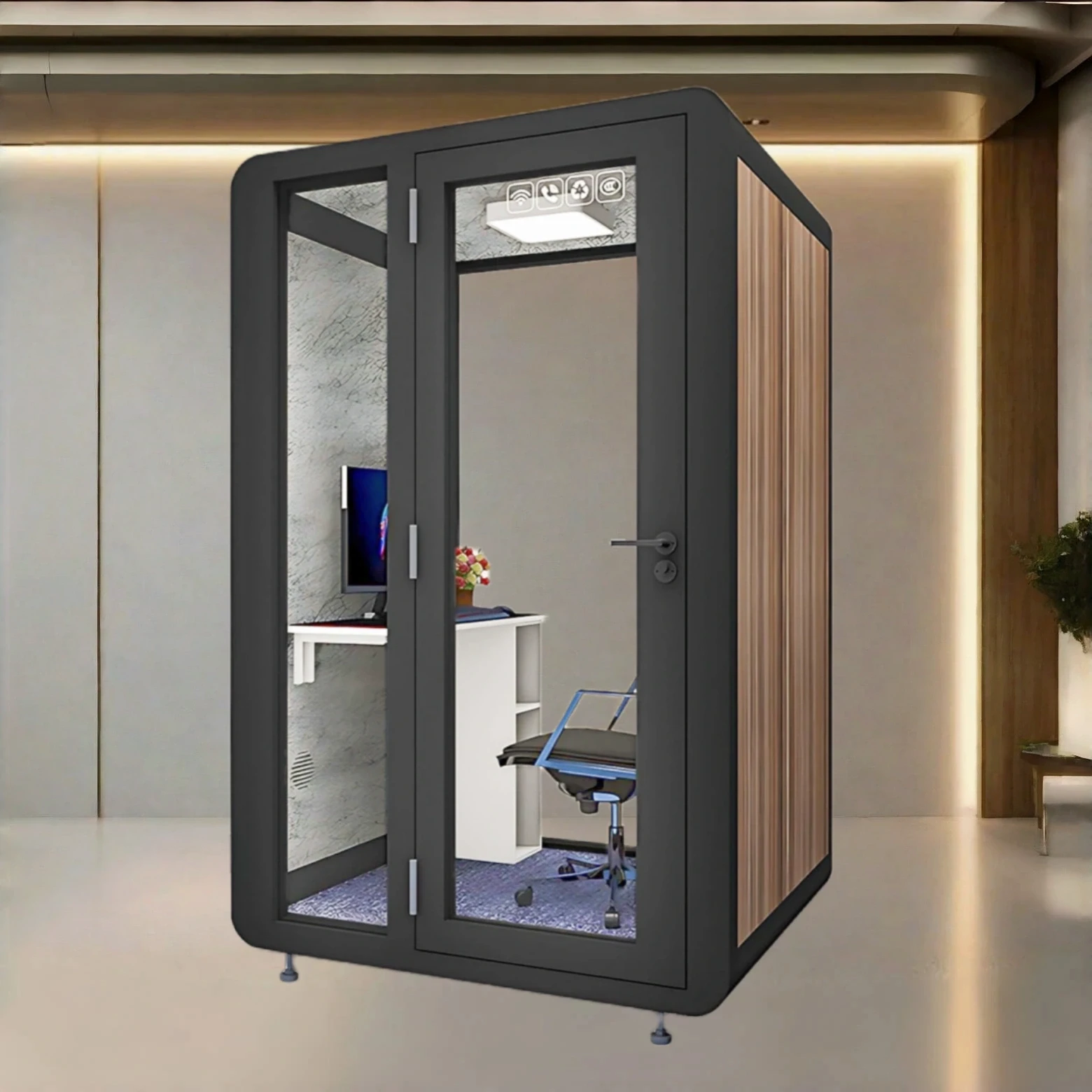





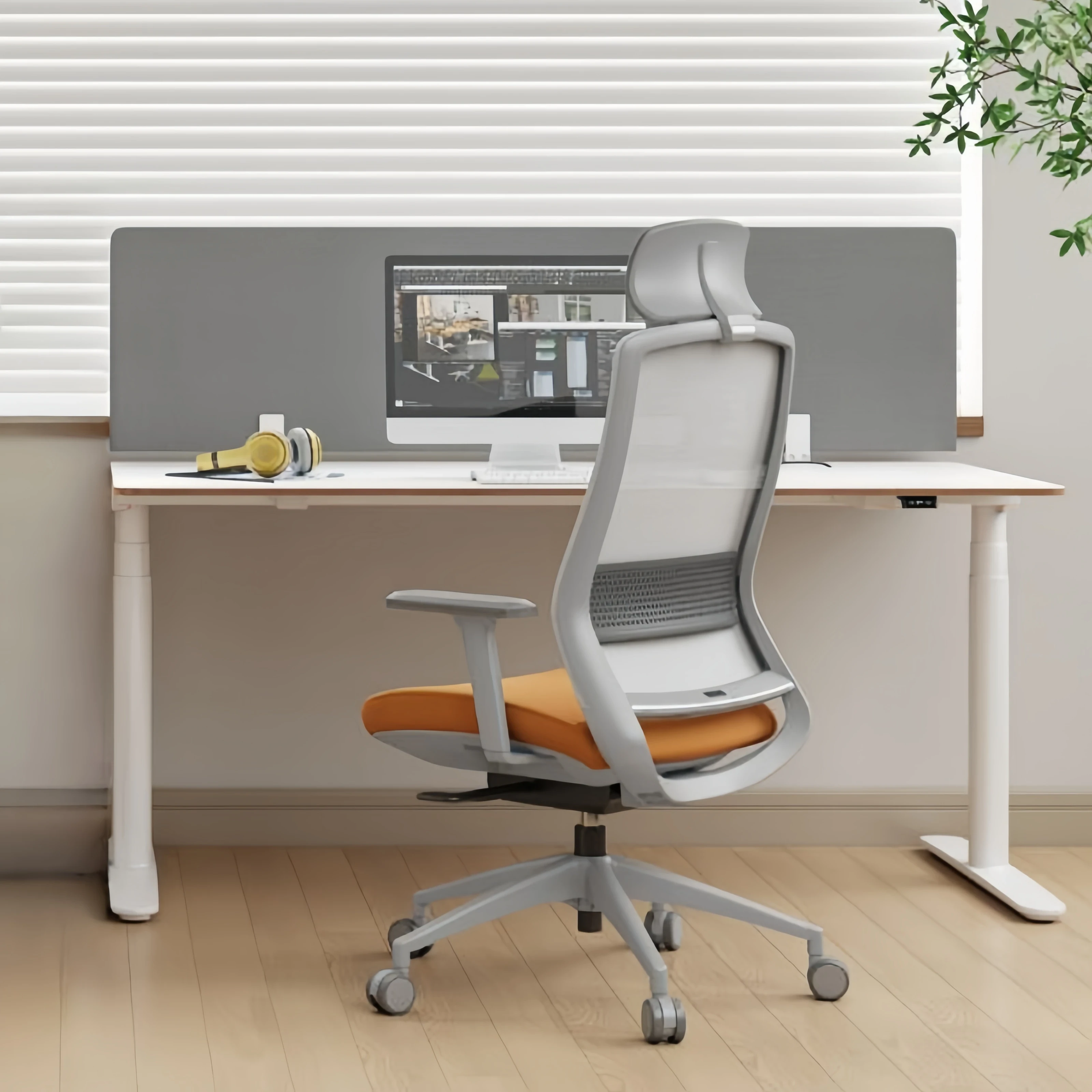






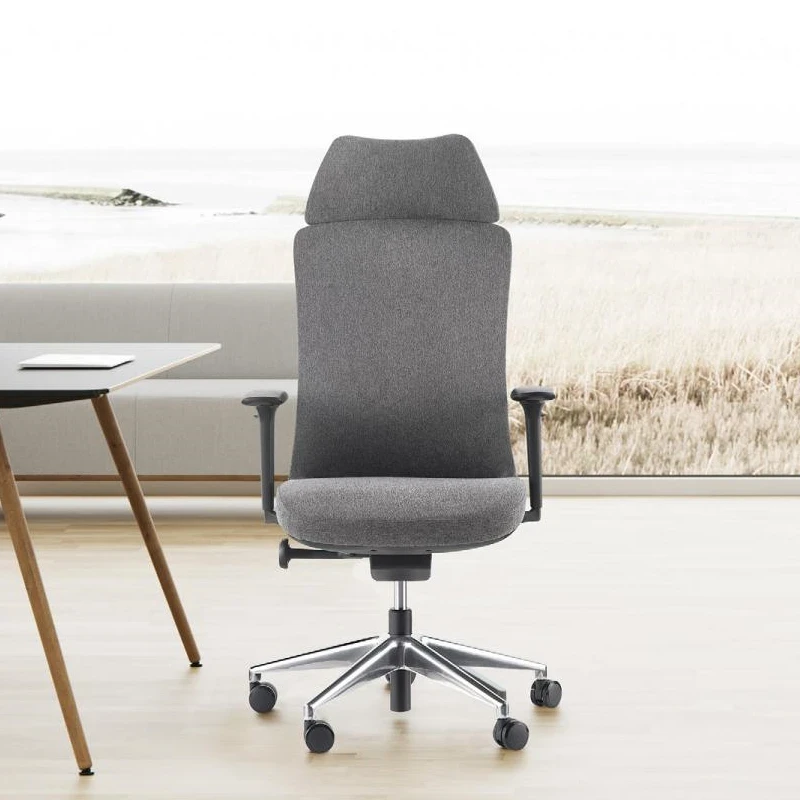


Before purchasing furniture, businesses should clearly define their needs and budget. Needs include the style, material, function, and quantity of the furniture; the budget includes purchase and maintenance costs. Clearly defining needs and budget helps businesses make more informed decisions during the purchasing process, avoiding overspending or buying unsuitable furniture.
2. Choose Reputable Suppliers:
Choosing reputable suppliers is key to ensuring furniture quality. Businesses can learn about suppliers' reputation and word-of-mouth through online searches, industry recommendations, and on-site visits. Reputable suppliers typically have extensive experience and excellent after-sales service, providing high-quality furniture and professional advice.
3. Compare Multiple Suppliers:
When purchasing furniture, businesses should compare the prices and services of multiple suppliers. Through comparison, businesses can find the supplier with the best value for money. Comparisons should include furniture quality, price, delivery time, after-sales service, and customization capabilities. Businesses can also request samples from suppliers for a more direct evaluation of the furniture's quality and appearance.
4. Consider Long-Term Cooperation:
Establishing long-term partnerships with suppliers can bring more benefits and convenience. Suppliers with long-term partnerships usually understand the business's needs better and can provide more personalized services. Furthermore, long-term cooperation can help businesses obtain more favorable prices and faster delivery times.
5. Sign a detailed contract.
When purchasing furniture, businesses should sign a detailed contract with the supplier, clearly defining the responsibilities and obligations of both parties. The contract should include the furniture specifications, quantity, price, delivery time, payment method, after-sales service, and liability for breach of contract. Signing a detailed contract can avoid future disputes and ensure a smooth procurement process.
Conclusion:
Procuring office furniture requires clearly defining needs and budget, selecting reputable suppliers, comparing multiple suppliers, considering long-term cooperation, and signing a detailed contract. Through a reasonable procurement strategy, businesses can select cost-effective furniture suppliers, ensuring the quality and aesthetics of the furniture while controlling costs and improving operational efficiency.