
 USD
USD GBP
GBP
 EUR
EUR





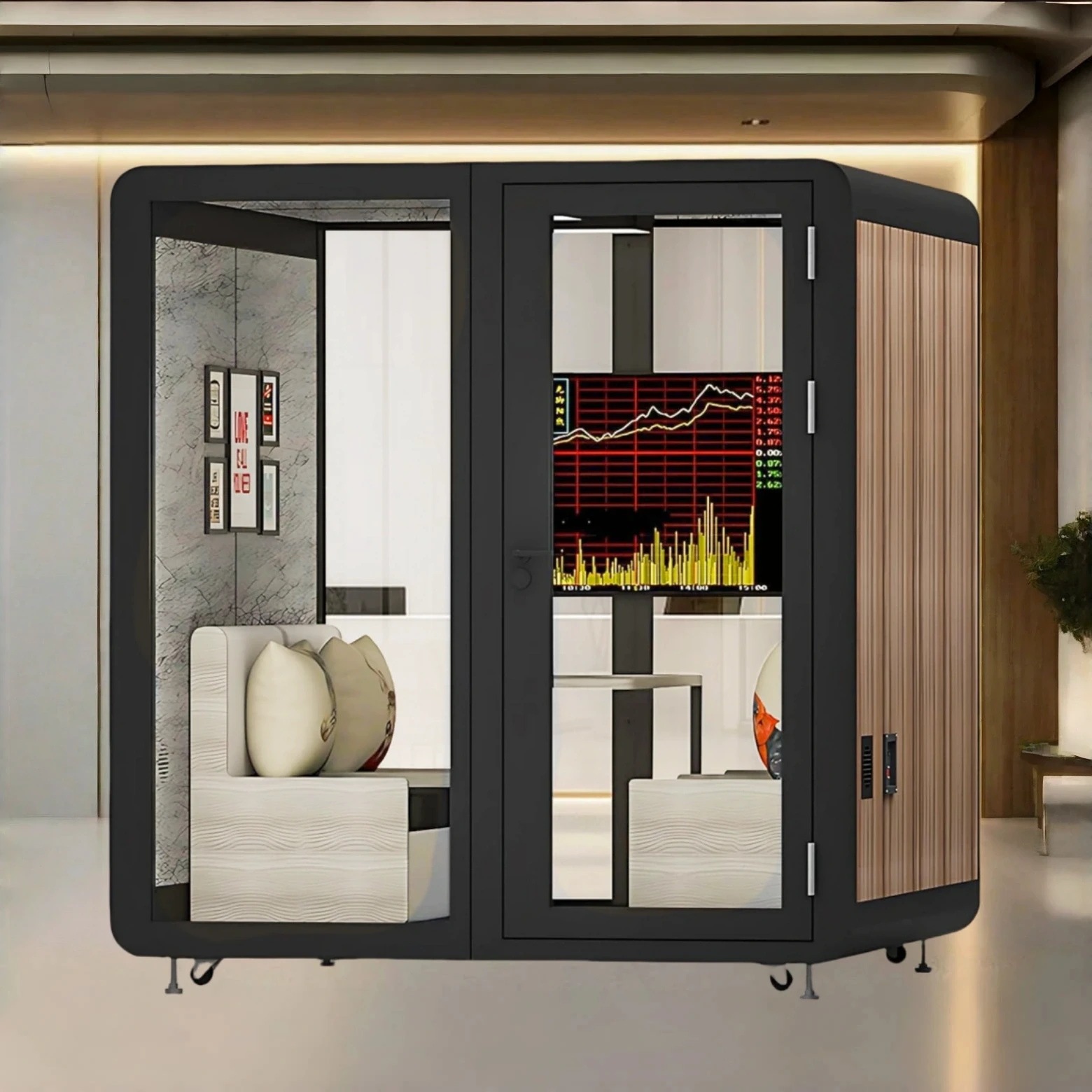












Zhengzhou safe
As people's living standards improve, the number of valuable items in their homes is also increasing. Safes, once primarily used by banks, businesses, government agencies, and financial institutions, are now widely available in households. However, many people simply leave their safes lying around at home, offering very little security. It's like openly telling thieves, "My valuables are all here; come and take them if you dare." High-quality safes are generally reliable, but many people, to save money, buy storage cabinets and use them as safes, offering absolutely no security. Okay, enough chit-chat. Now, let the editor from Henan Huadu Times tell you what to do after buying a safe:
Zhengzhou Safes : Preparations Before Installation
Many safes weigh hundreds of kilograms, and wheels are added for easy movement. Before installing and securing the safe, the base feet and casters on the bottom of the safe should be removed to ensure that there are no gaps at the bottom after installation. This is more effective in preventing the safe from being pried open.
Zhengzhou safes : installation location and space
To ensure safety and privacy, please do not install it in obvious places such as the living room. If conditions permit, and you personally seek even greater privacy and security, it is recommended to build a secret room and install a safe, just like in TV dramas. Generally, it is installed in the bedroom or study.
For maximum safety, the safe must be fixed to a concrete wall. If the wall is thick enough, a hole just big enough for the safe needs to be drilled in the wall, and the cement should be smoothed out slightly. As for the installer, it's best if you can do it yourself; otherwise, have a professional install it to ensure the strength and quality of the installation.
Zhengzhou safes : Installation method
First, you need to accurately position and drill holes in the wall according to the distance between the two mounting holes for the safe. You'll need an electric drill; watch out for flying stones! Choose an alloy drill bit with the same diameter as the expansion bolt's tightening ring (tube), mount it on the drill, and then drill the hole in the wall. The hole depth should ideally be the same as the bolt length. Then, insert the expansion bolt kit into the hole. Remember, do not unscrew the nut, to prevent the bolt from falling into the hole if the hole is drilled too deep and difficult to remove. Tighten the nut 2-3 turns until you feel the expansion bolt is tight and not loose, then unscrew the nut. Align the safe's mounting holes with the bolt, install the outer washer or spring washer, and tighten the nut.
Important points to note: For 6mm diameter tubes, drill a 10mm hole; for 8mm diameter tubes, drill a 12mm hole, according to the outer diameter of the expansion tube. If the brick wall is soft, choose a smaller drill bit. The entire expansion tube should be inserted into the wall; the deeper the sleeve, the more secure it will be, provided the threaded part is long enough.
The above describes the preparation and installation process for the safe. So how can it be installed in a truly concealed manner?
The first method, if your walls are thick enough, is to embed the safe in the wall. Drill a hole in the wall roughly the same size as the safe, insert the safe, and then seal the edges with cement to ensure a perfect fit. Use furniture, such as a wardrobe, to conceal the safe in front of it.
The second option is to use a cabinet if the wall isn't thick enough. You can customize a wardrobe to fit the size of the safe, place it inside, and secure it. You can place something to conceal the safe door, such as clothes or blankets, but this makes it easy for the safe to be searched. Here's a little trick: cover the safe door with clothes, making it appear as if it's full of clothes, thus deceiving the reader.
The third method involves rummaging through wardrobes, which are the easiest targets. Hiding inside walls is one method, but if you don't carefully manage the gaps between the items you're concealing, it's easily discovered. The best solution is to dig a hole in the floor and install a safe, but this method only works for very small safes. Thieves generally won't pay attention to the floor; most homes have wooden floors, so making a hole for a safe isn't a problem! If installed properly, it won't make any strange noises when you walk on it. Of course, you can also place a table on top to avoid walking on it, or you can put a rug on it.
Under normal circumstances, do not store large amounts of cash and valuables in safes at home or work. Instead, deposit them in banks regularly and keep passbooks safe. Store passbooks, ID cards, and household registration books separately. Wrap or coat easily climbable places such as houses and factories with wire or grease to increase the difficulty of illegal entry. At the same time, appropriately increase technical and human security measures.
"Safes should ideally use advanced magnetic anti-theft lock cylinders and be properly equipped with video surveillance or infrared alarm devices. Carefully follow the instruction manual to understand the password settings and use them correctly and effectively. Home safes must also be of considerable weight. Families with the means don't need to display their safes on the side or bottom like in a hotel; they can integrate them into their home décor, making them decorative objects. For long-term residence, a stake-like fixing device can be installed between the bottom of the safe and the subfloor, significantly increasing security. Safes with these features are generally untouchable by thieves. For safes containing exceptionally large sums of money, they should be connected to a unified financial security network."