
 USD
USD GBP
GBP
 EUR
EUR
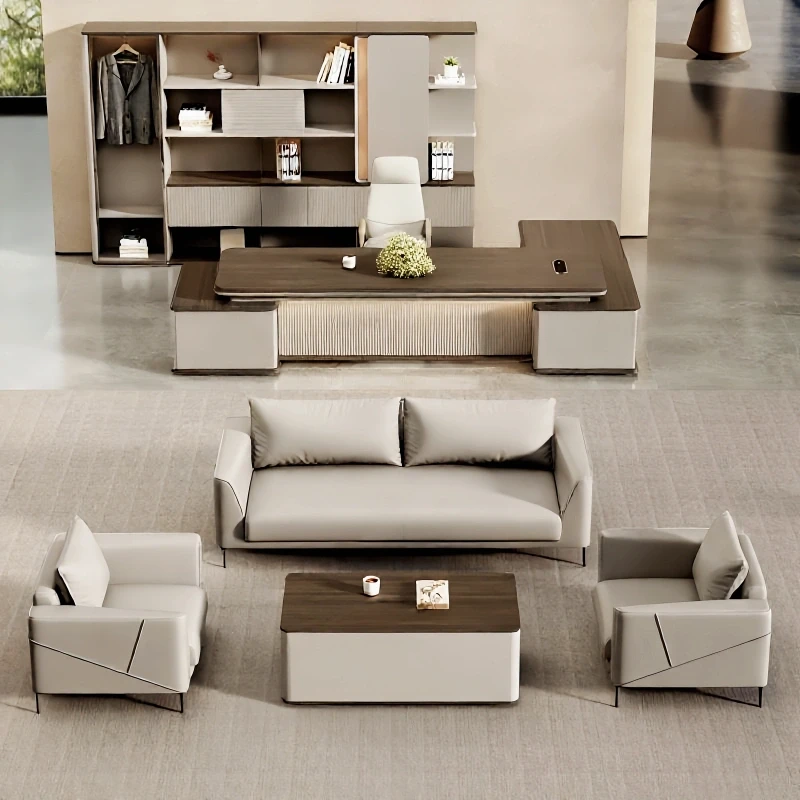
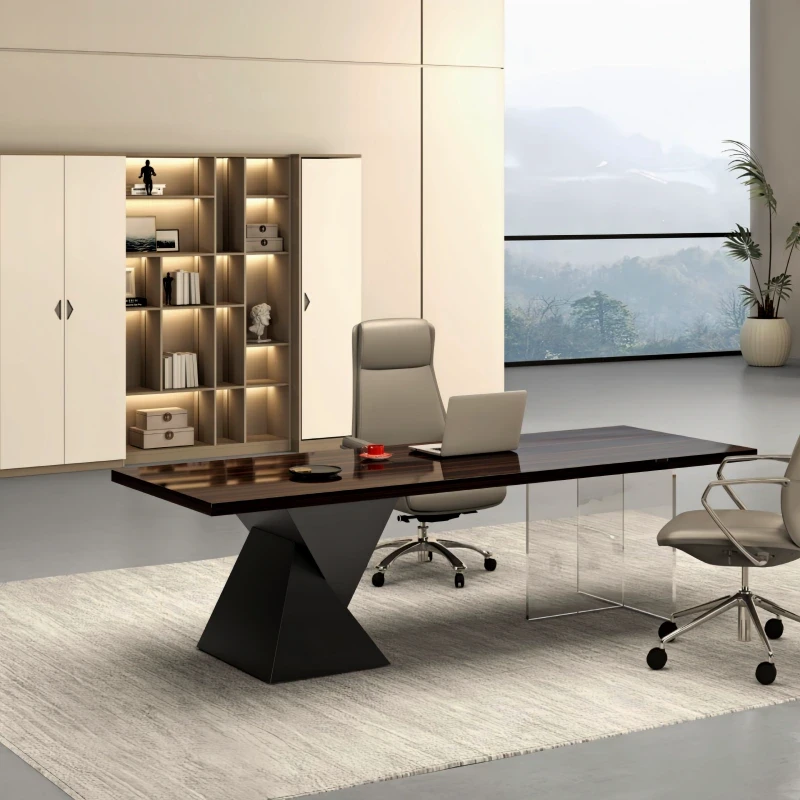


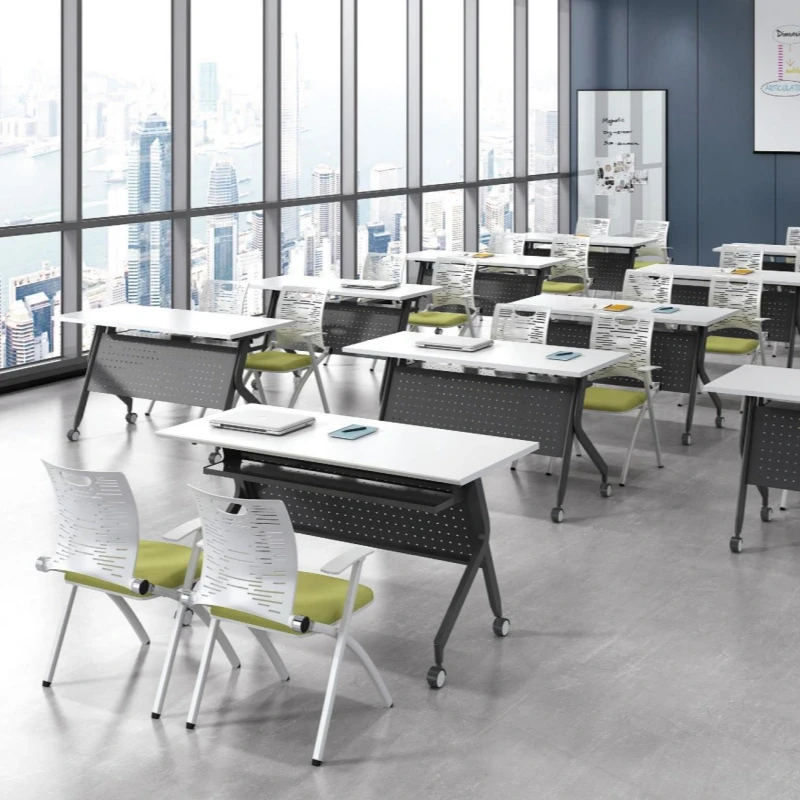





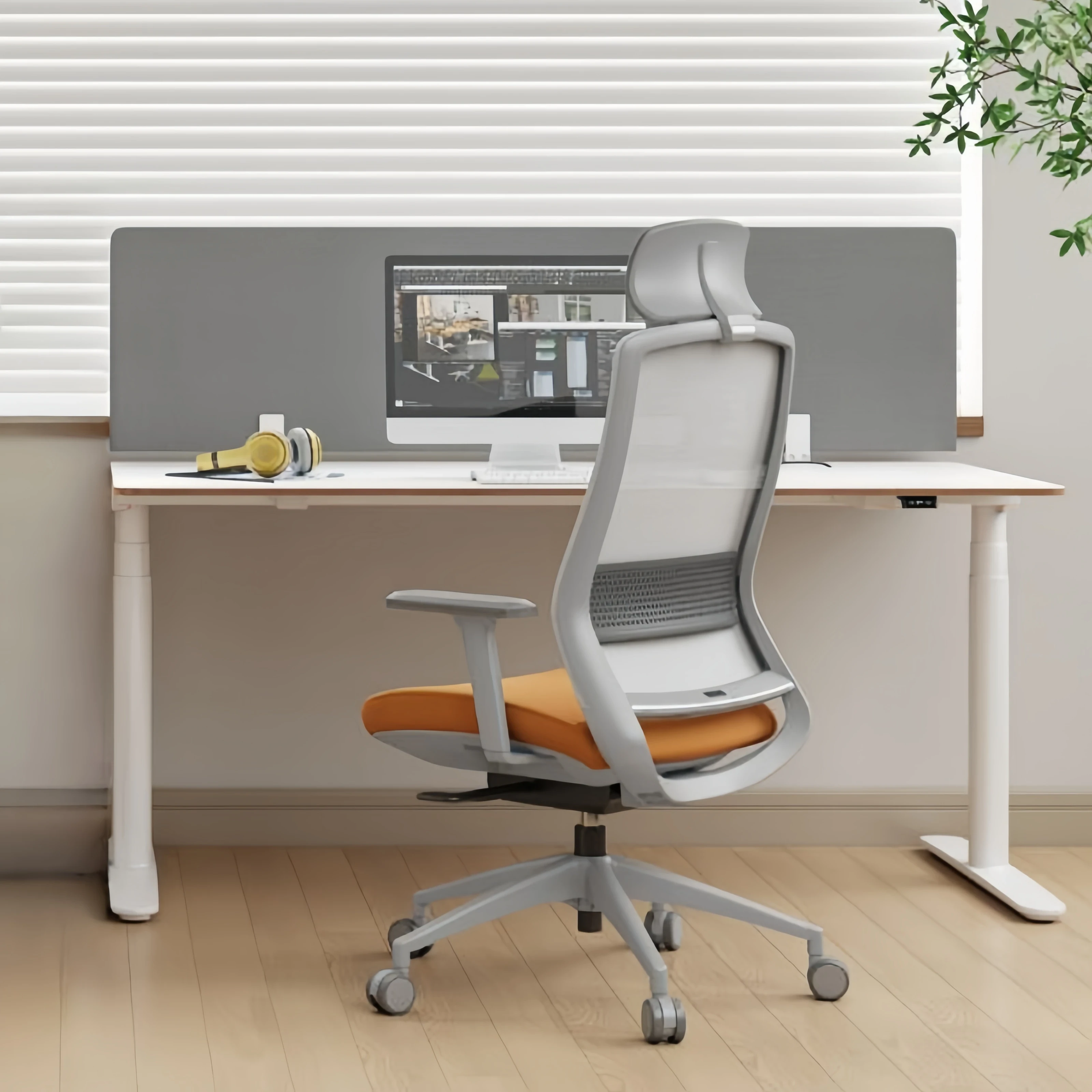


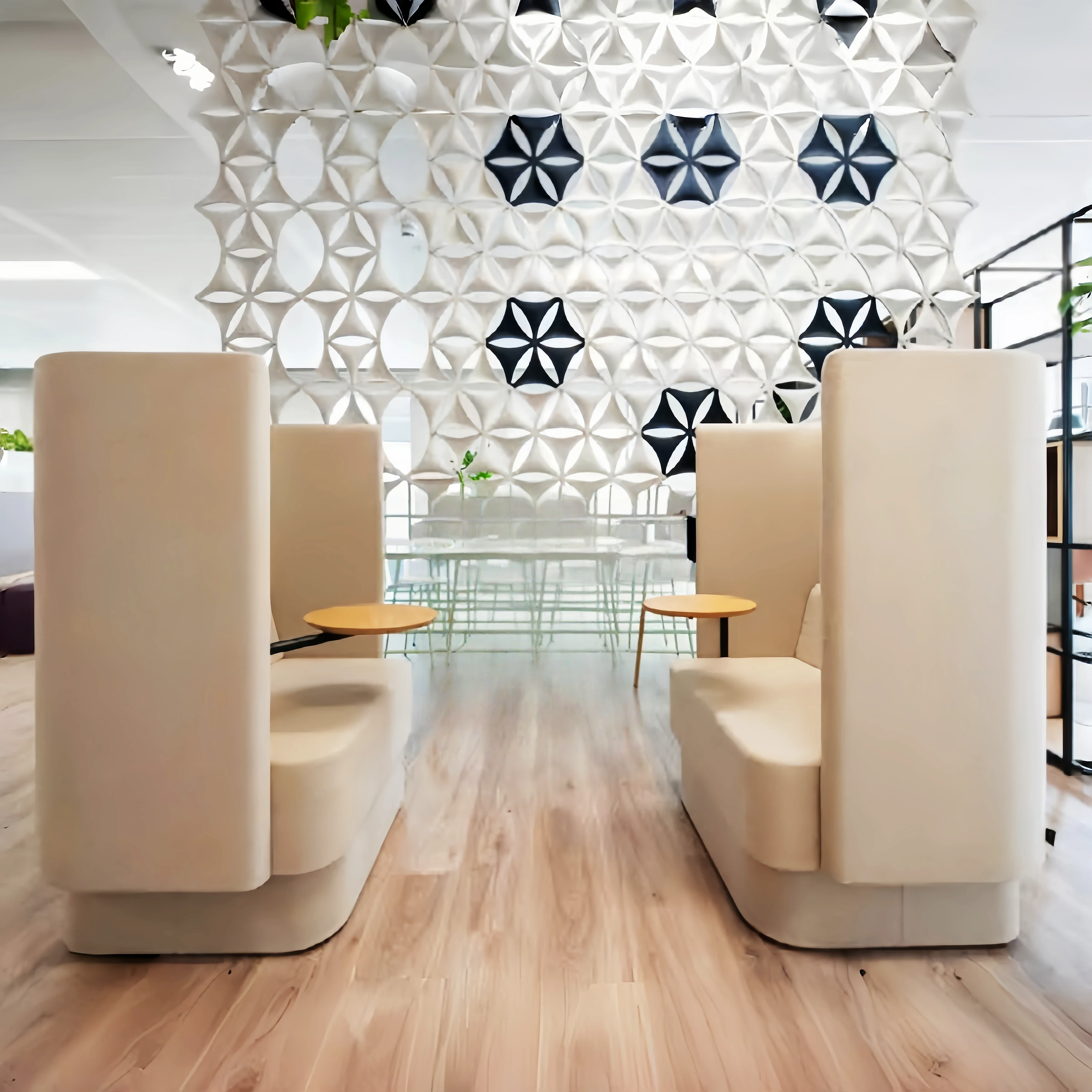


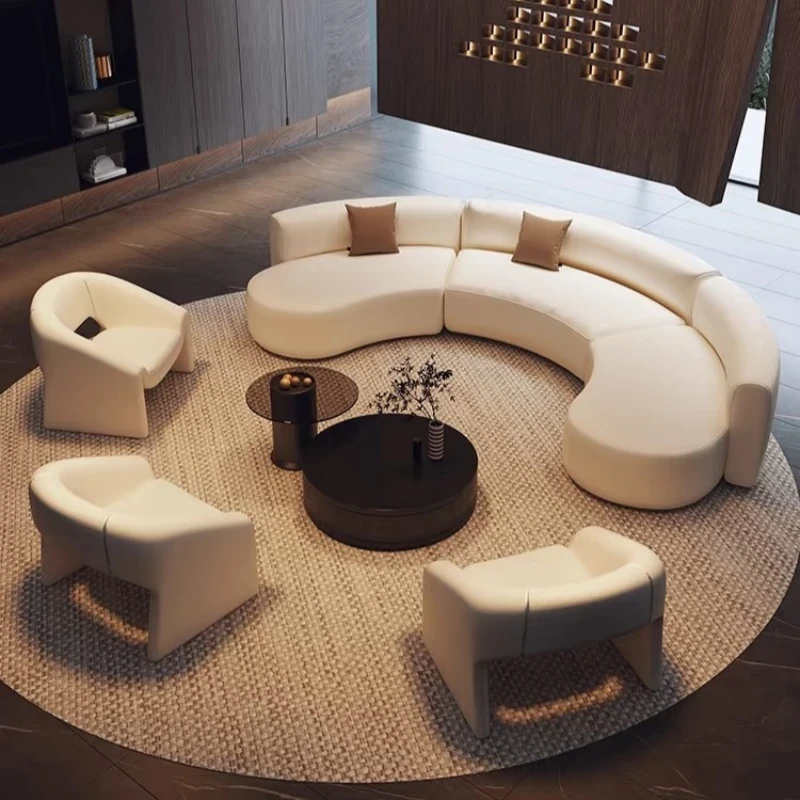
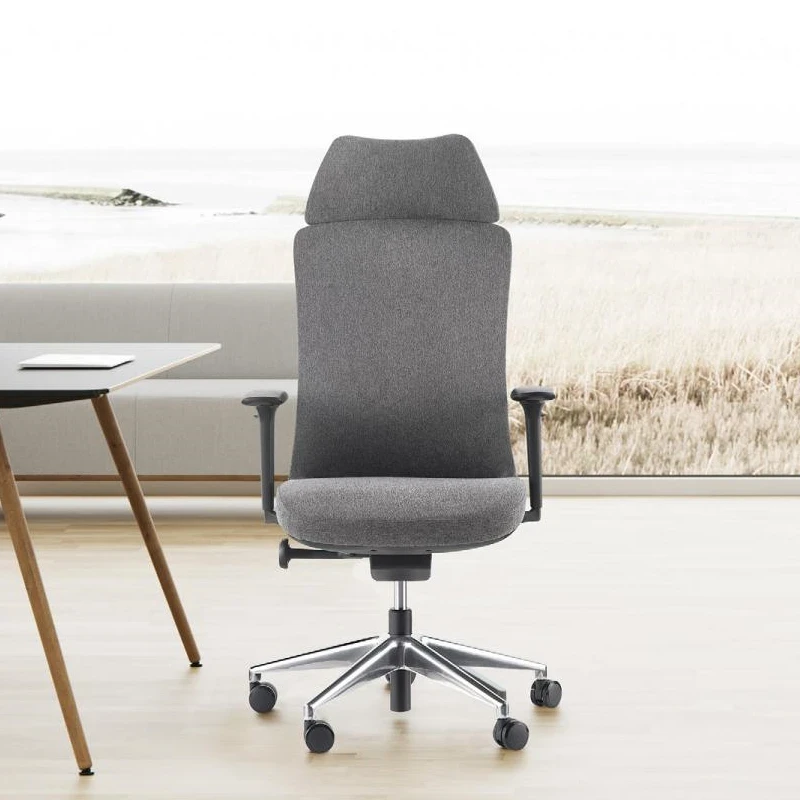


Over time, painted office furniture may exhibit problems such as oxidation, paint peeling, and dulling of the paint. In such cases, touch-up painting or refinishing is necessary. This is a restoration process for various finished furniture or building materials after surface damage, scratches, or discoloration. The main steps of repairing and repainting painted office furniture are as follows:
1. To supplement.
Painted office furniture is prone to paint peeling or cracking. We should first repair and fill the gaps to make them smooth and lubricated, and prevent the furniture from deforming at the same time as the paint peeling or cracking.
2. Coloring.
Repairing painted office furniture requires color matching, varnishing, and polishing. Based on an investigation of the original color mixing of the furniture, it is necessary to distinguish between different paint colors, such as mixed colors, two-layer colors, and three-layer colors. Appropriate color matching will be performed according to the determination to achieve a seamless touch-up effect.
3. After the furniture is painted, it needs to be polished.
Therefore, after repair and touch-up painting, a gloss treatment is required. Depending on the gloss or matte finish of the furniture, this may involve sanding, polishing, applying a gloss enhancer, etc. The auxiliary materials used may be wax or abrasives.
The basic operation is as described above, and the in-depth analysis of the process is explained below.
1. Filling operation: Fill with 502 wood chips.
First, apply 502 glue to the area to be filled. Fill the area with sawdust, apply more 502 glue, and let it dry. Then, use a file to smooth out any protrusions or excess material, restoring it to its original shape. Sand with sandpaper, repeatedly applying 502 glue and using a scraper to scrape or sand until the filled area is completely flat and smooth. If it is not possible to sand it perfectly flat, you can wrap sandpaper around the scraper blade and then sand the area to be filled. Repeat the process until it is completely flat.
2. Differences in paint color for office furniture:
Mixed colors are achieved by blending three colors together in a balanced and complementary manner, resulting in a saturated state. This type of color is the easiest to mix and apply in one step, but it's necessary to emphasize certain aspects. For example, when applying a greenish hue, green serves as a protective color. Two-layer colors refer to base and top colors with a clear visual distinction, such as a yellowish-red base with black veins on the surface, or green or brown. All of these require a base color, even application, followed by a gloss finish to protect the lacquer surface, then the top color, and finally a gloss treatment. Three-layer colors refer to a base color of any color, a middle layer of any color veins or spots, and a top color of a pure, light hue with subtle color reflections. This type of lacquer requires precise color selection to avoid applying the wrong color layer or creating veins, spots, or patterns. A gloss agent is then used for further polishing. Finally, based on the surface color of the furniture, a color diluted with shellac is applied to create the top color. A final polish is then applied.
Whether it's touch-up painting of office furniture or home furniture, the economic benefits are obvious: repeated use, resource conservation, and maintaining the overall image. Generally speaking, I suggest doing it yourself if you can, as it avoids trouble. However, if you don't know how, it's better to find a professional for furniture renovation.
Precautions for touch-up painting of office furniture
1. Many families often encounter this problem when doing furniture touch-up work themselves. Many people think that as long as they are careful, they won't get paint on other places. In reality, anyone can make a mistake, but it's not that simple when you actually do it. Therefore, in such cases, it is even more necessary to have a professional protective device to cover the areas that do not need to be repaired with rib paper or other clean materials, thereby ensuring the safety of other parts.
2. It's necessary to remove existing stains from the furniture. Many people try to remove these stains, but this often worsens the existing problems. Therefore, when cleaning, it's best to...
Before the paint is completely dry, you can gently wipe it off with a cloth dampened with wax. Then, slowly polish the surface with limestone and gently wipe it with a clean, soft cloth until it is smooth.
3. When repairing furniture, it is important to ensure that it is completely dry before use. How do you check this? Do not touch it directly with your fingers. Instead, use a smooth object, such as a glass rod, to apply it to the repaired furniture. If it does not feel sticky, it means that the repair is truly dry. If it still feels slightly sticky, it should not be used.