
 USD
USD GBP
GBP
 EUR
EUR
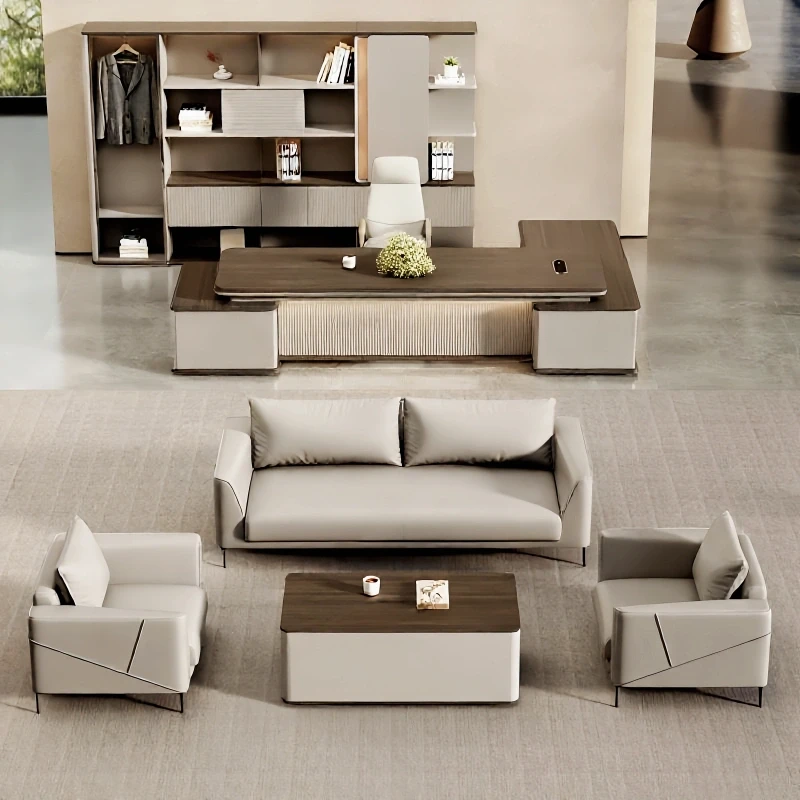
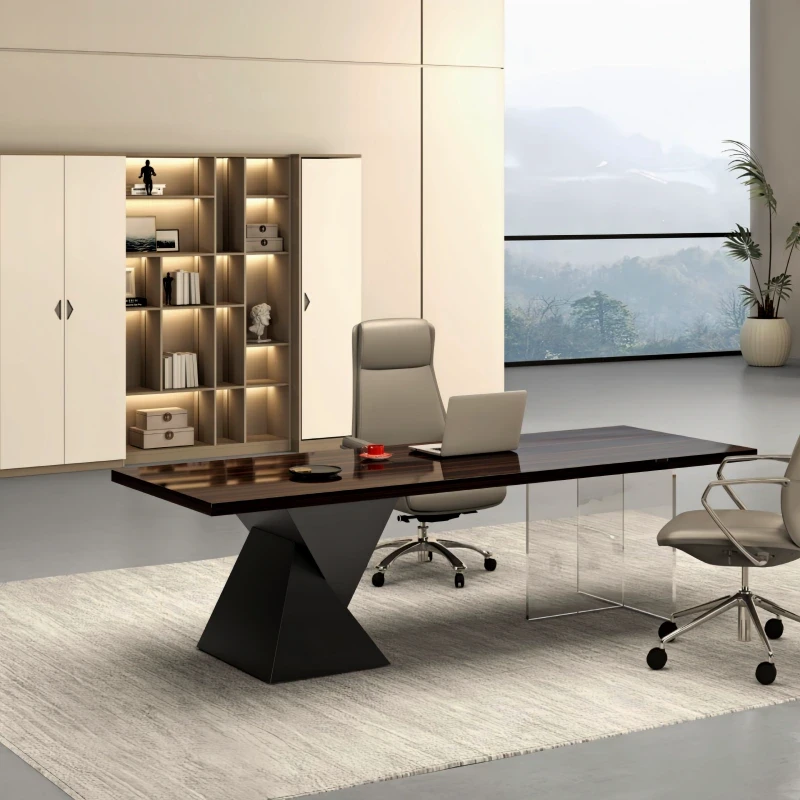


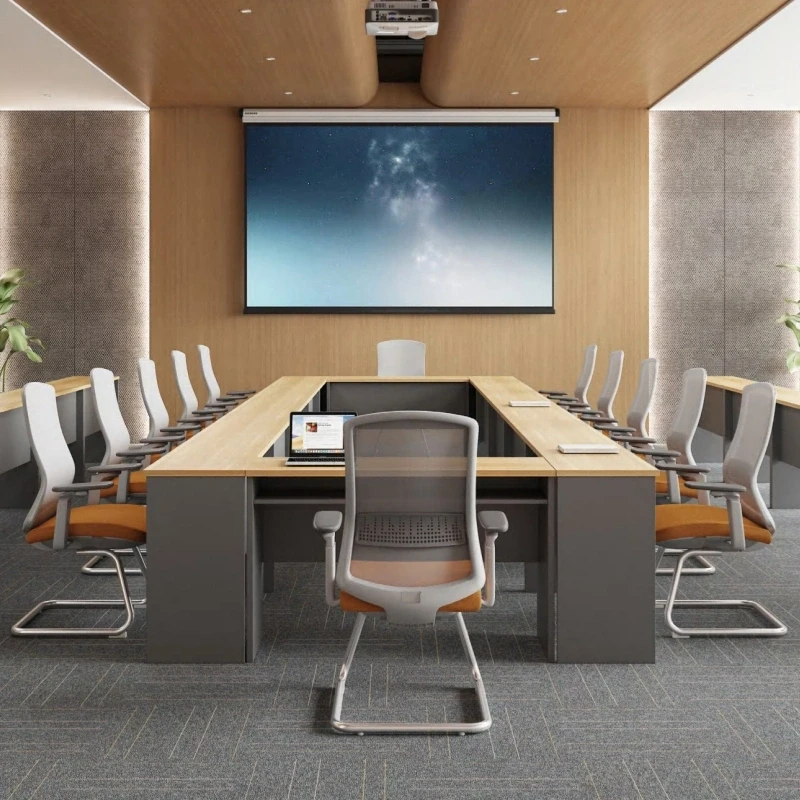
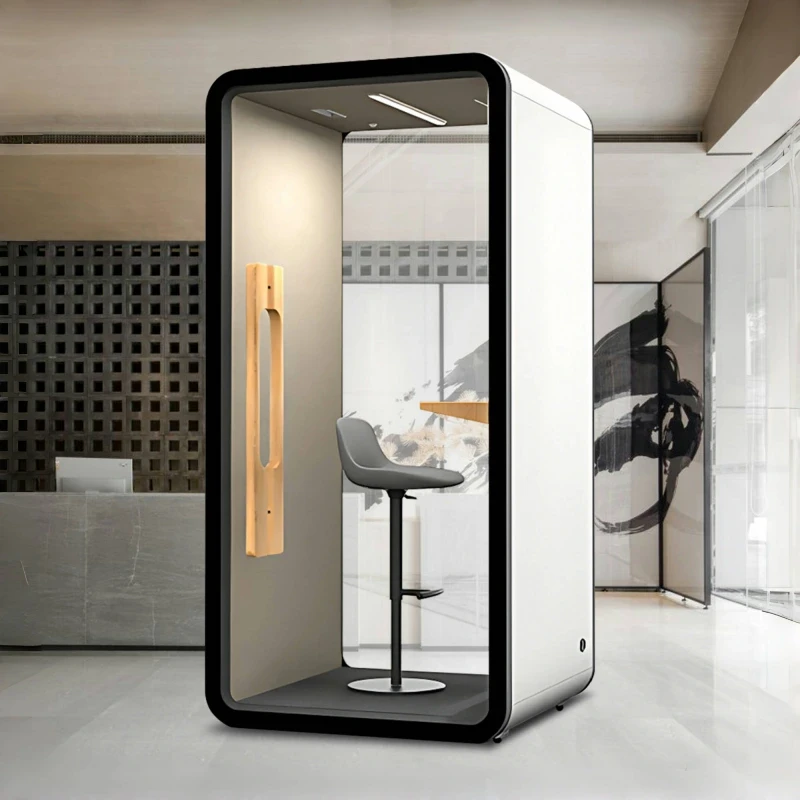








1. Importance of High-Quality Materials
Materials are the foundation of furniture quality and durability. Choosing high-quality materials not only extends the lifespan of the furniture but also ensures its stability and safety during long-term use. For example, solid wood, metal, and high-density fiberboard are generally more durable than low-quality plywood and plastic.
2. Environmental Protection and Safety
School dormitory furniture should be made of environmentally friendly materials, ensuring it is formaldehyde-free, non-toxic, and meets national environmental standards. This not only helps protect students' health but also reflects the school's emphasis on environmental responsibility.
3. Wear Resistance and Corrosion Resistance
Considering the wear and humidity in the dormitory environment, choosing materials with wear resistance and corrosion resistance, such as durable surface coatings and moisture-proof treatments, can effectively extend the lifespan of the furniture.
II. Design and Function
1. Ergonomics
Dormitory furniture should conform to ergonomic principles, providing a comfortable user experience. For example, the height of desks and chairs should be designed to suit students of different heights, avoiding discomfort caused by prolonged use.
2. Modular Design and Flexibility
Modularly designed furniture can be flexibly adjusted according to changes in dormitory layout, adapting to different spatial needs. At the same time, flexible functional designs, such as adjustable storage space and multi-functional desktops, can enhance the practicality of the furniture.
3. Simple and Durable Design Style:
A simple design is not only aesthetically pleasing but also reduces surface details, lowering the risk of damage. A durable design style, such as sturdy supports and reinforced connections, contributes to improved overall furniture stability.
III. Manufacturing Process and Standards
1. Strict Manufacturing Process:
High-quality manufacturing processes are crucial for ensuring furniture quality. From cutting and assembly to surface treatment, every step requires meticulous operation to ensure a robust structure and a smooth, flawless surface.
2. Compliance with National and Industry Standards:
Choosing furniture manufacturers that meet national and industry standards ensures that products meet specified requirements in terms of materials, design, and manufacturing processes. This not only guarantees furniture quality but also avoids legal and safety hazards caused by non-compliant products.
3. Continuous Quality Control:
Implementing strict quality control throughout the production process, including raw material inspection, production process monitoring, and finished product testing, ensures that every piece of furniture meets quality standards.
IV. Supplier and Partner Selection
1. Choosing Reputable Suppliers:
Reputable suppliers typically have stable supply chains and a guarantee of high-quality products. By referencing the purchasing experience of other schools or institutions, choosing reputable suppliers can reduce procurement risks.
2. Supplier Design and R&D Capabilities
: Suppliers with strong design and R&D capabilities can provide customized furniture solutions based on the school's needs, enhancing the furniture's adaptability and functionality.
3. After-Sales Service and Guarantee:
A sound after-sales service system is crucial for ensuring the long-term use of furniture. Choosing a supplier that can provide timely repair, replacement, and technical support ensures that problems can be resolved quickly, minimizing the impact on students' lives.
V. Practical Use and Maintenance
1. Reasonable Use of Furniture:
Educating students on the correct use of furniture, avoiding overloading and improper use, can effectively extend the furniture's lifespan. For example, avoid piling heavy items on desks, regularly organize storage cabinets, and maintain the furniture's cleanliness and functionality.
2. Regular Maintenance and Care:
Developing a regular maintenance plan, cleaning, inspecting, and performing necessary maintenance on the furniture, such as tightening loose screws and applying protective agents, can prevent small problems from escalating into major malfunctions and extend the furniture's lifespan.
3. Timely Repair and Replacement:
When furniture is found to be damaged or malfunctioning, it should be repaired or replaced promptly to prevent the problem from escalating and affecting students' normal use and quality of life.
VI. User Feedback and Continuous Improvement
1. Collect User Feedback
: Collect feedback from students and dormitory management personnel regarding furniture usage through questionnaires, focus groups, etc., to understand actual problems and needs.
2. Analysis and Improvement:
Based on the collected feedback, analyze shortcomings in furniture design and use, and make timely adjustments and optimizations to improve the practicality and durability of the furniture.
3. Cultivate a Culture of Continuous Improvement:
Cultivate a culture of continuous improvement, encouraging suppliers and managers to continuously optimize furniture design, materials, and maintenance methods to ensure the furniture always maintains high quality and durability.
VII. Cost and Cost-Effectiveness Considerations
1. Reasonable Budget Allocation:
Allocate the procurement budget reasonably while ensuring quality and durability, selecting furniture with high cost-effectiveness to avoid quality degradation due to excessive cost-cutting.
2. Long-Term Cost Analysis:
Consider the long-term use costs of furniture, including maintenance, repair, and replacement costs. Select furniture with higher initial investment but lower long-term use costs to save on the overall budget.
3. Bulk Procurement and Discounts
: Strive for price discounts from suppliers through bulk procurement, while ensuring the uniformity of quality and specifications of bulk-purchased furniture, improving procurement efficiency and economy.
In conclusion,
ensuring the quality and durability of school dormitory furniture is a crucial measure to improve students' quality of life and optimize school resource management. Through scientific material selection, rational design, rigorous manufacturing processes, reliable supplier partnerships, effective use and maintenance, and continuous feedback and improvement, schools can procure high-quality, durable dormitory furniture that meets students' needs. Ultimately, this not only provides students with a comfortable and safe living environment but also saves schools long-term operating costs and promotes the sustainable development of the educational environment.