
 USD
USD GBP
GBP
 EUR
EUR
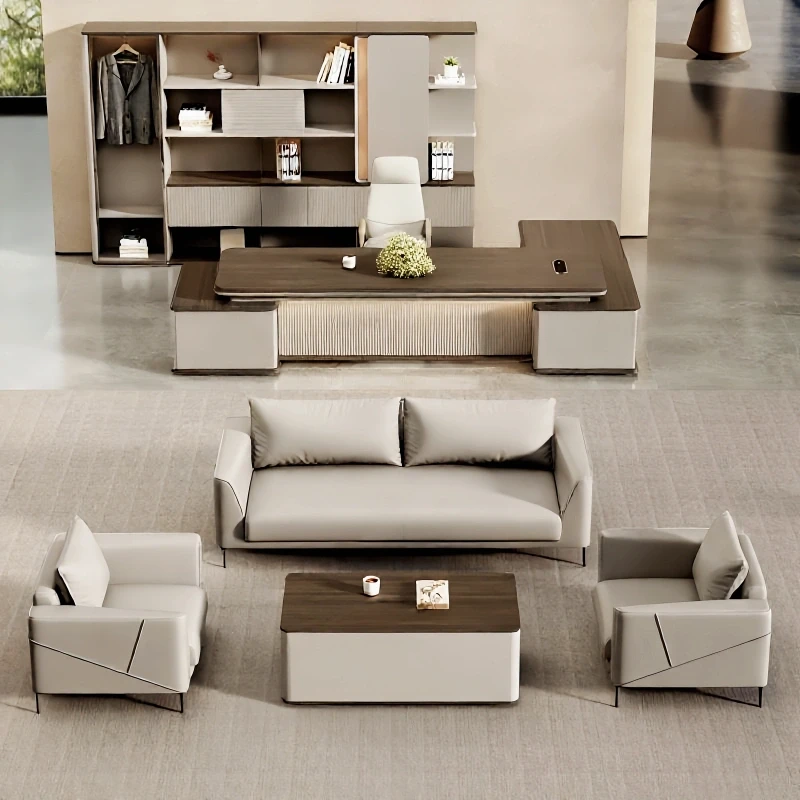
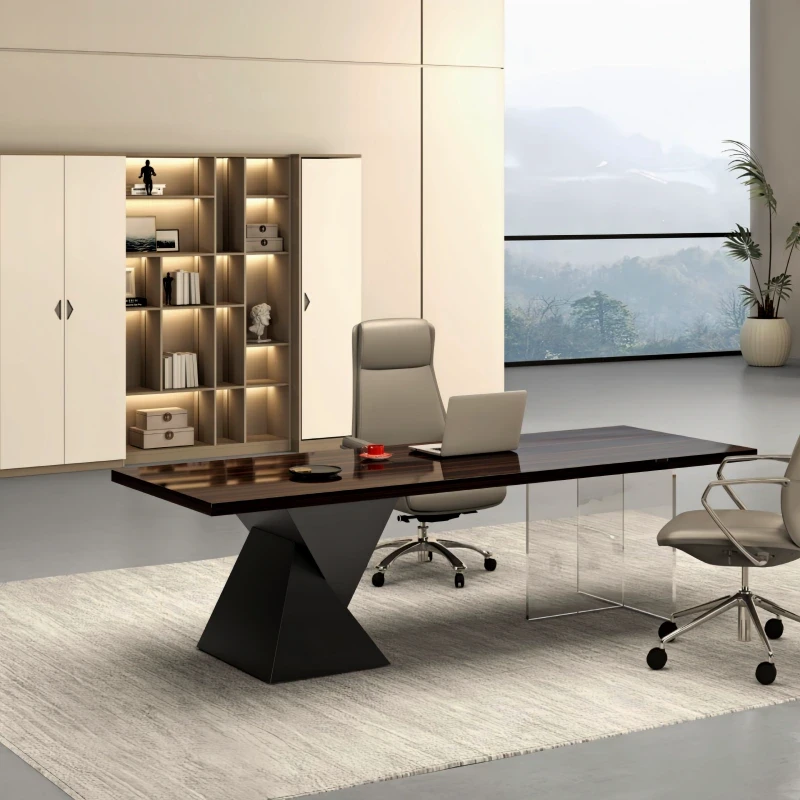


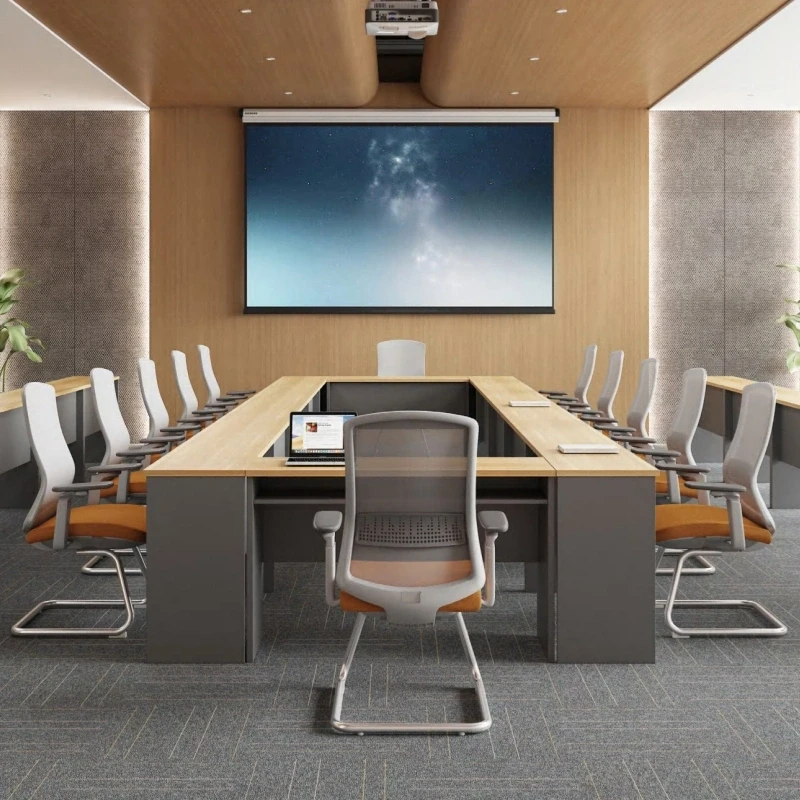
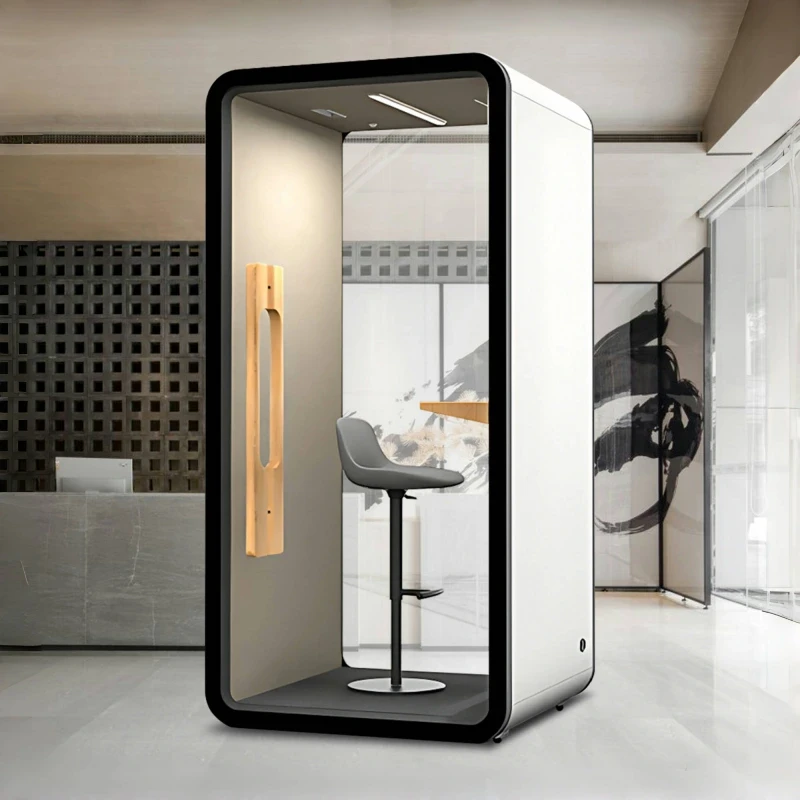
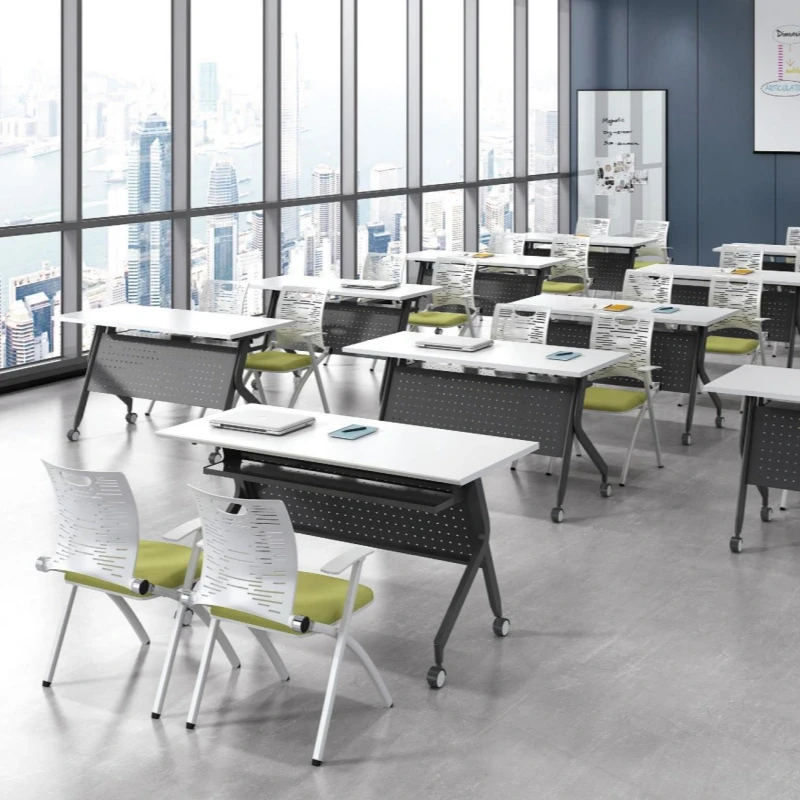
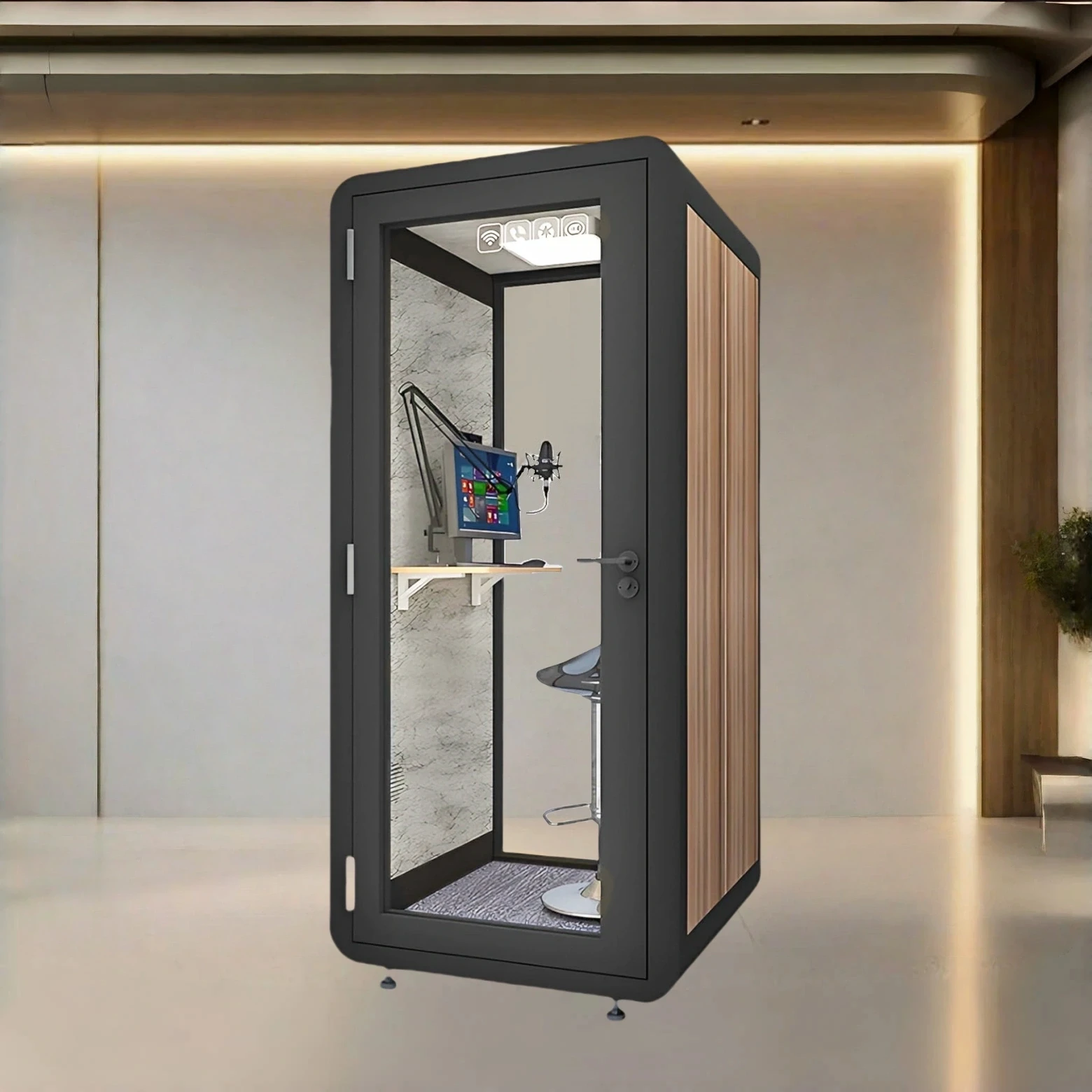
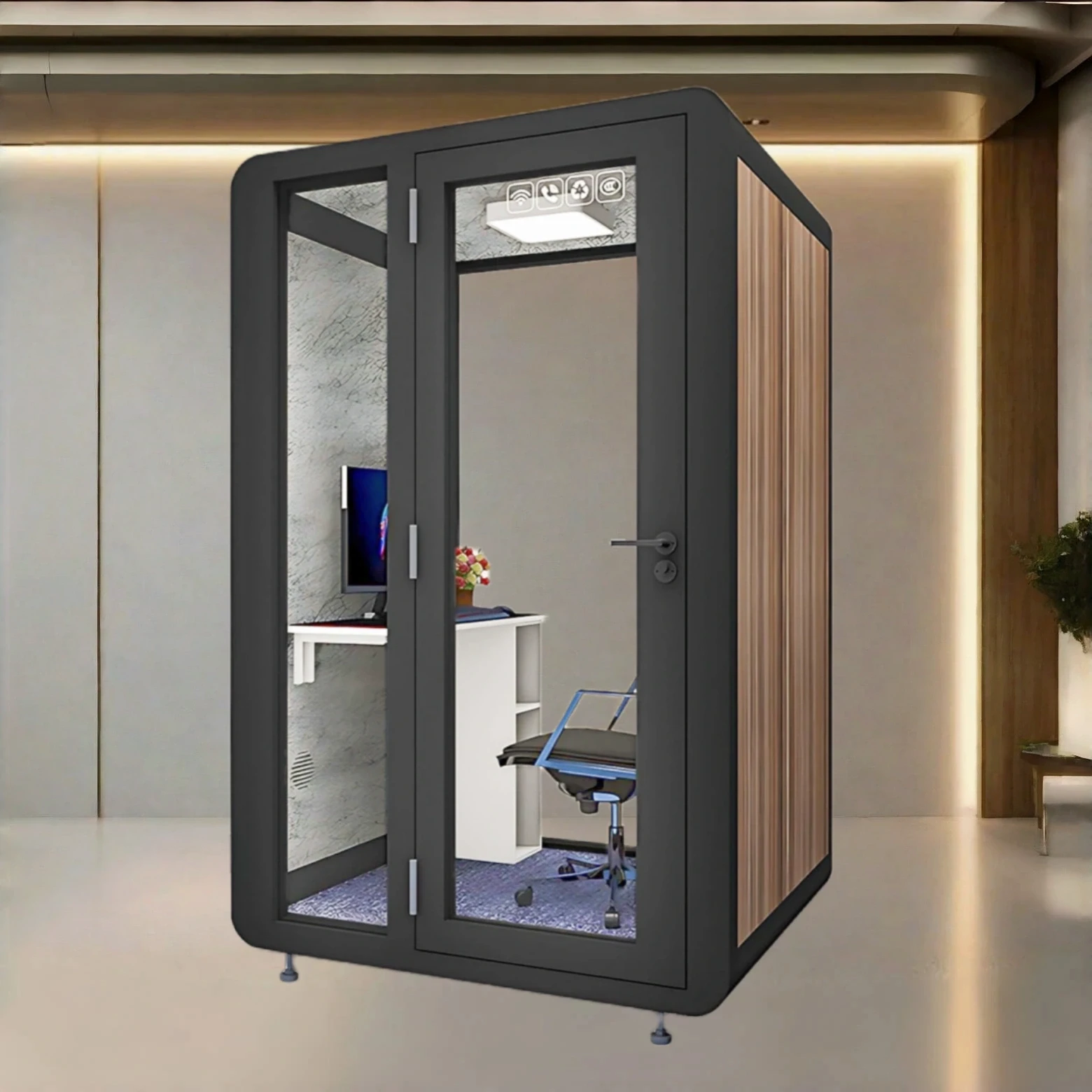
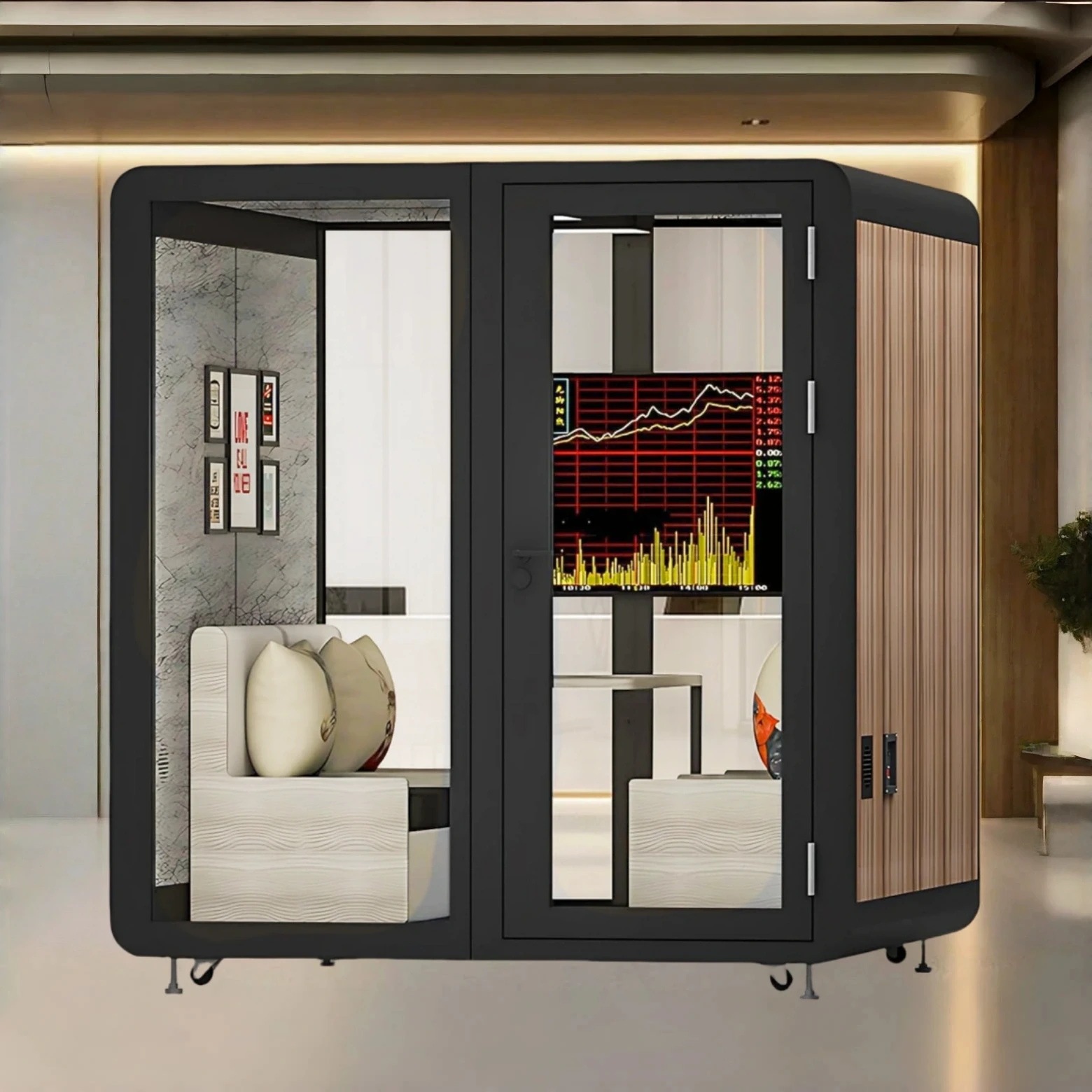
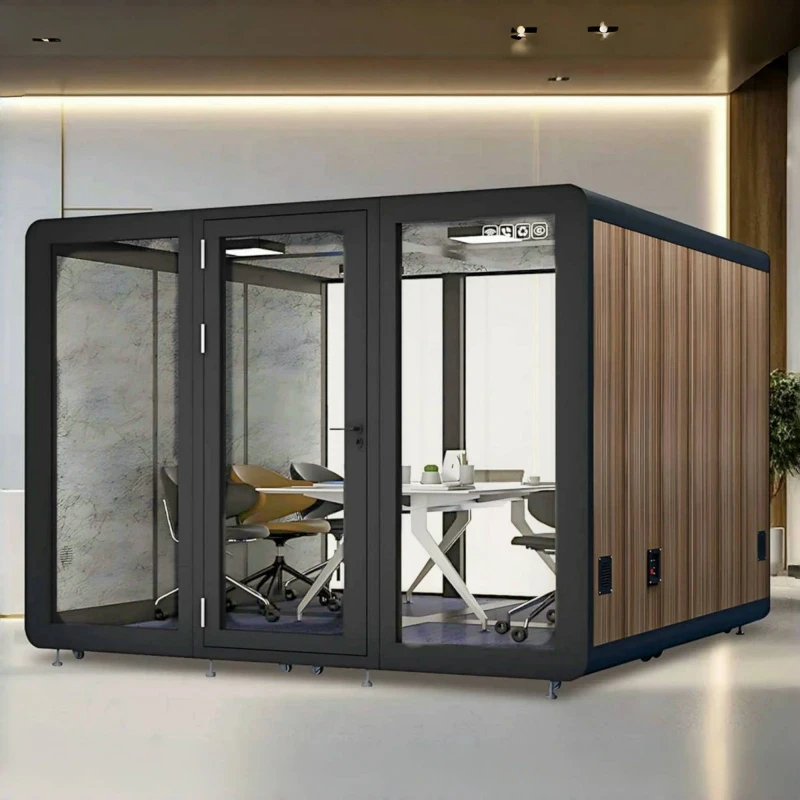
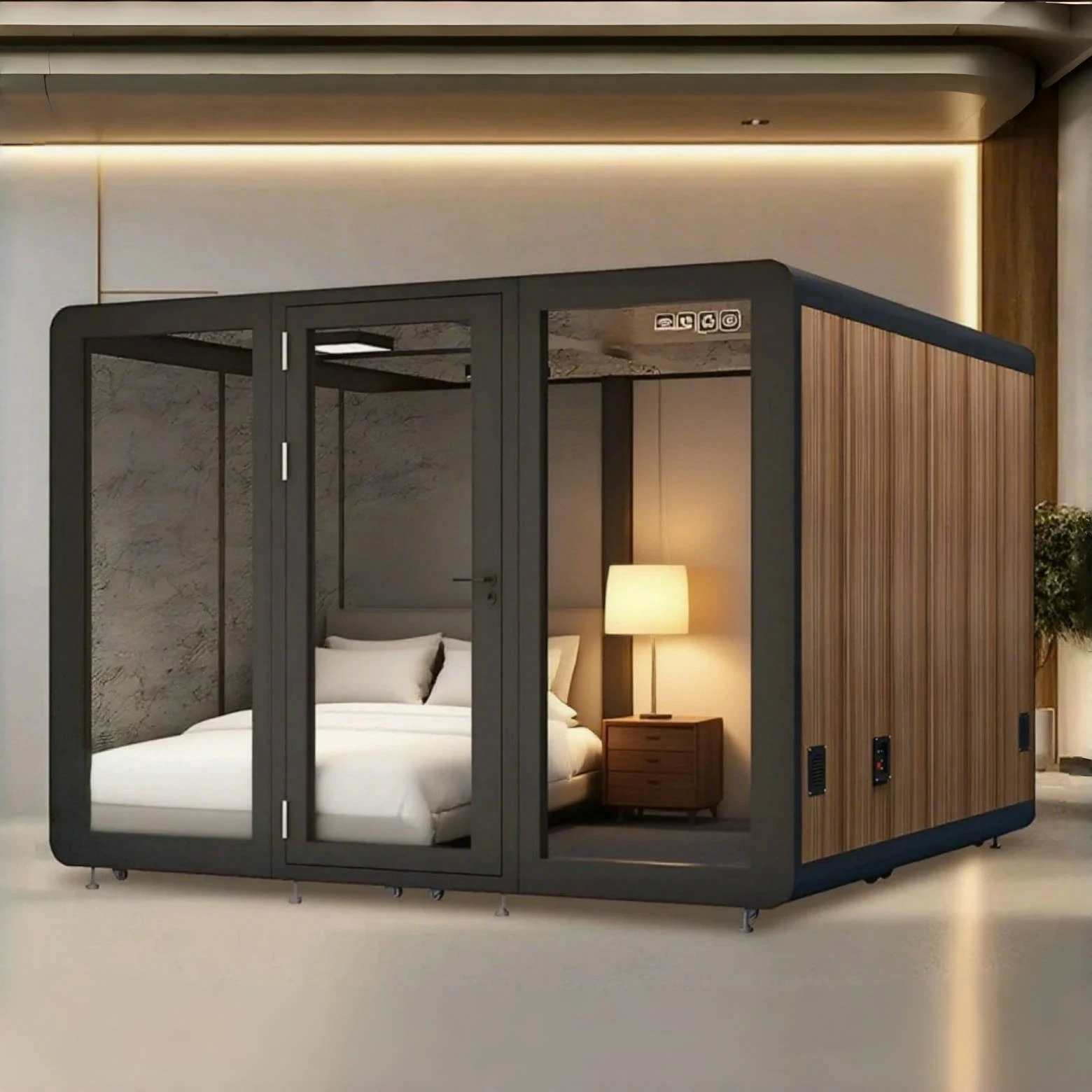


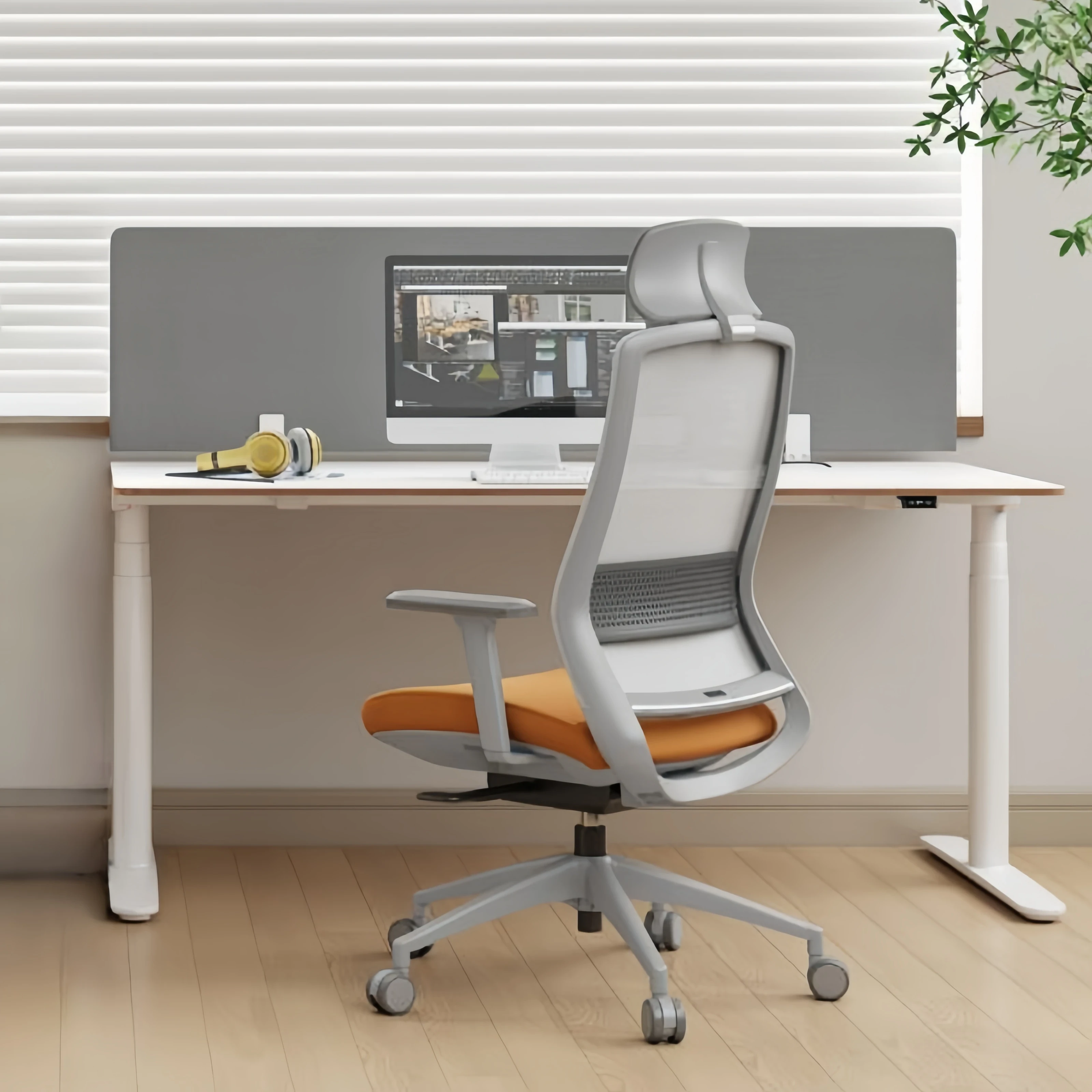


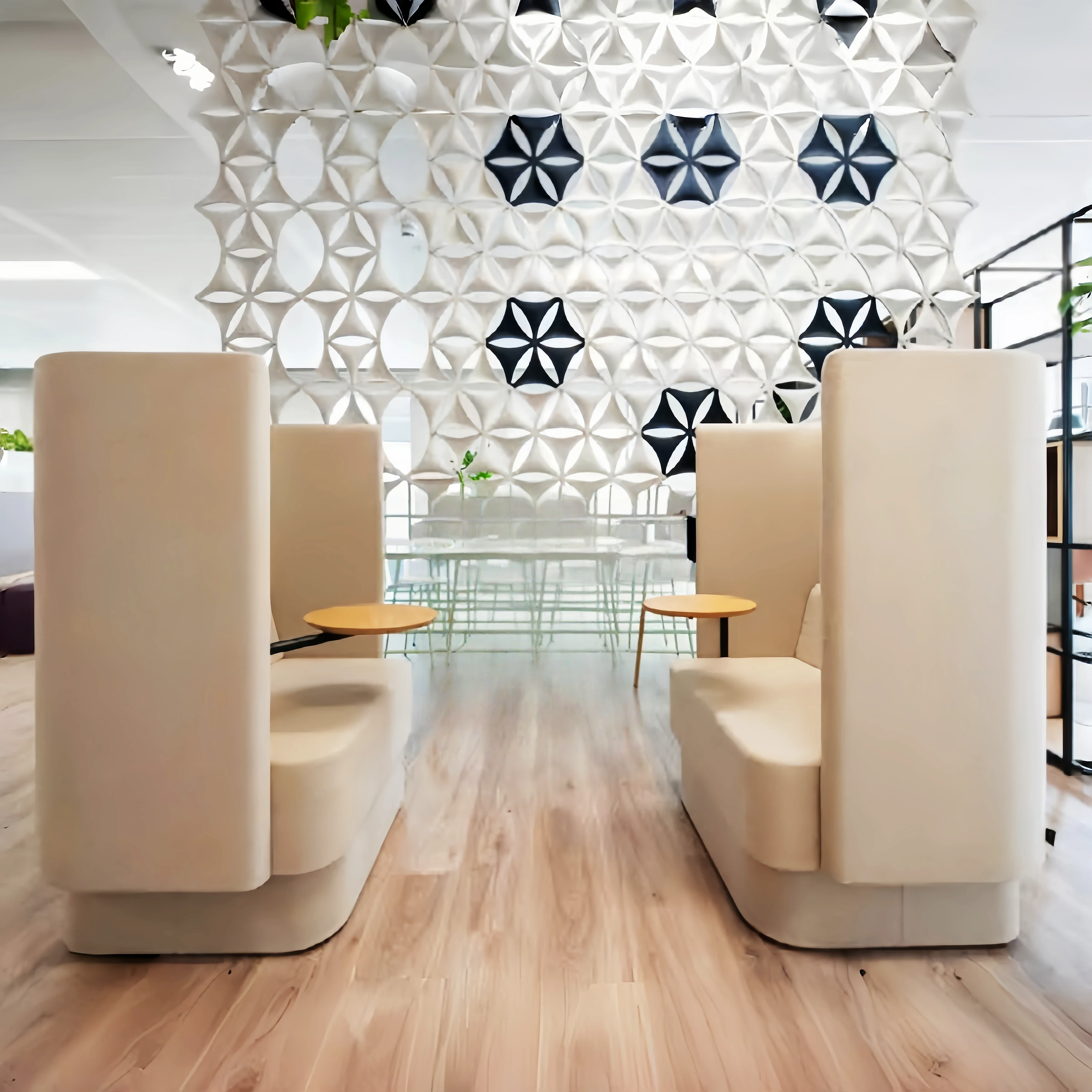

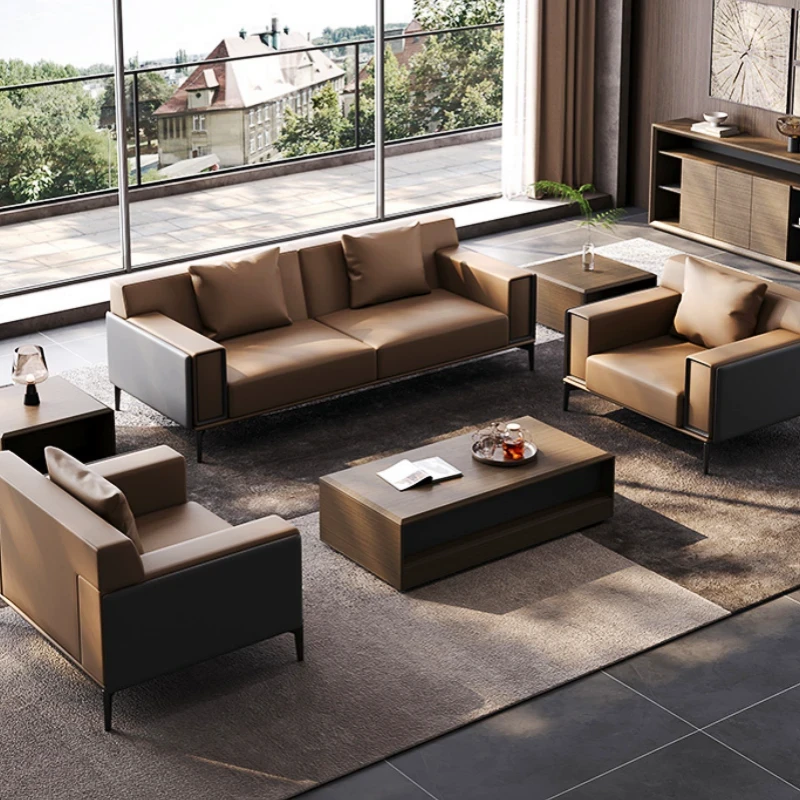
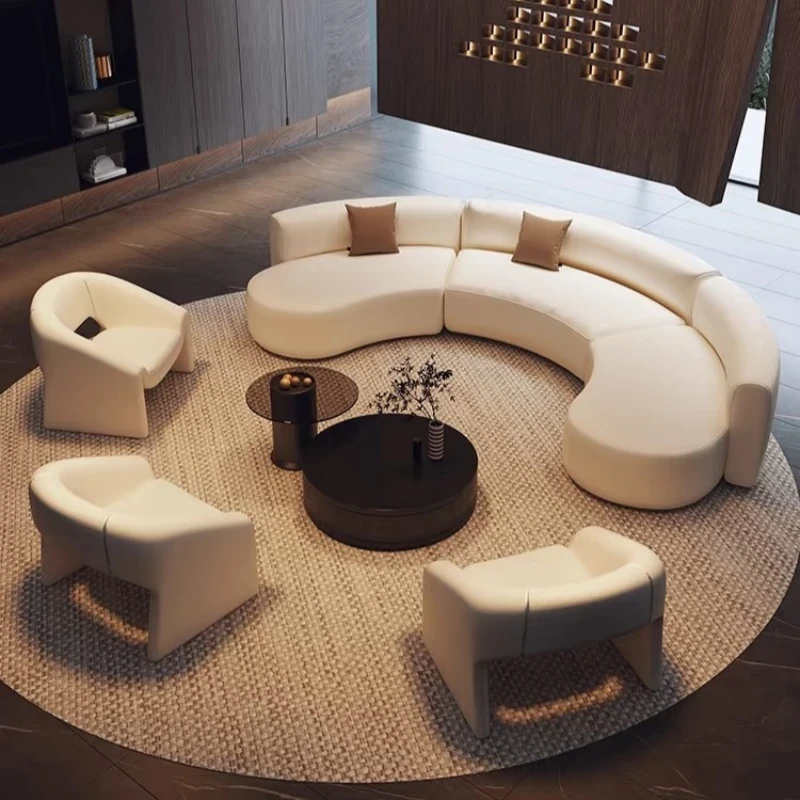
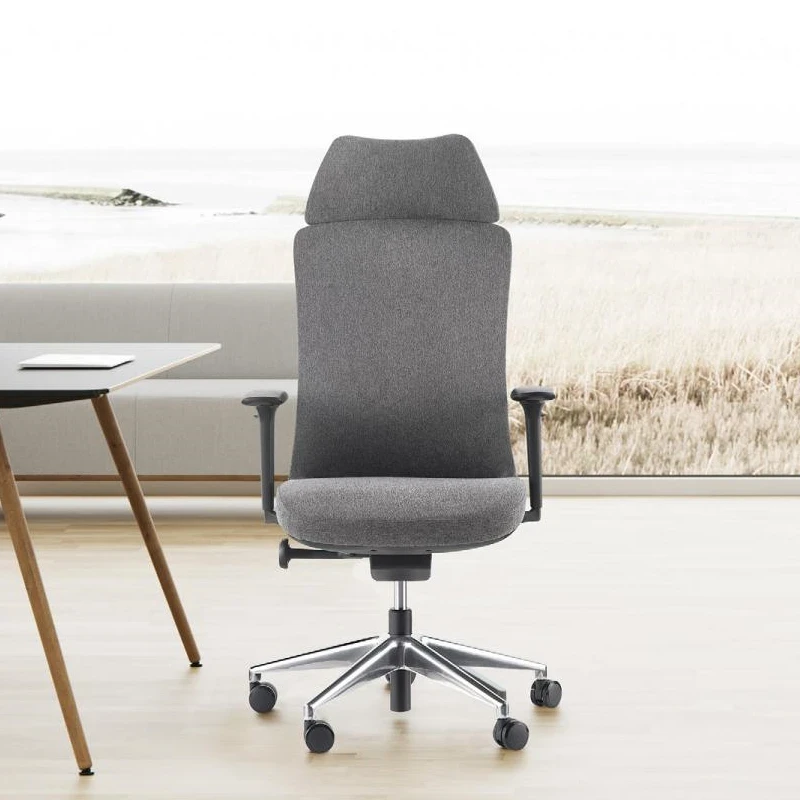


1. Space Usage Analysis
First, it's necessary to clarify the main purpose of the lounge area. Is it for employee rest, informal meetings, or social interaction? Different uses have different requirements for the type, quantity, and layout of furniture. For example, if it's mainly for rest, comfortable sofas and recliners are essential; if it's for informal meetings, movable tables and chairs and a whiteboard are needed.
2. Multifunctional Design
Modern lounge areas often need to have multiple functions, so choosing multifunctional furniture is particularly important. For example, convertible sofa beds, coffee tables with storage, and modular seating systems can all achieve multiple uses within a limited space, improving space utilization.
II. Material and Craftsmanship Selection
1. Durability and Ease of Maintenance
Lounge area furniture is usually used frequently, so the durability of materials and the ease of maintenance are primary considerations. Choosing high-quality materials, such as solid wood, metal frames, and wear-resistant fabrics, can extend the lifespan of the furniture. At the same time, easy-to-clean and maintain surface treatments, such as stain-resistant coatings and waterproof materials, can also reduce the workload of daily maintenance.
2. Environmental Protection and Health
Modern enterprises are increasingly emphasizing environmental protection and employee health. When selecting materials, priority should be given to environmentally friendly materials and low-volatile organic compound (VOC) coatings to ensure that the furniture is harmless to the environment and users. Furthermore, furniture products that meet environmental certifications not only reduce a company's carbon footprint but also enhance its social responsibility image.
III. Design and Aesthetics
1. Spatial Harmony
The furniture design in the leisure area should be consistent with the overall style of the space. Whether it's modern minimalist, industrial, or classic European style, the color, shape, and material of the furniture should match the overall design of the space to create a harmonious and aesthetically pleasing environment.
2. Comfort and Ergonomics
Comfort is an important indicator for leisure area furniture. Ergonomic design not only enhances the user's comfort experience but also reduces fatigue from prolonged use. For example, chairs designed to conform to the human body's curves, height-adjustable tables, and well-supported cushions can significantly improve furniture comfort.
IV. Budget and Cost-Effectiveness
1. Budget Planning
Before making customized purchases, a detailed budget plan should be developed, clearly defining the allocation of various costs. This includes material costs, design fees, transportation and installation costs, and potential maintenance costs. Reasonable budget planning can avoid overspending and ensure that the best furniture solution is selected within the budget.
2. Cost-Effectiveness Assessment
Cost-effectiveness is a crucial criterion for evaluating the success of furniture procurement. High cost-effectiveness not only means obtaining high-quality furniture at a reasonable price, but also includes the furniture's durability, functionality, and aesthetics. Through a comprehensive evaluation of different suppliers and products, the most cost-effective furniture solution should be selected.
V. Supplier Selection and Cooperation
1. Supplier Qualifications and Reputation
Selecting qualified and reputable suppliers is essential to ensuring furniture quality and smooth procurement. The supplier's production capacity, quality management system, industry reputation, and past project cases should be examined to ensure they can meet customization needs and deliver on time.
2. Customization Capability and Flexibility
Furniture customization often requires personalized design and flexible production capabilities. Suppliers should have strong design teams and flexible production lines, capable of customizing designs according to specific customer needs, providing diverse options and solutions.
3. After-Sales Service and Guarantee
Excellent after-sales service ensures timely resolution of problems encountered during furniture use. Suppliers capable of providing comprehensive after-sales service, including warranty, repair, replacement, and technical support, should be selected to ensure a long-term user experience.
VI. Delivery and Installation
1. Logistics and Transportation
: Customized furniture procurement involves logistics and transportation. It is essential to ensure that suppliers can provide safe and efficient logistics services. Select suppliers with robust transportation guarantees to prevent damage or delays during transport, ensuring the furniture arrives at its destination on time and safely.
2. Professional Installation Services:
Professional installation services ensure the furniture is installed correctly and safely, reducing problems caused by improper installation. Choose suppliers who can provide professional installation teams to ensure a smooth and efficient installation process, followed by a comprehensive inspection after installation.
VII. User Feedback and Continuous Improvement
1. Collecting User Feedback:
After the furniture is installed and used, user feedback should be collected regularly to understand its performance and any problems encountered in actual use. Obtain employee opinions and suggestions on the furniture's comfort, functionality, and aesthetics through questionnaires, focus groups, etc.
2. Continuous Optimization and Improvement:
Based on user feedback, promptly optimize and improve the furniture design, material selection, and usage methods. Continuous improvement not only enhances the user experience but also helps establish good supplier relationships, promoting future procurement success.
In conclusion,
custom procurement of lounge furniture is a complex and meticulous task, requiring comprehensive consideration of multiple key factors such as functional needs, material selection, design aesthetics, budget control, supplier cooperation, delivery and installation, and user feedback. Through comprehensive and systematic analysis and evaluation, businesses and organizations can select lounge furniture best suited to their specific needs, creating comfortable, practical, and aesthetically pleasing leisure spaces. This provides employees with an efficient and relaxing environment, ultimately improving overall work efficiency and corporate image.