
 USD
USD GBP
GBP
 EUR
EUR


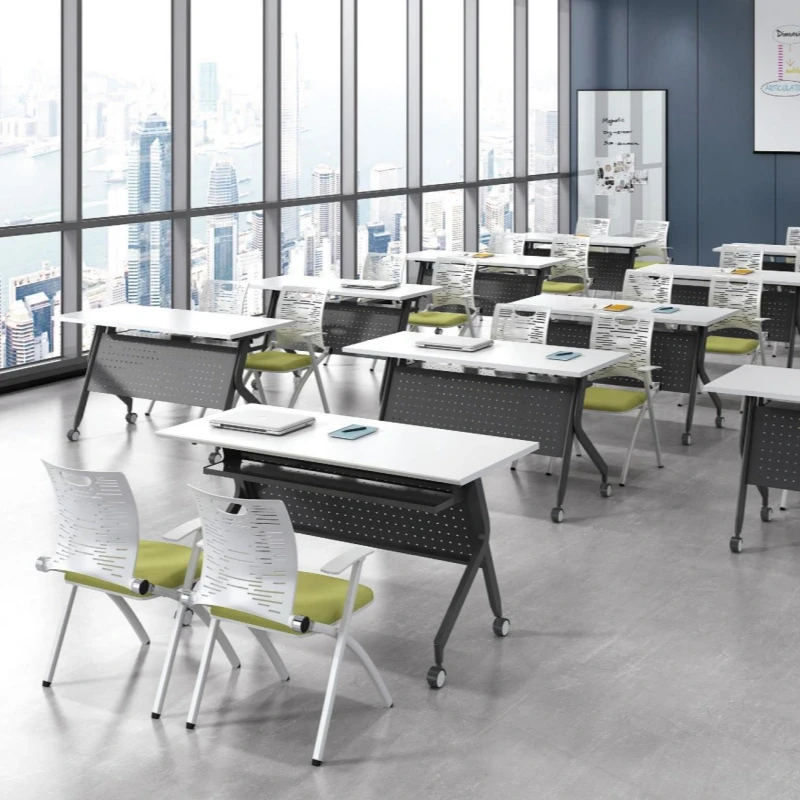
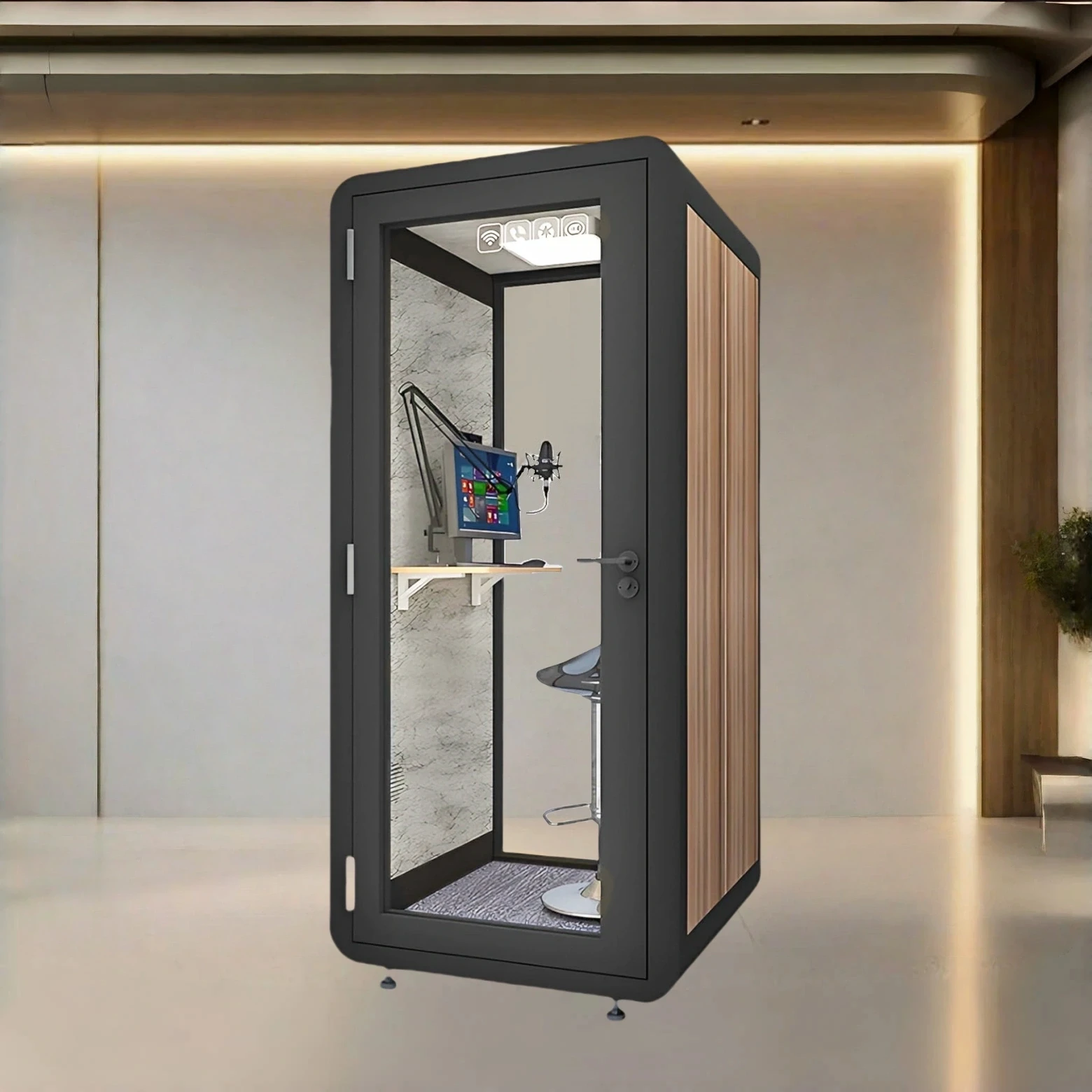
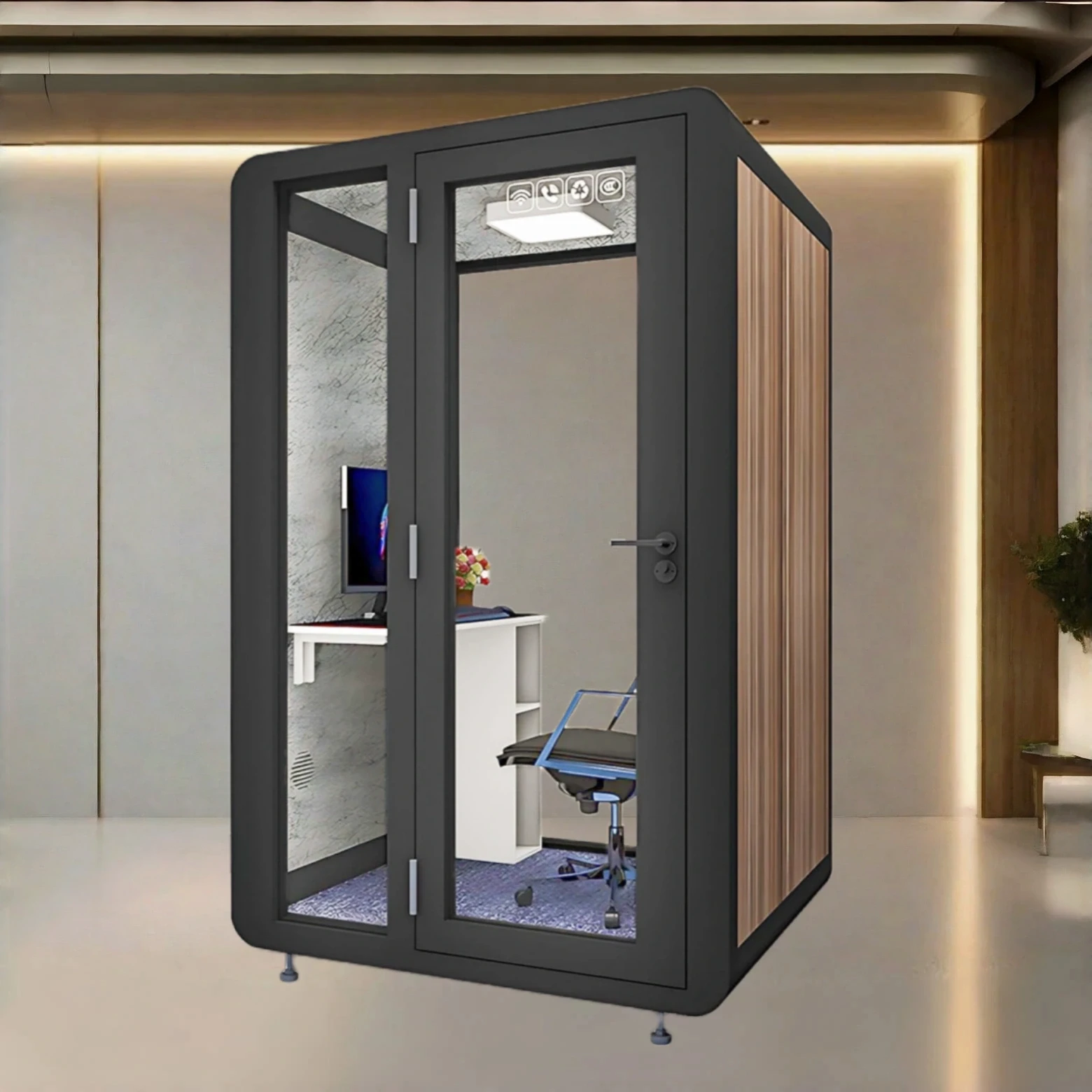
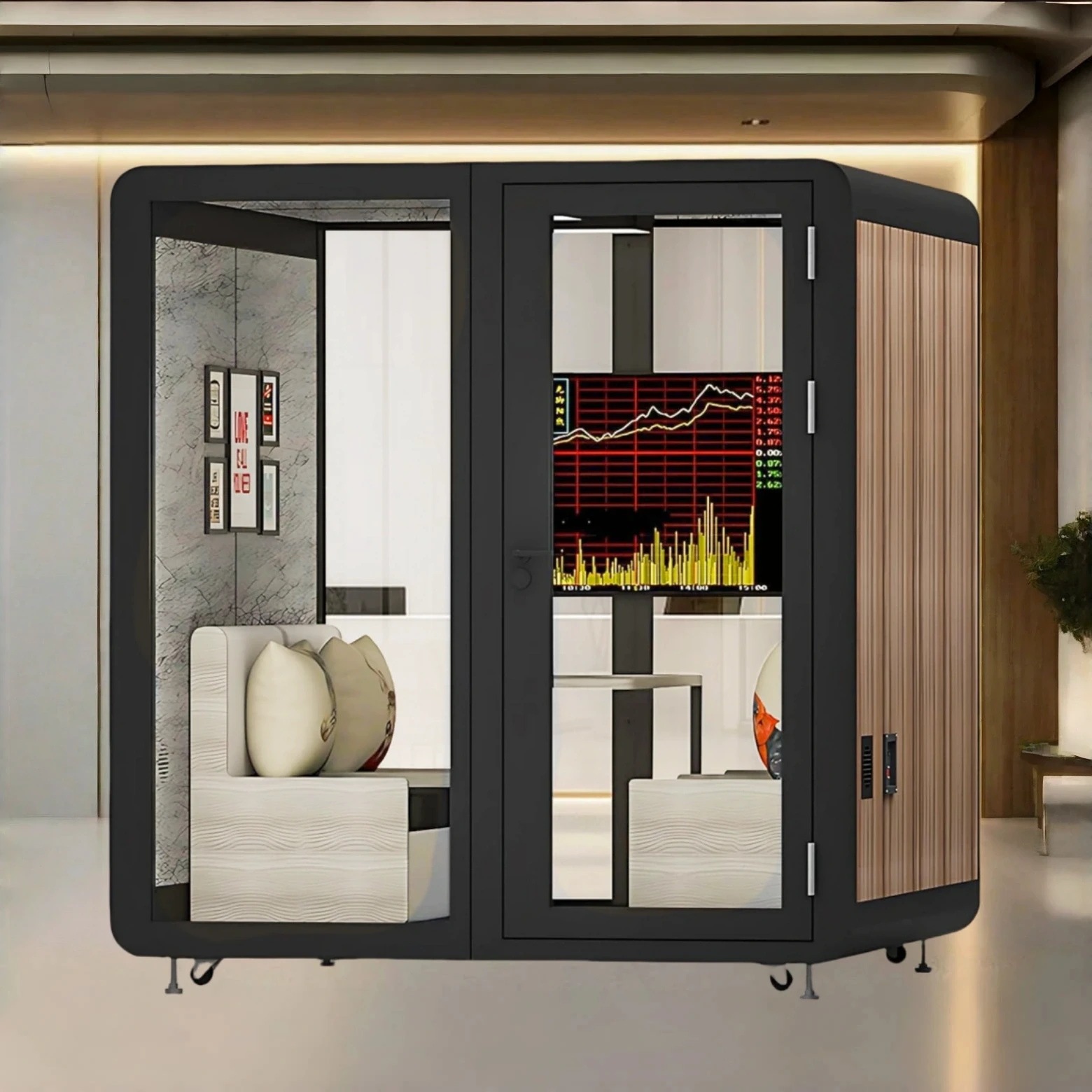











1. Functional Requirements
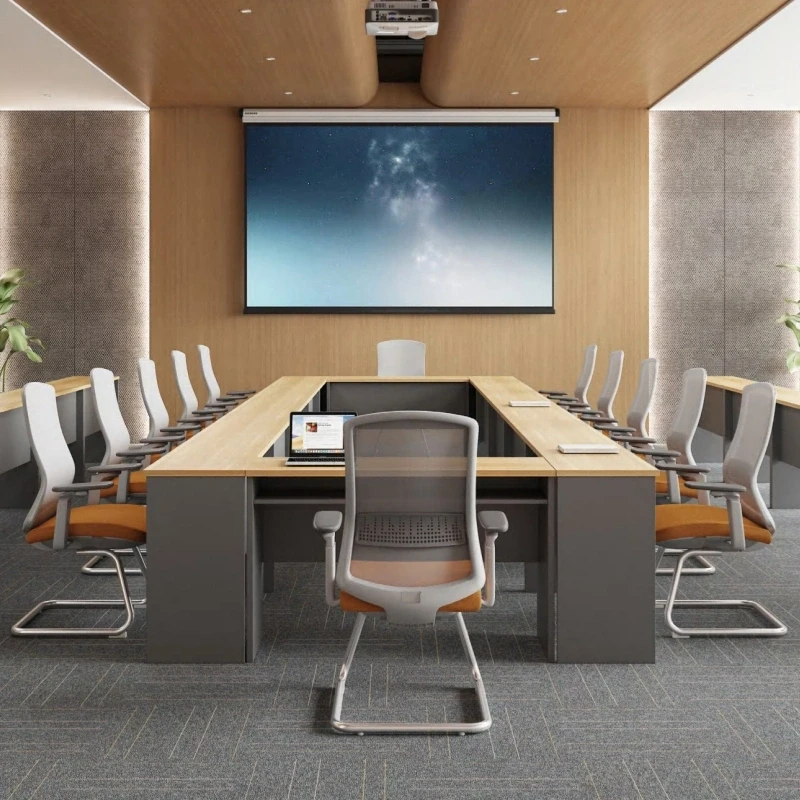
Before selecting a supplier, businesses must first define the functional requirements of the meeting room tables and chairs. Consider the frequency of meeting room use, the size of the attendees, and the type of meeting-is it a discussion meeting, a decision-making meeting, or a presentation meeting? This information will guide the supplier to provide the most suitable customized solution.
2. Budget Planning
Developing a clear budget helps narrow down the supplier selection and avoids overspending. A clear budget plan also allows suppliers to provide more cost-effective solutions, ensuring the best quality products are obtained within the given budget.
II. Assess Supplier Qualifications and Experience
1. Certifications
Choosing suppliers with relevant certifications is the primary condition for ensuring product quality and service levels. Checking whether the supplier has passed ISO quality management system certification or other relevant industry certifications provides more trust and assurance for cooperation.
2. Industry Experience
Industry experience means that the supplier has a high level of professionalism in product design, manufacturing, and installation. Their experience and strength can be assessed by asking about case studies, customer reviews, and industry reputation.
III. Examine Product Quality and Design Capabilities
1. Material Selection
Understanding the types and quality of materials offered by the supplier is one of the key steps in the selection process. High-quality materials not only extend the lifespan of the furniture but also affect the comfort and safety of the users.
2. Design Diversity:
A supplier's design capabilities are also an important indicator of their quality. Suppliers with flexible design capabilities can provide personalized and creative customized solutions based on corporate culture and the specific layout of the meeting room.
IV. After-Sales Service and Guarantee Terms
1. After-Sales Support:
Good after-sales service includes product installation, regular maintenance, and rapid response to malfunctions. Understanding the types and specific terms of after-sales support provided by the supplier is crucial to avoiding problems during later use.
2. Warranty Policy
: When signing the contract, carefully read the warranty policy, clarifying the warranty period, coverage, and after-sales costs to ensure full protection of your rights during the warranty period.
V. Communication and Collaboration Ability
1. Solution Discussion:
Evaluate the supplier's professionalism and responsiveness during the communication process to ensure they understand and meet the company's specific needs. Face-to-face solution discussions can effectively avoid information errors during the customization process.
2. Production Progress and Feedback:
Choosing a supplier that can provide production progress feedback allows the company to understand the project's progress in real time and make adjustments as necessary, ensuring the project is completed on time and to a high standard.
In conclusion,
selecting a suitable supplier for customized conference room tables and chairs is a comprehensive process that considers needs, budget, qualifications, product quality, after-sales service, and communication capabilities. Through meticulous research and rigorous evaluation, companies can find suppliers capable of providing high-quality customization services, thereby creating a fully functional conference room environment that matches their corporate image, improving employee productivity and customer satisfaction.